Nikko Budget: How Much Does a Nikko Trip Cost?
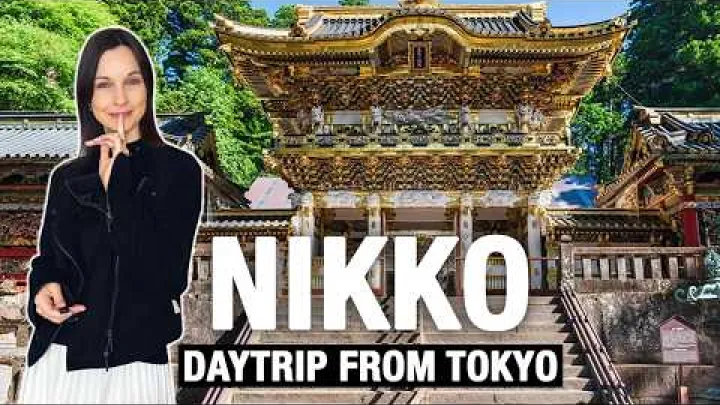
A Nikko travel budget depends on more than the price of reaching the city. Your base, the distance to Lake Chuzenji or Kinugawa Onsen, accommodation style, and choice of paid attractions can change the total significantly. As a starting point, plan for about ¥6,000–¥10,000 per person per day for budget travel, ¥15,000–¥25,000 for mid-range travel, or ¥30,000–¥50,000 or more for a comfortable trip, before international flights and insurance. This guide separates Tokyo-to-Nikko access from local daily spending and shows how to plan a day trip, a central Nikko stay, or an onsen-focused visit.
Nikko Travel Budget at a Glance
Nikko has several different cost zones. Central Nikko, around Tobu-Nikko Station and the World Heritage shrine area, usually gives travelers the widest choice of simple rooms and casual food. Chuzenji Onsen and Kinugawa Onsen are more associated with scenic stays, hot-spring facilities, and ryokan packages, so a higher nightly rate may include services that would be separate purchases in a central hotel.
Daily Budget Ranges for Budget, Mid-Range, and Comfortable Trips
Broad Japan planning guidance places budget travel at ¥6,000–¥10,000 per person per day, mid-range travel at ¥15,000–¥25,000, and comfortable travel at ¥30,000–¥50,000 or more. A Japan Atlas budget guide provides a useful Japan-wide baseline, but Nikko can differ by season, base, and itinerary. Treat these figures as planning bands rather than guaranteed local prices.
| Trip style | Daily band | Stay position | Food position | Local transport | Activities |
|---|---|---|---|---|---|
| Budget | ¥6,000–¥10,000 | Hostel bed or simple guesthouse | Simple meals and prepared food | Walking and selected local buses | Free sights or one modest ticket |
| Mid-range | ¥15,000–¥25,000 | Hotel room or shared private room | Casual meals and one specialty meal | Planned bus trips across one or two areas | One major site and additional sightseeing |
| Comfortable | ¥30,000–¥50,000+ | Private hotel room or ryokan | Specialty dining or included ryokan meals | Several mountain-area journeys or private transport | Premium attractions, tours, or several paid sites |
These daily bands are per person and describe spending in and around Nikko. They do not include international flights, travel insurance, or the cost of reaching Japan. They also do not automatically include the intercity fare from Tokyo. Accommodation positions are shown as typical choices, while the actual cost per person depends on whether a room is shared and what the rate includes.
A budget trip can stay near the lower band when you sleep in a simple room, eat prepared food, walk around central Nikko, and choose one paid site. A mountain-area bus pass, a ¥5,800 Edo Wonderland ticket, a private vehicle tour, or a half-board ryokan can move the same day toward the comfortable range. A Tokyo day trip may also look expensive for one day because the intercity fare is concentrated into that day, even though it has no hotel charge.
Day Trip or Overnight Stay: The Cost Difference
The main budget decision is whether to minimize total cash outlay with a Tokyo day trip or stay overnight and spread the access cost across several days. A day trip removes the hotel line but leaves the full return rail fare in one day. An overnight stay adds accommodation and another day of food, but it gives you more time for the World Heritage area, Lake Chuzenji, Kegon Falls, or Kinugawa Onsen.
| Scenario | Main fixed cost | Costs that change most | Illustrative budget picture |
|---|---|---|---|
| Tokyo day trip | About ¥6,680 return rail example | Local buses, meals, and admissions | About ¥10,000–¥14,000; an independent example is near ¥12,000 |
| One night in central Nikko | Return rail plus one room night | Room basis, two days of food, and local sightseeing | Often about ¥18,000–¥35,000 per person |
| Two nights in central Nikko | Return rail spread across two nights | Room type, extra local journeys, and paid attractions | Often about ¥25,000–¥50,000 or more per person |
For a simple calculation, combine an example ¥6,680 return rail fare with ¥600–¥2,300 for local bus coverage, about ¥1,600 for Toshogu Shrine, and ¥1,500–¥3,000 for food. That gives roughly ¥10,380–¥13,580 before optional large attractions. A reported independent public-transport example near ¥12,000 fits within this type of calculation, although day-trip breakdowns do not always include the same meals or admission fees.
An overnight stay becomes more attractive when you want to visit both the shrine area and the mountain area. The access fare is then a smaller part of the average daily cost, and you avoid trying to fit every distant stop into one busy day. If the goal is only a short visit to central Nikko, however, the day trip can remain the lower total-cost choice.
Accommodation Costs by Nikko Base
The best place to stay depends on whether your priority is the lowest room price, easy access to sightseeing, or an onsen experience. Compare the nightly accommodation cost with the local transport and meal costs that come with each base. A cheaper room far from your main activities is not always the cheapest complete itinerary.
Central Nikko Guesthouses and Budget Rooms
For central Nikko, a useful planning range is approximately ¥3,000–¥7,000 per night for a hostel bed and simple guesthouse options. The lower end generally represents a bed rather than an entire private room, while a basic private option can be higher. This range works best for travelers who want to stay near Tobu-Nikko Station, the main central area, or the World Heritage shrine area and limit extra bus journeys.
Location can have a direct effect on your Nikko travel budget. Staying near the station makes arrival and departure simpler, while staying near the shrine area can reduce the number of local transfers during a heritage-focused itinerary. A Booking.com listing for Stay Nikko Guesthouse, for example, describes facilities such as private parking, air conditioning, television, and mountain or river views. Those details help you compare what a property offers, but the listing should not be treated as a fixed market-wide nightly rate.
When comparing accommodation, first identify whether every quote is priced per bed, per person, or per room. Then compare the final total for your exact dates, occupancy, taxes, breakfast, cancellation terms, and any other required fees. A low headline price can represent one bed, a limited room type, or a nonrefundable rate, so it should not be placed directly beside a private-room total without adjusting the basis.
Mid-Range Hotels and Ryokan
Central Nikko mid-range hotels can be modeled at approximately ¥10,000–¥15,000 per night, while higher-end ryokan can start around ¥20,000–¥30,000 or more. These are broad planning bands. They are more useful when you compare the complete stay rather than assigning a value based only on hotel category or star rating.

A hotel rate may cover a private room and en-suite facilities but leave breakfast and dinner separate. A ryokan package may include a private room, breakfast, dinner, hot-spring bathing, and a more distinctive setting. A ¥12,000 room shared by two travelers would represent about ¥6,000 per person for the room, while one person paying the same room total would carry the full ¥12,000. This simple difference explains why room sharing can move a trip between budget bands.
Meal-inclusive accommodation changes the way you read the food budget. A ryokan with dinner and breakfast can make separate food spending look low, but the package itself may place the day in the comfortable category. Compare the final package total, including meals and applicable taxes, with a hotel-only room plus separate restaurant spending. The more expensive option may be reasonable when the onsen stay and traditional meals are central to the experience.
Chuzenji Onsen vs Kinugawa Onsen vs Central Nikko
These three bases create different cost patterns. Central Nikko is usually the most flexible starting point for budget travelers because it offers a wider mix of guesthouses, ordinary hotels, and casual places to eat. Chuzenji Onsen is a scenic base near Lake Chuzenji and Kegon Falls, while Kinugawa Onsen is oriented more toward hot-spring and resort stays. The latter two can offer more included value, but they may have fewer low-cost rooms and dining choices.
| Base | Best fit | Accommodation position | Main budget trade-off |
|---|---|---|---|
| Central Nikko | First visit or lower-cost trip | Broadest choice of simple stays | Less emphasis on a full resort or ryokan experience |
| Chuzenji Onsen | Lake and mountain scenery | Hotels and onsen-oriented ryokan | Higher stay cost and mountain-area bus spending |
| Kinugawa Onsen | Hot-spring resort stay | Resort hotels and ryokan packages | Potentially higher package cost and separate local transfers |
Online accommodation snapshots for Chuzenji Onsen and Kinugawa Onsen can show a very low price-from listing beside much higher rooms. Such snapshots are date-specific examples, not expected rates for an available room. If the onsen, dinner, breakfast, or lake view is valuable to you, include that value in the comparison rather than treating only the room price as the cost. If it is not essential, staying in central Nikko and visiting a resort area for the day may keep the total lower.
Food Costs in Nikko
Nikko food costs are manageable when you mix prepared food with casual restaurants, but a specialty yuba meal, drinks, and repeated sit-down dining can quickly increase the daily total. The most useful approach is to set a daily allowance and decide in advance which meal will be your main local dining experience.
Budget Meals and Everyday Food Prices
For planning, use the following broad Japan food benchmarks cautiously in Nikko: a convenience-store meal may be around ¥700–¥1,000, a bento around ¥500–¥700, ramen around ¥600–¥1,200, and a teishoku set meal around ¥800–¥1,000. These figures are reference points rather than guaranteed Nikko menu prices. Prices and selection may differ between central Nikko, Chuzenji Onsen, and Kinugawa Onsen.
| Food choice | Planning example | Budget use |
|---|---|---|
| Bento | ¥500–¥700 | Low-cost lunch or dinner |
| Convenience-store meal | ¥700–¥1,000 | Simple breakfast, lunch, or snacks |
| Ramen | ¥600–¥1,200 | Casual hot meal |
| Teishoku | ¥800–¥1,000 | More complete casual meal |
A practical food allowance is about ¥3,000–¥6,000 per person per day. The lower end can cover a simple prepared breakfast, a bento or casual lunch, and an inexpensive dinner. The upper end gives room for a sit-down meal, drinks, snacks, or a local specialty. If your accommodation includes breakfast or dinner, reduce the separate allowance for those meals rather than carrying the full amount.
Local Dining, Yuba Meals, and Ryokan Inclusions
Yuba is one of Nikko's best-known local food choices, and a specialty meal can be included without making a whole trip expensive. Reported menu snapshots for Nikko Yubamaki Zen include a set meal around ¥2,000 and a course around ¥2,800. Use these figures as illustrations of the cost of a dedicated local lunch, not as permanent menu prices.
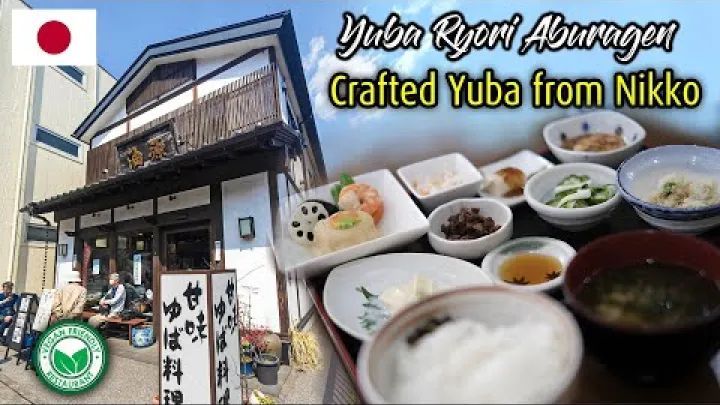
For example, a ¥2,000 yuba lunch combined with a ¥700 prepared breakfast and a ¥1,000 casual dinner would create a food total of about ¥3,700. That fits within a mid-range daily food plan. Eating a specialty course for several meals, adding drinks, or dining mainly in resort areas can move the daily total toward or above ¥6,000.
Before adding a separate food allowance, confirm which meals are included in any ryokan or hotel rate. If dinner and breakfast are part of the package, count only meals that remain separate, such as lunch, snacks, and drinks. Do not count an included ryokan dinner once in the accommodation price and again as a restaurant expense when comparing two itineraries.
Transport Costs for Reaching and Exploring Nikko
Transport has two separate parts: the fare from Tokyo or another starting point to Nikko, and the local cost of moving between the station, shrine area, Lake Chuzenji, Kegon Falls, and other attractions. A short central itinerary may need little local transport, while a mountain-area itinerary can make buses or an all-area pass a major part of the budget.
Tokyo to Nikko: Rail Options and Pass Choices
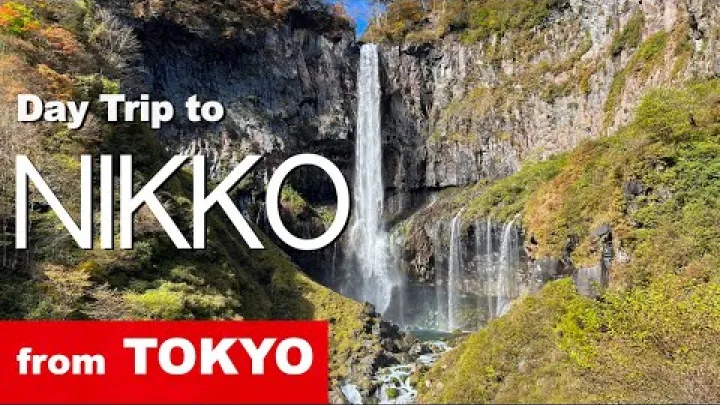
A reported Tobu limited-express planning figure from Asakusa is about ¥3,340 one way, or ¥6,680 for a return journey. Use it as an access-cost example rather than a universal current fare. Ordinary rail, a pass you already hold, or another service should be compared by marginal cost and coverage, not simply by the headline price of a new ticket.
| Option | Reported price example | Transport included | Best fit |
|---|---|---|---|
| Tobu limited express | ¥3,340 one way; ¥6,680 return | Intercity rail example from Asakusa | Day trip or simple overnight access |
| NIKKO PASS ALL AREA | ¥8,000 adult; ¥4,000 child | Return transport and designated bus coverage | Several local journeys across a multi-day visit |
| Ordinary rail or held pass | Depends on the ticket or pass | Depends on product conditions | Travelers comparing marginal cost |
The reported NIKKO PASS ALL AREA example has four-day validity, round-trip transport, and designated bus coverage, while attraction admissions are separate. At ¥8,000, it is only about ¥1,320 above the reported ¥6,680 return rail example, so its value depends mainly on how many covered local bus journeys you make. A traveler visiting only central shrines may prefer individual fares, while a traveler adding the Lake Chuzenji and Kegon Falls area may receive more value from broader coverage.
Local Bus Fares, Passes, and Mountain-Area Add-Ons
A local bus guide from Earth Hostel reports approximately ¥600 for a Tobu Bus World Heritage Sightseeing Pass and approximately ¥2,300 for a Tobu Bus Chuzenji Onsen Pass. The guide presents the information in a multi-day, four-day bus-pass context, but the exact validity and zone belong to the individual product. Do not treat the World Heritage pass, Chuzenji pass, and all-area pass as interchangeable.

Reported individual bus costs to the Chuzenji Onsen and Kegon Falls area are approximately ¥1,200–¥1,300 each way. Two such rides would therefore be about ¥2,400–¥2,600, making a ¥2,300 mountain-area pass potentially close to break-even if its coverage and validity match your planned rides. A ¥600 World Heritage pass may be useful for repeated journeys around the shrine area, but it is less relevant to a walking-focused visit.
Before buying a pass, check the current price, validity period, covered zones, and operator conditions. Then list your planned rides rather than assuming that a pass saves money. For a short central visit, walking and individual fares may be simpler. For Lake Chuzenji, Kegon Falls, and several other mountain-area stops, the broader local coverage may justify the extra cost.
Guided Tours Versus Independent Travel
Independent public transport is usually the lower-cost choice for one traveler who is comfortable planning buses and managing the day around fixed services. A reported independent day-trip example is approximately ¥12,000 per person, although the exact total depends on meals, local transport, and admissions.
A reported private vehicle tour price is about ¥80,000 for up to four people. The group-size effect is substantial:
| Travelers sharing the vehicle | Approximate vehicle cost per person | Budget meaning |
|---|---|---|
| 1 | ¥80,000 | Large premium over public transport |
| 2 | ¥40,000 | Still a major comfort upgrade |
| 3 | About ¥26,700 | May suit travelers valuing time and support |
| 4 | ¥20,000 | More manageable for a group |
The quoted tour price is an example, not a standard market rate, and meals or attraction admissions may be excluded or handled differently. Compare the total inclusions carefully. A private vehicle may be worthwhile for a group, travelers with mobility needs, or anyone placing a high value on door-to-door convenience and less navigation. Public transport is usually better for minimizing cash cost.
Attraction Costs and Activity Choices
Attractions can be the smallest part of a walking-focused Nikko day or the largest discretionary cost. Set an activities allowance separately from transport, because a bus pass generally does not mean that shrine, temple, waterfall-elevator, or theme-park admission is included.
World Heritage Shrines and Temple Admission
A reported admission example for Toshogu Shrine is approximately ¥1,600. This is a useful anchor for a World Heritage sightseeing budget, but it should not be used as a confirmed price for every shrine or temple. Other sites may have their own admission rules and fees.
There are three practical ways to set the activities line. A walking and views day can keep paid admissions close to zero. Choosing one major paid site, such as Toshogu Shrine, adds about ¥1,600 to the example budget. Choosing several paid heritage sites requires a separate allowance for each site rather than an invented combined-ticket total.
Keep admission separate from the cost of reaching the World Heritage area. A transport pass can help you arrive at the area while leaving shrine and temple tickets outside the pass. This separation makes it easier to compare a low-cost walking day with a heritage-focused day that includes one or more paid interiors.
Kegon Falls and Edo Wonderland: High-Impact Ticket Choices
One large attraction can change the shape of a Nikko travel budget. The official Edo Wonderland ticket page lists a one-day ticket at ¥5,800 for adults and ¥3,000 for children. It also lists afternoon-discount examples of ¥5,000 for adults and ¥2,600 for children, with the applicable afternoon time depending on the season.
| Choice | Admission example | Budget effect | Other cost |
|---|---|---|---|
| Toshogu Shrine | About ¥1,600 | Moderate addition to a heritage day | Local transport is separate |
| Kegon Falls view | Basic viewing can be separate from the elevator | Can support a lower-cost mountain day | Bus fare and any elevator ticket are separate |
| Kegon Falls elevator | Published figures require confirmation | Optional paid upgrade | Pass treatment may differ |
| Edo Wonderland | ¥5,800 adult; ¥3,000 child | Large single attraction cost | Transport is separate |
Kegon Falls can be viewed without budgeting the elevator experience, while the elevator is a separate paid option. Japan Guide reports a ¥1,250 elevator figure and says it is covered by the Nikko All Area Pass, but published travel information is not fully consistent. Use that amount only as a planning reference, not as a settled current price.
Before visiting, verify current attraction prices, opening status, and pass coverage on the official attraction or operator pages. This is especially important for the Kegon Falls elevator and for any ticket bought late in the day. When comparing attractions, also consider visit length: a ¥5,800 theme-park ticket may be reasonable for several hours of entertainment, while a short viewpoint stop may need only the transport cost and any optional elevator fee.
What Can Push a Nikko Budget Higher?
The largest increases usually come from accommodation and experiences rather than small food purchases. A busy date can raise the room cost, while a single premium attraction or private tour can add more than an entire day of budget meals. Decide which upgrades matter most before allowing optional costs to accumulate.
Peak Foliage, Weekends, Holidays, and Events
Autumn foliage is a major demand period in Nikko, and weekends during popular seasonal periods can reduce the supply of low-cost rooms. New Year, Golden Week, and dates connected with local events can also affect availability. Winter demand is not uniform, but winter weekends and resort-focused stays can still produce a different price pattern from ordinary weekdays.
The effect is often most noticeable in Chuzenji Onsen and Kinugawa Onsen, where resort and ryokan inventory can be more limited than the broader selection in central Nikko. A low price-from listing may disappear quickly when demand is high, while a meal-inclusive package may be the only remaining option.
For foliage, holiday, or weekend dates, check availability and the final booking rate early rather than building your budget from the lowest listing. Compare a weekday or shoulder date, a different room type, and central Nikko as an alternative base. If your dates cannot change, add a flexible contingency or reduce the number of premium activities instead of assuming that the lowest seasonal price will be available.
Ryokan Meals, Private Tours, and Other Splurges
Think of splurges as separate decisions with a marginal cost. You do not need to choose every premium option simply because you are visiting a resort area.
- Half-board ryokan: The nightly package can include dinner, breakfast, bathing facilities, and a private room. The accommodation total rises, while the separate food line falls for the included meals.
- Private scenic room: A lake view, larger room, or more private setting can move a stay above the central mid-range hotel band without changing your transport plan.
- Private vehicle tour: The reported ¥80,000 vehicle example has a much larger effect for one traveler than for four people sharing it.
- Premium attraction: Edo Wonderland's adult ticket of ¥5,800 is a meaningful addition to a day that might otherwise use only a modest shrine admission.
Use the complete package when judging value. A ¥25,000 ryokan stay that includes dinner, breakfast, and bathing should not be compared directly with a ¥10,000 hotel-only room without adding the meals and experience that the hotel does not provide. Keep drinks, souvenirs, premium desserts, and other optional purchases outside the core budget unless you deliberately include them in your comfortable scenario.
How to Build and Reduce Your Nikko Travel Budget
A reliable Nikko budget starts with the itinerary rather than a single daily number. First choose the base and the areas you will visit. Then add access, accommodation, food, local transport, and activities as separate lines. This prevents an inexpensive room or transport pass from hiding the cost of reaching distant attractions.
Sample One-Day and Two-Night Budgets
The following examples are per person and are designed to show how the components interact. They are not booking quotes. The Tokyo day trip uses the reported ¥6,680 return rail example, a local transport allowance, one Toshogu admission, and simple food. The two-night central scenario assumes a simple bed or basic guesthouse, while the ryokan example illustrates a shared one-night Chuzenji Onsen package with dinner and breakfast. The figures marked as allowances are scenario assumptions based on the broader ranges above.
| Cost item | Tokyo day trip | Two nights in central Nikko | One night at a Chuzenji Onsen ryokan |
|---|---|---|---|
| Stay | ¥0 | ¥6,000–¥14,000 for two simple nights | ¥10,000–¥15,000 per person when sharing a ¥20,000–¥30,000 package |
| Food | ¥1,500–¥3,000 | ¥6,000–¥12,000 | ¥0–¥3,000 outside included meals |
| Intercity transport | About ¥6,680 return example | About ¥6,680 return example | About ¥6,680 return example for the Nikko access portion |
| Local transport | ¥600–¥2,300 allowance | ¥1,200–¥4,600 allowance | About ¥2,300 mountain-area planning example |
| Activities | About ¥1,600 for Toshogu | ¥1,600–¥5,800 | ¥0–¥1,600 |
| Illustrative total | ¥10,380–¥13,580 | ¥21,480–¥43,080 | ¥18,980–¥28,580 when shared |
For the day trip, the known-cost subtotal of return rail, local transport, and Toshogu admission is about ¥8,880–¥10,580 before food. That is why a modest independent day trip can be near ¥12,000, while adding Edo Wonderland or more expensive meals changes the total quickly. A two-night central stay gives more sightseeing time, but the table's lower accommodation range assumes simple lodging; a private mid-range hotel can raise the total.
The ryokan example assumes that a ¥20,000–¥30,000 nightly package is shared by two people and that dinner and breakfast are included. If the same package is priced per person, the total becomes approximately ¥28,980–¥43,580 or more after the other listed costs. Kinugawa Onsen has a similar package-based budgeting structure, but its specific access cost should be calculated separately rather than copied from the Chuzenji bus allowance.
These examples exclude international flights, insurance, Tokyo accommodation, shopping, and souvenirs. They also show why a per-person estimate, a per-room quote, and the total for a group should always remain separate in your planning sheet.
Practical Saving Tactics
The most effective savings usually come from decisions made before booking:
- Choose the base first. Use central Nikko as the default budget base when the main goal is the World Heritage shrine area and flexible access to ordinary food and rooms. Visit Chuzenji Onsen or Kinugawa Onsen during the day if the onsen accommodation premium is not central to your trip.
- Match transport to actual rides. Add the planned bus journeys and compare individual fares with a local pass or the NIKKO PASS ALL AREA. A pass is most useful when you will make several covered trips across the validity period. A slower or ordinary rail option may reduce the marginal access cost, but compare the actual fare, schedule, and included services.
- Use a mixed food plan. Combine a bento or prepared breakfast with one affordable sit-down meal. Reserve the larger food allowance for one yuba meal or another local specialty instead of making every meal a premium experience.
- Prioritize paid attractions. Choose one or two experiences that matter most. A walking day around heritage buildings and viewpoints can balance a day with a large Edo Wonderland ticket or a paid waterfall elevator.
- Compare dates and room types. Weekdays and shoulder dates may offer more choice than busy foliage weekends. Compare the final package, not just the lowest displayed room price.
Rank savings by impact. Changing from an onsen resort room to a central guesthouse can affect the total more than reducing one snack. Choosing a pass only when the rides justify it comes next, followed by food and attraction choices. This approach reduces costs without removing the experiences that made Nikko worth visiting.
A Personal Budget Checklist Before Booking
Use this checklist to turn a general Nikko cost estimate into a trip total:
- Record the travel dates, number of travelers, and number of nights.
- Choose a base: central Nikko, Chuzenji Onsen, or Kinugawa Onsen.
- Write each accommodation quote as per bed, per person, or per room.
- List included meals, onsen access, taxes, cancellation terms, and other package inclusions.
- Add intercity transport as a separate line from local bus or rail costs.
- List each planned local journey, including trips toward Lake Chuzenji and Kegon Falls.
- Choose priority attractions and record admissions separately from transport.
- Add optional tours, premium meals, drinks, souvenirs, and other splurges only if you want them in the scenario.
Set the master budget in Japanese yen. Convert it to your own currency using a current exchange rate, and keep a separate contingency for changing accommodation, transport, and attraction prices. Before finalizing a pass or ticket, check the current operator and attraction pages for price, validity, coverage, opening status, and any conditions that apply to your dates. For payment planning, avoid broad assumptions about cash or card acceptance; check the policy for the specific hotel, restaurant, or attraction you intend to use.
Conclusion: Choose the Nikko Experience That Fits Your Budget
A Nikko trip can be a relatively affordable day visit or a comfortable onsen escape. Budget travelers should usually begin with central Nikko, simple meals, selected bus coverage, and one priority paid attraction. Travelers seeking Lake Chuzenji, Kegon Falls, or Kinugawa Onsen should allow more for local transport and consider whether a ryokan package provides enough meal and bathing value to justify its higher rate.
Start with the separate cost lines, decide which experience matters most, and use the ¥6,000–¥10,000, ¥15,000–¥25,000, and ¥30,000–¥50,000+ bands as a framework rather than a promise. This will give you a more realistic Nikko travel budget than relying on one headline price.
Select area
Create a post
Posting is free and no registration is required.