Nikko Travel Guide: Shrines, Nature & Hot Springs

This Nikko travel guide is designed for first-time visitors who want more than a quick temple stop. Nikko combines the ornate World Heritage Area with mountain forests, waterfalls, Lake Chuzenji, national park trails, and hot spring towns within the wider Tokyo and Kanto travel network. The main planning decision is how to balance the lower shrine district with the higher mountain areas, because they are connected by transport rather than one compact walking route. Use this guide to choose a base, plan transport, select a season, estimate costs, and build a realistic one- to three-day itinerary.
Nikko at a Glance: What to Expect and How Long to Stay
Nikko is a mountain destination with two very different but complementary sides: sacred architecture in the lower town and expansive scenery in the higher national park. The Nikko Official Guide is a useful starting point for current visitor orientation, but the best itinerary depends on whether your priority is culture, nature, hot springs, or a combination of all three.
What Makes Nikko Worth Visiting
Nikko is a strong choice for travelers who want to combine Japanese religious heritage with outdoor scenery without making a long journey from the Kanto region. In one trip, you can walk through the forested World Heritage Area, visit Nikko Toshogu Shrine, Futarasan-jinja Shrine, and Rinnoji Temple, then continue toward waterfalls, a highland lake, wetlands, and hot springs.
The contrast is part of the appeal. Toshogu is known for its elaborate gates, carvings, and lacquered details, while the mountain corridor feels spacious and restorative. Lake Chuzenji and Kegon Falls provide a different experience from the shrine district, and Yumoto Onsen offers a quieter setting deeper in the park. This range makes Nikko suitable for cultural travelers, photographers, families, hikers, and visitors seeking a slower alternative to large cities.
Nikko is not uniformly quiet. Major sites can be busy during autumn foliage, holidays, weekends, and popular visiting hours. Even so, the destination generally rewards an unhurried pace. Spending the night allows you to visit the heritage sites before or after the busiest part of the day and gives you more flexibility if mountain transport takes longer than expected.
How Nikko Is Laid Out
Think of Nikko as a group of connected areas rather than a single walkable town. JR Nikko Station and Tobu-Nikko Station are the main arrival points in the lower town. They provide access to accommodation, restaurants, tourist services, and buses, but they are not located directly inside the main shrine and temple precincts.
From the station area, the road rises toward Shinkyo Bridge and the World Heritage Area. The principal cultural sights are clustered around this uphill district, where walking between some sites is rewarding but involves slopes, steps, and forest paths. Nikko Town and the heritage district can be combined on foot by visitors who have enough time and energy, while buses are useful when you want to save effort or continue to a more distant stop.
The higher mountain corridor continues beyond the heritage area toward Lake Chuzenji and Chuzenji Onsen, with Kegon Falls, Akechidaira, Ryuzu Falls, and Senjogahara in the broader area. Yumoto Onsen lies farther into the national park. Kinugawa Onsen should be placed separately on your mental map: it is a distinct hot spring valley with its own rail and road pattern, not an adjacent neighborhood of the World Heritage Area or Lake Chuzenji.
How Many Days to Plan in Nikko
A day trip works when your main goal is the World Heritage Area. With an early arrival, you can focus on Shinkyo Bridge, Rinnoji, Toshogu, and Futarasan-jinja. You may be able to add one nearby stop, but a day trip from Tokyo is not a realistic opportunity to see the heritage district, Lake Chuzenji, Yumoto Onsen, and Kinugawa Onsen together.
Plan one night if you want to combine the shrines and temples with a mountain experience, a waterfall, a lakeside walk, or a hot spring. An overnight stay also reduces the pressure to fit every site between a morning arrival and an evening train. It is usually the best balance for a first Nikko visit.
Two or more nights make sense when you want a deeper national park visit, a guided outdoor activity, a dedicated ryokan or onsen experience, or time in both the cultural and mountain areas. A second base can be worthwhile, but only when it supports a clear goal. Moving luggage between Nikko Town, Chuzenji, Yumoto, or Kinugawa can consume time that would otherwise be spent sightseeing.
How to Get to Nikko and Move Around
Transport planning matters because Nikko's stations, heritage sites, lake district, and hot spring areas are spread across different elevations and corridors. Choose the arrival station and any pass together with your itinerary, then allow flexibility for transfers and the return journey.
Traveling to Nikko from Tokyo and Other Kanto Hubs
The two main approaches from Tokyo are a JR route through Utsunomiya and Tobu Railway services from the Tokyo area. The JR journey generally involves continuing from Utsunomiya toward JR Nikko Station, while Tobu services arrive at Tobu-Nikko Station. The practical choice depends on where you start, which station is easiest to reach, your rail-pass coverage, and whether you want a reserved limited-express service.
For a traveler already using a JR regional or nationwide pass, the JR route may fit naturally into the wider trip. Tobu can be convenient for visitors whose itinerary begins in the Tobu network or who choose a Nikko-focused pass. The two arrival stations serve the same general lower-town destination, but your final walk, bus connection, and accommodation route may be slightly different.
Do not choose a route only because an old guide lists a particular travel time or fare. Services, connections, reservation rules, and through trains can change. Check the current timetable, total fare, reservation requirements, and pass conditions for your planned date. A small difference in the outbound journey becomes important when you are trying to complete a same-day return from Tokyo.
Choosing Nikko Rail and Bus Passes
Pass selection should follow the places you will visit, not the other way around. A World Heritage-focused option is designed for travelers concentrating on the shrine and temple district. The current Nikko Official Guide describes the World Heritage Area Pass as covering the Tobu train journey from Tokyo to Nikko together with bus use in the core sightseeing area, subject to the product's current conditions.
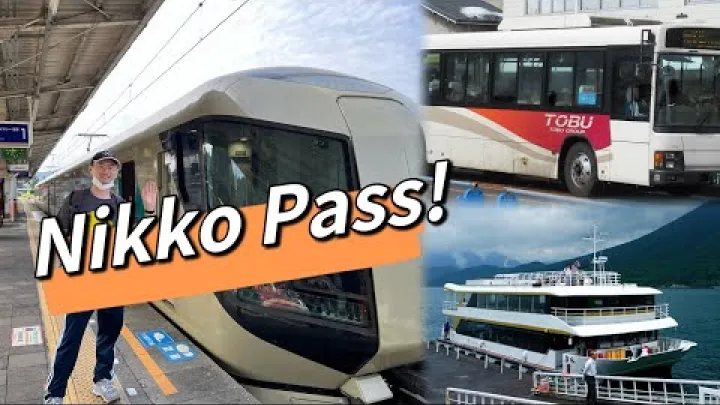
Wider Nikko products may be more appropriate when your plan includes the upper mountain corridor, while products associated with Nikko and Kinugawa may suit travelers combining those areas. Local bus passes can also be useful when several rides are planned between the stations, Lake Chuzenji, waterfalls, Senjogahara, and Yumoto Onsen. Coverage boundaries matter: a pass that is excellent for the heritage district may not cover every mountain bus or a separate rail journey to Kinugawa.
Before buying, compare the current price and validity with your actual movements:
- List the intercity train rides you need, including the outbound and return journeys.
- Mark the mountain bus rides between your base and each planned stop.
- Check whether the pass covers the exact route, date, direction, and destination.
- Confirm whether a limited-express reservation, seat supplement, attraction admission, or seasonal service is separate.
The Tobu Bus Nikko Mobile Tickets page is one place to review a current local bus pass listing, but product prices and designated coverage should be checked again when you are ready to purchase.
Local Buses, Walking, and Mountain Transport
Buses are the main practical link from the stations and lower town to the World Heritage Area, Lake Chuzenji, Kegon Falls, the highland scenery around Senjogahara, and Yumoto Onsen. The route is not simply a flat town shuttle: the upper destinations are reached along a mountain road, so a sightseeing day requires attention to the route map, stops, transfer points, and final departures.
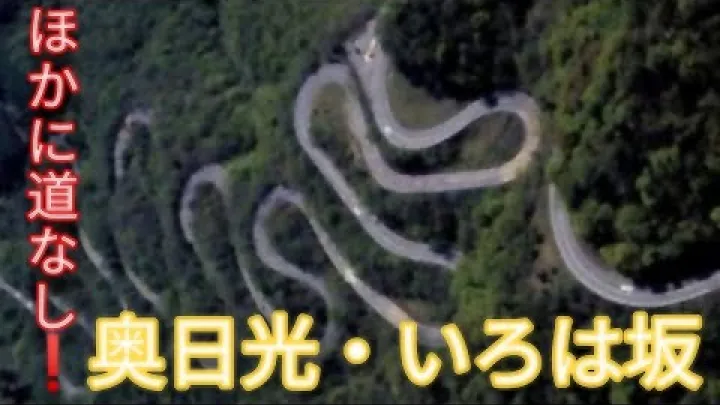
Walking is most useful in the lower town. You can create a cultural circuit around Shinkyo Bridge, Rinnoji, Toshogu, and Futarasan-jinja, although the distance and stairs make comfortable shoes important. Walking between the stations and the heritage area may be pleasant for some visitors, but it is not necessary to walk every section. Use a bus when you are carrying luggage, arriving late, conserving energy, or moving between the lower district and a mountain connection.
For a mountain day, identify the last practical bus back to your base and leave time for waiting, crowded services, weather-related changes, and a missed connection. Avoid building an itinerary around a chain of tight transfers. It is better to visit two or three upper-mountain highlights comfortably than to risk being stranded far from your accommodation or departure station.
Where to Stay in Nikko: Base Areas Compared
The best place to stay depends on whether you value rail convenience, shrine access, lakeside scenery, resort facilities, or a deeper hot spring setting. Use the following comparison as a starting point rather than assuming that every Nikko-area accommodation serves the same itinerary.
| Base | Best for | Main advantage | Main trade-off |
|---|---|---|---|
| Nikko Town and World Heritage Area | First visits and cultural sightseeing | Easy access to stations, services, and heritage sites | Upper-mountain sights require bus travel |
| Lake Chuzenji and Chuzenji Onsen | Scenery, lakeside walks, and relaxation | Close to the lake, Kegon Falls, and upper corridor | More planning for heritage visits and departures |
| Kinugawa Onsen | Resort, ryokan, and family stays | Accommodation-centered hot spring experience | Separate transfer from the heritage core |
| Yumoto Onsen | Quiet park stays and hot springs | Remote atmosphere deeper in the mountain area | More limited transport and greater transfer complexity |
Nikko Town and the World Heritage Area
Nikko Town is the most broadly convenient base for a first-time visitor. Staying near JR Nikko Station or Tobu-Nikko Station simplifies arrival, luggage handling, dining, and departure. Staying closer to the World Heritage Area can reduce the need for a local transfer when your main goal is Toshogu, Futarasan-jinja, Rinnoji, and Shinkyo Bridge.
This base is especially suitable for a one-night or two-night trip focused on culture. It also gives you a practical starting point for buses to the upper mountain corridor. The compromise is that a station-area or shrine-area room does not put you next to Lake Chuzenji or Yumoto Onsen. If nature is your priority, compare the time and cost of the bus journey with the benefits of sleeping higher in the mountains.
Lake Chuzenji and Chuzenji Onsen
Lake Chuzenji and Chuzenji Onsen suit travelers who want a lakeside and hot spring base rather than a town-centered stay. The area is close to Kegon Falls, Chugushi, lakeside scenery, and the upper-mountain route toward Ryuzu Falls and Senjogahara. It can feel more restorative than staying by the stations, particularly when your plans emphasize walking, viewpoints, and time outdoors.
The trade-off is transport. Reaching the heritage district requires a bus journey back down the mountain, and departure-day connections need more attention. This base is a good choice for a multi-day visit or for travelers who value scenery over arrival convenience. Check accommodation meal times, luggage arrangements, and the connection needed for your next destination before booking.
Kinugawa Onsen for Resort and Family Stays
Kinugawa Onsen has a distinct river-valley setting and a stronger resort character than Nikko Town. It is a natural choice for travelers seeking a hot spring hotel or ryokan, a room-centered stay, and family-oriented attractions in the surrounding area. The official Nikko hot spring information describes Kinugawa as a substantial accommodation area, which helps explain its different atmosphere and lodging choice.
Kinugawa is not a substitute for staying near the World Heritage Area. It should be treated as a planned rail or road transfer from the cultural core, not as an easy evening side trip after a full day at Toshogu. Choose it when the hot spring resort experience is one of the main purposes of the trip, and confirm the current rail connection and attraction operations if you want to combine it with other Nikko districts.
Yumoto Onsen and a Two-Base Strategy
Yumoto Onsen is the quieter and more remote option for travelers who want to stay deeper within the national park. It is best suited to visitors who prioritize hot springs, mountain atmosphere, and nature over quick access to the stations. A stay here usually creates more value over several nights than on a rushed trip that requires a long return journey on the same day.
For many first-time visitors, the most balanced two-base combinations are Nikko Town plus Lake Chuzenji, or Nikko Town plus Kinugawa Onsen. The first combination pairs heritage with nature; the second pairs heritage with a dedicated resort stay. Add Yumoto only when you specifically want a quieter park experience and are comfortable coordinating accommodation check-in, luggage, bus schedules, and the final return connection.
Nikko's World Heritage Shrines and Temples
The World Heritage Area is the cultural heart of a Nikko trip. The Japan National Tourism Organization describes the shrines and temples as a group of buildings connected by serene mountain paths. Allow enough time to notice the relationship between the architecture, religious history, and surrounding forest rather than treating the area as a quick series of photo stops.
Toshogu Shrine
Nikko Toshogu Shrine is the most elaborate and widely recognized part of the heritage complex. It is associated with Tokugawa Ieyasu, the founder of the Tokugawa shogunate, and is known for its richly decorated gates, carvings, painted and lacquered details, and forest setting. The path toward the mausoleum adds a more subdued, wooded dimension after the ornate main structures.
Visit with enough time to move slowly through the precinct and read the explanations at the buildings that interest you. The experience is not only about identifying famous carvings; it is also about seeing how craftsmanship, ritual space, and the mountain environment work together. Entry procedures, restricted areas, photography rules, and conservation work can change, so consult the current official site or on-site instructions when finalizing your route.
Futarasan-jinja and Rinnoji Temple
Futarasan-jinja Shrine represents Nikko's mountain-centered Shinto tradition and has a more restrained atmosphere than Toshogu. Its connection with the surrounding peaks and sacred landscape is important to understanding why Nikko developed as a religious center. Rinnoji Temple provides the Buddhist side of the heritage landscape, with its own buildings, religious objects, and historical character.
Seeing both sites prevents the World Heritage Area from becoming a single undifferentiated attraction. Futarasan-jinja, Rinnoji, and Toshogu reflect different institutions and traditions within a shared sacred environment. Historical explanations about the relationship between Shinto and Buddhism should be read carefully, because the institutions and practices changed over time. In practical terms, plan for stairs, uneven paths, and time inside buildings as well as outside walking.
Shinkyo Bridge and Planning a Heritage Circuit
Shinkyo Bridge is a recognizable gateway and useful orientation point between Nikko Town and the sacred precinct. It gives you a clear starting reference when walking uphill from the lower town, although it is better viewed as part of a wider circuit than as the only destination.
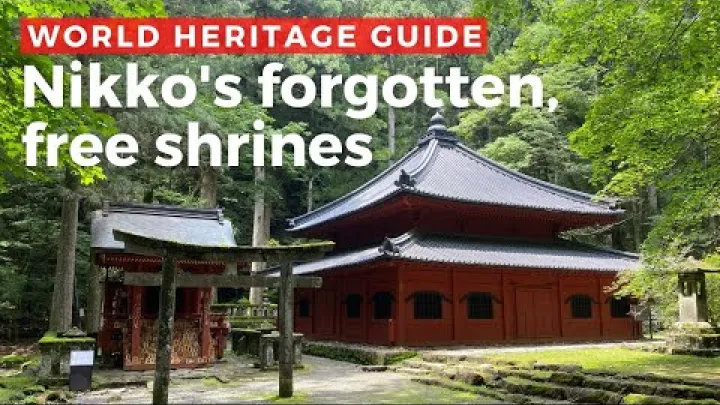
A practical sequence is to begin near Shinkyo Bridge, continue toward Rinnoji, visit Toshogu while you have energy for its larger precinct, and then see Futarasan-jinja if opening arrangements and daylight allow. Another order may work better for your arrival time or crowd conditions. Check current hours, entry arrangements, walking distances, and the time needed to return to the station or bus stop before fixing the order. Walking is rewarding within the heritage district, while buses can save effort between the lower town and the uphill approach.
Nikko National Park and Nature Highlights
Nikko National Park extends the trip beyond architecture into forests, volcanic mountain scenery, lakes, waterfalls, wetlands, and outdoor activities. The Japan National Tourism Organization presents the park as a place for cultural experiences, trail walks, and adventure. Choose nature stops according to the season, available daylight, footwear, and your preferred level of activity.
Lake Chuzenji, Kegon Falls, and Akechidaira
Lake Chuzenji, Kegon Falls, and Akechidaira form a concentrated upper-mountain sightseeing cluster. Lake Chuzenji is the place for broad water views, lakeside scenery, and a slower walk. Kegon Falls provides a more focused waterfall experience, while Akechidaira offers elevated views over the mountain road and surrounding landscape when its viewing facilities are accessible.
These attractions can be combined as a bus-based day from Nikko Town or visited more slowly from a base around Chuzenji Onsen. Do not assume that every facility will operate on every date. Confirm the live operating status of the Akechidaira Ropeway, observation facilities, and relevant bus access before leaving town, especially if the route depends on one viewpoint or a particular connection.
Ryuzu Falls and Senjogahara
Ryuzu Falls and Senjogahara are good choices when you want forest, wetland, boardwalk, and trail scenery beyond the principal lake viewpoints. They offer a different rhythm from a short waterfall lookout: the interest comes from the changing landscape, open highland views, trees, streams, and the act of walking through the area.
Match these stops to your fitness, footwear, daylight, and current trail conditions. A scenic stop and a longer walk are not the same commitment, so decide whether you want a short viewpoint visit or a route that requires more time on uneven paths. From Nikko Town, these places usually require careful bus planning; from Lake Chuzenji or Chuzenji Onsen, they can be easier to include in a nature-focused day.
Guided Nature Activities and Responsible Park Visits
A guided activity can add value when you are unfamiliar with mountain routes, want to understand the ecology of Nikko National Park, or hope to try a seasonal outdoor experience. Certified Nikko National Park adventure guides may offer hiking, nature interpretation, and other activities suited to different levels of experience. A guide can also help connect the route to current conditions, local history, and responsible behavior in a protected landscape.
Choose an activity by ability and purpose rather than by the most dramatic description. Beginners may benefit from interpretation and route support, while experienced hikers may want a more specialized outing. Check the current operator, meeting point, equipment requirements, weather policy, cancellation terms, and seasonal availability. Do not assume that an activity operates year-round or has the same safety requirements as an independent walk.
Best Time to Visit Nikko
Nikko changes significantly with elevation and season. Conditions in Nikko Town can differ from those around Lake Chuzenji and Yumoto Onsen on the same day. For mountain, trail, or lakeside plans, check the Japan Meteorological Agency forecast, observations, and warnings immediately before the outing rather than relying only on a general seasonal description.
Spring and Summer in Nikko
Spring brings blossoms, fresh growth, and a gradual change from colder mountain conditions to more comfortable walking. It can be attractive for visitors who want to combine cultural sites with early-season scenery. Blossom timing varies by location and year, so avoid planning around an exact date unless you are also checking current local reports.
Summer usually offers green landscapes and a reason to seek higher, cooler areas away from urban heat. It can suit mountain walks, lake views, and outdoor activities, but rain may affect trails, roads, and the comfort of a long sightseeing day. Festivals, school holidays, and other travel periods can also influence bus capacity and accommodation demand. Use current event calendars and forecasts when dates are important.
Autumn Foliage and Crowd Planning
Autumn foliage is one of Nikko's major attractions, but color develops at different times in the lower heritage forests and higher areas such as Lake Chuzenji and Yumoto Onsen. The timing also varies from year to year. A flexible route is more useful than a fixed promise of peak color on a particular date.
Demand can be heavy at popular viewpoints, the lake corridor, heritage forests, buses, and accommodation. Consider a weekday, start early, and reserve lodging well in advance when possible. If one road or viewpoint is crowded, a slower walk or a less central stop may produce a better experience than spending the day waiting. Keep enough time for the return journey because a foliage-focused day is also a transport-planning challenge.
Winter Snow, Hot Springs, and Reduced Access
Winter appeals to travelers who want snowy scenery, quieter cultural visits, hot springs, and selected snow activities. The atmosphere around temples, forests, lakes, and ryokan can be especially calm, but winter should be chosen for its trade-offs as well as its scenery.
Shorter daylight, cold or icy surfaces, and seasonal reductions or suspensions in some transport and outdoor services can change what is practical. Snow depth and access vary by date and elevation, so do not generalize conditions across all of Nikko. Before traveling to remote areas, review current weather, road, bus, attraction, and trail information, and choose footwear and clothing suitable for the actual forecast.
One-Day to Three-Day Nikko Itinerary Frameworks
Use these Nikko itinerary frameworks as flexible sequences rather than fixed timetables. Select fewer places when travel conditions, crowds, or your walking pace make the original plan too ambitious.
A Focused One-Day Nikko Itinerary
For a first-time day trip from Tokyo, make the World Heritage Area your main purpose. Arrive at JR Nikko Station or Tobu-Nikko Station, orient yourself in the lower town, and continue toward Shinkyo Bridge. From there, spend the main part of the day visiting Rinnoji, Toshogu, and Futarasan-jinja in a practical walking circuit.
Start early enough to protect time for the individual precincts rather than rushing through them. A nearby nature stop can be an optional addition only if the cultural circuit is complete and the bus connection fits comfortably. Lake Chuzenji, Yumoto Onsen, and Kinugawa Onsen are not sensible additions to a tightly scheduled one-day visit from Tokyo. Confirm site hours and the final train connection before choosing any optional stop.
A Balanced Two-Day Nikko Itinerary
With two days, dedicate one day to culture and one to nature. On the heritage day, use Shinkyo Bridge, Rinnoji, Toshogu, and Futarasan-jinja as the main anchors, with time for meals and unhurried forest walking. On the second day, travel toward Lake Chuzenji and choose a combination such as Kegon Falls and lakeside scenery, or add Ryuzu Falls or Senjogahara if you want more walking.
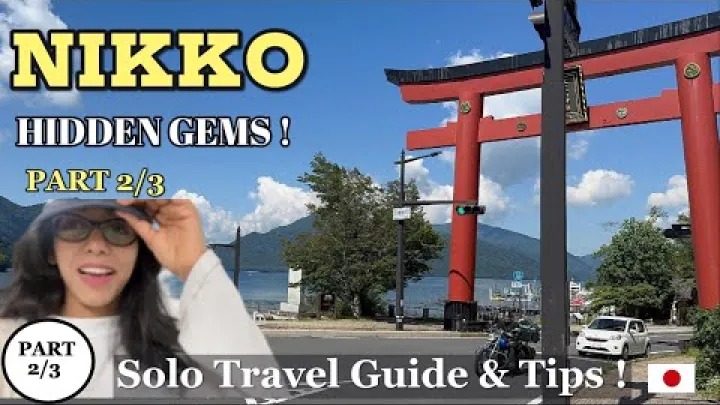
A culture-first version stays in Nikko Town and uses the second day for a mountain excursion. A nature-first version stays near Lake Chuzenji or Chuzenji Onsen and visits the heritage district on the first day or during the return from the station. The town base simplifies arrival and departure; the lake base reduces some upper-mountain transfers. In either case, keep the sequence flexible rather than assigning fixed departure times that may no longer match the current timetable.
A Three-Day or Longer Stay with Split Bases
Three days allow you to slow down rather than simply add more locations. Keep a cultural base in Nikko Town, then use extra time for deeper national park exploration, a guided nature activity, Yumoto Onsen, or a dedicated hot spring stay. Kinugawa Onsen can be added when a resort atmosphere, ryokan stay, or family-oriented attraction is a specific goal.
Changing bases adds value when it places you close to an activity that would otherwise require a long bus ride. It creates unnecessary complexity when the only benefit is a different hotel room. Account for luggage, check-in and check-out, meal schedules, and rail or bus transfers. Match every extra night to a clear purpose such as hiking, hot springs, family activities, or a slower cultural visit.
Costs, Reservations, Safety, and Final Planning Checks
A realistic Nikko budget depends less on one standard daily amount than on the structure of your trip. Rail choice, base area, room type, meals, paid sites, bus coverage, and season can all change the total.
Building a Realistic Nikko Budget
Divide your expected spending into these categories:
- Intercity transport: the train from Tokyo or another Kanto hub, including any reserved-seat or limited-express supplement.
- Local transport: buses between the stations, heritage area, lake corridor, waterfalls, Senjogahara, and Yumoto Onsen.
- Admissions: entry to individual shrines, temples, viewpoints, museums, or other paid attractions.
- Accommodation: a station-area room, hotel near the heritage district, lakeside lodging, ryokan, or hot spring stay.
- Meals: casual town dining, restaurant meals, or the dinner and breakfast plan often associated with a ryokan stay.
- Activities: guided nature experiences, seasonal activities, and any attraction-specific tickets.
The lowest-complexity budget usually comes from a day trip focused on the heritage district, modest local transport, and selected admissions. A middle-range plan adds one night and a mountain bus day. A higher budget is more likely when you choose a hot spring ryokan, include dinner and breakfast, travel during peak foliage demand, use reserved rail services, or book a guided activity.
To decide whether a pass saves money, compare its current price with the exact train and bus rides in your itinerary. Include only services the pass actually covers, and treat admission tickets, limited-express supplements, and separate Kinugawa or mountain services according to their current conditions. If the itinerary is uncertain, a cheaper flexible option may be better than buying broad coverage that you will not use.
Reservations, Opening Hours, and Day-Trip Logistics
Reserve accommodation early when you want a ryokan, a hot spring stay, a particular meal plan, or travel during autumn foliage, festivals, weekends, or other high-demand periods. Room inventories can be limited in remote areas, and check-in times may be stricter than at a large city hotel. Confirm whether the property accepts late arrival, stores luggage, provides meals at set times, or requires advance notice for dietary needs.
Before each sightseeing day, review current shrine and temple hours, attraction access, meal schedules, luggage arrangements, and transport departures. Site hours and facilities can vary seasonally or during maintenance. If you are staying at Lake Chuzenji, Chuzenji Onsen, or Yumoto Onsen, identify the last practical bus or train connection before booking the room. The final connection should allow time to reach the stop, collect luggage, and handle a slower-than-planned day.
For a day trip, keep your return station and departure window visible throughout the day. For a split-base trip, confirm how luggage will move between properties and whether a transfer requires a walk or local bus. These small checks prevent a scenic itinerary from becoming an expensive or stressful race back to Tokyo.
Safety and Respectful Travel in Nikko
Nikko's main safety concerns are practical mountain and surface conditions rather than reasons to avoid the destination. Check current closure notices and posted rules, stay on marked routes, and allow extra time for stairs, uneven paths, wet surfaces, and changes in elevation. Wear shoes with secure soles and carry clothing that matches the conditions in the area you will actually visit.
Do not continue onto a closed trail, overlook, boardwalk, or facility because it appears accessible. Follow instructions at waterfalls, lakesides, shrines, temples, hot spring facilities, and protected natural areas. Keep noise low in religious precincts, observe photography restrictions, and avoid touching structures or entering areas marked for staff or worshippers.
Use the Japan Meteorological Agency for current weather and hazard information, and combine it with local transport and site notices. If conditions change, replace a remote trail or lakeside plan with a lower-risk cultural visit rather than forcing the original schedule. Respectful travel also means carrying waste until you find the correct disposal point, protecting plants and wildlife, and treating hot spring etiquette as part of the experience.
Final Planning Takeaways
For most first-time visitors, Nikko Town is the safest base choice because it balances station access, dining, and the World Heritage Area. Add an overnight stay when you want Lake Chuzenji, Kegon Falls, a slower cultural visit, or a hot spring. Choose Chuzenji Onsen, Yumoto Onsen, or Kinugawa Onsen only when the scenery or resort experience justifies the additional transport planning.
Build the trip around one clear priority per day, compare passes with the exact routes you will use, and leave room for elevation, weather, crowds, and mountain bus schedules. With that approach, Nikko can be both an accessible Tokyo side trip and a rewarding multi-day destination combining shrines, forests, waterfalls, lakes, and hot springs.
Select area
Create a post
Posting is free and no registration is required.