Nikko Best Time to Visit: Weather, Seasons & Monthly Guide
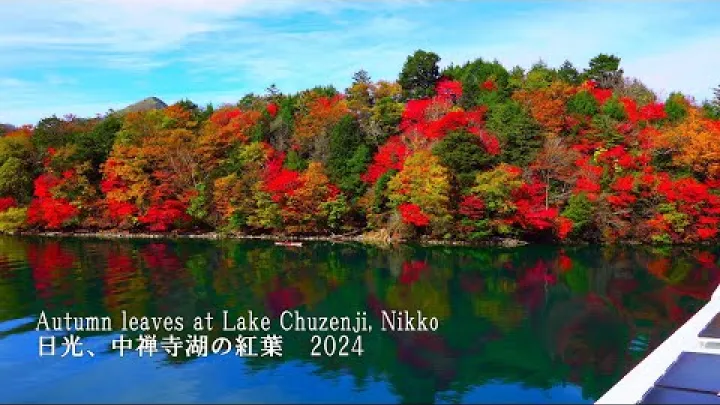
The best time to visit Nikko depends on what you want to see and how much mountain travel your itinerary includes. The historic area around Nikko Station and Toshogu Shrine can feel very different from the higher landscapes of Lake Chuzenji and Senjogahara. For a balanced first trip, mid-October through early November is the strongest broad window for autumn scenery, comfortable sightseeing, and access to major attractions, although it is also the busiest period. This guide compares Nikko's seasons and months so you can choose dates for foliage, hiking, culture, snow, lower crowds, or better value.
Quick Answer: When Is the Best Time to Visit Nikko?
Nikko has a strong seasonal identity, so there is no single perfect month for every traveler. Autumn offers the most famous scenery, spring brings blossoms and fresh greenery, summer provides lush mountain landscapes, and winter combines snow, hot springs, and quieter heritage visits. Elevation is important: conditions in Oku-Nikko may be colder, snowier, or less accessible than conditions near the station and shrine district on the same day.
The Best Overall Window for a Balanced Trip
For most first-time visitors, the best overall time to visit Nikko is mid-October through early November. This period often combines cool walking conditions, autumn color, and good opportunities to see both the historic town and scenic highland areas. Late October is particularly useful for travelers who want to connect several foliage locations in one trip, while town-area color can continue into early November.
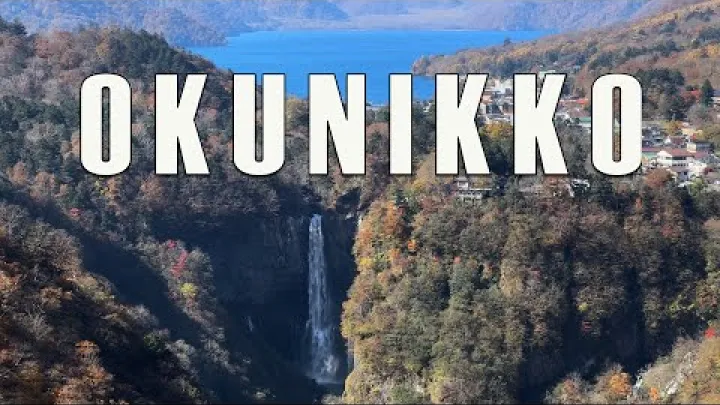
The timing is not guaranteed. Color develops at different elevations, and weather can change the appearance of the landscape from one year to the next. Higher Oku-Nikko locations usually change before lower areas, so a date that is excellent for Senjogahara may be early for the town around Toshogu Shrine. Autumn is also the period of greatest visitor demand, especially on weekends, so the visual advantages come with more congestion and less flexibility.
If your priority is different, another season may be a better choice. Late spring and early autumn can suit hikers, winter is attractive for snow and hot springs, and spring or quieter winter weekdays can create a calmer atmosphere around temples and shrines. The right answer is therefore a combination of your activity, preferred weather, tolerance for crowds, and willingness to adapt between the town and the mountains.
Choose Your Season by Travel Priority
| Travel priority | Strongest broad window | Main trade-off |
|---|---|---|
| Balanced first trip | Mid-October to early November | Peak foliage crowds and road congestion |
| Autumn leaves | Mid to late October in many highland areas; early November lower down | Color varies by elevation and year |
| Hiking and greenery | Late spring or early to mid-autumn | Rain, mud, heat, or early ice can affect routes |
| Shrines and temples | Spring, autumn, or quieter winter dates | Autumn is scenic but busy; winter is cold |
| Snow and hot springs | Late January to February | Cold conditions and a narrower highland activity range |
Shoulder-season weekdays can be a useful compromise for travelers seeking fewer visitors or potentially better value. However, accommodation prices and availability change with demand, and a lower-demand date may also bring rain, cold, or fewer open facilities. Compare the current cost of your preferred dates with the practical conditions you are prepared to accept.
How Nikko's Elevation Shapes Its Climate
Nikko is often treated as a day-trip destination from the Kanto region, but its climate is not identical to that of Tokyo or the surrounding plains. The route from the historic district toward Oku-Nikko rises into a cooler mountain environment. This difference affects temperatures, snow, foliage timing, hiking comfort, visibility, and the amount of time needed for a highland itinerary.
Why Nikko Is Cooler and More Variable Than Tokyo
Nikko's terrain changes considerably between the lower town and the mountain areas. The historic district near Nikko Station sits at a lower elevation than the landscapes beyond the Irohazaka Winding Road. As you travel upward, temperatures generally become cooler and seasonal changes often arrive earlier. A sunny day in the town can therefore feel distinctly colder at Lake Chuzenji or Senjogahara.
This elevation difference is one reason a general Kanto weather description is not enough for planning Nikko. It influences whether a morning walk is comfortable, whether a trail is muddy after rain, whether early snow remains on the ground, and whether a mountain view is clear. It also makes layers more useful than a single outfit chosen for the temperature in Tokyo.
For a long-term comparison between months, consult station-level records such as the Nikko entry in the Japan Meteorological Agency monthly climate statistics. The station data helps show typical patterns, but it represents a particular observation point rather than every part of the Nikko area.
From Nikko Town to Oku-Nikko: What Changes for Travelers
The lower historic area around Nikko Station, the heritage district, and Toshogu Shrine is usually the most practical base for cultural sightseeing. It offers a town-focused itinerary when the highlands are too cold, wet, snowy, or difficult to reach comfortably. Visitors can plan shrine, temple, and local walking time without making every day dependent on a mountain trail.

Oku-Nikko, including Lake Chuzenji and Senjogahara, has a more exposed highland setting. Cold air, snow, ice, wind, and reduced visibility can have a stronger effect there than in the town. The Irohazaka Winding Road is also part of the transition between these environments, so a journey into the highlands is not simply a short extension of town sightseeing.
Seasonal differences and temporary conditions should be treated separately. The elevation contrast is a permanent feature of the destination, while a particular road, trail, public facility, or transport service may be affected by conditions or seasonal operating decisions. This is why a two-part plan works well: combine the historic district with Oku-Nikko when both suit your dates, but do not assume that one area represents the weather or access conditions of the other.
Climate Averages and Live Forecasts Answer Different Questions
Climate averages answer, “What is this month usually like?” They help you compare April with May, or October with November, and decide whether you prefer blossoms, greenery, foliage, or snow. They do not predict the exact temperature, rainfall, visibility, or trail condition during your trip.
A live forecast answers a different question: “What is likely to happen on the days I will be there?” It is more useful for choosing layers, deciding whether a lakeside walk is comfortable, and judging whether an outdoor plan can remain unchanged. Treat the long-term pattern as a planning guide and the short-term forecast as the basis for final day-to-day decisions.
This distinction is especially important in Nikko because elevation can create different experiences within one itinerary. A monthly average may be suitable for comparing town stays, but a highland hike requires more specific attention to the location, timing, and conditions expected there.
Nikko Weather by Season
Each season offers a different balance of scenery, comfort, crowds, and access. Spring and autumn are often the easiest seasons for general sightseeing, summer is strong for greenery and water landscapes, and winter suits travelers who specifically want snow, hot springs, or a quieter cultural visit.
Spring in Nikko: Cool Air, Blossoms, and Fresh Greenery
March is a chilly transition month, while April and May are more suitable for blossoms, fresh greenery, and long walks through the heritage district. April is often a strong spring choice for visitors who want cultural sightseeing with seasonal color, but cool mornings and late cold spells are still possible. Conditions in higher areas can remain more wintry than they appear in the lower town.
By May, the landscape generally feels greener and the balance between temperature and visitor demand can be attractive. This makes May a useful shoulder-season option for travelers who value walking and scenery but do not need autumn foliage. It can also suit visitors who want to combine the shrine area with outdoor sites without planning around the coldest part of the year.
Rain becomes more relevant toward late spring as the regional rainy-season pattern approaches. Spring is therefore not a guarantee of dry weather, but it offers a reasonable alternative to the crowded autumn peak. Pack layers that can be adjusted during the day rather than relying on the warmer conditions often associated with spring elsewhere in Japan.
Summer in Nikko: Rainy Season, Humidity, and Mountain Relief
June and early July are commonly associated with the rainy season in the Kanto region. During this period, Nikko can look exceptionally green, but wet days may make waterfalls, forest paths, and highland viewpoints less predictable. Rain can also change the comfort of walking between separate sights, particularly when an itinerary includes both the town and an exposed lakeside or marshland area.
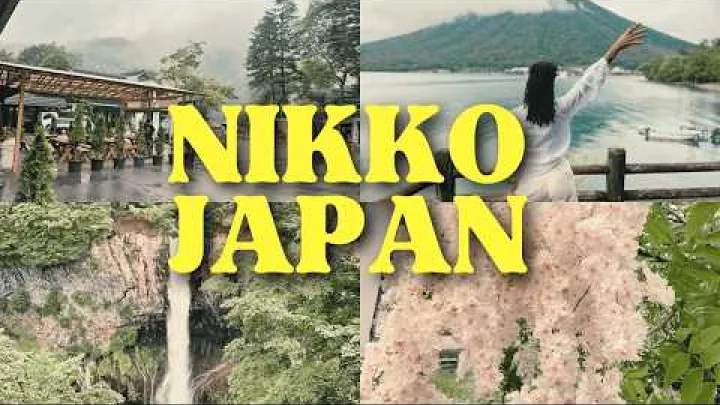
Later July and August are warmer and more humid, yet Nikko's mountains, forests, rivers, and lakes can feel more comfortable than the Kanto plains during hot periods. Summer can work well for visitors who want lush scenery, waterfalls, lakeside activities, or a mountain-based escape rather than crisp autumn color.
The limitation is variability. Rain and late-summer storms can interrupt outdoor plans, and conditions are not uniformly cool across all of Nikko. A town stay, a short scenic outing, or an itinerary with indoor cultural stops is easier to manage than a schedule that depends on several long, exposed hiking days.
Autumn in Nikko: Foliage, Comfortable Days, and Crowds
Autumn is Nikko's most popular season because cooling temperatures combine with changing forests and strong scenic contrast around shrines, roads, lakes, and mountain viewpoints. Many travelers consider October and early November the best time to visit Nikko for photographs and classic sightseeing, but the destination is not at one identical stage of color throughout that period.
Color typically progresses from higher Oku-Nikko locations toward Lake Chuzenji, the Irohazaka Winding Road, and the lower town. This creates a moving seasonal sequence rather than a single universal peak. It also means that a date chosen for highland foliage may be early for the heritage district, while a later town-focused date may miss the strongest color at elevation.
The same conditions that make autumn attractive also produce the greatest demand. Popular weekends can be crowded, and road congestion can reduce the number of places that fit comfortably into a day. Autumn is an excellent choice for travelers who prioritize scenery, but it is less suitable for visitors who need a quiet or highly predictable schedule.
Winter in Nikko: Snow, Cold, and Hot Springs
December through February is the coldest part of the year. Snow and ice are more significant concerns in Oku-Nikko than in the historic town, and the highland landscape can look very different from the autumn and summer versions shown in travel photographs. Winter is appealing to visitors who want snow-covered scenery, winter photography, hot springs, or a slower cultural itinerary.
The historic district can remain a useful focus for a winter visit because shrine and temple sightseeing does not require a full day on a highland trail. A winter itinerary can combine town-based heritage visits with a carefully selected snow or hot-spring experience, rather than assuming that every mountain activity will be available.
Winter also has the narrowest margin for casual highland travel. Ice, snow, cold, and seasonal restrictions can affect roads, trails, public facilities, and other destinations in Oku-Nikko. Choose winter when those conditions are part of the experience, not when you expect unrestricted access to every summer route.
Nikko Month by Month
A month-by-month view is useful because the best time to visit Nikko often falls between broad seasonal labels. The descriptions below show the usual travel character of each month; they are not a substitute for conditions during a particular year.
January to March: Deep Winter and Early Spring
January: January feels like deep winter, especially in Oku-Nikko. It suits travelers interested in cold-weather scenery, hot springs, quiet cultural sightseeing, and snow-related experiences. The historic district is a more dependable base for a mixed itinerary than a plan built entirely around highland walking.
February: February remains a core winter month and is often the strongest choice for travelers seeking snow scenery or a traditional hot-spring atmosphere. Areas such as Yunishigawa Onsen can add a seasonal focus to a winter trip. The trade-off is cold travel and a smaller range of practical highland activities.
March: March marks a gradual transition. The lower town may begin to feel more like spring, while higher areas can remain wintry. It can be a good month for a flexible cultural visit, but it is not automatically a spring month across the whole destination. Winter access restrictions in Oku-Nikko can extend into March.
April to June: Blossoms, Greenery, and Rain
April: April is one of the main spring sightseeing candidates. Blossoms and cool walking conditions can complement visits to Toshogu Shrine and the surrounding heritage district. Cold mornings are still possible, and higher-elevation locations may be behind the lower town in both temperature and seasonal development.
May: May emphasizes fresh greenery and a moderate shoulder-season feel. It can suit visitors who want to walk, photograph forests, and combine cultural sites with outdoor scenery before the wetter part of the year becomes more prominent. Its main limitation is that spring weather can still shift between comfortable and cool.
June: June brings lush scenery but more frequent rain. It can work for travelers who enjoy green landscapes and can change plans, but it is a weaker match for anyone who needs consistently dry mountain days. A town-focused itinerary with indoor cultural options is easier to manage than a schedule built around long trails.
July to September: Summer Heat, Storms, and Early Color
July: July is a transition from rainy-season conditions toward fuller summer, and the timing varies from year to year. Greenery, waterfalls, and mountain scenery are attractive, but rain may still shape the first part of the month. Later July can feel warmer and more suitable for outdoor plans, provided the itinerary is not too rigid.
August: August is warm and humid, but the higher terrain and lakes can offer relief compared with hotter urban areas. It is a useful month for lush scenery and lakeside travel when you accept that storms can disrupt plans. The season is better for travelers with flexibility than for those seeking the most predictable weather.
September: September is another transition month. Warmth can linger, and strong storms can affect travel in late summer and early autumn. Higher locations may show the first signs of autumn color before the lower town changes. September can suit a mixed itinerary, but it requires more tolerance for shifting conditions than the clearer foliage window later in the year.
October to December: Peak Foliage and Winter Onset
October: October is the central foliage month for many highland and scenic locations. Mid to late October is a broad starting window for travelers seeking autumn color, although the best stage depends on elevation and the year. The strongest foliage weekends can also bring the highest demand, particularly on roads serving popular scenic areas.
November: November often brings later foliage to the lower town and heritage district. Mornings become colder, and early snow or ice is more possible at elevation. It can be a strong month for travelers who want autumn atmosphere with a greater emphasis on cultural sightseeing, especially outside the busiest foliage weekends.
December: December shifts Nikko toward winter. Snow scenery becomes more relevant in higher areas, temperatures fall, and some Oku-Nikko facilities or roads may operate seasonally. The month can still work well for a quiet town visit, a winter photograph, or a hot-spring stay, but it is no longer a straightforward autumn itinerary.
Best Time to Visit Nikko by Travel Goal
Choosing by purpose is more reliable than choosing by a single general ranking of months. Decide whether the most important feature is seasonal atmosphere, trail comfort, foliage timing, snow, or the ability to move easily between several areas.
Best Time for Shrines, Temples, and Cultural Sightseeing
Spring is a good choice for blossoms, cool air, and walking through the heritage district. Autumn adds foliage around historic architecture and is the most visually dramatic period, but the extra scenery comes with crowds and congestion. Winter is attractive for travelers who prefer a quieter atmosphere and do not mind cold temperatures or a more limited highland program.
The area around Toshogu Shrine and the lower historic district is the most practical cultural focus when mountain weather or access is unsuitable. You do not need a highland trail itinerary to have a meaningful Nikko visit. A town-based plan also gives day-trippers and short-stay visitors a useful alternative when their original outdoor schedule does not fit the conditions.
Best Time for Hiking, Waterfalls, and Green Scenery
Late spring and early to mid-autumn are strong general windows for walking and hiking because temperatures are often more comfortable than in the hottest part of summer or the coldest part of winter. Summer offers especially lush scenery and can be rewarding around waterfalls, forests, rivers, and lakes for travelers who accept humidity and rain.
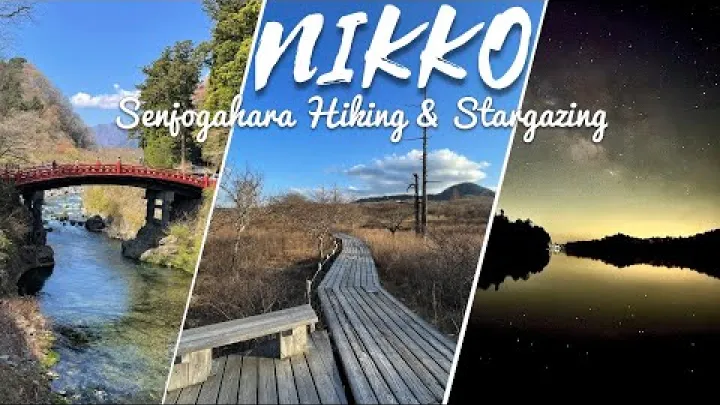
Trail comfort can change with the season. Spring snowmelt and rain may bring mud or reduced visibility, summer rain can make a route less comfortable, and early winter can introduce ice. Ordinary hiking should be planned separately from snow activities: a visitor equipped for a normal forest walk may not be prepared for an icy highland route.
Best Time for Autumn Leaves and Photography
Nikko's foliage season moves through the landscape by elevation. Higher Oku-Nikko areas generally begin changing first, followed by Lake Chuzenji and the Irohazaka Winding Road, with the lower town often continuing into early November. This sequence is one of the destination's advantages for photographers because nearby areas can offer different stages of color during the same visit.
For a broad plan, use mid to late October as the starting window for many scenic locations, then allow for later color in lower areas. Guidance from Hoshino Resorts also emphasizes that timing differs between Nikko-area locations and from year to year. A multi-day or elevation-based itinerary gives you a better chance of finding strong color than relying on one viewpoint on one fixed date.
Photography planning should include the human landscape as well as the natural one. The most colorful weekends are often the busiest, so a quieter weekday or a stay that allows an early start can produce a more comfortable experience even if it does not guarantee empty viewpoints.
Best Time for Snow, Hot Springs, and Winter Events
Late January and February are the core winter choices for snow scenery, hot springs, and winter photography. Yunishigawa Onsen is a useful local anchor for travelers looking for a traditional hot-spring setting, while winter landscapes in the highlands can provide a very different view of Nikko from the autumn season.
The Yunishigawa Igloo Festival is a seasonal example of a winter event that may shape travel dates. Event periods and operating details can change, so confirm the current schedule before booking a trip around it. Do not assume that every winter attraction follows the same calendar.
Snow experiences come with colder transport, possible ice, and a narrower range of accessible highland facilities. Winter is therefore best for visitors who value seasonal atmosphere and hot springs more than unrestricted access to ordinary hiking routes and summer facilities.
Crowds, Costs, and Periods to Reconsider
The best time to visit Nikko is not only a question of weather. Visitor demand, accommodation availability, road congestion, and the number of activities you can fit into a day can change the practical quality of a trip.
Crowds and Congestion During Peak Foliage
Autumn is Nikko's busiest season, and popular foliage weekends can bring crowded trains, busy roads, and slower access to scenic areas. Congestion matters most when your plan combines the station area, Toshogu Shrine, the Irohazaka Winding Road, Lake Chuzenji, and Senjogahara in a single day. A schedule that looks manageable on a map may leave little time for stops when demand is high.
A day trip has less room to absorb delays, while an overnight stay can make it easier to separate town sightseeing from a highland outing. If you travel during peak foliage, choose a weekday when possible, begin early, and set a realistic limit on the number of major sights you will attempt. Confirm same-day road and transit conditions when your itinerary depends on reaching Oku-Nikko at a particular time.
Quieter Dates and Potentially Better Value
Spring shoulder-season dates, late autumn outside the strongest foliage weekends, and parts of winter can offer lower visitor demand. These periods may provide a calmer experience around shrines and temples and can make an overnight stay feel less pressured. They are also worth comparing if you prefer a slower itinerary to a guaranteed peak-season landscape.
Accommodation rates and availability may differ between weekdays, foliage weekends, holidays, and quieter months, but there is no fixed saving that applies to every property or date. Compare current prices rather than assuming that winter or spring will always be cheaper. A lower rate may come with colder weather, rain, seasonal closures, or fewer highland services, so value depends on what you intend to do.
When to Reconsider a Weather- or Access-Sensitive Trip
June and early July may be a poor match for travelers who need consistently dry mountain days. Late summer and early autumn can also be less predictable because of strong storms, including typhoon-related weather affecting travel in Japan. These are not universally bad periods, but they require a more flexible balance between outdoor plans and town-based sightseeing.
Deep winter may be unsuitable for visitors who want unrestricted access to Oku-Nikko roads, facilities, and ordinary hiking routes. Snow, ice, and seasonal operations can narrow the range of activities even while making the destination more attractive for winter photography or hot springs.
Think of these as periods to reconsider for a specific itinerary, not blanket periods to avoid. A rainy-season trip can still suit a visitor who values lush scenery and cultural sites, and a winter trip can work well when snow and hot springs are the main purpose. The final decision should reflect how much weather-related change your schedule can absorb.
How to Prepare for the Month You Choose
Preparation is easier when you pack for both the month and the highest place you plan to visit. A town-only day around the heritage district has different clothing needs from a longer outing near Lake Chuzenji or Senjogahara.
What to Wear and Pack for Nikko by Season
Spring: Use adjustable layers, including a warm mid-layer for cool mornings and a light rain layer for unsettled days. April visitors should not rely only on blossom-season images; temperatures can still feel cold, especially outside the lower town.
Summer: Choose breathable clothing and carry dependable rain protection. Humidity can make walking uncomfortable, while rain can arrive during an otherwise warm day. Shoes that remain comfortable on wet paved paths and ordinary walking routes are more useful than clothing designed only for hot urban weather.
Autumn: Pack layers that can handle cool mornings and warmer periods in the lower town. Add a warmer layer if you will travel into Oku-Nikko, where the seasonal change may be more advanced. Comfortable footwear is important because foliage itineraries often involve uneven paths, steps, and extended walking.
Winter: Bring insulated layers, warm accessories, and footwear with reliable grip. Waterproof or weather-resistant shoes are useful when snow, slush, or ice is possible. Avoid icy highland routes unless the conditions and your equipment are suitable; winter sightseeing should not require taking an avoidable risk for one viewpoint.
A Simple Pre-Trip Weather and Access Check
Use climate information to select a month, then use live information to decide whether each planned day is practical. This two-stage approach is especially important for mountain, road, and hiking plans because a favorable seasonal average cannot rule out rain, storms, snow, ice, poor visibility, or a temporary closure.
Shortly before travel, check the current regional forecast and warnings from the Japan Meteorological Agency. Look at the forecast for the area you intend to visit rather than using conditions around Tokyo as a substitute. On a mountain-focused day, use the forecast to decide whether the route, viewpoint, lakeside walk, or trail still fits the expected weather.
Next, review the Nikko Official Guide for seasonal closures in Oku-Nikko. Its winter-closure information notes that some roads and public toilets in the area are affected from December to March. Treat that information as a starting point, then confirm the current operating status of the specific road, transit service, trail, facility, and destination you plan to use.
Finally, keep one lower-elevation alternative in your schedule. If rain, storms, snow, ice, or a closure makes Oku-Nikko impractical, shift to town-based cultural sightseeing around Nikko Station and the historic heritage district, including the Toshogu Shrine area. This is not a lesser version of the trip; it is a way to protect the day while respecting the difference between town and highland conditions.
Final Recommendation for Planning Your Nikko Trip
For the broadest combination of scenery and comfortable sightseeing, choose mid-October through early November, with late October as a useful overlap for many foliage locations. Choose spring for blossoms and cultural walking, late spring or early autumn for hiking, summer for lush mountain scenery, and late January to February for snow and hot springs. Whatever month you select, plan by elevation: pair the historic town with Oku-Nikko when conditions suit both, and keep the town as your practical alternative when mountain weather or access changes.
Select area
Create a post
Posting is free and no registration is required.