Nikko Where to Stay: Best Areas for Every Trip
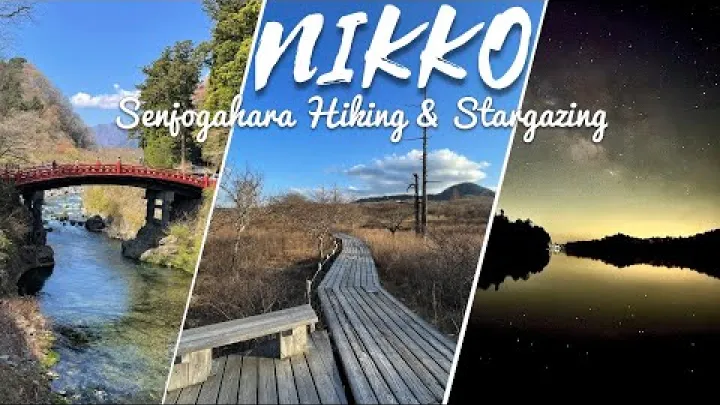
Where to stay in Nikko is less about choosing one hotel district than selecting the right base for a spread-out destination. For most first-time visitors, Nikko Town near JR Nikko Station, Tobu Nikko Station, or the World Heritage area is the most practical default. From there, you can reach the historic shrines and temples while keeping rail connections, buses, restaurants, and basic services within easier reach. This guide compares Nikko Town, Lake Chuzenji, Okunikko, Kinugawa Onsen, Yunishigawa Onsen, and Imaichi so you can choose a base that fits your transport, budget, season, and trip length.
The Quick Answer: Where First-Time Visitors Should Stay in Nikko
Nikko has several very different accommodation areas. The best base for a shrine-focused weekend is not necessarily the best base for hiking, lakeside scenery, or an onsen retreat. Start with your main purpose, then compare access, walkability, evening services, and the total cost of reaching the sights.
Nikko Town Is the Default Base for Most First-Time Visitors
Choose Nikko Town for the simplest first visit. The area around JR Nikko Station and Tobu Nikko Station provides the clearest arrival point, while the central district around Shinkyo Bridge leads toward Nikko Toshogu Shrine, Rinnoji Temple, and Futarasan Shrine. This combination gives visitors a practical way to include both transport and cultural sightseeing without changing hotels.
Nikko Town is more than one compact hotel neighborhood. The station area is convenient for trains, buses, luggage, restaurants, and everyday services. The World Heritage area is more atmospheric, with forested approaches and easier walking access to the main shrine and temple group. Both are still within Nikko Town, but they serve different priorities.
Okunikko is the wider mountain area beyond the town, including Lake Chuzenji, Kegon Falls, Senjogahara, and Yumoto Onsen. Kinugawa Onsen and Yunishigawa Onsen are separate eastern and mountain hot spring corridors rather than neighborhoods near Toshogu. This distinction matters: a hotel can be described as being in the wider Nikko area while still being inconvenient for a short shrine-focused itinerary.
For a first visit of one or two nights, staying in Nikko Town usually protects more sightseeing time. Choose a mountain or onsen base instead when the accommodation experience, hiking, lakeside scenery, or hot springs are the main reason for the trip.
Match Your Base to Your Main Priority
Use the table below as a starting point. It is a location guide, not a fixed hotel price ranking. Room rates and availability change with dates, demand, room type, meals, and seasonal events.
| Main priority | Recommended base | Main advantage | Main trade-off |
|---|---|---|---|
| First visit and mixed sightseeing | Nikko Town | Good balance of stations, buses, shrines, and services | Not a lakeside or remote mountain setting |
| Rail access and a short stay | Station area | Easy arrival and departure logistics | Walk or take local transport to the shrines |
| Shrines, temples, and atmosphere | Central Nikko | Closer to Shinkyo Bridge and the World Heritage route | Less immediate access to railway platforms |
| Lake scenery and outdoor activities | Lake Chuzenji or Chuzenji Onsen | Closer to the lake, Kegon Falls, and highland scenery | Longer connection from the town and fewer urban services |
| Hiking and quiet hot springs | Okunikko or Yumoto Onsen | Mountain setting and access to nature | More remote, with fewer shops and dining choices |
| Large resort and leisure hotel | Kinugawa Onsen | Onsen hotels and property-based leisure | Not a convenient base for daily Toshogu visits |
| Secluded onsen retreat | Yunishigawa Onsen | Quiet mountain atmosphere and an immersive stay | Longer rail-and-bus access to central Nikko |
Travelers searching for where to stay in Nikko Japan often compare the station area with the shrine district first. That is the right comparison for most short trips. If you are asking where to stay in Nikko National Park, expand the choice to Lake Chuzenji, Senjogahara, and Yumoto Onsen. Travelers looking for where to stay in Nikko without a car should usually begin with the station area or central Nikko, unless a mountain inn offers a clearly suitable shuttle and meal arrangement.
Best Areas in Nikko Town and the National Park
Nikko combines a historic town, a World Heritage shrine and temple district, and a large natural area. The Visit Nikko official guide is useful for seeing how these cultural, natural, and hot spring areas fit within the wider destination. The following sections focus on what staying in each area feels like and which travelers benefit most.
Nikko Station Area: Best for Transport and Short Stays
JR Nikko Station and Tobu Nikko Station are the two nearby railway gateways. They are also the usual starting points for buses heading toward the World Heritage area, Lake Chuzenji, Okunikko, and other mountain destinations. A station-area hotel is therefore a strong choice when your itinerary begins with a train arrival, includes an early departure, or uses Nikko as part of a wider trip through Japan.
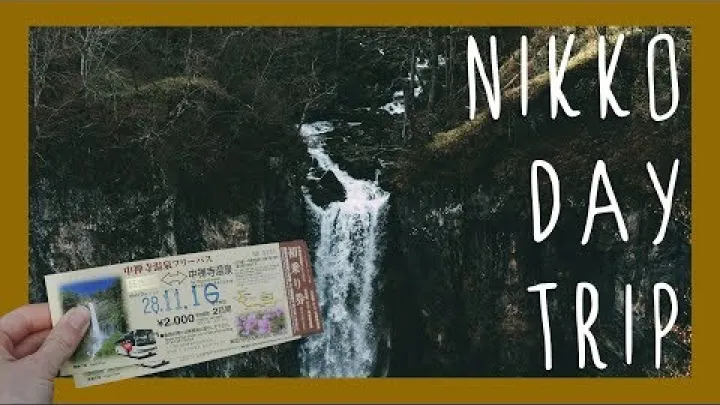
The practical advantages become more noticeable when you have luggage. You can reach the accommodation soon after arriving, leave bags near the transport hub, and organize day trips without first crossing the town. This area also offers easier access to ordinary services than a small mountain village. Some properties may accept late arrivals, but only within their stated check-in window, so arrival time still matters.
The station area is practical rather than the most atmospheric choice. The main shrines and temples are farther along the town route, so expect a walk or local bus ride to reach Shinkyo Bridge and the World Heritage cluster. When comparing listings, look at the exact walking route to the station and the nearest bus stop. The label central can hide a meaningful difference for travelers carrying bags.
Central Nikko: Best for the World Heritage Shrines and Temples
Central Nikko is the area around Shinkyo Bridge and the forested route leading toward Nikko Toshogu Shrine, Rinnoji Temple, and Futarasan Shrine. It is the strongest base for travelers who want to begin cultural sightseeing on foot and return to a historic setting rather than stay beside the railway tracks.

The usual sightseeing pattern is simple: walk from the accommodation toward Shinkyo Bridge, continue through the wooded approach, and spend the main part of the day among the shrines and temples. The route is not uniformly flat, and walking distances can feel longer on slopes or after several hours of sightseeing. A map pin and walking directions are more useful than a property description that only says World Heritage area.
This district often becomes quiet when the main sightseeing sites close. That can be an advantage for visitors who value atmosphere, but it also means fewer evening choices than in a large urban center. Traditional inns and historic-style hotels suit the setting, while transport back to the stations may require a walk or a short bus ride.
Lake Chuzenji and Chuzenji Onsen: Best for Lakeside Nature
Lake Chuzenji and Chuzenji Onsen provide a higher-elevation resort base near lake scenery, hot springs, Kegon Falls, and outdoor activities. The setting is a better match for photographers, hikers, travelers seeking a summer escape from city heat, and anyone who wants the accommodation to feel like part of the natural experience.
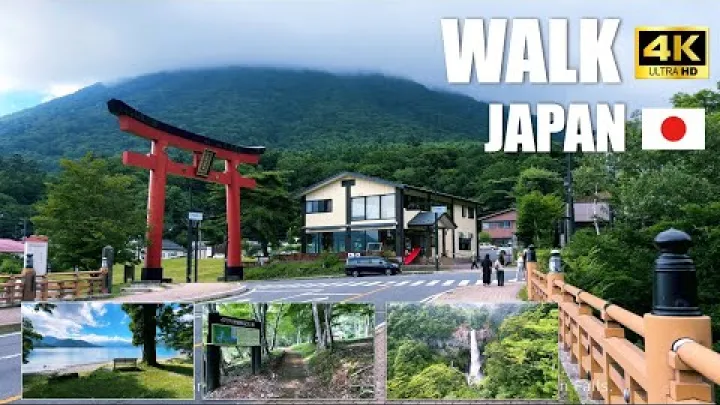
The cost of that scenery is distance from the railway stations and central shrines. A substantial bus or taxi connection separates the lakeside area from Nikko Town, so it is less convenient for visitors who plan to return to Toshogu every day. In exchange, you can spend more time near the lake and organize a day around the surrounding natural sights instead of treating them as a long excursion.
Chuzenji Onsen is more self-contained than the station area, but it has fewer urban services. Dining may be centered on the accommodation, and the choice of shops and casual restaurants is narrower. Compare the lakeside base directly with central Nikko and Yumoto Onsen:
| Base | Scenery | Movement | Dining and services | Best fit |
|---|---|---|---|---|
| Central Nikko | Forest, bridges, shrines, and temples | Best for cultural sightseeing on foot | More practical town access | First-time cultural visits |
| Lake Chuzenji | Lake, falls, and highland views | Requires a mountain connection from town | More accommodation-based | Nature, photography, and lakeside stays |
| Yumoto Onsen | Remote mountain scenery and hot springs | Farther along the mountain route | Fewest everyday services | Hiking and a quiet onsen retreat |
Okunikko and Yumoto Onsen: Best for Remote Hiking and Hot Springs
Okunikko is a broad mountain area rather than one dense town center. It includes natural destinations such as Lake Chuzenji, Kegon Falls, and Senjogahara, as well as the more remote Yumoto Onsen. When a listing uses Okunikko as its location, identify the specific village or attraction nearby because the practical experience changes across this large area.
Yumoto Onsen is a quiet mountain village associated with sulfuric hot springs, ryokan, smaller inns, and a natural setting. It suits visitors who want hiking, highland scenery, bathing, and time at the inn more than repeated visits to the central shrines. A stay of multiple nights makes the remote setting easier to appreciate than a rushed overnight stop.
Yumoto can be visited as an excursion from Nikko Town or Lake Chuzenji, but staying there is better when the hot spring experience and nearby nature are central to the itinerary. The trade-off is clear: there are fewer shops and restaurants, the journey from the town is longer, and daily plans must fit the mountain transport corridor and local services.
Alternative Bases: Kinugawa Onsen, Yunishigawa, and Imaichi
These areas can be excellent choices, but they should be treated as separate destinations within the wider Nikko region. Choose one when its atmosphere or accommodation experience is a central goal, not simply because a booking page uses the Nikko name.
Kinugawa Onsen: Best for Resort-Style Onsen and Leisure
Kinugawa Onsen is a separate river-valley resort base known for large hot spring hotels, leisure-oriented stays, and properties designed for families, groups, and guests who plan to spend substantial time at the hotel. It can work well when bathing, hotel facilities, included meals, and a relaxed schedule matter more than walking between historic sights.
Rail access makes Kinugawa feasible as an independent base, but it is not the same as staying near Nikko Toshogu Shrine. A shrine-focused traveler must allow for a more involved connection to central Nikko and should compare the total travel time with the value of the resort stay. The area can also suit a wider regional itinerary that includes leisure attractions or other eastern destinations.
Do not assume Kinugawa is always cheaper than Nikko Town. Compare the complete stay: room cost, meal inclusion, transport to sightseeing areas, parking, and how much use you will make of the hotel. A larger package may offer good value for a resort holiday but poor value for a short cultural visit.
Yunishigawa Onsen: Best for a Secluded Retreat
Yunishigawa Onsen is a deeper mountain retreat reached through a rail-and-bus journey. Its appeal is a secluded atmosphere, a historic hot spring identity, quiet surroundings, and the feeling of staying in a destination rather than a transport hub.
Choose Yunishigawa if: your main goals are bathing, quiet time, an inn-centered stay, and mountain surroundings. Skip it for a short trip if: your priority is visiting Nikko Toshogu Shrine, Rinnoji Temple, and Futarasan Shrine on consecutive days. The distance makes daily shrine visits inefficient compared with a base in Nikko Town.
Accommodation may include meal plans, traditional rooms, baths, activities, or shuttle arrangements, but these are property-specific features. Treat Yunishigawa as an onsen destination in its own right, not as a convenient central Nikko neighborhood.
Imaichi: A Local Gateway for Regional Stays
Imaichi is a local-town gateway that can suit travelers interested in regional experiences beyond the main shrine district. Depending on the itinerary and current local offerings, interests may include traditional food, sake-related visits, seasonal events, and onward connections toward Nikko and Kinugawa.
Imaichi is most useful for a longer or more locally focused trip. It is not the simplest default for a first-time visitor whose main objective is the World Heritage area. The extra transport is justified when you want a less tourist-centered setting or plan to explore several parts of the region rather than concentrate on Toshogu.
Keep Imaichi as an optional alternative. Choose it for local atmosphere and regional exploration, not because you expect a lower room rate or the same concentration of tourist services as Nikko Town.
Choose a Base by Transport, Walkability, and Night-Time Practicality
The most attractive area is not always the easiest place to reach. Compare the transport route, the amount of walking with luggage, the availability of dinner, and the distance to a useful bus stop before selecting a property.
Staying Without a Car: Rail, Bus, and Pass Planning
For car-free visitors, the station area and central Nikko are the lowest-complexity bases, especially on a short itinerary. Trains serve JR Nikko Station and Tobu Nikko Station and provide access toward the wider eastern onsen corridor. Buses are the key connection from the station area to the World Heritage sights, Lake Chuzenji, Okunikko, Senjogahara, and Yumoto Onsen.
A regional pass can be useful when your plans include several mountain stops, but its value depends on the exact route. Coverage, validity dates, reservations, and current fares are not interchangeable across every service. Do not buy a pass simply because it has Nikko in its name; first compare the places you will actually visit.
Use this pre-booking checklist for a car-free stay:
- Locate the accommodation on a map and identify the nearest station, bus stop, or confirmed property shuttle.
- Check the last practical train and bus for your arrival date and the last return service after sightseeing.
- Identify transfer points and decide how you will handle luggage between the railway stations, buses, and accommodation.
- Check whether the transport pass covers the exact mountain area, not only the railway journey into Nikko.
- Keep a town-based or shorter sightseeing alternative for a delayed connection or a day when the mountain route is not practical.
- Match your arrival time with the property's accepted check-in period and dinner service.
For many international visitors, this planning advantage is more valuable than a scenic room. A central address with a clear bus connection can produce a calmer trip than a remote inn that requires several poorly timed transfers.
Staying With a Car: Parking and Mountain-Road Trade-Offs
A car broadens the choice of lakeside, mountain, and onsen bases. It can make a scenic property more practical and gives you greater flexibility when your itinerary includes several dispersed natural attractions. It does not remove the need to compare road access, parking, dining, and the distance between sightseeing areas.
Read the parking information carefully. Parking may be included, charged separately, reserved in advance, located outside the main building, or limited by vehicle size. Also consider whether you want to drive after a long sightseeing day or prefer to leave the car at a station-area hotel and use public transport.
Mountain driving requires more attention than driving between urban hotels. Rain, snow, fog, and changing road conditions can affect how comfortable a route feels, particularly for visitors unfamiliar with Japanese mountain roads. A car is most useful when flexibility is a central priority; it is not automatically simpler than staying near JR Nikko Station or Tobu Nikko Station.
| Priority | No-car approach | Car approach |
|---|---|---|
| Simple arrival | Stay near a station or clearly served bus stop | Station area still minimizes driving and parking concerns |
| Lakes and mountain scenery | Use buses and a suitable shuttle | Consider lakeside or mountain accommodation |
| Shrine sightseeing | Central Nikko or the station area | Compare parking and the walk to the sites |
| Remote onsen stay | Choose a property with workable connections | Gain flexibility but plan for mountain driving |
Walkability, Dinner Options, Noise, and Cost After Dark
Walkability has several meanings in Nikko. The World Heritage area is the strongest base for walking to cultural sights. The station area is practical for transport and daily services, but the shrine route is farther away. Remote onsen villages may have pleasant local walks, yet they still require transport for wider exploration.
Evenings are generally quieter outside special events. Fewer restaurants, shops, and nightlife options are available than in a major city, especially around lakeside and mountain properties. Arrange dinner, check-in, and return travel before dark when staying in a quiet or remote base. A quiet area is not automatically unsafe, but a visitor should not arrive without a realistic plan for food, keys, transport, and luggage.
Noise also depends on the exact building and room. Station-front or roadside rooms may hear trains, buses, or traffic. River, resort, and mountain properties may have different environmental sounds, such as flowing water or activity within a large hotel. Current reviews and room descriptions are more useful than assigning a universal quietest-area ranking.
Compare cost as a total-stay issue rather than only by nightly room rate. A remote room may require more transport and accommodation-based meals. A ryokan rate may include dinner and breakfast. A station hotel may make casual dining and onward travel easier. Seasonal demand, room size, meal plans, parking, and cancellation conditions can all change the final value.
| Base | Daytime walking | Evening services | Likely noise sources | Main cost factors |
|---|---|---|---|---|
| Station area | Good for stations and local errands | Usually the most practical | Transport and roadside activity | Room rate, meals, and shrine transport |
| Central Nikko | Strong for shrines and temples | Quieter after sightseeing hours | Road traffic or nearby guests | Atmosphere versus station convenience |
| Lake or mountain area | Good for local nature | Limited and property-centered | River, weather, or resort activity | Meals and longer transfers |
| Eastern onsen corridors | Local walks, not central sightseeing | Usually centered on the inn | River, roads, or large hotel activity | Package value and connection costs |
Choose the Right Lodging Type in Nikko
Nikko offers several lodging styles, from practical station hotels to traditional inns and large hot spring resorts. Choose the type after deciding on the area, because a low-cost room in an inconvenient location may not produce a low-cost trip.
Hotels Near Stations or the Shrines
Hotels near the railway stations suit short stays, early departures, rail travelers, and visitors who want predictable access to buses and everyday services. They are also useful when Nikko is one stop in a larger Japan itinerary and you do not want a long transfer after arrival.
Hotels near the shrine district suit visitors who value atmosphere and want to begin cultural sightseeing on foot. The trade-off is less immediate rail access and, depending on the exact address, a walk or local bus ride to the stations. Choose the location first, then compare the building and room.
A current Booking.com listing for Nikko Station Hotel Classic illustrates the details worth comparing: a position in front of JR Nikko Station, indoor and outdoor hot spring baths, dining options, and a terrace. It is a representative example of how amenities can make a station location more appealing, not a universal recommendation.
Before booking a station or shrine-area hotel, compare:
- Walking distance from the exact station exit or nearest bus stop.
- Luggage storage and the practical route from the arrival platform.
- Bus access to Shinkyo Bridge, Toshogu, Lake Chuzenji, and other planned sights.
- Breakfast, dinner, nearby restaurants, and convenience services.
- Check-in, check-out, room size, and cancellation terms.
Ryokan and Onsen Resort Hotels
A ryokan is a traditional Japanese inn, often associated with Japanese-style rooms, attentive hospitality, and meals served as part of the stay. A small mountain inn may feel personal and quiet, while a large onsen resort hotel may offer more rooms, bigger public facilities, entertainment, and property-based dining. These categories overlap, so read the actual room and meal description rather than assuming every inn provides the same experience.
Ryokan and onsen resorts suit couples, families, spa-focused travelers, and visitors staying long enough to enjoy the property itself. Chuzenji Onsen and Yumoto Onsen emphasize nature and mountain hot springs. Kinugawa Onsen and Yunishigawa Onsen are more clearly separate resort or retreat corridors, so they are best chosen for an onsen-led itinerary rather than daily shrine access.
Compare the total value of the package. Dinner and breakfast may explain a higher room rate, while a private bath, Japanese-style room, child policy, or shuttle may determine whether the stay works for your group. Bathing hours, meal format, room facilities, and meal inclusion are important booking fields, not details to assume from the word onsen.
Hostels, Guesthouses, and Serviced Apartments
Hostels and guesthouses can suit solo travelers, backpackers, hikers, and visitors who value a lower-cost or more social stay. Compare privacy, shared facilities, kitchen access, quiet hours, luggage storage, and distance to transport. A property shuttle can make a less central location more practical, but its operating days, times, booking rules, and luggage limits determine how useful it is.
Serviced apartments should be considered only when the current listing clearly describes kitchen facilities, occupancy rules, cleaning arrangements, and whether the property accepts short stays. They can be useful for families, longer visits, or travelers who want to prepare some meals, but they are not a default feature of Nikko accommodation.
Do not judge the cost of a remote low-cost room by the room rate alone. Add transport, meals, and the value of limited local services. For one night, a station guesthouse may be more efficient. For several nights, a kitchen or social space may matter more than immediate proximity to the shrines.
Use Season and Trip Length to Finalize Your Base
After choosing an area and lodging type, use the season and number of nights to decide whether one base is enough. A scenic location can be rewarding for the whole stay, but a town-based base often gives a more reliable structure for a short first visit.
Match Mountain and Lakeside Bases to the Season
Lake Chuzenji and other highland areas have a different seasonal character from the town. They can be especially attractive for summer relief, autumn scenery, photography, and outdoor activities. The same elevation and remoteness can also mean fewer services and more variable access outside the strongest travel periods.
A shrine-focused trip can remain centered in Nikko Town in any season because the main cultural sights are the purpose of the visit. A nature-focused trip may justify staying near Lake Chuzenji or Yumoto Onsen so that the scenery and outdoor areas are part of the daily experience. Another balanced option is to keep the main base in town and add one mountain night when the season and itinerary support it.
| Seasonal priority | Base to consider | Why | Practical choice |
|---|---|---|---|
| Shrines and temples | Central Nikko or station area | Cultural sightseeing remains the main focus | Use one town base |
| Summer highland scenery | Lake Chuzenji or Okunikko | Closer to lakes, falls, and outdoor areas | Stay there if nature fills most days |
| Autumn landscape | Town plus a mountain night | Balances cultural sights and scenery | Split only with a clear purpose |
| Quiet hot spring time | Yumoto, Kinugawa, or Yunishigawa | The inn and bathing experience lead the trip | Plan around the retreat rather than the shrines |
High-elevation stays require date-specific planning. Check current mountain road, bus, trail, attraction, and accommodation conditions before committing to a remote base. Weather can change the practical value of a scenic location, so keep a town-based fallback when the trip depends heavily on outdoor access.
One, Two, or More Nights: When to Split Your Stay
For one night, choose one central base. The station area protects arrival and departure time, while central Nikko maximizes access to Shinkyo Bridge and the World Heritage sights. Splitting a one-night visit usually adds luggage movement without creating enough time to enjoy a second area.
For two nights, keep one base if the main goal is shrines and temples. If nature or hot springs are equally important, a split can work: spend time in central Nikko, then move to Lake Chuzenji or Yumoto Onsen. Kinugawa or Yunishigawa can replace the mountain stay when the priority is a resort or secluded onsen experience rather than Okunikko scenery.
For three or more nights, a split stay becomes more reasonable. A useful pattern is a town base for cultural sightseeing followed by one or two nights at a lakeside or onsen base. Another is to stay in one remote area throughout and treat the retreat as the main destination. Longer-stay travelers should choose a base with enough dining and transport options unless isolation is exactly what they want.
Every split stay adds check-in, luggage, and transfer complexity. Use it only when the second location provides something the first cannot. Before paying, confirm the property's current check-in and check-out times, meal arrangements, bath access, room details, parking or shuttle terms, and cancellation conditions. These details can determine whether a planned transfer is realistic.
Sample planning templates:
- One night: stay near JR Nikko Station, Tobu Nikko Station, or central Nikko and focus on the World Heritage area.
- Two nights: use one Nikko Town base for a relaxed shrine visit, or divide the stay between town and Lake Chuzenji or an onsen area when nature is a major priority.
- Three or more nights: combine central Nikko with Okunikko, Yumoto, Kinugawa, or Yunishigawa, or choose one retreat base and explore at a slower pace.
Final Recommendation for Where to Stay in Nikko
For most first-time visitors, stay in Nikko Town. Choose the station area when transport, luggage, and a short schedule matter most; choose central Nikko when walking to Toshogu, Rinnoji, Futarasan, and Shinkyo Bridge matters more. Move to Lake Chuzenji or Yumoto Onsen for a nature-led trip, and choose Kinugawa or Yunishigawa when the onsen resort itself is the main destination. Once the base is right, compare lodging by total cost, meals, walking access, and the transport details that fit your exact dates.
Select area
Create a post
Posting is free and no registration is required.