Hakodate Getting There: Flights, Trains, Buses & Ferries
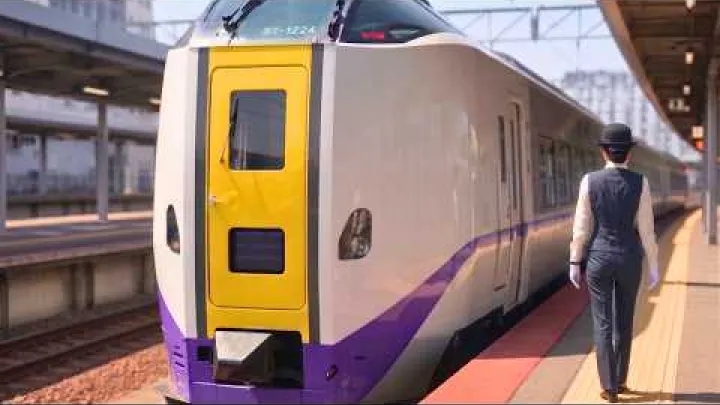
Getting to Hakodate depends on your starting point, budget, luggage, arrival time, and whether you want the fastest route or a scenic journey. Flights arrive at Hakodate Airport, while long-distance trains use Shin-Hakodate-Hokuto before a local connection into the city. Sapporo travelers can also choose a limited express train or highway bus, and northern Honshu travelers can cross the Tsugaru Strait by ferry. This guide compares the main routes and explains how to continue from each Hakodate gateway to your accommodation.
Choose the Best Way to Get to Hakodate
There is no single best way to get to Hakodate. A flight can be quickest from Tokyo, Osaka, or Nagoya when a suitable direct service operates, but a train may be simpler if you are already near a major station. From Sapporo, the limited express and highway bus offer useful ground alternatives. From Aomori or Oma, a ferry can provide a direct sea crossing and may be particularly practical if you are traveling with a vehicle.
Compare Air, Rail, Bus, and Ferry Before Booking
Compare the complete journey rather than only the time in the air, on the train, or on the ferry. The total trip includes getting to the departure point, check-in or boarding procedures, transfers, waiting time, baggage handling, and the final journey to your lodging. Hakodate Airport and Shin-Hakodate-Hokuto are both useful gateways, but neither should automatically be treated as the same as arriving at Hakodate Station.
| Mode | Best for | Total journey pattern | Cost pattern | Main planning issue |
|---|---|---|---|---|
| Flight | Speed and long-distance trips | Short flight plus airport and city transfers | Low to high, depending on date and baggage | Direct route and operating airport |
| Rail | Station-based itineraries and comfortable ground travel | Long-distance train plus local connection | Usually higher for a long trip; pass value varies | Connection at Shin-Hakodate-Hokuto |
| Highway bus | Budget-focused travel from Sapporo | One long road journey with possible traffic delays | Often lower, but date and seat availability matter | Limited operating dates or departure choices |
| Ferry or car | Scenic travel, northern Honshu routes, or vehicle trips | Port access, sailing, and terminal-to-city transfer | Passenger and vehicle charges vary | Sailing status, port access, and vehicle rules |
For speed, start by checking flights to Hakodate Airport. For a rail-focused trip from Tokyo or Tohoku, compare the Hokkaido Shinkansen with air travel after adding the final local train. For the lowest-cost ground option from Sapporo, investigate the highway bus before comparing it with the limited express. For scenic travel or a vehicle-based itinerary, compare the Aomori or Oma ferry with the cost of traveling without a car and renting one after arrival.
Start With Your Actual Gateway and Final Destination
Hakodate has several arrival points with different uses. Hakodate Airport is the principal air gateway and is useful for travelers whose accommodation is in the city or near Yunokawa Onsen. Shin-Hakodate-Hokuto Station is the Hokkaido Shinkansen gateway, but it is outside the central station area. Travelers arriving there normally need an onward local train connection.
Hakodate Station is the clearest reference point for the waterfront, the central tram network, and many sightseeing itineraries. The Hakodate ferry terminal is a separate port arrival point, so a ferry passenger should plan a local bus, shuttle, or taxi after disembarkation. Other useful final destinations include Goryokaku, Yunokawa Onsen, and accommodation in neighborhoods away from the station. A route that looks direct on a map may still require an additional city transfer.
The main origin groups are Tokyo and the Tohoku region, Sapporo and New Chitose Airport, Osaka and Nagoya, Aomori and Oma, and international gateways. Identify both your starting point and your final Hakodate district before comparing fares. This prevents a cheap ticket to the wrong arrival point from creating an expensive or inconvenient last leg.
Fly to Hakodate Airport
Flying is often the simplest long-distance option when a direct domestic route matches your date. The important comparison is not only the flight segment. Add travel to the departure airport, airport procedures, baggage collection, the transfer from Hakodate Airport, and the time needed to reach your accommodation.
Domestic Flights From Major Japanese Gateways
Domestic flight availability to Hakodate changes according to airline schedules and operating dates. Travelers commonly investigate direct options from Tokyo, Osaka, Nagoya, and other Hokkaido gateways such as Sapporo. The exact departure airport matters: a city may have more than one airport, and the airline or route shown during one season may not operate on another date.
Use the current Hokkaido Airports information for Hakodate Airport status and airport details, then search the airline booking page for the actual origin, destination, operating carrier, baggage allowance, and change conditions. A direct flight from Tokyo, Osaka, or Nagoya may be attractive when the airport is convenient and the fare includes the baggage you need. A connection can be less appealing if it adds a second airport procedure or creates a tight transfer.
When comparing air with rail, include the time required to reach the departure airport and the final transfer from Hakodate Airport. A short flight segment does not always produce the shortest door-to-door journey. Flights are usually strongest for travelers coming from outside Hokkaido, carrying manageable luggage, or prioritizing arrival speed. Rail can be more comfortable for travelers who prefer city-center stations and want to avoid airport procedures.
Before paying, confirm the airport name, flight number, operating date, carrier, baggage rules, and arrival time. This is especially important when searching for routes from Osaka or Nagoya, where the available airport and flight pattern may differ by airline and date.
International Arrivals and Connections Through Japan
International access to Hakodate is more limited and more changeable than access through larger Japanese gateways. Many international travelers therefore enter Japan through Tokyo or New Chitose and continue by domestic flight or ground transport. Hakodate should be treated as the final destination, not as an automatic continuation of an international flight.
Through Tokyo, compare a domestic flight to Hakodate with a rail itinerary via the Tohoku Shinkansen and Hokkaido Shinkansen. A flight may reduce the long-distance ground journey, while rail can avoid a second airport transfer if you are already arriving near the station system that you plan to use. Through New Chitose, compare a domestic flight, a possible Hakodate-bound bus, or a rail route through Sapporo. The best choice depends on the time of arrival and the availability of the onward service.
Allow time for immigration, customs, baggage collection, and any movement between international and domestic terminals. If the international and domestic sectors are on separate tickets, a missed connection may not be protected by the second carrier. A longer buffer or an overnight stay can be more reliable than building an international arrival around the last possible domestic departure.
Take the Train to Hakodate
Rail is a practical choice for travelers who value comfortable ground travel, station access, and a predictable route. The key detail is the arrival station: the Hokkaido Shinkansen does not take you directly to Hakodate Station. It takes you to Shin-Hakodate-Hokuto, followed by a local connection into Hakodate.
Use the Hokkaido Shinkansen via Shin-Hakodate-Hokuto
The typical rail approach from Tokyo is a long-distance Shinkansen journey north through the Tohoku region, followed by the Hokkaido Shinkansen to Shin-Hakodate-Hokuto. Travelers from other Tohoku cities can join the route at a suitable station. From Osaka or Nagoya, a rail itinerary generally requires reaching the Tokyo or Tohoku Shinkansen network first, so compare the complete itinerary with a direct or connecting flight.
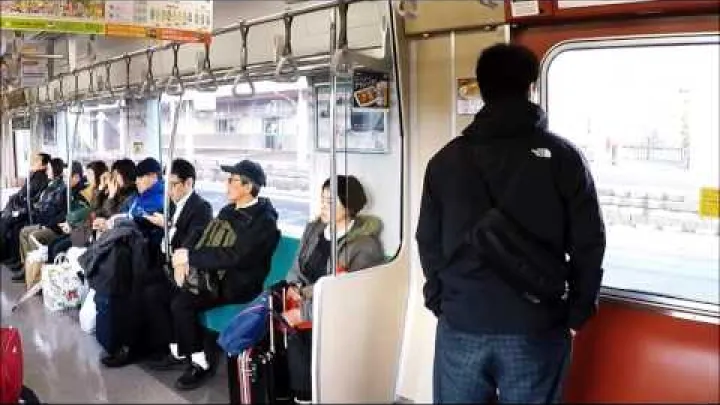
- Choose a rail itinerary to Shin-Hakodate-Hokuto rather than searching only for Hakodate Station as the long-distance destination.
- Reserve the long-distance seats and note the arrival time at Shin-Hakodate-Hokuto.
- Allow for the local connection to Hakodate Station.
- Plan the final tram, bus, taxi, or walk from Hakodate Station to your accommodation.
Rail avoids airport security and baggage check-in, and many passengers find it easier to keep luggage with them during the journey. It can also suit travelers who want a continuous overland itinerary or who are using a current rail pass that covers the relevant sections. Pass coverage, reservation rules, seat availability, and ticket conditions must be assessed for the specific pass and date. Do not assume that every pass covers every local or long-distance section.
For the final decision, compare the rail fare and reservation conditions with the full air fare, including airport access and baggage. Check the current JR timetable and service notices when selecting the departure, because a small change at either end can affect the local connection into Hakodate.
Transfer From Shin-Hakodate-Hokuto to Hakodate Station
At Shin-Hakodate-Hokuto, the onward Hakodate Liner or another current local connection is the essential final rail leg for most visitors heading to the city center. Follow station signs for the Hakodate-bound service, keep your local ticket or reservation accessible, and allow enough time to move with luggage. The station you reach after the local journey is Hakodate Station, not necessarily your final lodging district.
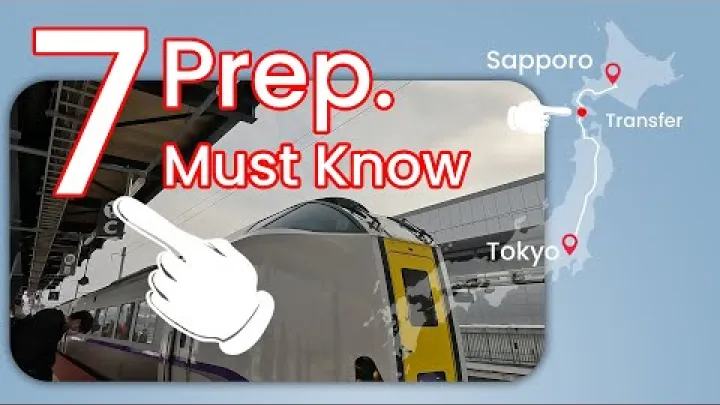
If you are staying near Goryokaku, Yunokawa Onsen, or another area away from the waterfront, treat Hakodate Station as an intermediate point and plan the next tram, bus, or taxi. An accommodation near the station may require no further major transfer, while a hotel farther east can add another part of the journey.
Match the arriving Shinkansen with the next Hakodate-bound connection before booking, particularly for an evening arrival or an itinerary with a fixed hotel check-in. A simple example pattern is Tokyo, Shinkansen, Shin-Hakodate-Hokuto, Hakodate Liner, Hakodate Station, and then a local connection to the accommodation. This is a route pattern, not a fixed timetable, so use the current connection details for your travel date.
Travel From Sapporo by Limited Express
The limited express Hokuto is the established rail option on the Sapporo–Hakodate corridor. It is useful for travelers who are already in Sapporo or who want to combine both cities without routing through an airport. The journey is a substantial overland trip, but it takes you between urban rail stations and avoids the separate airport access required by a flight.
Check the current timetable, fare, and seat conditions. Reserved seating can be valuable on a long journey, especially with luggage or during busy travel periods. Keep the ticket type and any reservation requirement clear when buying; a pass, an ordinary ticket, and a discounted product can have different rules.
Choose the limited express when station-to-station convenience and a comfortable ground journey matter more than the lowest fare. Compare it with the Sapporo–Hakodate highway bus if price is the main concern, and with a flight if the available air schedule substantially reduces your total travel time. Rail-pass users should confirm that the current pass covers this service and whether a reservation is required. Independent ticket buyers should compare the full fare with date-specific bus and flight prices instead of assuming rail is always the better value.
Use Highway Buses for Lower-Cost Ground Travel
Highway buses can reduce the cost of traveling between Sapporo and Hakodate, but the trade-off is a longer road journey and less protection from traffic conditions. They can be useful when the departure and arrival stops are close to your accommodation, since avoiding a rail change may offset some of the extra travel time.
Take the Sapporo-Hakodate Highway Bus
The Sapporo–Hakodate highway bus connects the two cities through a long-distance road route. Departures may use Sapporo Station or another urban stop listed for the selected service. In Hakodate, a timetable may include stops such as Hakodate Station, Goryokaku, or Yunokawa Onsen, but do not assume that every departure serves every stop. The best stop depends on your lodging area.
The route listing on Japan Bus Online demonstrates why a date-specific search is important. A displayed booking example can show a fare range such as JPY 2,900 to JPY 5,990 for a limited operating window. Treat that as an example of date-sensitive pricing, not as a permanent fare or a promise that the same service operates throughout the year.
Before selecting the bus, compare the fare with the limited express, the total journey time, the departure location, the arrival stop, baggage rules, and the number of services that fit your plan. A bus may be the strongest value when your schedule is flexible and the listed stop is convenient. It is less suitable when you need several alternative departures, a fast and predictable station-to-station trip, or a connection immediately after arrival.
Travel From New Chitose Airport by Bus
Travelers landing at New Chitose Airport should investigate a Hakodate-bound bus alongside the alternatives of traveling by rail through Sapporo, taking a domestic flight, or arranging a separate transfer. A direct bus can avoid moving into central Sapporo, but its usefulness depends on the date, departure time, destination stop, and available seats.
The official New Chitose Airport bus information identifies current bus arrangements and airport access details. Use the live listing to confirm the terminal, platform or boarding area, operating date, Hakodate destination, luggage conditions, and expected arrival point. Airport bus information can be organized by operator and destination, so read the complete listing rather than relying only on a general search result.
Rail through Sapporo may offer more departure choices even when it requires an additional transfer. A domestic flight may be quicker if a suitable Hakodate service operates after your arrival. A direct bus may be easier with luggage, but a long wait at the airport or a late arrival can remove that advantage. Compare the total itinerary from your landing time to the place where you will sleep, not only the departure time of the bus.
Decide Whether a Bus Suits Your Arrival
A bus is usually worth considering when a lower fare is more important than the shortest journey, when the departure stop is easy to reach, or when you want to avoid changing trains. It may also suit travelers with flexible sightseeing plans who can accept a longer ride between Sapporo and Hakodate.
The disadvantages are a longer period on the road, possible congestion, limited flexibility if only a few departures operate, and less space or movement than some rail journeys. Road conditions can also affect arrival planning, particularly in winter. A bus is a weaker choice for a tight onward connection, a very late arrival, or a traveler who wants the most predictable station-to-station route.
Use the bus when its exact operating date, boarding point, arrival stop, and fare match your plan. If one of those details is uncertain, compare the limited express before paying rather than choosing only on the advertised base price.
Arrive by Ferry or Car
Ferries connect Hakodate with northern Honshu and can be a memorable alternative to air or rail. They are especially relevant for travelers who are already exploring Aomori or the Shimokita Peninsula, or who need to bring a vehicle. A ferry itinerary includes travel to the port, check-in or boarding, the crossing, disembarkation, and the local journey from the Hakodate terminal.
Take the Aomori-Hakodate Ferry
The Tsugaru Kaikyo Ferry provides a maritime route between Aomori and Hakodate. For a traveler already in Aomori, it can be a direct way to cross the strait without traveling back through the full rail route. For a traveler starting in Tokyo, the ferry is not automatically the simplest choice because reaching the port adds another part of the journey.
Compare the ferry with the Hokkaido Shinkansen by looking at the complete port-to-city itinerary. Include access from Aomori Station or your accommodation to the port, boarding time, the sailing, disembarkation, and the transfer from the Hakodate ferry terminal. The fare structure may distinguish between passenger travel, seating or accommodation categories, and vehicle carriage. Bringing a car can make the ferry useful for a wider Hokkaido trip, but it adds a separate vehicle charge and booking requirement.
The ferry offers a different travel experience from a train, including views across the Tsugaru Strait and a slower, more spacious maritime journey. It is not always the fastest door-to-door option. Check the operator timetable, fare table, terminal instructions, and vehicle rules. On travel day, check the ferry operator’s sailing status and weather notice before relying on an onward train, bus, reservation, or accommodation arrival plan.
Use the Oma-Hakodate Ferry for Northern Honshu Itineraries
The Oma–Hakodate ferry can be useful when Hakodate is being combined with the Shimokita Peninsula or other northern Honshu destinations. It is a geographic solution for travelers who are already near Oma, rather than a universal alternative for visitors approaching from Tokyo or western Japan.
Its practicality depends on the access route to the Oma terminal, the sailing dates, passenger reservation rules, and whether you need to carry a vehicle. A route with an attractive crossing can still take substantial time if the port is difficult to reach from your previous stop. Check the exact terminal, boarding instructions, operating calendar, and vehicle conditions when planning.
Compare Oma with traveling through Aomori by rail and then using the Aomori–Hakodate ferry, or with taking the Shinkansen from Aomori toward Shin-Hakodate-Hokuto. The better option depends on where your itinerary begins, how much time you have around northern Honshu, and whether the scenic sea crossing is part of the experience you want.
Drive or Bring a Vehicle to Hokkaido
Driving can be valuable if you plan to visit areas beyond central Hakodate, carry bulky equipment, or continue into southern Hokkaido. There are two different choices: bring your own vehicle across the strait by booking vehicle carriage on a ferry, or travel as a passenger and rent a car after reaching Hakodate.
For a vehicle ferry plan, include the passenger fare, vehicle charge, reservation conditions, tolls to the port, fuel, parking, and any cost associated with a rental or transport vehicle. Bringing a car can save the need to arrange a rental later, but it may cost more than a passenger ticket and local transport if you are staying mainly around Hakodate Station, Goryokaku, and Yunokawa Onsen.
Renting after arrival separates the long-distance crossing from the driving portion of the trip. It may be simpler for a short city stay, while bringing a vehicle can make sense for a longer regional itinerary. Road-based plans require attention to current ferry operation, road conditions, seasonal restrictions, parking arrangements, and the rules of the vehicle provider. Do not base a fixed arrival schedule on an assumed driving time alone.
Get From Each Arrival Point Into Hakodate
Once you reach Hakodate, the final connection should be chosen according to your accommodation, luggage, and arrival time. Hakodate Station is an important transport center, but it is not the best final stop for every visitor. Airport, ferry, and rail arrivals each require a slightly different local plan.
From Hakodate Airport to Central Hakodate
Hakodate Airport connects with the city by official bus services and taxis. Airport buses are generally useful for travelers who want a lower-cost public connection and whose lodging is near a listed stop. A taxi is more direct and can be more practical with several bags, mobility needs, or an accommodation that is not close to a bus route.
Identify the destination before boarding. Hakodate Station, Goryokaku, and Yunokawa Onsen serve different parts of the city, and the most convenient bus for one district may be unhelpful for another. If you are staying near the airport or in Yunokawa Onsen, a short local transfer may be preferable to traveling first to Hakodate Station.
Use the airport’s current access information for stops, fares, and departure intervals, and allow for road traffic. The airport transfer is a separate stage of the journey, so add it to the flight time when deciding whether air travel is faster than rail for your particular itinerary.
From the Ferry or Cruise Terminal to the City
Ferry and cruise arrivals may use a port area separate from Hakodate Station and the main tourist streets. The terminal printed on your vessel information is the important starting point. Do not plan the local transfer from the name of the city alone, because different port facilities can have different bus, shuttle, and taxi arrangements.
The practical choices are the local bus serving the terminal, a vessel or port shuttle if one is listed for that arrival, and a taxi from an official rank. Public transport may be the lower-cost option, while a taxi can be easier after disembarkation with large luggage or several passengers. Confirm whether the service reaches Hakodate Station, your accommodation area, or only another city transport point.
A simple port-to-city pattern is terminal, official local bus or taxi, Hakodate Station, and then a tram or local bus if your accommodation is farther from the waterfront. Cruise passengers should also distinguish between a short port visit and an overnight stay, since the best transfer may be different when luggage is not going to a hotel.
Use Hakodate Station, Trams, and Buses for the Final Leg
Hakodate Station is a useful interchange for travelers arriving by the Hakodate Liner, highway bus, or a port connection. From there, city trams and buses can help connect the station area with lodging and sightseeing districts such as Goryokaku and Yunokawa Onsen. A taxi is often the simplest option when the destination is not near a stop or when you have heavy luggage.
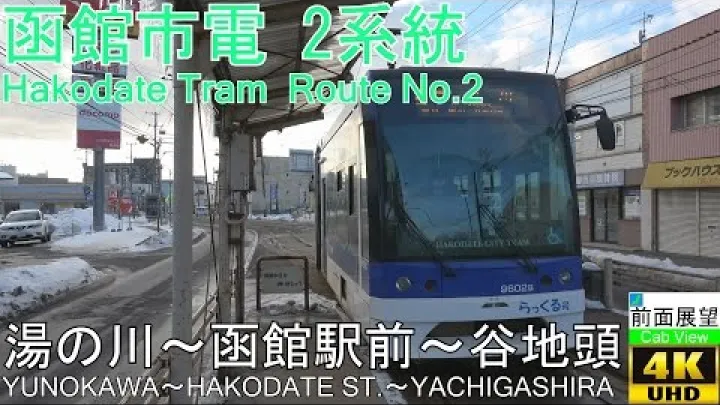
The Travel Hakodate transportation guide describes trams as a main sightseeing transport option and provides information about local tickets and passes. Check the current route, fare, pass sales channel, and operating information rather than relying on an old printed guide. A pass can be useful for repeated tram travel, while a single fare or taxi may be better for one short transfer.
Use marked public transport stops and official taxi ranks. If you book a taxi, use a recognized hotel, app, or transport channel, and do not accept unsolicited offers from people approaching you outside a terminal or station. This is a simple way to keep the final leg clear, traceable, and appropriate for your destination.
Build a Reliable Hakodate Arrival Plan
The most comfortable route is not always the one with the shortest advertised travel time. Build the plan around the connection after the long-distance service, the location of your accommodation, and the time at which you will actually arrive in Hakodate.
Allow Time for Transfers and Late Arrivals
Your real arrival time begins after more than the scheduled flight, train, bus, or ferry. Include airport procedures and baggage collection, the walk between platforms, disembarkation at a port, waiting for a local connection, and the time needed to find the correct stop. Accommodation check-in hours and key collection arrangements can be just as important as the transport timetable.
A long-distance service that arrives late in the evening can leave fewer choices for the final tram, bus, or train. Avoid building a plan around an immediate connection unless you have enough time for a delay, luggage, and station navigation. If you are arriving after normal check-in hours, confirm the accommodation’s access method and contact procedure before departure.
- Record the planned arrival point: Hakodate Airport, Shin-Hakodate-Hokuto, Hakodate Station, or the ferry terminal.
- Identify the next local connection and its destination stop.
- Confirm how you will enter the accommodation if you arrive after the normal check-in period.
- Keep an alternative taxi or overnight plan when the final connection is limited.
Before booking, confirm that a late arrival has a scheduled connection to your accommodation and that the accommodation can receive you at that time. This is particularly important for a bus, ferry, or international itinerary with few practical alternatives after arrival.
Verify Schedules, Fares, and Booking Conditions
Travel update note: Hakodate transport schedules, fares, operating dates, terminals, and booking rules are date-sensitive. Treat the following checklist as the final step before payment rather than relying on a general route description.
- Confirm the operating carrier and the exact travel date.
- Check the departure airport, station, port, terminal, and boarding location.
- Confirm whether the arrival point is Hakodate Airport, Shin-Hakodate-Hokuto, Hakodate Station, or the ferry terminal.
- Compare the fare conditions, including changes, refunds, baggage, and vehicle charges.
- Check whether a seat reservation is required and whether your reservation covers every section of the journey.
- For buses, confirm operating dates, seat availability, boarding stops, arrival stops, and luggage rules.
- For ferries, confirm passenger and vehicle booking conditions, check-in requirements, terminal access, sailing status, and weather notices.
- For flights, check the carrier’s current timetable, flight status, baggage allowance, and any airport change during a connection.
- For rail, check the current JR timetable, Shin-Hakodate-Hokuto connection, seat reservation rules, and pass coverage.
Use official airport, airline, rail, bus, ferry, and terminal information when the detail affects a payment or a connection. Third-party route pages can help you discover possible options, but the operator’s current booking or status page should be the final authority. Save the confirmation showing the departure point and arrival gateway, since similar city names can otherwise lead to a wrong terminal or station.
Make the Final Choice by Priority
Choose the route that matches your actual priority instead of looking for a universal winner. A flight may be the strongest choice for a time-sensitive trip from Tokyo, Osaka, or Nagoya when a direct service operates. Rail may suit a traveler who is already near the Shinkansen network or prefers station-based travel. A highway bus may offer value from Sapporo, while a ferry may be the most meaningful option for a northern Honshu or vehicle itinerary.
| Starting point | Main options | Likely arrival point | Main trade-off |
|---|---|---|---|
| Tokyo or Tohoku | Flight or Hokkaido Shinkansen | Hakodate Airport or Shin-Hakodate-Hokuto | Airport procedures versus a long rail journey and local transfer |
| Sapporo | Limited express, highway bus, or flight if available | Hakodate Station, a bus stop, or Hakodate Airport | Comfort and frequency versus lower bus cost |
| New Chitose Airport | Bus, rail through Sapporo, or domestic flight | Hakodate Station, a bus stop, or Hakodate Airport | Directness versus the number of available departures |
| Osaka or Nagoya | Direct flight if scheduled, or connection through Tokyo | Hakodate Airport or Shin-Hakodate-Hokuto | Flight convenience versus connection and airport choice |
| Aomori | Shinkansen or Aomori–Hakodate ferry | Shin-Hakodate-Hokuto or Hakodate ferry terminal | Speed and station access versus sea travel and port access |
| Oma | Oma–Hakodate ferry | Hakodate ferry terminal | Direct sea crossing versus access to the Oma port |
| International gateway | Connect through Tokyo or New Chitose | Hakodate Airport, Shin-Hakodate-Hokuto, or Hakodate Station | Immigration and separate-ticket connection risk |
Use this sequence to decide: identify your origin, choose the arrival time you can realistically manage, compare total door-to-door cost, account for luggage or a vehicle, and then count the transfers you are willing to make. Finish by checking the current operator conditions and planning the last leg to your accommodation.
Conclusion: Plan Your Hakodate Arrival Around the Actual Gateway
To get to Hakodate efficiently, first choose between Hakodate Airport, Shin-Hakodate-Hokuto, a central bus stop, or the ferry terminal. Flights can simplify long-distance travel, rail offers a comfortable route through Shin-Hakodate-Hokuto, buses can reduce the cost from Sapporo, and ferries can suit Aomori, Oma, scenic, or vehicle-based itineraries.
The final choice should be based on the complete journey, including transfers into Hakodate and the location of your accommodation. Check the current timetable, fare, terminal, reservation conditions, and service status on the relevant operator page before you pay.
Select area
Create a post
Posting is free and no registration is required.