Hakodate Best Time to Visit: Weather by Month
The best time to visit Hakodate depends on what you want to see and how comfortable you are with cold, rain, snow, and changing daylight. Cherry blossoms, mild outdoor sightseeing, autumn foliage, summer festivals, and winter scenery each have a different ideal planning window. This guide explains the Hakodate climate by month, compares the main seasons, and shows how weather affects walking, viewpoints, parks, and trips to nearby Onuma Quasi-National Park. Use seasonal averages to choose a broad travel period, then use a live forecast for final decisions.
The Best Time to Visit Hakodate at a Glance
There is no single best month for every traveler. For cherry blossoms, plan around late April to early May; for mild outdoor sightseeing, June and July are strong choices; for autumn color and comfortable cool-weather walking, choose late September through October; and for snow scenery, January and February offer the clearest winter atmosphere. Each period has a trade-off, so the right Hakodate best season is the one that matches your main activity.
Choose Your Travel Window by Priority
Use the following windows as typical planning ranges, not guaranteed dates. Weather, blossom timing, snow cover, event schedules, and accommodation demand can vary from year to year.
| Priority | Typical window | Main advantage | Main trade-off |
|---|---|---|---|
| Cherry blossoms | Late April to early May | Spring color at local parks | Variable bloom timing and holiday demand |
| Outdoor sightseeing | June to July | Mild conditions for walking and parks | Rain remains possible |
| Foliage and walking | Late September to October | Cooler air and autumn scenery | Cool mornings and evenings |
| Snow scenery | January to February | Strong winter atmosphere and snow views | Cold, ice, shorter daylight, and more difficult walking |
Late April and early May can be exceptional for visitors who want flowers and spring culture, but the period can also overlap with a major holiday travel window. June and July usually provide a more comfortable balance for city walks, the Bay Area, Motomachi, Goryokaku Park, and nearby excursions. Late September through October is a good alternative for travelers who prefer cooler air and autumn color. January and February are best chosen deliberately by people who want snow rather than by visitors hoping for easy, warm sightseeing.
Travelers who dislike icy surfaces and freezing temperatures may prefer to avoid January and February. Travelers seeking dependable snow should not rely on March or early December. Visitors who want a quiet and flexible city stay may also choose dates outside the blossom holiday period, the Hakodate Port Festival, and New Year travel.
How to Read Hakodate Climate Normals
Climate normals are long-term summaries that help you compare months. The Japan Meteorological Agency publishes climatological normals for major Japanese observatories using the 1991–2020 reference period. For Hakodate, select the Hakodate station rather than applying a general Hokkaido average. The station choice matters because a coastal city and an inland location can have different temperatures, snowfall patterns, and rainfall totals.
Monthly tables can show average temperature, maximum and minimum temperature, precipitation, and other measures. These values describe a typical month across many years; they do not predict the weather during your particular week. A month with a moderate rainfall average can still include a wet spell, while a generally dry month can produce a rainy day. Use the normal to choose between April and May, summer and autumn, or early and deep winter. Use a current forecast for clothing, Mount Hakodate visibility, outdoor excursions, and day-by-day decisions.
Hakodate Climate, Rainfall, and Seasonal Conditions
Hakodate is a southern coastal Hokkaido city with four distinct seasons. The city combines a maritime setting with cold, snowy winters, mild to warm summers, and variable spring and autumn transition periods. The practical experience can change quickly between sheltered streets and exposed waterfront or mountain viewpoints.
A Maritime Hokkaido Climate with Four Distinct Seasons
Hakodate's climate is shaped by its position on the coast. Compared with inland areas of Hokkaido, the sea can moderate some temperature extremes, but coastal wind can make conditions feel colder than a thermometer suggests. Wind is especially noticeable near the harbor, the Bay Area, and exposed viewpoints on Mount Hakodate. A calm afternoon in a sheltered historic district may therefore feel different from an evening at the waterfront.
The local four-season pattern is also reflected in the Hakodate Official Travel Guide. Spring develops as snow melts and greenery returns, summer brings warmer conditions and outdoor events, autumn changes the color of parks and surrounding scenery, and winter brings snow and below-freezing nights. This progression affects more than clothing. It changes how long you may want to walk between Motomachi buildings, how comfortable a visit to Goryokaku Park feels, and whether a high viewpoint or regional nature trip is practical.
City sightseeing remains possible in every season because Hakodate has historic districts, markets, museums, restaurants, and covered or indoor alternatives. The main difference is how much preparation is needed for outdoor time. Spring and autumn require layers, summer requires rain planning, and winter requires protection from cold, snow, and slippery surfaces.
Rainy-Season Expectations and Summer Rain
Hokkaido is not usually discussed as having the same formal tsuyu rainy-season pattern associated with much of Honshu, Shikoku, and Kyushu. That distinction can be useful when comparing Hakodate with other parts of Japan, but it should not be interpreted as a promise of dry weather. Hakodate receives rain throughout the year, and summer or late-summer conditions can include wetter periods.
June can bring comfortable temperatures together with occasional rain, while July and August can also require flexible outdoor planning. A light rain shell, compact umbrella, and shoes that can handle wet pavement are useful for city walks. Rain may affect the enjoyment of parks, harbor walks, and mountain views even when an entire day is not wet, so plan an indoor activity that can replace an outdoor one.
Broad weather systems, including conditions associated with tropical storms, can affect travel in Japan. The practical response is not to assume that Hakodate will be affected during a particular month, but to use current official forecasts and advisories when your dates approach. Do not choose a month solely because it is not labeled a formal rainy season.
Snow, Wind, and Winter Mobility
January and February are the months most strongly associated with a snow-covered Hakodate. The local winter guidance describes the city as covered in snow during these months and notes that night temperatures fall below 0°C. Its winter table lists an average maximum of about 0.9°C and an average minimum of about -6.0°C for January, while December is listed with an average maximum of about 3.2°C and an average minimum of about -3.6°C. These figures illustrate the winter pattern, but a particular day can be milder or colder.

Snow changes the pace of a city visit. Walking routes can take longer, stairs and pavement may be slippery, and short daylight limits the time available for outdoor views. Warm indoor stops become part of a comfortable itinerary rather than a backup used only in bad weather. Snow can create beautiful scenes around historic streets and parks, but winter travel is not the easiest choice for visitors who want long, unrestricted walking days.
Mount Hakodate and the waterfront are more exposed than sheltered urban streets. Before visiting an exposed Mount Hakodate viewpoint in winter, confirm the wind, visibility, and surface conditions. Wear insulated, waterproof footwear with good grip, and use warm accessories that protect your hands, head, and neck. Poor visibility or strong wind can reduce the value of a viewpoint even when the city below is accessible.
Onuma Quasi-National Park can present different snow, visibility, and walking conditions from central Hakodate. Its more natural setting means that a route that looks manageable in a city plan may require more time and preparation in winter. Treat a regional nature excursion as a separate weather decision rather than assuming that conditions in central Hakodate apply there.
Hakodate Month by Month: January to April
The first four months move from deep winter into a changeable spring. The seasonal boundaries are gradual, so early and late in the same month can feel quite different.
January: Snowy City Views and Deep Winter
January is a cold, snowy month for visitors who want a strong winter atmosphere. Snow-covered streets, winter lighting, and the contrast between Hakodate's historic architecture and white scenery are the main attractions. It is a good reason to visit if winter views are central to your trip and you are comfortable planning around cold and shorter daylight.
Expect freezing conditions, snow on streets and paths, and a need for insulated clothing. Waterproof footwear is more useful than ordinary fashion shoes because wet snow, slush, and icy surfaces can make walking uncomfortable. January is a poor match for travelers seeking blossoms, warm hiking, or light luggage.
February: Stable Winter Scenery and Snow Experiences
February remains a snow-focused month, with persistent cold and a clear winter character. It suits travelers who want snowy landscapes and seasonal experiences rather than mild sightseeing. The combination of snow and historic city scenery can make February visually rewarding, especially for photographers prepared to spend time outdoors in low temperatures.

The same conditions create the main disadvantage. Ice, wind, cold hands and feet, and limited daylight can restrict how long you want to stay outside. February is not a sensible choice for a spring garden visit or comfortable long-distance walking. Pack for winter from the beginning of the trip rather than expecting occasional cold days.
March: Thawing Snow and a Variable Shoulder Season
March is a transition month rather than full spring. Snow begins to melt, but remnants, slush, cold rain, and sudden changes can remain part of the travel experience. Some days may feel noticeably easier for walking, while shaded or wet areas can still feel wintry.
This shoulder season can suit travelers who prefer a less fixed seasonal theme and do not need peak flowers or dependable snow. It may offer a useful balance between winter atmosphere and the first signs of spring, but it is not the strongest choice for either purpose. Layered clothing and waterproof footwear help with the mix of thawing snow and rain.
April: Cool Spring and the Start of Blossom Season
April brings more greenery and generally easier walking than the deep-winter months, but mornings and evenings can still feel cold. Early April may retain a transitional character, while the latter part of the month is the more promising period for the start of Hakodate's cherry blossom season.
April works well for visitors who want a first spring atmosphere, parks, historic areas, and the possibility of flowers without committing to summer warmth. Do not fix a trip around one historical bloom date. The current annual blossom forecast is more useful than a calendar average, and different varieties or locations may reach their best appearance at different times.
Hakodate Month by Month: May to August
May through August covers the most active spring and summer sightseeing period. Temperatures become easier for walking, but rainfall and event-related demand become more important to planning.
May: Greenery, Late Blossoms, and Comfortable Spring Days
May is a strong spring choice for greenery, parks, historic districts, and general city sightseeing. It can also offer remaining or later-blooming cherry trees after the main late-April display, depending on the year and location. Daytime conditions are often more comfortable than in early spring, making it easier to combine Goryokaku Park with Motomachi, the Bay Area, or a slower café and museum itinerary.
Keep layers available because mornings and evenings may still be cool. Rain remains possible, so spring clothing should include some protection for wet weather. The late-April and early-May holiday period can increase travel demand, especially when it overlaps with blossom interest. If your dates are fixed in this window, plan accommodation and transport with less flexibility.
June: Mild Early Summer and Variable Rain
June is one of the most balanced months for early-summer sightseeing. Fresh greenery, mild conditions, parks, walking routes, and nearby outdoor activities are all appealing. It is a good time for travelers who want to spend substantial time outside without the cold of spring or the stronger warmth of summer.
Rain can occur in episodes, so a rain shell and light layers are more useful than assuming the month will be dry. Build an itinerary that can move between outdoor and indoor activities. A rainy morning does not have to cancel a full day, but it may change the order of a park visit, harbor walk, or viewpoint stop.
July: Warm Outdoor Weather Before the Summer Peak
July is warm but generally manageable for urban walks, parks, viewpoints, and excursions around Hakodate. It is a good month for visitors who want longer outdoor days and do not need either cherry blossoms or deep snow. The Bay Area, Motomachi, Goryokaku Park, and the approach to Mount Hakodate can all fit naturally into a summer itinerary.
Outdoor demand rises during the summer period, and rain remains a practical consideration. Use breathable clothing, sun protection, comfortable walking shoes, and a plan for wet weather. July is often the better choice than August for travelers who want summer activities but are less interested in the main festival atmosphere.
August: Summer Festivals, Warmth, and Higher Rain Risk
August has a strong summer atmosphere, with warm conditions, outdoor activity, and major local events. The Hakodate Port Festival is an important seasonal anchor, but its dates are set for each edition. The official Hakodate Port Festival listing shows why travelers should use the latest event schedule rather than assume that dates remain identical every year.

The benefit of August is event energy and a lively central city. The trade-offs are potentially wetter conditions, stronger demand, and more crowded areas during festival activities. Rain does not mean every August trip will be disrupted, but it can affect outdoor performances, walking routes, and nearby excursions. If the festival is your main reason for choosing August, give the event schedule priority and keep the rest of the itinerary adaptable.
Hakodate Month by Month: September to December
September to December moves from late summer into early winter. This period is useful for travelers comparing autumn color, cooler walking weather, and the first possibility of snow.
September: Comfortable Late Summer and Early Autumn
September is a transition month with milder conditions than peak summer and good potential for urban sightseeing. It can suit travelers who want outdoor time without the strongest summer warmth or the full atmosphere of August festivals. Parks, historic districts, viewpoints, and nearby nature areas can all remain attractive.
Rain is still possible, and conditions may change as the month progresses. Treat September as a variable late-summer and early-autumn choice rather than a promise of clear skies. Light layers and rain protection allow you to adjust between warmer afternoons and cooler periods.
October: Autumn Foliage and Cool-Weather Walking
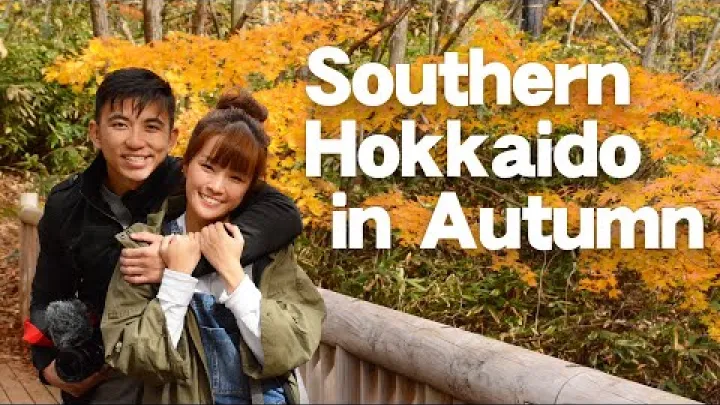
October is one of the clearest recommendations for autumn foliage, photography, historic districts, and comfortable cool-weather walking. Goryokaku Park can provide a city-based setting for seasonal color, while Mount Hakodate and Onuma Quasi-National Park offer different views because elevation, exposure, and surrounding vegetation affect the timing and appearance of autumn.
Daytime walking can remain comfortable, but mornings and evenings become noticeably cool. A simple combination of a base layer, a warm outer layer, and comfortable walking shoes is usually more practical than packing only light summer clothing. Peak color varies by year and location, so think of October as the strongest general foliage case rather than a fixed peak-color date.
November: Late Autumn and Early Winter Uncertainty
November is a shoulder month with fading foliage, cooler days, and a growing possibility of early snow. Early November may still feel like late autumn, while late November can have a more wintry character. This difference makes the month useful for flexible travelers but less suitable for anyone seeking a guaranteed seasonal display.
November can suit a quieter city stay focused on food, history, museums, and selected outdoor walks. It offers neither dependable peak foliage nor stable deep-winter snow. Bring warmer layers and footwear that can handle wet pavement, but do not assume that snow will either be absent or established throughout the month.
December: Early Winter, Snow Onset, and Illuminations
December is a mixed month in which early winter conditions develop and snow becomes more likely toward the end of the month. Early December may offer a transition between late autumn and winter, while the latter part of the month can feel more seasonal and festive. Winter illuminations and a colder atmosphere appeal to travelers who want a preview of Hakodate in winter.
The trade-off is shorter daylight, colder weather, and possible holiday demand around Christmas and New Year. Snow cover is not guaranteed throughout December, so choose it for early-winter atmosphere rather than certainty of a fully white city. Pack progressively warmer clothing as the month advances, including footwear suitable for wet or slippery streets.
Best Time to Visit Hakodate by Travel Style
The most useful answer to when to visit Hakodate is often purpose-based. A traveler planning around blossoms needs a different window from someone choosing a festival, a long walking itinerary, or snow scenery.
Cherry Blossoms and Spring Culture
For cherry blossoms, use late April to early May as the typical planning window, while treating the current annual forecast as the deciding factor. Recent timing can shift, and different cherry varieties do not necessarily reach peak appearance at the same time. A fixed historical date is therefore less useful than an updated forecast close to the season.
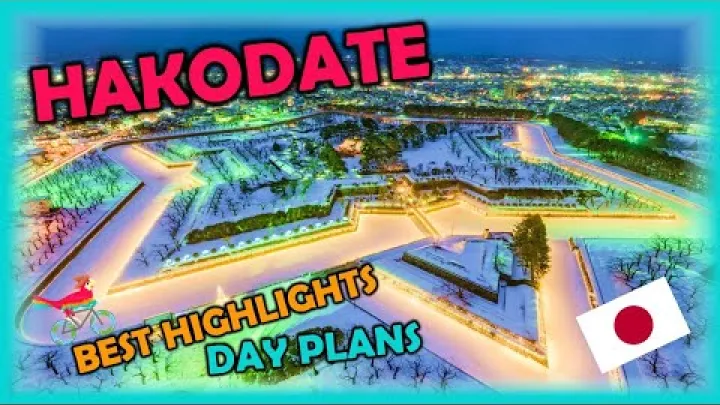
Goryokaku Park is a major local anchor for blossom viewing, and Hakodate Park offers another setting for spring scenery and evening viewing. These locations help keep a blossom trip focused on Hakodate rather than on general Japan cherry blossom routes. Spring also works well for combining flowers with historic neighborhoods, local food, and cultural attractions.
The main disadvantage is demand. Late April and early May can overlap with a major holiday period, so accommodation and transport may be less flexible. If blossoms are essential, accept that the best natural timing and the easiest booking conditions may not coincide. Check the latest Hakodate blossom forecast before fixing nonrefundable dates around peak bloom.
Outdoor Activities and Summer Festivals
Choose June and July for a weather-focused outdoor trip. These months are well suited to parks, walking routes, viewpoints, the waterfront, and nearby activities when you prefer mild to warm conditions over winter cold. They also provide flexibility for mixing outdoor time with indoor attractions when rain arrives.
Choose early August instead when the Hakodate Port Festival is more important than having the simplest outdoor-weather window. A festival trip has a different purpose from a quiet walking trip: the event atmosphere is the attraction, while crowding, demand, and rain are part of the trade-off. Confirm the current festival dates and schedule before booking nonrefundable travel.
Mount Hakodate and Onuma Quasi-National Park show the range of experiences available beyond the central streets. A city walk may be easy to rearrange, while a regional excursion or a viewpoint visit can be more sensitive to rain, wind, visibility, and travel time. Build the most weather-sensitive activity into the part of the trip where you have the most flexibility.
Autumn Foliage and Cool-Weather Walking
Late September through October is a strong choice for travelers who prefer cooler walking weather, autumn color, and a calmer seasonal atmosphere. Late September may offer milder temperatures and more remaining greenery, while October provides the clearest general case for foliage.
Goryokaku Park offers an accessible urban setting, and Mount Hakodate viewpoints can frame the city against changing seasonal scenery. Onuma Quasi-National Park may look and feel different from the city because local conditions vary with exposure and elevation. Do not expect every location to reach peak color on the same day.
Pack for comfortable daytime walking and cooler mornings or evenings. Autumn is often a good compromise for visitors who want substantial outdoor time without summer warmth or winter ice, but it is still a transition season rather than a guarantee of stable weather.
Snow Scenery and Winter Experiences
January and February are the strongest choices for travelers seeking Hakodate's deepest winter atmosphere, snowy city scenes, and cold-weather experiences. December is an earlier-winter alternative for illuminations and seasonal mood, but full snow cover is not guaranteed throughout that month.
Winter scenery comes with practical costs. Cold, wind, shorter daylight, snow, and ice can limit the length of outdoor walks and make transfers between attractions slower. Winter is therefore a good time only when the snow experience itself is a priority. Visitors who want easy long walks, warm evenings, or light packing should choose another season.
Practical Planning for Your Hakodate Dates
Once you have selected a season, practical preparation matters as much as the monthly average. Hakodate itineraries often combine long walks, waterfront exposure, parks, historic slopes, and viewpoints, so clothing, booking strategy, and live information all affect the experience.
What to Pack for Each Season
Use a simple seasonal framework rather than packing for the daytime average alone:
- Spring: Bring light layers, a warmer layer for mornings and evenings, rain protection, and shoes that can handle wet paths. March may require more winter-like protection than late April or May.
- Summer: Choose breathable clothing, comfortable walking shoes, sun protection, and a light rain shell or umbrella. Summer plans should allow for rain without requiring specialized equipment.
- Autumn: Pack layers that can adapt from mild afternoons to cool mornings and evenings. A warmer outer layer becomes more useful as November approaches.
- Winter: Use insulating clothing, warm socks, gloves, a hat, and insulated waterproof footwear with good grip. Snow and wet pavement are more important considerations than appearance alone.
Coastal wind can make the Bay Area and other exposed locations feel colder than sheltered streets. A walking plan through Motomachi, Goryokaku Park, or the waterfront is easier when you can add or remove layers during the day. For winter, prioritize dry feet and secure footing because slippery surfaces can change the pace of even a short route.
Crowds, Prices, and Booking Timing
Demand is most likely to come under pressure around cherry blossom viewing, the late-April and early-May holiday period, the Hakodate Port Festival, and New Year travel. These periods can make accommodation availability and preferred travel times less flexible, especially when your dates are tied to a flower forecast or event schedule.
Shoulder periods may provide a quieter or more flexible experience, but do not assume that every November, March, or early December stay will be inexpensive or uncrowded. Current accommodation rates depend on the specific dates, property, and event calendar. Compare rates before booking and reserve flexible accommodation early when your dates are fixed around a major seasonal event.
When blossom timing or weather is central to the trip, a cancellable or changeable booking can reduce the cost of uncertainty. When a festival is the main purpose, early booking is more important because moving the trip by a week may mean missing the event.
Check Live Weather and Access Before You Go
Use a three-stage process for reliable planning. First, use Hakodate climate normals to select a broad season and understand the likely balance of cold, rain, snow, and daylight. Second, check the Japan Meteorological Agency forecasts before departure. Third, reassess conditions before each major outdoor excursion, especially when visibility, wind, rain, or snow can change the value of the plan.
- Choose the travel window with long-term climate information, not with a single past year's weather.
- Check the short-range forecast before leaving home and adjust clothing and the order of activities.
- Before an exposed viewpoint or major outdoor visit, consider wind, visibility, rain, snow, and surface conditions. Keep an indoor alternative available.
- Before traveling beyond central Hakodate, especially toward Onuma Quasi-National Park, check current rail, road, attraction, and event notices.
Climate averages are useful for deciding between January and June, or October and December. They cannot tell you whether a particular viewpoint will be clear, whether a path will be comfortable after snowfall, or whether a regional excursion will operate as planned. Live information should guide those final decisions.
Final Recommendation for Choosing Your Dates
For cherry blossoms, start with late April to early May and follow the current forecast. For the best balance of mild outdoor sightseeing and flexible city exploration, choose June or July. For autumn foliage and cool-weather walking, late September through October is the strongest general recommendation. For snow scenery and a full winter atmosphere, choose January or February; choose December only if early winter and illuminations are more important than guaranteed snow.
There is no universally perfect Hakodate season. Match your dates to your priority, allow for the trade-offs of rain, cold, snow, crowds, and holiday demand, and use live weather and access information before committing to outdoor plans. That approach gives you a better chance of enjoying Hakodate's parks, historic streets, waterfront, mountain views, festivals, and nearby nature in the conditions you actually want.
Select area
Create a post
Posting is free and no registration is required.