Hakodate Where to Stay: Best Areas and Lodging Guide
Where to stay in Hakodate depends on whether you value transport convenience, historic atmosphere, seafood, or a traditional hot-spring stay. For most first-time visitors, the area around JR Hakodate Station and Hakodate Morning Market is the most flexible base. Bay Area and Motomachi suit travelers who want waterfront and historic scenery, while Yunokawa Onsen is better when the accommodation itself is part of the experience. This guide compares Hakodate's main areas, lodging types, transport connections, walking conditions, and the checks to make before booking.
Where to Stay in Hakodate: The Short Answer
Choose JR Hakodate Station and the Morning Market area for the best general balance. It is the simplest choice for a short visit, a first trip, or an itinerary that combines rail arrival with the Bay Area, Motomachi, Goryokaku, Mt. Hakodate, and possibly Yunokawa. The area has several accommodation levels and makes it easier to connect with the Hakodate City Tram, buses, and onward trains.
- Best default: JR Hakodate Station and Hakodate Morning Market for flexibility and easy arrival.
- Best for atmosphere: Hakodate Bay Area and Motomachi for harbor views, historic streets, and sightseeing on foot.
- Best for onsen: Yunokawa Onsen for ryokan meals, hot-spring baths, and a slower resort stay.
- Best for a specific local itinerary: Goryokaku or another outer district when the fort, local shopping, a quieter setting, or a longer stay is the main reason for choosing it.
There is no single Hakodate hotel area next to every major attraction. The most useful decision is to choose the district that reduces your daily transfers and walking burden, then compare hotels, ryokan, hostels, or apartments within that district.
Hakodate's Main Areas and What Each Is Best For
Hakodate combines a rail and ferry-era urban center, a harbor district, a historic hillside neighborhood, an eastern onsen area, and outer urban districts. The Official Hakodate Travel Guide highlights places such as Motomachi and Onuma Park, which shows why the best base depends on whether your priority is central sightseeing or a wider regional itinerary.
JR Hakodate Station and Hakodate Morning Market
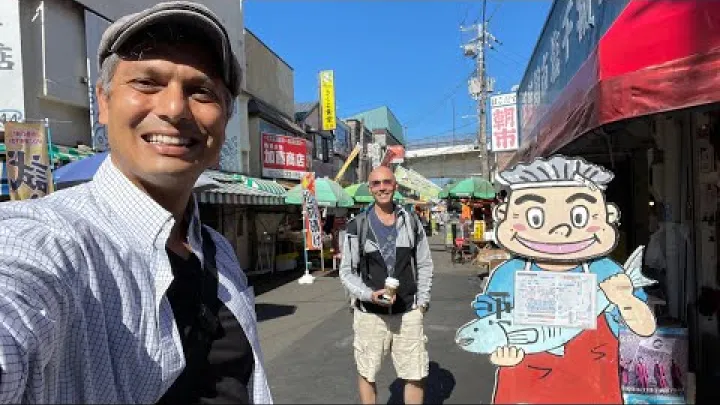
JR Hakodate Station is the strongest all-purpose recommendation for first-time visitors, short stays, rail travelers, and anyone who wants a practical base. Hakodate Morning Market is close to the station, so the area is especially convenient for travelers who want an early seafood breakfast without planning a separate journey. The station also provides a useful starting point for the Bay Area, Motomachi, Goryokaku, and Yunokawa by public transport.
The accommodation choice is broad. You can find business hotels, standard mid-range hotels, and some apartment-style rooms in and around the station area. A current Booking.com station-area listing illustrates the concentration of hotels immediately around JR Hakodate Station. Use such listings to compare room types and locations, not to assume that one property is always the best choice.
The tradeoff is atmosphere. The station area feels functional and transport-focused rather than like a historic neighborhood or an onsen resort. It is often a good fit when you want to minimize outdoor walking with luggage, including in winter, but street-facing rooms can experience traffic noise. Morning Market activity may also matter to light sleepers. When comparing properties, distinguish the distance to the JR station, the tram stop, and the market entrance because these are not always the same route.
Hakodate Bay Area and Motomachi
The Bay Area is the harbor-side choice, with attractions such as Kanemori Red Brick Warehouse and waterfront walking. Motomachi is the historic hillside area, known for older buildings, churches, views, and stone-paved streets. They are often discussed together because they form a natural sightseeing zone, but the walking experience is different within the combined district.

The Bay Area is relatively flat and can suit travelers who want to walk between harbor attractions, restaurants, and hotel facilities. Motomachi has slopes and older paved surfaces, so a property that looks close on a map may require more effort with heavy luggage, a stroller, or winter footwear. Check the actual route from the nearest tram stop rather than judging distance in a straight line.
Lodging ranges from harbor hotels and boutique properties to hostels, guesthouses, pensions, and apartment-style rooms. The main benefit is character: you can step into a historic or waterfront setting rather than return to a purely functional station district. The cost may be higher when a property charges for views, design, or location, while smaller historic-area properties may have fewer services, smaller common areas, or limited reception hours. Recent listings and reviews are useful for checking room condition, sound insulation, elevators, luggage access, and the facilities that are actually included.
Yunokawa Onsen Near Hakodate Airport
Yunokawa Onsen is the specialist base for travelers who want hot springs, ryokan hospitality, Japanese-style rooms, open-air baths, and a quieter resort atmosphere. It is on the eastern side of Hakodate and is convenient for Hakodate Airport compared with the central sightseeing areas. Choose it when bathing, dinner, and time at the property are central parts of the trip, not simply because it is another place to sleep.

Many Yunokawa properties are organized around an overnight onsen experience. Their plans may include dinner and breakfast, and the price may be presented per person rather than as a simple room price. The Hakodate Yunokawa Onsen information site provides local accommodation and bathing information, including examples of overnight and day-bathing costs. These examples are not universal rates: occupancy, dates, meal plans, room type, and bathing access can change the total.
Yunokawa can be reached from Hakodate Airport by airport bus services, and the Hakodate City Tram connects the area with central Hakodate and JR Hakodate Station. It is less convenient for repeated visits to the Morning Market, Bay Area, and Motomachi than the station area. Day bathing can be an alternative for travelers who want to experience Yunokawa without moving their entire base. Check whether a facility accepts day visitors and whether bathing hours are available on your date.
Goryokaku and Other Outer Districts
Goryokaku is a reasonable base for visitors whose main plans center on Goryokaku Fort, Goryokaku Tower, local shopping, or a quieter urban setting. It offers a different view of the city from the harbor and historic center, with accommodation that can include business hotels and smaller properties.
![Preview image for the video "Hakodate Goryokaku & Tower Observation Deck Walking Tour - Hokkaido Japan [4K/HDR/Binaural]".](/sites/default/files/styles/media_720x405/public/oembed_thumbnails/2026-08/cOmmtCtW319MfFnVLlLSdjpXWFIa4l7Qy-XoK7tZLZY.jpg.webp?itok=UqxWWwuN "Preview image for the video \"Hakodate Goryokaku & Tower Observation Deck Walking Tour - Hokkaido Japan [4K/HDR/Binaural]\".")
The central tradeoff is transport. Travelers staying in Goryokaku usually depend more on the tram or bus for the station, Morning Market, Bay Area, and Motomachi. This can work well for repeat visitors, longer stays, or anyone with a specific reason to spend time near the fort, but it is usually a secondary choice for a first short visit. Outer districts may offer competitive dates or room formats, but do not assume a fixed saving compared with the station area.
Check the walking distance from the property entrance to the nearest useful tram or bus stop. This matters when you have suitcases, arrive late, travel with children, or visit during snow and ice. A hotel described as being in Goryokaku or another broad district may still be inconvenient if the last part of the route is long or exposed.
Where to Stay in Hakodate by Trip Purpose
The best area changes with the shape of your itinerary. The following choices focus on what you will do each day rather than on a city-wide hotel ranking.
First-Time Sightseeing and Short City Breaks
For a first visit of one to three nights, start with JR Hakodate Station and Hakodate Morning Market. This base works well for visitors who want to combine the market, Bay Area, Motomachi, Mt. Hakodate, Goryokaku, and possibly Yunokawa without changing hotels. It also creates a simple arrival route from the railway network and gives you several lodging price levels to compare.
No district is next to every main sight, so flexibility is more valuable than choosing a hotel beside one attraction. For a one- or two-night stay, prioritize a short route from your arrival station to the accommodation and convenient access to the Hakodate City Tram. Choose Bay Area or Motomachi instead when waterfront views, historic architecture, and walking atmosphere matter more than direct rail convenience. A simple rule is: choose the station area for flexibility, Bay or Motomachi for atmosphere, and Yunokawa for onsen.
Food-Focused Trips
Travelers who plan their mornings around seafood should look first at accommodation near Hakodate Morning Market and JR Hakodate Station. This makes it easier to visit the market early and still use the station or tram for the rest of the day. The area also provides a range of restaurants and practical food options for travelers who do not want every meal to be part of a hotel package.
Bay Area accommodation may appeal to travelers who prefer harbor-side restaurants or a hotel-centered breakfast. Yunokawa ryokan offers a different food experience, where dinner and breakfast can be part of the overnight plan and the meal becomes part of the stay. Apartment-style rooms near the market may suit travelers who want a kitchenette and more control over meals, but cooking rules and equipment vary. Always check whether breakfast is included, optional, or unavailable under the selected rate plan.
Older awards, guide mentions, or historical recognition should not be treated as a current dining ranking. Compare the actual meal description, serving time, dietary communication process, and cancellation terms shown for your dates.
Hot-Spring and Wellness Trips
Choose Yunokawa Onsen when bathing and ryokan hospitality are the main purpose of the trip. It is the clearest fit for travelers looking for Japanese-style rooms, public baths, open-air baths, traditional meals, and a slower schedule. The district works best when you expect to spend meaningful time at the accommodation instead of using it only as a base for urban sightseeing.
Compare the facilities that matter to you: a public bath, an open-air bath, a private bath, an in-room open-air bath, a sauna, or an ocean-facing room. These features should be confirmed for the selected room and plan rather than assumed from the district name. Bathing access may differ between overnight guests and day visitors, and meal plans may change the total price substantially.
A split stay can be a useful solution. Spend the first nights near the station or Bay Area for sightseeing, then move to Yunokawa for one or two nights of onsen relaxation. This adds a hotel change, so it is most useful when the onsen experience is important enough to justify moving luggage.
Families, Longer Stays, and Self-Catering
Families and longer-stay visitors should usually begin with the station and Bay Area belt. These areas make it easier to reach transit, restaurants, food shops, and a wider range of room formats. They can also reduce the number of long journeys required when different travelers want different activities during the day.
Apartment-style accommodation, including properties such as Hakodate Danshaku Club, is a category worth investigating when you need a kitchenette, living area, refrigerator, microwave, or a larger room layout. Treat these as features to compare in the exact listing, not as automatic benefits of every apartment property. A Japanese-style ryokan may also provide a larger room, but structured meal times and shared bathing arrangements may not suit every family.
Before booking, check the permitted occupancy, bed configuration, kitchen equipment, laundry access, elevator access, bath layout, and cancellation rules. Also compare the flexibility of extra space and self-catering with the convenience of daily housekeeping, front-desk support, and a hotel breakfast. Motomachi's slopes and older paved streets are additional location factors for families with strollers, older travelers, or heavy luggage.
Match Lodging Type to Budget, Comfort, and Length of Stay
Hakodate accommodation includes practical urban hotels, traditional inns, onsen hotels, small guesthouses, boutique properties, and apartment-style rooms. The right type depends on whether you value predictable services, cultural experience, privacy, social atmosphere, or space for a longer stay.
Business Hotels and Standard Urban Stays
Business hotels are concentrated around JR Hakodate Station and are useful for solo travelers, rail itineraries, short visits, and travelers who want predictable facilities. They commonly emphasize an efficient arrival and departure process, compact Western-style rooms, Wi-Fi, and desk space. Breakfast may be available as an included or optional plan, and some properties offer a public bath.
Similar hotels may also be found near Goryokaku or in other urban districts. Compare them by transport convenience rather than assuming that a location outside the station always produces a fixed price difference. A lower headline rate may be less useful if the route to the station, market, or evening meal adds time and transport cost.
Room size and bed configuration deserve special attention. A compact single room can be practical for one person, while couples, families, or guests staying several nights may need more floor space, separate beds, a larger bathroom, or storage for winter clothing. Check the exact room description rather than judging value by the hotel category alone.
Ryokan and Onsen Hotels
Yunokawa is Hakodate's main area for traditional inns and onsen hotels. These properties may offer Japanese-style rooms, futons, public baths, open-air baths, and meal-centered stays. A ryokan can provide a stronger sense of place than a standard hotel, but it also requires you to understand how the plan is structured.
Rates may be calculated per person and may include both dinner and breakfast. That makes the total cost different from a room-only business hotel, even when the displayed room rate appears similar. Compare the complete price for all guests and nights, including whether meals are included, optional, or served at set times.
Bathing choices also vary. Some guests prefer a communal bath, while others need a private bath or an in-room bath for comfort or privacy. Yukata, tatami rooms, futons, meal service, and other traditional features can be appealing, but not every property includes the same facilities. A ryokan is usually best when you plan to spend meaningful time at the property rather than return late only to sleep.
Hostels, Guesthouses, and Boutique Hotels
Motomachi and the Bay Area are good places to investigate hostels, guesthouses, pensions, and smaller design-led properties. These options can suit solo travelers, couples, and visitors who value neighborhood character or social interaction. Dormitory rooms and shared bathrooms may reduce the cost, while private rooms and boutique hotels provide more privacy and design-focused surroundings.
The location and building character can involve tradeoffs. A scenic or historic property may be on a slope, in an older building, or farther from a major transport stop. It may also have fewer facilities than a full-service hotel. Check recent reviews for room condition, sound insulation, shared facilities, luggage access, heating, elevator availability, and night check-in arrangements.
Do not use the label hostel, boutique, or guesthouse as a substitute for reading the exact listing. The same category can include very different room layouts, reception hours, and expectations about shared space. Match the property to your privacy needs and arrival time before focusing on the lowest displayed rate.
Serviced Apartments and Self-Catering Accommodation
Apartment-style accommodation near the Bay Area or station can suit families, longer stays, and travelers who want a living area or kitchen. Hakodate's market and local seafood provide a practical reason to consider self-catering, but a kitchenette is useful only when the property permits cooking and supplies the equipment you need.
Compare space and meal flexibility with the possible limits of apartment accommodation. Daily housekeeping may be limited, front-desk service may be less extensive, and guests may need to manage supplies, rubbish, or laundry themselves. A larger room can also have a higher total cost, so compare the complete stay with a hotel room plus breakfast or restaurant meals.
Verify the kitchen equipment, washing facilities, room occupancy, bath layout, and exact distance to shops and transit. Also check whether the property has an elevator and how keys or access codes are handled. These details often matter more to a long-stay guest than the room's advertised floor area.
Transport, Walkability, and Winter Considerations
Hakodate's main districts are connected, but the most convenient base changes according to your arrival gateway and how much luggage you carry. The final walk from a tram or bus stop to the actual accommodation can be as important as the district name.
Arrivals by Rail, Air, and Regional Excursions
Travelers arriving by high-speed rail normally pass through Shin-Hakodate-Hokuto before continuing to JR Hakodate Station. These are different stations, so confirm the final station on your route and the local connection you will use with luggage. A hotel described as being near Hakodate Station is not automatically convenient for a traveler who plans to stop at Shin-Hakodate-Hokuto or continue directly to another destination.
The station area is the natural choice for rail-based itineraries because it puts the local transport network and onward connections close together. Yunokawa is more attractive for travelers arriving through Hakodate Airport and wanting to begin with an onsen stay. Airport bus services and the city tram are important links between the airport, Yunokawa, and central Hakodate. The access patterns described by Selected Ryokan are useful for planning, but check the current route, stop, and operating information for your travel date.
Onuma Park can usually be treated as a regional excursion from a Hakodate base. A station-area hotel is practical when you want to return to Hakodate after the visit. If you plan to spend the night near the park instead, that becomes a separate lodging decision and may make a split itinerary more appropriate.
Before payment, match the property to your arrival gateway. Confirm whether the final transfer is from Shin-Hakodate-Hokuto, JR Hakodate Station, Hakodate Airport, or a tram stop, and identify the route to the accommodation with luggage.
Tram, Bus, and Last-Mile Walkability
The Hakodate City Tram is a practical link between JR Hakodate Station, central sightseeing areas, Goryokaku, and Yunokawa. Buses add other connections, including airport access. However, an accommodation listing that uses a broad area name is not necessarily close to the most useful tram stop.
Compare the areas using the transport and walking pattern below. Cost descriptions are relative only: the actual price depends on dates, occupancy, room type, meals, and availability.
| Area | Transport access | Walking character | Lodging and cost |
|---|---|---|---|
| JR Hakodate Station | JR station, tram, and bus connections | Flat and practical; busier urban setting | Business and mid-range hotels; broad value range |
| Bay Area and Motomachi | Tram and bus; less direct rail access | Flat waterfront; slopes and stone streets in Motomachi | Harbor, boutique, guesthouse, and apartment options; atmosphere may add cost |
| Yunokawa Onsen | Airport bus and tram; more self-contained | Local streets; check the final walk to the property | Ryokan and onsen hotels; package cost varies |
| Goryokaku | Tram and bus; farther from the main station | Urban walking; stop-to-hotel distance matters | Business and smaller hotels; compare dates carefully |
Use a last-mile checklist before booking:
- How far is the actual entrance from the tram or bus stop?
- Is the route flat, hilly, paved, or likely to be difficult with luggage?
- Will food be available nearby if you arrive in the evening?
- Does the accommodation accept late arrivals and provide clear access instructions?
- How will you return to the stop after a day of sightseeing?
Check the current tram or bus route, stop location, operating hours, and walking distance for the specific accommodation. A short route on a map may feel very different when carrying bags or traveling in poor weather.
Winter, Night Walking, and Practical Safety
Winter can change the meaning of “walkable” in Hakodate. Snow, hardened ice, wet surfaces, and reduced daylight can make a route that is comfortable in another season slower or more difficult. This is especially important around Motomachi's slopes and older paved streets, but conditions can affect any district.
For travelers with limited winter walking experience, mobility concerns, young children, or heavy luggage, prioritize a short and flat route to the station, tram, food, and accommodation entrance. Allow extra time for moving bags. Wear footwear with suitable non-slip soles, or bring attachable ice grips when current conditions indicate that they are useful.
For evening plans, use the property's exact map location to identify the shortest practical route from the transport stop. Consider lighting, hills, road crossings, weather exposure, and whether you can use a taxi or bus if walking becomes difficult. Ordinary nighttime precautions still apply, and broad city-level statements about safety should not be used to rank one Hakodate neighborhood as categorically safe or unsafe. Check current snow and ice conditions before relying on walking.
Hakodate Booking Checklist and Final Decision
After choosing an area, compare accommodation by the features that affect your actual trip. A clear checklist prevents an attractive room rate from hiding an inconvenient route or missing meal and bath inclusions.
Compare Location, Room Features, and Total Cost
Start with the location, not the hotel name. Record the district, distance to JR Hakodate Station or the nearest useful tram stop, access to your main attractions, walking surface, likely noise, and nearby food options. Then compare the room type, bed arrangement, bathroom, storage, kitchen or laundry facilities, and the lodging style that matches your trip.
Relative cost patterns can help narrow the search. Station business hotels often provide accessible urban options. Bay Area and Motomachi properties may charge more for atmosphere, design, or views. Yunokawa packages may look more expensive because they can include dinner, breakfast, and bathing facilities. These are patterns, not guaranteed prices, so compare properties for the same dates and occupancy.
Compare the complete total for the stay. Include breakfast, dinner, bathing access, taxes or fees shown in the booking process, and any occupancy assumptions. A room-only hotel may not be cheaper than a ryokan package after meals are added, while an apartment may offer useful space but cost more in total. Use this priority order: location, access, room suitability, inclusions, then price.
Check Dates, Availability, Policies, and Current Conditions
Hotel inventory, rates, meal plans, and availability change according to season, date, occupancy, and booking channel. A displayed room or package is not a permanent feature of the property. Read the current listing for the exact dates and guests rather than relying on an older review, search result, or general area description.
Before payment, confirm the exact room type, bed arrangement, cancellation policy, check-in time, breakfast or dinner inclusion, and onsen access. For apartments, check the equipment and access process. For ryokan, check meal times, bathing arrangements, and whether the selected plan is for one room or priced per person.
Make one final transport and weather check for the travel dates. Confirm the current airport bus or tram connection, the correct stop, the final walk, and any winter conditions that could affect a hillside route or luggage transfer. A simple booking process is: select the district by itinerary, shortlist the lodging type, compare the complete total, and confirm the property's current operating details before payment.
Final Recommendation: Pick the Base That Matches Your Trip
For most visitors asking where to stay in Hakodate, JR Hakodate Station and Hakodate Morning Market are the safest practical default because they combine rail arrival, local transport, food access, and a broad choice of accommodation. Choose the Bay Area or Motomachi when the setting and historic atmosphere are the main reason for your trip. Choose Yunokawa Onsen when baths, meals, and time at the ryokan are central to the experience, and choose Goryokaku or another outer district only when its specific location supports your itinerary.
Once the area is right, compare the exact walking route, room format, inclusions, policies, and complete cost. That approach produces a more comfortable Hakodate stay than choosing a property from a city-wide list based on price or appearance alone.
Select area
Create a post
Posting is free and no registration is required.