Hakodate Travel Guide: Plan Your First Southern Hokkaido Trip

This Hakodate travel guide explains how to plan a first visit to one of Southern Hokkaido's most distinctive cities. Hakodate combines harbor scenery, historic streets, seafood, mountain views, and hot springs in a relatively compact urban area. The key to an easy trip is understanding the city's districts and grouping nearby sights together. This guide covers where to stay, how to arrive, getting around, the best things to do, seasonal planning, costs, safety, and realistic itineraries from one to four days.
Hakodate at a Glance
Hakodate is a port city at the southern end of Hokkaido. Its character comes from the meeting of maritime scenery, international history, local food, and Japanese hot-spring culture. You can spend a short city break here, or use it as a base for exploring parts of Southern Hokkaido.
Why Visit Hakodate on a Hokkaido Trip
Hakodate offers a different experience from a large inland city or a wide rural tour of Hokkaido. The western districts have historic buildings, churches, harbor views, and sloping streets. The city is also known for seafood, especially meals connected with its port setting. From Mt. Hakodate, the urban area narrows between surrounding waters, creating the view that many visitors associate most strongly with Hakodate.
The city works well for travelers who want a focused destination with several distinct experiences close together. The Hakodate Official Travel Guide highlights the area's scenery, historic buildings, hot springs, food, and year-round visitor appeal. Plan Hakodate as one part of a Hokkaido journey rather than assuming it represents the whole island. The most useful decisions are whether to stay near transport, in the historic area, or at Yunokawa Onsen; whether to add Onuma; and whether one or two full days is enough for your interests.
The City Layout in One Mental Map
Think of central Hakodate as a narrow urban corridor between Hakodate Bay and the Tsugaru Strait. Hakodate Station, the Morning Market, and the harbor form the main arrival anchor. West of this area are Motomachi, Hachiman-zaka, the Kanemori Red Brick Warehouses, and the route toward Mt. Hakodate. Goryokaku lies farther inland and is best treated as its own sightseeing cluster. Yunokawa Onsen and Hakodate Airport are on the eastern side of the city.
This north, south, east, and west orientation is more useful than thinking of everything as central. The western historic district includes slopes and connected walking routes, while district-to-district travel is easier by tram, bus, taxi, or a planned combination. Grouping the station and harbor, Motomachi and the mountain, Goryokaku, and Yunokawa separately reduces backtracking and leaves more time for meals and unplanned stops.
Hakodate Areas: Vibe, Highlights, and Best Base
There is no single best area for every Hakodate trip. Choose a base according to your arrival method, walking ability, preferred atmosphere, and plans for evenings or day trips.
| Area | Best for | Main trade-off |
|---|---|---|
| Station and Morning Market | Rail access, food, day trips | Convenient rather than resort-like |
| Motomachi and harbor | Historic streets and atmosphere | Slopes and less direct rail access |
| Goryokaku | History, park walks, central-city access | Separate from the western harbor sights |
| Yunokawa Onsen | Relaxation, ryokan, airport access | Longer travel to Motomachi |
Hakodate Station and Morning Market Area
Hakodate Station is the most practical base for many first-time visitors. It is the main arrival and transfer point for travelers using the railway, and the Hakodate Morning Market is close by. Harbor attractions are also within the same broad area, making it possible to begin sightseeing soon after arrival without arranging a complicated transfer.
Choose this area if you value logistics over atmosphere. It suits travelers with early departures, rail connections, planned trips to Onuma, or luggage that makes repeated transfers inconvenient. Trams and buses provide links to other visitor districts. The trade-off is that the station area can feel functional and commercial rather than like a historic neighborhood or a traditional hot-spring resort. Check individual hotel and market information when choosing an early-morning plan because businesses do not all keep identical hours.
Motomachi and the Harbor
Motomachi is the strongest choice for travelers who want to wake up near historic streets, Western-influenced architecture, churches, parks, and harbor-facing slopes. A walk can connect the Old Public Hall area, Hachiman-zaka, other heritage buildings, the Kanemori Red Brick Warehouses, and access toward Mt. Hakodate. This is the most atmospheric base for photographers, architecture enthusiasts, and visitors who prefer to explore on foot.
The area is scenic rather than transport-efficient. Some routes involve slopes, and a hotel on a quiet residential street may require carrying luggage over uneven or inclined surfaces. Snow and ice can make winter walking slower and more demanding. Treat streets, viewpoints, and building exteriors as different experiences: some can be enjoyed from public routes, while individual buildings may have separate opening hours, admission charges, or visitor rules.
Goryokaku District
Goryokaku is the best base for travelers who want more time with Hakodate's political and military history, a large public park, and the star-shaped fort. Goryokaku Tower adds an elevated perspective, while the park and fort area provide a ground-level way to understand the site's shape and scale. The district also works for visitors who prefer a less harbor-focused stay.
Staying near Goryokaku separates you from the western historic streets and the main harbor atmosphere, so it is not automatically the best choice for a short first visit. It becomes more attractive when Goryokaku is a major priority, when you have several nights, or when a particular hotel is a better fit. Cherry blossoms, winter illumination, and other seasonal features should be treated as conditions or scheduled events, not guaranteed parts of every visit.
Yunokawa Onsen
Yunokawa Onsen is Hakodate's eastern hot-spring district and is close to Hakodate Airport. It suits travelers who want a ryokan or hotel with bathing facilities, a slower final night, or a relaxing beginning to a Hokkaido trip. It can also be useful when airport access matters more than being beside the western historic attractions.
Decide first whether you want an overnight stay or only a day-use bath. An overnight ryokan stay normally makes the onsen part of the accommodation experience, while day use depends on the individual facility's schedule and policy. Towel arrangements, fees, reservations, bathing hours, and rules vary. Yunokawa is a strong base for relaxation, but reaching Motomachi, the harbor, and Mt. Hakodate requires more district-to-district travel than staying near the station or western area.
Getting to Hakodate
Hakodate can be reached overland from Honshu or other parts of Hokkaido, or by air. The best choice depends on your starting point, total door-to-door time, luggage, and whether you want to include stops outside the city.
From Honshu by Shinkansen via Shin-Hakodate-Hokuto
The Hokkaido Shinkansen arrives at Shin-Hakodate-Hokuto, not at central Hakodate Station. This terminal distinction is one of the most important details for first-time planning. After leaving the Shinkansen, you need a further local connection to reach Hakodate Station or your accommodation in another district.
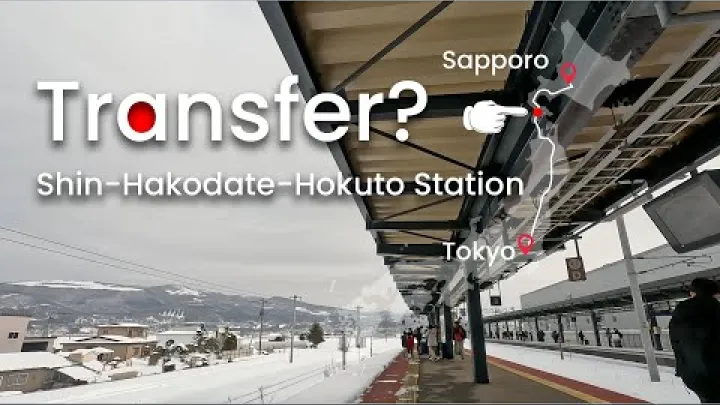
For a trip from Tokyo or elsewhere on Honshu, compare the full journey rather than looking only at the long-distance train. Consider the transfer interval, total fare, luggage handling, and the location of your accommodation after reaching the city. A short connection may be convenient, but a longer buffer can be worthwhile if you have large bags, children, mobility needs, or a fixed reservation. Confirm the current Shinkansen-to-Hakodate transfer timetable and connection conditions before booking the onward journey.
From Sapporo and Across Hokkaido
Travelers coming from Sapporo or other Hokkaido destinations usually compare limited express trains, highway buses, and driving. Rail is often the simplest choice for a predictable intercity route and allows you to avoid driving on unfamiliar roads. A highway bus may suit travelers comparing lower-cost options or carrying luggage without changing trains. Driving offers the greatest flexibility for rural stops, scenic detours, and accommodation outside the main urban areas.
Onuma Quasi-National Park can be planned as a day trip from Hakodate, as a stop on a wider rail journey, or as part of a driving route. A rail-based plan is easier when your focus is the city and a small number of excursions. A car becomes more useful when you want to combine Onuma with smaller towns or nature areas, but it also makes road conditions, parking, fuel, and luggage planning part of the itinerary. Compare the complete route and not only the advertised ticket price.
By Air Through Hakodate Airport
Hakodate Airport is on the eastern side of the city near Yunokawa Onsen. It provides an alternative to a long overland journey and may work well for visitors arriving from another Japanese city or connecting with a domestic flight. Airport buses connect the airport with Hakodate Station and central areas, while taxis can be useful when traveling with heavy luggage or staying outside the main corridor.

The Hokkaido Airports access information explains that estimated public-transport access times and train travel from Hakodate Station are measured differently. Use that distinction when comparing air and rail. Include check-in time, security, baggage collection, airport transfers, and the final trip to your hotel. A flight is not automatically faster once all city-to-city steps are included, and current domestic routes, operators, schedules, and airport-bus details should be checked for your travel date.
Getting Around Hakodate
Hakodate is manageable when you use public transport between districts and walk within each sightseeing cluster. The main challenge is not seeing every attraction in one continuous walk, but choosing the right order and allowing for slopes, luggage, weather, and evening travel.
Trams for the Main Visitor Corridor
Hakodate's tram network is the main public-transport spine for many visitors. It links the station area with the harbor and Motomachi vicinity, Goryokaku, and Yunokawa. This makes it useful for moving between the city's major clusters without arranging a separate taxi for every leg.

Use the tram to connect districts, then walk to the attractions within that cluster. A tram stop is not the same as an attraction entrance, and the service does not replace the separate transport needed for every mountain, park, or outlying site. Before relying on a particular connection, check the current Hakodate City Tram map, fare rules, payment methods, service frequency, and service notices. Confirm any evening changes as well, especially if Mt. Hakodate or a late meal is part of the plan.
Walking, Buses, Taxis, and the Ropeway
Walking is effective for the Hakodate Station, Morning Market, harbor, Kanemori, and connected Motomachi sights when the route and weather are comfortable. It is often more enjoyable to choose one western-area walking route than to move back and forth between isolated attractions. Maps can make the city look uniformly compact, but a route that includes slopes, stairs, snow, or a return with shopping bags may take more effort than expected.
Buses and taxis fill the gaps between tram corridors, help with late returns, and offer a practical solution for visitors with mobility limitations or heavy luggage. Consider a taxi for a short transfer when a connection would require a steep walk or a long wait. The Mt. Hakodate Ropeway is a dedicated mountain transport option, not an extension of ordinary city travel. Plan it as a separate activity and allow time for reaching its access point and returning to your base.
Top Things to Do in Hakodate
Hakodate's highlights are strongest when combined by location and mood. A morning market visit, a heritage walk, a major historical site, and a mountain viewpoint can create a varied trip without crossing the city unnecessarily.
See the Night View from Mt. Hakodate
Mt. Hakodate is the city's defining viewpoint. From above, the built-up area appears as a narrow form bordered by Hakodate Bay and the Tsugaru Strait, which explains why the view feels different from a standard city panorama. It is especially meaningful after you have walked through the harbor and historic districts because you can recognize the urban shape and the water on both sides.
The Mt. Hakodate Ropeway describes the journey as a three-minute trip across the sky. Plan the visit around visibility, sunset, queues, and your ability to change the order of the day. The viewpoint is weather-dependent, so a cloudy or hazy evening may be a reason to move the visit rather than force it into a fixed schedule. Confirm the ropeway's current operating hours and status on the day you intend to go. If visibility is poor, use the time for Motomachi, Goryokaku, food, or Yunokawa instead and return to the mountain only if conditions improve.
Walk Motomachi's Historic Streets
Build a Motomachi heritage walk around the Old Public Hall area, former consulates, churches, parks, harbor-facing slopes, and Hachiman-zaka. The district's Western-influenced buildings and broad views reflect Hakodate's development as an open port and its international connections. The appeal is not limited to entering buildings; the street layout, changes in elevation, and views toward the water are part of the experience.
Allow a half-day pace if you want to combine planned heritage sites with exterior architecture, viewpoints, cafes, and the route toward Kanemori. Individual buildings can have separate admission rules, opening hours, photography policies, or closures. Churches, residences, and other sites may still serve local communities, so keep voices low, follow signs, and do not treat active religious or residential spaces as ordinary photo stops.
Explore Goryokaku Fort and Goryokaku Tower
Goryokaku is a star-shaped fort associated with Hakodate's modern political and military history. Its Western-style design is easiest to understand from above, while the park and fort grounds provide a slower, ground-level experience. Visiting both perspectives gives the site more meaning than viewing only a tower panorama or only the park paths.
Goryokaku Tower is easily combined with a walk through the surrounding park, but it is a separate attraction with its own access and admission arrangements. The Hakodate Official Travel Guide is a useful local starting point for planning this and other city attractions. Cherry blossoms, autumn color, and winter illumination can change the character of the site, but they depend on the season and scheduled events. Check current tower access, park information, and event dates when those details are central to your trip.
Start at the Morning Market and Continue to Kanemori Red Brick Warehouses
The Hakodate Morning Market is a natural first stop because it is near Hakodate Station and introduces the city's seafood and agricultural products early in the day. Visitors can choose between a market breakfast, a seafood rice bowl, smaller snacks, or a simple walk through the stalls. The experience is most useful as an introduction to local food rather than as a promise of one particular dish or vendor.
Continue toward the harbor and the Kanemori Red Brick Warehouses for a different atmosphere. The warehouse complex uses a historic harbor setting for shopping, dining, and strolling. Together, the market and warehouses form an efficient arrival-day route, especially when your accommodation is near the station. Market hours, seasonal schedules, vendor availability, and warehouse opening information can differ, so use current venue details when deciding how early to start or where to eat.
Food, Hot Springs, and Onuma
Beyond the main viewpoints, Hakodate's appeal comes from combining local food with a bath or a short nature excursion. These additions can be scaled to fit a single day or expanded into a longer Southern Hokkaido stay.
What to Eat in Hakodate
Seafood should be part of most Hakodate food plans, whether you choose a market breakfast, a casual meal near the station, or a more formal restaurant. Seafood rice bowls are a practical way to sample several ingredients, while squid is one of the products commonly associated with the city. Menus and catches vary, so choose a restaurant based on the current menu and your dietary needs rather than expecting a specific item everywhere.
Hokkaido dairy and soft-serve provide a lighter option during a harbor or Motomachi walk. A simple food plan can therefore include one market meal, one casual local meal, and one sit-down dinner. Allow room for seasonal availability, changing prices, allergies, religious or dietary restrictions, and the possibility that a popular venue may not have the exact menu shown in older travel material.
Yunokawa Onsen Bathing and Overnight Stays
Yunokawa works in two different ways. An overnight ryokan or hotel stay makes bathing part of the accommodation experience and may be the main reason to spend an evening in the district. A day-use visit is shorter and can be added to a city itinerary, but it depends on whether an individual facility accepts non-staying guests at the time you want to visit.
Shared-bath etiquette is straightforward: wash before entering the bath, keep towels out of the bathing water, and follow the facility's instructions. Rules for tattoos, children, bathing areas, towels, photography, and access can vary. The Hakodate Official Travel Guide provides a local starting point for the hot-spring area, while each facility controls its own day-use hours, fees, towel rental, reservation needs, and restrictions. Yunokawa can be a relaxing base or a beginning or end-of-trip stop because of its airport-side position, but it requires more travel to western Hakodate.
Take a Day Trip to Onuma Quasi-National Park
Onuma Quasi-National Park adds lakes, small islands, forest scenery, and views toward Mt. Komagatake to a Hakodate itinerary. It is a useful choice when you want nature without committing to a much longer Hokkaido journey. Low-commitment activities can include walking, cycling, boating, or seasonal outdoor exploration, but not every activity operates throughout the year.
You can visit Onuma from Hakodate, stop there during a rail journey, or use a car for greater flexibility. A city-based day trip is suitable when you want to sleep in Hakodate and keep accommodation simple. An overnight stop can work better when you want an early nature start or are traveling onward through Southern Hokkaido. Match the excursion to your season, mobility, weather tolerance, available daylight, current train connections, and the status of individual activities.
When to Visit Hakodate
Hakodate is a year-round destination, but each season changes the balance between outdoor walking, mountain views, nature trips, and hot-spring time. Choose the season for the experience you want, not only for a general idea of good weather.
Spring: Blossoms and Heritage Walks
Spring is a strong choice for combining Goryokaku Park with historic sightseeing. Cherry blossoms can add a major seasonal dimension to the fort and park, while Motomachi's architecture and harbor views remain worthwhile even when flowers are not at their peak. The season also suits visitors who want a mix of outdoor walks, museums or heritage buildings, and seafood meals.
Blossom timing varies from year to year, so do not build an entire trip around a fixed calendar date. Accommodation demand may rise when the expected bloom period approaches, and outdoor comfort can change quickly between sunny and cold days. Choose cancellation terms carefully and use current local blossom updates when deciding whether your priority is peak flowers or a less date-sensitive heritage itinerary.
Summer and Autumn: Outdoor Time and Cooler Planning
Summer is useful for longer harbor walks, evening viewpoints, and outdoor activities around Onuma when conditions are suitable. Hokkaido is often chosen by travelers seeking a cooler or less humid summer setting than many parts of mainland Japan, but normal weather variation still matters. Pack layers and avoid assuming that every day will be ideal for a long mountain or park visit.
Autumn is comfortable for heritage walks and nature-oriented excursions, with cooler air supporting a slower walking pace. Parks and nearby nature areas may become attractive for foliage-oriented plans, while shorter daylight gradually affects how much you can combine in one day. In both seasons, build the itinerary around activities that match the forecast, clothing, daylight, and your willingness to change plans.
Winter: Snow, Illumination, and Onsen
Winter offers a distinct Hakodate experience built around snow scenery, hot springs, indoor heritage attractions, seafood, and illuminated sites when events are scheduled. Yunokawa Onsen becomes especially appealing when you want a warm, slower part of the day. Snow can also change the appearance of Motomachi's slopes, harbor streets, and Goryokaku Park.
The practical trade-offs are shorter daylight, snow or ice on sloping streets, and the possibility that outdoor or intercity plans will need adjustment. Use flexible day structures, with an indoor attraction, a meal, or an onsen option available when a long walk is uncomfortable. Treat illumination dates, attraction hours, ropeway operation, and transport notices as schedule-specific details rather than permanent seasonal facts.
How Many Days to Spend in Hakodate
Your ideal Hakodate length depends on whether you want a fast highlights visit or time for food, baths, photography, and nearby nature. The following plans are templates, not fixed schedules.
One Day: Focus on the Historic Core
One day is possible if you prioritize the western core and accept that Goryokaku may need to wait for another visit. A practical sequence is:
- Begin near Hakodate Station with the Morning Market and a first look at the harbor.
- Continue toward Kanemori Red Brick Warehouses and Motomachi.
- Walk the historic streets, Hachiman-zaka, and selected heritage buildings at a comfortable pace.
- Visit Mt. Hakodate if visibility and operating conditions suit the day, or use the evening for food and a slower harbor walk.
Adding Goryokaku to this route is possible only by making the western walk selective and accepting more cross-city travel. If Goryokaku is your top priority, replace part of Motomachi rather than trying to see every major area. Leave space for meal timing, attraction hours, queues, and your actual walking pace.
Two Days: Add Goryokaku and a Slower City Pace
Two full days is a practical default for first-time visitors who want the main city highlights without rushing every district. Use one day for Hakodate Station, the Morning Market, the harbor, Kanemori, Motomachi, and Mt. Hakodate. Use the second for Goryokaku and either Yunokawa Onsen, additional food experiences, or heritage sites that you skipped on the first day.
Sequence the days according to your priorities. A photographer may place Mt. Hakodate on the day with the better visibility. A history-focused traveler can give Goryokaku and Motomachi more time. Someone arriving late may use the first evening for the station and market area, then reserve the western walk for the following day. Keep the most weather-sensitive experience in a slot that can be moved if necessary.
Three to Four Days: Add Onuma and an Onsen Stay
Three to four days allows a broader Southern Hokkaido plan. Keep the city core, Motomachi, Mt. Hakodate, and Goryokaku as the main structure, then add a Yunokawa Onsen night or an Onuma excursion. You can also use the extra time for a slower food schedule, additional museums or heritage buildings, and a second attempt at a weather-dependent viewpoint.
Onuma works as a day trip when you prefer one accommodation base and a simple return to Hakodate. It can work better as an overnight stop when you are traveling onward toward Sapporo or want more time for outdoor activities. Do not force distant Northern or Eastern Hokkaido destinations into a short Hakodate-centered itinerary. Keep the plan modular: remove the nature or onsen element if weather, daylight, luggage, or transport connections make the city itself the better use of your time.
Practical Planning, Safety, and Final Checklist
A good Hakodate plan is less about filling every hour than about choosing a base, grouping districts, and protecting the parts of the trip that depend on current conditions.
Typical Costs and How to Set a Budget
Build your budget from separate categories instead of relying on one general daily estimate. The main categories are accommodation, transport to Hakodate, local trams or buses, meals, admissions, Mt. Hakodate access, and onsen visits. Add luggage storage, airport transfers, car rental costs, parking, or seasonal activity fees when they apply.
- Lower-cost travel: Choose practical accommodation near transport, use public transport, eat some casual meals, and select only the admissions that matter most to you.
- Mid-range travel: Allow more restaurant meals, several paid attractions, taxi use when convenient, and a hotel in the station, harbor, or Goryokaku area.
- Ryokan-oriented travel: Budget for a Yunokawa stay, possible meal plans, bathing facilities, and the added transport needed to visit western Hakodate.
Prices for rooms, meals, fares, admissions, and seasonal experiences change, so avoid treating an old yen figure as universal. Check whether an accommodation quote is per room or per person and whether meals, taxes, baths, or transport are included. Your base area affects the total: a convenient station hotel may reduce transfers, while a Yunokawa ryokan may increase accommodation cost but provide a more complete onsen experience.
Booking and Verification Checklist
Book the parts of the trip that are most difficult to replace first. Accommodation may need earlier planning during blossom periods, winter events, holidays, or other high-demand dates. Reserve intercity travel when the selected service or fare requires it, and plan popular viewpoints or special events around their access rules rather than assuming unlimited entry.
- Choose a base that matches your arrival station, airport, walking ability, and evening plans.
- Group the station and harbor, Motomachi and Mt. Hakodate, Goryokaku, and Yunokawa into separate planning blocks.
- Confirm venue hours, admission arrangements, current day-use bathing policies, and special event dates.
- Check transport schedules, transfer points, payment rules, luggage arrangements, and the final connection to your accommodation.
- Leave a time buffer between an arrival, a transfer, a meal reservation, and any fixed admission.
Plan months ahead for accommodation and major intercity travel when demand is high. Check operating details closer to the visit for attractions, bathing facilities, seasonal events, and local connections. Use official tourism, transport, venue, and accommodation pages as the final reference for the specific service you intend to use.
Weather, Safety, and the Final Go or No-Go Check
Before a mountain visit, Onuma excursion, or longer journey, consult the Japan Meteorological Agency for the current forecast. Also review current transport notices and relevant local authority instructions. Visibility, snow, ice, wind, or other changing conditions can affect whether an outdoor plan is sensible, even when the attraction itself is open.
Prepare for the season with suitable footwear and layers, especially if your route includes Motomachi slopes, Hachiman-zaka, park paths, or evening viewpoints. In winter, allow more time on slippery surfaces and avoid assuming that a short map distance is an easy walk. For any alert or warning, follow official instructions on arrival and keep your travel documents, emergency contacts, medication, and insurance information accessible. Travel insurance should suit your activities and the level of cancellation or disruption protection you need.
Use this final checklist before departure:
- Choose your base: station, Motomachi, Goryokaku, or Yunokawa Onsen.
- Cluster attractions by district and choose the transport connection between each cluster.
- Confirm current access, opening information, and operator notices for time-sensitive plans.
- Keep one flexible slot for Mt. Hakodate, Onuma, or another weather-dependent activity.
- Check the forecast, transport situation, and official local instructions before setting out.
With that structure, Hakodate can be a focused one-day stop, a comfortable two-day city break, or the starting point for a wider Southern Hokkaido journey.
Select area
Create a post
Posting is free and no registration is required.