Ternate Travel Guide: First Trip to North Maluku, Indonesia
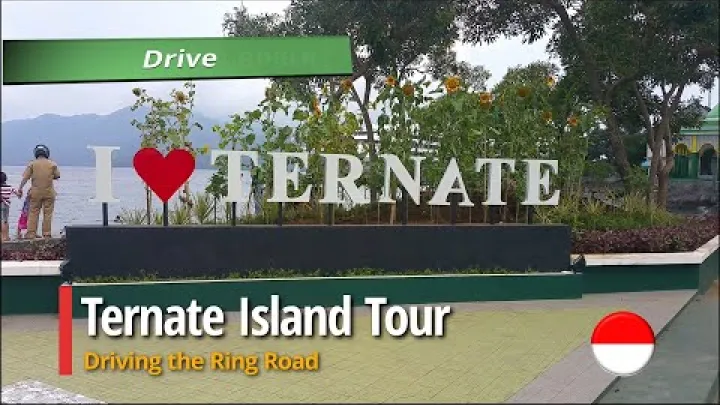
This Ternate travel guide is for first-time visitors who want a practical, realistic introduction to one of eastern Indonesia’s most interesting island cities. Ternate is compact, volcanic, historic, and closely connected to the wider North Maluku region through ferries, speedboats, and short island trips. It is rewarding for travelers who enjoy culture, coastal scenery, volcano views, and slower logistics rather than polished resort infrastructure. This guide explains how to get there, where to stay, what to do, how to budget, and what to check locally before you commit to tight plans.
Start Here: What Ternate Is Like
Ternate is both a city and an island, with daily life wrapped around Mount Gamalama and the sea. It is small enough to explore in a few days, but it also works as a base for Tidore, Halmahera, Sofifi, and longer North Maluku journeys.
Why Ternate Is Worth Visiting
Ternate is worth visiting because it combines a dramatic volcanic landscape with a deep spice-trade history. The island was historically important for cloves, sultanate power, and colonial competition, and that past is still visible through forts, palace-related sites, mosques, and local identity. At the same time, the island has black-sand beaches, lake viewpoints, coastal roads, and views toward nearby islands.
It is best approached as an independent travel destination rather than a conventional beach resort. Visitor services exist, but they are not as extensive or standardized as in Bali, Lombok, or major Indonesian cities. Some transport, guiding, and accommodation details may be easier to arrange through local contacts than through international booking platforms.
Ternate suits travelers who like history, photography, volcano landscapes, short coastal drives, simple local food, and regional travel. Divers and snorkelers may also use it as part of a broader North Maluku marine itinerary. The main requirement is flexibility: weather, sea conditions, and unpublished transport changes can affect plans.
How the Island Is Laid Out
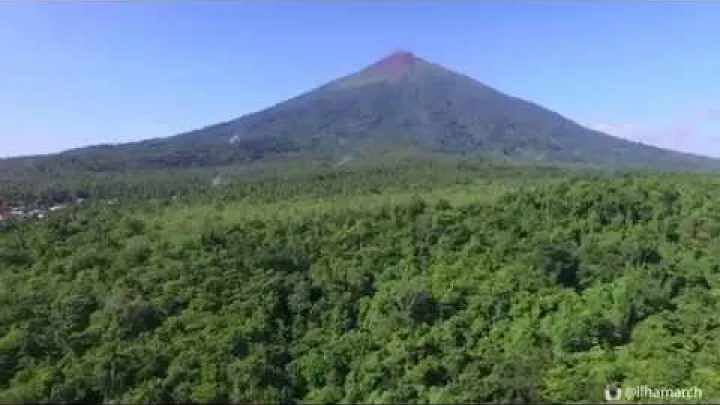
Mount Gamalama dominates the center of Ternate, so most movement follows the coastal belt around the volcano. This makes the island easy to understand: the center is the volcano, the practical travel route is around the edge, and many attractions are reached by circling the coast or branching slightly inland toward viewpoints and lakes.
Central Ternate is the most convenient area for first-time visitors because it places you close to hotels, restaurants, cultural stops, shops, and transport arrangements. Bastiong port is important if you plan to use ferries or speedboats for regional connections. Northern and western coastal areas are more appealing for beaches, lakes, and quieter scenery, but they can involve fewer dining and accommodation choices.
In regional terms, Ternate is often linked with Tidore across the water, Sofifi and Halmahera for onward land or sea travel, and Morotai for longer island-hopping trips. Thinking of Ternate as a compact hub helps with planning: stay central if you have limited time, and add outer-island travel only when you have enough buffer.
How to Get to Ternate and Move Around
Access to Ternate is usually straightforward by air but more variable by sea. The key planning point is to separate your arrival plan from your inter-island plan. Flights can often be booked online, while some ferry, speedboat, and local transfer details may need confirmation closer to travel.
Flying to Sultan Babullah Airport
Most visitors reach Ternate by domestic flight through larger Indonesian hubs rather than by direct international service. Sultan Babullah Airport is the main airport for the island, and it is the usual arrival point for travelers coming from elsewhere in Indonesia. For broad access planning, Kupi describes Sultan Babullah Airport as Ternate’s main transport hub and notes air travel as the fastest way to reach the island.
If you are arriving from outside Indonesia, expect to connect through a larger Indonesian city first. Build enough time between international and domestic flights, especially if you need to clear immigration, collect luggage, change terminals, or recheck baggage. Also check domestic baggage allowances carefully, because smaller aircraft or regional routes may have stricter limits than long-haul flights.
Once you arrive, the island’s compact size makes local arrival logistics easier than in larger cities. Still, it is wise to have your accommodation name, address, and phone number saved offline. If you arrive late or after a long connection, plan a simple first night in or near Central Ternate instead of trying to continue immediately to another island.
Ferries, Speedboats, and Regional Connections
Sea transport is central to travel around North Maluku. Bastiong port is an important departure and arrival point for regional movement, including links toward Tidore, Sofifi, Halmahera, and other nearby destinations. Depending on the route, you may encounter scheduled ferries, smaller speedboats, or private boat charters.
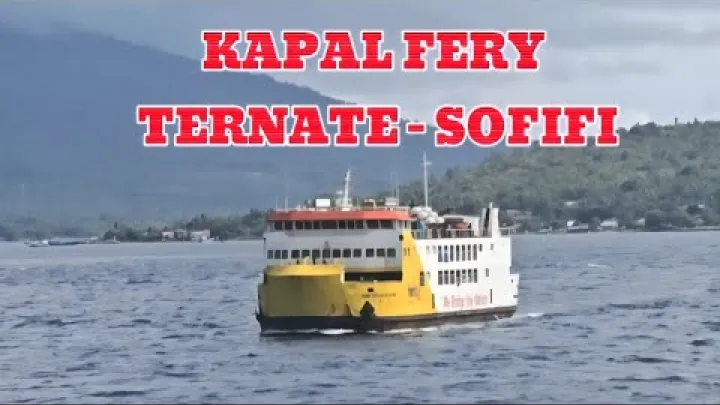
Scheduled ferries are usually the better choice when you want a lower-cost, routine crossing and have enough time. Speedboats can be faster and more convenient for some routes, but they may be more affected by weather, demand, and local operating conditions. Private charters can help with special itineraries, but they require careful agreement on price, safety equipment, departure point, waiting time, and return arrangements.
Do not build a tight itinerary around an unconfirmed boat schedule. Before committing to a same-day flight connection, a hotel booking on another island, or a long overland continuation, confirm the current route locally through your accommodation, the port office, or the operator. This is especially important during heavy rain, rough seas, holiday periods, and festival dates.
Local Transport Around the Island
Local movement around Ternate is usually by taxi, motorcycle taxi, hired driver, or locally arranged vehicle. Scooter or car rental may be available in some cases, but you should confirm availability, insurance, helmet quality, road rules, and your own license requirements before relying on self-driving.
Distances are relatively short, so a half-day or full-day circuit can cover several sights, such as historic stops in town, Lake Tolire, Ngade Lake, Sulamadaha Beach, and coastal viewpoints. However, short distance does not always mean fast travel. Rain, traffic in central areas, road conditions, and stops for photos or meals can all add time.
When there is no meter, agree on the fare before the ride begins. For motorcycle taxis, use a helmet, avoid riding in heavy rain if possible, and think carefully before carrying large luggage. For a first visit, hiring a driver for a half-day circuit can be a practical choice because it reduces negotiation at each stop and gives you more flexibility if the weather changes.
Where to Stay in Ternate
The best place to stay depends on whether your priority is convenience, ferry access, beaches, or quiet scenery. For most first-time visitors, the practical answer is simple: stay central unless you have a specific reason not to.
Best Base for First-Time Visitors
Central Ternate or nearby central districts are the easiest base for a first trip. This area keeps you close to the most useful services: hotels, casual restaurants, shops, transport arrangements, cultural sites, and departure points for day trips. It is especially practical if you have only two or three days.
A central base also helps if you are still arranging guides, drivers, ferries, or onward travel. Communication is usually easier when you are close to your accommodation staff and local operators. If rain changes your outdoor plans, you can still visit a museum, mosque area, fort, market, or restaurant without losing the whole day.
| Base area | Best for | Main trade-off |
|---|---|---|
| Central Ternate | First-time visitors, short stays, restaurants, culture | Less quiet and less beach-focused |
| Near Bastiong port | Ferry-focused plans and early crossings | Choose location carefully for comfort and dining |
| Northern or western coast | Beaches, lakes, views, slower pace | More dependence on taxis or local arrangements |
| Southern or eastern coast | Specific local access needs or quieter stays | Fewer visible options for many visitors |
Port, Beach, and Quiet Coastal Bases
Staying near Bastiong can make sense if your main goal is an early ferry or frequent regional movement. It can reduce morning stress, especially if you are carrying luggage or planning a crossing toward Sofifi, Halmahera, or nearby islands. The trade-off is that not every port-area stay will be ideal for a relaxed first visit, so check the exact location and recent guest feedback.
Northern or western coastal areas may appeal if you are prioritizing Sulamadaha Beach, Lake Tolire, coastal scenery, or a quieter atmosphere. These areas can feel more relaxed than the center, but they may have fewer restaurants, fewer bookable rooms, and less convenient transport at night.
Do not assume beach areas have resort-style infrastructure. Ternate’s coastal stays are better understood as local island bases, not as large beach resort zones. If you choose a quieter area, ask your property about meals, transport, mobile signal, payment options, and how to return after sunset.
Booking Expectations and Room Standards
Online platforms show some Ternate hotels and homestays, but they may not represent every local option. Booking.com lists visible accommodation options in Ternate, which is useful for comparing locations, room types, and recent guest impressions. Smaller guesthouses or locally managed stays may still rely more on phone, messaging, or walk-in bookings.
Before booking, check the practical details that matter in a hot, humid island city: air conditioning, fan availability, Wi-Fi reliability, breakfast, hot water if important to you, payment methods, airport pickup, and distance from the places you plan to visit. If you need to work remotely, do not rely only on a general Wi-Fi mention; ask about recent connection quality.
Useful questions include: Is the room air-conditioned? Can I pay by card, or should I bring cash? Can the property help arrange a driver or ferry information? Is breakfast included? Is late arrival possible? How far is the property from Bastiong port or the airport? These simple checks prevent many common travel problems.
Best Time to Visit and What to Pack
Ternate has a humid tropical climate, and rain can occur in many months. The best approach is not to search for a guaranteed perfect season, but to plan outdoor activities with flexibility and pack for heat, rain, and boat travel.
Weather Patterns and Trip Timing
Ternate is generally hot and humid, with less seasonal contrast than some better-known Indonesian destinations. Rain does not automatically ruin a trip, but it can affect visibility, road comfort, volcano hiking, boat departures, beach time, and photography. Weather guidance from Kupi can help with broad climate expectations, but you should still check a current forecast close to departure.
If Mount Gamalama is important to your trip, give yourself more than one possible outdoor window. A rainy morning, low cloud, or local safety concern can change the plan quickly. The same applies to small-boat trips and inter-island crossings, where sea conditions matter as much as rainfall.
For photography and scenic drives, mornings and late afternoons are often more pleasant than the middle of the day, but this is not a guarantee of clear weather. Keep your itinerary modular: if the coast is clear, go outside; if it rains, switch to museums, food, markets, or planning your next crossing.
Packing for Heat, Rain, and Island Logistics
Pack lightweight, breathable clothing that dries quickly. A compact rain jacket or poncho is useful for sudden showers, and a small umbrella can help in town. Sun protection is still important even in rainy periods, so bring sunscreen, sunglasses, and a hat.
For footwear, bring comfortable sandals for casual coastal stops and closed shoes with grip if you plan viewpoints, wet paths, or any Mount Gamalama-related walk. Beaches may have volcanic sand, rocks, or uneven entry points, so water shoes can be useful if you are sensitive to rough surfaces.
For island logistics, carry insect repellent, a reusable water bottle, basic medication, motion-sickness tablets if you are prone to seasickness, and waterproof storage for electronics. If you plan snorkeling, diving, or remote excursions, do not assume every item can be rented at short notice. Bring personal essentials, especially prescription medication, contact lenses, chargers, and dry bags.
Best Things to Do in Ternate
The best things to do in Ternate combine history, volcano scenery, lakes, beaches, and nearby islands. You can see the main highlights in a few days, but the trip becomes richer if you leave space for local recommendations and weather changes.
Historic Sites of the Spice Trade
Ternate’s historic sites are closely tied to cloves, maritime trade, sultanate influence, and European colonial competition. Fort Tolukko is one of the better-known fort stops, while Museum Kedaton Sultan Ternate and the Sultan Ternate Mosque help visitors understand the continuing cultural importance of the sultanate and Islamic heritage.
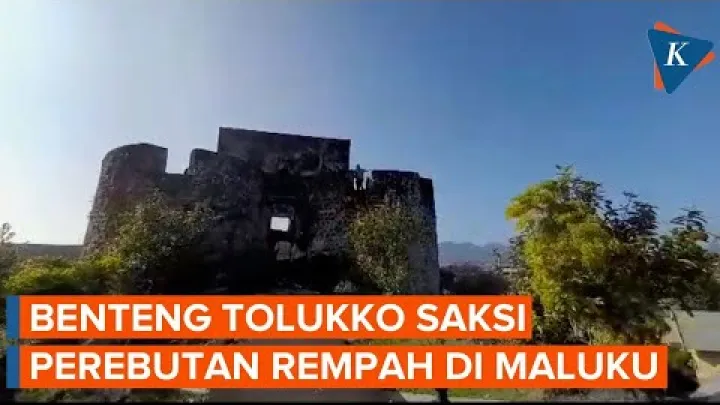
These places matter because they show that Ternate was not a remote footnote in history. It was part of a global spice network that attracted traders and colonial powers, while local authority and identity remained central to the island’s story. Visiting a fort, palace-related site, and mosque area gives more context than simply seeing the coast.
Before visiting, check current opening hours, dress expectations, and whether photography is allowed. At mosques and palace-related spaces, dress modestly, speak quietly, and ask before photographing people, ceremonies, or restricted areas. If a site has a local guide or caretaker, a short conversation can add useful context.
Mount Gamalama and Volcano Views
Mount Gamalama is the natural landmark that defines Ternate. Even if you never climb it, the volcano shapes the island’s roads, views, weather, and atmosphere. It is visible from many parts of the island and gives Ternate a dramatic sense of place.

A full summit hike can be physically demanding and should not be treated as a casual walk.
Conditions may change because of weather, trail state, volcanic activity, and local access rules.
Before attempting a climb, ask local authorities, experienced guides, or your accommodation about current conditions and whether hiking is advisable. Do not assume that a route described by another traveler is safe at the time you visit.
Lakes, Beaches, and Coastal Stops
Lake Tolire, Ngade Lake, and Sulamadaha Beach are common names to include in a first Ternate itinerary. Together, they show the island’s mix of crater-like scenery, coastal views, and local recreation. The best way to visit them is usually as a relaxed half-day or full-day circuit rather than as isolated point-to-point trips.
Set realistic beach expectations. Ternate’s beaches can be beautiful, but they are generally local coastal spaces rather than resort beaches with extensive facilities. You may encounter volcanic sand, rocky areas, simple food stalls, family visitors, and limited equipment rental. Clear water is possible in some places, but conditions vary with weather and sea state.
A practical route is to start from Central Ternate, visit one or two historic sites, continue toward a lake viewpoint, and finish at a beach or sunset stop. If the weather is unstable, keep the route shorter and prioritize the most important stop first. Ask your driver or accommodation about current road conditions and which stops are most worthwhile that day.
Snorkeling, Diving, and Nearby Islands
Ternate can be part of a broader North Maluku marine itinerary. Nearby islands and reefs may interest snorkelers and divers, and more ambitious travelers may combine Ternate with Tidore, Halmahera, or Morotai. However, marine plans require more care than a simple city sightseeing day.
If you dive, choose operators carefully. Ask about certification checks, equipment maintenance, emergency oxygen, group size, currents, dive briefings, and what happens if weather changes. North Maluku is relatively remote compared with Indonesia’s most developed dive regions, so safety standards and emergency planning matter.
Snorkeling is a lower-commitment option for non-divers, but it still depends on conditions. Ask locally about safe entry points, currents, boat traffic, coral protection, and whether you need a guide. Do not step on coral, chase marine life, or enter the water when conditions feel unsafe.
Food, Culture, and Local Etiquette
Ternate is a practical place to eat simply and learn about living local culture. The most useful approach is to ask residents for current recommendations, carry cash, and behave respectfully at religious and cultural sites.
Seafood, Warungs, and Simple Dining
Dining in Ternate is likely to center on Indonesian staples, seafood, casual restaurants, and warungs. Grilled fish, rice dishes, soups, fried snacks, coffee, and market food may be part of a typical food experience, but specific menus vary by place and day. Rather than chasing a fixed list, ask your hotel, driver, or local contacts where people are eating now.
Carry cash for smaller eateries, markets, and simple food stalls. Card acceptance may be available at larger hotels or restaurants, but it should not be assumed everywhere. If you have dietary restrictions, prepare a simple Indonesian phrase or translated note, because English may not always be understood in small local places.
Food hygiene judgment is useful: choose busy stalls, look for freshly cooked dishes, drink safe water, and be cautious with raw foods if you have a sensitive stomach. Ternate is not difficult for daily meals, but it is better suited to flexible eaters than to travelers who need a wide range of international restaurants.
Sultanate Culture, Mosques, and Festivals
Ternate’s cultural identity includes the sultanate, Islamic heritage, maritime traditions, and the long memory of the spice trade. This culture is not only something preserved for visitors; it is part of local life. Approach cultural sites and ceremonies as a guest, not as a spectator with unlimited access.
For etiquette, dress modestly at mosques, palace-related sites, and ceremonies. Remove shoes where required, ask before taking photos, and avoid interrupting prayer or formal events. If you are unsure what to do, watch local behavior or ask politely. A respectful approach will usually be understood even when language is limited.
Costs, Safety, and Practical Planning
Ternate can be affordable once you are there, but total trip cost depends heavily on flights, inter-island travel, and the level of comfort you choose. The main safety issues are practical rather than unusual: weather, sea crossings, volcano conditions, road safety, heat, insects, and the need to verify local details.
Budget Expectations and Cash Planning
Your main cost categories will be flights, accommodation, meals, local transport, ferries or speedboats, guides, boat trips, and activities. For many international travelers, flights to reach Ternate will be the largest variable cost. Once on the island, simple meals and local transport can be modest, while private drivers, private boats, diving, and multi-island plans raise the budget.
Use broad budget thinking rather than exact daily totals unless you have current quotes. A low-budget traveler may choose simple guesthouses, warungs, shared transport, and limited paid activities. A mid-range traveler may prefer a more comfortable hotel, a hired driver for sightseeing, and one or two organized excursions. A higher-comfort traveler should budget for better rooms, private transfers, guides, and flexible transport buffers.
Carry enough cash for small operators, markets, local transport, ferry-related expenses, and places that do not accept cards. ATMs may be available in urban areas, but do not leave cash planning until you are about to board a boat or travel to a quieter coastal area. Keep cash split between secure places and carry small denominations for daily transactions.
Safety, Health, and Current Checks
Before departure, check current Indonesia entry rules, passport validity, visa requirements, health guidance, and travel advisories. The U.S. Department of State provides current country information for Indonesia that can help international travelers understand entry and safety considerations, though you should also check guidance from your own government.
On the ground, the main safety themes are weather disruptions, sea conditions, volcano activity, road safety, heat, hydration, and insects. Use reputable boat operators where possible, avoid overloaded or poorly equipped boats, and do not pressure a captain or guide to travel in unsafe conditions. For road travel, wear helmets on motorcycles, avoid unnecessary night riding, and use a driver if you are not confident with local conditions.
For Mount Gamalama, verify current conditions before hiking. Volcano status, weather, trail conditions, and local advice matter more than old trip reports. Travel insurance should cover the activities you plan to do, including hiking, diving, or boat excursions if relevant. Bring any personal medication with you and consider basic protection against mosquito bites.
Booking Offline and Verifying Local Information
One of the most important planning points for Ternate is that not everything is fully visible online. Some guesthouses, guides, ferries, drivers, boat trips, and local tours may be arranged through phone calls, messaging, accommodation staff, or in-person inquiries. This does not make travel impossible; it simply means you should plan with buffers.
A useful verification process is simple. First, make your key bookings online where possible, especially flights and your first nights of accommodation. Second, ask your accommodation to confirm local transport, port details, and driver options before you arrive. Third, reconfirm ferry or speedboat information in person or by phone one day before travel. Fourth, keep a backup plan if weather or schedules change.
Avoid planning important same-day chains, such as a morning boat, long land transfer, and evening flight, unless every link is confirmed and you can absorb a delay. Ternate is manageable for independent travelers, but it rewards people who leave space in the schedule.
Suggested Itineraries for Ternate
The best itinerary depends on how much time you have and how comfortable you are with variable logistics. For a first visit, it is better to do fewer things well than to overload each day with distant stops.
Two or Three Days in Ternate
With two days, focus on Central Ternate, a few historic sites, one lake or beach circuit, and a viewpoint or sunset stop. Keep the first day simple if your flight connection is long. After arrival, check in, eat, and make arrangements for the next day rather than rushing into a complicated excursion.
On a full sightseeing day, start with heritage stops such as Fort Tolukko, Museum Kedaton Sultan Ternate, or the Sultan Ternate Mosque area, depending on opening times and access. Then continue to Lake Tolire, Ngade Lake, Sulamadaha Beach, or a coastal circuit. If rain interrupts the plan, move indoor or town-based stops earlier.
With three days, add more flexibility. Use one day for history and town, one day for lakes and beaches, and one day for a volcano-view plan, relaxed coastal drive, or short nearby-island excursion if conditions are suitable. If you do not want to hike, focus on viewpoints and cultural sites instead of forcing a Mount Gamalama climb.
Four or Five Days with Tidore or Halmahera
Four or five days gives you enough time to use Ternate as a base while adding Tidore or a short Halmahera connection. This length suits travelers who want both city heritage and regional scenery without feeling rushed. It also gives you a better chance of working around rain or sea delays.
A practical pattern is to spend the first two days in Ternate, then add a day trip or overnight connection depending on current transport. Tidore can be paired with Ternate for culture, island views, and a broader sense of the historic sultanate region. Halmahera or Sofifi connections require more attention to ferry or speedboat timing and onward transport.
Build in a buffer day when using ferries or speedboats. Do not assume that every crossing will match an old online timetable. Confirm locally, avoid tight flight connections after a boat trip, and keep your last night in Ternate if you have an important departure from Sultan Babullah Airport.
When to Add Morotai or Longer Island Hopping
Morotai and longer North Maluku island-hopping plans are better for travelers with more time, more patience, and a higher tolerance for changing logistics. Morotai may interest visitors for beaches, World War II history, diving, and a more remote-island atmosphere, but it should not be treated as an easy day trip from Ternate.
If you want to add Morotai, first confirm current transport options, travel time, and how you will connect onward. Then book accommodation with enough flexibility in case a crossing changes. Longer island trips can be rewarding, but they require more planning than a short Ternate city stay.
For most first-time visitors, the best approach is to understand Ternate first, then expand outward. Use Ternate as an entry or exit hub, and only add multi-island travel when your schedule has enough room for delays, weather changes, and slower communication.
Final Planning Tips
Ternate is a strong choice for travelers who want a North Maluku travel experience with history, volcano scenery, coastal stops, and access to nearby islands. It is not a destination to plan minute by minute. The best trips combine a central base, flexible sightseeing days, careful transport checks, and respect for local culture.
For a short first visit, stay in Central Ternate, see the main historic sites, add a lake and beach circuit, and leave space for weather. For a longer trip, add Tidore, Halmahera, or other North Maluku connections only after confirming current transport. Pack for heat and rain, carry cash, verify boat and hiking conditions locally, and treat Ternate as a rewarding island hub where practical flexibility is part of the journey.
Select area
Create a post
Posting is free and no registration is required.