Ternate Where to Stay: Best Areas and Base Guide

If you are researching Ternate where to stay, the most useful answer is not a single hotel name. Ternate is a compact volcanic island city, so the best base depends on whether you want easy sightseeing, airport access, regional boat connections, quiet views, or simple budget accommodation. For most first-time visitors, Central Ternate and the waterfront are the easiest places to stay because they reduce transport planning and keep you close to food, services, and local orientation points. This guide compares the main areas and explains what to check before booking accommodation in Ternate, North Maluku, Indonesia.
Quick Answer: Where to Stay in Ternate
For a first visit, stay in Central Ternate or near the Ternate waterfront. This is the most practical base for sightseeing, short stays, solo travelers, and anyone who wants easier access to restaurants, shops, local transport, and port-related connections.
Choose the airport corridor in North Ternate only if your main priority is a late arrival, early flight, or simple access to Sultan Babullah Airport. Choose the southern coastal corridor or Ngade if you prefer quieter surroundings and are comfortable arranging rides. Choose hillside or Mount Gamalama slope accommodation only if you specifically want views, quiet, or a nature-focused stay and have checked transport, road access, and meal options.
| Area | Best for | Main trade-off |
|---|---|---|
| Central Ternate and waterfront | First visits, short stays, food, transport, historic sights | Busier streets and possible road noise |
| North Ternate and airport corridor | Late arrivals, early departures, airport convenience | Less atmospheric for sightseeing |
| Southern coast and Ngade | Views, quiet stays, photography, slower travel | More reliance on arranged transport |
| Hillside and Mount Gamalama slopes | Quiet, views, nature-oriented stays | Less convenient for food, ATMs, and evening walks |
How to Understand Ternate Before Choosing a Base
Ternate is easier to understand when you think of it as a volcanic island city wrapped around Mount Gamalama. Accommodation decisions are shaped by the coast, the main road network, the airport, and the central urban area rather than by large resort zones.
The coastal city layout around Mount Gamalama
Mount Gamalama dominates the island, and much of everyday urban life is arranged around the coastal side of Ternate. For travelers, this means the most practical stays are usually near the coast, main roads, and urban services rather than high inland locations. You may find accommodation in different parts of the island, but convenience often depends on how easily you can reach food, transport, shops, and your next departure point.
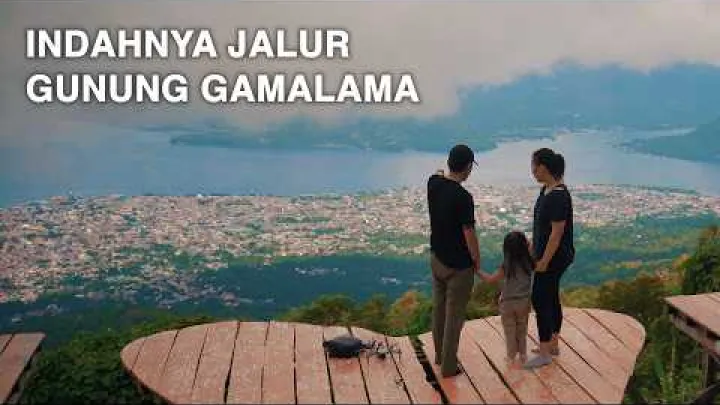
The main trade-off is simple: central coastal stays are more convenient, while quieter edge-of-town or hillside stays may offer better views and more rest. If you are staying only one or two nights, convenience normally matters more than scenery. If you are staying longer and do not mind arranging rides, a quieter base can make sense.
The anchors that matter: airport, port, and historic core
Sultan Babullah Airport is the main air gateway and is located in North Ternate, around the Akehuda area. This makes the northern side useful for travelers who are focused on flight logistics, although the island is compact enough that airport proximity should not be the only factor for most visitors.
The central area matters because it brings together accommodation, local dining, shops, historical orientation points, and access toward port connections. Fort Oranje and the Sultan's Palace are useful landmarks when you are deciding whether a hotel is central enough for sightseeing. If you plan to continue to Tidore, Sofifi, Halmahera, or other regional destinations, ask your accommodation to confirm the current departure point and schedule because boat arrangements can change.
Best Areas to Stay in Ternate
The best areas to stay in Ternate are not separated like large-city neighborhoods. Instead, it is more useful to compare them by travel purpose: central convenience, airport access, scenic quiet, or hillside seclusion.
Central Ternate and the waterfront
Central Ternate and the waterfront are the best default base for most first-time visitors. This area gives you the simplest combination of local food, shops, accommodation options, historic sights, and access to onward transport. It also makes the city easier to understand because you can use the waterfront, Fort Oranje, and the Sultan's Palace as orientation points. Travel information from East Indonesia highlights the Sultan's Palace as a major Ternate sight and places Sofifi on Halmahera in the wider regional context.

This area suits first-time visitors, short-stay travelers, solo travelers, and anyone planning island hopping. It is also the best choice if you prefer to walk to dinner, return easily after dark, or avoid negotiating transport for every small errand. The main downsides are typical city issues: busier commercial streets, traffic, and possible road noise depending on the exact hotel location.
When comparing central accommodation, do not rely only on a broad area label. Check the map carefully. A property that looks central may still be on a noisy road, while another may be slightly outside the core but more comfortable and still practical for your plans.
North Ternate and the airport corridor
North Ternate and the airport corridor are functional choices rather than the most rewarding sightseeing base. Stay here if you arrive late, leave early, or want to reduce the stress of reaching Sultan Babullah Airport. This can be helpful if your flight time is awkward or if you are carrying heavy luggage.
The trade-off is atmosphere. The airport side is usually less useful than the central waterfront if your goal is to explore historic sights, eat locally, or make spontaneous evening walks. Before booking, ask whether the accommodation can arrange airport transfers, especially if you are arriving outside normal hours or do not want to rely on finding transport after landing.
Southern coastal corridor and Ngade
The southern coastal corridor, including the Ngade area, is better for travelers who value scenery, quieter surroundings, and a slower rhythm. This side can be appealing for couples, photographers, repeat visitors, and people who do not need to move in and out of the center several times each day.
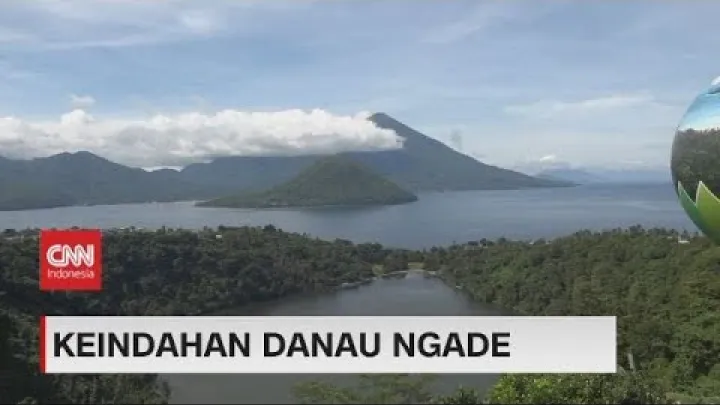
Views toward Tidore are an important local orientation point, but you should not assume every property in the south has a clear view. Check photos, recent reviews, and the exact map position before booking. Also check whether restaurants, shops, and transport are genuinely close, because a short map distance may still feel inconvenient in heat, rain, or darkness.
The main trade-off is independence. You may rely more on taxis, ojeks, scooters, or arranged drivers. This is not a problem if you plan ahead, but it can become inconvenient on a short stay or when you need to catch a boat or flight.
Hillside and Mount Gamalama slopes
Hillside stays around the lower slopes of Mount Gamalama are specialized options. They can suit travelers who want quiet, views, and a stronger sense of the island's natural setting. They are not the best default choice for first-time visitors who want easy restaurants, ATMs, port access, and casual evening walks.
Before choosing a hillside property, ask practical questions. Is the road access suitable in wet weather? Can staff arrange transport? Are meals available on site or nearby? Is the location realistic if you need to leave early for a flight, boat, or tour? Also ask for current local advice before staying close to rural or volcanic areas. Keep the decision practical: the issue is not only scenery, but how easily you can move, eat, and return after dark.
Where to Stay by Traveler Priority
Your best base in Ternate depends on what you need to do each day. The same hotel location can be excellent for a short sightseeing visit and frustrating for a quiet retreat, or the reverse.
For first-time sightseeing and short stays
Choose Central Ternate or the waterfront unless you have a specific reason not to. This base reduces the time you spend arranging rides and helps you reach food, shops, transport, and historic landmarks more easily. For a short stay, the practical advantage is significant because you can use your limited time for Fort Oranje, the Sultan's Palace area, the waterfront, and local streets instead of logistics.
This is also the safest choice in terms of planning. If a tour time changes, rain interrupts your afternoon, or you need help arranging a ride, you are more likely to be close to services and accommodation staff who can help.
For island hopping and regional connections
If onward travel matters, stay near the central area or on the side that gives easy access to your confirmed departure point. Ternate often functions as a practical hub for nearby islands and onward travel in North Maluku, including routes or connections involving Tidore, Sofifi, and Halmahera. Treat these as regional orientation examples, not automatic day-trip promises.
Leave schedule buffers. Weather, boat timing, and local transport coordination can affect your day, especially if you are connecting from a hotel to a port and then onward to another island. Before travel day, ask your hotel or a local operator to confirm the exact pier, expected departure time, and how early you should leave your accommodation.
For budget travelers and longer stays
Budget travelers should look beyond the cheapest room. In Ternate, value often comes from being near affordable food, shops, transport, and essential services. A slightly more expensive but better-located guesthouse can save money and time if you avoid repeated rides across town.
For longer stays, compare homestays, guesthouses, and simple hotels with recent reviews. Prioritize air conditioning or a reliable fan, Wi-Fi, bathroom condition, noise level, payment options, and staff willingness to help with transport. These details matter more than small differences in nightly price.
For quiet views and slow travel
If your priority is rest, consider the southern coastal side, Ngade, quieter edge-of-town locations, or selected hillside stays. These bases work best for travelers who do not need constant access to the center and who are comfortable arranging rides in advance.
Quiet areas are not automatically unsafe, but they can be less convenient. Check whether you can walk to real restaurants and shops, not only whether the map shows buildings nearby. Also consider rain, lighting, and how you will return after dinner. For short stays with several daily activities, a quiet base can cost more time than it saves in comfort.
Accommodation Types and Booking Checks
Ternate accommodation is best approached with realistic expectations. Think practical regional hub more than large resort destination, and choose the property type that fits your schedule, comfort needs, and transport plans.
City hotels and business-style stays
City hotels and business-style properties are often the most practical choice for travelers who want front-desk support, air conditioning, predictable rooms, and easier access to central services. They can work well for short stays, work trips, solo travelers, and anyone arriving after a long journey.
These properties may not feel like resort hotels, but that is not necessarily a problem. In Ternate, a useful location, helpful staff, and reliable room comfort may matter more than leisure facilities. Avoid choosing only by photos; read recent comments about maintenance, noise, cleanliness, and how staff handle transport requests.
Homestays, guesthouses, and simple budget rooms
Homestays and guesthouses can offer good value and a more local atmosphere. They are especially useful for budget travelers, longer stays, and visitors who prefer smaller properties. However, amenities can vary more than in larger hotels, so recent guest feedback is important.
Check whether the room has air conditioning or a fan, what the bathroom setup is, whether breakfast is included, and whether Wi-Fi is reliable enough for your needs. If you are planning boat trips, airport transfers, or visits outside the center, also ask whether staff can help arrange an ojek, taxi, or driver.
What to verify before booking
Before booking, compare the property location with your actual priorities: port access, airport access, historic core, restaurants, or quiet views. Current accommodation platforms such as Booking show a mix of hotels, homestays, and other stays in Ternate, but the exact map location and recent reviews are more useful than the broad category name.
- Check recent reviews for cleanliness, dampness, air conditioning, Wi-Fi, and bathroom condition.
- Look for comments about road noise, mosque or traffic noise, and how quiet the room is at night.
- Confirm whether the property can help with late arrival, early departure, airport transfer, or boat-day transport.
- Check payment options, especially if you rely on cards or need to manage cash carefully.
- Compare walking distance to restaurants and shops with the actual road layout, not only the map distance.
Do not rely only on hotel names or broad labels such as central, waterfront, or near the airport. On a compact island, a small location difference can affect noise, views, walking comfort, and how easy it is to move in rain.
Safety, Walkability, and Night Practicalities
Safety and comfort in Ternate are closely linked to location. The best base is not only about distance to sights, but also about how easy it feels to eat, return, and find transport after dark.
Central walkability and standard precautions
Available travel guidance describes Ternate as generally safe and notes that the city is walkable, especially around well-lit waterfront areas; Kupi also mentions ojeks for longer distances. Treat this as helpful travel guidance, not a guarantee. Conditions can vary by street, time, weather, and personal comfort level.
A central stay is useful if you want to walk to dinner, return easily after dark, or ask hotel staff for quick local advice. Use normal precautions: keep valuables discreet, avoid poorly lit shortcuts when you are unsure, and use known transport at night when needed. If you are traveling alone, a central property with active reception and nearby food options can make evenings easier.
Peripheral areas, lighting, and transport after dark
There is no strong reason to label peripheral areas as unsafe without specific local information. The more practical issue is that they may have fewer services, less lighting, and less casual foot traffic. That can make a location feel inconvenient after dark, especially in rain or if you do not speak Indonesian.
If you stay outside the center, arrange return transport in advance when going out at night. Choose accommodation where staff can help call an ojek, taxi, or trusted driver. In village or residential settings, be respectful with noise, dress, and local customs, especially when returning late.
Transport, Weather, and Room Comfort
Transport and weather should strongly influence where you stay in Ternate. A beautiful but isolated property may feel less appealing if rain, heat, or limited transport makes every outing difficult.
Local transport options and transfer planning
Common local transport options include ojeks, taxis, scooters, and bemo for short trips. Travel guidance from Kupi describes scooter rental, ojek motorcycle taxis, and blue bemo as relevant ways to get around Ternate. If you are not comfortable with scooters or motorcycle taxis, choose a more central base to reduce transport dependence.
Ask your accommodation about airport transfers, port access, and reliable local drivers. This is especially important if you have a flight, boat, or guided trip with a fixed start time. Plan extra time for connections and avoid creating a schedule that depends on perfect weather or instant transport availability.
Rain, heat, and room features to prioritize
Ternate is hot, humid, and prone to frequent rain, so room comfort matters. Weather guidance from Kupi notes frequent rainy days, which makes practical features such as ventilation, air conditioning, and sheltered access more important for travelers.
Prioritize air conditioning or strong ventilation, a room that does not feel damp, and easy access to food during wet weather. A central stay can be more convenient when rain interrupts plans because you may still be close to restaurants, shops, and short rides. Read recent reviews for maintenance issues, damp smells, water pressure, and whether rooms remain comfortable in humid conditions.
Final Recommendation: How to Choose Your Ternate Base
For most visitors deciding where to stay in Ternate, the best answer is Central Ternate or the waterfront. It is the easiest base for first-time sightseeing, short stays, solo travel, local food, and regional connections. Choose the airport corridor only when flight logistics matter most, and choose Ngade, the southern coast, or hillside stays when quiet views are more important than everyday convenience.
Before you book, match the exact map location to your plans. Check recent reviews for air conditioning, dampness, Wi-Fi, noise, cleanliness, and staff support with transport. In Ternate, a well-located and practical room will usually give you a better trip than a more scenic stay that makes every meal, transfer, or rainy-day errand difficult.
Select area
Create a post
Posting is free and no registration is required.