Ternate Best Time to Visit: Weather and Rainy Season Guide
The Ternate best time to visit depends less on temperature and more on rain, humidity, sea conditions, and how flexible your plans are. This volcanic island city in North Maluku stays warm and humid throughout the year, so there is no true winter or cool season for travelers to target. For most visitors, January to February and June to August are the most practical windows, while March to May usually needs more weather flexibility. This guide explains the rainy season pattern, month-by-month travel feel, and the best timing for beaches, snorkeling, Mount Gamalama, culture, and city stays.
Quick Answer: The Best Time to Visit Ternate
If you want a simple answer, choose January to February for a balanced visit or June to August for better odds of outdoor-friendly weather. These periods are not guaranteed to be dry, but they are often easier for planning than the wetter months.
Best Overall Travel Windows
The best overall time to visit Ternate is usually January to February or June to August. January and February can work well for travelers who want a balanced city-and-coast trip, with time for Ternate City, coastal viewpoints, forts, and flexible beach stops. June to August is often a useful period for visitors who want better odds for outdoor activities, including island drives, viewpoints, and plans around Mount Gamalama.
These are practical travel windows, not promises of clear skies. Ternate has a tropical island climate, and short showers can happen in any month. Build plans around probabilities: travel earlier in the day, keep one or two flexible blocks in your itinerary, and avoid placing your most weather-sensitive activity on your only free morning.
Periods That Need More Flexibility
March to May is the period to approach with the most flexibility. During these months, heavier rain may be more likely, which can affect beaches, hiking, views, and small-boat plans. Trails can become muddy, clouds can hide Mount Gamalama, and sudden downpours may make outdoor sightseeing less comfortable.
September to November can also feel transitional, especially later in the period when rain risk may increase again. These months are not impossible for travel, and culture-focused visitors may still choose them if events or family schedules are the main reason for visiting. However, current forecasts should guide go-or-no-go decisions for hikes, sea trips, and long outdoor days more than monthly averages.
How Ternate Weather Works
Ternate sits in eastern Indonesia, where rainfall patterns do not always match the simple dry-season calendar many travelers know from Bali or Java. The most useful way to plan is to think in terms of wetter and less-wet periods, while remembering that humidity and showers remain part of the island experience.
Hot and Humid Conditions Year Round
Ternate is an equatorial island destination, so lowland conditions are generally warm, humid, and tropical throughout the year. There is no meaningful cold season in Ternate City. Your comfort will depend more on cloud, rain, humidity, direct sun, and daily timing than on major temperature changes from month to month.
Indonesia’s climate is strongly shaped by latitude and elevation, with higher places generally cooler than lowland coastal areas, as summarized by the World Bank Climate Change Knowledge Portal. In Ternate, that means the coastal city can feel hot and sticky, while the slopes around Mount Gamalama may be cloudier, wetter, and less predictable.
Pack lightweight breathable clothing, sun protection, and a refillable water bottle in every season. A compact umbrella or light rain jacket is useful even in months that are relatively drier.
Rainy Season Patterns in North Maluku
Ternate should not be treated exactly like destinations in western Indonesia. Broad Indonesia weather summaries often show that rainfall varies by region, and Selective Asia notes that different parts of Indonesia can have different wet and dry timing. This matters because North Maluku can follow a different rhythm from the better-known tourism areas farther west.
For practical planning, March to May is often treated as a wetter peak, while June to August is better described as a relative dry period rather than a true dry season. Rain can still occur in June, July, and August, but the chance of long disruptions may be lower than in the wetter months.
The safest approach is to use monthly tendencies only as a starting point. For your actual travel week, check a current forecast and ask local hotels, guides, or boat operators about recent rain, wind, and sea conditions.
Use Ternate Indonesia Data, Not Ternate Philippines Data
When researching Ternate weather, check the location carefully. Search results and weather apps may also show Ternate in Cavite, Philippines, which is a different place with a different climate setting. This guide is only about Ternate in North Maluku, Indonesia.
Before relying on a climate table or monthly weather forecast, confirm that the map, airport, or coordinates point to Ternate City in Indonesia. If the result refers to Cavite, Luzon, or the Philippines, it is not the correct data for this trip.
Ternate Month-by-Month Travel Feel
Because local climate-normal sources are limited, the month-by-month guidance below should be read as travel-planning feel rather than a precise forecast. Ternate-specific planning summaries such as Community Collaborator describe the importance of understanding local rain patterns, but you should still confirm conditions close to your travel dates.
| Period | Travel feel | Best suited for |
|---|---|---|
| January to February | Warm, humid, showery, often manageable | City sights, forts, coastal drives, flexible beach time |
| March to May | Wetter and more demanding | Culture trips with flexible plans |
| June to August | Relative dry period, still tropical | Outdoor plans, viewpoints, hiking windows |
| September to December | Transitional to mixed, with rising rain risk | Flexible city stays, event-based trips |
January to February
January and February are among the more comfortable windows for many visitors. The weather is still hot, humid, and showery, but these months can suit travelers who want a mix of city sightseeing and flexible outdoor time. They are good candidates for Kedaton Palace, Tolukko Fort, Tolire Lake viewpoints, coastal drives, and relaxed time around Ternate City.
Beach and sea conditions still depend on the day. If you want to visit Kalamata Beach or join a boat-based activity, check the latest wind and rain outlook before committing. Carry rain protection, and plan your most important outdoor stop early enough that you can move it if showers arrive.
March to May
March to May can be wetter and more demanding for outdoor travel. Downpours may be heavier, trails can become muddy, and views toward Mount Gamalama or surrounding islands may be reduced by cloud. Boat trips, snorkeling plans, and beach days can also be less comfortable if rain, wind, or runoff affects conditions.
This period can still be visitable, especially if your interest is cultural rather than weather-dependent. If local festivals, family visits, or work schedules bring you to Ternate during these months, allow extra time and keep your itinerary loose. Avoid tight plans that require a perfect hiking day, a calm sea morning, and a same-day flight connection.
June to August
June to August is best understood as a relative dry lull. It is not a completely dry season, but it can offer better odds for outdoor activities and lower weather disruption than the wetter part of the year. For many travelers, this is the most practical time for Mount Gamalama plans, viewpoints, coastal sightseeing, and longer island exploration.
Heat and humidity remain important. Start early, drink water often, and take breaks in shaded or air-conditioned places. If you are hiking or spending long hours outside, do not mistake a cloudy morning for a low-risk day; tropical heat can still be tiring even without strong sun.
September to December
September to November can be transitional, with conditions changing from week to week. Rain risk may rise again, especially later in the period, so outdoor plans should remain flexible. This can still be a good time for visitors who are comfortable adjusting their schedule around showers.
December is mixed. Some travelers may find it workable, but showers, holiday travel, and event-date variability can affect planning. Before booking around a festival, sea trip, or year-end stay, check current local announcements, marine conditions, and hotel availability.
Best Time to Visit Ternate by Trip Purpose
The right month depends on what you want to do most. A visitor focused on snorkeling has different weather needs from someone who mainly wants historic sites, food, and city life.
For Beaches, Snorkeling, and Marine Activities
For beaches, snorkeling, and other marine activities, January to February and June to August are generally better windows to consider. Heavy rain can reduce comfort on the beach and may affect nearshore visibility, especially where runoff from steep island slopes reaches the coast. This does not mean every day outside these months is poor, but it does mean you should plan with more caution.
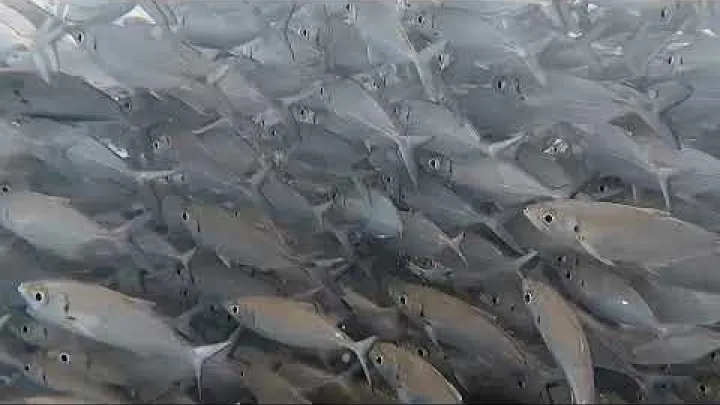
Do not rely only on a monthly climate chart for sea activities. Ask local boat operators about recent wind, swell, rain, and visibility. If storms, strong wind, or poor sea conditions are expected, postpone the trip rather than forcing the plan.
For Mount Gamalama and Viewpoints
For Mount Gamalama and higher viewpoints, choose a relatively drier window and start early. Rain can make volcanic trails slippery, and cloud can block summit or crater-area views even when the city below looks bright. A flexible itinerary gives you a better chance to wait for a safer, clearer morning.
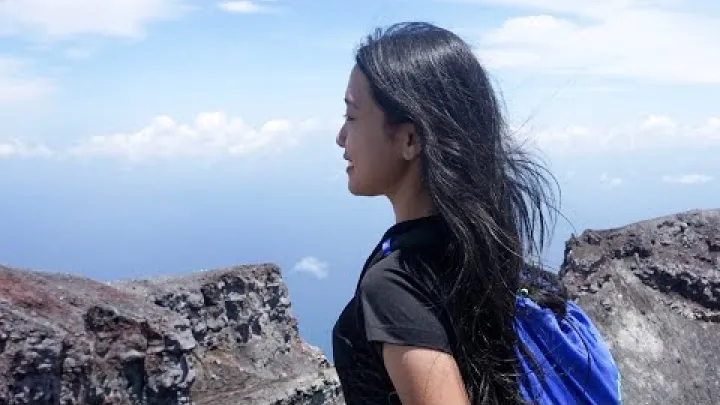
Use proper footwear, carry water, manage heat carefully, and consider a local guide where appropriate. Before attempting a hike, check current mountain weather; services such as Mountain-Forecast can help travelers think beyond the city forecast and consider changing conditions at elevation.
For Culture, Festivals, and Historic Sites
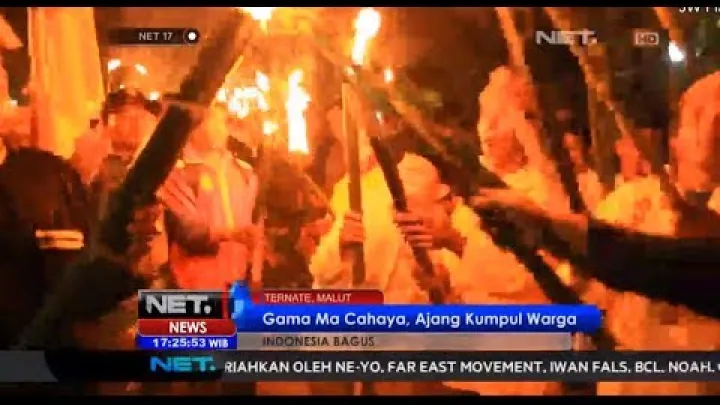
Culture-focused travelers may choose dates around Legu Gam, Kora-Kora, or other local events, but festival timing should be checked for the specific year. Event calendars can change, and weather may not match the ideal travel window. If an event is your main reason for visiting, confirm dates through current local tourism announcements before booking flights and hotels.
Historic sites are easier to plan around rain than hikes or boat trips. Kedaton Palace and Tolukko Fort can be included in a city itinerary with flexible timing, although you should still check current opening hours and access details. A short shower may change the order of your day, but it does not have to ruin a culture-focused visit.
For Budget Travel and Fewer Crowds
Prices and crowds in Ternate can change around festivals, school holidays, public holidays, and year-end travel. Because Ternate is a regional destination rather than a large mass-tourism hub, demand patterns can shift quickly with local events, flights, and official schedules.
June to August and non-holiday shoulder periods can be worth comparing for value-focused planning, especially if you also want a reasonable weather window. Check flights and hotels before assuming that any month is automatically cheap. If your dates are flexible, compare several arrival days and avoid booking around major events unless attending them is your priority.
Practical City-Stay Planning in Ternate
A good Ternate itinerary balances weather, heat, and movement around the island. Even when you are not hiking or taking a boat, small planning choices can make the trip more comfortable.
What to Wear and How to Plan Each Day
Pack for a humid coastal city. Lightweight, breathable clothing is useful every month, along with sun protection, a hat, and rain protection. Bring modest clothing options for cultural or religious sites, and choose footwear that can handle wet pavement.
Plan outdoor walks, markets, viewpoints, and coastal stops earlier in the day when possible. Ternate City can feel hot and sticky even under cloud, so air-conditioned breaks can help you manage energy. Keep water with you, and avoid scheduling every activity back-to-back without rest time.
Sea Trips, Roads, and Weather Buffers
Boat trips and inter-island travel can be affected by wind, rain, and sea state. Avoid tight same-day connections when a boat transfer, road movement, and flight all depend on good weather. If your plan includes smaller boats or weather-sensitive routes, add buffer time before important departures.
Heavy rain can also slow road travel around the island and affect access to outdoor sites. If you are flying from Sultan Babullah Airport, leave extra time when your transfer depends on boats, long drives, or a morning of uncertain weather. A simple buffer can reduce stress if rain delays your plans.
Climate Averages Versus Live Forecasts
Monthly climate tendencies help you choose a season, but they cannot tell you whether next Tuesday is safe for a hike or suitable for snorkeling. For weather-sensitive activities, live forecasts and local advice matter more than averages. This is especially true for Mount Gamalama, small boats, and exposed coastal plans.
Before departure and again after arrival, check current weather, marine conditions, and mountain forecasts. When official or local forecast sources are available, use them. Also confirm conditions with hotel staff, guides, and operators, because they often know how recent rain has affected trails, roads, and sea visibility.
Final Recommendation
How to Choose Your Travel Dates
Choose January to February if you want a balanced trip with city sights, coastal stops, and flexible beach time. Choose June to August if outdoor activities, viewpoints, and lower rain disruption are your priorities. Choose festival dates if culture is the main purpose of your trip, but confirm the current-year calendar before booking.
Approach March to May with the most flexibility, especially if you hope to hike, snorkel, or take small boats. September to December can work for adaptable travelers, but rain risk and holiday demand should be checked carefully. In the end, the Ternate best time to visit is not about summer versus winter; it is about choosing the less-wet window that fits your purpose, then confirming forecasts, event dates, and transport conditions close to departure.
Select area
Create a post
Posting is free and no registration is required.