Shenyang Travel Guide: Sights, Food, Transport & Tips
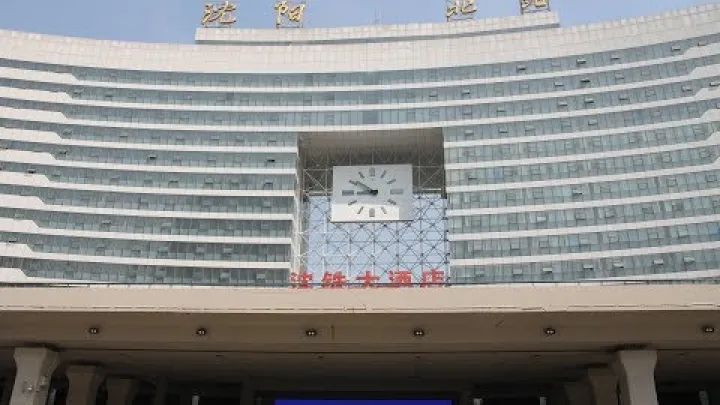
This Shenyang travel guide explains how to plan a first visit to one of Northeast China’s most historically important cities. Shenyang combines Qing imperial heritage, modern industrial identity, lively commercial streets, Korean-Chinese food culture, and useful rail connections across the region. You will find advice on the best time to visit, how long to stay, where to base yourself, how to travel from the airport and railway stations, what to see, what to budget, and how to connect Shenyang with other Northeast China destinations.
Shenyang at a Glance for First-Time Visitors
Shenyang is a large, spread-out city rather than a compact historic center. The central districts contain the main heritage and shopping areas, while attractions such as the imperial tombs, Qipan Mountain, and some museums require more deliberate transport planning. Choosing a central base and grouping sights by area will make a short visit much easier.
Why Shenyang Belongs on a Northeast China Itinerary
Shenyang is the capital of Liaoning and an important gateway to Northeast China. Its strongest visitor appeal is the combination of early Qing history, Manchu heritage, twentieth-century political history, industrial culture, and ordinary urban life. The Shenyang Imperial Palace gives the city a distinct historical focus, while Zhongjie Street, Xita, Tiexi, and other districts show how the modern city developed around that older identity.
The city is a good choice for travelers who want a historical destination that feels different from the better-known routes through Beijing, Shanghai, or Xi’an. It is also practical as a regional stop because high-speed rail connects it with cities such as Beijing, Dalian, Changchun, and Harbin, subject to current schedules. The Shenyang Municipal Government presents the city through a broad set of history, culture, food, and recreation experiences rather than a single landmark.
Shenyang itself should not be confused with the wider Northeast China experience. Dalian offers a coastal and more outward-looking urban contrast, Changchun has its own political and cultural history, and Harbin is especially associated with major winter attractions. Mountain and rural areas around Liaoning also require separate travel time. Shenyang works best when treated as a city destination and as a transport hub, not as a substitute for every regional experience.
How Long to Stay and What the City Is Like
Two days is enough for a focused first visit if your priority is the central heritage area. Three to four days allows time for a tomb, modern-history museum, food neighborhoods, and a slower look at the city. Longer stays are useful when Shenyang is part of a Northeast China journey or when you want to add winter activities, industrial heritage, shopping, or a day outside the central districts.
| Stay length | Best for | Suggested focus |
|---|---|---|
| Two days | First-time visitors | Imperial Palace, Zhongjie, and one museum or tomb |
| Three to four days | History and neighborhood exploration | Both heritage periods, Xita, markets, and a flexible block |
| Five days or more | Regional travelers | Slower city travel plus a Liaoning or Northeast China extension |
The central areas around Shenhe and Heping are the easiest starting points for most visitors. Hunnan, Shenbei New Area, and outer districts can feel more spacious and may be useful for conferences, universities, airport access, or specialized attractions. They can also add substantial travel time to a first sightseeing itinerary. Match your stay length to your priorities: a history-focused traveler should spend time inside museums and heritage compounds, while a food-focused traveler may prefer fewer major sights and more evenings in local neighborhoods.
The Best Time to Visit Shenyang
There is no single best season for every traveler. Spring and autumn usually provide the most balanced conditions for general sightseeing, winter suits visitors who specifically want snow and Northeast China’s cold-weather culture, and summer offers longer days but requires more flexibility for rain.
Spring and Autumn for General Sightseeing
Spring and autumn are strong choices for walking through historic areas, parks, cultural streets, and outdoor heritage grounds. Spring brings greener public spaces and a sense of renewed activity, while autumn is often appealing to travelers who prefer cooler conditions for long walks. These seasons work well for combining the Imperial Palace with Zhongjie Street, a museum, and a neighborhood meal without making the day entirely dependent on indoor attractions.
Choose between them according to your priorities. Spring may offer seasonal events and fresh foliage, while autumn can be more comfortable for tombs, parks, and extended city walks. Check the forecast, the public-holiday calendar, and attraction schedules for your specific dates. Holiday travel can affect crowd levels and hotel demand even when the weather is suitable.
Winter for Ice, Snow, and Northeast China Culture
Winter gives Shenyang a more distinctly northern character. It can suit travelers interested in snow activities, ski areas, ice events, and the everyday culture of a cold Northeast China city. Qipan Mountain and other city-area recreation options may be considered, but their seasonal programming, operating conditions, and transport arrangements are not permanent.

The practical cost of winter travel is greater preparation. Expect short daylight, icy surfaces, cold exposure, and the possibility that outdoor plans will take longer than expected. Wear insulated layers, shoes with good traction, and clothing that allows you to move between outdoor sites and heated indoor spaces. Confirm current festival programs, ski operations, attraction hours, and transport before committing to a tightly timed winter itinerary.
Summer Rain, Weather Disruption, and Flexible Planning
Summer provides long days and greener parks, but seasonal rain can change the usefulness of outdoor plans. A weather alert published by the U.S. Embassy in China documented a serious heavy-rain and flooding episode in which roads and southbound rail services in Shenyang were affected. That event should be treated as a reminder about disruption, not as evidence that such conditions occur throughout the summer.
For a summer visit, check official weather alerts before each travel day and keep an indoor alternative available. Museums, the Imperial Palace, shopping areas, and food-focused plans can replace an exposed park or tomb visit during heavy rain. Allow extra time for surface transport and avoid building a regional rail connection immediately after an outdoor excursion when the forecast is unsettled.
How to Get to and Around Shenyang
Shenyang is well suited to a rail-based Northeast China itinerary, while the airport provides a useful option for longer-distance arrivals. Inside the city, the metro is the main structure for central travel, with taxis, ride-hailing, buses, and walking filling different gaps.
High-Speed Rail and Shenyang’s Railway Stations
High-speed rail makes Shenyang a practical stop between Beijing and the deeper Northeast. Services on the Harbin–Dalian corridor and other routes connect the city with major destinations including Dalian, Changchun, and Harbin, while the wider network also supports journeys toward Beijing and other cities. Rail is often worth comparing with air for suitable regional trips because downtown-to-downtown travel can be simpler, but the best choice depends on the current timetable, ticket availability, luggage, and your arrival station.
Shenyang has three station names that matter to visitors: Shenyang Railway Station, Shenyang North Railway Station, and Shenyang South Railway Station. They are not interchangeable departure points. A ticket showing Shenyang may still require you to travel to a particular station, and the transfer from a hotel near Zhongjie or Taiyuan Jie will not be identical for each one.
- Before booking: read the full station name on the ticket, not only the city name.
- Before leaving the hotel: allow time for the transfer, station entry, security procedures, and finding the correct waiting area.
- When changing plans: check whether a replacement train leaves from the same station.
This station check is especially important when connecting from an international flight, arranging a same-day onward journey, or traveling during weather that could affect rail services. If your hotel is near Shenyang Railway Station, that is convenient for some trips, but it does not remove the need to check every ticket.
Taoxian International Airport and Downtown Transfers
Taoxian International Airport is south of Shenyang’s central urban districts. The main transfer choices are the airport metro connection, shuttle buses, taxis, and pre-arranged hotel or private transfers. A practical overview from Remitly describes metro, shuttle-bus, and taxi options, but route details and operating hours should be checked for your arrival date.

The metro is usually the most useful choice for a traveler with light luggage arriving while public transport is operating. A shuttle can be useful if it stops near your railway station or accommodation area. A taxi or pre-arranged transfer is more convenient for families, large bags, unfamiliar late-night arrivals, or hotels away from a metro station. Late arrivals require a specific backup plan: confirm the last practical public-transport connection and save the hotel’s Chinese address before leaving the airport.
Metro, Taxis, Buses, and Walking
Use the metro as the backbone for journeys between central districts, then use a taxi or ride-hailing service for luggage, late returns, or attractions that are separated from the main network. Buses can reach areas outside the easiest metro corridors, but route information and stop announcements may be harder to follow if you cannot read Chinese.

Walking works best within clusters. The Imperial Palace, Zhongjie Street, nearby historic sites, and central shopping areas can be planned together, while Zhaoling, Fuling, Qipan Mountain, and some outer-district museums deserve their own transport block. Save your hotel name and address in Chinese, show the destination before entering a taxi, and confirm that the driver or app has selected the intended district.
Where to Stay in Shenyang
The best place to stay depends on whether you value heritage access, rail convenience, nightlife, or a quieter outer district. For a first visit, central locations usually reduce the time spent crossing the city.
Shenhe District and Zhongjie for Heritage
Shenhe District and the Zhongjie area are strong bases for visitors who want the Shenyang Imperial Palace, historic streets, and the old commercial core close at hand. The atmosphere is useful for a heritage-focused trip: you can begin with a cultural site, walk through a commercial street, and continue to nearby food or shopping areas without making every activity a cross-city journey.
Conditions vary by block. A hotel near a busy shopping street may be noisier than one on a side road, and the label Zhongjie does not guarantee that every attraction is within a short walk. When comparing hotels, check:
- the exact street address and distance to a metro entrance;
- whether the entrance is easy to find with luggage;
- whether the property accepts your passport and overseas guests;
- the late check-in process for evening arrivals; and
- cancellation terms if your rail or flight plans may change.
Heping District and Taiyuan Jie for Convenience
Heping District and the Taiyuan Jie area suit travelers who want shopping, dining, metro access, and proximity to Shenyang Railway Station. This is a more modern and transport-oriented base than the heritage setting around Shenhe. It can be especially convenient for a short stay, an early train, or a traveler who expects to make several regional rail journeys.
Heping is a broad district, so the exact hotel location matters more than the district name alone. Compare the walk to the nearest metro entrance, the route to your planned attractions, the railway station transfer, and the range of restaurants open at the times you expect to eat. Choose Taiyuan Jie for convenience and commercial activity rather than assuming it offers the same atmosphere as the Imperial Palace area.
Xita, Tiexi, Hunnan, and Other Bases
These areas are useful when their character matches your trip, but they are not equally convenient for a first sightseeing itinerary.
- Xita: a good choice for Korean restaurants, barbecue, evening activity, karaoke, and nightlife. It is best for travelers who want to spend several evenings eating and socializing rather than staying beside the main Qing heritage sites.
- Tiexi: suitable for visitors interested in industrial history, creative spaces, and a more local residential-industrial atmosphere. Check that any specific industrial or cultural venue is open to visitors.
- Hunnan: useful for airport access, universities, conferences, and selected southern attractions, but it may mean longer journeys to the historic core.
- Shenbei New Area and outer districts: practical for specialized attractions or local commitments, but usually less efficient as a default base for a short central sightseeing trip.
For any non-central base, confirm metro proximity, the hotel’s overseas-guest check-in policy, and how you will return after late-night dining. The right choice is the area that supports your daily plan, not simply the one with the lowest room price.
The Best Things to Do in Shenyang
Shenyang rewards travelers who divide their time between major heritage sites and ordinary neighborhoods. Start with the city’s Qing history, then choose modern-history museums, food streets, markets, or industrial areas according to your interests.
The Imperial Palace and Qing Dynasty Heritage
The Shenyang Imperial Palace should be the central cultural experience for most first-time visitors. It is associated with the early Qing court and gives context to the political, architectural, and cultural development of the region. The palace is particularly valuable for travelers interested in Manchu heritage, court life, ceremonial spaces, and the relationship between Shenyang and later Qing history.
Allow enough time to examine the buildings, courtyards, collections, and layout instead of treating the complex as a quick photo stop. Pairing it with Zhongjie Street creates a natural central-day plan: history first, then shopping, snacks, and a look at the surrounding commercial district. Nearby historic sites can be added if you still have energy, but a shorter list usually produces a better visit than rushing through every named attraction.
Attraction operations are separate from stable historical facts. Before visiting, verify the current opening hours, weekly closures, ticket or reservation rules, entry location, and any restrictions connected with maintenance or special events on the official attraction listing.
Zhaoling, Fuling, and Heritage Day Planning
Zhaoling and Fuling are complementary Qing imperial tomb sites. They provide landscaped grounds and a more open heritage experience than the palace, with space to consider imperial burial traditions, architecture, and the relationship between the court and the surrounding landscape.
The tombs require more deliberate planning because they are outside the most concentrated central sightseeing cluster. You can visit one tomb after a central heritage morning if the transport connection and energy level suit you, but visiting both is usually more comfortable as a separate heritage day. Travelers who prefer interpretation and photography should avoid scheduling several museums immediately afterward.
Choose one according to your route and priorities, then confirm current access and transport conditions. Winter cold, icy surfaces, and heavy rain can make open grounds slower to explore, so the tombs should not be treated as interchangeable with an indoor museum when the forecast is difficult.
Modern History and Industrial Heritage
Shenyang’s modern history adds important depth to its imperial identity. The Zhang’s Marshal Residence Museum introduces the world of Zhang Zuolin and Zhang Xueliang and helps visitors understand the political and military history of the early twentieth century. The 9.18 Historical Museum addresses war, occupation, and the experience of Northeast China during a particularly difficult period.
These subjects deserve time for reading and interpretation. Avoid reducing complex events to a single slogan or treating memorial museums as brief stops between shopping activities. Exhibit language, current displays, and admission arrangements may vary, so check the visitor information for the date of your visit.
Tiexi adds another dimension through its industrial identity. Repurposed factory areas, creative spaces, and industrial-themed cultural venues can show how the city is reusing parts of its manufacturing history. Because individual sites may change access or programming, select a venue only when its current visitor arrangements are clear and allow extra time for the journey from the central districts.
Markets, Cultural Streets, and Local Neighborhoods
Use Shenyang’s neighborhoods to experience the city between major attractions. Zhongjie is useful for historic atmosphere, shopping, and central snacks. Taiyuan Jie offers a modern commercial setting and broad dining choices. Xita is better for Korean food, barbecue, evening activity, and a later night out. A selected morning market can add a more everyday start to the day, although markets are working spaces rather than permanent tourist exhibits.
A simple rhythm is a morning market or museum, a daytime heritage street, and an evening meal in Xita or another dining district. Choose the area based on the experience you want: imperial history, modern retail, Korean culture, or food. Ask before photographing people, food preparation, shop interiors, or residential spaces, and keep queues and narrow sidewalks clear for local residents and businesses.
Food, Costs, and Everyday Travel Logistics
Daily planning in Shenyang is straightforward when you separate stable choices from details that change frequently. Food, accommodation, attraction access, payment, and transport all reward a small amount of preparation.
Northeast Chinese Food and Local Eating Areas
Shenyang is a useful place to explore Northeast Chinese food, barbecue, cold noodles, market snacks, dumplings, and Korean-Chinese influences. The food culture is broader than one signature dish, so plan several types of meal instead of searching for a single item that represents the entire city.
- Central heritage areas: Zhongjie and nearby market streets are convenient for casual snacks, quick meals, and food between attractions.
- Xita: a strong choice for Korean restaurants, barbecue, cold noodles, and a more evening-focused dining experience.
- Commercial districts: useful when you want a wider restaurant selection, indoor dining, or familiar chains alongside local choices.
If you have allergies or dietary restrictions, prepare a short translation explaining the ingredients you must avoid. Do not assume that a dish is safe because it appears simple, and ask about shared cooking surfaces where relevant. Busy, established venues can be easier for communication and menu recognition, but you should still inspect the menu and confirm ingredients before ordering.
Typical Costs and How to Set a Daily Budget
Use CNY as the primary currency when building your Shenyang budget. Accommodation is usually the largest variable, followed by the amount of taxi use, the number of paid attractions, dining style, and any regional excursion. Room rates can change with holidays, festivals, conferences, and demand, so a single universal daily total would be misleading.
A useful three-level framework is:
- Lower-cost travel: simple accommodation, mostly metro travel, neighborhood restaurants, market food, and a limited number of paid attractions.
- Mid-range travel: a private central hotel, a mixture of casual and sit-down meals, regular metro use, occasional taxis, and several heritage or museum visits.
- Higher-comfort travel: a better-located or upscale hotel, more door-to-door transport, restaurant-led evenings, guided visits, and added day trips.
For a current estimate, price these categories separately in CNY before booking: room rate, airport transfer, daily local transport, meals, admission tickets, and rail or tour costs for excursions. This makes it easier to adjust the plan without losing sight of the total. A hotel near Zhongjie or Taiyuan Jie may cost more than a property farther out, but the saved transfers can matter more than a small room-rate difference.
Payments, Booking, Language, and Connectivity
Overseas visitors should prepare payment before they need to buy a train ticket, order a ride, or check into a hotel. Mobile payment can be useful, but card acceptance and registration requirements may differ between services and merchants. Carry a backup payment method and some cash rather than assuming that every small restaurant, market stall, or transport service will accept the same option.
The Shenyang Municipal Government has described payment services and arrangements intended to make travel easier for foreign visitors. Treat this as encouragement to prepare, not as a guarantee that every overseas card or mobile wallet will work at every point of sale.
When booking accommodation, confirm that the property accepts your passport and can complete check-in for overseas guests. Save the hotel name, address, and phone number in Chinese, along with a screenshot that works offline. Translation support is helpful for food restrictions, taxi destinations, and questions about hotel procedures. Set up the transport and booking tools you expect to use before leaving the airport, and keep offline details available in case registration, connectivity, or battery access becomes a problem.
Safety and Responsible Travel in Shenyang
Most sightseeing concerns are ordinary urban-travel matters, but international visitors also need to understand current administrative and legal guidance. Good preparation keeps these issues separate from the normal enjoyment of museums, food streets, and public transport.
Travel Advisories, Documents, and Local Rules
Before departure, review the current China travel advisory, entry and exit requirements, local laws, and any instructions that apply to your nationality. Travel.State.gov provides one current government source for advisory, entry, exit, and local-law information; travelers should also read the guidance issued by their own government.
Pay particular attention to rules or restrictions that may affect photography, demonstrations, political activity, research, interviews, drones, or access to official and memorial sites. Do not assume that an activity permitted in an ordinary tourist area has the same status near a sensitive location. Keep the required identification available, store a secure copy of important documents, and save contacts for your accommodation, emergency services, insurer, and relevant consular assistance.
This is not a reason for alarm or a claim that routine city tourism is unusual. It is a reminder that national-level legal and administrative conditions can change independently of attraction schedules. Follow official instructions during any unusual incident and avoid photographing or entering restricted areas.
Traffic, Night Travel, and Personal Safety
Use normal city precautions: cross at marked crossings, watch for vehicles and bicycles when roads are busy, keep valuables secure in crowded commercial areas, and use licensed taxis or established ride-hailing services. Keep your hotel details accessible if you become separated from your group or your phone battery is low.
Late-night plans in Xita and other entertainment areas need a return plan. Public transport may be less convenient later in the evening, and a busy dining district may be farther from your hotel than it first appears. For museums, memorial spaces, religious sites, and heritage compounds, follow queue rules, observe photography notices, avoid touching displays, and respect residents and workers in neighborhoods that are not designed only for tourism.
Sample Shenyang Itineraries and Regional Extensions
The most efficient Shenyang itinerary groups nearby attractions and leaves room for transport, meals, and weather. The following plans are frameworks rather than fixed timetables.
A Focused Two-Day City Itinerary
Day one: start with the Shenyang Imperial Palace, allowing enough time for the main complex and its historical context. Continue through Zhongjie Street for lunch, shopping, and a look at the central commercial area. If energy and opening arrangements allow, add the Zhang’s Marshal Residence Museum or another nearby historic site rather than crossing the city for a distant attraction.
Day two: choose between one imperial tomb, a modern-history museum, or a more relaxed neighborhood day. Zhaoling or Fuling works for a traveler who wants landscaped heritage grounds; the 9.18 Historical Museum or another museum is more suitable in difficult outdoor weather. Finish with dinner in Xita, Taiyuan Jie, or a market area according to your food interests.
If one of your chosen sites is closed on Monday or unavailable on your date, reverse the order and use an indoor or neighborhood alternative. In winter, shorten outdoor blocks and add warm-up stops. In summer, place exposed activities earlier and keep a museum or commercial district available for rain. If you arrive or depart through a railway station outside the central area, protect the final transfer window instead of scheduling a last-minute attraction.
A Three- to Four-Day Heritage and Neighborhood Itinerary
With three or four days, separate the city into themes. Use the first two days for the Imperial Palace, Zhongjie, one tomb, and one modern-history museum. Reserve another block for the second tomb or a slower heritage visit, then add Xita for an evening meal and neighborhood exploration. Tiexi can fill a half-day or longer block for industrial and creative spaces when a specific venue is open and suits your interests.
- History-focused route: spend more time at both Qing heritage sites, the Zhang’s Marshal Residence Museum, and the 9.18 Historical Museum.
- Food-focused route: reduce the number of large attractions, add a morning market, explore Zhongjie snacks, and reserve an evening in Xita.
- Winter route: combine shorter outdoor visits with indoor museums and consider Qipan Mountain or another seasonal activity only after checking its current operation.
- Neighborhood route: use Tiexi, Heping, Xita, and central Shenhe as separate experiences instead of trying to see them all in one day.
Keep at least one flexible block for weather, ticket availability, shopping, rest, or a museum that takes longer than expected. A longer stay should create deeper experiences and fewer rushed transfers, not simply a longer list of landmarks.
Connecting Shenyang with Dalian, Changchun, or Harbin
Shenyang can serve as a Liaoning stop between Beijing and the deeper Northeast, or as the base for a journey focused on the region. Compare onward destinations by interest: Dalian provides a coastal and urban contrast, Changchun adds another layer of Northeast China history and culture, and Harbin is a major choice for travelers pursuing winter architecture, snow, and ice experiences.
These are regional extensions, not ordinary Shenyang day trips. Before adding one, compare the current rail timetable, departure station, ticket availability, hotel location, seasonal conditions, and luggage needs. Leave enough time to move from your Shenyang accommodation to the correct station and avoid assuming that a convenient arrival in one city will lead to an equally convenient onward connection.
Final Planning Checklist for Shenyang
Use this checklist to turn the guide into a workable trip:
- Choose two, three to four, or more days according to your interest in heritage, food, neighborhoods, and regional travel.
- Select Shenhe or Zhongjie for central heritage, Heping or Taiyuan Jie for rail and commercial convenience, or another district only when its specific purpose justifies the extra distance.
- Group the Imperial Palace and Zhongjie together, and give tombs, outer-district museums, Qipan Mountain, and regional trains their own realistic travel blocks.
- Price accommodation, local transport, meals, admissions, and onward rail separately in CNY so your budget can adapt to current rates.
- Prepare a supported payment method, a backup option, translation help, and the hotel address in Chinese before arrival.
- Keep one flexible block for changing conditions, and review the current travel, entry, and local-law guidance that applies to you.
Shenyang is most rewarding when you allow its different layers to connect: Qing heritage in Shenhe, modern commerce in Heping, Korean food culture in Xita, industrial memory in Tiexi, and regional possibilities beyond the city. With a central base, grouped sightseeing days, and realistic transport planning, it can be both a satisfying destination and a practical starting point for Northeast China.
Select area
Create a post
Posting is free and no registration is required.