Shenyang Best Time to Visit: Weather by Month

The best time to visit Shenyang for most travelers is April to May or September to October, with May and September offering the strongest balance of comfortable temperatures and outdoor sightseeing conditions. Winter is better suited to visitors who specifically want ice, snow, or seasonal festivals, while summer can work for travelers who enjoy greenery and long evenings but accept heat, humidity, and heavier rain. This Shenyang weather guide separates climate averages from live forecasts and explains how each month feels in the urban core. It also compares the best season for museums, walking, winter experiences, flexible itineraries, and potentially quieter travel.
Shenyang Best Time to Visit at a Glance
Shenyang has four distinct seasons, so the best month depends on whether comfort, winter atmosphere, greenery, or lower-demand travel matters most. Spring and autumn are generally the easiest seasons for a first visit because they support long days of walking without the most intense summer rain or winter cold. The early-May and early-October holiday periods should be considered separately from the weather because demand can change even when conditions are favorable.

Best Months for Most Travelers
For a general sightseeing trip, choose May or September. Both months are usually more comfortable for walking between historical, museum, park, and restaurant stops than the hottest and wettest part of summer or the coldest part of winter. April and October are also strong options, although spring can still bring a cold snap and late October feels increasingly wintry.
Shenyang is hottest in July and coldest in January in the available destination climate summaries. CITS lists a July average temperature of 24°C and a January average temperature of -8.5°C. These figures describe typical monthly conditions rather than the forecast for a particular week. If you want mild weather, choose the spring or autumn window; if you want a winter experience, accept that outdoor sightseeing will require shorter walking periods and more substantial clothing.
Early October can be climatically attractive but more demanding for bookings because it overlaps with the National Day holiday period. The same distinction applies to early May and the Labor Day holiday. A non-holiday week in the same month may provide a more relaxed experience than a holiday weekend.
Best Time by Travel Style
Use the following guide to match the best time to visit Shenyang with your main purpose. Crowd and price descriptions are qualitative because they vary with annual calendars, events, and booking behavior.
| Traveler priority | Preferred months | Main trade-off |
|---|---|---|
| Culture and museums | April to May, September to October | Holiday dates can be busier |
| Parks and city walking | May, September, early October | Cooler evenings in autumn |
| Ice, snow, and winter festivals | December to February | Severe cold and shorter outdoor blocks |
| Potentially quieter travel | March, November, or winter outside holidays | Less reliable walking comfort |
| Greenery and long evenings | June and early summer | Heat, humidity, and heavier rain |
March and November may appeal to budget-conscious travelers because they sit between stronger seasonal peaks, but neither guarantees cheaper hotels or attractions. Compare current rates for your exact dates before choosing a shoulder month mainly for price. For most first-time visitors, May and September remain the simplest recommendations.
Shenyang Climate and the Weather Factors That Shape a Trip
Shenyang is an inland city in Northeast China with a continental seasonal pattern. The practical result is a large difference between winter and summer, a quick change during spring, and a generally pleasant but relatively short autumn. Rainfall is more concentrated in the warmer months, which affects walking plans and transfer times even when a monthly temperature looks attractive.
Four Distinct Seasons in an Inland Monsoon Climate
Winter is dry and very cold, with January normally the coldest month. February remains deep winter, although its monthly average is usually somewhat less cold than January. Spring warms rapidly: March is a variable transition month, while April and May are increasingly suitable for full days outdoors. This quick seasonal change means that a trip in early April can feel very different from one in late May.
Summer is hot, humid, and wetter than the rest of the year. Rainfall is concentrated from June through August, with July and August commonly carrying the greatest practical risk of heavy showers or storms. Rain does not necessarily last all day, but an intense shower can interrupt a park visit, make queues uncomfortable, and slow transfers. Autumn brings cooler temperatures, lower humidity, and generally drier conditions before the cold becomes established again in November and December.
This pattern is consistent with destination-specific travel guidance, but exact temperatures and rainfall totals differ between climate datasets. Think of the seasons as planning categories: dry cold, rapid spring warming, wet summer heat, and cool autumn weather.
Climate Normals Are Not a Live Forecast
A monthly climate average is a historical planning baseline. It can tell you that January is normally the coldest part of the year or that July is normally among the warmest and wettest periods, but it cannot tell you whether your particular day will be sunny, stormy, windy, unusually warm, or affected by an active warning. Different providers may also use different observation stations, time periods, and calculation methods. For example, Climate to Travel reports the coldest-month average as 10.9°F, or about -11.7°C, while the CITS summary gives -8.5°C. The difference is a reason to use broad patterns rather than false precision.
Near departure, recheck the official Shenyang or Liaoning forecast and any active weather warnings before fixing outdoor plans. Give particular attention to summer storm alerts and to spring or autumn transition days, when conditions can change quickly. A 2025 Liaoning Provincial Government outlook expected above-normal summer rainfall and higher-than-normal temperatures across the province, but that was a seasonal outlook for 2025, not a current forecast for a future trip. Its value here is to show why seasonal expectations should not replace an up-to-date check.
When the forecast is available, use it to decide the length of outdoor walks, whether to keep a longer excursion, and how much rain or cold protection to carry. The climate guide helps you choose the month; the official forecast helps you choose the day.
Shenyang Weather Month by Month: January to April
The first four months show the sharpest transition in the Shenyang climate. January and February are winter-specialist months, March is a changeable shoulder period, and April begins the more comfortable spring sightseeing season.
January
January is generally the coldest and driest month in Shenyang. Expect sustained sub-zero conditions rather than occasional cool weather, especially when planning early mornings, evenings, or long waits outdoors. The dry air can make the cold feel direct and persistent, so a normal city jacket is unlikely to be enough for a full day outside.
January suits travelers whose main goal is winter scenery, ice, snow, or indoor cultural sightseeing with deliberate warm-up breaks. It is less suitable for a first visit built around continuous walking through parks and historical areas. Snowfall, snow cover, and the operation of seasonal attractions vary by year, so treat winter experiences as possibilities rather than guarantees. Plan short outdoor segments around indoor museums, meals, or other heated stops.
February
February remains deep winter. Monthly conditions are usually a little less cold than January, but the difference does not remove the need for serious cold-weather preparation. Outdoor sightseeing can be rewarding when winter atmosphere is your priority, yet long walks and extended queues may be uncomfortable without frequent indoor breaks.
February can also overlap with Spring Festival, depending on the lunar calendar. That period may change demand, transport pressure, attraction schedules, and local activity levels compared with a normal February week. Holiday dates and event programs vary each year, so separate the appeal of New Year traditions from assumptions about festival availability or crowd size. For a calmer winter visit, compare dates outside the main holiday period.
March
March is a freeze-thaw transition rather than a reliably mild spring month. Early March can still feel winter-like, while later weeks may offer more comfortable afternoons. Mornings and evenings can remain cold, and a change in wind or cloud cover can make the same temperature feel very different during a walking day.
The variable weather can be a benefit for travelers who prefer flexible schedules, fewer visitors, or the possibility of comparing lower-demand accommodation dates. It is not a dependable choice if every day must support long outdoor sightseeing. Bring warm layers, use a flexible daily plan, and keep indoor historical or museum visits available. Think of March as a shoulder month with possible value, not as part of the most reliable comfort window.
April
April marks the beginning of true spring in Shenyang. Days are generally milder, evenings remain cool, and rainfall is usually more manageable than during the summer peak. These conditions make April a strong starting point for walking through the urban core, visiting historical and museum attractions, and combining indoor stops with parks.
Spring is still a transition, so cold snaps and windy days can occur. A full day outdoors may require a warmer morning layer that can be removed during a mild afternoon, along with light rain protection and comfortable shoes. Choose the latter part of April if you want a greater chance of settled spring comfort, while recognizing that a monthly pattern cannot guarantee conditions for a specific date.
Shenyang Weather Month by Month: May to August
May to August moves from the most broadly comfortable part of spring into Shenyang's warmest and wettest period. May is the clearest all-round summer-adjacent recommendation; June is a compromise; July and August favor travelers who can adjust plans around heat and rain.
May
May is one of the strongest all-round months for visiting Shenyang. It is warm enough for comfortable sightseeing without the full summer combination of heat, humidity, and concentrated rainfall. Parks, historical areas, museums, and ordinary city walks can all fit into a balanced itinerary, including days with several outdoor stops.
Pack light layers because mornings and evenings may be cooler than the afternoon, and carry modest rain protection rather than heavy wet-weather equipment. Early May is the important exception to the otherwise easy recommendation. The Labor Day holiday can bring greater demand for accommodation, transport, and popular attractions. If your dates are flexible, a non-holiday week in May may offer a more relaxed version of the same spring weather.
June
June is a warm and increasingly humid transition into the wetter season. Greenery and long daylight hours can make it attractive for parks and evening activities, but the weather is less predictable for a tightly scheduled walking itinerary than May. A warm morning may become humid later in the day, and a shower can require a quick change of plan.
Use mornings or later afternoons for longer outdoor walks when practical, and place museums or other indoor cultural venues between outdoor sections. June works well for travelers who value summer atmosphere and can be flexible. If you want green scenery with less heat and rain, May or September is usually a better alternative.
July
July is usually the hottest part of the year and sits within the core wet-season period in the available Shenyang climate summaries. CITS identifies July as the hottest month, while other historical summaries place its average near 25°C. The monthly average can look moderate compared with some destinations, but humidity, direct sun, and sudden heavy showers can make long urban walks tiring.
July is therefore usually not the best general-purpose month for a first visit. It remains a reasonable conditional choice for travelers who prioritize greenery, summer evenings, or fixed school-holiday availability. Schedule outdoor activities in shorter blocks, allow time for weather-related delays, and expect popular sites and accommodation to experience additional demand during the school summer holiday. Any price effect will depend on the exact dates and property.
August
August generally continues the hot, humid, and rainy pattern. Heavy showers can interrupt outdoor activities, make queues less comfortable, and complicate transfers between neighborhoods or attractions. The problem is not simply whether rain occurs; it is whether the timing and intensity force you to shorten a walk or wait for conditions to improve.
Summer greenery and evening plans remain valid reasons to visit if you accept that trade-off. Keep the schedule modular: pair a park or city walk with a nearby indoor alternative, and avoid making every day depend on one long outdoor activity. If you can shift your dates, September normally provides a more comfortable balance of warmth, lower humidity, and outdoor flexibility than August.
Shenyang Weather Month by Month: September to December
September and October form the strongest autumn window for many visitors, while November and December show the return of sustained winter conditions. Early and late parts of the same month can feel different, so the exact week matters.
September
September is one of the best times to visit Shenyang for general sightseeing. Temperatures are usually cooler than in summer, humidity is lower, and rainfall is generally less disruptive to outdoor plans. These conditions suit photography, parks, historical areas, and walking between cultural stops without the heavy summer-weather trade-off.
Take light layers for warm afternoons and cooler mornings or evenings. Early September may still feel summer-like, while late September can have a stronger autumn character. The month is often preferable to July or August for visitors who want to spend substantial time outdoors, but it should not be treated as a promise of clear skies every day.
October
October is usually cool and relatively dry, with favorable conditions for walking and autumn scenery. It is a strong choice for travelers who prefer crisp air over spring warmth. Late October becomes colder, especially in the morning and evening, so the clothing needed at the end of the month is warmer than what may be comfortable at the beginning.
Separate the weather recommendation from the early-October National Day holiday. The holiday can bring higher demand for accommodation, transport, and major attractions, and prices may respond on particular dates. A mid- or late-October trip may be easier to manage, although late-month temperatures are less mild. Use warmer layers toward the end of October and compare the booking calendar before confirming dates.
November
November is the onset of winter in practical travel terms. Nights become colder, precipitation is generally low, and the comfortable autumn walking season has clearly ended. Travelers can still enjoy indoor museums, historical attractions, food, and city life, but a day designed around continuous outdoor walking will require more planning.
November may appeal to visitors who want a quieter early-winter atmosphere or who find potentially lower demand more important than mild weather. Do not assume that hotels will be inexpensive; compare current availability for the specific week. If an early winter event or seasonal attraction is part of your plan, confirm that it is operating rather than relying on a typical November calendar.
December
December is established winter, with dry, sustained cold and a stronger ice-and-snow atmosphere. It is a winter-specialist month rather than a comfort-focused choice. Outdoor scenes can be memorable, but queues, photography stops, and walks between venues feel more demanding when the cold is continuous.
Build the day around short outdoor sections, indoor cultural attractions, meals, and warm-up periods. Do not assume that snow cover or a particular festival will be present simply because December is winter. If winter atmosphere is your main reason for visiting, allow room for actual conditions and event operation to shape the itinerary.
Choose the Best Time by What You Want to Do
Weather affects more than temperature. It changes how long you can walk, how easily you can move between attractions, how much time you need indoors, and whether a seasonal experience is worth the clothing trade-off. Choose the month according to the kind of day you want to have in Shenyang.
Culture, Museums, and City Walking
Choose May or September for the best balance of comfortable walking, manageable rain, and access to Shenyang's historical, museum, and park experiences. April and October can work well outside major holiday periods, with spring greenery as an advantage in April and autumn scenery as an advantage in October. These months make it easier to combine an outdoor walk in the urban core with an indoor cultural stop without designing the entire day around weather protection.
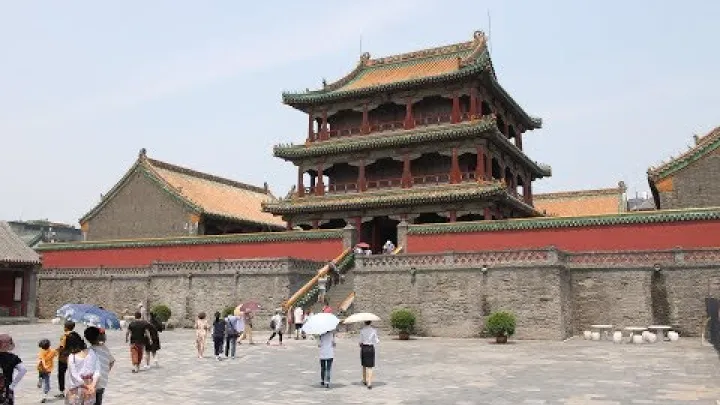
Winter does not prevent cultural travel. Indoor historical and museum attractions can be a good reason to visit in January, February, or December, especially when paired with brief outdoor sections. The difference is that winter sightseeing is more comfortable when you treat outdoor walking as a series of short connections rather than the main activity for every hour.
Ice, Snow, and Winter Festivals
Choose December through February if ice, snow, or winter festivals are the central purpose of your trip. The severe cold is the main trade-off, not a minor packing detail. Plan outdoor activities in short blocks, use indoor warm-up stops, and avoid placing several long outdoor attractions back to back.
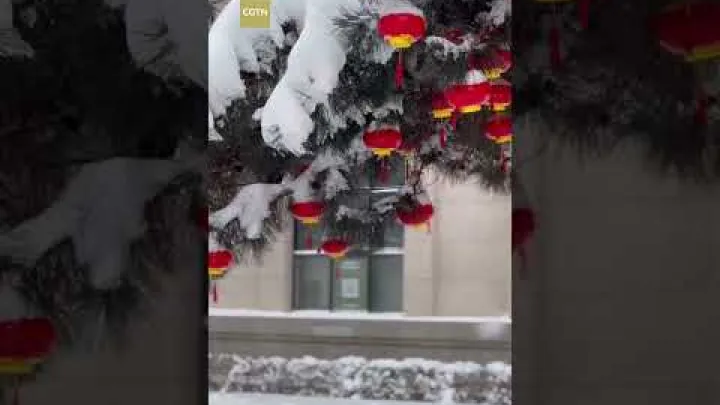
The Shenyang International Ice and Snow Festival can serve as a local anchor for winter planning, but its dates, venue, operating status, and ticket arrangements are not guaranteed by the season alone. Check current information from the organizer or local tourism channels before booking flights or accommodation around the event. Snow conditions and access can also vary, so keep indoor cultural sightseeing as a practical backup rather than assuming the festival will provide the entire itinerary.
Lower Costs and Fewer Crowds
March and November are possible shoulder choices for travelers who prefer potentially quieter periods and accept less reliable comfort. Deep winter outside major holidays may also have lower demand for some travel products, but the cold can reduce the appeal of outdoor attractions. These are possibilities, not guaranteed citywide discounts or empty sites.
Compare accommodation rates, transport availability, and attraction information for your exact dates. A week that looks inexpensive in a monthly overview may coincide with a local event, holiday movement, or limited availability. If budget is the priority, choose dates after checking the booking market rather than assuming that a particular month always costs less.
Greenery, Summer Evenings, and Flexible Itineraries
June and early summer suit travelers who value green parks, warm weather, and longer evenings. Summer can support relaxed outdoor time when you are willing to change the order of activities around heat and rain. A morning park visit, an indoor museum during the most humid period, and an evening walk can be more practical than one continuous afternoon outdoors.
This is a preference-based recommendation rather than a claim that summer is the best season for everyone. Travelers who want greenery but prefer lower heat and less rain should compare May and September first. Those who must travel in July or August should keep outdoor activities optional, protect time for indoor stops, and avoid overloading the day with fixed outdoor appointments.
Crowds, Rain Logistics, and City-Stay Planning
A good Shenyang itinerary separates three decisions: the climate you prefer, the demand level of your dates, and the flexibility required by the forecast. A pleasant month can still be busy during a national holiday, while a shoulder month can be comfortable if your schedule adapts to a cold or wet day.
Holiday and Peak-Travel Dates
The early-May Labor Day period, the early-October National Day period, Spring Festival, and the July-August school holiday can all influence demand for attractions, accommodation, and transport. The effect is not identical every year or across every part of the city, so avoid turning a likely demand pattern into a fixed price prediction.
Compare your dates with the annual Chinese holiday calendar and current hotel availability before making a firm recommendation. For a holiday visit, reserve important accommodation and transport early and expect more competition at popular attractions. If your schedule is flexible, move to a nearby non-holiday week, such as later May or mid-October, while accepting the corresponding seasonal temperature change. This keeps the favorable climate choice separate from the booking calendar.
Rainy-Day Itineraries and Heavy-Rain Flexibility
Summer downpours can make walking, queues, and transfers less predictable, especially during intense rainfall events. Even when a shower is short, wet sidewalks, slower traffic, and the need to wait under shelter can reduce the number of places you comfortably visit. A tightly timed day trip is therefore more vulnerable than a city itinerary with nearby alternatives.
Use a simple switchable pattern: place an outdoor park or urban walk beside an indoor museum or cultural venue, then move indoors if rain becomes heavy. Add extra transfer time, carry compact rain protection, and keep longer excursions optional on days with significant rainfall. The goal is not to cancel every summer plan, but to prevent one downpour from disrupting the entire day.
What Weather Means Inside the Urban Core
Weather can feel different from one part of the city to another because building density, paved surfaces, open space, and local shelter affect comfort. Research on Shenyang local climate zones examines differences in the urban thermal environment, including stronger nighttime heat conditions in some built-up settings. MDPI research supports using local climate variation as a practical consideration without assuming that every district has identical conditions.
For visitors, the useful lesson is simple. In warm and humid weather, shorter walking legs and indoor stops can reduce fatigue in dense urban areas. During rain, allow time for slower transfers and less comfortable outdoor queues. During winter, connect attractions with shorter outdoor segments and schedule regular indoor breaks. Choose sheltered transfer options where available, but do not assume a particular route or sidewalk will always provide the same protection.
What to Pack for Shenyang and How to Prepare
Seasonal packing should follow the broad climate pattern, then be adjusted for personal tolerance and the conditions expected during your dates. Comfortable shoes matter in every season because even an indoor-focused city trip includes transfers and outdoor connections.
Spring and Autumn Layers
For April, May, September, and October, pack a light jacket or sweater, comfortable walking shoes, and compact rain protection. Layers are more useful than one heavy item because mornings and evenings can be cool while spring or early-autumn afternoons feel warmer.
April and late October call for warmer layers than May or early September. May and September can usually be handled with a lighter base layer and an outer layer for cooler periods. A small umbrella or rain shell is practical, but the amount of protection you need should match the actual forecast and your own comfort in wind or rain.
Summer Heat and Rain Protection
For June through August, choose breathable clothing and include sun and heat protection, water, and either a compact umbrella or a light rain shell. Shoes that tolerate wet conditions are useful when showers interrupt a walk. Quick-drying clothing can also make a city day more comfortable after a sudden downpour.
Summer preparation is as much about itinerary design as clothing. Leave space for an indoor alternative, avoid depending on one long outdoor activity, and allow time for wet-weather transfers. If you prefer not to carry rain gear all day, use a small pack and choose clothing that remains comfortable during humid periods.
Winter Cold Protection
For December through February, use an insulated coat or down layer, warm base layers, gloves, a hat, and a scarf or other face protection. Weather-appropriate footwear is essential, particularly if surfaces are wet, icy, or covered with snow. November may require less insulation than January and February, but it is the point when a normal autumn wardrobe may stop being sufficient for long outdoor periods.
January and February need the most robust preparation. Do not assume snow cover, dry pavement, or easy walking conditions; match your footwear and outdoor plans to the conditions you encounter. Build indoor warm-up periods into the itinerary from the start, rather than treating them as an emergency adjustment. Short outdoor blocks make winter attractions more manageable and reduce the time spent exposed to severe cold.
Final Recommendation for Visiting Shenyang
For most travelers, the best time to visit Shenyang is May or September, with April and October as useful extensions of the spring and autumn comfort windows. Choose May for warm spring conditions and choose September for cooler, less humid walking weather. Avoid assuming that early October or early May will be quiet, because holiday demand can override the advantages of the climate.
Choose December to February only when ice, snow, winter atmosphere, or seasonal festivals justify the cold. Choose June through August when greenery, long evenings, or fixed travel dates matter more than predictable outdoor comfort. March and November can suit flexible travelers seeking a shoulder-season atmosphere, but the trade-off is variable or distinctly cold weather. Once you select a month, use historical climate patterns for planning and the official local forecast for the final outdoor decisions.
Select area
Create a post
Posting is free and no registration is required.