Shenyang Where to Stay: Best Areas and Lodging

Where to stay in Shenyang depends less on finding one best hotel than on choosing the area that matches your daily route. For most first-time visitors, Middle Street, also called Zhongjie, and the Shenyang Palace Museum area offer the strongest balance of heritage sightseeing, shopping, dining, and accommodation choice. Heping around Taiyuan Shopping Street is a useful alternative for modern shopping, business, and rail access, while station, airport, and nightlife bases solve more specific travel needs. This guide compares Shenyang’s main areas, lodging types, price levels, transport trade-offs, walkability, noise, and booking checks.
Quick Answer: Where to Stay in Shenyang
If you have no special transport or business requirement, choose a hotel near Middle Street and the Shenyang Palace Museum. Choose Heping around Taiyuan Shopping Street if shopping, modern city services, meetings, or Shenyang Railway Station matter more. Use a railway station, Youth Street, Hunnan, or Taoxian Airport base only when that location directly supports your itinerary.
Best Overall for First-Time Visitors: Middle Street and the Palace Museum Area
For a general-purpose visit, start with Middle Street, known locally as Zhongjie, and the surrounding streets near the Shenyang Palace Museum. This central area is associated with Shenhe District and extends toward the commercial side of the Zhongjie area near Dadong. It brings several useful activities into one base: imperial-history sightseeing, pedestrian shopping, local dining, and access to hotels across different price levels.
The main advantage is flexibility. You can spend part of a day visiting the Palace Museum or nearby historic streets, stop for a meal, and continue shopping without making repeated cross-city journeys. A destination guide from Expedia also treats central neighborhood choice as a practical way to match accommodation with a traveler’s purpose rather than as a simple hotel ranking.
This is the default recommendation, not a universal rule. A traveler with an early train may prefer the exact railway station on the ticket. Someone with meetings along Youth Street may value a different corridor, and a late flight or southern-area business appointment may justify Hunnan or the airport area. The decision should begin with the places you will visit most often, then move to hotel price and facilities.
Best Alternative: Heping Around Taiyuan Street
Heping District around Taiyuan Shopping Street is the strongest alternative for visitors who want large-scale shopping, restaurants, modern city conveniences, and a central business environment. The area is also relevant to travelers using Shenyang Railway Station, although the convenience depends on the hotel’s exact position within the wider district.
Heping has a more commercial and transport-focused feel than the heritage-oriented Middle Street area. The Shenyang Palace Museum and Zhongjie are still practical destinations from Heping by public transport or taxi, but they are not the immediate walking advantage that they are for a hotel near the historic core. Choose Heping when shopping, meetings, or a rail departure will occupy as much of your schedule as sightseeing.
Shenyang Area Guide: How the Main Bases Differ
Shenyang’s central districts can look close on a city map while offering different daily experiences. The most useful distinction is not only the administrative district but also the exact street, transport access, and activity around the property.
Shenhe District: Historic Core and Central Sightseeing
Shenhe District is the natural starting point for visitors interested in Shenyang’s old city and central heritage. The area is closely associated with the Shenyang Palace Museum, Middle Street, historical residences, traditional commercial streets, and other central sightseeing anchors. Its value as a lodging base comes from the ability to organize a day around nearby destinations rather than treating every attraction as a separate cross-city trip.
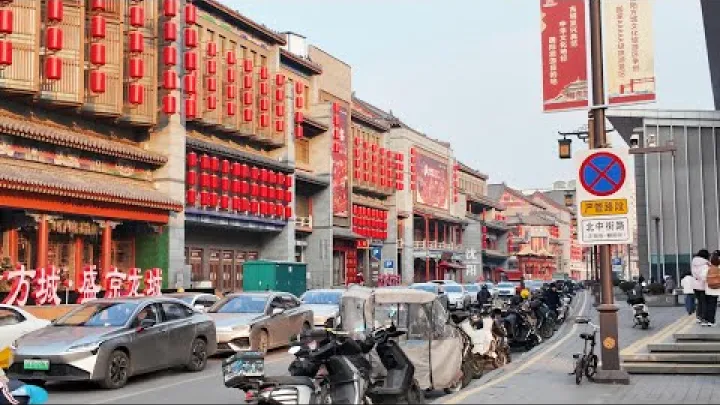
Accommodation in Shenhe can include upscale hotels, domestic business hotels, independent properties, and simpler budget rooms. The district should not be treated as equally walkable from every address. A property listed as being in Shenhe may still be on a busy road or several blocks from the pedestrian center, so compare the map pin with the Palace Museum or Middle Street entrance that you actually plan to use.
For most first visits, Shenhe is best when the itinerary is built around history, central dining, and daytime or early-evening exploration. It is less suitable as a blanket recommendation for travelers whose main concern is an early train, an airport transfer, or meetings in southern Shenyang.
Heping District: Shopping, Business, and Rail Access
Heping is a strong urban-convenience base. Taiyuan Shopping Street provides a clear visitor-facing anchor with retail, dining, and evening commercial activity. The wider district also supports business trips and access to Shenyang Railway Station, making it useful for travelers who combine city sightseeing with an onward rail journey.
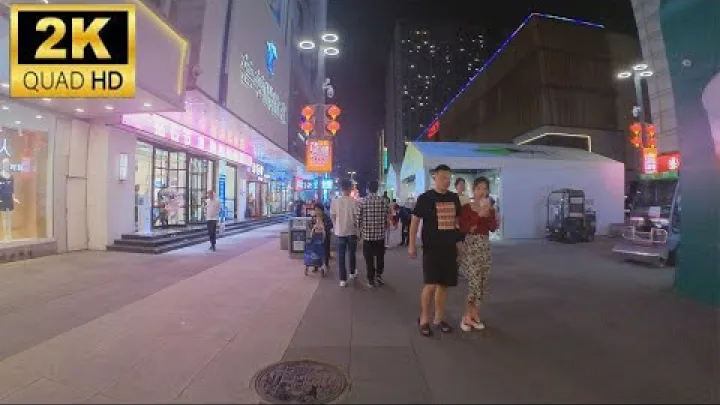
Heping works especially well when your plans include shopping during the day and restaurants or commercial streets in the evening. It can also reduce the practical burden of staying near a meeting venue in central Shenyang. However, Heping is a broad district, so a hotel near the station, a hotel around Taiyuan Street, and a hotel farther along a major road will not provide the same walking experience.
Choose Heping over Shenhe when modern shopping and rail convenience have equal or greater importance than immediate access to the Palace Museum. If the historic core is the main reason for your visit, Middle Street remains the simpler base.
Dadong District: Zhongjie Access and Value
The Dadong-side surroundings of Zhongjie can provide a useful compromise between heritage access, shopping, local commercial streets, residential surroundings, and modern malls. This is not a recommendation for every part of Dadong District. It concerns the portions near the Zhongjie commercial area and the routes that connect those streets with central attractions.
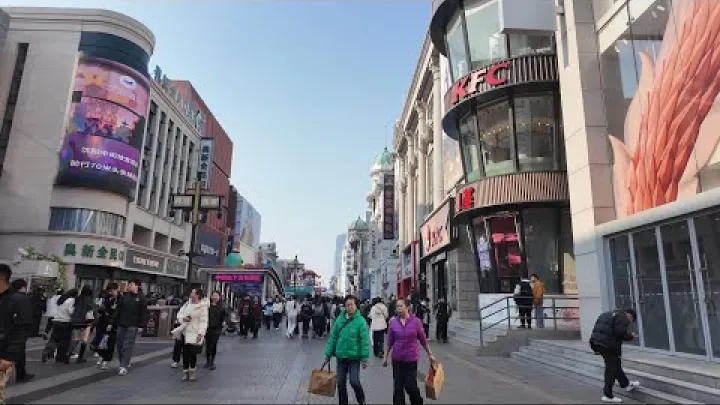
Value-focused travelers may prefer this side of the central area because it can offer more choice outside the international luxury segment while keeping the main shopping and heritage zone within practical reach. It can also feel more mixed in character than a purely tourist-facing hotel cluster, with commercial and residential streets close together.
Booking platforms may use Zhongjie, Shenhe, Dadong, or a nearby commercial-circle label for properties that are practically close to one another. Use the exact Chinese address and map position instead of relying only on the district name. Check the walking route to the intended Zhongjie entrance, the nearest transport access, and whether the property sits directly on an active commercial street or on a quieter side road.
Youth Street and Color TV Tower: Modern Nightlife Base
Youth Street and the Color TV Tower Night Market area suit travelers who prioritize contemporary city scenery, bars, social venues, evening food, or meetings along the Youth Street axis. This corridor offers a different reason to stay in Shenyang: the ability to continue social or commercial activity after dinner without returning to the historic center.
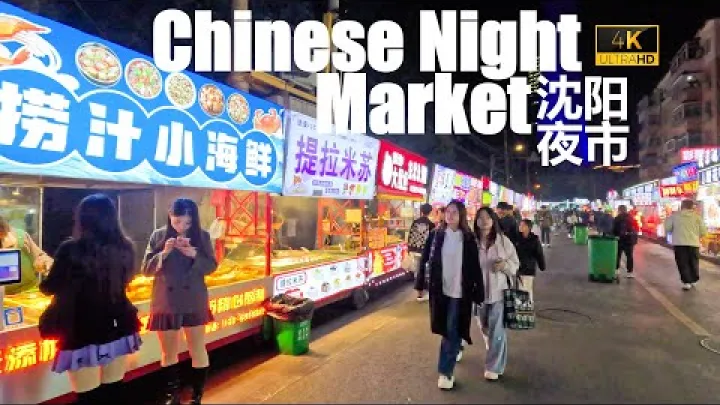
The area is a better match for nightlife-oriented travelers than for visitors whose main goal is to walk between imperial-era landmarks. Central heritage attractions remain reachable by public transport or taxi, but they are not the defining advantage of this micro-area. It is also important to distinguish late-evening activity from general walkability. A lively street can be convenient for one traveler and tiring for another.
If you need quiet, look beyond the area name. A hotel beside an active venue, night market, or major road may have a different nighttime experience from a property on a side street. The exact building position and recent guest comments matter more than the broad label Youth Street.
Where to Stay in Shenyang by Travel Purpose
The best area changes with the purpose of the trip. A short heritage visit, a shopping weekend, a business itinerary, and a family stay with extra space should not use the same location filter.
For Heritage Sightseeing and a First Visit
Stay in Shenhe near Middle Street and the Shenyang Palace Museum when your itinerary centers on imperial history, historical residences, museums, and traditional commercial streets. This location makes it easier to begin the day on foot, pause at the hotel between visits, and return to central dining without spending the evening in transit.
A central heritage base is particularly useful for a short visit because it protects time for sightseeing. Instead of choosing a distant hotel because it has a lower displayed rate, compare the full daily cost of transport, the time needed to reach attractions, and the convenience of returning to the room during the day.
Choose Heping instead if the same trip includes extensive shopping, central business appointments, or an onward train from Shenyang Railway Station. Heping gives up some immediate Palace Museum access but may fit a mixed sightseeing-and-logistics itinerary better.
For Shopping, Dining, and Nightlife
Use the following priority matrix to match the area with the way you want to spend the evening:
| Priority | Area to compare | Main advantage | Main trade-off |
|---|---|---|---|
| Shopping and restaurants | Taiyuan Shopping Street and wider Heping | Large commercial base and modern services | Less immediate heritage access |
| Shopping plus history | Middle Street and Zhongjie | Pedestrian exploration near central landmarks | Active commercial streets may be busy |
| Bars and late-evening activity | Youth Street and Color TV Tower Night Market | Nightlife and contemporary urban activity | Potentially less quiet and less convenient for heritage sightseeing |
The practical question is not simply which district has the most shops. Ask where you want to walk after dinner. Taiyuan Street suits a commercial evening, Zhongjie combines shopping with historic surroundings, and Youth Street is more appropriate when bars or social venues are the main event.
For Business Meetings and Onward Rail Travel
Business travelers should begin with the meeting address. Then compare Heping, Shenyang North Railway Station, Hunnan, or another specialized base according to the number and location of appointments. A hotel that is central on a city map may still be inconvenient if the work schedule is concentrated in a different corridor.
Station-area accommodation is useful when you have an early departure, frequent intercity rail, heavy luggage, or several transfers in a short itinerary. It reduces departure-day friction, but it may place you farther from the historic core and from the evening atmosphere you want after work.
Heping can be a good compromise when meetings are central and the trip also includes shopping or restaurants. A Shenhe base can be better when meetings are nearby and sightseeing is the main activity. For a hotel described as being near a station, inspect the exact station entrance and walking route rather than assuming that the district label means immediate access.
For Longer Stays, Families, and Extra Space
Serviced apartments are useful for longer stays, families, remote workers, and travelers who value living space over a traditional hotel layout. A property such as the Somerset Heping example represents this category: an apartment-style base may provide more room, dining flexibility, and kitchen facilities than a standard guest room. Those features are most valuable when you will stay several nights or need a practical place to work and rest.
Families should compare sleeping arrangements, bathroom layout, lift access, laundry facilities, and the distance to food options rather than choosing only by room size. A central apartment can be preferable to a smaller hotel room when the group needs space and does not want every meal to be a restaurant meal.
Hostels and budget inns are purpose-specific choices for price-sensitive travelers, solo visitors, or people who spend most of the day outside. They may reduce the room cost but can offer less privacy or fewer standardized services. Resort-style and themed properties should be considered only when the itinerary is built around a particular outlying attraction, event area, or leisure program. The available evidence does not support treating any peripheral resort as Shenyang’s general best choice.
Transport and Commute Trade-Offs
Transport should be viewed as a balance between daily sightseeing efficiency and departure-day convenience. The best hotel is often near the places you will visit repeatedly, with practical access to public transport for longer trips.
Why a Central Location Often Beats Station Proximity
Visitors sometimes choose a railway station because it is easy to identify, even when most of the itinerary is in the historic and commercial center. Shenyang’s metro and urban rail connections make it possible to separate the choice of a sightseeing base from the choice of a particular station. If your days involve the Palace Museum, Middle Street, central restaurants, and meetings in the core, staying in Shenhe or Heping can reduce repeated cross-city travel.
Station proximity still has a clear benefit for the day of departure. The trade-off is that you may spend more time reaching central attractions during the rest of the stay. For a short first visit, compare the number of sightseeing days with the number of rail departures. One early train does not always justify several nights in a station district.
When comparing central hotels, use proximity to a practical metro station as a filter. Check the distance to the relevant entrance, whether the route involves major crossings, and whether the walk is suitable for your luggage. Do not assume that every hotel in Shenhe or Heping has the same access.
Railway Station Areas for Early Trains and Multi-City Trips
Shenyang North Railway Station, Shenyang Railway Station, and Shenyang South Railway Station are separate logistical anchors. They should not be treated as interchangeable simply because all are described as Shenyang railway stations in accommodation listings or travel searches.
North Station is especially relevant to rail-oriented itineraries when it is the station named on your ticket. Heping and the area around Shenyang Railway Station can combine rail access with shopping, restaurants, and central services. South Station may be the correct choice for a different route or meeting location, but it is not automatically convenient for the historic center.
Identify the exact station on the ticket before booking. Then compare the hotel’s map position with the station entrance you will use, including the time needed to leave the property, reach the station, and manage luggage. A station base prioritizes transfer simplicity; a central base prioritizes the quality of the rest of the itinerary.
Hunnan and Taoxian Airport for Flight or Business Convenience
Taoxian International Airport is south of central Shenyang in Hunnan District. An overview from the Institute of Metal Research places the airport about 20 kilometers south of the city center and describes connections involving the wider urban transport network. This makes airport-area accommodation most relevant to early flights, late arrivals, aviation-related work, or meetings in southern Shenyang.
For many leisure visitors, Hunnan does not need to be the default base. If the main itinerary is the Palace Museum, Middle Street, and central dining, sleeping in the historic core may be more useful than moving closer to the airport. Hunnan becomes more attractive when it removes a major flight constraint or places you near a specific southern business, leisure, or event destination.
Before booking an airport-area or peripheral hotel, check the current metro or tram map, operating hours, station exit, and late-arrival route for your exact travel dates. Confirm the route from the airport to the property and the return plan for an early departure. Choose Hunnan or the airport area because it solves a real timing or location problem, not only because the displayed room rate may look lower.
Hotels, Apartments, and Price Levels
Shenyang offers several accommodation categories in central and specialized areas. The right choice depends on how much consistency, space, privacy, and service you need.
Choose a Hotel, Serviced Apartment, Hostel, or Budget Property
International chains are useful for travelers who value standardized service, loyalty benefits, familiar facilities, or support in a business-oriented setting. Examples named in current accommodation coverage include Shenyang Marriott Hotel and The Westin Shenyang. These names illustrate the upscale hotel category, not a ranking of the best locations for every itinerary.
Domestic business hotels and reliable mid-range chains can provide a practical balance of private rooms, central access, and price. Hampton by Hilton and Holiday Inn Express examples illustrate the standardized mid-range and value-oriented categories. The best fit still depends on the property’s exact address, room condition, breakfast, and transport access.
Serviced apartments such as Somerset Heping Shenyang are better suited to longer stays, families, and travelers who want extra living space or kitchen facilities. Hostels and budget inns are appropriate when keeping the room cost low is the main goal and you can accept fewer facilities or less privacy. Resort-style lodging belongs in a separate category: choose it for a specific outlying attraction or leisure plan, not simply because the word resort appears in a listing.
An Expedia Shenyang hotel guide gives examples across hotel and apartment-style categories. Use such coverage to understand the range of accommodation, then evaluate each live listing on location, current reviews, and total cost rather than treating brand presence as proof of the best base.
Plan Your Budget Around Current Dates
Central Shenyang has budget, mid-range, and upscale options, so reducing the room budget does not necessarily require leaving the central area. The price difference between two properties can reflect location, room size, cancellation flexibility, breakfast, building condition, and the amount of standardized service included.
For orientation, illustrative booking-platform snapshots have shown a citywide three-star weekend average of roughly US$65 and a figure of roughly US$40 near the Zhongjie Commercial Circle. These are date-sensitive platform figures in US dollars, not guaranteed rates or current quotes. A price without the exact dates, room type, occupancy, and cancellation terms is only a starting point.
For your dates, compare the live total rather than the headline nightly rate. Include taxes, deposits, breakfast, payment conditions, cancellation terms, and possible weekend or event surcharges. If two hotels appear similar, calculate the wider trip cost as well: a cheaper peripheral room may require more taxi or public transport spending and more time each day.
Safety, Walkability, and Nighttime Comfort
Area choice affects how comfortable the trip feels after dark, but safety, walkability, noise, and legal risk are separate questions. Use official travel guidance for formal risk information and property-level evidence for practical comfort.
Safety and Legal Context for Choosing a Base
The U.S. Department of State’s China advisory page includes a Level 2 recommendation to exercise increased caution, with a travel-advisory history entry dated November 27, 2024. This is national-level guidance and legal or administrative context, not a Shenyang-specific ranking of street crime. It should not be converted into a claim that one Shenyang district is universally safe or unsafe.
The same U.S. Department of State page provides China travel guidance and identifies a Shenyang consular contact listing in Heping District. Check the page’s current status and the guidance from your own government before departure, because advisory language and consular information can change.
Practical risk management means following local laws, keeping your passport and travel documents secure, understanding any local registration or accommodation requirements that apply to you, and choosing a reputable property when communication or assistance is important. International visitors should keep their documentation in order during the trip and seek official help for legal or administrative problems rather than relying on informal online anecdotes.
Walkability, Noise, and Late-Night Comfort
Walkability has several parts: how close your destinations are, the character of the route, the final walk from transport, and whether the surrounding streets remain comfortable for your routine. Middle Street and Zhongjie are useful for pedestrian exploration, shopping, and access to central heritage sights. Taiyuan Shopping Street offers a similarly active commercial setting, with Heping’s transport and business advantages nearby.
Youth Street and the Color TV Tower Night Market area are more suitable when late-evening social activity is the point of the stay. That activity can also mean more pedestrian movement, venue noise, and traffic around some properties. A major road or active commercial frontage may be less suitable for light sleepers than a side street, even within the same neighborhood.
Read recent reviews for nighttime noise and inspect the property’s exact street position. If quiet matters, request a room away from pedestrian streets, nightlife venues, and major roads. Treat walkability and noise as comfort criteria, not as guarantees attached to a whole district.
A Practical Method for Choosing and Booking Your Base
A simple filter prevents attractive hotel photos or low headline prices from deciding the trip for you. Start with the map, then apply the travel-purpose and lodging-type filters.
Use a Three-Step Area Filter
- Identify the main anchor. Mark the place that will shape most of the itinerary: the Shenyang Palace Museum and Middle Street, Taiyuan Shopping Street, a railway station, Taoxian International Airport, a business address, Youth Street, or a specific leisure venue.
- Choose the base type. Select a central sightseeing base when you want to reduce daily touring time, a commercial and rail base when shopping or onward travel dominates, a nightlife base when evenings are the priority, or a specialized peripheral base when it removes a major airport, meeting, or event constraint.
- Apply the property filter. Compare hotel, apartment, hostel, or budget-property options by total price, room space, facilities, review quality, and exact location. For most first-time visitors, the default branch is Middle Street and the Palace Museum area. Heping is the main alternative, while station, Youth Street, and Hunnan choices should follow a specific itinerary need.
This process also helps couples, families, students, and remote workers make different choices without assuming that one district is best for everyone. A family may prefer an apartment near central dining, a rail traveler may accept a less scenic station area, and a remote worker may value quiet space and reliable front-desk service over immediate nightlife.
Verify the Exact Property Before You Book
District names and hotel names are not enough. Before paying, confirm the map pin, Chinese address, actual walking route, nearby metro access, and distance to the attraction, meeting venue, airport connection, or railway station that matters to your trip. Make sure the listing’s district label matches the area you intended, especially around the Zhongjie commercial circle where different neighborhood descriptions may overlap.
- Confirm the property’s current check-in hours and whether late arrival can be arranged.
- Check passport requirements and whether the property accepts foreign guests for your dates.
- Read the cancellation policy, deposit conditions, payment timing, and any occupancy restrictions.
- Confirm the booked room type, bed arrangement, breakfast details, kitchen or laundry facilities, and front-desk availability.
- Read recent reviews for cleanliness, maintenance, heating or cooling concerns, nighttime noise, and the accuracy of the address.
- For an early departure or late arrival, confirm the final transfer plan instead of relying only on a displayed distance or the hotel’s name.
City geography is relatively stable, but property-level details can change. The live listing, recent reviews, and direct confirmation from the accommodation are the most useful final checks.
Final Recommendation for Where to Stay in Shenyang
For most first-time visitors, stay near Middle Street and the Shenyang Palace Museum. It is the clearest all-round base for heritage sightseeing, central dining, shopping, and flexible days, with accommodation choices ranging from budget properties to upscale hotels.
Choose Heping around Taiyuan Shopping Street when modern shopping, business meetings, or Shenyang Railway Station are more important. Choose Dadong only with reference to its Zhongjie-side location, and choose Youth Street or Color TV Tower when nightlife is the main purpose. For early flights, southern business, or a specific peripheral itinerary, Hunnan or the airport area can be practical; for frequent rail travel, select the exact station named on your ticket.
The best place to stay in Shenyang is therefore the base that removes the most daily friction. Match the area to your main anchor, choose the lodging type to fit your budget and length of stay, and compare the exact property rather than relying on a district label alone.
Select area
Create a post
Posting is free and no registration is required.