Harbin Travel Guide: When to Visit, Stay, and What to Do
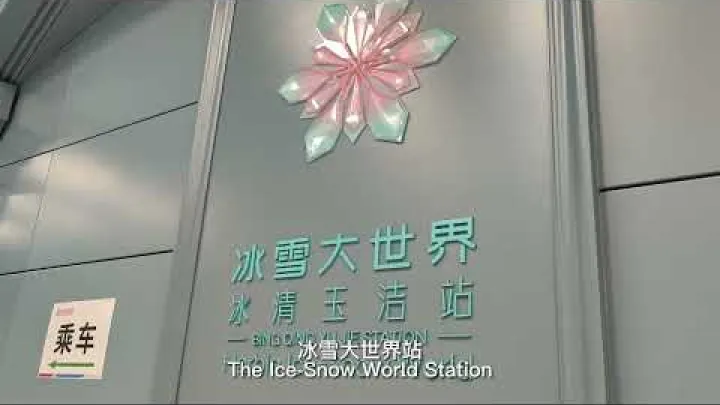
This Harbin travel guide helps first-time visitors plan a practical trip to one of Northeast China's best-known winter destinations. It covers when to visit, how long to stay, where to base yourself, transport, Harbin Ice and Snow World, Central Street, Sun Island, Yabuli, China Snow Town, costs, cold-weather preparation, and travel logistics. Use the winter sections for an ice festival visit, or follow the warmer-season suggestions for a slower city break.
Harbin at a Glance
Harbin is a major city in Heilongjiang, Northeast China. Its travel identity changes with the season: winter brings illuminated ice structures, snow sculptures, and outdoor activities, while the rest of the year is better suited to architecture, parks, riverfront walks, food, and city culture. Attractions are spread across the city, so your choice of neighborhood matters, particularly when temperatures are low.
What Harbin Is Known For
Most international visitors associate Harbin with its winter ice and snow attractions. Harbin Ice and Snow World is the best-known large-scale venue, while Sun Island Scenic Area is associated with seasonal snow sculptures and a different river-island setting. Ice lantern displays and other winter activities may also form part of the seasonal program. Dates, admission arrangements, and venue operations can change from one season to the next.
Harbin is more than a winter festival stop. Central Street in Daoli District offers a useful introduction to the historic core, with pedestrian areas, shops, restaurants, cafes, and access toward the Songhua River. The Flood Control Monument and riverfront are useful orientation points. Historic buildings, parks, museums, local food, and everyday urban life give the city substance outside temporary festival venues. The Harbin Municipal Government is a useful place to check for current city tourism developments.
Choose your season by priority. Visit in winter for the ice festival atmosphere and snow scenery. Choose summer or a shoulder season for more comfortable walking, green parks, architecture, and a flexible schedule. The experience will be very different, but either can work for a first visit.
How Many Days to Spend in Harbin
For a city-only visit, allow about two to four days. Two full days can cover Central Street and the historic core, one major winter venue, and another attraction if transfers are efficient. Three days allows more time for Harbin Ice and Snow World, Sun Island, riverfront areas, and indoor attractions. Four days suits travelers who want a slower pace, a second evening outing, or flexibility for cold weather.
A regional itinerary needs more time. Yabuli Ski Resort, China Snow Town, and other Northeast China destinations involve travel beyond the central city. Add transport days or overnight stays rather than assuming every side trip will fit into an afternoon. Leave room for the exact railway station, transfer time, luggage, and return route.
Even on a short itinerary, protect time for Central Street and the historic core. Harbin is more rewarding when treated as a destination rather than only as a gateway to an ice venue or regional tour.
Choose the Best Time to Visit Harbin
The best time to visit Harbin depends on whether you want the signature winter spectacle or a more manageable city experience. Winter offers the strongest seasonal identity, but it also brings shorter comfortable outdoor periods, higher demand, and more dependence on current venue conditions. Warmer months make independent sightseeing easier but do not provide the ice-palace experience.
Winter Ice and Snow Season
Winter is the main season for Harbin Ice and Snow World, the Sun Island Snow Sculpture Exposition, ice lantern displays, and outdoor winter activities. Large ice structures are particularly effective after dark when lighting becomes part of the experience. Daylight is better for surface detail, sculpture work, and photography. If your schedule allows, visit one venue in daylight and another in the evening for more variety.
Winter timing involves trade-offs. An early-season visit may offer a fresh festival atmosphere, but some installations or arrangements can still be developing. Later visits may have a more established program, while weather, thawing, wind, maintenance, or structural conditions can affect individual areas. Historical festival dates are not guarantees for a future season. Use current opening dates, ticket terms, entry rules, hours, and same-day notices when finalizing your plan.
A third-party venue guide describes a usual Harbin Ice and Snow World operating window of about 10:00 to 22:00, with ticket checking often ending earlier, but this is planning context rather than a permanent timetable. The China Discovery venue page also notes that performances and activities can be scheduled separately. Use the current official venue booking or information channel for your season and confirm whether a ticket covers the full site, a specific entry period, or an additional activity.
Cold and darkness affect your pace. Outdoor venues are large, and security, entry, walking, photographs, queues, food, and warm-up breaks can take longer than an attraction list suggests. Check the current local forecast and the venue's same-day status before planning a long outdoor visit. Wind, changing conditions, and your tolerance for cold may matter more than the calendar date.
Summer and Shoulder-Season Alternatives
Summer suits travelers who prefer flexible outdoor exploration. Sun Island can be experienced as a green river-island park and recreation area rather than only as a winter snow sculpture venue. Central Street, the historic core, riverfront promenades, parks, museums, and food neighborhoods are easier to combine when you are not planning around severe cold.
Spring and autumn can suit visitors seeking a quieter city visit, although event calendars and individual attraction schedules still matter. These seasons will not provide the signature illuminated ice-palace experience. They are better choices for architecture, photography, relaxed walking, local food, and an itinerary that does not depend on winter installations.
Choose by asking what matters most: ice structures, snow sculpture, comfortable walking, green landscapes, architecture, photography, or a regional nature trip. Use seasonal patterns to choose a period, then check the short-term forecast and current event calendar for packing and bookings.
Understand Harbin's Districts and Choose Where to Stay
Harbin is not a city where every attraction is conveniently grouped together. The best base depends on your activities, arrival station, and tolerance for winter transfers. Compare the exact hotel location, nearest metro access, and likely routes rather than choosing only by district name.
Daoli District and the Central Street Area
Daoli, especially around Central Street, is usually the most convenient first-time base for a short city visit. You can walk among historic buildings, shops, cafes, restaurants, and pedestrian streets, then continue toward the Flood Control Monument and Songhua River waterfront. This area gives the itinerary an urban and historical center instead of making it entirely dependent on seasonal venues.
Central Street is useful for flexible meal options and for returning to a hotel during the day. In winter, reducing routine outdoor transfers can make a noticeable difference. However, the whole district is not equally convenient. Check the exact address, entrance, luggage access, distance from the pedestrian corridor, and route to the nearest metro or taxi pickup point.
Nangang District for Rail and City Connections
Nangang is practical for travelers using Harbin Railway Station or Harbin West Railway Station, or planning several regional rail journeys. Its commercial and urban character contrasts with the more visibly historic Central Street area. That can be an advantage when transport connections, shopping, and everyday services matter more than immediate sightseeing atmosphere.
Station proximity and metro access often matter more than the district label. Confirm which station your ticket uses before booking a room. Harbin Railway Station and Harbin West Railway Station are not interchangeable, and winter luggage can make a small map difference significant.
Songbei District for Ice Festival Access
Songbei lies on the north bank of the Songhua River and is a logical base for travelers focused on Harbin Ice and Snow World and Sun Island Scenic Area. Staying north of the river may reduce the route to those venues, depending on the hotel's position and current transport arrangement. The area has a newer, more spacious urban character than older central districts.
The trade-off is regular travel to Central Street and the historic core. Songbei can be efficient for a short trip centered on northern winter venues. For a first visit balancing ice attractions with historic streets, restaurants, and riverfront walks, Daoli may be more convenient overall. Compare door-to-door routes, not just district names.
How to Get to Harbin and Get Around the City
Harbin is served by air, conventional rail, high-speed rail, metro services, buses, taxis, and private transfers. The key transport decision is often the exact destination: airport, railway station, north-bank attraction, or hotel entrance. Winter conditions can make a short-looking transfer feel longer.
Arriving Through Harbin Taiping International Airport
From Harbin Taiping International Airport, the main choices are an airport shuttle bus, taxi, or pre-arranged private transfer. A planning guide describes the airport as roughly 40 kilometers from central Harbin and about 50 minutes by car in suitable conditions, but traffic, weather, route assignments, prices, and operating windows change. The China Discovery airport guide outlines the options for comparison.
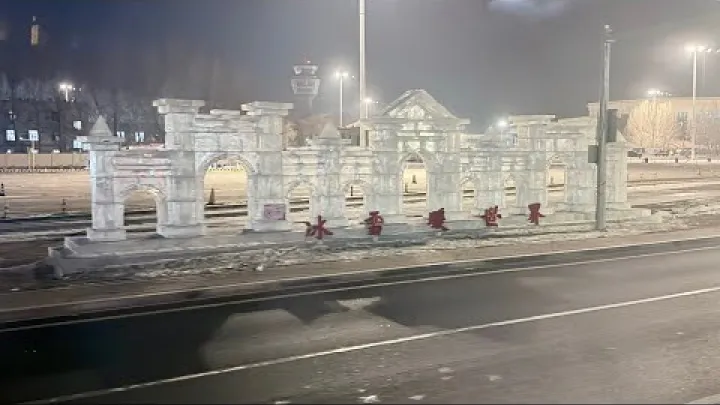
A shuttle can suit travelers arriving during its operating period with a hotel near a confirmed stop. A taxi is more direct with large bags, a late arrival, or unfamiliarity with the city. A private transfer can help families, groups, or travelers continuing to a regional destination, but confirm the vehicle, meeting point, included services, and cancellation terms.
Before departure, confirm the current shuttle route, operating window, and whether the service stops near your hotel or offers hotel drop-off. Save the accommodation address in Chinese characters, its phone number, and a booking screenshot. Keep a backup taxi or transfer plan for arrivals during severe weather or outside the expected shuttle period.
Rail Stations and the Metro Network
Harbin Railway Station, Harbin West Railway Station, and Harbin East Railway Station serve different parts of the city and different journeys. Your booking identifies the station, so check it before buying an onward ticket or choosing accommodation. Harbin West is important for many intercity rail journeys, while Harbin Railway Station is closer to parts of the established central urban area; the useful choice depends on your train and hotel.
The metro can connect rail hubs with central districts and reduce dependence on road traffic. Buses, taxis, and walking complete the network. Line numbers, transfers, fares, station hours, and last-train times can change, so use current operator information or a current map for a specific journey. Do not assume all Harbin railway stations are interchangeable.
Match the station on the ticket, hotel location, and last practical route back before booking an onward journey. With ski equipment, large suitcases, or children, a direct taxi for the final leg may be worth the extra cost.
Buses, Taxis, Walking, and Digital Navigation
Walking works well around Central Street and the older core. It is less practical when a route crosses the Songhua River, links the historic center with northern attractions, or involves a long outdoor wait. The metro suits station-to-station journeys, buses may reach areas away from metro stops, and taxis are useful for luggage and final transfers.
Estimate door-to-door time in winter. A route can include a long walk, an exposed bridge or riverside section, a queue, or an uncertain pickup point. Identify the return route before entering a major attraction, especially when a large venue closes and many visitors leave at once.
Prepare digital maps, offline translation support, the hotel address in Chinese, and screenshots of tickets and reservations. Keep a written backup of the accommodation name and phone number. Payment methods and app access vary for foreign visitors, so retain a backup way to pay and communicate.
What to Do in Harbin
A useful Harbin itinerary combines one seasonal headline attraction with year-round city experiences. This balances large outdoor venues, historic streets, food, and indoor breaks. Choose fewer sites when weather is difficult rather than repeatedly crossing the city.
Harbin Ice and Snow World
Harbin Ice and Snow World is the primary winter venue for large illuminated ice structures, architectural forms, sculpture, and seasonal entertainment. Its appeal comes from scale and lighting as much as individual sculptures. Daylight helps with detail and photography, while evening creates the strongest illuminated atmosphere but brings more darkness and cold.

Plan it as a substantial visit. Allow time for the journey, entry procedures, walking, photographs, food, toilets, and warm-up breaks. Comfortable footwear with traction is important, and phone batteries can lose power faster in cold conditions. Families should decide in advance where to regroup and how often to take indoor breaks.
Opening dates, hours, ticket categories, booking channels, entry rules, performances, and refund conditions are seasonal details. A third-party listing can explain what information to look for, but it should not replace the current official venue channel. Confirm the season, entry date, ticket-checking period, and weather-related notices before paying.
Sun Island Scenic Area and Snow Sculptures
Sun Island has two identities. In warmer months, it is a green river-island park and recreation area. During the winter festival period, parts may host a seasonal snow sculpture exposition. The experience, admission arrangement, and operating pattern are not the same throughout the year.
Its north-bank location and Songhua River setting make it a natural companion to other northern attractions. Depending on current access, combine it with another Songbei stop or give it a separate half day. Open areas can feel more exposed than central streets, so schedule warm-up time.
Separate general scenic-area admission from the seasonal exposition. Check current hours, prices, transport access, and whether the winter exposition is operating on your dates. Do not assume one ticket, entrance, or schedule applies to every section.
Central Street and Harbin's Architectural Heritage
Central Street is a pedestrian-oriented corridor for architecture, shops, cafes, food, and observation of daily city life. It is one of the best year-round places to understand Harbin's urban character. Walk slowly enough to notice building details, storefronts, public spaces, and local activity.
Connect the street with the Flood Control Monument and Songhua River waterfront for a simple half-day route. A daytime walk shows architectural details; an evening return adds lights, restaurants, and winter activity. Harbin's historic environment reflects layered local and international influences and should not be reduced to an exclusively European identity.
Additional City Attractions for Longer Stays
For three or four days, add one or two optional attractions rather than an exhaustive list. St. Sophia Church, riverfront promenades, parks, museums, and other central cultural sites can fill time according to your interests. Indoor museums are useful warm-up periods in winter.
Choose additions by weather and energy. History-focused visitors may prefer an indoor cultural site and architecture walk, while photographers may favor riverfront spaces, parks, and a second Central Street visit. Check current opening status and admission arrangements for each site.
Plan Side Trips from Harbin
Harbin can anchor a broader Northeast China journey, but regional side trips require more planning than city attractions. Decide whether the destination supports your main interest, then check the complete outbound and return route.
Yabuli Ski Resort
Yabuli Ski Resort is a winter sports add-on, not a required part of a short Harbin visit. It suits travelers seeking skiing, snow activities, or a resort environment and willing to spend additional time outside the city. Others may prefer to keep the day for Harbin's venues and historic core.
Broad transport choices include a car, a train followed by a last-mile transfer, or a bus. One route guide gives indicative patterns of about three hours by car, two to five hours by train plus car, and three and a half to four hours by bus, with a listed rail fare example of around 70 CNY. These are not fixed schedules or guaranteed prices. The China Discovery Yabuli guide explains the route structure; check current rail schedules, road conditions, resort access, and last-mile transfers separately.
The railway station and ski resort are separate points. A same-day trip can become tiring once station transfers, equipment, check-in, and the return journey are included. Consider an overnight stay if skiing is the main purpose or road travel is uncertain.
China Snow Town
China Snow Town is a remote, snow-focused extension known for village scenery and winter landscapes. The journey is a significant part of the plan and may involve several stages or an organized arrangement, followed by accommodation in or near the destination.
Do not add it as an informal day trip unless the complete route, return timing, lodging, and weather plan are clear. Road conditions, snow conditions, travel times, and village operations can vary by season. Keep flexible time if this destination is central to your trip.
Extending the Route to Changchun or Shenyang
Harbin can fit into a broader Northeast China rail itinerary including Changchun or Shenyang. An additional city may add historical, cultural, or urban variety, but each relocation consumes time for packing, station access, check-in, and orientation. Two well-planned cities are often more rewarding than several short stops.
Use current rail schedules and station information for any journey duration or day-trip idea. Treat Changchun and Shenyang as optional extensions, not requirements for a satisfying Harbin trip, and leave a practical margin before important returns.
Estimate Costs and Plan Your Daily Budget
Harbin costs depend heavily on season and route. Winter festival demand can affect lodging, venue admission, transfers, and optional activities simultaneously. Use CNY as the working currency and record live prices for your dates.
Major Ticket and Transport Cost Drivers
Main expenses include winter venue admission, airport transfers, city transport, intercity rail, regional transfers, and optional winter activities. Treat Harbin Ice and Snow World and the seasonal Sun Island exposition as separate costs until current ticket information confirms otherwise. Yabuli and China Snow Town can add transport and accommodation.
| Cost category | What can change | How to plan |
|---|---|---|
| Winter venues | Season, date, ticket type, entry rules | Use the current venue channel and save the terms |
| Airport arrival | Route, traffic, time, vehicle type | Compare shuttle, taxi, and private transfer |
| City transport | Distance, transfers, late return | Allow extra time and keep a backup option |
| Rail travel | Train type, station, booking date | Price the exact train and station before booking |
| Regional trips | Last-mile transfer, road conditions, nights | Budget transport and lodging as one package |
| Winter equipment | Rental, purchase, activity, duration | Separate ordinary sightseeing from skiing needs |
Check what each price includes. A transfer may exclude tolls or hotel pickup, an activity may exclude equipment, and accommodation may exclude breakfast, taxes, or a local charge. Avoid undated exchange-rate conversions.
Accommodation, Food, and Seasonal Price Variation
Accommodation prices vary by district, hotel type, booking date, availability, and winter festival demand. A room near Central Street may cost more for sightseeing convenience, while a rail-hub property may suit a regional route. Songbei may reduce travel to northern venues but increase transport to the historic center.
Build a daily estimate from lodging, meals, local transport, attraction tickets, winter clothing or equipment, and a separate side-trip reserve. Create basic, standard, and higher-comfort versions using live CNY prices for your dates. Food costs vary between simple local meals, cafes, hotel dining, and restaurants near major attractions. Keep a reserve for warm drinks, indoor breaks, luggage storage, and an unexpected taxi. Flexible or cancellable accommodation can be worthwhile when the price difference is reasonable.
Prepare for Cold, Safety, and Travel Logistics
Plan clothing, documents, communications, tickets, and transport separately. A single app or booking platform may not cover every need.
Winter Clothing and Outdoor Exposure
For winter sightseeing, use insulating layers beneath a windproof outer layer. Pack warm socks, waterproof footwear with good traction, insulated gloves, an ear-covering hat, and face protection for extended exposure. Warmers can help during long outdoor visits but do not replace suitable clothing or breaks.
Lip balm, moisturizer, eye protection, spare socks, and a way to protect your phone from cold can improve comfort. Skiing requires different equipment from a festival visit, so ordinary city clothing may not be sufficient for a full day at Yabuli.
Plan warm-up periods in cafes, restaurants, museums, hotel lobbies, or other suitable indoor spaces. Check the current forecast and venue status before a long outdoor winter visit.
Safety, Advisories, and Personal Security
National travel conditions and local sightseeing conditions are separate questions. Read the current China Travel Advisory for your nationality or consult your own government's equivalent. The linked U.S. advisory highlights increased caution in China because of arbitrary enforcement of local laws, including in relation to exit bans. Check the page's displayed update date and wording because official advice can change.
A country-level advisory does not predict conditions at every Harbin attraction. Weather, venue closures, transport delays, and crowd conditions require separate checks. Carry required travel documents, follow local laws and venue rules, keep consular contact details accessible, and protect your passport, phone, payment cards, and hotel information in crowded stations and event areas.
Language, Booking, Payments, and Communication
Chinese-first navigation is easier when important details are prepared in advance. Save the hotel name and address in Chinese characters, keep an offline map, and store screenshots of transport tickets, attraction reservations, and transfer instructions. Translation support helps with taxis, check-in, restaurant orders, and station directions.
Check trains, major venues, hotels, and regional tours separately. They may use different booking systems, release dates, identity requirements, entry rules, and refund conditions. Match the name on each booking with the travel document used for the reservation.
Prepare a backup payment and communication method. Do not assume one foreign card, payment app, local app, or network will work everywhere. Keep a second payment method, a charged phone, offline translation, written hotel details, and emergency contacts available.
Use this pre-departure checklist:
- Confirm hotel dates, cancellation terms, address, and phone number.
- Check the exact railway station, train time, and return option for each intercity journey.
- Review current venue dates, entry rules, ticket conditions, and operating notices.
- Save airport transfer information and a backup arrival plan.
- Prepare winter layers, traction footwear, chargers, medicine, and document copies.
- Read the current travel advisory for your nationality and store emergency and consular contacts.
Final Harbin Trip Checklist
Before booking, decide whether your trip is mainly a winter festival visit, a year-round city break, or part of a longer Northeast China route. That choice determines the best season, neighborhood, number of days, and transport plan.
- Choose two to four city days as a starting point, then add time for Yabuli, China Snow Town, or another regional destination.
- Select Daoli for central sightseeing, Nangang for rail and urban connections, or Songbei when northern winter venues are the priority.
- Check the exact hotel address and its practical route to the airport, railway station, and attractions.
- Confirm current venue dates, hours, tickets, entry requirements, and same-day status before paying.
- Price airport transfers, city transport, rail, lodging, food, clothing, and side trips in CNY for your dates.
- Pack for extended outdoor exposure, not only a short walk between heated buildings.
- Save Chinese-language addresses, offline maps, reservations, payment backups, and emergency contacts.
- Read the current official travel advisory and keep required documents accessible.
With these decisions made in advance, Harbin is easier to navigate and enjoy. Give winter venues enough time, keep the historic core in your itinerary, and leave flexibility for weather and transport. A balanced plan shows both the seasonal spectacle that makes Harbin famous and the year-round city that gives the journey depth.
Select area
Create a post
Posting is free and no registration is required.