Shenyang Budget: Daily Travel Costs, Prices and Saving Tips

Shenyang travel costs depend less on one citywide price than on your room choice, number of paid heritage sites, and use of taxis. A practical starting point is CNY 200–250 per person for budget travel, CNY 300–500 for mid-range travel, or CNY 600–900 for a comfortable plan. These are approximate planning ranges, not guaranteed live prices, because dates, occupancy, venue rules, and booking currency can change the total. The guide below separates daily spending from flights, intercity travel, and other fixed costs so you can build a Shenyang travel budget that fits your itinerary.
Shenyang Daily Budget at a Glance
A useful Shenyang trip cost estimate starts with a full sightseeing day. The ranges below cover the main visitor expenses inside the city and assume one traveler. Accommodation is shown per person for budgeting, although a private room is normally priced per room.
Daily Budget Ranges by Travel Style
Use these figures as working bands rather than fixed tariffs. The budget level assumes a dorm bed or shared basic room, inexpensive meals, public transport, and selective paid activities. The mid-range level assumes a private room shared by two travelers or a modest private room for one traveler, a mix of local and restaurant meals, and some paid sightseeing. The comfortable level allows for a higher hotel category, more taxis, restaurant dining, and more paid attractions.
| Travel style | Accommodation | Food | Local transport | Activities and extras | Daily planning total |
|---|---|---|---|---|---|
| Budget | CNY 50–100 per person | CNY 50–80 | CNY 5–15 | CNY 0–60 | CNY 200–250 |
| Mid-range | CNY 150–250 per person | CNY 80–120 | CNY 10–40 | CNY 40–110 | CNY 300–500 |
| Comfortable | CNY 350–600 per person | CNY 150–200 | CNY 30–100 | CNY 60–150 | CNY 600–900 |
The category ranges overlap because travelers make different trade-offs. For example, a budget traveler who visits several paid sites may spend more on activities but less on accommodation and taxis. If you choose the upper end of every category at the same time, use the next daily band instead of assuming that the lower total will still apply.
Hotel search snapshots show why accommodation can change the whole calculation. The cited Booking.com page displayed approximate averages of US$31 for three-star hotels, US$52 for four-star hotels, and US$106 for five-star hotels. These figures are platform snapshots in foreign currency, not guaranteed prices for your dates. They are useful for understanding the range of Shenyang prices, while a final budget should use the actual payable CNY total for the selected room.
What the Daily Estimate Includes and Excludes
The daily estimate is designed for ordinary days spent sightseeing in Shenyang. It includes one accommodation night, regular meals, ordinary city transport, attraction fees that fit the selected travel style, and a modest amount for snacks or small discretionary purchases. It does not assume major shopping, nightlife, premium entertainment, or a special event.
- Included: accommodation, breakfast and other meals, routine metro or bus rides, occasional local attraction fees, and small daily extras.
- Excluded: international flights, intercity rail or flights, airport or train-station transfers, visas, travel insurance, major shopping, and unusually expensive entertainment.
Use this formula for a trip total: daily allowance multiplied by full travel days, plus arrival and departure costs, intercity transport, one-off fees, and a personal buffer. Treat arrival and departure as separate budget lines because a transfer with luggage can cost more than a normal sightseeing ride. If Shenyang is one stop on a Northeast China itinerary, add every rail or flight leg between cities separately rather than hiding it inside the Shenyang daily average.
Currency and Payment Planning for Shenyang
Build the entire worksheet in the local currency first. This makes hotel, meal, transport, and attraction costs easier to compare and reduces confusion when booking platforms display different foreign currencies.
Build the Budget in Chinese Yuan
Local prices in Shenyang are normally expressed in Chinese yuan, also called CNY or RMB. The symbol ¥ may also appear. Use CNY as the working currency for your travel budget, even if your income, bank account, or hotel platform uses dollars, pounds, euros, or another currency.
Foreign-currency figures on booking platforms are temporary snapshots. They may reflect a particular search date, exchange rate, tax treatment, service fee, breakfast option, or cancellation policy. A displayed room price may also differ from the amount charged at checkout. Convert the foreign-currency figure using the exchange rate available when you plan and record the final payable amount in CNY or in your own currency.
For each booking, check whether the displayed total includes taxes and fees, breakfast, deposits, cancellation costs, and payment surcharges. Do not compare a nightly headline price with an all-inclusive total from another property. A slightly higher room rate can be better value if it includes facilities or services that you would otherwise pay for separately.
Prepare for Cash and Digital Payment Differences
International visitors should not assume that one payment method works at every hotel, transport counter, attraction, or restaurant. Confirm the accepted method for each important purchase before relying on it. Payment arrangements can differ between operators and between online and in-person sales.
A practical payment plan has three parts:
- Confirm how the hotel and any reserved attraction will accept payment. Check whether the booking requires online payment, a deposit, or payment at the property.
- Keep a small CNY cash reserve for small purchases, ticket counters, or situations where a foreign card or mobile wallet is not accepted.
- Carry a backup payment option, such as a second card or another confirmed method, and keep it separate from your primary wallet.
Digital payment can make spending easier to record and may be convenient for transport or restaurants, but it should not be treated as a guaranteed discount. A QR code, mobile wallet, or foreign card may work in one venue and fail in another. Confirm the method rather than adding an assumed payment discount to your Shenyang travel budget.
Accommodation Costs in Shenyang
Accommodation is often the largest flexible part of a Shenyang budget. The same sightseeing plan can fit different daily bands depending on whether you sleep in a dorm, share a private room, or book a higher-category hotel.
Hostels and Simple Guesthouses
A hostel dorm is usually the clearest low-cost option for a solo traveler. One Kayak search snapshot showed Shenyang hostel prices from about US$8 per person per night for a displayed August 2–9 search window, with taxes and fees included in the listed foreign-currency price. A broader China hostel benchmark places some dorm beds near CNY 50–60, but neither figure should be treated as a guaranteed price for a particular Shenyang date.

For basic private rooms or simple guesthouses, an indicative planning range is around CNY 80–150 per room per night when such an option is available. This is a room price, not a per-person price. Two travelers sharing a CNY 100 room would allocate CNY 50 each, while a solo traveler would allocate the full CNY 100.
The lower price can come with trade-offs. A hostel may have shared bathrooms, fewer services, limited sound insulation, a less central location, or different booking and payment conditions. Check the final total, cancellation rules, included facilities, guest policy, and exact map location before using a low hostel snapshot in your budget.
Hotels by Category and Price Snapshot
Hotel-platform snapshots provide useful context but are not official city rates. The cited Booking.com page displayed approximately US$31 per night for a three-star hotel, US$52 for a four-star hotel, and US$106 for a five-star hotel. A separate Skyscanner snapshot placed the average three-star hotel near £32 per night. These figures use different currencies and may represent different dates, properties, taxes, and search conditions, so they should not be added together or compared as exact equivalents.

For a CNY planning worksheet, basic private rooms and lower-cost three-star options may fit roughly within CNY 150–350 per room or night. Higher categories can move toward CNY 350–600 or more. A room at the upper end can move a solo traveler from a budget or mid-range daily plan into the comfortable category even when local meals and metro rides remain modest.
Always distinguish a room total from a traveler total. A CNY 300 room shared by two people contributes CNY 150 per person, but it contributes CNY 300 per person for a solo traveler. Also compare the final payable total rather than only the nightly rate, and note whether breakfast, taxes, fees, cancellation, and payment conditions are included.
Location and Convenience Trade-Offs for Accommodation
Central accommodation near areas such as Zhongjie Road or Taiyuan Shopping Street can reduce travel time for an itinerary focused on shopping, food, and historic sights. A property near a useful Shenyang Metro station may offer a better balance between room price and access. Do not assume that every property in a named area has the same rate or that every metro-adjacent hotel is inexpensive.
Staying slightly outside the central core can reduce the room cost while adding only a small public-transport expense. That saving can disappear if you replace the metro with taxis several times a day. For a short sightseeing stay, a central room may justify a higher price because it saves time. For a longer visit, reliable metro access can matter more than a central address.
Choose by priority: central location for a compact itinerary, metro access for better budget control, and a higher hotel category only when its facilities, quiet, services, or comfort are worth the extra cost. Compare room price, expected travel time, transport spending, and convenience together.
Food and Drink Prices in Shenyang
Food spending can remain controlled when local inexpensive meals form the base of the plan. Coffee, alcohol, desserts, and repeated sit-down meals create a separate lifestyle budget that can raise the daily total quickly.
Cheap Meals and Street Food
A Shenyang consumer-price snapshot from Numbeo places an inexpensive restaurant meal at about CNY 20, making a planning range of roughly CNY 15–30 per person reasonable for a simple meal. This is an indicative range, not a promise for every restaurant. Portion size, neighborhood, menu, service level, and current pricing can all change the bill.

Zhongjie Road, Taiyuan Shopping Street, and local market areas can be useful places to look for inexpensive meals and snacks while exploring the city. Treat them as areas for comparison rather than as a guarantee that every vendor has the same price. Ask whether a price is per portion, per plate, or per group, especially when ordering shared dishes.
A budget food day can combine a simple breakfast, an inexpensive lunch, a local dinner, and one snack. This pattern generally leaves more room for an imperial heritage site than eating every meal at a higher-priced restaurant. Keep food and shopping separate so that souvenirs do not make an ordinary meal budget appear inaccurate.
Mid-Range Dining, Coffee, and Alcohol
The same Shenyang price snapshot lists a three-course mid-range meal for two people at about CNY 150 without drinks. That means roughly CNY 75 per person before drinks, not CNY 150 for one traveler. It is a useful example of why group pricing must be divided by the number of diners when preparing a personal travel budget.
Indicative figures from the snapshot include a cappuccino at about CNY 17.60, domestic draft beer at about CNY 6, and imported beer at about CNY 15. These are consumer-price indicators rather than current menus for every café or restaurant. A daily coffee, imported drink, dessert, or several restaurant dinners can raise spending more quickly than ordinary local meals.
Separate stable meal planning from optional lifestyle spending. If you want one restaurant dinner and a coffee each day, include those choices in the mid-range or comfortable food allowance. If those purchases are occasional, keep the basic food allowance lower and list them as discretionary extras.
Set a Daily Food Allowance
Use the following food allowances as practical planning patterns:
- CNY 50–80 for a budget day: simple breakfast, two inexpensive meals, water or basic drinks, and limited snacks.
- CNY 80–120 for a mid-range day: a mix of inexpensive meals and one more substantial restaurant meal, with room for a snack or coffee.
- CNY 150–200 for a comfortable day: more sit-down dining, larger portions, café visits, desserts, and occasional drinks.
These ranges are per person. A shared restaurant bill should be divided by the number of diners, while a personal coffee or alcoholic drink should stay in the individual allowance. Track one or two high-cost habits separately. Daily café visits, imported alcohol, delivery fees, nightlife, and frequent desserts can make a nominally low food budget unrealistic even when local meals remain inexpensive.
Transport Costs Within Shenyang
For ordinary sightseeing, public transport gives the clearest cost base. Taxis and ride-hailing are useful convenience tools, but they should appear as separate line items when they are part of your actual itinerary.
Metro Fares for Everyday Sightseeing
The published Shenyang Metro fare tiers are CNY 2 for up to eight stops, CNY 3 for nine to twelve stops, and CNY 4 for thirteen or more stops. These are per-ride figures. A day with two to four metro rides therefore suggests a simple allowance of roughly CNY 4–16, although the exact itinerary determines the total.
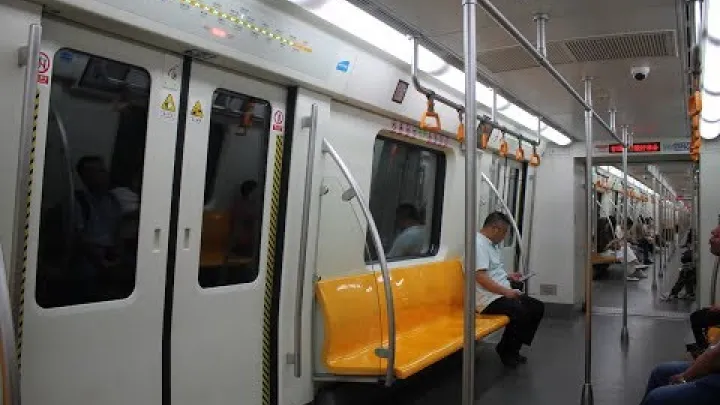
The metro can support budget-oriented plans linking areas such as Shenyang Station, Zhongjie Road, Beiling Park, and the Liaoning Provincial Museum. This does not mean every attraction is directly beside a station or that one fare covers the entire day. The distance between the station, accommodation, and venue can add walking, bus, or taxi costs.
Use the metro fare tiers as a fare snapshot, not as a permanent tariff. Check the current fare and service availability when planning a particular day, especially if a late return or a transfer to a station is important. The TravelChinaGuide fare summary is a useful starting point for estimating ordinary rides.
Buses and Taxis as Convenience Options
Buses can complement the metro for places outside the rail network and may keep a transport-heavy day inexpensive. This article does not assign one universal current bus fare because the applicable fare and payment process can depend on the service. Check the operator, transport app, or local information for the bus you intend to use.
Taxis or ride-hailing can be sensible when you have luggage, arrive late, face a poor public-transport connection, or travel with several people who can share the fare. They can also save time when a group is visiting several locations. The trade-off is a materially higher transport line than a metro-based plan, especially when multiple short rides are taken.
Price each taxi or ride-hailing segment separately. Record the expected pickup point, destination, number of travelers, luggage needs, and likely time of day. This is more accurate than hiding all car travel inside a generic daily transport average.
Set a Daily Local Transport Allowance
For a metro- and bus-heavy sightseeing day, about CNY 5–15 is a useful planning allowance. Add roughly CNY 20–60 or more for a day that includes taxis or ride-hailing, depending on the number and length of trips. These are planning tools derived from likely ride patterns, not fixed city tariffs.
For example, a day with three metro rides can often fit within the lower allowance based on the published CNY 2–4 fare tiers. A day with luggage, a late arrival, or two car segments needs a separate car budget and should not be compared directly with the public-transport example. Dense sightseeing, a hotel far from the main areas, poor connections, and late-night travel all push the transport total upward.
Airport or train-station transfers are separate from ordinary city transport. Add them as arrival and departure costs, and list intercity rail or flight legs separately if Shenyang is part of a wider Northeast China trip.
Attraction and Activity Costs in Shenyang
Shenyang offers a useful mix of paid imperial heritage sites, low-cost outdoor spaces, museums, shopping streets, and neighborhood exploration. A good activity budget alternates paid highlights with free or low-cost time.
Budgeting for Shenyang's Imperial Heritage Sites
Research snapshots provide provisional anchors for the main heritage sites. The Shenyang Imperial Palace is often planned at about CNY 60, the Zhaoling Mausoleum and park combination at about CNY 50, and Fuling Tomb at about CNY 40. Beiling Park entry is a separate low-cost item of about CNY 5 in the snapshot, and should not automatically be combined with the mausoleum or pavilion ticket.
One major paid site can add around CNY 40–60 to a day before transport. Two or more heritage sites can move the activity line toward CNY 100 or more. For example, a traveler visiting the Shenyang Imperial Palace and one mausoleum should not use a zero-activity budget simply because meals and metro rides are inexpensive.
The TravelChinaGuide Shenyang guide provides useful local sightseeing context, but the fee figures above are planning snapshots. They may not reflect current prices, discounts, ticket combinations, seasonal rules, or the exact entry product available on your date.
Free and Low-Cost Cultural Anchors
The Liaoning Provincial Museum is a research-backed free-admission option for a culture-focused day. Free entry does not always mean that a visitor can walk in without preparation. Ticket collection, a QR code, passport or other identification, reservation procedures, capacity controls, and opening hours may affect access.
Beiling Park can provide a low-cost outdoor option when you visit the park without purchasing the full mausoleum ticket. Zhongjie Road and Taiyuan Shopping Street are urban areas with no general admission charge, although food, shopping, transport, and optional activities still cost money. These areas can fill time between ticketed visits without adding another major entrance fee.
Think of free entry as a way to control the activity line, not as a zero-cost day. A museum or park visit still requires transport and may lead to spending on meals or shopping. If access depends on a reservation or identification check, include the time and procedure in the daily plan.
Mix Paid Sites with Free Activities
A low-cost cultural day can use an activity allowance of roughly CNY 0–60, while a day with one or two ticketed heritage sites may need CNY 40–110 or more. The lower band could cover a free museum and urban exploration, or a park visit with a modest entry fee. A single imperial site can use most of the allowance, while two mausoleums or paid venues require a higher limit.
Sample combinations include:
- Low-cost cultural day: Liaoning Provincial Museum, a park-only visit, and exploration around Zhongjie Road, with activity fees near CNY 0–5 before transport if access procedures allow.
- Single-site day: one major imperial attraction, with a provisional activity allowance of about CNY 40–60.
- Higher-spend heritage day: two or more paid mausoleum or palace sites, with an activity allowance around CNY 90–110 or more.
Before visiting, confirm the current ticket price, opening hours, reservation rules, discount conditions, and identification requirements in each venue's current official listing. This is especially important for international visitors, because a free or discounted ticket may still require a particular reservation or identity document. Alternating paid and free activities preserves the main cultural experiences while keeping the average activity cost closer to your selected daily band.
What Makes a Shenyang Trip More Expensive?
The biggest changes usually come from accommodation, convenience choices, dining habits, and the number of ticketed activities rather than from one standard city fee.
Peak Dates, Weekends, and Events
Accommodation is the budget category most likely to change during domestic holidays, school breaks, weekends, conferences, festivals, and other demand spikes. Public transport fares and many attraction fees may be less flexible, but a room can change the daily total substantially. The supplied price snapshots do not establish a precise Shenyang seasonal premium or a universal holiday surcharge.
Check the actual accommodation prices for your intended dates before committing to a daily budget range. Compare the same property, room type, occupancy, and cancellation conditions across a weekday, weekend, and any holiday or event period that affects your trip. Use the final payable total, not only the platform's average or starting price.
For a short trip, a date change can matter more than saving a few yuan on individual meals. If your schedule is flexible, compare the total cost of an extra night at a lower room rate with the cost of traveling on a peak date. Do not label a specific season or neighborhood the cheapest without comparable dates and room conditions.
Location, Comfort, and Convenience Choices
Several choices can push a Shenyang trip from one budget band to the next:
- Central or higher-category accommodation raises the room line, but may reduce travel time.
- Frequent taxis or ride-hailing can cost much more than metro rides, particularly for solo travelers.
- Repeated mid-range restaurant meals, premium coffee, imported alcohol, desserts, and nightlife increase food and discretionary spending.
- Multiple paid imperial sites on the same day increase the activity line even when the sites themselves have moderate individual fees.
Use one simple decision rule for each driver. Choose a metro-accessible room when regular public transport can replace several taxis. Choose a central room when a short visit makes travel time more valuable than the room premium. Choose one substantial restaurant meal and simpler meals on other occasions if dining is not a priority. Choose the heritage site that matters most and balance it with free cultural activities rather than buying every ticket automatically.
Concrete Ways to Save Without Removing the Main Experiences
Reduce avoidable spending by connecting each saving choice to a specific cost category:
- Accommodation: compare several dates and booking platforms, consider a hostel or simple guesthouse, and check whether a private room price is per room or per traveler.
- Location: choose a property near a useful metro station instead of paying automatically for the most central address.
- Transport: use the metro and buses for routine movement, then reserve taxis for luggage, late travel, poor connections, or a group sharing the ride.
- Food: mix inexpensive local meals with occasional restaurant visits. Set coffee, imported alcohol, shopping, and nightlife as separate discretionary categories.
- Activities: combine one paid highlight such as the Shenyang Imperial Palace, Zhaoling Mausoleum, or Fuling Tomb with the Liaoning Provincial Museum, Beiling Park, Zhongjie Road, or Taiyuan Shopping Street.
The goal is not to remove the experiences that brought you to Shenyang. It is to avoid paying a convenience premium in every category on the same day. A cheaper room near transport, one selected heritage ticket, and a mix of local meals can leave room for the experiences that matter most.
Shenyang Budget Planning Checklist
Once the daily pattern is clear, turn it into a trip total. Keep fixed costs separate from flexible daily costs so a short stay, a long stay, or a wider Northeast China itinerary can be adjusted easily.
Calculate a Total for Your Stay
Use this worksheet formula:
Total trip budget = accommodation per night multiplied by number of nights, plus food per day, local transport per day, activities, arrival and departure transfers, intercity travel, one-off expenses, and a personal buffer.
Complete the calculation in CNY first. Confirm whether each accommodation figure is per room or per traveler before multiplying it by the number of nights. Then convert the final total into your preferred currency using the exchange rate available when you make the calculation.
For full travel days only, the three daily bands scale approximately as follows:
- Three days: CNY 600–750 for budget travel, CNY 900–1,500 for mid-range travel, or CNY 1,800–2,700 for comfortable travel.
- Seven days: CNY 1,400–1,750 for budget travel, CNY 2,100–3,500 for mid-range travel, or CNY 4,200–6,300 for comfortable travel.
These examples do not include flights, intercity rail, airport or station transfers, visas, insurance, major shopping, or unusually expensive entertainment. A three-day booking may require three full-day allowances but a different number of room nights depending on arrival and departure times. Identify the largest fixed cost first, then set separate caps for food, transport, tickets, and optional spending.
Final Recommendations by Traveler Type
A budget traveler should prioritize a hostel dorm or simple room, inexpensive meals, public transport, and selective paid attractions. The CNY 200–250 daily range is most realistic when accommodation is shared or low-cost, taxis are limited, and free or low-cost cultural anchors balance paid sites.
A mid-range traveler can prioritize a private room, a controlled mix of local meals and restaurants, regular metro use, and one or two heritage attractions. CNY 300–500 per person per full day gives more flexibility, but room occupancy still matters. A private room priced per room should be divided between travelers when appropriate.
A comfortable traveler should allow for higher hotel costs, more sit-down dining, taxis when useful, and several paid activities. CNY 600–900 per person per full day is a practical planning band, but peak accommodation dates or premium choices can push the total higher.
Accommodation usually has the greatest effect on the final Shenyang trip cost, while metro fares, local meals, and free or low-cost cultural venues can help offset it. Use local price snapshots as planning evidence, not promises. Confirm live accommodation totals, attraction details, transport availability, and payment methods, then add arrival costs, intercity travel, shopping, and every other excluded expense before committing to your Shenyang travel budget.
Select area
Create a post
Posting is free and no registration is required.