Плажовете на Виетнам: Най-добри плажни дестинации и пътеводител

Vietnam beaches stretch along more than 3,000 kilometers of coastline, from misty northern bays to tropical southern islands. For international travelers, this means a wide choice of landscapes, climates, and price levels within one country. Whether you are a backpacker, a family, a couple, or a remote worker, you can use this overview to build a trip that fits your time, budget, and style.
Introduction to Vietnam Beaches for International Travelers
For many visitors, Vietnam beaches are a main reason to visit the country or an important part of a longer route that also includes cities and mountains. Because the coastline is so long, there is no single “best” strip of sand. Instead, there are many different beach zones, from lively city shores with high-rise hotels to small fishing villages and quiet bays. Understanding these differences helps you decide which area matches your expectations for scenery, comfort, and activities.

International travelers also appreciate that beaches in Vietnam are usually easy to combine with other highlights. You can spend a few days cruising among islands in Halong Bay, relax near Hoi An’s old town, or end a cultural trip in Hue or Hanoi with a week on Phu Quoc or in Nha Trang. This guide is designed to be simple to follow, with clear sections on regions, seasons, and travel styles so that you can quickly see how the beaches fit into your wider Vietnam itinerary.
Why Vietnam beaches attract travelers from around the world
Vietnam beaches attract global travelers because they offer variety, value, and access in one destination. The country’s long S-shaped coastline means you can find many types of beaches: calm bays with gentle waves, wide city beaches with promenades, surf-friendly stretches with stronger swell, and island coves framed by jungle. At the same time, there is usually a strong cultural element nearby, such as historic towns, pagodas, or fishing villages, so a beach holiday here rarely feels detached from local life.

Another strong reason people choose beaches in Vietnam over other regional options is the balance between price and quality. In many coastal areas, you can find budget guesthouses, mid-range hotels, and upscale resorts close to the same sand, which makes it easy for friends or families with different budgets to travel together. Backpackers often base themselves in places like Nha Trang or Mui Ne, where accommodation and food are affordable, while couples may favor quieter corners of Phu Quoc or Con Dao. Families tend to choose central hubs like Danang or An Bang near Hoi An, which offer pools, kids’ activities, and easy airport access.
Remote workers and long-stay visitors also benefit from this mix. Many beach towns now have decent internet, cafes, and longer-stay apartments, especially around Danang, Nha Trang, and Phu Quoc. Major coastal hubs such as Halong Bay in the north, Danang and Nha Trang in the center, Mui Ne on the southern mainland, and islands like Phu Quoc and Con Dao are well connected by domestic flights and buses. This level of access means you can land in Hanoi or Ho Chi Minh City and reach a beach within a few hours, often on the same day, which is important for travelers with limited vacation time.
When comparing Vietnam with other beach destinations in Southeast Asia, many visitors point to three main advantages: diversity of landscapes, the ability to add cultural excursions easily, and generally good value for accommodation and food. While some neighboring countries focus mostly on islands or on a small number of famous coasts, Vietnam offers a long chain of different regions that you can link together in one trip, each with its own climate and atmosphere. This diversity is why “best beaches in Vietnam” searches often lead to many very different suggestions rather than a single shortlist.
How this Vietnam beach guide is structured and how to use it
This guide is organized to help you move from a big-picture view to specific decisions about where and when to go. After this introduction, you will find an overview of Vietnam’s coastline that explains the main regions: northern bays, the central coast, southern mainland beaches, and offshore islands. Each region section highlights typical beach conditions, example destinations, and how many areas you can realistically combine on one trip. This gives you a mental map before you dive into detailed choices.
Following the overview, the article looks at the best Vietnam beaches by region, with separate sections for the north, central coast, south, and islands. These parts help you compare well-known places such as Halong Bay, Danang, Hoi An, Nha Trang, Mui Ne, Phu Quoc, and Con Dao. Next, you will see a group of sections focused on different travel styles, such as the most scenic beaches, quiet alternatives, family-friendly spots, and areas good for water sports, snorkeling, and diving. You can jump directly to these if you already know your priorities and want to match them to specific coastlines.
Because many people look for beaches close to the big cities, there is also a dedicated section about Vietnam beaches near Hanoi and near Ho Chi Minh City. These parts explain realistic travel times and what to expect from short break destinations. Another major section covers climate and the best time to visit Vietnam beaches, broken down into the same north, central, and south regions for easy comparison. This is important because the best months for Halong Bay are not the same as for Phu Quoc or Hoi An.
Finally, the guide includes practical tips on transport, typical costs, and beach safety, plus sample itineraries for one or two weeks. A Frequently Asked Questions block at the end answers common queries in a concise format, using simple language that is easy to translate. As you read, feel free to move between the regional descriptions, the climate section, and the travel-style sections. For example, if you find that your travel month is best for the central coast, you can then refer back to the parts on Danang, Hoi An, and Nha Trang to choose the exact beach that fits your style.
Overview of Vietnam Beaches and Coastline
Understanding the structure of Vietnam’s coastline will make it much easier to select the right beaches and plan a logical route. The country stretches from cooler, more seasonal weather in the north to warmer, tropical conditions in the far south. Along this line you will find many bays, peninsulas, river mouths, and islands that create different wave patterns, water clarity, and sand types. Some coastal cities grew as ports and later added beach tourism, while other areas started as resorts from the beginning.
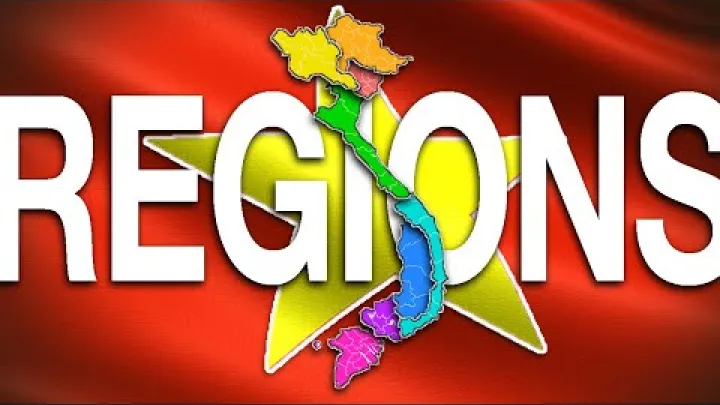
Because of this variety, Vietnam is often described as several beach regions rather than one single coastal strip. The north is dominated by the Gulf of Tonkin and the island-filled scenery of Halong Bay and nearby areas. The central coast has long sandy beaches and combines seaside time with important historical and cultural sites. The southern mainland offers both calm, family-friendly stretches and windy zones popular with kitesurfers. Meanwhile, islands like Phu Quoc and Con Dao sit off the southern coast in warmer waters, with their own seasonal patterns. Recognizing these broad zones will help you match your preferences and travel dates with the right part of the country.
Why Vietnam is a top beach destination
Vietnam is considered a top beach destination because it offers warm water, varied landscapes, and relatively affordable costs across many locations. In the north, places like Halong Bay provide dramatic scenery, where limestone islands rise from calm green water and small sandy pockets hide between cliffs. This is very different from the open-ocean beaches in the center, such as My Khe in Danang or An Bang near Hoi An, where you see long horizons and wide, walkable sand. Further south, Mui Ne and Phu Quoc bring a more tropical feeling, with palms, dunes, and often clearer water in the dry season.
The range of activities available at Vietnam beaches also adds to their appeal. In and around Nha Trang, visitors can take island-hopping boat trips, try snorkeling, or enroll in diving courses thanks to nearby reefs. Mui Ne is well known for kitesurfing and windsurfing due to consistent winds, while Phu Quoc and the Cham Islands near Hoi An are popular for relaxed snorkeling tours. Many coastal areas allow easy day trips to cultural or natural sites, such as visiting My Son Sanctuary from Hoi An or exploring sand dunes and fishing villages from Mui Ne. This mix means a beach holiday here can include much more than sunbathing.
Another advantage is accessibility. Major beach destinations are often just a short domestic flight from Hanoi or Ho Chi Minh City, or reachable by the north–south train line and long-distance buses. For example, Danang is a key air hub linked to both major cities, and it sits directly next to My Khe Beach and close to Hoi An, making it a common first coastal stop. Nha Trang and Phu Quoc have their own airports, while Halong Bay is typically reached by road from Hanoi in half a day. This network lets travelers with one or two weeks visit more than one coastal region without long, complicated transfers.
Cost is another factor where Vietnam often stands out. Many travelers find that even in popular beach towns, food, local transport, and mid-range hotels remain reasonably priced compared with some other global coastal destinations. Budget visitors can choose simple guesthouses or hostels near the beach, while those wanting more comfort have many resort and villa options. This flexibility helps Vietnam beaches appeal to a wide audience, from students to families and retirees.
Main coastal regions of Vietnam at a glance
For planning purposes, it is useful to divide Vietnam’s coast into four main regions: the north, the central coast, the southern mainland, and the offshore islands. Each has its own atmosphere, typical weather patterns, and level of development. Thinking of the country as a vertical strip, you can imagine starting in the north near Hanoi and Halong Bay, then moving down through the central coast around Hue, Danang, and Nha Trang, before reaching the southern beaches like Mui Ne and the islands in the far south-west and south-east.
Northern Vietnam’s coastline, centered on the Gulf of Tonkin, is characterized by cooler winters, warmer summers, and the famous karst seascapes of Halong Bay and neighboring bays. Beaches here, such as Bai Chay, Tuan Chau, and more remote islands like Quan Lan, often sit in sheltered water rather than facing the full open ocean. This makes the scenery special but means the beach experience feels different from wide surf beaches. The area is excellent for cruising and exploring caves and islands, but the beach season is shorter and water temperatures are cooler than in the south.
The central coast runs roughly from around Hue through Danang and Hoi An down toward Nha Trang and beyond. This region is known for long sandy beaches backed by mountains or low-rise towns, with My Khe in Danang and An Bang near Hoi An as popular examples. Water here is generally warmer than in the north and often suitable for swimming for much of the year, though the sea can become rough during the rainy season. The big advantage of the central coast is the combination of beach time with major cultural sites: Hue’s imperial citadel, Hoi An Ancient Town, and nearby historic temples are all within reach.
The southern mainland coast, including areas like Mui Ne, Phan Thiet, and further developing stretches around Quy Nhon and down toward Vung Tau, tends to have warm temperatures year-round. Some parts are calm and family-friendly, while others are windy and favored by kitesurfers and windsurfers, especially around Mui Ne. Beaches here can be very long, providing space even when visitor numbers are high, and there is a growing range of resorts and small hotels. This region is often reached overland from Ho Chi Minh City or by rail, making it a practical choice for those starting in the south.
Offshore islands such as Phu Quoc in the Gulf of Thailand and Con Dao in the East Sea offer a somewhat different experience again. Phu Quoc is one of the most popular island destinations in Vietnam, with a mix of lively areas on Long Beach and quieter corners like Sao Beach and Ong Lang. Con Dao is less developed and is known for its wilder, more natural beaches, diving sites, and sea turtle nesting in certain seasons. Smaller island groups, like the Cham Islands near Hoi An, are often visited as day trips for snorkeling rather than long stays. Because islands each have their own access logistics and weather details, they are usually best added at the start or end of a trip, rather than as short side excursions from distant regions.
When planning how many regions to include in a trip, travel time is a key factor. In about one week, most travelers combine one city and one nearby coastal region, such as Hanoi with Halong Bay, or Ho Chi Minh City with Phu Quoc or Mui Ne. With two weeks, it becomes realistic to link the north and center, or the center and a southern island, using domestic flights. Trying to visit all four coastal regions in a short trip can lead to rushed connections, so it is usually better to focus on two or three zones that match your interest and travel month.
Best Vietnam Beaches by Region
Once you understand the main structure of Vietnam’s coastline, it is helpful to look more closely at specific beach clusters within each region. Different parts of the country offer different combinations of scenery, activities, nightlife, and quiet corners. In this section, you will find a regional breakdown of key destinations, including examples of the best beaches in Vietnam for typical travelers and notes on how people usually include them in their itineraries.

The goal here is not to list every single beach, but to highlight representative places that show each area’s strengths. In the north, the focus is on Halong Bay and surrounding islands. The central coast includes Danang, Hoi An, Nha Trang, and Hue. The southern mainland covers Mui Ne and emerging coastal zones, while the island section introduces Phu Quoc, Con Dao, and nearby offshore spots. For each, you will see typical experiences, access routes, and basic pros and cons, helping you compare them side by side.
Northern Vietnam beaches and Halong Bay
Northern Vietnam’s main coastal highlight is Halong Bay and its neighboring bays, where thousands of limestone islands rise from relatively calm water. Beaches here are usually small and lie in sheltered coves or on the edges of islands, rather than as long open-ocean strips. This means that the classic way to experience these beaches is as part of a cruise or island stay rather than a simple “walk straight out of a big beach resort” setup. The atmosphere is more about dramatic views and boat journeys than about shoreline promenades.

Commonly visited beach areas include Bai Chay, which is the main tourist area on the mainland side of Halong City, and Tuan Chau Island, which connects to the shore by bridge and has a long, built-up beach. These are convenient and easy to reach from Hanoi, and they offer a mix of hotels, basic swimming options, and views over anchored boats. For a more natural feeling, travelers sometimes head to islands further out, such as Quan Lan and Ngoc Vung in Bai Tu Long Bay, where beaches can be wider and quieter with less surrounding construction.
Most international visitors combine Hanoi and Halong Bay in a single route, spending several days in the capital and then adding a one-, two-, or three-night trip to the coast. The road journey from Hanoi to the main Halong Bay ports usually takes several hours, depending on route and traffic. Many people choose organized tours that include transfers rather than arranging separate buses and boats, as this simplifies logistics and ensures smooth connections to cruises or specific island stays. Hanoi and Halong are also sometimes linked with Ninh Binh or Sapa in longer northern itineraries.
It is important to set realistic expectations about water temperature and weather in the north compared with central and southern Vietnam beaches. From roughly late autumn to early spring, northern coastal areas can be cool or even cold, especially with wind on the water. You may still enjoy the scenery from a boat or island lodge, but swimming will be less appealing than in the south. In summer months, temperatures rise and the sea becomes more comfortable for swimming, though humidity can be high and occasional storms may affect sailing schedules.
Fog and low cloud are another seasonal feature in Halong Bay, especially in late winter and early spring. While mist can create an atmospheric, mysterious view of the cliffs, it may reduce long-range visibility and impact photography. During periods of heavy rain or strong winds, authorities sometimes restrict or cancel boat departures for safety. When planning a trip here, it is wise to build a small buffer into your schedule and to understand that cruise itineraries can change due to weather. If your main goal is warm-water beach time, the north is usually best seen as a scenic add-on to the rest of the country’s coastline rather than the primary place to sunbathe.
Central coast beaches: Danang, Hoi An, Nha Trang, and Hue
The central coast is often considered the most balanced region for visitors who want both beach time and cultural exploration. Danang, Hoi An, Nha Trang, and Hue each offer a different mix of sand, city, and heritage, with relatively easy access via domestic flights and the north–south train line. This makes the central coast a natural choice for first-time travelers who want to see several sides of Vietnam while keeping travel distances manageable.

Danang is a large, modern city with a long urban beach, commonly called My Khe or simply Danang Beach, that stretches for many kilometers. Here you will find a wide range of accommodation from simple hotels to high-end beachfront resorts. The sand is broad and the water is usually suitable for swimming in the drier months, although waves can be strong on some days. Danang has an international airport, making it a convenient base. Many people stay on the beach but spend days or evenings visiting Hoi An, which is around an hour away by road.
Hoi An itself lies along a river slightly inland, so its beaches are a short drive or bike ride from the old town. The main beach areas are An Bang and, to a lesser extent, Cua Dai. An Bang has become a popular beach village with cafes, small hotels, beach clubs, and homestays, making it attractive for travelers who like a relaxed, walkable neighborhood but still want easy access to Hoi An Ancient Town. Cua Dai has experienced erosion in recent years, which affects the width and feel of the beach in some sections. When choosing a place to stay, it is worth checking recent traveler reports or hotel descriptions regarding the condition of the shoreline.
Nha Trang, further south along the central coast, is a city built directly along a large bay with a long, curved beach. The beachfront is lined with hotels, restaurants, and a promenade, creating a classic seaside city atmosphere. The bay’s islands help shelter the beach, and boat trips to surrounding islands offer snorkeling, simple diving, and swimming opportunities. Nha Trang is known for a livelier nightlife scene than Danang and Hoi An, which may appeal to some visitors and not to others. Families and couples can still find quieter hotels, especially slightly away from the busiest central strips.
Hue, historically the imperial capital, is not mainly a beach town but has coastal areas nearby. Thuan An Beach, for example, lies about a short drive from the city and offers a more local, low-key feel with longer, less crowded stretches. Travelers who base themselves in Hue usually focus on the citadel, royal tombs, and river scenery, adding a half-day or day at the beach if time and weather permit. The sea here can be rough at certain times, and local facilities are more basic than in Danang or Nha Trang, so it suits those wanting a simple, less commercialized atmosphere.
When choosing between these central destinations, it helps to think about your main priorities. Danang is best if you want a wide city beach with strong infrastructure and quick airport access, plus easy day trips to Hoi An and Ba Na Hills. Hoi An (An Bang) suits those who care more about atmospheric streets, lantern-lit evenings, and a smaller beach community. Nha Trang is a good fit if you enjoy a busy city with many hotels, nightlife options, and boat trips. Hue is ideal for history lovers who are happy with a shorter, simpler beach visit as a complement to cultural sights rather than as the core of their holiday.
Southern mainland beaches: Mui Ne and emerging coastal areas
The southern mainland coast, especially around Mui Ne and Phan Thiet, offers warm temperatures and a growing selection of beach stays within reach of Ho Chi Minh City. This region is known for long, sandy stretches and, in some areas, strong winds that attract kitesurfers and windsurfers. At the same time, there are quieter stretches and developing towns further north, such as around Quy Nhon, which are drawing visitors who prefer less crowded beaches and slower development.

Mui Ne and neighboring Phan Thiet form one of the best-known southern beach hubs. The area features a long, gently curving coastline with many resorts, guesthouses, and restaurants along the main road that parallels the shore. The wind conditions in certain months make Mui Ne one of the most famous kitesurfing beaches in Vietnam, with multiple schools and rental shops. Visitors can also explore nearby sand dunes, small fishing harbors, and viewpoints over the coast. For travelers who like an active scene with water sports and a range of budget and mid-range accommodation, Mui Ne is a practical choice.
A bit further along the coast, Hon Rom and other nearby areas offer long sandy beaches with fewer buildings and a more relaxed feel, though facilities may be more limited. North and south of Mui Ne, there are also smaller villages and beach sections where development is ongoing, meaning new resorts and cafes appear over time. Emerging destinations such as Quy Nhon and the surrounding bays have started to attract more attention due to their relatively quiet beaches, local seafood, and attractive landscapes. These places can be appealing for travelers who want to stay ahead of mass tourism, while still having enough services for a comfortable holiday.
However, like some parts of the central coast, certain stretches of the southern mainland, including parts of Mui Ne, are affected by coastal erosion and changing sea conditions. This can lead to narrower beaches in some seasons or sections where sandbags and coastal defenses are visible. While this does not mean the entire area is unsuitable for a beach stay, it is important to check recent photos and descriptions from your chosen hotel to understand the current state of the shoreline. Simple, clear information from accommodation providers can help set correct expectations and avoid disappointment.
In terms of access, Mui Ne and Phan Thiet are typically reached by road or train from Ho Chi Minh City. Travel times by car or bus are usually several hours, and the rail journey to a nearby station plus a short transfer can be a comfortable option. Emerging areas further north, like Quy Nhon, may require a combination of flights, trains, or longer bus rides, so they are more suitable for travelers with extra time and a flexible schedule. The level of development outside the main hubs can mean fewer international restaurants, limited nightlife, and a smaller range of English-language services, which some visitors see as a positive aspect of a more local experience.
Islands and offshore beaches: Phu Quoc, Con Dao, and beyond
Vietnam’s islands add another dimension to the country’s beach offerings, with Phu Quoc and Con Dao as the two main offshore destinations for international travelers. These islands sit off the southern coast and have warmer, more tropical conditions than much of the north. They offer a mix of long sandy beaches, smaller coves, and, in some areas, coral reefs suitable for snorkeling and diving. Because reaching them usually requires a separate flight or ferry, most visitors plan at least several days on each island to make the trip worthwhile.

Phu Quoc is the best-known and most developed island, located in the Gulf of Thailand. Its main beach, often called Long Beach, runs along the western coast and is home to many hotels, resorts, and restaurants. This area is convenient for sunsets, swimming in the dry season, and easy access to town and the airport. Sao Beach (Bai Sao), on the island’s south-east, is often mentioned among the most beautiful beaches in Vietnam due to its pale sand and clear water in good conditions, though it can be busier at peak times. Ong Lang in the north-west offers a more relaxed atmosphere along smaller bays and is popular with those seeking quieter stays.
Con Dao, a small archipelago off Vietnam’s south-east coast, has a reputation for quieter, more natural beaches. The main island has long, curved bays backed by hills and forest, with far fewer buildings than Phu Quoc. Many visitors come for a combination of beach time, diving, and learning about the islands’ complex history, as Con Dao was once used as a prison site. Certain beaches become important for turtle nesting at specific times of the year, and there are conservation-focused excursions that allow visitors to learn about and support protection efforts in regulated ways.
Besides these two main island groups, there are smaller offshore areas that you can visit on day or overnight trips. The Cham Islands, near Hoi An and Danang, are a common example. Boats from the mainland take visitors to these islands for snorkeling, simple beach time, and short hikes, and in some periods basic accommodation is available for overnight stays. In the Nha Trang area, several nearby islands also host resorts or day-trip beaches, adding variety to the main city shore. These smaller islands are usually best considered as add-ons to an existing central coast base rather than stand-alone destinations.
Ferries also connect Phu Quoc to the mainland in several places, but flight is often the quickest option for visitors on tight schedules. Con Dao is also reached mainly by domestic flight from Ho Chi Minh City or, less frequently, other hubs, with a much smaller airport and fewer daily connections. Ferries exist but can be long and subject to sea conditions. Because schedules and routes can change over time, it is best to keep your plans flexible until you confirm current transport options close to your travel dates.
Best Beaches in Vietnam for Different Travel Styles
Different travelers look for different things in a beach holiday, and Vietnam’s varied coastline can meet many of these preferences. Some visitors prioritize scenery and want to see what might be considered the most beautiful beaches in Vietnam. Others need quiet, uncrowded shores to relax, or family-friendly places with lifeguards, pools, and medical facilities nearby. Still others focus on water sports, snorkeling, and diving. This section organizes beach options by travel style to help you quickly find spots that match your needs.

While beach quality is always influenced by season, local development, and changing conditions, the examples here provide a starting point for planning. You will see beaches in Vietnam that are especially scenic, quieter alternatives to busy centers, resort bases that suit families, and coastlines with good conditions for kitesurfing, snorkeling, or scuba diving. By combining this information with the regional overview and climate section, you can build an itinerary that fits both your preferred season and your preferred style of coastal experience.
Most beautiful and scenic beaches in Vietnam
Many visitors search for the “most beautiful beach in Vietnam,” but beauty is subjective and can depend on weather, time of day, and personal taste. Instead of focusing on a single winner, it is more helpful to think about what makes a beach visually appealing and then look at several examples across the country. Common elements include soft, light-colored sand, clear or gently colored water, a clean shoreline, and attractive surroundings such as forested hills, rock formations, or limited visible construction.

Sao Beach (Bai Sao) on Phu Quoc is frequently mentioned as one of the most beautiful beaches in Vietnam because of its light sand and calm, shallow water in good conditions. When the weather is clear and winds are favorable, the sea can appear a delicate turquoise close to shore, and the bay is framed by low green hills. In Con Dao, beaches such as those on the main island’s curved bays offer a sense of natural simplicity, with forested slopes and fewer buildings adding to the scenic effect. Around Nha Trang, some islands and sheltered coves combine clear water with hilly backdrops and coral, particularly on days with good visibility.
On the central coast near Hoi An and Danang, An Bang and parts of My Khe can feel especially scenic in the early morning or late afternoon, when light is softer and the mountains in the distance become more visible. The long, open horizons and relatively unbroken sand lines can be striking, particularly outside the busiest segments. In the north, the small beaches hidden among Halong Bay’s islands may not be wide, but the contrast between sand, calm green water, and towering limestone cliffs creates a unique, memorable view that many travelers find beautiful in a different way from typical open-ocean beaches.
When evaluating whether a beach will match your personal idea of beauty, it can help to ask a few practical questions. Is there heavy construction directly behind the sand, or are buildings set back, allowing more natural scenery to dominate? Is the beach cleaned regularly, especially after storms that may wash debris ashore? What is the typical wave pattern during the season you plan to visit, and how does this affect water clarity and color? Considering these factors, rather than relying only on single photos taken on perfect days, will give you a more realistic idea of how a “beautiful beach” will feel when you arrive.
Quiet and less crowded beaches in Vietnam
For travelers who value peace and personal space, quiet beaches in Vietnam can be more appealing than famous resort strips. These calmer areas often have fewer large hotels, less nightlife, and more local housing or empty stretches of sand. The trade-off is usually a smaller choice of restaurants, limited evening entertainment, and sometimes fewer English-speaking services, so they suit visitors who are comfortable with a simpler style of travel.

In the central coast region, Doc Let Beach, located north of Nha Trang, is a commonly mentioned quieter alternative. It offers long, often less crowded sand with a more relaxed pace, while still being reachable from the city. Around Quy Nhon and nearby bays, several beaches remain relatively low-key, attracting travelers who enjoy a mix of local town life and wide, less developed coasts. On the islands, certain parts of Con Dao are naturally quiet due to limited accommodation and conservation rules, making them good choices for people who want restful surroundings and are happy with a smaller selection of services.
Even within more popular destinations, you can often find quieter corners by staying at the far ends of long beaches or choosing smaller villages slightly away from main centers. On Phu Quoc, for example, areas such as parts of Ong Lang or sections of Cua Can and the more distant stretches of Long Beach can feel more peaceful than the busy central zones. On the Mui Ne–Phan Thiet strip, accommodation located toward the less central parts of the coast or beyond the main cluster of kite schools may offer a calmer environment.
When deciding how remote you want to go, consider the balance between calm and convenience. Very quiet beaches might lack ATMs, hospitals, or a wide variety of food options, and transport connections can be less frequent. In such cases, it is wise to carry enough cash, confirm how to reach and leave the area, and accept that nightlife will be limited or non-existent. For many travelers, a good compromise is to split time between a busier, more connected base and a quieter spot, so they can enjoy both convenience and solitude during the same trip.
Family-friendly beaches and easy resort bases
Families with children often look for beaches that are easy to reach, have gentle waves, and offer reliable facilities near the sand. In Vietnam, several coastal areas stand out as family-friendly due to their combination of resorts, medical services, and relatively calm water in the right season. These places also typically have a range of restaurants, simple activities, and day trips suitable for different ages.
![Preview image for the video "TOP 5 НАЙДОБРИ семейни курорти във ВИЕТНАМ [2023, ЦЕНИ, ОТЗИВИ ВКЛЮЧЕНИ]".](/sites/default/files/styles/media_720x405/public/oembed_thumbnails/2025-12/gwmj0zUg30RtIFexG65yJlpv_mDs9SuDnFdkDCcdf1c.jpg.webp?itok=8QYZYxlw "Preview image for the video \"TOP 5 НАЙДОБРИ семейни курорти във ВИЕТНАМ [2023, ЦЕНИ, ОТЗИВИ ВКЛЮЧЕНИ]\".")
Danang’s main beach and nearby An Bang near Hoi An are common family choices. Danang has many hotels with pools, kids’ clubs, and direct beach access, plus a short transfer time from the airport. An Bang offers a smaller-scale village feel with cafes and homestays, while still being close to Hoi An Ancient Town for easy cultural outings. Nha Trang is another strong option, with a wide choice of family-oriented hotels, a long sandy city beach, and nearby islands that can be visited on short boat trips. On Phu Quoc, sections of Long Beach and some resorts on other coasts are designed with families in mind, offering shallow swimming areas, playgrounds, and organized activities.
When assessing whether a beach area is suitable for your family, look for amenities such as lifeguards (where present), clear flags or signs indicating safe swimming zones, and nearby hospitals or clinics. Many larger coastal cities like Danang, Nha Trang, and Phu Quoc town have medical facilities within reasonable distance. It is a good idea to confirm with your accommodation how close the nearest clinic is and what language support is available. For younger children, pools can sometimes be safer and easier to supervise than the open sea, especially on days with stronger waves.
Parents can also consider whether to stay in all-inclusive style resorts, where most food and activities are on-site, or in smaller hotels or apartments that allow more flexibility. All-inclusive resorts may be convenient, especially if your children prefer familiar meals and structured entertainment, but staying in town or in smaller properties can make it easier to try local restaurants and explore the area. Whichever option you choose, simple safety checks such as asking about currents, observing flag systems, and watching how locals and lifeguards use the water will help you make good decisions about when and where to swim.
Best Vietnam beaches for water sports, snorkeling, and diving
Vietnam offers a range of water sports along its coast, and different beaches specialize in different activities. If you are interested in kitesurfing, windsurfing, snorkeling, or scuba diving, it is worth choosing your base with these conditions in mind. The key is to match your skill level and preferred activity to the right destination, while understanding that weather and sea conditions can vary by season.

Mui Ne is widely known as the main kitesurfing hub in Vietnam. Its long beach, steady winds during much of the dry season, and established schools make it a popular place for both beginners and experienced riders. Nearby coastal areas may also offer good wind conditions, and several shops provide equipment rental and lessons. This area can become busy with water sports enthusiasts during peak months, which gives it a dynamic, active feel.
For snorkeling and diving, several regions stand out. Nha Trang has long been a center for scuba diving, with multiple dive shops and access to reefs and islands in the bay. Conditions suitable for beginners and more experienced divers can often be found, though visibility and water quality depend on season and weather. Phu Quoc provides snorkeling opportunities around some of its offshore islets, and simple boat tours are widely available. The Cham Islands, near Hoi An and Danang, are a common day-trip destination for snorkeling, especially in clear weather, while Con Dao is noted for more advanced diving experiences and, in some periods, better visibility and marine life.
If you are new to water sports or diving, choosing locations with established schools, professional guides, and clear safety briefings is important. Beginners often do well in places like Nha Trang or Phu Quoc, where there are many operators used to introducing first-timers to snorkeling or diving in relatively sheltered spots. More experienced divers or kitesurfers may prefer areas known for stronger conditions or deeper sites, such as parts of Mui Ne or Con Dao, but should still rely on local expertise to assess daily sea states.
Wherever you go, basic environmental care is essential. Avoid touching or standing on coral, do not handle starfish or other marine life, and follow all instructions from local operators regarding protected areas. Using reef-safe sunscreen, taking your trash back to shore, and not feeding fish help protect fragile ecosystems so that future visitors can enjoy healthy reefs and clear water. Responsible behavior in and around the water supports both conservation goals and the long-term quality of Vietnam’s coastal attractions.
Vietnam Beaches Near Major Cities
Many travelers base themselves in Hanoi or Ho Chi Minh City for work, study, or sightseeing and then look for quick escapes to the coast. While neither city is directly on a beach, there are several reachable options for short breaks or weekend trips. These nearby beaches are useful if you do not have time for long flights or train journeys but still want to swim, walk on sand, or experience coastal life.

The quality and atmosphere of these city-nearby beaches can differ from that of more distant resort areas. They may be busier on weekends and holidays, and some sections may be more oriented to local visitors than to international tourists. Weather patterns also affect how appealing they are at different times of year. The following sections outline realistic options near Hanoi and near Ho Chi Minh City, including approximate travel times and typical transport methods, so you can decide whether a short coastal break fits into your schedule.
Beaches near Hanoi, Vietnam
However, several coastal areas can be reached in a few hours by road, making them feasible for overnight trips or long weekends. The most commonly visited region is around Halong Bay and the neighboring cities and islands, which combine beaches with the bay’s well-known limestone scenery.

Bai Chay, across the bridge from Halong City, is one of the closest mainstream beach areas to Hanoi. It has a sizable sandy section, a promenade, and many hotels and restaurants geared toward tourists. Tuan Chau Island, connected to the mainland by road, also offers beach access, resorts, and entertainment facilities. While these beaches may not have the same open-ocean character as those further south, they are convenient places to swim and relax, especially when combined with a cruise among the islands.
For a more natural-feeling environment, some travelers head further into the bay region to islands like Quan Lan and Ngoc Vung in Bai Tu Long Bay. Reaching these involves a combination of road travel from Hanoi to a port such as Van Don or Cai Rong and then a boat ride to the islands. The journey can take most of a day, but the reward is often quieter, longer beaches with less intensive development. Another option is Do Son Beach near Hai Phong, a long-established coastal retreat for people from northern cities. It can be reached by road from Hanoi or via a combination of train and local transport.
Typical travel times from Hanoi to Halong Bay range from about two and a half to three and a half hours by tourist bus, minivan, or private car, depending on the route used. Organized tours often include round-trip transfers and a bay cruise, which may or may not include time on a beach. Travel to Do Son or the more remote islands can take a similar or longer amount of time when you include boat transfers. Because northern winters are cool and often cloudy, beach experiences near Hanoi are generally more pleasant from late spring to early autumn, with warmer water and more sunshine. During cooler months, these coastal areas are better suited to scenic and cultural visits than to classic beach holidays.
Beaches near Ho Chi Minh City (Saigon), Vietnam
Ho Chi Minh City (often still called Saigon) is closer to the sea than Hanoi, and there are several beach areas that residents and visitors use for short getaways. The nearest mainstream beaches are Vung Tau and Long Hai, which can be reached in a few hours by road or a mix of road and boat. Slightly further away, Mui Ne and Phan Thiet offer more extensive resort options and often better sand quality, making them popular for longer stays.

Vung Tau sits on a peninsula with multiple beaches facing different directions. It is one of the most accessible beaches in Vietnam from Ho Chi Minh City, with buses, minivans, and private cars making the journey in roughly two to three hours depending on traffic. At times, there has also been a ferry route that combines a river and coastal ride with a short road transfer. Vung Tau’s proximity makes it a typical weekend destination, so beaches can be busy on holidays, and the atmosphere is more urban and local compared to distant resort islands.
Long Hai and nearby coastal stretches, slightly further east along the coast, usually feel a bit calmer and less built-up than Vung Tau while still being within a similar travel time range. Several resorts here focus on relaxation, with gardens, pools, and direct beach access. For people based in Ho Chi Minh City who want a quick, low-effort break by the sea, these southern beaches are practical choices. However, the water and sand may not always match the clarity found in more remote regions like Phu Quoc or Con Dao, especially at certain times of year.
Mui Ne and Phan Thiet lie further north-east and generally require about four to five hours of travel by bus, car, or a combination of train and local transfer. The added distance brings rewards in the form of longer stretches of sand, more resort-style accommodation, and, in many months, better conditions for kitesurfing and other water activities. These areas are often chosen for stays of several days or more rather than quick weekends, as the journey is longer. They are also common stops on extended routes that continue up the central coast to Nha Trang and beyond.
When deciding which beach near Ho Chi Minh City suits your plans, consider trip length, crowd tolerance, and preferred atmosphere. For a one- or two-night break with minimal travel time, Vung Tau and Long Hai are straightforward. If you have a full week or more and want a more resort-focused environment, Mui Ne or further destinations like Phu Quoc or Con Dao (which require flights) may better match your expectations. Always allow extra time in your schedule for city traffic and possible delays when returning for flights or onward connections.
Climate and Best Time to Visit Vietnam Beaches
Because Vietnam stretches a long distance from north to south, its beaches experience different climate patterns. There is no single “best time” that applies to every coast and island. Instead, each region has its own dry and rainy seasons, cooler and hotter periods, and months when sea conditions are calmer or rougher. Understanding these differences is essential for planning a beach-focused trip that matches your preferred weather.

The aim is to give you an easy way to match your available travel dates with the regions that are likely to have the most comfortable beach conditions. While exact weather can never be guaranteed, and occasional storms or unusual patterns can occur, these general guidelines reflect typical year-to-year trends. Always check updated forecasts closer to your departure, but use the following information as a starting point.
Northern coast seasons: Halong Bay and the Gulf of Tonkin
The northern coast around Halong Bay and the Gulf of Tonkin has more pronounced seasonal changes than the tropical far south. Winters, roughly from December to February, are cooler, with air temperatures that can feel cold on the water and at night, especially when wind and humidity are high. During this period, skies can be overcast or foggy, and while cruises still operate, swimming and beach-lounging are less attractive. Spring, from March to May, usually brings milder and more comfortable conditions, with a mix of sunny and cloudy days and improving visibility.
Summer in the north, from June to August, tends to be hot and humid, with warm sea temperatures suitable for swimming. However, this period can also bring heavy showers, thunderstorms, and, occasionally, tropical storms that affect sailing schedules. During such events, authorities may cancel or shorten cruises, restrict routes, or temporarily close parts of the bay. Autumn, covering roughly September to November, is often considered one of the more pleasant times to visit, with warm but less extreme temperatures and a chance of clearer skies, though some storm risk can continue in early autumn.
For travelers who prioritize scenery over beach time, most months can work, as the limestone formations look impressive in many conditions. However, those who hope to swim from small bay beaches or from cruise stops will likely prefer the months from late spring through early autumn, when the water is warmer. Even during these times, it is important to understand that Halong Bay is more about the overall seascape and island experience than about long hours lying on wide beaches.
Fog and low cloud are more frequent in late winter and early spring, which can produce atmospheric views but limit long-distance visibility. When planning a cruise, it is wise to allow a little flexibility in case departures are delayed due to weather. Keeping expectations realistic about temperatures and conditions, and packing layers, will make a northern coastal trip more enjoyable, especially from late autumn to early spring when evenings and mornings can feel chilly compared with the south.
Central coast seasons: Hue, Danang, Hoi An, and Nha Trang
The central coast’s climate is more complex than a simple dry and rainy season, and it varies between sub-regions such as Hue, Danang, Hoi An, and Nha Trang. Generally, there is a period of drier, sunnier weather that many consider the best time for beach visits, and a wetter season when heavy rain, strong winds, and rough seas are more likely. Knowing these patterns helps you choose specific months and places that align with your beach goals.

For Hue, Danang, and Hoi An, the period from roughly March to August is usually the most favorable for beach holidays. During these months, temperatures are warm to hot, and there are often long stretches of sunshine. The sea is typically calmer and more suitable for swimming, although waves can still be strong at times. From around September or October through to January or early February, these areas can experience heavier rain, occasional flooding inland, and storm systems that bring rough seas and strong onshore winds. This can limit swimming and water sports, and some beach facilities may be partially closed during the worst weather.
Nha Trang, further south, has a slightly different pattern. It often enjoys good beach weather from around January through to August or even early September, with a drier period earlier in the year than the central cities to the north. The main rainy period in Nha Trang usually comes later in the year, often around October and November, when heavier rainfall and choppy seas can occur. As always, these month ranges are averages, and real conditions can vary from year to year.
For travelers planning a central coast trip, it can be helpful to align their route with these seasonal differences. If you visit Vietnam in spring or early summer, for example, you might enjoy a combination of Hue’s historical sites, Danang or An Bang’s beaches, and Nha Trang’s bay, with a good chance of favorable weather for all three. If your travel dates fall in the late autumn rainy season, you may still visit these cities for culture and food but focus less on beach time, or consider shifting some of your coastal stays to the south, where conditions may be more stable at that time.
Southern coast and island seasons: Mui Ne, Phu Quoc, and Con Dao
Southern Vietnam’s mainland beaches and islands, including Mui Ne, Phu Quoc, and Con Dao, are generally warm throughout the year. The main seasonal difference is between the drier months, when skies are clearer and seas tend to be calmer, and the wetter monsoon period, when heavy rain, wind, and waves are more common. For many travelers seeking a classic tropical beach holiday, the southern dry season is the most attractive time to visit.

Mui Ne and the surrounding southern mainland coast often have a pronounced dry season from roughly November to April, with plenty of sunshine and, in some months, strong and steady winds that support kitesurfing and other wind sports. The rainy season usually runs from around May to October, with higher humidity and more frequent showers, though there can still be sunny intervals. Even during the wetter months, certain days will be pleasant for walking and swimming, but sea conditions may be less predictable.
Phu Quoc’s best beach weather typically falls between November and April as well, when the island sees less rain and calmer seas. During this time, water is often clearer for snorkeling, and ferry or boat services are more reliable. From roughly May to October, the southwest monsoon can bring heavier showers, rougher seas, and temporary disruption to some boat routes. However, many visitors still travel during these months, accepting that some days may be wet and that swimming conditions can vary.
Con Dao has a similar general pattern, with a drier season that many consider ideal for sea conditions and diving, and a wetter period with more wind and waves. The specific months considered best for diving can vary based on local expertise and which sites you plan to visit, so it is worth checking with operators when planning specialized trips. Across all southern coasts, heavy rain or strong wind can cause short-term disruptions to ferries, flights, and some water activities, so allowing a little buffer in your schedule is wise.
Using a simple mental framework can help: if you plan to travel between roughly November and April, southern beaches and islands such as Mui Ne, Phu Quoc, and Con Dao often have favorable conditions, though individual months vary in heat and crowds. If your travel dates fall between May and October, particularly in the middle of this range, you may face more unsettled weather but can still enjoy many days of beach time, often with fewer visitors and lower prices. Always cross-check your specific month and region with current climate information when finalizing plans.
Practical Tips for Visiting Beaches in Vietnam
Beyond choosing destinations and seasons, practical details can strongly shape your experience of Vietnam’s beaches. Transport options, typical costs, and basic safety and etiquette all influence how relaxed and enjoyable your trip feels. Taking a little time to understand how people usually move along the coast, what kind of accommodation is common, and how to behave respectfully and safely will help you make the most of your holiday.

This section summarizes key logistical points in simple terms. You will find an overview of main transport modes between beach destinations, broad price ranges for accommodation, and suggestions for trip lengths. It also covers essential beach safety advice, local customs, and ways to reduce your environmental impact during your stay. The goal is to provide useful guidance that stays accurate over time, without depending on detailed schedules or specific providers that can quickly change.
Transport between Vietnam beach destinations
Traveling between Vietnam’s beach destinations is generally straightforward thanks to a mix of domestic flights, trains, and long-distance buses. The country has a main north–south railway line that connects major cities like Hanoi, Hue, Danang, Nha Trang, and Ho Chi Minh City, many of which are near the coast. Domestic flights link these cities to each other and to islands like Phu Quoc and Con Dao, while roads and buses fill the gaps, connecting smaller towns and beach areas that do not have airports or train stations.

Many travelers combine city visits with coastal stops using simple patterns. A common example is flying into Hanoi, spending a few days there, and then transferring by road to Halong Bay for a cruise or island stay. From there, they may fly onward to Danang for the central coast or return to Hanoi for international flights. Another popular route is to arrive in Ho Chi Minh City, travel overland to Mui Ne or take a flight to Phu Quoc, and then continue up the coast to Nha Trang or Danang by air or rail. The exact sequence depends on your arrival city, available time, and preferred pace.
When booking domestic flights, it is wise to allow buffer time between connections in case of delays, especially if traveling during the rainy or storm seasons. Trains offer a scenic, slower alternative along the central coast, with sections between Hue and Danang being particularly picturesque as tracks pass close to cliffs and sea views. Long-distance buses and minivans can be economical, but journey times may be longer than expected due to traffic and road conditions, so they suit travelers who prioritize budget over speed.
For islands, transport usually involves flights, ferries, or a combination of both. Phu Quoc and Con Dao primarily rely on air links, with ferries from the mainland also in operation for Phu Quoc and, at times, Con Dao. Schedules can change seasonally, and services may be suspended temporarily in bad weather, so it is best to confirm details close to the travel date and avoid planning tight same-day connections between ferries and international flights. Overall, keeping plans flexible and building some slack into your itinerary will help you cope calmly with any unexpected changes.
Typical costs, accommodation, and trip lengths
Costs at Vietnam beaches vary by region, season, and the level of comfort you choose, but overall many travelers find the country to be reasonably priced compared with other global beach destinations. Accommodation ranges from simple guesthouses and hostels to large resorts and boutique hotels. Food options include local street stalls, mid-range restaurants, and international dining, especially in larger coastal cities and popular tourist areas.
As a very broad guideline, budget travelers can often find basic rooms or hostel beds in many beach towns, while mid-range hotels and small resorts are widely available in hubs like Danang, Nha Trang, Mui Ne, and Phu Quoc. Higher-end stays, including villas and luxury hotels, are present in major destinations and on some islands. Prices tend to be higher during peak local and international holiday periods and in the most popular spots, while quieter areas and shoulder seasons can offer better value.
Common accommodation types include city hotels near urban beaches, seaside resorts with pools and direct sand access, homestays and guesthouses in smaller villages, and rental apartments or condos, especially in larger towns. In Danang, Nha Trang, and Phu Quoc, you will find many high-rise hotels and apartment buildings, which can be convenient for longer stays or remote work. In places like An Bang near Hoi An or quieter parts of Phu Quoc, low-rise guesthouses and boutique properties are more typical, offering a more intimate feel.
Typical trip lengths depend on how much of the country you plan to see. A long weekend or three- to four-night break from a city can work for nearby beaches such as Vung Tau or Halong Bay. For a one-week trip focused on Vietnam beaches, many visitors choose one main coastal base and perhaps a nearby city, such as Danang and Hoi An, or Ho Chi Minh City and Phu Quoc. With two weeks, you can comfortably combine two or three different coastal regions, for example Hanoi and Halong Bay, then Danang and Hoi An, and finally Nha Trang or Phu Quoc, allowing time for travel between them without feeling rushed.
Beach safety, local etiquette, and environmental care
Beach safety is an essential consideration wherever you travel, and Vietnam is no exception. While many beaches are safe for swimming in suitable conditions, there can be strong currents, changing wave heights, and seasonal storms. Paying attention to local advice, signage, and flags will help you understand when it is safe to enter the water. When red flags are displayed, or when lifeguards or local authorities advise against swimming, it is important to follow this guidance.
Not all beaches in Vietnam have lifeguards or clear warning systems, especially in more remote areas. In such cases, it is wise to observe the sea carefully before entering, avoid swimming alone, and stay close to shore. If you are unsure about conditions, asking hotel staff or local guides can provide useful, location-specific information. For children and weaker swimmers, supervised swimming in shallow areas or resort pools may be safer than open water, particularly on days with stronger surf.
Local etiquette around beaches is generally relaxed, but there are still customs to respect. Swimwear is normal on the sand and in the water in tourist areas, but it is polite to cover up with a shirt or dress when leaving the beach to visit shops, restaurants, or temples. In or near fishing communities, be mindful that boats and nets are tools of livelihood, so avoid blocking access, climbing on equipment, or disturbing work. When taking photos, especially of people, ask permission where possible and be sensitive to situations such as religious practices.
Environmental care is increasingly important as more visitors come to Vietnam’s coasts. Simple habits like avoiding single-use plastics, taking your rubbish with you, and using refillable water bottles reduce waste on the shore. When snorkeling or diving, never touch or stand on coral, and avoid handling marine animals like starfish or turtles. On dunes near places like Mui Ne, keep to marked paths to prevent erosion and damage to fragile vegetation. By following these basic guidelines, you contribute to the long-term health of the beaches and marine environments that make Vietnam such an appealing destination.
Sample Vietnam Beach Itineraries and Trip Planning Ideas
With many regions and beaches to choose from, building a simple, logical itinerary is one of the most helpful steps in planning your Vietnam beach trip. Thinking about how many days you have, when you are traveling, and what kind of atmosphere you prefer will shape which coasts you include and in what order. This section suggests sample one-week and two-week routes and offers guidance on how to choose beaches that match your personal travel style.
The ideas here are modular rather than strict schedules. You can shorten or extend each stop, substitute similar destinations, or add inland cities based on your interests and flights. The main aims are to reduce backtracking, align regions with favorable seasons, and ensure a comfortable rhythm of travel. Once you have a rough route in mind, you can fine-tune accommodation, transport, and activities using the earlier sections of this guide.
One-week and two-week Vietnam beach-focused itineraries
For travelers with about one week, combining a major city with a nearby beach is often the most practical approach. One common itinerary pairs Hanoi with Halong Bay: you might spend three or four nights in Hanoi exploring the Old Quarter, museums, and street food, then two or three nights on a Halong or Bai Tu Long Bay cruise or on a nearby island. This route gives you a mix of urban culture and dramatic coastal scenery, though beach time is more limited and water temperatures will depend strongly on the season.
Another one-week option is to focus on the central coast. You could fly into Danang, spend several nights on or near My Khe Beach, and make day trips to Hoi An and possibly Hue. Alternatively, you might stay in An Bang village and travel into Hoi An town for evenings, with one or two nights in Danang or Hue to round out the trip. For those arriving in Ho Chi Minh City, a one-week itinerary might include a couple of days in the city followed by several days on Phu Quoc or Mui Ne, depending on whether you prefer an island or mainland beach base.
With two weeks, it becomes realistic to combine multiple coastal regions along with one or two major cities. A classic route starts in Hanoi, includes Halong Bay, then continues by flight to Danang for time in Hoi An and on the central beaches. From there, you could fly or take the train to Nha Trang for more beach time and boat trips, and finally continue to Ho Chi Minh City for your departure. Another two-week plan could focus on central and southern coasts: arrive in Danang, explore Hoi An and Hue, then fly to Ho Chi Minh City before moving on to Mui Ne and finishing on Phu Quoc or Con Dao.
When sequencing stops, think about regional weather patterns. For example, if you visit during months when the central coast is at its driest, it makes sense to maximize time around Danang, Hoi An, and Nha Trang. If your dates fall in a period that is wetter in the center but favorable in the south, you might reduce central beach days and extend stays in Mui Ne or on southern islands. Also consider that flights between some coastal cities and islands may not run every day, so you may need to adjust the order of your destinations to match existing routes rather than planning in a straight geographical line.
How to choose the right Vietnam beaches for your travel style
Choosing the right Vietnam beaches starts with a few simple questions about your preferences and constraints. Ask yourself what type of atmosphere you enjoy most: do you want lively city beaches with many restaurants, bars, and activities, or quiet coves with minimal development? Are you traveling on a tight budget, a mid-range plan, or are you looking for higher-end resorts? Are you mainly interested in swimming and relaxing, or do you also want nightlife, cultural day trips, or specific sports like kitesurfing or diving?
Families may prioritize gentle waves, shallow areas, and nearby medical facilities, leading them toward places like Danang, An Bang, Nha Trang, or certain parts of Phu Quoc. Couples seeking peaceful, scenic beaches might lean toward quieter corners of Phu Quoc, parts of Con Dao, or less crowded stretches near Quy Nhon or Doc Let. Those who prefer nightlife and a wide range of dining and entertainment options may be happier in Nha Trang or in the busier zones of Mui Ne and Phu Quoc. Travelers focused on water sports will likely look at Mui Ne for kitesurfing and at Nha Trang, Con Dao, Phu Quoc, or the Cham Islands for snorkeling and diving.
Another key factor is your travel month. Before finalizing a shortlist of beaches, compare your dates with the climate section of this guide. If you are traveling in months that are usually wet and stormy in one region, consider shifting your focus to another part of the coast where conditions are more stable at that time. For example, if your trip falls in a period when the central coast often experiences heavy rain, you might emphasize southern islands or the southern mainland instead.
To avoid feeling overwhelmed, it can help to narrow your options to two or three main coastal bases. For instance, you might choose “Danang or Hoi An” for the central coast, “Nha Trang or Quy Nhon” for a central-southern option, and “Phu Quoc or Con Dao” for an island stay. Compare these pairs using criteria like cost, crowd level, travel time, and available activities, then decide which best matches your priorities. Remember that you can still adjust your plan slightly after arrival if domestic flights and accommodation availability allow, so leave a little room for flexibility.
Frequently Asked Questions
This section answers common questions about Vietnam beaches in a concise format. It covers typical topics such as which beaches are best for first-time visitors, the best time of year to travel, and how to reach coastal areas from major cities. The answers are based on usual patterns and conditions, but local variations can always occur.
Use this FAQ together with the earlier sections on regions, seasons, and transport for complete planning. For example, if you read an answer about beaches near Ho Chi Minh City, you can then refer back to the regional and climate sections to see when to go and what to expect from the weather. The questions here are designed to be straightforward so they can be easily understood and translated into other languages.
What are the best beaches in Vietnam for first-time visitors?
The best beaches in Vietnam for first-time visitors are usually Phu Quoc, Nha Trang, Danang, and An Bang near Hoi An. These areas combine good sand, clear water in the right season, and strong infrastructure with many hotels, restaurants, and simple transport links. Phu Quoc and Nha Trang are ideal for classic beach holidays, while Danang and An Bang work well if you also want cultural visits to Hoi An Ancient Town or, in Danang’s case, easy side trips to Hue.
When is the best time of year to visit Vietnam’s beaches?
The best time to visit Vietnam’s beaches varies by region, but many travelers enjoy coastal trips between roughly November and April. Southern beaches and islands like Mui Ne, Phu Quoc, and Con Dao often have their best weather in this period. The central coast around Danang and Hoi An is usually most suitable for beach time from about March to August, while Halong Bay’s more comfortable months for cruising and limited beach visits are often from April to June and from September to November.
Which Vietnam beaches are closest to Hanoi and how do I reach them?
The closest popular beach areas to Hanoi are around Halong Bay, Bai Chay, and Tuan Chau, along with islands such as Quan Lan and Ngoc Vung. You can reach the Halong area in about two and a half to three and a half hours by tourist bus, minivan, or private car from Hanoi. From the port, you may continue by cruise boat or local ferry to specific beaches or islands. Do Son Beach near Hai Phong is another option, reached by road or by train plus a short local transfer, though it is more of a regional seaside town than a major international resort area.
What are the nearest beaches to Ho Chi Minh City and how far are they?
The nearest major beaches to Ho Chi Minh City are Vung Tau and Long Hai, which are usually about two to three hours away by road, depending on traffic and the exact starting point. Some routes also combine a ferry with road transport. Mui Ne and Phan Thiet are further, taking roughly four to five hours by car, bus, or train plus a short transfer from the station. Vung Tau and Long Hai are most convenient for short trips, while Mui Ne and Phan Thiet often offer better sand and a more resort-focused environment for longer stays.
Are Vietnam’s beaches good for swimming and is the water clean?
Many of Vietnam’s main tourist beaches are suitable for swimming and generally have clean water, especially during their best seasons. Islands like Phu Quoc and Con Dao, and bay areas like Nha Trang, often have good conditions, particularly away from major river mouths after heavy rain. However, water quality and clarity can change after storms or during certain times of year, and some city beaches may experience short-term pollution or litter. It is always wise to swim in marked areas with lifeguards when available, avoid the sea on red-flag days, and follow local advice about conditions.
Which beaches in Vietnam are less crowded and more peaceful?
Less crowded beaches in Vietnam include parts of Con Dao, Doc Let north of Nha Trang, and several coastal stretches near Quy Nhon. Some sections of Phu Quoc, such as quieter ends of Long Beach, parts of Ong Lang, or Cua Can, can also feel more peaceful than the busiest resort zones. Visiting outside major local holiday periods and avoiding weekends can help you find calmer conditions even in well-known areas. Keep in mind that quieter beaches often mean fewer services, restaurants, and entertainment options.
Where are the best places in Vietnam for snorkeling and diving?
The best places in Vietnam for snorkeling and diving include Nha Trang, Phu Quoc, the Cham Islands near Hoi An, and Con Dao. Nha Trang has several dive centers and access to reefs around nearby islands, making it a popular spot for both beginners and certified divers. Phu Quoc offers snorkeling boat trips to small islets, while the Cham Islands are common day-trip destinations for snorkeling from Hoi An and Danang. Con Dao is known for more natural dive sites and, in suitable seasons, can have good visibility and diverse marine life.
Is Vietnam a good beach destination for families with children?
Vietnam is a good beach destination for families with children due to its warm water, many calm beaches, and wide range of family-friendly hotels and resorts. Danang, An Bang near Hoi An, Nha Trang, and Phu Quoc are popular choices because they offer shallow swimming areas in the right season, pools, kids’ clubs, and access to medical services. Parents should still supervise children closely in the water, pay attention to local flags and safety advice, and choose beaches with lifeguards where possible.
Conclusion and Next Steps for Planning Your Vietnam Beach Trip
Main takeaways about Vietnam beaches
Vietnam offers a full range of beach experiences along its long coastline, from lively city shores like Nha Trang and Danang to quiet islands such as Con Dao and more remote coves near Quy Nhon or Doc Let. Northern areas like Halong Bay emphasize dramatic seascapes and cruising, the central coast combines long sandy beaches with important cultural sites, the southern mainland provides both calm family stretches and windy sports hubs, and islands like Phu Quoc and Con Dao add tropical, often more secluded options.
Matching your chosen region and timing is crucial. Climate patterns differ between the north, center, and south, and each has its own best months for swimming, sunbathing, or cruising. Your personal travel style also plays a big role: families, backpackers, couples, and water sports fans may prefer different bases even in the same area. By using the regional breakdown, seasonal overview, and travel-style sections together, you can identify a small set of beaches that realistically fit both your preferences and your travel dates.
Even a short visit to Vietnam can include at least one beach and one cultural destination, such as Hoi An and An Bang, Hanoi and Halong Bay, or Ho Chi Minh City and Phu Quoc. Longer trips allow you to link several coastal regions using domestic flights, trains, and buses. With a clear understanding of the country’s coastal structure and typical conditions, you can design an itinerary that makes the most of Vietnam’s diverse and often beautiful beaches.
How to continue researching and refining your Vietnam beach itinerary
After forming an initial idea of where and when to go, useful next steps include checking current flight routes, confirming seasonal patterns for your specific month, and reading recent traveler reports for your shortlisted beaches. Flight and ferry connections to islands like Phu Quoc and Con Dao can change over time, and local conditions such as erosion or temporary construction may affect individual beach sections, so updated information is valuable.
Comparing two or three main beach areas using criteria such as cost, atmosphere, and available activities can clarify your choices. For example, you might weigh the livelier city setting of Nha Trang against the quieter island feel of Phu Quoc, or decide between staying in Danang or An Bang for central coast access. Reviewing safety and etiquette tips will help you prepare for local norms, while simple environmental care practices support the communities and ecosystems that make these coastal regions attractive.
Vietnam’s beach regions are flexible enough that itineraries can often be adjusted even after arrival, within the limits of transport availability and seasonal weather. By combining a clear plan with a willingness to adapt, you can enjoy a rewarding coastal journey that fits your interests and respects the natural and cultural environments along the way.
Изберете зона
Създайте публикация
Публикуването е безплатно и не е необходима регистрация.