Vung Tau Travel Guide: Beaches, Stays and Transport

This Vung Tau travel guide is for first-time visitors who want a practical coastal break in southern Vietnam without overcomplicating the trip. Vung Tau is close to Ho Chi Minh City, easy to reach by road, and popular with domestic weekend travelers who come for beach time, seafood, viewpoints and evening walks. It is not the most remote or pristine beach destination in Vietnam, but it is one of the most convenient seaside escapes from the city. This guide explains where to stay, when to go, how to get there, what to do, what to eat, and how to plan safely and realistically.
Start Here: Is Vung Tau Right for Your Trip?
Vung Tau works best when you understand what kind of destination it is. It is a compact coastal city with urban beaches, hills, seafood restaurants, cafes, religious landmarks and a strong weekend atmosphere. The right expectations will help you enjoy it more.
What Vung Tau Is Best For
Vung Tau is best for travelers who want an easy beach break from Ho Chi Minh City rather than a long journey to a remote island or resort area. Its strengths are convenience, variety and local energy. In one short trip, you can walk along Front Beach, swim or relax near Back Beach, visit a hill viewpoint, eat seafood, try banh khot and spend the evening near the waterfront.
The city has a practical seaside character. It is built for real local weekends as much as for international tourism. That means the experience can feel lively, crowded, informal and very Vietnamese, especially on Saturdays, Sundays and public holidays. If you enjoy watching how domestic travelers spend a beach weekend, Vung Tau can be more interesting than a quiet resort town.
How Long to Stay
A day trip is possible if you only want a quick look at the beach, a meal and perhaps one viewpoint. It can be tiring because you still need to account for travel time in both directions and traffic around Ho Chi Minh City. A day trip is best for travelers with limited time and simple goals.
One night is a better minimum for a relaxed visit. It gives you time to arrive without rushing, enjoy the late afternoon by the sea, eat seafood in the evening and visit a viewpoint the next morning. For most first-time visitors, two to three nights is the ideal range. That gives enough time for Back Beach, Front Beach, Vung Tau Lighthouse, Christ of Vung Tau, local food and slower cafes without filling every hour.
Weekdays and weekends can feel like different trips. Midweek stays are usually calmer, while weekends bring more domestic visitors, more energy and potentially higher demand for hotels and restaurants.
When to Choose Another Beach Destination
Vung Tau is strongest for convenience, seafood, viewpoints, local beach culture and short itineraries from Ho Chi Minh City. If those priorities match your trip, it can be very rewarding. If you want a long beach holiday with postcard-perfect scenery every day, consider saving Vung Tau for a short stop and planning your main beach time elsewhere in Vietnam.
How Vung Tau Is Laid Out and Where to Stay
Vung Tau sits on a coastal peninsula shaped by beaches, hills and curving roads. For visitors, the most useful way to understand the city is by comparing Front Beach, Back Beach, Ha Long Road and the quieter slopes around Pineapple Beach. The best area depends on whether you value convenience, sand, views, nightlife, family comfort or a calmer stay.

Front Beach for City Convenience and Sunset Walks
Front Beach is the harbor-facing, city-center side of Vung Tau. It is useful for travelers who want restaurants, cafes, ferry access, evening walks and an easy base for city exploration. The promenade and waterfront setting make it a pleasant area for sunset, people-watching and low-effort evenings.
Front Beach is usually better for atmosphere and convenience than for a classic long swimming beach experience. If your priority is walking to restaurants and being close to the older city center, it is a strong choice. If your priority is waking up beside a longer sandy beach, Back Beach may suit you better. A visitor-area comparison by Nomadic Notes also highlights Front Beach and Back Beach as two of the main practical areas for visitors.
Back Beach for Sand, Swimming and the Resort Strip
Back Beach is the main beach area for many travelers. Hotels, apartments, restaurants and tourist services are found along or near Thuy Van Street, making this side of the city convenient for beach-focused stays. It suits families, groups and first-time visitors who want easy access to sand without needing transport every time they go outside.
The trade-off is atmosphere. Back Beach can be busy, especially on weekends and public holidays, and some parts of the beachfront can feel active rather than quiet. If you are sensitive to noise, check your hotel’s exact location and recent guest comments carefully. A property that looks close to the beach on a map may still differ in comfort depending on road crossings, nearby nightlife, construction or traffic.
Ha Long Road and Pineapple Beach for Quieter Views
Ha Long Road is a scenic coastal corridor connecting important beach and viewpoint areas. Around Pineapple Beach and the nearby slopes, the mood can feel calmer and more view-focused than the busier parts of Back Beach. This area can appeal to couples, quiet-stay travelers and visitors who like coastal scenery more than beachfront crowds.
The practical caveat is access. Staying on or above the slopes can mean more reliance on taxis, ride-hailing or motorbike transport. Walking may be less comfortable in heat, with luggage, with young children or for travelers with mobility concerns. This area is best if you are comfortable trading immediate convenience for a more scenic base.
Choosing the Best Base for Your Travel Style
The best place to stay in Vung Tau depends on your daily rhythm. Do not choose only by distance on a map. Short distances can feel longer in heat, rain, traffic or when roads are not pleasant for walking. Check whether your accommodation is close to the specific beach, food area or transport point you plan to use most.
| Traveler type | Best base | Why it works |
|---|---|---|
| First-time visitors | Front Beach or Back Beach | Easy orientation, services and transport |
| Beach-focused travelers | Back Beach near Thuy Van Street | Most convenient for sand and beachfront activity |
| Quiet-stay travelers | Ha Long Road or Pineapple Beach area | Better views and a calmer setting |
| Weekend visitors | Near planned meals or beach area | Reduces short taxi rides during busy periods |
| Food-focused visitors | Front Beach or central streets | Good access to cafes, seafood and local snacks |
Best Time to Visit Vung Tau
Weather matters in Vung Tau, but crowd timing matters just as much. Because the city is close to Ho Chi Minh City, weekends and holidays can shape the experience even when the weather is good.
Dry Season, Rainy Season and Heat
Southern Vietnam generally has a drier season and a wetter season, though weather can vary from year to year. The drier months are usually more reliable for beach time, outdoor walks and viewpoints. Rainy periods can still be enjoyable, but you should plan with flexibility because showers may interrupt beach plans or make hill routes less comfortable.
Heat and humidity are year-round considerations. A Vung Tau weather overview from Evivatour describes the late-year to early-year period as a busy and generally favorable time, but travelers should still check current forecasts close to departure. For comfort, plan beaches, climbs and long walks early in the morning or later in the afternoon.
Weekends, Holidays and Crowd Planning
Vung Tau is a popular short break from Ho Chi Minh City. This has a direct effect on hotel prices, restaurant waits, beach space and traffic. A quiet weekday beach can feel much more active on a weekend evening. If you want better value and a slower atmosphere, consider traveling from Monday to Thursday.
If you plan to visit during a Vietnamese public holiday or peak domestic travel period, book accommodation earlier and keep your schedule simple. Popular seafood restaurants, beach areas and return transport can be busier than usual. Avoid planning a tight return to Ho Chi Minh City before an international flight unless you have a generous time buffer.
Weather-Smart Beach and Viewpoint Timing
For Back Beach, Front Beach walks, Vung Tau Lighthouse and the Christ of Vung Tau climb, timing can make the difference between an enjoyable outing and an exhausting one. Early morning is often the most comfortable time for exercise and photography. Late afternoon is better for softer light, cooler conditions and sunset walks.
Bring sun protection, water and comfortable footwear, especially if you plan to climb steps or walk along sloping roads. During rainy periods, keep a flexible list of indoor or low-effort alternatives such as cafes, markets or a long seafood lunch. Avoid exposed viewpoints during storms or when conditions look unsafe.
Getting to and Around Vung Tau
The most common starting point for international travelers is Ho Chi Minh City. Vung Tau is close enough for a short trip, but transport time still depends on traffic, departure point, weather and the option you choose.
Bus and Minivan Travel from Ho Chi Minh City
Road transport is one of the easiest ways to reach Vung Tau from Ho Chi Minh City. Buses and minivans run between the two cities, and some services may offer convenient pickup or drop-off points. Travel time is often around a few hours, but it can increase during rush hour, weekends or holiday periods.

For fare and timing context, Redbus lists Ho Chi Minh City to Vung Tau bus travel at around 2 hours 30 minutes, with fares shown from a low-cost range that can change by operator and date. Treat any fare or schedule as current only for the booking moment. If you are arriving at Tan Son Nhat International Airport, allow extra time to reach your departure point in Ho Chi Minh City traffic.
Book earlier for weekends if your timing is fixed. For a more relaxed trip, avoid leaving Ho Chi Minh City at the exact time many residents are starting a weekend break. On the return, choose a departure that gives you a buffer before trains, flights or fixed appointments.
Ferry, Private Car and Other Transfer Choices
Ferries and private cars can also be useful depending on your budget, luggage and schedule. A ferry can be a scenic way to approach Vung Tau when services are operating normally, but boat schedules, fares, pier details and weather-related disruptions should be checked directly with current operators before you plan around them.
A private car or arranged transfer is usually the most convenient choice for families, groups, heavy luggage or travelers who want door-to-door comfort. It costs more than a bus or shared minivan, but it reduces the need to navigate departure stations. If your trip is short, the extra convenience can be worth it.
| Option | Best for | Main caution |
|---|---|---|
| Bus or minivan | Budget travelers and regular departures | Traffic can change travel time |
| Ferry | Scenic approach when operating | Check current schedules and weather |
| Private car | Families, groups and luggage | Higher cost than shared transport |
Local Transport: Walking, Taxis, Ride-Hailing and Motorbikes
Vung Tau is compact enough for selected walks, especially along the beach promenades and central areas. However, heat, hills, traffic and sudden rain can make walking less comfortable than it looks on a map. Use walking for short, pleasant routes rather than assuming the whole city is best explored on foot.
Taxis and ride-hailing are practical choices for many first-time visitors, although availability and app coverage can change. Ask your accommodation for current local advice if you are unsure. For short rides between Front Beach, Back Beach, Ha Long Road and viewpoints, a car or motorbike ride can save energy.
Motorbike rental is best left to confident riders who understand Vietnamese traffic conditions and local road behavior. If you are not experienced, use taxis or arranged transport instead. Narrow roads near viewpoints, parking issues and unfamiliar rules can make casual riding more stressful than expected.
Best Things to Do in Vung Tau
The best Vung Tau itinerary combines beach time, viewpoints, food and a few local culture stops. The city is not only about lying on the sand. Its hills, seafront roads and daily street life are part of the appeal.
Beaches and Seaside Promenades
Back Beach is the easiest choice for a traditional beach outing, especially if you stay near Thuy Van Street. It is the place to consider for swimming, sand and an active beachfront scene. Before swimming, check local conditions, flags or signs if present, and be cautious after heavy rain or when waves look stronger than expected.
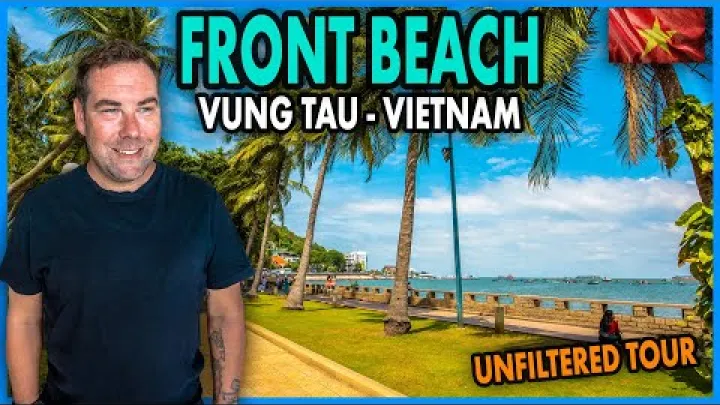
Front Beach is better for strolling, sunset views, cafes and city atmosphere. It is a good first stop after arrival because it helps you understand the harbor-facing side of Vung Tau. Pineapple Beach and nearby coastal spots are better for quieter views than for a full-service beach day. Instead of ranking the beaches, match them to your mood: Back Beach for sand, Front Beach for evening walks, and Pineapple Beach for calmer scenery.
Vung Tau Lighthouse and Hilltop Views
Vung Tau Lighthouse is one of the city’s most useful orientation points. From the hill area, you can better understand how Front Beach, Back Beach, Small Mountain, Big Mountain and the coastal roads fit together. It is a strong choice early in your trip because the view helps make the city feel more readable.
Access may involve a winding road, walking, taxi or motorbike depending on your route and current conditions. Go early or late to avoid the hottest part of the day. Wear shoes with grip, carry water and be careful on narrow roads where vehicles and pedestrians may share space.
Christ of Vung Tau and Religious Sites
Christ of Vung Tau is one of the city’s major landmarks and a well-known viewpoint. It is also a religious site, so treat it with respect rather than only as a photo stop. Dress modestly, speak quietly where appropriate and follow posted rules for access, climbing and photography.
Vung Tau and the wider Ba Ria-Vung Tau province also have temples, festivals and spiritual traditions that add cultural depth to a beach trip. Indochina Charm Tours notes the Nghinh Ong Thang Tam Vung Tau Festival as one of the area’s spiritual tourism events. If you plan around a religious festival or specific site, check current dates, visitor rules and crowd expectations before you go.
Museums, Markets and Everyday Local Culture
Markets, museums, fishing activity and city walks add useful context beyond the beach. These stops are especially good if you have two or three nights, if rain interrupts your beach plans, or if you enjoy everyday local scenes. A short market visit can also help you understand the city’s seafood culture before you sit down for a larger meal.
Do not try to fill your schedule with every minor attraction. Vung Tau is more enjoyable when you leave time for slow walks, coffee breaks and unplanned meals. Choose one or two cultural stops, then balance them with the beach and viewpoints.
What to Eat and Where to Go at Night
Food is one of the best reasons to visit Vung Tau. Seafood is central, but the city is also known for simple local snacks, cafes and casual evening routines by the water.
Seafood Meals and Ordering Tips
Seafood is a core part of the Vung Tau experience. You may find restaurants where seafood is chosen from tanks, trays or displays, with prices based on weight. This can be enjoyable, but first-time visitors should order carefully.
Before agreeing to a dish, confirm the price, unit of measurement and cooking method. This is especially important for higher-cost items such as crab, lobster, large fish or shellfish sold by weight. If you are unsure, ask for a written price or use a translation app. A simple meal of grilled or steamed seafood can be excellent, but it is easy to spend more than expected if you order without checking.
Banh Khot and Local Snacks
Banh khot is one of the local dishes most strongly associated with Vung Tau travel. These small savory pancakes are often made with rice batter and topped with shrimp or other ingredients. They are usually eaten with herbs, lettuce and dipping sauce, making the meal fresh, crisp and easy to share.
Popular banh khot shops can be busy, especially during meal times and weekends. Rather than searching for a single “best” restaurant, look for a clean, active place with clear prices and steady turnover. If you have dietary restrictions, ask about shrimp, pork, fish sauce and shared cooking surfaces.
Cafes, Evening Walks and Weekend Nightlife
Vung Tau evenings can be simple and pleasant. Many visitors spend the night walking near Front Beach, sitting in cafes, eating seafood or enjoying the breeze along the waterfront. This low-effort style suits families, couples, solo travelers and older visitors.
Nightlife is generally more active on weekends and near tourist beach areas. If you want quiet sleep, avoid booking directly above busy restaurants, bars or major beachfront roads unless recent reviews suggest soundproofing is good. If you want more energy, staying near Back Beach or central entertainment areas can reduce the need for late-night transport.
Costs, Safety and Practical Planning
Vung Tau can be a good-value short break, but costs vary by timing and travel style. Weekday hotel rates, simple meals and shared transport can keep the trip affordable, while weekend hotels, private transfers and large seafood meals can raise the total quickly.
Typical Costs and Booking Timing
The biggest cost drivers are accommodation timing, transport choice and seafood ordering. Midweek hotel stays are often better value than peak weekends, especially near Back Beach or popular central areas. If your schedule is flexible, compare several dates before booking.
Meals can range from simple local snacks to expensive seafood feasts. Budget separately for seafood rather than assuming every meal will cost the same. Local transport inside Vung Tau is usually manageable for short rides, but costs add up if you stay in a scenic area and need transport for every meal or beach visit.
Book earlier for public holidays, long weekends and large travel periods. For ordinary weekdays, you may have more flexibility, but popular beachfront rooms and well-reviewed apartments can still sell out.
Safety, Health and Beach Precautions
Use normal city and beach precautions in Vung Tau. Keep valuables secure, avoid leaving phones or bags unattended on the sand, and be alert when crossing roads. Traffic can be unpredictable for visitors who are not used to Vietnam, so cross carefully and avoid distracted walking.
For swimming, check local conditions before entering the water. Be cautious after heavy rain, when waves are strong, or when you do not see other swimmers nearby. Use sun protection, drink water and take breaks during the hottest hours. Food hygiene is also important: choose busy places with good turnover, and be careful with raw or undercooked seafood if you have a sensitive stomach.
Before traveling to Vietnam, check current entry rules, health guidance and travel advice from official government sources relevant to your passport. Requirements can change, and general travel guides should not replace current official information.
Simple Itinerary Ideas for One to Three Days
A good Vung Tau itinerary should not feel rushed. Build your plan around heat, weather and return transport. Leave enough time for slow meals and flexible beach stops.
| Trip length | Suggested rhythm | Best for |
|---|---|---|
| Day trip | Arrive, see Front Beach, eat seafood, visit one viewpoint, return | Travelers short on time |
| One night | Beach or promenade, seafood dinner, morning viewpoint, banh khot | Relaxed first taste |
| Two to three nights | Back Beach, Front Beach, lighthouse, Christ of Vung Tau, markets and cafes | Most first-time visitors |
For a day trip, keep expectations modest and choose one main attraction beyond the beach. For one night, plan your best beach or promenade time for late afternoon and your climb or viewpoint for the next morning. For two to three nights, alternate active periods with slow meals, cafes and evening walks so the trip feels like a coastal break rather than a checklist.
Conclusion: Plan Vung Tau Around Your Priorities
Vung Tau is a convenient, lively and practical beach city for travelers who want a short escape from Ho Chi Minh City. It is best for seafood, urban beaches, hill viewpoints, local weekend atmosphere and easy planning. Choose Front Beach for convenience, Back Beach for sand, and Ha Long Road or Pineapple Beach for quieter views.
The key is to plan around your priorities. Travel midweek for calmer conditions, book early for weekends and holidays, check current transport and weather details, and keep your itinerary flexible. With realistic expectations, Vung Tau can be a rewarding first coastal stop in southern Vietnam.
Select area
Create a post
Posting is free and no registration is required.