Vung Tau Getting There: Bus, Ferry & Airport Transfers

Vung Tau getting there is usually simple once you understand the main gateway: Ho Chi Minh City. Most travelers arrive first at Tan Son Nhat International Airport or in central Ho Chi Minh City, then continue to Vung Tau by road or fast ferry. There is no need to plan around a direct commercial flight or mainline train into Vung Tau for normal travel. This guide compares airport limousine vans, city buses, private transfers, taxis, ferries, regional road links, and onward ferry planning for Con Dao.
Start Here: The Main Gateways to Vung Tau
Vung Tau sits on the coast of Ba Ria-Vung Tau Province in South East Vietnam. It is close enough to Ho Chi Minh City for a beach weekend, business trip, or short coastal extension, but it works differently from destinations with their own major airport or railway station.
Why Ho Chi Minh City Is the Usual Entry Point
For most international and domestic travelers, Ho Chi Minh City is the practical entry point for Vung Tau. Tan Son Nhat International Airport has the flight connections, while Ho Chi Minh City has the largest choice of onward road and ferry services. After landing or arriving in the city, travelers usually continue to Vung Tau by shared limousine van, intercity bus, private car, taxi, or high-speed ferry.
For normal trip planning, do not assume that you can fly directly into Vung Tau or take a mainline passenger train directly to the city. If you are coming from Hanoi, Da Nang, Nha Trang, or another Vietnamese city, the usual pattern is to reach Ho Chi Minh City first, then take the final leg to Vung Tau.
This makes Vung Tau an easy coastal add-on rather than a standalone air or rail gateway. The main planning decision is not which airport to use, but which final transfer from Ho Chi Minh City best matches your arrival time, budget, luggage, and tolerance for traffic or sea conditions.
Fast Comparison of Road, Ferry, and Private Transfer Options
The best route to Vung Tau depends on where you start in Ho Chi Minh City. If you are landing at Tan Son Nhat Airport, an airport limousine van is often the simplest balance of price and convenience. If you are already staying near central Ho Chi Minh City, buses, limousine vans, and the fast ferry are all realistic choices.
| Option | Best for | Typical strengths | Main cautions |
|---|---|---|---|
| Airport limousine or shared bus | Arrivals at Tan Son Nhat | Direct, frequent, affordable | Pickup point, luggage rules, and drop-off vary |
| City bus or limousine van | Travelers already in Ho Chi Minh City | Good value and many departures | Traffic can change travel time |
| Fast ferry | Scenic travel from central Ho Chi Minh City | Avoids road congestion and uses the river route | Schedules and weather require checking |
| Private car or taxi | Families, groups, late arrivals, heavy luggage | Door-to-door and flexible | Costs more; confirm tolls and final price |
| Motorbike | Experienced riders only | Independent and flexible | Traffic, weather, fatigue, and route rules matter |
Use travel times and prices as ranges rather than fixed promises. Traffic on the way out of Ho Chi Minh City, weekend demand, public holidays, weather, and operator changes can all affect the trip.
From Tan Son Nhat Airport to Vung Tau
If your flight lands in Ho Chi Minh City and you want to go straight to the coast, you can usually avoid spending a night in the city. The main choices are a shared airport limousine or bus, a private transfer, or a taxi-style intercity ride.
Airport Limousine Vans and Shared Buses
Shared limousine vans and airport buses are a common direct option from Tan Son Nhat International Airport to Vung Tau. They are popular because they remove the need to travel into central Ho Chi Minh City first. Depending on the operator, the vehicle may leave from a signed meeting point at or near the terminal, a nearby office, or a pickup area outside the airport.
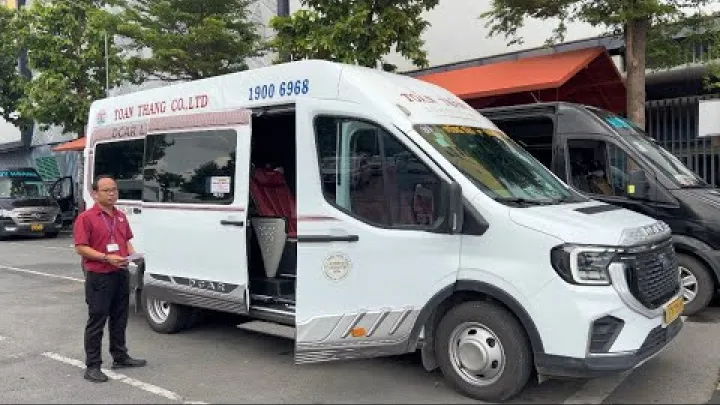
Aggregator listings show that this route can be frequent, with multiple operators and indicative travel times of around three hours in normal conditions. For example, VeXeRe lists airport-to-Vung Tau limousine services with numerous daily trips, but exact operators, departure points, and times should be checked when you book.
Fares for shared vans are often in the low hundreds of thousands of VND, but prices can change by company, seat type, booking channel, peak date, and drop-off arrangement. Some services may offer hotel drop-off in Vung Tau, while others may stop at a company office or fixed point. Do not assume every van has the same luggage allowance, seating comfort, Wi-Fi, or door-to-door service.
Before paying, confirm the terminal or pickup point, the meeting instructions, how long the company will wait if your flight is delayed, the final drop-off in Vung Tau, luggage limits, and whether the fare includes any transfer from the terminal to the vehicle. If your flight arrives late or you need immigration and baggage time, leave a generous buffer before the scheduled departure.
Private Airport Transfers and Late-Night Arrivals
A private car or prearranged airport transfer makes sense if you arrive late at night, travel with children, carry large luggage, or want a simple door-to-door trip after a long flight. It is usually more expensive than a shared bus or limousine van, but it gives you control over the departure time and avoids uncertainty about finding the correct pickup point.
If you use a taxi or ride-hailing service, confirm before departure that the driver accepts the full intercity trip to Vung Tau. Do not assume that every city driver wants to make the journey, especially late at night or during busy periods. Ask about tolls, waiting time, luggage, and whether the quoted price is fixed or meter-based.
For tired arrivals, a clearly quoted transfer can be worth the extra cost. It reduces the chance of misunderstandings at the airport and gives you a direct route to your hotel near Front Beach, Back Beach, or another area of Vung Tau. If you are price-sensitive and arriving during the day, a shared limousine van is usually the better value.
From Ho Chi Minh City to Vung Tau by Road
Road travel is the default choice for most visitors because it is frequent, relatively affordable, and less vulnerable to weather cancellations than sea travel. The road route is also practical from many parts of Ho Chi Minh City, not only from the airport.
Intercity Buses and Limousine Services from the City
From central Ho Chi Minh City, you can choose standard buses, larger coaches, or upgraded limousine vans. Standard buses are usually the budget option. Limousine vans cost more but often offer fewer seats, more comfortable seating, and more convenient pickup or drop-off arrangements.
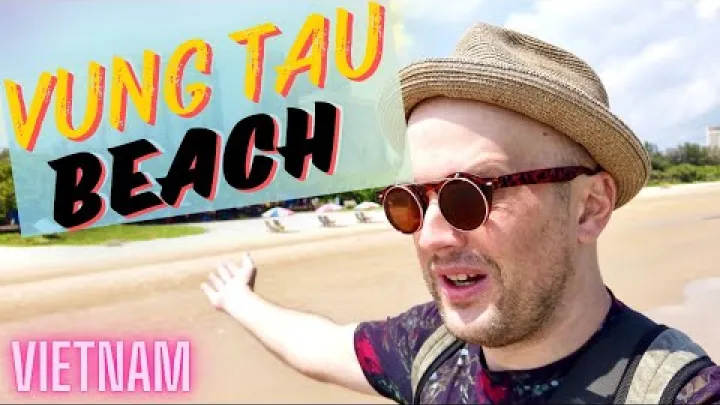
Online platforms can help you compare departure points, classes, and prices. Bookaway lists Ho Chi Minh City to Vung Tau bus options with indicative starting prices and multiple departures, but live availability and final fares should be checked close to travel time.
Booking channels include operator offices, bus stations, hotel desks, travel agencies, phone or messaging apps, and transport aggregators. A hotel or guesthouse can be useful if you do not speak Vietnamese, because staff may help confirm the pickup point and final stop. Direct operators may have the freshest operational details, while aggregators are convenient for comparing several companies in one place.
Do not treat all road services as identical. Some vehicles stop at fixed offices in Ho Chi Minh City and Vung Tau. Others may offer limited hotel pickup or drop-off. Some target local commuters, while others target tourists and business travelers. Weekends, Vietnamese public holidays, Tet, and peak beach periods can fill seats quickly, so advance booking is wise if your timing is not flexible.
The Expressway and National Highway 51 Corridor
The main road geography from Ho Chi Minh City toward Vung Tau usually involves leaving the city toward the east, using the Ho Chi Minh City-Long Thanh-Dau Giay Expressway corridor where appropriate, and continuing toward Ba Ria-Vung Tau through National Highway 51 or connected routes. This corridor is one reason road travel can be efficient compared with older, slower routes.
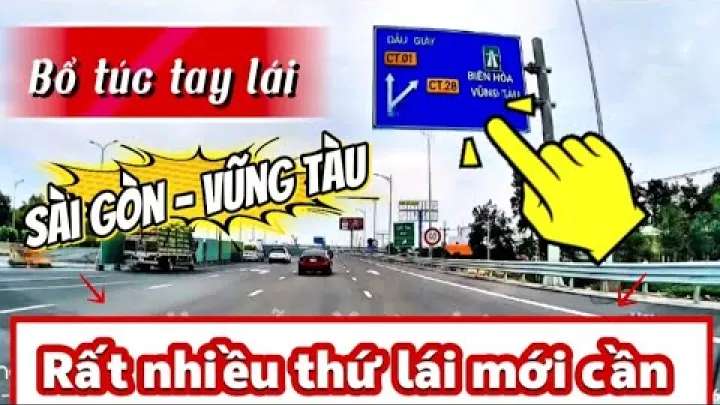
Local reporting has described the Ho Chi Minh City-Long Thanh-Dau Giay Expressway as an important connection reducing travel time toward Vung Tau and Dong Nai Province. Tuoi Tre News notes the expressway route from Ho Chi Minh City through Long Thanh toward Dau Giay, which helps explain the road corridor used by many vehicles heading toward the coast.
Even with improved roads, travel time varies. Leaving from Tan Son Nhat Airport is different from leaving from District 1. Morning traffic, evening traffic, rain, road works, toll queues, and holiday congestion can all change the journey. Vehicles may also follow different routes depending on pickup points, operator offices, and final stops in Vung Tau.
After the expressway section, vehicles generally continue through the Ba Ria-Vung Tau area before reaching the Vung Tau peninsula. If your booking says Vung Tau, confirm whether the final stop is central Vung Tau, a company office, a hotel drop-off zone, or a point closer to Ba Ria.
Taxis, Ride-Hailing, and Motorbike Travel
Taxis and private cars are the most flexible road options. They can pick you up at a hotel, airport, office, or apartment and take you directly to your accommodation in Vung Tau. This is especially useful for families, small groups, people with heavy luggage, or travelers arriving outside normal bus times.

The trade-off is cost. Intercity taxi and ride-hailing prices can change with demand, tolls, waiting time, and driver availability. Before you leave, confirm the full destination, whether the driver will complete the intercity route, the price basis, and how tolls are handled. If there is a language barrier, show the address in Vietnamese and keep the hotel phone number available.
Motorbike travel is possible for experienced riders, but it is not the best default for most international visitors. The route involves urban traffic, high-speed road sections or route restrictions, weather exposure, and fatigue. If you are not confident riding in Vietnam, choose a bus, limousine van, ferry, or private car instead. If you do ride, check current route rules, avoid riding tired after a flight, and plan for rain or heat.
From Ho Chi Minh City to Vung Tau by Fast Ferry
The fast ferry is the scenic alternative to road travel. It can be a memorable way to leave Ho Chi Minh City because the route uses river and coastal waterways rather than highways.
Saigon River Ferry Basics
The high-speed ferry between Ho Chi Minh City and Vung Tau is best for travelers who want a scenic trip and have enough schedule flexibility. It can reduce exposure to road traffic, especially if you are already near the departure pier in central Ho Chi Minh City. The experience may be more pleasant than a road transfer for some travelers, but it is not always the most reliable default.
GreenlinesDP is a key operator associated with the Saigon to Vung Tau high-speed ferry route. Its schedule page asks passengers to contact the operator for the latest Saigon-Vung Tau schedule, which is a strong reminder to verify details directly before travel. Check the latest information through GreenlinesDP before planning a ferry-dependent itinerary.
When the ferry is operating for your date, confirm the departure pier, check-in time, fare, luggage rules, and arrival point in Vung Tau. Ben Nha Rong Port and the Saigon River are common reference points in traveler discussions, but you should rely on the current ticket or operator instruction rather than memory or an old online post.
The ferry may have fewer daily departures than buses and can be affected by weather, technical changes, demand, or port arrangements. It is a strong choice for a relaxed daytime journey, but road transport is usually safer if you must arrive by a specific time.
Schedule Checks, Weather, and the Can Gio Question
Ferry schedules are more changeable than road services. Weather, water conditions, seasonal demand, maintenance, and operator decisions can all affect departure times or availability. This matters if you are connecting to a flight, a long-distance bus, or an onward island ferry.
The Can Gio to Vung Tau question needs caution. Some travelers look at Can Gio as a possible alternative route, but available online information can conflict or show no current service. Direct Ferries indicates that there are currently no ferries running between Can Gio and Vung Tau on its listing, while also noting that ferry schedules can change seasonally.
If you want to build an itinerary through Can Gio, verify the route locally with the ferry operator, your accommodation, or a local tourism office before committing. Do not book a tight onward plan that depends on an uncertain ferry. Your backup should usually be road transport through Ho Chi Minh City or another confirmed route.
Arriving from Other Parts of Vietnam
Vung Tau is easy to combine with other Vietnam destinations, but the connection usually runs through Ho Chi Minh City. This is true whether you are coming from the north, central coast, Mekong Delta, or nearby regional hubs.
Flights, Trains, and Long-Distance Buses via Ho Chi Minh City
If you are coming from Hanoi, Da Nang, Nha Trang, Hue, Phu Quoc, or another major Vietnamese destination, the simplest plan is usually to reach Ho Chi Minh City first. From there, continue to Vung Tau by airport limousine, city bus, fast ferry, taxi, or private transfer.
Flying to Tan Son Nhat International Airport is usually the fastest national connection. Trains can bring travelers to Saigon Railway Station, and long-distance buses can arrive at major Ho Chi Minh City terminals or company offices. After arrival, you still need to allow time for the onward Vung Tau leg.
Build a buffer between separate tickets. A delayed domestic flight, slow baggage claim, late train, or traffic between a bus terminal and your Vung Tau pickup point can cause missed connections. If you arrive late in the evening, decide in advance whether you will continue by private transfer or stay overnight in Ho Chi Minh City.
Regional Road Links through Ba Ria and Bien Hoa
Vung Tau is also connected by road to regional hubs such as Ba Ria, Bien Hoa, and Dong Nai Province. These links are useful for business travelers, residents, and visitors combining Vung Tau with nearby industrial areas, coastal towns, or family visits in South East Vietnam.
English-language information for regional buses and shared services may be limited. Some routes are better confirmed through local operators, hotel staff, transport offices, or Vietnamese-language booking channels. If you are not starting in Ho Chi Minh City, ask specifically whether the service goes to Vung Tau city, Ba Ria, Cat Lo, or another nearby point.
For regional travel, the main risk is not distance but clarity. A service that appears to go toward Ba Ria-Vung Tau Province may not stop near your accommodation in Vung Tau. Save your destination in Vietnamese, keep your phone charged, and confirm the final stop before boarding.
Vung Tau as a Gateway to Con Dao
Some travelers use Vung Tau as a staging point for Con Dao, the island district off southern Vietnam. This can be a useful extension, but it should not distract from the main task of reaching Vung Tau itself.
When to Add the Con Dao Ferry to Your Plan
Add Con Dao only if you have enough time and flexibility for a separate sea crossing. Ferries to islands require separate schedule checks, tickets, luggage rules, and identity-document requirements. These details can change more often than the Ho Chi Minh City to Vung Tau road route.
Vung Tau-related ferry planning may involve local ports such as Cat Lo Pier or onward arrival points such as Ben Dam Port on Con Dao, depending on the current operator and route. Do not rely on old schedules, old vessel names, or secondhand timing information. Check the operator instructions for your exact travel date and arrive early enough for check-in.
If your only goal is to visit Vung Tau, you do not need to plan around Con Dao at all. Treat Con Dao as a separate island trip with its own transport risk and booking process.
Why Ferry Buffers Matter
Sea crossings are more vulnerable to weather and operational changes than road transfers. A ferry delay can affect the rest of your itinerary, especially if you need to return to Ho Chi Minh City for an international flight.
Avoid scheduling a tight flight connection after a ferry-dependent leg. If you are returning from Con Dao through Vung Tau and then continuing to Ho Chi Minh City, consider adding a buffer night or several extra hours. This is especially important during unsettled weather or peak travel periods.
Flexible bookings and backup routes reduce stress. If the island ferry changes, you need time to adjust the Vung Tau to Ho Chi Minh City transfer and any onward travel.
Booking and Arrival Practicalities
Good transport choices are not only about the route. They also depend on clear booking details, realistic timing, and knowing what to confirm before you depart.
Where to Book and What Details to Confirm
You can book Vung Tau transport through direct operators, online aggregators, hotels, local travel agencies, or sometimes at transport offices on the day of travel. Each method has a trade-off. Direct operators may provide the freshest pickup instructions. Aggregators make comparison easier. Hotels can help with language barriers and local confirmation.
Before paying, confirm the pickup point, terminal or pier, departure time, arrival point, luggage rules, payment method, refund or cancellation policy, and whether hotel pickup or drop-off is included. If the pickup is near Tan Son Nhat International Airport, check whether it is at Terminal T1, Terminal T2, a parking area, a nearby office, or a shuttle meeting point.
Save the Vietnamese names of your destination, hotel, port, or bus office offline on your phone. Screenshots are useful if mobile data is weak. Keep your booking confirmation and operator phone number easy to find, especially if you are arriving late or connecting from a flight.
Costs, Peak Periods, and Traveler Traps
As a general pattern, buses and shared limousine vans are the most budget-friendly options. Ferries may be comparable or slightly higher depending on date and class. Private transfers cost more but can be good value for families or groups. Island ferries to Con Dao are a separate cost category and should be planned independently.
Local operator information can give a useful price sense, but it changes. For example, the Hoa Mai page has shown indicative limousine fares in the hundreds of thousands of VND for Ho Chi Minh City and Vung Tau routes, but social media prices should always be reconfirmed before travel.
Demand rises on weekends, public holidays, Tet, and summer beach periods. During these times, better seats and convenient departure times may sell out earlier. Booking fees, peak pricing, and operator changes can also affect the final price.
Avoid buying tickets from unmarked touts or people who cannot clearly explain the company, vehicle, departure point, and final stop. Use official offices, verified platforms, or trusted accommodation desks. If a taxi or private car quote seems unclear, ask for the full route and price before loading luggage.
Choosing the Best Route for Your Travel Style
If you are landing at Tan Son Nhat International Airport and want a direct, affordable transfer, choose an airport limousine van or shared bus. This is usually the best balance for solo travelers and couples arriving during normal operating hours.
If you are already staying in Ho Chi Minh City and prioritize frequency and value, choose a city bus or limousine van. This is the most practical option for many travelers because departures are frequent and road services are less weather-dependent than ferries.
If you are staying near central Ho Chi Minh City, want a scenic journey, and have schedule flexibility, choose the fast ferry. It is especially appealing for travelers who prefer the Saigon River route and do not want to sit in road traffic. Avoid it for tight schedules unless the current schedule and conditions are confirmed.
If you are traveling with children, heavy luggage, older relatives, or a small group, choose a private transfer. It costs more, but the convenience can outweigh the price difference. If you get seasick easily, have a late arrival, or need to reach a specific hotel without transfers, road transport is usually better than the ferry.
Frequently Asked Questions
Does Vung Tau have an airport?
For normal visitor planning, use Tan Son Nhat International Airport in Ho Chi Minh City. Vung Tau is not usually reached by scheduled commercial passenger flights, so most travelers continue from Ho Chi Minh City by road or ferry.
What is the best way to get from Tan Son Nhat Airport to Vung Tau?
An airport limousine van or shared bus is usually the best balance of convenience and price. Choose a private transfer if you arrive late, have heavy luggage, or want door-to-door service.
Is there a ferry from Ho Chi Minh City to Vung Tau?
Yes, high-speed ferry services have operated between Ho Chi Minh City and Vung Tau, but schedules can change. Check the current operator schedule, pier, fare, and check-in time before travel.
Should I book Vung Tau transport in advance?
Advance booking is recommended for weekends, Vietnamese public holidays, Tet, summer beach periods, and late-day arrivals. For weekday travel, seats may be easier to find, but checking ahead still reduces stress.
Can I travel from Vung Tau to Con Dao?
Some travelers use Vung Tau as a staging point for Con Dao ferry travel, but island routes require separate schedule, ticket, luggage, and document checks. Add a buffer because sea crossings are more weather-sensitive than road transfers.
Final Planning Checklist
Before You Book and Before You Depart
Most travelers should plan to arrive via Ho Chi Minh City, then choose between road transport and ferry based on timing, budget, comfort, and flexibility. Airport limousine vans are usually the easiest option from Tan Son Nhat, while buses and limousine vans from the city are the practical default for many visitors.
- Confirm whether your pickup is at the airport terminal, a nearby office, a bus station, a hotel, or a pier.
- Check the latest departure time, fare, luggage allowance, and final drop-off point.
- Verify ferry schedules close to travel day, especially in bad weather or before a flight connection.
- Book earlier for weekends, Tet, public holidays, and peak beach travel periods.
- Save Vietnamese place names, booking confirmations, and operator phone numbers offline.
- Keep a backup road option if your trip depends on a ferry or late-night connection.
Vung Tau is one of the easier coastal destinations to reach from Ho Chi Minh City, but the smoothest trips come from checking current transport details. Choose the route that matches your arrival point and travel style, then confirm the practical details before you depart.
Select area
Create a post
Posting is free and no registration is required.