Hoi An Budget Guide: Daily Costs, Prices, and Money Tips
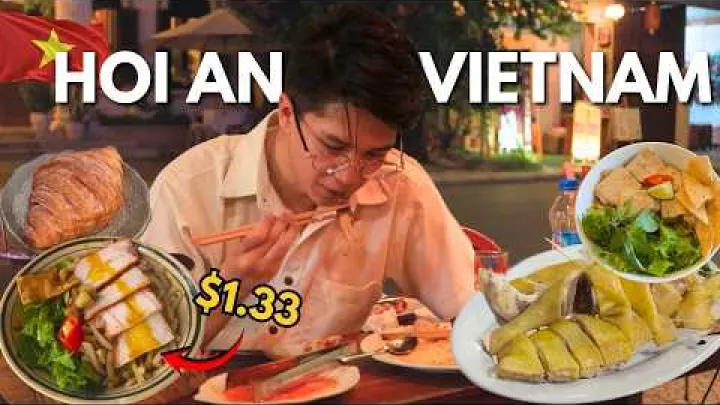
A realistic Hoi An budget depends less on one fixed daily number and more on where you sleep, how you eat, and how many paid experiences you add. A low-cost backpacker can often plan around 20-25 USD per person per day, while a mid-range traveler may spend about 35-60 USD, and a more comfortable trip can start around 70 USD or more per person per day. This guide breaks down typical Hoi An travel budget decisions across accommodation, food, transport, attractions, shopping, and money handling. Treat all prices as planning ranges and check current rates close to your travel dates. If you are arriving via Da Nang, keep that airport or station transfer separate unless it is included in your own estimate.
Hoi An Budget at a Glance
Hoi An is usually cheaper than many international beach and heritage destinations, but it is not always the cheapest stop in Vietnam. The Ancient Town, An Hoi Island, An Bang Beach, tailoring shops, food tours, and day trips can all change the final cost of your stay.
Suggested Daily Budgets by Travel Style
For a simple Hoi An travel budget, think in daily envelopes rather than exact promises. Exchange rates change, hotel prices move, and one tour or tailoring order can change your average quickly.

| Travel style | Approximate daily budget | What it usually covers |
|---|---|---|
| Budget | 20-25 USD per person | Dorm or simple room share, local meals, walking or bicycle use, limited paid sights |
| Mid-range | 35-60 USD per person | Private room, local restaurants, some Grab or taxi rides, Ancient Town ticket and one or two activities |
| Comfortable | 70 USD or more per person | Boutique hotel or resort-style stay, more taxis, tours, spa visits, beach dining, and extra comfort |
These ranges are for everyday spending inside Hoi An. They do not normally include flights, trains, long-distance buses, private airport transfers, travel insurance, visas, or onward transport to another part of Vietnam.
How to Read the Price Ranges
Hoi An costs vary by season, location, weather, and travel style. A traveler sleeping in Cam Ha, eating cao lau and banh mi at local places, and cycling to An Bang Beach will have a very different daily cost from someone staying by the river, using taxis, booking tours, and ordering custom clothing.
It is also better to average your budget across the whole stay. One day in Hoi An Ancient Town may be very cheap if you mostly walk, eat snacks, and take photos. The next day can be much more expensive if you visit My Son Sanctuary, take a basket-boat tour in Cam Thanh, have a massage, and eat at a riverside restaurant.
Accommodation Costs in Hoi An
Accommodation is usually the biggest fixed cost in Hoi An. The right choice is not always the lowest nightly rate; location, breakfast, bicycle use, cancellation rules, and transport needs can change the real value.
Hostels, Guesthouses, and Homestays
Budget travelers will usually compare dorm beds, simple private rooms, guesthouses, and locally run homestays. Hostel and dorm-style stays can sit near the lower end of the Hoi An budget range, while private rooms and homestays cost more but often give better sleep, privacy, and local help.

Current booking-platform data can be useful for context, but it should not be treated as a fixed local price list. Agoda shows hostel prices in Hoi An varying by area, with Cam Ha appearing as a lower-cost area in its hostel category data. Use that as a comparison point, then check your exact dates and room type.
Cam Ha can be useful if you want quieter accommodation and do not mind extra movement. An Hoi Island can be practical for walking to the river and night market. Cam Nam may offer a calmer base across the water from the Ancient Town. When comparing places, look for included breakfast, free bicycle use, drinking-water refill options, and longer-stay discounts. These inclusions can reduce the real daily cost more than a small difference in room price.
Mid-Range Hotels and Beach Stays
Mid-range travelers in Hoi An can often find boutique hotels, small hotels, and comfortable homestays with air conditioning, private bathrooms, Wi-Fi, breakfast, and sometimes a pool. These stays are a strong value if you want comfort without moving into luxury-resort pricing.
Town-based hotels are best when your priority is Hoi An Ancient Town, evening walks, restaurants, and short stays. An Bang Beach is better if you want beach time, quieter mornings, and a more relaxed rhythm. The trade-off is transport: a cheaper beach room can still cost more overall if you take rides into town every day.
Beach-area rates move by date and demand. Hotel listings around An Bang Beach on Expedia indicate that some months can be cheaper on average than others, but individual properties and travel dates matter more than any single general rule. Always compare the final price after taxes, breakfast, cancellation terms, and room type.
Location and Booking Choices That Change the Price
Staying close to Hoi An Ancient Town can cost more, but it may save time and rides. This is especially valuable on a two-night stay, when you may want to walk to heritage sites, restaurants, cafes, the Thu Bon River, and the night market without planning transport.
An Hoi is useful for nightlife and walkability. Cam Nam can be good for quieter value while staying near the center. Cam Ha may offer lower-cost rooms and homestays, especially for travelers who are comfortable cycling or taking short rides. An Bang works well for beach-focused travelers, but town visits add transport costs.
Booking timing also matters. Weekends, Vietnamese holidays, Tet, and high-demand periods can reduce the number of good-value rooms. Lower-demand or rainier periods may bring better accommodation prices, but they can also reduce the value of beach days, boat trips, and outdoor sightseeing. For short stays, paying more for a convenient location can be better than saving on a distant room and spending the difference on transport.
Food and Drink Prices in Hoi An
Hoi An is a good city for budget eating because many of its signature dishes are casual.
Street Food, Markets, and Local Dishes
Look for cao lau, chicken rice, banh mi, noodle soups, market snacks, fresh spring rolls, and simple rice dishes. Local stalls, market areas, and family-run restaurants usually keep food costs much lower than tourist-facing restaurants on the most scenic streets.
A budget traveler can often keep daily food spending low by eating local dishes for most meals and reserving one nicer meal for another day. Hoi An Night Market can be useful for snacks and casual bites, but not every stall is a full-meal option, and prices can vary by location and crowd.
For planning, separate meals into levels: street food and market snacks at the low end, simple local restaurants in the middle, and riverfront or tourist-focused venues above that. This approach is safer than relying on one universal price for every bowl of noodles or banh mi.
Restaurants, Western Food, and Upscale Meals
Mid-range Vietnamese restaurants in Hoi An can still feel affordable for many international visitors, but they cost more than stalls and small local eateries. The price rises further when you choose Western dishes, imported ingredients, river views, air-conditioned dining rooms, or beach-club settings.
A simple upgrade path helps with planning: street food is the cheapest, local restaurants cost a little more, tourist restaurants cost more again, and premium dining or beach venues can turn a low-cost food day into a comfortable-budget day. Couples and families should estimate by person and by meal, not just by dish, because drinks, desserts, and service charges can change the final bill.
Upscale dining is best treated as an optional splurge. It can be a good use of money if food is a priority, but it should not be included in the baseline for a budget trip.
Coffee, Beer, Snacks, and Small Daily Extras
Small purchases are easy to forget when estimating Hoi An prices. Coffee, smoothies, desserts, bottled water, fruit, beer, late-night snacks, and convenience-store items can quietly add several dollars to the day.
Local beer and simple drinks are usually cheaper than cocktails, craft beer, and beach-bar drinks. A traveler who has two coffees, a smoothie, and evening drinks may spend as much on extras as on one simple meal. Include these items in your food and drink budget instead of treating them as invisible spending.
Local Transport and Access Costs
Hoi An is compact compared with big Vietnamese cities, so transport can be very cheap if your accommodation matches your plans. Costs rise when you stay far from the Ancient Town, move between town and beach every day, or rely on private transfers.
Walking, Bicycles, and Scooter Rental
Walking is the cheapest way to experience Hoi An Ancient Town. Many of the streets, river areas, cafes, shops, and heritage sites are close enough for slow exploration. If you stay centrally, you may spend very little on local transport.
Bicycles are a common low-cost option for reaching nearby countryside, Cam Nam, Cam Ha, and sometimes An Bang Beach, depending on your comfort level and the weather. Some guesthouses and homestays include bicycle use, which can reduce daily costs.
Scooter rental gives more flexibility, but it is not just a price decision. Check current rental prices locally, confirm helmet quality, understand parking rules, and consider licensing and insurance. Do not assume your travel insurance covers scooter use. If you are not confident, walking, cycling, Grab, taxis, or organized transfers may be better value and safer.
Grab, Taxis, and Short Local Rides
Grab and taxis are useful for rain, luggage, late nights, beach stays, families, and travelers who do not want to ride a scooter. Fares change by distance, demand, time of day, and vehicle type, so check the app or confirm the fare before starting.
The main budget trade-off is location. A cheaper room outside the center can still be a good choice if you enjoy cycling or plan quiet days. It may be less economical if you take several short rides every day. For families or groups, one car ride may be better value than several individual motorbike rides, especially during rain or after dark.
Carry some small cash for local rides, parking, tips, or situations where card payment is not practical. For app rides, check the route and final price before accepting.
Da Nang Access and Day-Trip Transport Costs
Many travelers reach Hoi An through Da Nang airport, train station, or bus connections. Treat this as a separate arrival and departure cost, not part of your normal Hoi An daily budget. Private transfers are convenient but usually cost more than shared shuttles or group transport.

Day-trip transport should also be separated from everyday local movement. My Son Sanctuary, Cham Island, and Cam Thanh Coconut Forest can require transfers, boats, guides, or organized tours. A tour that looks expensive may include transport and lunch, while a cheaper ticket may cover entry only. Compare inclusions before choosing.
Attraction, Tour, and Activity Costs
Hoi An can be enjoyable with very few paid activities, but most visitors will spend at least some money on heritage sites, boat experiences, day trips, classes, or spas. The key is deciding which paid experiences matter most.
Hoi An Ancient Town Ticket and Heritage Sites
The Hoi An Ancient Town ticket is a core sightseeing cost for many visitors. Local travel information from Culture Pham Travel lists the foreign adult Ancient Town ticket at 120,000 VND, but visitors should check current rules, ticket booths, and opening hours before visiting.
The ticket is generally connected to selected heritage sites, not every moment you spend walking through the streets. You can still spend money separately on food, drinks, shopping, river activities, lanterns, and cafes. To get better value, visit early enough in the day to use the included heritage-site access instead of arriving only for a short evening walk.
My Son Sanctuary and Cam Thanh Basket Boats
My Son Sanctuary is a common half-day cultural excursion from Hoi An. It has a separate entrance fee, and transport or guiding may be extra. Bliss Hoi An notes that the admission ticket covers entry to the heritage area, while getting from Hoi An or Da Nang requires separate arrangements.
Cam Thanh and Bay Mau Coconut Forest basket-boat experiences vary more because operators may bundle different elements. Confirm whether the quoted price includes entrance, boat ride, guide, transfer, spinning demonstration, fishing activity, and tips. A very low quote may not include the same things as a more complete tour.
If you are comparing activities, ask three questions: what is included, how long it lasts, and how you get there. This prevents confusion between an entry ticket, a boat ride, and a full tour package.
Cham Island, Cooking Classes, Food Tours, and Spas
Cham Island tours often cost more than local activities because they can include boat transport, snorkeling, lunch, guiding, and sometimes hotel pickup. They may be good value if you want a bundled marine day, but they are not necessary for every Hoi An itinerary.
Cooking classes and food tours can be memorable, especially if you want context behind local dishes. However, travelers on a tight budget can still enjoy Hoi An food independently through markets, simple restaurants, and local specialties.
Massages and spa treatments are another common add-on. They can be affordable compared with many international destinations, but they are still discretionary. If you book several paid experiences back-to-back, your trip may quickly move from budget to mid-range or comfortable.
Free and Low-Cost Experiences
Some of Hoi An’s best experiences cost little or nothing beyond food, transport, or small personal spending. Walk through the Ancient Town, stroll along the Thu Bon River, visit markets, take photos, explore lantern-lit streets, cycle through nearby countryside, and spend time at the beach.
An Bang Beach can be a low-cost alternative to paid marine excursions if you only need transport and a simple meal or drink. Costs rise if you use sunbeds, eat at beach clubs, order cocktails, or travel by taxi both ways.
Balancing one paid heritage or tour experience with free time is one of the easiest ways to keep your average daily budget under control.
Cash, Cards, and Money Handling
The Vietnamese Dong is the everyday currency for Hoi An prices. Cards are useful in some places, but cash remains important for small spending.
Vietnamese Dong, Cards, and Cash-Only Situations
Use Vietnamese Dong for street food, markets, small shops, local transport, small entrance fees, snacks, and many casual services. Hotels, larger restaurants, tour agencies, and online bookings are more likely to accept cards, but acceptance can vary.
Carry small denominations because vendors and drivers may not be able to change large notes. Also ask about card surcharges or minimum payments before using a card for small purchases. Do not rely on a fixed exchange rate from an old article; check current rates when you travel.
ATMs, Exchange, and Daily Cash Planning
A simple method is to estimate your small daily cash needs for meals, snacks, short rides, market purchases, and tickets, then add a buffer. Keep larger hotel or tour payments on card when accepted and when the fees are reasonable.
ATM withdrawal limits, bank fees, and card compatibility vary. Withdraw or exchange enough for a few days, but do not carry all trip cash in one wallet. Keep a backup card or emergency cash separate from your daily spending money.
Why Hoi An Costs More or Less for Different Travelers
Two travelers can visit the same city in the same week and spend very different amounts. The difference usually comes from season, base location, comfort level, transport habits, and optional shopping.
Season, Weather, Weekends, and Holidays
Accommodation and tour prices can rise with demand during weekends, holiday periods, and popular travel windows. Around Tet and major Vietnamese holidays, book earlier and expect stronger demand for good-value rooms and transport.
If poor weather limits beach days, boat trips, cycling, or outdoor photography, you may spend less but enjoy less of what you came for. Check weather patterns and current conditions close to your trip, especially if An Bang Beach, Cham Island, or countryside cycling is central to your plan.
Old Town, An Hoi, Cam Nam, An Bang, and Cam Ha Cost Trade-Offs
Your base is one of the biggest budget decisions in Hoi An. The cheapest room is not always the cheapest stay, especially if it creates daily ride costs or makes you less likely to enjoy the town.
| Area | Budget logic | Best for |
|---|---|---|
| Hoi An Ancient Town area | Higher convenience, fewer rides | Short stays, sightseeing, evening walks |
| An Hoi Island | Walkable for river and night market | Nightlife, restaurants, central access |
| Cam Nam | Quieter value near the center | Travelers who want calm but not isolation |
| An Bang Beach | Beach access, possible town transport costs | Beach-focused stays and slower trips |
| Cam Ha | Potential lower accommodation costs | Longer stays, cycling, quieter homestays |
Da Nang is relevant mainly as the access gateway and a regional comparison point. It has airport, train, and big-city options, while Hoi An is more focused on heritage, boutique stays, beach access, and slower tourism.
Tailoring, Souvenirs, Nightlife, and Other Add-Ons
Tailoring is a major reason some travelers spend more in Hoi An, but it is not part of the basic daily travel budget. If you want custom clothing, set a separate shopping budget before you start visiting shops.
Ask clearly about fabric, number of fittings, alteration policy, delivery timing, and final price before paying. The same principle applies to souvenirs, lanterns, spa visits, cocktails, riverside bars, and beach clubs. These extras can be excellent memories, but they should be tracked separately from accommodation, food, transport, and core sightseeing.
Sample Hoi An Budgets and Saving Tactics
Sample budgets are most useful when they show categories. The examples below are per person, use rounded USD amounts, and exclude arrival and onward transport unless you add it yourself.
Example Budgets for Short Stays
| Stay length | Budget traveler | Mid-range traveler | Comfortable traveler |
|---|---|---|---|
| 2 days | 40-50 USD | 70-120 USD | 140 USD or more |
| 3 days | 60-75 USD | 105-180 USD | 210 USD or more |
| 5 days | 100-125 USD | 175-300 USD | 350 USD or more |
A two-day budget stay might include a dorm bed, local meals, walking, bicycle use, and the Ancient Town ticket. A three-day mid-range stay might include a private room, restaurants, several short rides, heritage sites, and one tour or class. A five-day comfortable stay might include a boutique hotel, taxis, spa visits, beach meals, My Son Sanctuary, and extra shopping.
Couples can share some room and transport costs, but food, tickets, tours, drinks, and shopping usually increase per person. Families should budget separately for room size, car rides, child pricing, and downtime in hot or rainy weather.
Practical Ways to Spend Less Without Missing the Best Parts
- Stay slightly outside the most central streets if you can still walk or cycle comfortably.
- Choose accommodation with breakfast or bicycles only when you will actually use those inclusions.
- Eat local dishes for most meals and plan only a few restaurant upgrades.
- Group nearby activities together to reduce repeated rides.
- Choose one or two paid experiences, then balance them with markets, Old Town walks, beach time, and countryside cycling.
- Track tailoring, souvenirs, and nightlife as separate optional spending.
Do not save money in ways that create safety or legal problems. Avoid riding a scooter if you are not properly licensed, insured, and confident. Do not skip required entrance fees. The best Hoi An budget is controlled, not careless.
Where to Save and Where to Splurge
Good places to save include basic breakfasts, short rides you can replace with walking, simple snacks, and too many similar paid tours. If your budget is tight, you can still enjoy the Ancient Town atmosphere, local food, markets, and beach time without booking an activity every day.
Good places to splurge include a central location for a very short stay, one meaningful cultural activity, a cooking class if food is a priority, or a more comfortable room during hot or rainy weather. Families may also find that paying for convenient transport or a better-located hotel saves stress and time.
The best-value Hoi An trip is not always the cheapest possible trip. Match your spending to your priorities: heritage, food, beach time, comfort, shopping, photography, or family convenience.
Conclusion: Building a Realistic Hoi An Budget
A practical Hoi An budget starts with your travel style, then adjusts for location, season, food choices, transport habits, and optional activities. Plan around 20-25 USD per person per day for a low-cost backpacker approach, 35-60 USD for a mid-range trip, and 70 USD or more for a comfortable stay. Keep Da Nang access, tailoring, souvenirs, nightlife, and major tours separate from your core daily budget. With a balanced plan, Hoi An can offer strong value without reducing the experience to the lowest possible price.
Select area
Create a post
Posting is free and no registration is required.