Hoi An Travel Guide: Where to Stay, Things to Do & Tips

This Hoi An travel guide is for first-time visitors who want a practical, realistic plan for one of Central Vietnam’s most atmospheric destinations. Hoi An is famous for Hoi An Ancient Town, the Thu Bon River, lantern-lit evenings, local food, tailoring, countryside lanes, and nearby beaches such as An Bang Beach. It is easy to enjoy without a complex itinerary, but good planning helps you avoid the most common problems: choosing the wrong base, underestimating heat or rain, rushing tailoring, or arriving without a transfer plan. This guide covers when to go, where to stay, how to get there from Da Nang, what to do, how much to budget, and how to stay safe and flexible.
Why Visit Hoi An and How It Fits Into Vietnam
Hoi An is one of the easiest places in Vietnam to slow down. The official tourism site Vietnam Travel presents Vietnam as a country of varied destinations, and Hoi An works especially well as a heritage and food-focused stop within a wider Central Vietnam route.
What Makes Hoi An Distinctive
Hoi An feels different from larger Vietnamese cities because its visitor core is compact, walkable, and strongly shaped by heritage streets along the Thu Bon River. The main draw is Hoi An Ancient Town, where old merchant houses, assembly halls, temples, cafes, shops, and lanterns create a setting that is easy to explore at a gentle pace.
The appeal is not only historical. Many travelers come for cao lau, white rose dumplings, banh mi, coffee, tailor-made clothes, river evenings, beach mornings, and short trips into the countryside. Hoi An is beautiful, but it is not a hidden place. The riverside and An Hoi Island can feel very busy at night, especially around lantern events, holidays, and peak travel periods.
How Many Days to Spend and Who Will Enjoy It Most
One day in Hoi An is enough for a quick Ancient Town walk, a few heritage stops, a local meal, coffee, and a lantern evening. It is a good option if you are based in Da Nang and have limited time, but it can feel rushed.
Two to three days is the best pace for most first-time travelers. This gives you time for Old Town wandering, food, cafes, a beach visit, perhaps a cooking class or countryside ride, and a more relaxed evening on the river. If tailoring is important, add time for measuring, fittings, alterations, and pickup.
Four or more days suits travelers who prefer slow travel, families, couples, photographers, food travelers, remote workers, and anyone visiting during hotter or wetter months. A longer stay also makes it easier to add My Son Sanctuary, Marble Mountains, Da Nang, Cham Islands in suitable conditions, or Hue as a separate onward stop.
Best Ways to Combine Hoi An With Central Vietnam
Hoi An is usually reached through Da Nang, which is the main transport gateway for the area. Many travelers fly or arrive by train into Da Nang, then continue to Hoi An for the Ancient Town atmosphere and evening walks.
A simple Central Vietnam route could include Da Nang for beaches and city convenience, Hoi An for heritage and food, Hue for imperial history, and My Son Sanctuary or Marble Mountains as day trips. Hoi An works well as the middle stop on a north-to-south Vietnam itinerary because it offers a change of pace between bigger cities.
Best Time to Visit Hoi An
Hoi An can be visited year-round, but the experience changes with heat, rain, beach conditions, and the risk of storms. If your plans depend on outdoor tours, beach days, or river activities, check current forecasts and warnings before you travel.
February to April for the Most Balanced Conditions
February to April is often the most balanced period for a first Hoi An trip. Conditions are generally more comfortable for walking, cycling, sightseeing, cafe stops, countryside visits, and evening river walks than in the hottest or wettest parts of the year.
This period is popular because it usually offers a lower rain risk than the later-year wet season and less intense heat than peak summer. Weather is never guaranteed, so check current forecasts if you have fixed outdoor plans, photography priorities, or limited time in town.
May to August for Sun, Heat, and Beach Time
May to August can suit travelers who want sunshine, pool time, and beach days. An Bang Beach is a practical option for visitors who want to stay near the coast or take short trips from town for swimming, seafood, and cafes.
The main challenge is heat. Plan Ancient Town walks, cycling, and sightseeing early in the morning or later in the afternoon. Use the middle of the day for lunch, cafes, spa visits, hotel pool time, or tailoring appointments. Families, older travelers, and anyone sensitive to heat should build in a slower pace.
September to January for Rain, Flood Risk, and Flexible Trips
From September to January, Hoi An can receive heavier rain, gray weather, and occasional disruption. October and November are often treated cautiously by travelers because low-lying areas near the river may be more vulnerable to flooding during severe rain events.
This does not mean every trip in these months is difficult. Locals are used to seasonal rain, and many visitors still enjoy Hoi An. The key is flexibility: choose refundable bookings where possible, keep backup indoor activities, protect important documents, and consider travel insurance that covers weather-related disruption.
For current weather information and warnings, use official updates such as the National Center for Hydrometeorological Forecasting, especially before boat trips, beach plans, long transfers, or day tours.
Planning Around the Lantern Festival
Hoi An has a lantern atmosphere on many ordinary evenings, so you do not need to visit on a festival date to enjoy the glow along the river. Full-moon lantern festival nights can be especially photogenic, but they also bring more people, more demand for boat rides, and busier restaurants.

Dates follow the lunar calendar, so check the exact dates for your travel year. If your visit overlaps with a major lantern night, Vietnamese holiday, or weekend peak, book accommodation early and plan dinner reservations or flexible dining options.
Where to Stay in Hoi An
Where you stay affects how much transport you need, how easy your evenings feel, and whether your trip is more heritage-focused, countryside-focused, or beach-focused. Neighborhood names can be useful, but always check the exact property location on a map before booking.
Ancient Town Edges and An Hoi Island
The edges of Hoi An Ancient Town and An Hoi Island are the most convenient choices for first-time visitors who want easy access to restaurants, shops, tailors, cafes, the riverfront, and Nguyen Hoang Street Night Market. Staying here reduces the need for taxis after dinner and makes it simple to return to your hotel for breaks.
The trade-off is noise and crowds. The most central areas can be busy in the evening, and accommodation demand is higher during peak dates. Accommodation is generally around the heritage core rather than deep inside the most protected historic streets, so read recent reviews carefully if quiet sleep is important.
Cam Pho, Cam Chau, Cam Nam, and Tra Que
Cam Pho, Cam Chau, Cam Nam, and Tra Que are useful alternatives for travelers who want calmer lanes while remaining within walking, cycling, or short-ride distance of the Old Town. These areas can offer riverside calm, residential streets, garden settings, rice-field views, and a slower local atmosphere.
Bicycles can make these neighborhoods feel very convenient in dry weather, especially for travelers who enjoy quiet morning rides. In strong heat, heavy rain, or after dark, taxis or ride-hailing may be more comfortable. If you choose a very quiet homestay, check how you will get back after dinner and whether the property helps arrange local transport.
An Bang Beach and Cua Dai
An Bang Beach is the main choice for travelers who want a beach-based Hoi An stay with restaurants, cafes, guesthouses, and easy trips into town. It works well if your priority is morning swims, a more resort-like rhythm, or a quieter base away from the busiest evening streets.
Cua Dai is another coastal area, but beach conditions and the feel of the shoreline can change over time. Before booking a beach hotel, check recent reviews, maps, and current photos. The trade-off for any beach base is that Old Town evenings become less spontaneous because you will usually need transport back.
Quick Area Recommendations by Travel Style
Use this summary as a starting point, then check the exact hotel location, recent reviews, and transport options.
| Travel style | Best base | Why it works |
|---|---|---|
| First-time visitors | Ancient Town edges or An Hoi Island | Easy evenings, food, shops, tailors, and river walks |
| Balanced stay | Cam Pho or Cam Chau | Quieter but still convenient for town |
| Slow travel | Cam Nam or Tra Que | More local atmosphere, gardens, and cycling options |
| Beach trip | An Bang Beach | Coastal base with easy town visits by taxi or ride-hailing |
| Short stay | Near Ancient Town | Less time spent moving around |
Getting to and Around Hoi An
Transport planning is simple once you understand the local geography: Da Nang is the gateway, and Hoi An is the heritage-focused base. Most visitors arrange a road transfer between the two.
Arriving Through Da Nang
Most travelers reach Hoi An through Da Nang, which has the nearest major airport and important regional transport connections. Hoi An itself is not the main flight or rail hub, so you should plan the final transfer before arrival, especially if you land late, carry large luggage, or travel with children.
If you are deciding whether to sleep in Da Nang or Hoi An, choose Da Nang for airport convenience, modern city facilities, and a larger beach-city feel. Choose Hoi An if you want lantern evenings, Ancient Town walks, tailoring, cafes, and a more compact visitor base.
Choosing a Transfer From Da Nang to Hoi An
Common transfer options include private cars, hotel-arranged cars, ride-hailing, taxis, and shared shuttles. Private or hotel-arranged transfers are usually the easiest for a first arrival because the pickup point and destination are clear. Ride-hailing can be good value if you have mobile data and the app is working. Taxis are convenient, but confirm the fare approach before you start.

Shared shuttle services also operate between Da Nang Airport, Da Nang city, and Hoi An through booking platforms such as Klook. Before choosing a shuttle, confirm pickup location, luggage rules, operating times, cancellation terms, and whether your hotel is included or requires a meeting point.
Walking and Cycling in Hoi An
Hoi An Ancient Town is best explored on foot. The streets are compact, the architecture rewards slow looking, and walking makes it easier to stop for coffee, photos, temples, old houses, and shops. Some central streets have pedestrian-friendly periods, but details can change, so follow local signs and instructions.
Cycling is practical for reaching riverside neighborhoods, rice-field lanes, Tra Que, Cam Thanh, and the beaches when weather is suitable. Check brakes, tires, lights, and the lock before using a bicycle. Avoid cycling through deep water, heavy rain, or unfamiliar roads after dark. Travelers who cannot walk long distances should choose accommodation close to the Old Town or use taxis for short hops.
Grab, Taxis, Scooters, and Short Local Trips
Ride-hailing and taxis are useful for beach trips, rainy days, late evenings, luggage transfers, and homestays outside the center. Set up your preferred ride-hailing and messaging apps before arrival if possible, and keep your hotel name written in Vietnamese or saved on a map.
Scooter rental is common in Vietnam, but it is not the safest or simplest choice for every visitor. Before riding, check local license requirements, insurance coverage, helmet quality, road confidence, and rental terms. If you are unsure, use taxis, ride-hailing, bicycles, private drivers, or guided tours instead.
Best Things to Do in Hoi An
The best Hoi An itinerary combines the Ancient Town with food, evening atmosphere, and at least one experience outside the heritage core. Avoid trying to do everything in a single day.
Explore Hoi An Ancient Town
Hoi An Ancient Town is the heart of the visit. Spend time walking the historic streets, looking at old houses, assembly halls, museums, temples, shopfronts, and the Japanese Covered Bridge area where access allows. Some sites may be under maintenance or have changing access rules, so stay flexible.
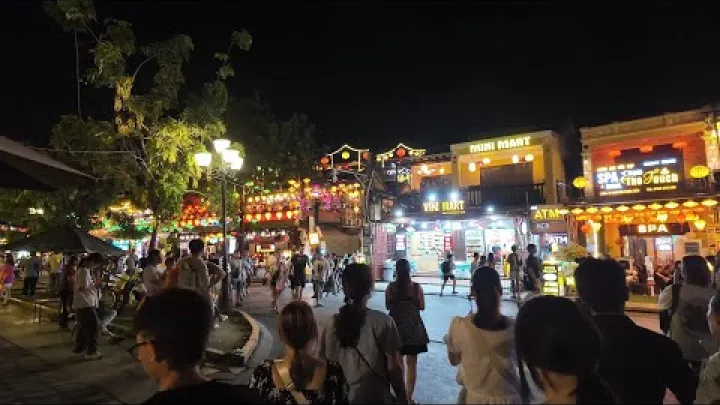
The most rewarding approach is slow. Choose a few heritage sites rather than rushing through every attraction, then add coffee, food stops, and time to observe the architecture. Be respectful in temples, residential lanes, and heritage buildings. Keep noise low, ask before photographing people closely, and avoid blocking narrow streets for long photo sessions.
Eat Local Dishes and Visit Cafes
Hoi An is a strong food destination. Signature dishes include cao lau, a noodle dish closely associated with Hoi An; white rose dumplings; and banh mi. You will also find markets, bakeries, coffee shops, casual restaurants, and cooking classes.
For first-time visitors, busy vendors and well-reviewed restaurants are often easier choices because food turnover is higher and ordering is more straightforward. Street food is part of the experience, but use normal food-safety judgment: choose places that look active, avoid food that has been sitting out too long, and wash or sanitize your hands before eating.
Enjoy the Night Market, Lanterns, and the Thu Bon River
Evenings around the Thu Bon River are one of Hoi An’s most memorable experiences. The riverside fills with lanterns, small boats, cafes, restaurants, souvenir stalls, and people walking between the Old Town and An Hoi Island. Nguyen Hoang Street Night Market is a popular stop for snacks, gifts, and photos.
This area can also be crowded. Keep phones and wallets secure, agree prices before boat rides or purchases, and be patient when moving through narrow streets. If crowds bother you, arrive earlier in the evening, walk a few streets away from the river, or enjoy lanterns from a quieter cafe rather than the busiest viewpoints.
Visit Beaches, Countryside, and Nearby Day Trips
Outside the Ancient Town, Hoi An offers beach time, countryside rides, gardens, waterways, and cultural day trips. An Bang Beach is the most practical beach option for many visitors, while Cua Dai should be checked for current conditions before you plan a beach-focused stay. Tra Que is popular for garden and cycling experiences, and Cam Thanh coconut forest is known for basket boat tours.
For day trips, consider My Son Sanctuary for Cham heritage, Marble Mountains for caves and viewpoints, Da Nang for city and beach variety, Cham Islands when sea conditions and schedules are suitable, and Hue if you have enough time for a longer excursion or separate stay. Choose based on season, heat, sea conditions, and your available days rather than trying to fit every option into one itinerary.
Tickets, Tailoring, Tours, and Booking Logistics
Hoi An is easy to explore independently, but a few logistics are worth understanding before you arrive. Tickets, tailoring, tours, and mobile data all affect how smoothly your trip runs.
How the Hoi An Old Town Ticket Works
Hoi An has a heritage ticket system connected to selected Old Town attractions and preservation funding. The ticket is most relevant if you want to enter included old houses, assembly halls, museums, or other heritage sites rather than only walking through the streets.
Rules, prices, included sites, validity, and enforcement can change. Buy or confirm details at official ticket booths or through trusted local heritage information once you arrive. Treat the ticket as a legitimate heritage-support mechanism, not as a scam, and keep it with you while visiting included sites.
Planning Time and Budget for Tailor-Made Clothes
Tailoring is a major Hoi An activity, but it works best when you do not rush. The process can include choosing a shop, selecting fabric, explaining the design, being measured, attending fittings, requesting adjustments, and collecting the finished item.
If tailoring is a priority, visit shops early in your stay. Complex items such as suits, coats, formal dresses, or multiple pieces need more time than simple shirts or skirts. Set a budget before you start, compare recent reviews, check fabric quality, clarify payment terms, ask about alterations, and confirm the final pickup time in writing or by message.
Cooking Classes, Basket Boats, and Other Bookable Experiences
Common Hoi An experiences include cooking classes, market visits, lantern-making workshops, basket boat rides in Cam Thanh, cycling tours, spa treatments, and guided day trips. You do not need to book everything far in advance, but popular classes and private tours may fill during busy periods.
Before booking, check what is included: transport, meal, guide language, group size, pickup area, cancellation terms, and weather policy. Choose one or two experiences that match your interests rather than stacking similar tours. For heavily touristed activities, read recent reviews so you understand the pace, crowd level, and comfort level.
Staying Connected With SIMs, eSIMs, and Travel Apps
Mobile data makes Hoi An easier. It helps with maps, translation, ride-hailing, restaurant searches, hotel messaging, weather updates, and booking confirmations. Travel eSIMs are convenient if your phone supports them, while local SIM cards may offer better value for longer trips.
Phone compatibility, registration requirements, packages, and airport pricing can vary. Set up key apps before arrival when possible, especially ride-hailing, maps, translation, messaging, and your accommodation booking app. Save your hotel address offline in case mobile data fails during arrival.
Costs, Money, Visas, and Travel Basics
Hoi An can be affordable, but the total cost depends heavily on accommodation style, private transfers, tours, tailoring, beach resorts, and how often you choose sit-down restaurants or spas.
Daily Budget Ranges for Budget, Mid-Range, and Luxury Travel
The following ranges are rough planning estimates per person per day and exclude international flights, major shopping, and expensive custom tailoring. Prices change by season, exchange rate, and booking style, so use them as a budgeting framework rather than a promise.
| Style | Estimated daily budget | Typical choices |
|---|---|---|
| Budget | About 30-60 USD | Guesthouse, local food, walking, cycling, limited paid tours |
| Mid-range | About 70-150 USD | Boutique hotel, mixed restaurants, taxis, one class or tour |
| Luxury | About 180 USD and above | Resort or high-end hotel, private transfers, spas, private tours |
Budget separately for discretionary costs such as custom clothing, cooking classes, guided day trips, spa treatments, and extra beach resort nights. Tailoring can raise your total quickly if you order several items.
Cash, Cards, ATMs, and Payment Habits
Cash is useful in Hoi An for markets, street food, small cafes, tips, local transport, boat rides, and some tour payments. Cards are more likely to be accepted by hotels, larger restaurants, boutiques, spas, and established tour operators, but do not rely on cards everywhere.
Carry smaller notes for night markets and small purchases. Check ATM fees and withdrawal limits, keep backup payment options separate, and avoid carrying all your cash in one place. On arrival day, it is helpful to have enough local currency for transport, snacks, and small expenses.
Vietnam Visa and Entry Checks Before You Go
Hoi An has no separate entry process, but international travelers must meet Vietnam’s national passport, visa, visa-exemption, and entry rules. Requirements depend on nationality, passport type, length of stay, and entry method.
Check official government or embassy sources close to departure. Confirm passport validity, visa status, accommodation details, onward plans, and travel insurance before you leave. If you use an e-visa or online process, make sure names, passport numbers, dates, and entry points are correct.
Safety, Health, and Weather Risks
Most visitors travel comfortably in Hoi An, but normal travel precautions still matter. Crowds, weather, road conditions, food choices, and unclear pricing are the main areas to manage.
Personal Safety and Common Scams
Vietnam is generally a safe destination for travelers, while petty crime can occur in popular tourist areas, according to Travel.State.gov. In Hoi An, be most alert in riverside crowds, night markets, busy streets, and transport situations.
Keep phones and bags secure, especially when taking photos near the river or walking through crowded night market areas. Use reputable transport, app-based fares, hotel-arranged cars, or clearly agreed prices. Be cautious with unclear taxi meters, inflated bills, unclear rental terms, and unofficial ride offers. If you drink alcohol, keep enough awareness to manage your route back to the hotel safely.
Health, Food Safety, and Medical Access
Bring travel insurance, basic medicines, sun protection, mosquito repellent, and any personal prescriptions. Hydration is important during hot months, especially if you are cycling, walking the Old Town, or visiting beaches.
Use caution with tap water unless you know it is safe for drinking. Many visitors enjoy street food without problems, but choose busy stalls, clean-looking preparation areas, and established restaurants when you want a lower-stress first experience. Da Nang has larger-city medical options relatively near Hoi An, but verify emergency contacts and suitable facilities before travel if you have health concerns.
Floods, Typhoons, and Weather Monitoring
Weather risk matters in Hoi An because the river setting and rainy season can affect streets, boat trips, beach days, day tours, and road transfers. Disruptions are not constant, but a short trip has less room to recover if heavy rain affects your main sightseeing day.
If you visit in wetter months, monitor official forecasts, follow local instructions, keep devices charged, protect passports and electronics, and avoid walking or cycling through floodwater. Choose flexible bookings where possible and check whether your travel insurance covers weather-related delays or cancellations.
Suggested Hoi An Itineraries and Final Advice
The best Hoi An itinerary depends on season, stay length, and how much you want to do outside the Ancient Town. Use the following plans as flexible modules rather than strict schedules.
One Day in Hoi An
With one day, focus on Hoi An Ancient Town. Start with a walk through the historic streets, choose a few heritage sites, stop for coffee, eat a local lunch, and leave time for the Japanese Covered Bridge area if access allows. In the late afternoon, move toward the riverfront and An Hoi Island for lanterns and the night market.
Skip distant day trips, major tailoring plans, and too many scheduled activities. If the weather is very hot, add a long midday break. If it rains, prioritize cafes, museums, covered heritage sites, and a shorter evening walk.
Two to Three Days in Hoi An
Two to three days is the most practical first-time pace. Spend one day on the Ancient Town, food, cafes, and the river. Use another day for An Bang Beach, countryside cycling, Tra Que, Cam Thanh, or a cooking class. If you want tailoring, visit shops early on the first day so fittings can happen before departure.
Arrange outdoor activities early or late during hot months. Keep midday for rest, spa time, cafes, or fittings. If you stay at the beach, plan at least one full evening in the Old Town. If you stay near town, plan one relaxed beach or countryside escape.
Four or More Days in Hoi An
Four or more days lets you slow down and enjoy Hoi An without treating every hour as a checklist. Add My Son Sanctuary, Marble Mountains, Da Nang, or more time at An Bang Beach. You can also complete tailoring with less pressure and explore Cam Pho, Cam Chau, Cam Nam, Tra Que, and riverside lanes at a calmer pace.
A longer stay works well for families, remote workers, beach travelers, and visitors who prefer fewer hotel moves. If your overall Vietnam trip is short, consider whether extra nights are better spent in Hoi An or divided with Hue, Da Nang, or another region.
Final Checklist Before You Book
Before booking, decide your travel month, stay length, base area, arrival transfer, and level of flexibility. Check current visa rules, weather forecasts, transport options, accommodation location, and recent reviews. If you plan to enter heritage sites, understand the Old Town ticket system. If you want tailoring, allow enough nights for fittings.
Bring a practical cash plan, backup payment method, travel insurance, sun and rain protection, and mobile data. Hoi An is easiest to enjoy when the essential logistics are handled in advance, then you leave enough time to wander, eat well, and enjoy the lantern-lit streets at your own pace.
Select area
Create a post
Posting is free and no registration is required.