Ko Samui Budget Guide: Daily Costs and Money Tips

A realistic Ko Samui budget depends less on one fixed island price and more on how you choose accommodation, meals, transport, and tours. Ko Samui can be affordable if you stay in simple rooms, eat local Thai food, and limit taxis, but it can also become expensive quickly in beachfront resorts, private villas, and restaurant-heavy areas. This guide uses Thai baht as the main planning currency and gives practical daily ranges for budget, mid-range, and comfortable trips. You will also learn which areas fit different spending styles and where travelers often underestimate costs.
Ko Samui Budget at a Glance
For most visitors, accommodation and transport are the two categories that change the total the most. Food can stay inexpensive if you eat local meals, while activities become costly when boat trips and organized tours are added.
Daily Budget Ranges by Travel Style
As a planning range, a lean Ko Samui budget is about 1,200–1,800 THB per person per day. A mid-range trip is usually around 2,500–4,000 THB per person per day. A comfortable trip often starts around 4,000–6,000 THB or more per person per day, especially when the stay includes beachfront accommodation, taxis, resort meals, cocktails, or boat tours.
These are planning ranges, not fixed prices. Hotel dates, whether you share a room, how much alcohol you drink, and how often you take taxis can change the total significantly. Accommodation prices are usually quoted per room, while the daily budgets below are per person.
| Travel style | Daily range | Typical choices |
|---|---|---|
| Budget | 1,200–1,800 THB per person | Dorm or basic room, local meals, walking, songthaews, limited paid tours |
| Mid-range | 2,500–4,000 THB per person | Shared comfortable hotel, mixed restaurants, some taxis, occasional tours |
| Comfortable | 4,000–6,000+ THB per person | Beachfront or premium hotel, resort meals, private transfers, spas, boat trips |
What Usually Pushes Your Budget Up
The biggest budget increases usually come from accommodation in prime areas, especially beachfront rooms in Chaweng Beach, stylish hotels around Bophut and Fisherman's Village, or private villas in quieter coastal zones. Lamai Beach and Maenam Beach can offer better value, but even there, beach access, sea views, and peak dates increase prices.
Taxis, airport transfers, cocktails, imported wine, Western meals, seafood dinners, and repeated boat trips can move a traveler from a budget trip to a mid-range trip quickly. Short stays also cost more per day because visitors often compress transfers, tours, and restaurant meals into fewer nights. A walkable base can sometimes save more money than a cheaper room far from restaurants and beaches.
Short Trips Versus Long Stays
A one-week holiday and a one-month stay are not directly comparable. Short-term visitors usually spend more per day because they use more convenience services, eat out more often, and book activities quickly. Long-stay visitors can reduce daily spending through monthly rentals, kitchens, local markets, and better knowledge of fair transport prices.
Expat-oriented cost guides can provide useful context, but they should not be treated as tourist guarantees. For example, Conrad Properties describes comfortable monthly living costs in Ko Samui in the range of roughly 66,000 THB and above, depending on lifestyle. That kind of figure may include long-stay rental assumptions that a one-week visitor cannot access. If you plan to stay several weeks, compare current listings, utility terms, deposits, and transport needs before assuming a monthly rate is cheaper overall.
How Ko Samui Prices Compare With Thailand
Ko Samui is still good value compared with many international beach destinations, but it is not one of Thailand's cheapest places to travel. It is a resort island with logistics, tourism demand, and land costs that affect prices.
Island and Resort Premiums
Compared with many mainland Thai towns, Ko Samui often feels more expensive for hotels, taxis, imported products, beachfront dining, and organized tours. Goods and services have to operate within an island economy, and many businesses serve short-stay visitors who prioritize convenience.
That does not mean Ko Samui is expensive in every category. Simple Thai meals, modest guesthouses, local markets, temple visits, and beach days can still be very good value. The important distinction is between local-style spending and resort-island spending. A traveler eating rice dishes at simple restaurants will have a very different trip cost from someone staying in a private pool villa and dining on seafood with wine.
Season, Weekends, and Exchange Rates
Hotel rates can change sharply between peak holiday periods and quieter dates. Christmas, New Year, school holidays, weekends, and high-demand event periods can raise accommodation costs, especially in popular areas such as Chaweng, Bophut, Fisherman's Village, and Choeng Mon Beach. The same hotel can produce very different budget outcomes depending on the dates you choose.
Use Thai baht as the stable reference when planning. Foreign-currency estimates are useful only as approximations because exchange rates move. The Bank of Thailand has described baht exchange-rate volatility as a factor affecting economic activity, which is a good reminder that your home-currency budget can change even when local prices do not. Before booking, compare flexible dates rather than assuming one month or week will always be cheapest.
Accommodation Costs by Style and Area
Accommodation is the largest swing factor in most Ko Samui travel budgets. The island has everything from dorm beds and basic guesthouses to beachfront resorts and high-end villas, so averages can be misleading.

Hostels, Guesthouses, and Simple Rooms
The cheapest practical options are usually dorm beds, basic guesthouses, or simple rooms set back from the beach. These can work well for solo travelers, backpackers, and visitors who plan to spend most of the day outside. To keep costs low, expect tradeoffs: a smaller room, older furniture, a longer walk to the beach, fewer facilities, or a location away from the most popular beachfront strips.
Do not judge only by the headline nightly rate. Check whether the room has air conditioning, a private or shared bathroom, good recent reviews, and realistic access to restaurants and transport. Cancellation terms also matter because changing islands or dates can be costly. Low season and advance booking can improve value, but ultra-cheap rooms in prime beach areas should be checked carefully.
Mid-Range Hotels and Villas
Mid-range travelers usually look for air conditioning, a private bathroom, reliable reviews, and convenient access to beaches, restaurants, and shops. A practical planning range for a shared mid-range room or modest villa can sit around 1,500–3,000 THB per night per room, with higher prices for beachfront locations, better facilities, or peak-season dates.
Couples and friends sharing a room reduce the per-person cost substantially. For example, a 2,400 THB room split by two people costs 1,200 THB per person before food, transport, and activities. For the total budget, location can matter more than star rating. A slightly simpler hotel within walking distance of dinner and the beach may cost less overall than a nicer inland room that requires taxis every day.
Beachfront Resorts and Private Villas
Ko Samui has a strong high-end resort and villa market. Beachfront resorts, private pool villas, and hillside properties can cost several thousand to tens of thousands of baht per night depending on the season and property type. These stays may feel like good value compared with similar Western beach destinations, but they are not part of a low-budget trip.
Average hotel-price data can be misleading for budget planning because luxury properties pull the average upward. KAYAK has shown a wide spread between lower available hotel deals and much higher average double-room prices in Ko Samui. This means you should compare your exact dates and area instead of relying on a single island-wide average.
Best Areas to Match Your Budget
Chaweng Beach is convenient for nightlife, shopping, restaurants, and beach access, but beachfront accommodation can be expensive. Inland Chaweng rooms may be better value if you want to stay near services without paying for a sea view.
Lamai Beach often offers a useful balance of beach access, food choices, and relative value. Bophut and Fisherman's Village are charming and walkable, but the waterfront atmosphere and dining scene often add a premium. Maenam Beach can suit quieter trips, families, and longer stays, especially when you value a calmer base over nightlife.
Choeng Mon Beach, Taling Ngam, and Lipa Noi can appeal to travelers seeking quiet, villas, or secluded resorts. However, a remote bargain may become less cheap if you need taxis for every meal. Inland accommodation can reduce the room cost, but it may increase transport spending unless you rent a vehicle safely and legally.
Food, Drink, and Everyday Prices
Food is one of the easiest categories to control in Ko Samui. You can eat affordably with local Thai meals, or you can spend heavily on seafood, Western food, resort dining, and drinks.
Local Thai Food, Markets, and Simple Restaurants

Night markets are useful because you can sample several small dishes without committing to an expensive restaurant meal. They also provide atmosphere at little or no extra cost. Prices vary by location and season, so use menu boards and local crowds as practical signals. A disciplined budget traveler who eats mostly local food can spend far less than someone ordering Western breakfasts, burgers, pizza, and desserts every day.
Western Food, Seafood, and Resort Dining
Western food is usually more expensive than simple Thai food because it often depends on imported ingredients, higher-rent locations, and tourist-facing service. Breakfast sets, burgers, pizzas, steaks, imported cheese, and baked goods can be enjoyable, but they should be counted as mid-range or comfort spending rather than budget staples.
Seafood dinners can become a major expense in areas such as Fisherman's Village and Chaweng, especially when seafood is ordered by weight or paired with wine and cocktails. Resort dining adds convenience, sea views, and service, but it often costs far more than local restaurants outside the hotel. A good approach is to choose a few special meals deliberately and keep the rest of the week simpler.
Alcohol, Coffee, Water, and Small Purchases
Alcohol can change the total budget quickly. Cocktails, imported wine, beach clubs, and resort bars can cost more than travelers expect if they are repeated every night. Non-drinkers and light drinkers often keep a Ko Samui budget much lower without changing their accommodation or activities.
Coffee, smoothies, convenience-store snacks, bottled water, sunscreen, and small daily purchases are minor individually but meaningful over one or two weeks. Buying water and snacks outside hotels is a simple way to reduce incidental spending. Imported wine is usually a poor-value category in Thailand, so if you are watching costs, choose local beer, non-alcoholic drinks, or fewer drinking nights.
Transport Costs Around Ko Samui
Transport is a major Ko Samui budget variable because the island does not have a cheap, comprehensive metro-style public transport system. Your base, confidence with driving, and tolerance for walking will affect daily spending.
Airport Transfers, Taxis, and Ride Apps
Ko Samui Airport is close to popular areas such as Chaweng and Bophut, but airport transfers and taxis can still cost more than visitors expect by Thailand standards. Taxis are convenient after a flight, at night, or with luggage, but frequent rides add up quickly.
Local fare reports should be treated as indicators rather than official tariffs. A Facebook local discussion reports that some 20-minute taxi or ride-app journeys can fall around 300–500 THB, with Grab and InDrive mentioned as app examples where available locally. Before traveling, check current app quotes or confirm the fare with the driver or operator. Hotel transfers may be convenient, but compare them with independent transfer options when practical.
Songthaews, Scooters, and Rental Cars
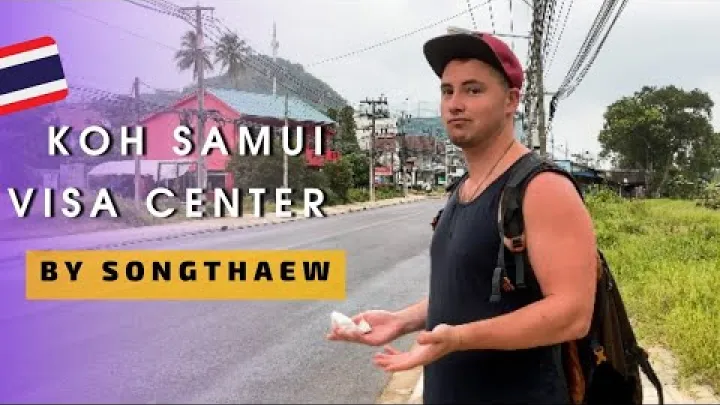
Songthaews can be cheaper than taxis on main routes, but pricing may be informal and schedules less predictable. They can work well for flexible travelers moving between common beach areas during the day, but they are less useful when you have luggage, travel late at night, or need a precise pickup time.
Scooter rental can reduce transport costs and make cheaper inland accommodation practical, but it is not the right choice for everyone. You should have suitable riding experience, a valid license for your insurance conditions, a helmet, and travel insurance that covers your planned use. The cheapest transport option is not truly cheap if an accident or uncovered medical bill follows.
Car rental can be better value for families or groups who plan to explore multiple beaches, viewpoints, temples, and restaurants. It may also suit visitors staying in quieter areas such as Taling Ngam or Lipa Noi. Compare the total cost against taxis, parking convenience, insurance excess, and how many days you will actually drive.
Choosing a Base to Reduce Transport Costs
A slightly more expensive room in a walkable area can reduce taxi spending. For example, if staying near Chaweng or Bophut lets you walk to dinner, the beach, shops, and nightlife, the higher room rate may be offset by fewer rides.
Maenam, Lamai, and quieter coastal areas can offer better room value, but they may require more transport planning. Before booking, estimate how often you will leave the area at night, whether you will rent a scooter or car, and how much each taxi ride might cost. Choosing the right base is one of the most effective money-saving decisions on Ko Samui.
Activity and Tour Costs
Ko Samui can be enjoyable with very little paid sightseeing, but organized tours can become the biggest activity expense. Plan paid activities before arrival so they do not surprise your daily budget.
Free and Low-Cost Sights
Beaches, walking, swimming, viewpoints, local markets, and many temple visits can keep sightseeing costs low. Big Buddha Temple, also known as Wat Phra Yai, is a key cultural stop near the north coast. Before visiting any temple or viewpoint, check current access conditions, dress expectations, and whether donations or small local fees apply.
Markets are especially useful for budget travelers because they combine food, atmosphere, and casual evening activity. Free activities still have indirect costs, including transport, drinks, sun protection, and occasional parking or access fees. Build those small items into the budget rather than assuming a free day costs nothing.
Boat Trips, Marine Park Fees, and Organized Tours
Boat trips are often the biggest single activity cost for Ko Samui visitors. Ang Thong National Marine Park is one of the major day-trip anchors, along with trips toward Koh Tao, Koh Nang Yuan, or Koh Phangan. These excursions can be memorable, but they raise the weekly average because they involve boats, guides, equipment, and sometimes hotel pickup.
Check inclusions carefully. Some tours include lunch, hotel pickup, kayaking, snorkeling equipment, and basic insurance, while others charge separately for key items. For Ang Thong National Marine Park, Expedia lists national park fees of 300 THB for adults and 150 THB for children payable separately in some tour arrangements. Always check whether a quoted tour price includes park fees before comparing operators.
| Activity type | Budget impact | What to check |
|---|---|---|
| Beach and market days | Low | Transport, food, drinks, sun protection |
| Temples and viewpoints | Low to moderate | Entry conditions, donations, transport |
| Boat tours | High | Park fees, pickup, lunch, equipment, safety |
| Private tours and spas | High | Duration, inclusions, cancellation terms |
How to Pace Paid Activities
A budget traveler might choose one major paid tour and fill the rest of the trip with beaches, temples, markets, and self-guided exploring. This keeps the trip varied without making every day expensive.
Mid-range travelers can plan one or two major excursions in a week and average the cost across the whole stay. A comfortable traveler may add private tours, spas, cooking classes, or adventure activities, which can push daily costs much higher. The key is to plan expensive days in advance. One costly boat tour can still fit a reasonable weekly budget if the surrounding days are simpler.
Sample Ko Samui Trip Budgets
The examples below show how the same island can fit very different budgets. They are rounded planning examples, not exact quotes for every traveler or season.
Budget Traveler Example
A budget traveler aiming for 1,200–1,800 THB per person per day should avoid relying on beachfront accommodation, frequent taxis, daily cocktails, and repeated paid tours. This range is realistic only with deliberate choices, especially outside peak periods and away from the most expensive beachfront zones.
| Category | Budget approach |
|---|---|
| Stay | Dorm, guesthouse, or basic room set back from the beach |
| Food | Thai meals, markets, fruit, convenience-store basics |
| Transport | Walking, occasional songthaew, limited taxis |
| Activities | Beaches, markets, temples, one planned paid tour if the weekly budget allows |
A single boat tour can exceed a normal budget day, so treat it as a planned splurge rather than an impulse purchase.
Mid-Range Couple Example
A mid-range couple or two friends sharing a room can often plan around 2,500–4,000 THB per person per day. This might include a comfortable hotel room split between two people, a mix of Thai and international meals, occasional taxis or car rental, and one or two tours or massages during the week.
Sharing accommodation is the main advantage. A 3,000 THB room is expensive for one solo traveler but more manageable when split by two. This budget moves toward the upper end if you add seafood dinners, cocktails, daily cafés, or taxis for every evening out. Solo travelers can use the same spending style, but the room cost will usually take a larger share of the daily total.
Comfortable Traveler Example
A comfortable Ko Samui budget starts around 4,000–6,000 THB or more per person per day. This can include a beachfront or premium hotel, resort breakfasts, taxis or private transfers, spa time, organized excursions, and selected higher-end restaurants.
This does not mean luxury spending is required for a good trip. Many travelers choose one or two comfort categories, such as a better hotel and simple local meals, or a modest room with more tours. Private villas, peak-season resorts, premium excursions, imported wine, and frequent cocktails can exceed this range quickly. Seasonal hotel prices are the main risk, so check exact dates before building the rest of the budget.
How to Save Money Without Spoiling the Trip
Saving money in Ko Samui does not require avoiding everything enjoyable. The best approach is to choose your splurges deliberately and reduce spending in categories you care about less.
Booking and Timing Tactics
Use flexible-date hotel searches to avoid peak nightly rates. If accommodation is your largest concern, compare several nearby dates and areas before committing. Traveling in shoulder or quieter periods can improve value, although weather and sea conditions may vary by season.
Book ahead for popular dates rather than assuming last-minute island deals will appear. For long stays, ask about weekly or monthly rates, but compare the full cost: rent, utilities, deposit, cleaning fees, transport needs, and distance from shops or restaurants. A lower monthly rent is not automatically cheaper if it requires daily taxis or a long drive for basic errands.
Food, Drink, and Transport Tactics
Small daily decisions are often more effective than one dramatic cut. Use the following tactics to keep control without making the trip feel too restrictive.
- Eat more local Thai meals and use night markets for variety.
- Save beachfront seafood meals or resort dinners for selected nights.
- Buy water, snacks, and simple breakfast items outside resorts when practical.
- Limit cocktails, imported wine, and daily café spending if you have a strict budget.
- Compare taxis, transfers, songthaews, scooters, and car rental based on group size and route frequency.
- Choose a base where walking is realistic for the meals, beach time, and nightlife you want most.
The goal is not to avoid spending. It is to spend where it improves the trip and reduce automatic costs that add little value.
Costs Not to Cut Too Far
Some costs should not be cut aggressively. Travel insurance is important, especially if you plan to ride scooters, take boat trips, snorkel, dive, or do other marine activities. Check what your policy actually covers before assuming every activity is included.
Do not rent a scooter only because it is cheap. Consider your experience, license, helmet use, road conditions, and insurance coverage. Do not book the cheapest tour without checking safety standards, inclusions, pickup arrangements, cancellation terms, and fee exclusions. Also avoid very remote cheap rooms if they make evenings inconvenient or create high transport costs. Keep emergency cash or a payment backup for medical visits, transport changes, and unexpected schedule shifts.
Conclusion: Is Ko Samui Good for a Budget Trip?
Ko Samui can be good for a budget trip if you plan around the island's cost drivers. A lean traveler can aim for about 1,200–1,800 THB per person per day by choosing simple accommodation, local food, limited taxis, and selective tours. A mid-range traveler should plan around 2,500–4,000 THB per person per day, while comfortable trips commonly start around 4,000–6,000 THB or more.
The best Ko Samui budget is not the lowest possible number. It is a plan that matches your travel style, dates, base, and must-do activities. Choose your area carefully, compare hotel dates, eat locally when you want value, verify transport and tour inclusions, and reserve money for the experiences that matter most.
Select area
Create a post
Posting is free and no registration is required.