Ko Samui Where To Stay: Best Areas and Beaches

Ko Samui Where To Stay: Best Areas, Beaches, and Practical Base Guide
Choosing where to stay in Ko Samui can shape your whole trip. The island has lively beach towns, calm family areas, ferry-friendly stopovers, long-stay neighborhoods, and remote resort zones that feel very different from one another. This guide compares the best areas in Ko Samui by beach style, walkability, nightlife, transport, budget fit, and trip length. Use it to choose a base first, then choose the accommodation type that matches your plans.
Quick Answer: Best Areas To Stay In Ko Samui
If you want the simplest answer, stay in Chaweng or Lamai for a first trip if convenience matters most. Choose Bophut, Fisherman's Village, or Choeng Mon if you want a calmer stay with good access to restaurants and major hubs. Choose Mae Nam for a quieter north-coast pace, Bangrak for ferry logistics, and Lipa Noi, Taling Ngam, or the south coast for retreat-style stays with planned transport.
The default choice for first-time visitors
For most first-time visitors asking where to stay in Ko Samui, Chaweng and Lamai are the easiest default choices. They offer the strongest mix of beach access, restaurants, shops, nightlife, tours, and accommodation variety. Practical area guides such as Northabroad also commonly position Chaweng and Lamai as broad, convenient bases for many travelers.
Choose Chaweng if you want maximum energy and the widest choice of places to eat, drink, shop, and stay. Choose Lamai if you want a lively beach town with a softer pace. Both can work well without a rental car if your accommodation is central.
Bophut and Choeng Mon are better first-trip choices for travelers who value calm evenings over nightlife. Bophut is especially useful if you want a compact dining area around Fisherman's Village. Choeng Mon gives a quieter resort feel while still being close to the airport, Chaweng, and Bophut.
Remote west and south coast bases can be excellent, but they are less efficient for a short first visit if you do not have a car, arranged transfers, or a plan to spend most of your time at the property.
Best areas by travel style
The best area to stay in Ko Samui depends on how you expect to spend your days and evenings. Use this table as a first filter before reading the detailed area sections.
| Area | Best for | Avoid if | Walkability | Transport needs |
|---|---|---|---|---|
| Chaweng | Nightlife, first-timers, broad choice | You need quiet sleep | High in central zones | Low if central |
| Lamai | Relaxed beach town, couples, repeat visitors | You want the biggest nightlife scene | Good in central Lamai | Low to moderate |
| Bophut and Fisherman's Village | Families, couples, dining, evening walks | You want clubs every night | High near the village | Low to moderate |
| Mae Nam | Calm stays, longer visits, local pace | You want a compact nightlife base | Varies by exact location | Moderate |
| Choeng Mon | Quiet resort feel near hubs | You need many late-night options on foot | Moderate near the beach village | Moderate |
| Bangrak | Ferries, budget stays, short stopovers | You want a classic beach-holiday base | Varies by pier and road location | Low to moderate for transit |
| Lipa Noi and Taling Ngam | Sunsets, seclusion, villas, retreats | You want easy nightly town access | Limited outside resorts | High |
Areas to think twice about for a first trip
Central Chaweng is not wrong for a first trip, but it can be the wrong fit if you prioritize sleep, quiet family evenings, or a resort atmosphere. Noise risk changes street by street, so read recent reviews for music, beach clubs, nearby bars, and room position.
Bangrak is practical for piers, budget accommodation, and Ko Pha-Ngan ferry connections, but many visitors choose it for logistics rather than for the strongest beach-holiday atmosphere. It can be a smart one-night or two-night base if ferry timing matters.
Hilltop villas, remote west coast resorts, and scattered south coast properties can be wonderful if the accommodation is the destination. They can be inconvenient if you expect to walk to restaurants or move between Chaweng, Lamai, Bophut, and the northeast every day. Always inspect the exact map location before booking, not only the area name shown on a booking site.
Understanding Ko Samui's Layout Before You Book
Ko Samui is easier to understand if you think of it as a coastal island with beach towns around the edge and a hillier interior. The Tourism Authority of Thailand highlights several well-known beach areas, including Chaweng, Lamai, Taling Ngam, and Natien, which helps show how spread out the island's visitor zones are.
The ring-road island pattern
Most visitor infrastructure follows the coastal pattern and the Route 4169 ring road. Chaweng and Lamai sit on the east coast, Bophut and Mae Nam are on the north coast, Choeng Mon and Bangrak are in the northeast, and Lipa Noi and Taling Ngam are on the west and southwest side.

The island interior is greener and hillier. A hillside villa can have great views, but it is rarely the most practical walkable base for a short stay. If you book inland or above a beach town, check the driveway, road lighting, parking, and whether taxis will collect you easily.
This layout means that two hotels both described as being in Ko Samui can offer completely different trips. A central Chaweng hotel may let you walk to dinner and nightlife. A Taling Ngam resort may give you quiet sunsets but require arranged transport for most outings.
Airport and pier access
Samui International Airport is in the northeast of the island. That makes Chaweng, Choeng Mon, Bophut, and Bangrak especially convenient for short transfers. If you are arriving late, leaving early, or staying only a few nights, this access can matter more than a slightly nicer beach elsewhere.

Bangrak and nearby northeast pier areas are useful for some Ko Pha-Ngan ferry connections. Mae Nam, Bophut, and Lipa Noi can also matter depending on your ferry operator and route. Do not choose a hotel based only on the word pier; check the exact departure pier and time before booking.
Taxi fares, ride-hailing pickup rules, hotel transfer prices, and ferry departure points can change. For a smooth arrival, confirm your airport transfer or pier pickup directly with your accommodation, especially if you arrive at night or stay outside the main beach towns.
Walkability, noise, and road safety
Walkability is one of the most important factors in choosing accommodation in Ko Samui. A walkable base reduces the need for scooters, taxis, and late-night transport. Central Chaweng, central Lamai, and Fisherman's Village are among the easiest areas for handling many evening needs on foot.
Remote villas, west coast resorts, south coast retreats, and hillside properties usually require transport. That is not a problem if you rent a car, use hotel shuttles, or arrange transfers. It becomes a problem when you expect to walk to restaurants, shops, and beach bars every night.
Noise is the other major booking variable. In nightlife areas, check recent reviews for music, street noise, beach club sound, construction, and whether quieter room categories are available. For road safety, be cautious with scooters if you are inexperienced, and do not make a remote stay dependent on riding at night unless you are fully comfortable with local roads and conditions.
Chaweng and Chaweng Noi
Chaweng is Ko Samui's most developed visitor base. Beach guides such as Thailand Beaches commonly describe Chaweng as one of the island's most active beach areas, while Chaweng Noi offers a calmer nearby alternative.
Why choose Chaweng
Choose Chaweng if you want the biggest concentration of restaurants, shops, nightlife, beach clubs, tour desks, spas, and accommodation. It suits first-time visitors who want an easy base, party travelers, groups with mixed budgets, and anyone who does not want to travel far every evening.
Chaweng can also reduce transport needs. If your hotel is central, you may be able to walk to many meals, bars, massage shops, convenience stores, and beach activities. That is useful for short stays and for travelers who do not plan to rent a car or scooter.
The trade-off is intensity. Chaweng is not one uniform district, and some pockets are much louder than others. If you want the convenience but not the party atmosphere, look at northern Chaweng, southern Chaweng, or Chaweng Noi, and study recent reviews carefully.
Where to stay within Chaweng
Central Chaweng is best for nightlife and maximum convenience. It is the right choice if you want to be close to bars, restaurants, shopping, and evening activity. It is also the part of Chaweng where noise risk is highest, so it is not ideal for everyone.
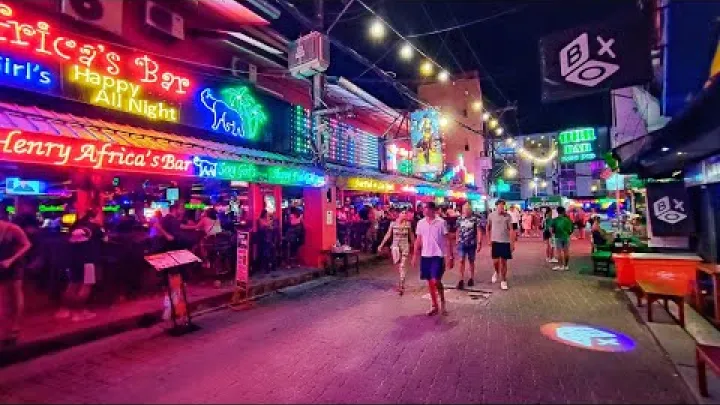
Northern and southern Chaweng can be better for travelers who want access to Chaweng without sleeping in the busiest zone. These areas can still be convenient, but the exact property location matters. A quiet-looking resort may be close to a noisy venue, while another property on the same beach may feel much calmer.
Before booking, check whether the hotel is beachfront, across the road, set back inland, or up a hill. Read reviews for room location, soundproofing, late-night music, and street access. If you are sensitive to noise, ask for a room away from the road, bars, pool parties, or beach club areas.
When Chaweng Noi is better
Chaweng Noi is a strong compromise for travelers who want to stay near Chaweng but not in the main nightlife zone. It can work well for couples, families, and longer stays that value a calmer beach setting.
The main trade-off is immediate access. You may need taxis or other transport for frequent nights out in central Chaweng. That is manageable if you plan for it, but it can become annoying if you expect to walk everywhere.
Also check whether your Chaweng Noi accommodation is directly by the beach, set back from the road, or on a hillside. Some properties marketed with the Chaweng Noi name may be less walkable than expected.
Lamai, Crystal Bay, and Silver Beach
Lamai is the main east-coast alternative to Chaweng. It has a beach-town feel, a useful range of accommodation, and enough restaurants and nightlife for many visitors, but it usually feels less intense than central Chaweng.
Lamai for relaxed convenience
Lamai is a good choice if you want convenience without choosing Ko Samui's busiest nightlife base. It suits couples, repeat visitors, mid-range travelers, and first-timers who want beach access, restaurants, markets, and services in a more relaxed setting.

Do not assume all of Lamai is quiet. Central Lamai has nightlife, bars, and evening activity, so exact location still matters. If you want sleep and calm, compare properties on the map and read recent comments about noise.
Also check whether accommodation is central, beachfront, hillside, or farther from the main strip. A villa above Lamai may offer space and views but require transport for nearly every meal. A central guesthouse may be more convenient but less quiet.
Crystal Bay and Silver Beach for scenic quieter stays
Crystal Bay and Silver Beach are smaller scenic coves between Chaweng and Lamai. They can suit beach-focused travelers who want a quieter setting while staying within reach of larger dining and nightlife zones.
These areas are best if the beach itself is your priority. They do not offer the same range of restaurants, shops, and late-night choices as Chaweng or Lamai. For variety, you may need taxis, a rental car, or another transport option.
Before booking, check the exact beach access and road access. Some stays may be convenient for swimming and relaxing but less practical for walking to evening meals or shops after dark.
Practical trade-offs on this east-coast stretch
The east coast is strong for visitors who want beach choice and access to major island infrastructure. Chaweng offers the most services, Lamai balances convenience with a softer pace, and the smaller coves offer more scenic quiet.
The decision is mainly between central convenience and calmer beach time. If you stay outside central Lamai or away from a compact beach cluster, plan how you will reach restaurants, markets, and nightlife after dark.
For short trips, a central base usually saves time. For slower trips, a quieter cove or hillside stay can be rewarding if you are comfortable arranging transport.
Bophut, Fisherman's Village, and Mae Nam
The north coast is a strong alternative to the east coast for travelers who prefer calmer evenings, restaurants, family-friendly bases, and a more compact village atmosphere in selected areas.
Bophut and Fisherman's Village for walkable evenings
Bophut and Fisherman's Village are among the best places to stay in Ko Samui for families, couples, and travelers who want atmospheric evenings without the intensity of central Chaweng. The compact seafront setting, restaurants, shops, and boutique-style accommodation make it easy to enjoy dinner and a walk without a long transfer.
Family-focused travel guidance from Onefinestay also highlights Bophut as a strong family base. The appeal is not only the beach; it is the ability to combine accommodation, food, and evening activity in a manageable area.
Fisherman's Village Walking Street is a key local anchor, but schedules and crowd levels can change, so confirm current details before planning your evening around it. Also remember that the most central village area can feel more tourist-oriented and may be more expensive than less central parts of the north coast.
Bophut is calmer than Chaweng, but it is not silent everywhere. If you stay close to busy restaurants or bars, check recent reviews for music and evening noise.
Mae Nam for calm and longer stays
Mae Nam is a calmer north-coast base with a more local and residential feel than Chaweng or the most central part of Fisherman's Village. It can appeal to families, long-stay visitors, remote workers, and travelers who want quieter beach time.
Amenities exist, but they are more spread out. This makes micro-location important. A stay close to the beach road, cafes, shops, and basic services can feel easy. A property farther inland may require regular transport.
Mae Nam is not the right choice if you want nightly clubs or the widest late-night dining choice. It is better for travelers who value space, calm, routine, and a slower daily rhythm.
North coast limitations to consider
The north coast can be calmer and family-friendly, but it does not offer the same nightlife intensity as Chaweng or the same east-coast beach-town energy as Lamai. That is a benefit for many travelers, but a drawback for others.
Some properties are spread along side roads rather than compact beach streets. If you do not plan to drive, check walking distances carefully. A hotel may be described as being in Bophut or Mae Nam but still be too far from the part of the area you expect to use daily.
If your ideal evening involves clubs, late-night bars, and many walkable options after midnight, Chaweng is usually a better fit. If your ideal evening is dinner, a drink, and a relaxed walk, Bophut or a well-located Mae Nam stay may suit you better.
Choeng Mon, Bangrak, and the Northeast
The northeast is useful because it sits close to Samui International Airport, Chaweng, Bophut, and several ferry-related areas. It is not one single type of destination, so compare Choeng Mon and Bangrak carefully.
Choeng Mon for a quiet base near major hubs
Choeng Mon is a quieter northeastern beach base that works well for families, couples, and resort-focused travelers. It is close enough to major hubs to be practical but usually calmer than central Chaweng.
Choose Choeng Mon if you want a convenience-and-calm compromise. You can reach the airport, Chaweng, and Bophut without choosing the busiest area as your base.
The trade-off is that local amenities are more limited than in Chaweng. Some evenings may require taxis or another transport option. Check whether the property is on the beach, on the main road, or up a side road, because that difference affects walkability.
Bangrak for ferries, budget stays, and short stopovers
Bangrak is most useful for logistics. It sits near pier areas used for some Ko Pha-Ngan ferry connections, making it practical for island-hopping, short stopovers, and budget-conscious travelers who want to reduce transfer stress.
Accommodation evidence also reflects this transit role. For example, a Bangrak budget property listed on Booking.com describes proximity to a pier with Ko Pha-Ngan access. This supports Bangrak's practical appeal, without making it necessary to choose a specific hotel.
Bangrak is usually not chosen as Ko Samui's strongest classic beach-holiday base. Choose it when ferry timing, budget, or airport access matters more than the island's most scenic or atmospheric beach setting. Before booking, verify your exact ferry departure pier and time.
Northeast trade-offs for beach-focused travelers
The northeast is convenient for airport transfers, Bophut, Chaweng, and ferry connections. It can be an efficient base for short stays, arrival nights, departure nights, or trips that combine Ko Samui with Ko Pha-Ngan.
Choeng Mon and Bangrak serve different purposes. Choeng Mon is more resort-focused and beach-holiday oriented. Bangrak is more transit-oriented and practical. Treating them as interchangeable can lead to the wrong booking.
If you want the widest choice of beach bars, shopping, nightlife, and services on foot, Chaweng is still the stronger base. If you want a quieter resort stay with access to hubs, Choeng Mon may be better. If you want ferries and budget logistics, Bangrak makes more sense.
Lipa Noi, Taling Ngam, and the South Coast
The west and south of Ko Samui offer a different style of trip. These areas are better for quiet, sunsets, resort stays, villas, wellness breaks, and repeat visitors than for a first trip focused on sampling every major town.
West-coast retreats for quiet trips
Lipa Noi and Taling Ngam suit travelers seeking seclusion, slower days, sunsets, private villas, and resort-focused stays. They can work well for honeymoons, wellness trips, family retreats, and travelers who do not need nightly access to Chaweng, Lamai, or Bophut.
The key advantage is peace. The key trade-off is convenience. If you plan to explore the main tourist hubs every day, the west coast is usually not the most efficient base.
These areas are best when the accommodation itself is a major part of the trip. If you choose a resort or villa here, check dining options, shuttle service, beach access, and transfer arrangements before committing.
Why remote bases need a transport plan
Remote bases are not bad choices, but they require planning. Taxis can become costly and less flexible when you stay far from the main hubs, especially if you need several round trips for dinners, tours, and nightlife.
Shared transport and songthaews are generally more useful near main roads and busier beach towns than at isolated villas or secluded resorts. If you stay down a side road or on a hill, you may need private transfers more often.
Before booking a remote base, confirm airport transfers, dinner transport, excursion pickup areas, parking, and whether the accommodation offers a shuttle. If you do not want to drive, a remote stay should have clear transport support.
South coast stays for repeat visitors
The south coast, including areas such as Natien, is quieter and less central than Ko Samui's main resort towns. It can suit repeat visitors, rural-coast travelers, and people who want a retreat-style stay away from the busiest areas.
For a first visit of only a few days, the south coast may feel less practical unless your accommodation is the main destination. You will spend more time arranging transport if you want to visit Chaweng, Lamai, Bophut, and the northeast frequently.
Choose the south coast when quiet is the point of the trip. If you want broad choice and easy movement, choose a more central beach town.
Choosing Accommodation Type By Purpose, Budget, and Length of Stay
After choosing your area, choose the lodging type that supports your trip. A beachfront resort, hostel, serviced apartment, and hillside villa can all be good choices in Ko Samui, but they solve different problems.
Hotels and beach resorts for short stays
Hotels and beach resorts are the simplest choice for most short holidays. They can simplify beach access, transfers, breakfast, pools, tour help, luggage storage, and guest services. This matters when you have limited time and do not want to solve every detail yourself.
Chaweng and Lamai offer the broadest range of hotels and resorts, from simple stays to higher-end beachfront properties. Bophut and Choeng Mon often suit travelers seeking calmer, boutique, or resort-oriented stays.
Check whether the property is truly beachfront, beach-adjacent, across a road, inland, or up a hill. A hotel name can include a beach area even when the actual room is not a short, easy walk from the sand.
Hostels and budget guesthouses for solo travelers
Hostels and budget guesthouses are most practical in social, transport-friendly areas such as Chaweng, Lamai, and Bangrak. These places usually make it easier to meet other travelers, join tours, find food, and move around without complicated transfers.
Bangrak can be especially useful for backpackers connecting to Ko Pha-Ngan or staying near pier areas before or after ferry travel. Chaweng is better if nightlife and social energy matter more. Lamai is better if you want a social base with a more relaxed feel.
For budget stays, check basics carefully: lockers, luggage storage, late check-in rules, walking route after dark, and transport options if you go out at night. A cheap room far from everything can become less economical if you need taxis constantly.
Apartments, coliving spaces, and villas for long stays
Longer stays often benefit from apartments, coliving spaces, serviced units, houses, or villas with kitchens, work-friendly spaces, laundry access, and more privacy. Long-stay guidance from Holafly discusses options such as furnished apartments and digital-nomad-oriented accommodation, which reflects how different long-stay needs are from short holidays.
Mae Nam, Bophut, Chaweng Noi, and selected parts of Lamai can be practical long-stay candidates, depending on your lifestyle. Mae Nam suits calm routines. Bophut suits dining and evening walks. Chaweng Noi suits quieter beach access near Chaweng. Lamai suits a relaxed beach-town rhythm.
The main trade-off is privacy versus walkability. A hillside villa may offer space, a kitchen, and views, but require transport for groceries, cafes, and the beach. A serviced apartment near a town center may be less private but easier for daily life.
Before committing to a long stay, check Wi-Fi speed and reliability, kitchen facilities, workspace, electricity and water inclusions, deposit rules, cleaning, parking, nearby shops, and transport access. These details matter more over a month than over a weekend.
Final Booking Checklist for Ko Samui
Use this final checklist before you book. It helps prevent the most common mismatch: choosing a beautiful property that does not fit your daily routine.
Match your base to your daily transport plan
If you do not want to drive, prioritize Chaweng, Lamai, Bophut, Fisherman's Village, Choeng Mon, or a very central section of Mae Nam. These areas give you the best chance of handling meals, shops, beach time, and some evening activity without constant transfers.
If you will rent a car, quieter west coast, south coast, and hillside properties become more realistic. A car can make remote villas and sunset resorts much easier, but parking and road access still matter.
If ferries are part of your trip, check the exact pier before choosing Bangrak, Mae Nam, Bophut, or Lipa Noi. Ferry operators may use different departure points. If you are considering a scooter, be honest about your experience and avoid making an unfamiliar road your only option for late-night travel.
Check exact location, noise, and beach access before booking
Open the map and confirm distance to the beach, restaurants, convenience stores, the main road, and the nearest town center. Do not rely only on the area label.
Read recent reviews for music noise, construction noise, steep roads, dark walking routes, taxi availability, and whether the property is easy to find. Pay special attention to reviews from travelers with similar needs, such as families, solo travelers, couples, or remote workers.
Check whether the accommodation is beachfront, beach-adjacent, across a road, inland, or hillside. For families, older travelers, and anyone who does not want to drive, prioritize easy walking routes and avoid steep or isolated locations unless transport is already arranged.
Final area shortlist
Choose Chaweng for nightlife, broad choice, and maximum convenience. Choose Lamai for a relaxed but still active beach-town base. Choose Bophut or Fisherman's Village for families, couples, dining, and walkable evenings.
Choose Choeng Mon for a quiet resort feel near the airport and major hubs. Choose Mae Nam for calm, longer stays, and a more local pace. Choose Bangrak for ferry access and budget stopovers.
Choose Lipa Noi, Taling Ngam, or the south coast for retreat-style stays with planned transport. The best place to stay in Ko Samui is not the same for every traveler; it is the area that matches your beach style, evening routine, transport plan, and length of stay.
Select area
Create a post
Posting is free and no registration is required.