Ko Samui Travel Guide: Where to Stay and When to Go
This Ko Samui travel guide is designed for first-time visitors who want practical answers before booking. Ko Samui is a developed island in the Gulf of Thailand, with beach towns, resorts, local villages, temples, ferry links, and an airport that makes it easier to reach than many smaller islands. The best trip depends on your season, base area, transport comfort, and how much island-hopping you want to include. Use this guide to decide where to stay, how to arrive, how to move around, and how to plan a realistic beach holiday without overloading your itinerary.
Why Ko Samui Works for First-Time Travelers
What Makes Ko Samui Different in Southern Thailand
Ko Samui works well for first-time travelers because it combines a tropical island setting with a relatively broad range of services. You can choose a busy beach base such as Chaweng, a more relaxed town such as Lamai, a north-coast stay near Bophut and Fisherman’s Village, or a quieter retreat on the west or south coast. This range makes the island useful for couples, families, solo travelers, digital nomads, and travelers who want a softer landing before visiting smaller Gulf islands.
The island is in Surat Thani Province in the Gulf of Thailand. The Tourism Authority of Thailand describes Ko Samui as a well-known island east of Surat Thani, which helps explain why many travelers combine it with mainland Southern Thailand or nearby islands. This article is not a complete list of every attraction. It is a planning guide for choosing the right base, timing, route, and pace.
Who This Guide Is For
This guide is for travelers who want clear decisions rather than a long list of possible sights. It is especially useful if you are choosing between Chaweng, Lamai, Bophut, Maenam, or a quieter coast; deciding whether to fly or take a ferry; or planning how many days to spend on the island.
Recommendations vary by season, budget, mobility, and comfort with local transport. A confident motorbike rider may enjoy a remote beach stay, while a family arriving at night may prefer a hotel transfer and a walkable area. Current ferry schedules, weather, marine trips, and access rules can change, so check key details close to your travel dates, especially if you are planning Ang Thong, Koh Phangan, or Koh Tao excursions.
Understanding Ko Samui and the Island Layout
Ko Samui is large enough that your base has a major effect on your daily experience. The island is not a single walkable resort zone. Most visitors spend their time around the coast, while the greener interior is more hilly and less convenient for casual movement.
Gulf of Thailand Context and Nearby Islands
Ko Samui sits in the Gulf of Thailand and is often planned together with Koh Phangan, Koh Tao, and Mu Ko Ang Thong National Marine Park. Samui usually has the widest accommodation range in this island group, from simple guesthouses to villas and full-service resorts. It also has Samui International Airport, which makes it a convenient base for travelers with limited time.
Koh Phangan is often added for beaches, wellness stays, and nightlife. Koh Tao is widely associated with diving and snorkeling trips, though many travelers prefer to stay overnight there rather than attempt a rushed visit. Ang Thong is commonly visited by boat tour when weather and operator schedules allow. If you only have a few days, it is usually better to enjoy Samui well than to spend too much time transferring between islands.
Ring Road, Coastal Areas, and Interior Hills
Most movement on Ko Samui follows the island’s main coastal ring road, Route 4169. Key visitor areas such as Chaweng, Lamai, Bophut, Maenam, and Nathon sit around or near this coastal pattern. This layout matters because a hotel that looks close on a map may still require transport for restaurants, tours, beaches, or ferry departures.
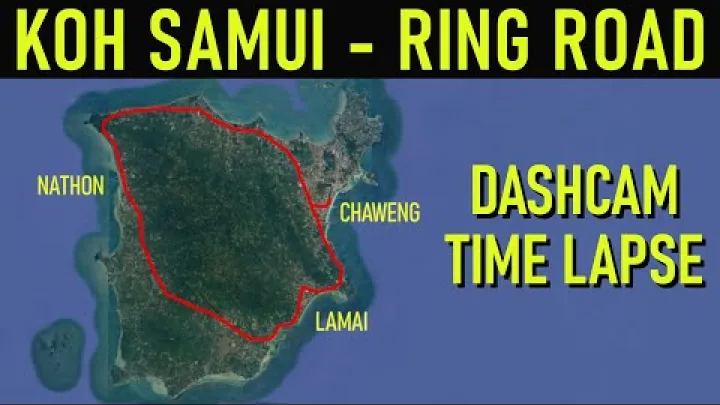
The interior hills are greener and can be beautiful, but they are less practical as a base for travelers who want easy walking access to meals and beach time. Villas and retreats in elevated locations may have excellent views, but they usually require planned transport. For most first visits, choose a beach area before choosing a specific hotel. The exact micro-location often matters more than the broad district name.
Best Time to Visit Ko Samui
Ko Samui has tropical weather, so planning by season is helpful, but no period guarantees perfect conditions. The best time depends on whether your priority is beach weather, lower prices, fewer crowds, diving, boat trips, or a relaxed long stay.
Dry, Shoulder, and Wet Season Trade-Offs
Ko Samui is generally most appealing for classic beach travel during its drier periods, when visitors are more likely to find calmer conditions and more comfortable beach days. Shoulder months can be a good compromise, with potential value and fewer crowds, but weather may be more mixed. The wettest parts of the year can still include sunny periods, yet plans are more vulnerable to heavy showers, rough seas, and tour changes.
A practical approach is to match the season to your tolerance for uncertainty. If you are booking a short honeymoon, family holiday, or once-in-a-year beach trip, prioritize more reliable weather and flexible bookings. If you are staying longer or traveling on a lower budget, shoulder periods may be attractive because you can wait out rain and adjust your plans.
How Season Affects Beaches, Ferries, and Boat Trips
Weather affects more than sunbathing. Wind, rain, and sea conditions can influence swimming, ferry comfort, snorkeling visibility, diving plans, kayaking, and marine park day trips. A beach that feels calm in one month may feel choppier or less clear in another. Boat operators may also adjust routes, timing, or departures when conditions are poor.
If Ang Thong, Koh Phangan, or Koh Tao is central to your trip, build flexibility into the schedule. Avoid placing your only important boat day on your final full day if missing it would disappoint you. Choose refundable or changeable tours where possible, and confirm pickup areas, cancellation terms, and weather policies before paying.
When Ko Samui May Fit Better Than the Andaman Coast
Many Thailand visitors compare Ko Samui with Phuket, Krabi, and other Andaman coast destinations. The key planning point is that Thailand’s coastlines do not always share the same seasonal pattern. A month that is attractive for one coast may not be ideal for another, so compare current weather expectations by region rather than assuming all Thai islands work the same way.
For shorter holidays, choose one coast instead of trying to combine everything. A trip that includes Bangkok, Ko Samui, Koh Phangan, and Koh Tao can already feel full. Use a wider Thailand itinerary plan if you are deciding how Samui fits into a longer route. Adding Phuket or Krabi may create more transit than beach time unless you have a longer itinerary.
Where to Stay in Ko Samui
Choosing where to stay is the most important decision in Ko Samui. Your base affects noise, transport costs, restaurant access, beach style, tour pickup convenience, and how relaxed the trip feels. The Tourism Authority of Thailand highlights beach areas such as Chaweng, Lamai, Taling Ngam, and Natien, which reflects the island’s variety rather than one single visitor center.
Chaweng and Lamai for Convenience and Nightlife
Chaweng is the best-known and busiest visitor area. It suits travelers who want many restaurants, shops, bars, tour desks, and beach services nearby. It can be convenient for first-time visitors because staying central reduces the need for taxis or rentals, especially in the evening. The trade-off is that noise, traffic, and crowds can be more noticeable, particularly in central locations.

Lamai is also on the east coast but usually feels more relaxed than central Chaweng. It still offers beach-town convenience, dining, accommodation options, and access to tours, but with a softer pace. Choose Chaweng if you want the most activity nearby. Choose Lamai if you want convenience without being in the island’s busiest nightlife zone. In both areas, read recent hotel reviews carefully for noise, beach access, and exact location.
Bophut and Maenam for a Quieter Base
Bophut is a popular north-coast base, especially around Fisherman’s Village. It suits travelers who want a more atmospheric evening setting with restaurants, small shops, and a village-style feel rather than a full nightlife district. It can work well for couples and families who want enough to do in the evening without staying in the busiest part of the island.
Maenam is generally quieter and more spread out. It can suit families, long-stay travelers, and visitors who value calm over nightlife. The beach is long, and the area can feel less concentrated than Bophut, so check how close your hotel is to meals, shops, and transport. North-coast stays may also be practical for some onward island routes, but departure points vary by operator, so confirm the actual pier used before choosing a hotel solely for ferry convenience.
West and South Coasts for Retreat Stays
The west and south coasts generally feel quieter than the main east and north coast hubs. They can be excellent for sunsets, villas, retreats, wellness-focused trips, and repeat visitors who do not need constant activity nearby. Nathon is an important west-coast reference point and ferry area, but it is not usually chosen as the main nightlife base for a first beach holiday.

The practical trade-off is transport. Remote locations may require a rental car, private driver, hotel shuttle, or pre-arranged taxis for meals and excursions. This can be worthwhile if you want seclusion, but it can become frustrating if you expected to walk everywhere. Before booking, confirm whether the property has restaurants nearby, whether tour operators collect from the area, and how you will return at night.
How to Pick the Best Base for Your Trip
There is no single best area for every traveler. Use your base to reduce friction. If you want nightlife and easy tours, stay where services are concentrated. If you want quiet, accept that you may need more transport planning. For stays of two or three nights, one base is usually enough. For five nights or longer, a split stay can make sense if you want both a lively area and a retreat-style coast.
| Area | Best for | Main trade-off |
|---|---|---|
| Chaweng | Nightlife, choice, first-time convenience | Noise and crowds in central spots |
| Lamai | Beach-town convenience with a calmer feel | Less action than Chaweng |
| Bophut | Dining, Fisherman’s Village, couples, families | Can be busy in popular evening areas |
| Maenam | Quiet stays, families, longer visits | More spread out |
| West and south coasts | Retreats, sunsets, villas, seclusion | Transport planning is essential |
Getting to Ko Samui
Ko Samui is reached mainly by air or by ferry from mainland Southern Thailand. The best route depends on your budget, arrival time, luggage, and how much travel time you want to spend before reaching your hotel.
Flying into Samui International Airport
Flying is usually the fastest and simplest way to reach Ko Samui, especially for short holidays. Samui Airport is the island’s main air arrival point and is convenient for northeastern visitor areas such as Chaweng and Bophut, with onward transfers available to Lamai and quieter coasts.
If you book separate tickets through Bangkok or another hub, leave enough connection time for immigration, baggage collection, terminal changes, and delays. Also check baggage rules carefully, especially if your international and domestic flights are on different bookings. Families, travelers arriving late, and visitors with limited holiday time often find the extra cost of flying worthwhile because it reduces transfer complexity.
Ferry Routes from Surat Thani and Donsak Pier
The ferry route from mainland Surat Thani Province is a common option for budget travelers and overland routes. Many journeys involve travel to Donsak Pier, then a ferry to Ko Samui arrival points such as Nathon Pier or other operator-specific piers. Some tickets combine bus, minivan, and ferry segments, which can be convenient but require careful attention to timing.
Route planners such as Direct Ferries show ferry options between Surat Thani and Ko Samui, but schedules, fares, vehicle policies, and weather-related changes should be checked close to travel. If you arrive late into Surat Thani by train, bus, or plane, you may need to stay overnight on the mainland rather than assume you can continue to the island the same day.
Choosing Between Flights and Ferry Transfers
Flights save time and reduce the number of moving parts. Ferries can save money, fit overland routes, and allow some vehicle transfers, but the total trip can become long once you include airport, bus, pier, ferry, and hotel transfers. Compare the full route, not just the ticket price.
| Option | Choose it when | Check carefully |
|---|---|---|
| Flight | Your trip is short or you want the simplest arrival | Connection time, baggage rules, hotel transfer |
| Ferry | You are traveling overland or managing a tighter budget | Schedules, pier location, weather, last departures |
| Bus-ferry package | You want one combined mainland-to-island ticket | Pickup point, waiting time, arrival pier |
For families, travelers with heavy luggage, or anyone arriving late in the day, the most comfortable option is usually the route with the fewest transfers, even if it is not the cheapest on paper.
Getting Around Ko Samui
Getting around Ko Samui is easy in some areas and inconvenient in others. Your transport experience depends strongly on your base, confidence on local roads, and how often you plan to explore beyond your beach.
Songthaews, Taxis, and Private Transfers
Common local transport options include songthaews, taxis, motorcycle taxis, hotel transfers, and private drivers. Royal Vacation DMC describes these as among the main ways visitors move around the island. Songthaews can be useful along main routes, but they are less predictable than scheduled public transport and may not suit late-night travel, remote beaches, or travelers with lots of luggage.
Taxis, transfers, and private drivers are more convenient but can become expensive for longer distances or frequent trips. Confirm the fare before starting a ride, and ask your hotel for typical local options if you are unsure. If you plan to go out every night, staying in a walkable area may save both time and money.
Renting a Motorbike or Car Safely
Rentals are popular because they allow independent access to beaches, viewpoints, villages, and quieter coasts. A car can be practical for families or travelers who want more protection from weather. A motorbike may be convenient for experienced riders, but it carries real risk in traffic, on hills, in rain, and on unfamiliar roads.
Do not rent a motorbike if you are not already a confident and properly licensed rider. Check your license requirements, travel insurance coverage, helmet quality, rental paperwork, deposit terms, and the condition of brakes, lights, tires, and mirrors. Photograph the vehicle before leaving the rental shop. If you are unsure, hire a driver for a half-day island loop instead of learning to ride in traffic.
Walking, Beach Areas, and Practical Mobility Limits
Walking works best within compact areas such as central Chaweng, parts of Lamai, and Fisherman’s Village. It is useful for meals, shopping, and short evening strolls. However, Ko Samui is not a fully walkable island, and pedestrian conditions can be inconsistent away from main visitor streets.
If you are traveling with children, older relatives, heavy luggage, or mobility limitations, check the hotel’s exact position carefully. A property described as near a beach or village may still involve hills, narrow roads, or difficult walking conditions. Quieter beaches can be peaceful, but they may require transport for restaurants, shops, pharmacies, and tour pickups.
Best Things to Do in Ko Samui
The best things to do in Ko Samui are not only attractions. Most successful trips combine beach time, local food, short cultural visits, a village or market evening, and perhaps one boat excursion if conditions are suitable.
Beaches, Temples, and Local Villages
For a first visit, organize your days by travel style rather than trying to rank every sight. Beach-focused travelers may spend mornings swimming or relaxing in Chaweng, Lamai, Maenam, or a quieter resort beach. Food-focused travelers may enjoy evenings in Fisherman’s Village, local markets, or simple beachfront restaurants. Culture-focused travelers can include temple visits and village stops, while allowing time for respectful behavior and appropriate dress.
Bring a light cover-up for temple visits, avoid disruptive behavior in religious spaces, and ask before photographing people closely. Start earlier in the day when possible, especially for outdoor sightseeing, because heat and rain can affect comfort. If you want to visit several beaches or viewpoints in one day, use a driver or rental vehicle rather than assuming walking is practical.
Ang Thong, Koh Phangan, and Koh Tao Day Trips
Ko Samui can be used as a base for Mu Ko Ang Thong National Marine Park trips and nearby island visits. Ang Thong tours often appeal to travelers who want scenery, kayaking, viewpoints, and a full-day boat excursion. Koh Phangan can be visited for beaches and nightlife, though many travelers prefer to stay overnight if they want to experience the island beyond a quick stop. Koh Tao is strongly linked with diving and snorkeling, and an overnight stay is often more realistic for serious diving plans.
Do not overpack a short itinerary with multiple ferry days. Each transfer adds waiting time, weather risk, and luggage handling. Before booking, confirm departure pier, pickup area, sea conditions, cancellation rules, and whether the trip suits children, non-swimmers, or travelers prone to seasickness.
Suggested Plans for Two, Three, and Five Days
For two days, keep the plan simple. Stay in one base, enjoy your nearest beach, choose one evening area such as Fisherman’s Village or Lamai, and consider a short island loop if you have reliable transport. Avoid trying to add multiple offshore trips unless your timing is excellent and conditions are favorable.
For three days, add variety without rushing. Spend one day around your base, one day exploring another beach area plus a temple or viewpoint, and one flexible day for a boat trip or relaxed resort time. If weather is poor, use the flexible day for dining, spa time, shopping, or a gentle island drive.
For five days, Ko Samui becomes much easier to enjoy. You can balance beach time, one or two different coastal areas, Fisherman’s Village, a temple or village visit, and one weather-dependent excursion to Ang Thong, Koh Phangan, or Koh Tao. Five days also gives you space to rest, which is important because many travelers choose Samui for a beach holiday, not a checklist.
Costs, Booking, Safety, and Travel Tips
Ko Samui can fit different budgets, but total cost depends heavily on season, location, flights, accommodation style, and transport choices. Planning the practical details before arrival helps avoid stress and unnecessary spending.
What Usually Drives the Cost of a Ko Samui Trip
The largest cost drivers are usually accommodation, flight choices, local transfers, and boat excursions. Direct flights to the island can be convenient but may raise the total trip cost. Beachfront resorts and villas also shape the budget more than small daily expenses. Staying slightly inland or choosing a calmer area can reduce accommodation costs, but only if transport does not offset the savings.
Dining style also matters. Simple Thai meals, local markets, and casual restaurants can keep costs moderate, while resort dining and frequent taxis can increase spending quickly. Compare the full route cost before choosing between flying and ferry travel, and compare hotel location as well as room rate before booking.
Booking and Transport Checks Before You Go
Before you travel, confirm the details that will affect your first day and any major excursions. This is especially important if you arrive at night, use a bus-ferry combination, stay in a remote area, or plan boat trips early in your visit.
- Check flight times, baggage rules, and connection time if tickets are separate.
- Confirm ferry schedules, pier names, transfer points, and last departures.
- Ask your hotel about airport or pier transfers before arrival.
- Check whether your hotel location is walkable for meals and shops.
- Review cancellation terms for hotels, tours, and transport.
- Confirm tour pickup areas, especially for remote west or south coast stays.
- Check current weather before finalizing boat trips or long transfers.
- Keep a flexible plan if marine excursions are important to you.
Safety Notes for Roads, Beaches, Scams, and Weather
Most visits to Ko Samui are straightforward, but normal travel caution matters. Road safety is one of the most important issues. Wear a helmet, avoid riding after drinking, drive defensively, and do not rent a motorbike without the right experience and insurance. Rain can reduce visibility and make roads slippery, especially in hilly areas.
At beaches, pay attention to local conditions, flags, currents, boat traffic, and weather changes. Use reputable operators for water activities, and make sure you understand what is included before paying for tours, rentals, or rides. Overcharging and misunderstandings can happen in busy tourist areas, so confirm prices clearly before accepting transport or equipment. For travel advisories, storms, or official warnings, check current official guidance close to your departure date.
Final Planning Tips for Ko Samui
Ko Samui is easiest to enjoy when you plan around your base, season, and transport style. Choose Chaweng or Lamai if convenience and activity matter most, Bophut or Maenam if you want a quieter but still practical stay, and the west or south coast if you are comfortable arranging transport for a retreat-style trip.
Fly if time is limited and your budget allows. Consider ferries if you are already traveling through Southern Thailand or want a more budget-conscious route. Keep boat trips flexible, avoid overloading short stays, and confirm key logistics before arrival. With the right base and a realistic pace, Ko Samui can be both easy for first-time travelers and varied enough for a longer Gulf of Thailand holiday.
Select area
Create a post
Posting is free and no registration is required.