Phitsanulok Budget Guide: Daily Costs in Northern Thailand
A Phitsanulok budget can be very manageable if you separate low-cost city days from more expensive regional excursions. The city is a practical Northern Thailand base with local markets, central temples, the Nan River area, Phitsanulok Railway Station, Phitsanulok Airport, and access to national parks farther away. This guide explains daily travel costs in Thai baht, including accommodation, food, local transport, activities, and the choices that raise or lower your total. Use the figures as planning ranges, not fixed live quotes, because hotels, transport, exchange rates, and holiday demand can change.
Quick Answer: How Much to Budget for Phitsanulok
For a normal city day in Phitsanulok, many travelers can plan around 700 to 1,200 THB per person on a tight budget, 1,300 to 2,500 THB for a mid-range stay, and 2,600 to 4,500 THB or more for a comfortable trip. These ranges cover days spent mainly in Phitsanulok city center, not international flights or full-day private excursions.
Daily Budget Ranges by Travel Style
The cheapest Phitsanulok travel budget is usually possible when you stay in a dorm or simple guesthouse, eat Thai meals at markets and local restaurants, walk between central sights, and keep paid activities modest. Mid-range travelers can stay in private hotel rooms, mix local food with cafes, and use tuk-tuks or taxis when needed. Comfortable travelers should budget more for higher-standard hotels, private transport, better restaurants, and flexible plans.

| Travel style | Daily city budget | Typical breakdown | Best for |
|---|---|---|---|
| Budget | 700 to 1,200 THB | Basic bed or room, local meals, walking, small activities | Backpackers, solo travelers, slow travelers |
| Mid-range | 1,300 to 2,500 THB | Private hotel, mixed dining, some paid rides, museums or temples | Couples, short-stay visitors, remote workers |
| Comfortable | 2,600 to 4,500 THB+ | Better hotel, cafes and restaurants, private rides, flexible extras | Travelers who value convenience and comfort |
A simple daily budget might look like 300 to 800 THB for accommodation, 150 to 350 THB for local meals, 0 to 200 THB for local transport, and 50 to 200 THB for small activities. A mid-range day may include 700 to 1,500 THB for a room, 350 to 700 THB for food and drinks, 150 to 500 THB for local transport, and 100 to 300 THB for activities. A comfortable day can rise quickly if you add riverside dining, a higher-end hotel, taxis, laundry, shopping, or a private excursion.
What the Estimates Include and Exclude
The main daily estimates in this guide are for city days: sleeping in or near Phitsanulok city, eating locally, visiting central sights such as Wat Phra Si Rattana Mahathat, walking along the Nan River, and using short local rides only when useful. They do not include international flights, travel insurance, major shopping, medical costs, or long-distance transfers unless a section says so.
A bus or train from Bangkok, Chiang Mai, or another Thai city should be added to your trip total. National park days are also separate because Phu Hin Rong Kla National Park and Thung Salaeng Luang National Park can require more transport planning than a normal city day. Before finalizing your budget, check your travel dates, Thai public holidays, hotel cancellation terms, and current transport availability.
Cost Drivers and Local Price Context
Phitsanulok is not a resort city, and that matters for budgeting. Many everyday costs are shaped by residents, students, local workers, transport hubs, and domestic travelers rather than by a large international tourism market.
Why Phitsanulok Often Feels Cheaper Than Major Tourist Hubs
Phitsanulok often feels affordable because it functions as a working provincial city. Around Phitsanulok city center, the railway station area, markets, and central temples, you can find simple Thai meals and practical accommodation aimed at ordinary daily life. This local price context helps keep basic spending low, especially compared with highly touristed beach resorts or nightlife districts.
The city also sits on the Bangkok to Northern Thailand travel corridor. That means bus and train access is relatively practical, and travelers do not always need expensive flights or private transfers to reach it. However, this does not mean every part of a Phitsanulok trip is cheap. A central city day can be low-cost, while a self-drive or private-driver day into rural mountain areas can be one of the largest expenses of the whole trip.
City Days Versus Rural and National Park Days
The most important budgeting distinction is city versus excursion. In the city, you can keep costs low by staying near the Nan River, Phitsanulok Railway Station, central markets, and Wat Phra Si Rattana Mahathat. You may spend little beyond food, accommodation, short rides, and small donations or attraction fees.
Phu Hin Rong Kla National Park and Thung Salaeng Luang National Park are regional add-ons, not walkable city attractions. Food in rural areas may still be inexpensive, but transport choices are fewer. If you need a rental car, private driver, fuel, park fees, or overnight accommodation outside the city, your daily average can rise sharply.
A useful planning method is to calculate city days and excursion days separately. For example, four low-cost city days and one expensive park day may still produce a reasonable total trip budget. If you average the park-day cost into every day without planning, Phitsanulok may look more expensive than it really is for ordinary city travel.
Accommodation Costs in Phitsanulok
Accommodation is usually the largest fixed part of a Phitsanulok budget. The city has low-cost beds, simple guesthouses, budget hotels, and more comfortable riverside or business-style hotels, but the best value depends on your date, location, room type, and tolerance for basic facilities.
Hostel and Guesthouse Price Expectations
Very low dorm prices can exist in Phitsanulok. Hostelz lists cheap dorm beds in a low dollar range, which can place the accommodation floor well below many larger tourist cities on some dates. Treat these listings as a price signal rather than a promise that the same bed will be available every night.
Hostels suit solo backpackers who want the lowest nightly cost and do not mind shared rooms. Guesthouses can be better value for couples because the per-person price of a private room may be close to two dorm beds. A guesthouse can also be more comfortable for light sleepers, remote workers, or travelers who need reliable air-conditioning and a private bathroom.
Before booking the cheapest bed, check recent reviews, air-conditioning, bathroom type, Wi-Fi quality, noise, and distance from the places you expect to visit. Examples such as Little Jasmine by the River show that small local accommodation exists in the city, but you should judge each property by current reviews, exact room inclusions, and your travel date.
Budget and Mid-Range Hotel Price Patterns
Budget hotels in Phitsanulok can be very competitive, especially outside busy periods. KAYAK shows hotel prices from low nightly levels and indicates that average rates can vary by month, with some months cheaper than others. Use this as a reminder to compare your exact dates rather than relying on a single average.

For planning, many budget travelers can look for simple private rooms in the 500 to 1,000 THB range when availability is good. Mid-range travelers may plan around 1,000 to 2,000 THB for better rooms, stronger locations, breakfast, parking, or more reliable facilities. Higher prices are possible during holidays, busy weekends, local events, or short booking windows.
Names that appear in budget and value searches include P1 House, The Harmony Ville, and The Grand Riverside Hotel Phitsanulok. Do not choose only by headline price. Compare breakfast, cancellation terms, air-conditioning, elevator access, parking, distance to food, and whether the room is near the railway station, river, airport, or the specific attraction you plan to visit.
Choosing a Location That Saves Transport Money
A cheaper room outside the center is not always the cheapest total choice. If the room saves 150 THB per night but forces you to take several tuk-tuk rides, you may spend more overall and lose time. This is especially important on short stays.
For a walkable city itinerary, central locations near the Nan River, Phitsanulok Railway Station, Wat Phra Si Rattana Mahathat, and market areas can reduce daily transport costs. Staying near Phitsanulok Airport can make sense for an early flight, late arrival, or car rental pickup, but it may not be ideal if your main goal is central sightseeing and local food.
A practical rule is simple: map your hotel to food, transport, and your first two activities before booking. If a slightly more expensive central room avoids multiple paid rides each day, it may be better value than a cheaper room farther out.
Food, Drinks, and Everyday Spending
Food is one of the strongest reasons Phitsanulok works well for a low-cost Northern Thailand itinerary. Simple Thai meals, markets, snacks, and local drinks can keep daily spending modest, while cafes, Western food, alcohol, and hotel restaurants can raise the budget quickly.
Street Food, Markets, and Simple Local Meals
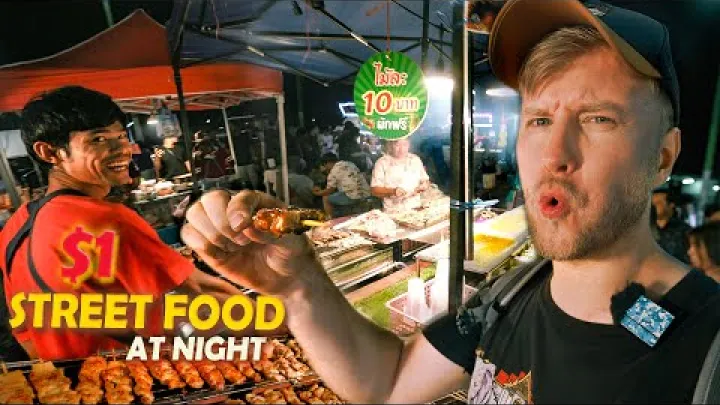
Markets and local eateries are often the best value for travelers. A cautious food budget for simple Thai meals and snacks is around 150 to 350 THB per day if you eat mostly at stalls, small restaurants, and casual market areas. This could cover basic rice or noodle meals, fruit, water, and a snack, depending on appetite and location.
Anecdotal local evidence supports the idea that market eating can be inexpensive: a local traveler report described a Saturday night food and shopping outing in Phitsanulok costing around 400 THB for plenty of food. Treat this as one traveler's experience, not a fixed price list.
Good low-cost eating contexts may include walking streets, food stalls, market areas, simple restaurants near transport hubs, and vendors around busy local zones. Carry small notes and coins because stalls may not want large bills, and card payment is not something to assume at small vendors.
Cafes, Sit-Down Restaurants, Alcohol, and Small Extras
Food budgets rise when you add coffee, desserts, air-conditioned cafes, Western meals, hotel restaurants, and alcohol. A traveler eating mostly street food might stay near 150 to 350 THB per day. A mixed local dining day with coffee, a simple restaurant meal, snacks, and a drink may be closer to 350 to 700 THB. A comfortable dining day with cafes, better restaurants, and alcohol can exceed 700 THB.
Alcohol is a common budget leak because it is discretionary but can cost as much as several basic meals. Imported food, specialty coffee, desserts, and riverside dining can also make a low-cost day feel like a mid-range day.
Remember small daily extras. Bottled water, laundry, SIM top-ups, toiletries, fruit, pharmacy items, and convenience-store snacks are not large individually, but they can add 50 to 200 THB per day. If you are staying for a week, include these in your Phitsanulok travel budget rather than treating them as surprises.
Cash, Cards, and Daily Money Handling
Carry Thai baht in small denominations for markets, tuk-tuks, songthaews, temple donations, small shops, and food stalls. Larger hotels and some modern businesses may accept cards, but many small vendors may prefer or require cash.
ATMs are common in Thai cities, including provincial centers such as Phitsanulok, but withdrawal fees and your home bank's charges can affect the real cost. If you withdraw frequently in small amounts, fees can become a meaningful part of your budget.
A practical approach is to keep enough cash for one or two days of local spending while storing backup cards separately. Keep coins and smaller notes ready for short rides and street food. This avoids both over-withdrawing and the inconvenience of trying to pay a small vendor with a large note.
Transport Costs for Getting There and Around
Transport costs in Phitsanulok fall into three categories: getting to the city, moving around the city, and reaching rural or national park areas. The first and third categories can change your total budget more than ordinary local rides.
Getting to Phitsanulok by Bus or Train
Bus travel is often one of the most budget-friendly ways to reach Phitsanulok from Bangkok. BusOnlineTicket lists Bangkok to Phitsanulok bus tickets at about 270 THB, with Bangkok departures associated with Mochit Bus Terminal 2. Live fares can vary by operator, seat type, booking date, and availability.
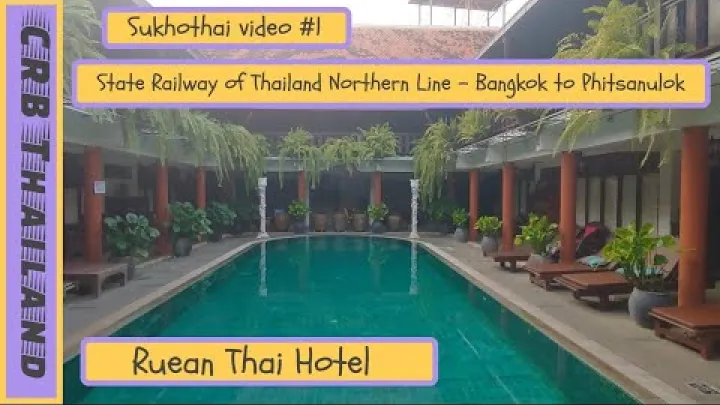
Train travel is another major option on the Bangkok to Northern Thailand corridor. Costs depend on train type and class, so it is better to check live schedules rather than use a single fare for every traveler. Slower ordinary or rapid services may cost less, while more comfortable classes cost more.
Do not mix arrival transport into your normal daily city budget unless you are calculating a total trip cost. A traveler who spends 900 THB on a normal city day and 270 THB on a bus ticket has a different budget from someone who flies or hires private transport. Holiday periods can reduce availability and may affect the price of the most convenient seats.
Local Transport Inside the City
Walking is the cheapest option for central sightseeing, especially if you stay near the railway station, river, markets, and central temples. Heat, rain, luggage, and distance can make paid rides worthwhile, so budget a small amount even if you plan to walk often.
Local transport choices may include buses, songthaews, tuk-tuks, motorbike taxis, taxis, and app-based rides where available. As a general Thailand baseline, THAI.LT notes that local bus fares can be in low baht ranges, but actual routes and prices should be confirmed locally in Phitsanulok.
For tuk-tuks and informal rides, confirm the fare before you get in. Carry cash, preferably small notes. Budget travelers can reduce transport spending by staying central and grouping nearby sights into one outing. Mid-range travelers may prefer paying for short rides during the hottest part of the day.
Airport, Car Rental, and Private Excursion Transport
Phitsanulok Airport can be useful for travelers with limited time, early flights, or plans to rent a car. However, airport convenience may not be the cheapest option once you add flight costs, airport transfers, rental deposits, insurance, fuel, and possible parking.
Car rental can make sense for national parks, rural temples, or groups that want flexibility. It is less necessary for a simple city itinerary. Current car rental rates, insurance terms, deposits, fuel policies, and one-way fees should be checked directly with rental providers for your exact dates.
Private drivers and rental cars can dominate the budget on excursion days. Compare the total cost, not only the headline rental fee. Include fuel, insurance, parking, park vehicle fees, navigation time, and the number of passengers sharing the cost. For a couple or small group, a car can become reasonable per person. For a solo traveler, joining others or staying with city-based activities may be cheaper.
Attractions, Excursions, and Activity Costs
Phitsanulok city has many low-cost experiences, while regional nature trips can be much more expensive because of transport. When planning activities, separate temple visits, markets, and museums from full-day rural excursions.
Low-Cost City Sights and Informal Experiences
Many city experiences cost little beyond food, drinks, donations, or local transport. Walking by the Nan River, exploring markets, visiting central temple areas, and observing everyday city life can fill a day without a large activity budget.
Wat Phra Si Rattana Mahathat is a key local anchor and one of the most important places visitors associate with Phitsanulok. Even when a temple visit is free or low-cost, budget for appropriate clothing, possible donations, flowers, offerings, drinks, or transport. Low cost does not mean zero spending.
For a strict budget day, set aside 50 to 150 THB for small activity-related costs. For a more relaxed day, 150 to 300 THB gives room for drinks, donations, a small souvenir, or a short ride between sights.
Museum Fees, Temple Donations, and Paid Attractions
Small paid attractions can fit easily into both budget and mid-range plans. Trip.com lists Sgt. Maj. Thawee Folk Museum admission at 50 THB for adults and 25 THB for children. Check current opening times and prices before visiting because small museums can change schedules.
Attraction spending in the city is unlikely to be your biggest cost compared with accommodation or private transport. Still, small items add up. Include temple donations, lockers, guide tips, small souvenirs, and extra drinks in your activities category.
If you are traveling on a tight budget, choose one paid cultural stop per day and combine it with free or low-cost experiences nearby. If you are mid-range or comfortable, activity fees are usually a minor part of the day unless you add private guiding or transport.
National Park and Regional Excursion Costs
Phu Hin Rong Kla National Park and Thung Salaeng Luang National Park are better treated as regional excursions than normal city attractions. Their cost categories may include transport, entrance fees, vehicle fees, food, park accommodation, camping, or a private driver.
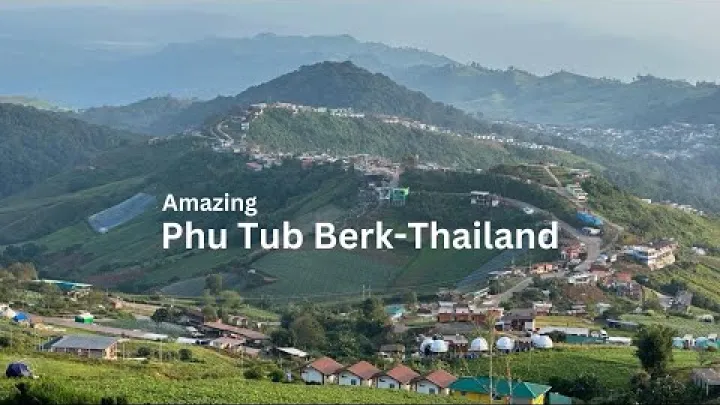
Before visiting, verify current park fees, road access, weather conditions, opening rules, and transport options. National park costs can change, and access can be affected by season or local conditions. If you are self-driving, include fuel and time. If you hire a driver, ask whether the quoted price includes waiting time, fuel, parking, and return travel.
One park day can raise your total average even if the rest of your Phitsanulok itinerary is inexpensive. To control costs, share transport, group multiple rural sights into one excursion when practical, or add extra low-cost city days before or after the park visit.
Sample Trip Budgets
Sample budgets help turn daily ranges into realistic trip totals. The examples below exclude international flights and assume that long-distance arrival costs are added separately unless stated.
One to Three Day City Budget Examples
For short city stays, accommodation location matters. A central room can reduce transport needs, and local meals can keep the total low. The following rounded ranges are per person, but couples sharing a room may pay less per person than two solo travelers in separate rooms.
| Trip length | Budget style | Mid-range style | Comfortable style |
|---|---|---|---|
| 1 city day | 700 to 1,200 THB | 1,300 to 2,500 THB | 2,600 to 4,500 THB+ |
| 2 city days | 1,400 to 2,400 THB | 2,600 to 5,000 THB | 5,200 to 9,000 THB+ |
| 3 city days | 2,100 to 3,600 THB | 3,900 to 7,500 THB | 7,800 to 13,500 THB+ |
A one-day budget traveler might sleep in a dorm or simple room, eat at markets, walk around the central area, and visit one low-cost attraction. A mid-range traveler might choose a private hotel, add cafes and short rides, and visit a museum. A comfortable traveler may choose a better hotel, more private transport, and more flexible dining.
Five-Day Budget With One Excursion Day
A common Phitsanulok pattern is several low-cost city days plus one higher-cost excursion day. This is different from assuming every day requires a private vehicle. If four days are simple and one day involves a car or driver, the average rises but can still remain reasonable.
| Five-day style | City days | Excursion day | Estimated total |
|---|---|---|---|
| Budget | 4 days at 700 to 1,100 THB | 1,500 to 2,500 THB | 4,300 to 6,900 THB |
| Mid-range | 4 days at 1,300 to 2,200 THB | 2,500 to 4,500 THB | 7,700 to 13,300 THB |
| Comfortable | 4 days at 2,600 to 4,000 THB | 5,000 to 8,000 THB+ | 15,400 to 24,000 THB+ |
The cheapest way to reduce the five-day average is to share excursion transport or extend the stay with additional low-cost city days. The fastest way to raise the average is to use private transport for multiple separate rural trips.
Sharing Costs for Couples, Families, and Small Groups
Per-person costs are not always linear. Couples and small groups can share private rooms, tuk-tuks, rental cars, fuel, and drivers. This can make a better hotel or private excursion more sensible than it looks for one person.
Solo travelers may spend less by using dorms, but they often pay more per person for private transport. If you are alone and want to visit national parks, compare self-drive, private driver, shared tour options, or changing the itinerary to focus on city attractions.
Families should budget for larger rooms, taxis or private rides, snacks, laundry, and child attraction fees where applicable. A family may spend more in total but less per person on transport if everyone shares one vehicle. Always compare total trip cost rather than only the price of one room or one ticket.
Frequently Asked Questions
How much money do I need per day in Phitsanulok?
Plan around 700 to 1,200 THB per person for a tight city budget, 1,300 to 2,500 THB for mid-range travel, and 2,600 to 4,500 THB or more for a comfortable city day. Add extra for long-distance travel, car rental, private drivers, and national park excursions.
Can I visit Phitsanulok for less than 1000 THB per day?
Yes, it can be possible if you use a dorm or very simple room, eat local food, walk in the central area, and keep paid activities low. It becomes harder if you want a private hotel room, cafes, alcohol, taxis, or regional excursions.
Is Phitsanulok cheaper than Chiang Mai or Bangkok?
Phitsanulok often feels cheaper for basic local meals, simple rooms, and low-key city days because it is a provincial city rather than a major international tourist hub. However, private transport and national park trips can still be expensive, so compare the full itinerary rather than only meal prices.
Do I need cash in Phitsanulok?
Yes, carry cash for markets, food stalls, tuk-tuks, local transport, small shops, and temple donations. Larger hotels and some modern businesses may accept cards, but small vendors may not.
Should I rent a car in Phitsanulok?
Rent a car only if it supports your itinerary. It can be useful for national parks and rural sights, especially for couples or groups, but it is usually not necessary for a simple city stay. Compare rental cost, insurance, deposit, fuel, parking, park fees, and the number of passengers sharing the expense.
Conclusion: Planning a Realistic Phitsanulok Budget
A realistic Phitsanulok budget starts with separating ordinary city days from higher-cost regional excursions. City travel can be inexpensive if you stay central, eat at local markets, walk when practical, and choose simple accommodation. Costs rise with better hotels, cafes, alcohol, taxis, car rental, private drivers, and national park days.
For most travelers, Phitsanulok is a good-value Northern Thailand base rather than an expensive destination. Plan in Thai baht, use ranges instead of exact promises, check current prices for your dates, and keep small cash ready for everyday spending.
Select area
Create a post
Posting is free and no registration is required.