Phitsanulok Getting There: Flights, Trains, Buses and Road

Phitsanulok getting there is usually straightforward because the city is a practical transport hub in Thailand’s lower north, not an isolated destination with only one route. Most visitors arrive from Bangkok by domestic flight, train, or intercity bus, while travelers already in Northern Thailand often use trains, buses, minivans, or private road transfers. The right choice depends on your starting point, luggage, budget, arrival time, and whether you are continuing to Sukhothai, Tak, Nakhon Sawan, or Chiang Mai. This guide explains the main arrival options, the key stations and terminals, and the common mistakes to avoid when planning your route.
Quick Answer: The Best Way to Reach Phitsanulok
Phitsanulok is listed by the Tourism Authority of Thailand as a province in Northern Thailand, and in transport terms it works as a useful gateway between Bangkok, the lower north, and nearby heritage destinations such as Sukhothai. You can reach the city by air through Phitsanulok Airport, by train on the State Railway of Thailand Northern Line, by long-distance bus, or by road.
Compare Flights, Trains, Buses, and Driving
For most international travelers, the main decision is between flying, taking the train, or using an intercity bus from Bangkok. Flights are fastest once you are at the airport, but the real travel time includes airport transfers, check-in, baggage, and the move from Phitsanulok Airport into the city. Trains are often the best balance of comfort and convenience because they arrive at Phitsanulok Railway Station, a central and recognizable point for onward movement. Buses are commonly budget-friendly and may offer more departure choices, but they depend on traffic and the exact terminal used by the operator.
Driving or hiring a car makes the most sense when your trip includes several regional stops. It is useful for routes that are not aligned with the railway, such as combinations involving Sukhothai, Kamphaeng Phet, Tak, or smaller towns. However, a private vehicle is not automatically cheaper for a solo traveler after fuel, insurance, parking, and fatigue are considered.
| Option | Best for | Main caution |
|---|---|---|
| Flight | Fast Bangkok to Phitsanulok travel | Check the Bangkok airport and allow connection time |
| Train | Comfort and city arrival | Confirm the station and current timetable |
| Bus | Budget travel and frequent routes | Confirm whether you arrive at Terminal 1 or Terminal 2 |
| Car or private transfer | Flexible regional itineraries | Plan for traffic, rest stops, and night driving fatigue |
Match Your Route to Your Starting Point
If you start in Bangkok, compare domestic flights, trains from Krung Thep Aphiwat Central Terminal, and buses from Bangkok Mochit Bus Terminal 2. This is the most developed route pattern and usually gives the widest choice of departure times and prices.
If you start in Chiang Mai, look first at southbound trains and buses rather than assuming that a direct flight will be the simplest choice. A train can be useful if you want to break the long north-south journey and avoid backtracking through Bangkok.
If you start in Sukhothai, Nakhon Sawan, Tak, or another nearby province, overland travel is usually the practical approach. Regional buses and minivans may not be as easy to research online as Bangkok routes, so confirm locally, arrive early at terminals, and avoid building a schedule that depends on the last possible departure.
Arriving by Air at Phitsanulok Airport
Phitsanulok Airport, commonly identified by the airport code PHS, is the city’s domestic air gateway. It is useful for travelers who value speed, have a Bangkok airport connection, or want to reach the lower north without spending half a day on the road or railway.
Bangkok Flights to Phitsanulok
Bangkok is the main air gateway for flying to Phitsanulok. Low-cost domestic service has been offered on the route, and travelers can check operator pages such as Nok Air for current Bangkok to Phitsanulok flight availability. Because secondary domestic routes can change, do not rely on an old timetable or an outdated blog post when choosing your travel day.
The most important booking detail is the Bangkok airport. Some domestic flights in Thailand operate from Don Mueang Airport, while many international arrivals use Suvarnabhumi Airport. If your trip requires changing airports in Bangkok, add a generous buffer for immigration, baggage, traffic, and check-in. A short flight can become stressful if the connection in Bangkok is too tight.
Compare flying by door-to-door time, not only by time in the air. A flight may still be the fastest option, but the total journey includes travel to the airport, security, boarding, arrival, baggage, and the local transfer in Phitsanulok.
Booking Flights and Checking Current Operations
Book through an airline website or a reputable booking platform, and check the total fare before payment. Low-cost domestic fares can look attractive at first, but baggage, seat selection, payment fees, and schedule changes can affect the final cost and convenience.
Before departure, check your booking confirmation, the operating airport in Bangkok, baggage allowance, and flight status. Live flight boards can be useful for awareness, but the airline’s own communication is the most important reference for changes. If you are connecting to an onward bus, train, or minivan the same day, leave a buffer rather than planning a transfer that only works if everything is perfectly on time.
Airport Arrival and the Short Move Into the City
Phitsanulok Airport is close enough to the urban area for a straightforward road transfer, but exact journey time and fare depend on traffic, destination, time of day, and available local transport. Taxis or local transport may be available, but you should confirm the fare, destination, and payment method before leaving.
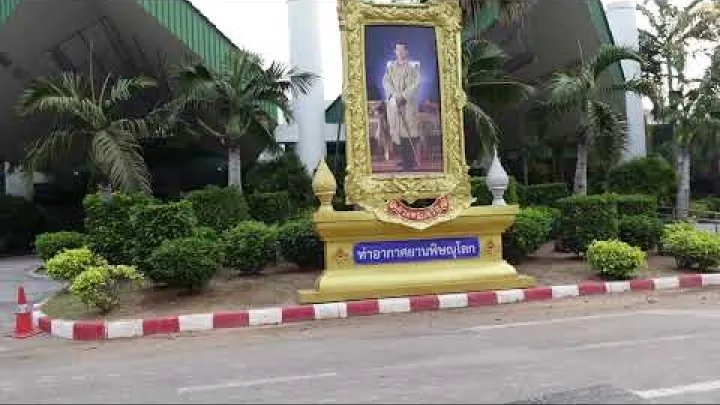
If your final destination is a city hotel, going directly to the hotel is usually the simplest choice, especially after a late arrival. If you are continuing to Sukhothai or another province, you may need to move from the airport to the correct bus terminal. Late arrivals make onward regional connections less reliable, so consider spending the night in Phitsanulok if your next leg is not confirmed.
Arriving by Train on the Northern Line
Train travel is one of the most practical ways to get to Phitsanulok. The city lies on the State Railway of Thailand Northern Line, which connects Bangkok with major northern destinations. For many travelers, rail provides a good balance of cost, comfort, and arrival convenience.
Bangkok to Phitsanulok by Train
From Bangkok, long-distance northern trains commonly use Krung Thep Aphiwat Central Terminal, but you should always follow the station printed on your ticket. Bangkok railway operations have changed over time, and older advice may refer to stations or boarding patterns that are no longer the default for your train.
The train can be especially attractive if you prefer avoiding airport procedures or if your hotel in Phitsanulok is closer to the railway station than to a bus terminal. Daytime trains allow you to see the route and arrive without the complexity of a late-night transfer. Overnight or late trains may help save daylight hours, but they require more care if you need a local transfer after arrival.
Do not plan from memory. Check the current timetable, train number, class, seat or berth type, and arrival time before buying. Popular travel dates, holidays, and sleeper berths can sell out, so book earlier when your date is fixed.
Chiang Mai to Phitsanulok by Train
For travelers moving south from Chiang Mai, the train can be a practical way to reach Phitsanulok without returning to Bangkok. This is useful if your route is Chiang Mai to Phitsanulok, then onward to Sukhothai, or if you want to break a long journey before continuing south.

The key planning issue is arrival time. A train that arrives conveniently for a hotel check-in may not arrive in time for an onward regional bus. If your plan depends on continuing to Sukhothai, Tak, or another nearby province the same day, compare the train arrival with the last practical local connection before committing.
Phitsanulok Railway Station and City Connections
Phitsanulok Railway Station is a key arrival point for train travelers and one of the easiest local landmarks to show a driver or hotel. From the station, travelers can continue to a city hotel, meet a pickup, or transfer toward bus services for regional routes.
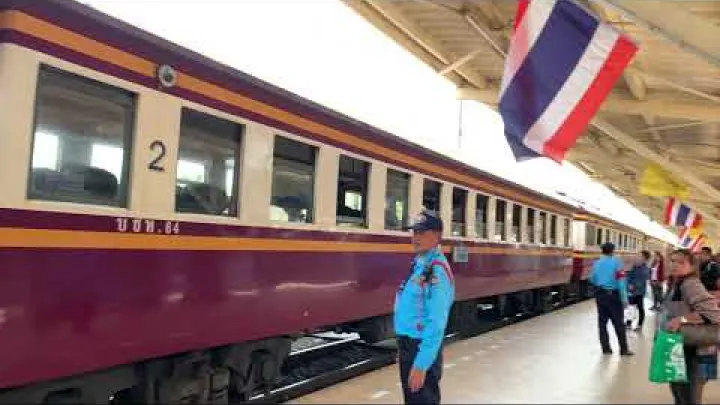
The railway station is not the same place as Phitsanulok Bus Terminal 1 or Phitsanulok Bus Terminal 2. If you are continuing by bus, know the name of your next terminal before you leave the station. Tuk-tuks or other local transport may be available around the station, but it is sensible to agree on the fare before departure and show the destination in a map app.
Arriving by Intercity Bus
Intercity buses are important for Phitsanulok transport because they connect Bangkok and regional provinces at generally modest cost. They are useful for budget travelers, people carrying more luggage than a low-cost flight allows, and visitors who prefer direct overland travel.
Bangkok to Phitsanulok by Bus
Bangkok to Phitsanulok buses generally use Bangkok Mochit Bus Terminal 2 as the main northern bus gateway. Booking platforms such as BusOnlineTicket show the route and can help compare operators, schedules, and example fares, although final details should always be checked before travel.
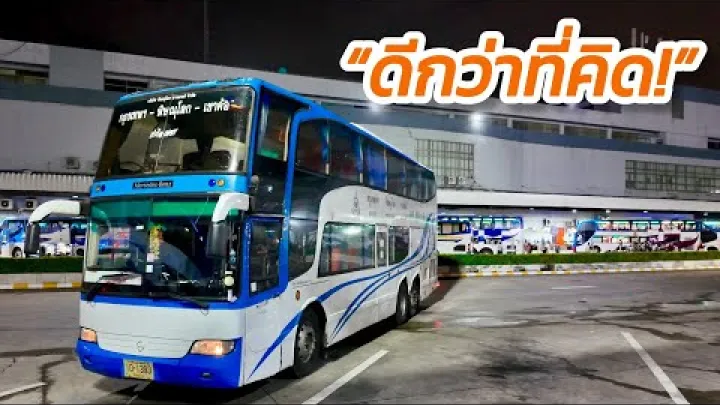
Buses are usually a budget-conscious and fairly direct way to reach Phitsanulok. Journey time can vary with Bangkok traffic, stops, road conditions, and the service class. Standard, first-class, and VIP-style labels may be used by operators, but the exact seating, meal stops, and onboard facilities depend on the company and ticket type.
- Best reason to choose the bus: lower cost and broad route availability from Bangkok.
- Main drawback: less space and more exposure to traffic delays than rail.
- Important check: confirm whether the bus arrives at Phitsanulok Bus Terminal 1, Phitsanulok Bus Terminal 2, or an operator office.
Phitsanulok Bus Terminal 1 and Bus Terminal 2
Phitsanulok has two important bus terminals, and this is one of the easiest details to get wrong. Terminal 1 is commonly known as the older and more central terminal, often associated with local or regional services. Terminal 2 is the newer terminal and is used by many long-distance services. Route allocations can change by operator, so treat these descriptions as practical guidance, not a permanent rule.
Terminal 1 may be called Bor Kor Sor Gao, meaning the old bus station. Terminal 2 may be called Bor Kor Sor Mai, meaning the new bus station. These Thai-style names can help when speaking with local drivers. A terminal guide from BusOnlineTicket also identifies Phitsanulok Bus Terminal 2 as a key terminal for the city.
The two terminals are separate locations and are not normally a comfortable walking transfer for most visitors with luggage. Before you get into a tuk-tuk, taxi, or local vehicle, show the driver the terminal number, Thai name, ticket, and map pin. This simple step prevents many wrong-terminal problems.
Regional Bus Links from Nearby Provinces
Regional buses and minivans connect Phitsanulok with nearby provinces such as Nakhon Sawan, Tak, Sukhothai, and other lower-north destinations. These services may be less visible online than Bangkok routes, and some details may be easier to confirm at the terminal, through your accommodation, or with a local operator.
Do not assume that every regional route runs hourly or late into the evening. Services can be thinner outside major corridors, and schedules may vary by day, season, or operator. If your itinerary depends on a regional connection, confirm the day before, arrive early, and keep small cash for local ticket counters or transport between terminals.
Driving, Private Cars, and Road Transfers
Road travel gives the most flexibility, especially for travelers building a multi-stop route through the lower north. It is also the option that requires the most personal planning because you are responsible for timing, rest stops, navigation, and safety decisions.
When Road Travel Makes Sense
Self-drive or private car travel can make sense when Phitsanulok is part of a wider route including Sukhothai, Kamphaeng Phet, Tak, or smaller towns that are not as convenient by rail. A car can also be useful for families or groups who want direct hotel-to-hotel movement rather than a chain of station and terminal transfers.
For a solo traveler, road travel is not always cheaper than train or bus travel. Rental cost, fuel, insurance, tolls, parking, and the value of rest time all matter. If you are uncomfortable driving in Thailand or arriving after a long international flight, a train, bus, domestic flight, or hired driver may be a safer and simpler choice.
Practical Driving and Buffer-Time Tips
Plan rest stops and avoid making your first long drive immediately after an overnight international flight. Bangkok traffic can add uncertainty at the beginning or end of the trip, and map-app travel times should be treated as estimates rather than promises.
Leave flexibility for weather, roadworks, local events, and fatigue. Night driving and rainy-season conditions can make a route feel more demanding, even when the map distance looks manageable. A private transfer with a driver may be worth considering for groups, families, or late arrivals when public transport connections are inconvenient.
Continuing Through Phitsanulok to Sukhothai and the Lower North
Many travelers search for how to get to Phitsanulok because they are actually using the city as a gateway to Sukhothai or another lower-north stop. This is a sensible approach, but the transfer between modes needs attention.
The Train-to-Bus Connection for Sukhothai
Phitsanulok is a common gateway for Sukhothai because travelers can arrive by train or air and then continue overland. A typical sequence is to arrive at Phitsanulok Railway Station or Phitsanulok Airport, transfer to the appropriate bus terminal, and continue toward Sukhothai by local bus or minivan if service is operating.
Sukhothai is not a mainline rail stop in the same way as Phitsanulok, so the overland connection matters. If you arrive late in the day, do not assume there will be a convenient same-evening departure to Sukhothai. It may be easier to sleep in Phitsanulok and travel onward the next morning, especially if you have luggage or are visiting for the first time.
Connections Toward Tak, Nakhon Sawan, and Chiang Mai
Phitsanulok fits well into broader regional itineraries. One common pattern is Bangkok to Phitsanulok, then Phitsanulok to Sukhothai or Tak, and later onward toward Chiang Mai. Another pattern is Chiang Mai to Phitsanulok by train, then continuing south to Bangkok or east and west by bus.
Rail is strongest on the north-south axis. For east-west or provincial links, buses, minivans, or private transfers are often more practical. When combining two different modes in one day, add buffer time because a late train or bus can affect the next leg.
Arrival Timing, Local Transfers, and Common Mistakes
The main challenge in Phitsanulok is not reaching the city; it is making sure your arrival point, onward terminal, and local transfer all match. A simple route can become confusing if you use the wrong terminal name or rely on old Bangkok station information.
Moving Between Stations, Terminals, and Hotels
Phitsanulok Railway Station, Phitsanulok Airport, Phitsanulok Bus Terminal 1, Phitsanulok Bus Terminal 2, and city hotels are not all in the same place. Travelers often underestimate this detail when switching from train to bus or from flight to regional minivan.
Local movement may involve tuk-tuks, songthaews, taxis, hotel pickups, or other local transport depending on time and location. For a smoother transfer, show the driver these details:
- The terminal number or station name
- The Thai-style terminal name, such as Bor Kor Sor Gao or Bor Kor Sor Mai
- Your ticket or booking confirmation
- A map pin for the exact location
- Your hotel name and phone number if going to accommodation
If you have heavy luggage, limited Thai language ability, or a late arrival, choose the simpler route with fewer transfers.
Late-Night and Early-Morning Arrivals
Some trains, buses, or flights may arrive outside normal daytime hours. Transport may still be available, but choices can be less predictable, and onward regional connections are harder to arrange at the last minute.
If you arrive late, book accommodation in advance and confirm reception hours. A first-time visitor arriving at night with luggage may find it easier to go directly to a hotel and continue onward the next morning. This is especially sensible if the next destination is Sukhothai or a smaller regional town.
Avoiding Overcharging, Wrong Terminals, and Tight Connections
Most problems can be avoided with a few checks before departure. The goal is not to be worried, but to remove avoidable confusion.
- Do not assume your bus uses the same Phitsanulok terminal as another operator.
- Do not rely on old Bangkok railway station advice without checking your ticket.
- Do not plan a same-day flight-to-bus connection with no buffer.
- Agree on the fare before using informal local transport when no meter or fixed system is clear.
- Check the arrival point, not only the departure point, on every ticket.
The safest itinerary is often the one with fewer transfers, especially after dark or when traveling with children, large bags, or limited time.
Booking and Verification Checklist
Because transport schedules and fares can change, the best travel plan is one that includes a final check close to departure. Use official operator sources where available, then compare reputable booking platforms for price and timing.
What to Confirm Before You Travel
For flights, confirm the airport, flight status, baggage allowance, and arrival time. For trains, confirm the Bangkok station, train number, class, seat or berth, and scheduled arrival in Phitsanulok. For buses, confirm the Bangkok terminal, operator, bus class, arrival terminal, and whether the ticket names Terminal 1, Terminal 2, or an operator office.
For driving, confirm the route, realistic travel time, rest stops, fuel plan, and whether you are comfortable arriving after dark. If your trip falls during a public holiday or peak domestic travel period, book earlier and expect more pressure on seats and road traffic.
How to Choose the Safest and Simplest Itinerary
Choose a flight if speed and airport connections matter most. Choose the train if you value comfort, moderate cost, and a recognizable city arrival point. Choose the bus if budget and route availability are your priorities. Choose a car or hired driver if your itinerary includes several regional stops or difficult public transport connections.
First-time visitors should favor daylight arrivals, clearly named stations or terminals, and itineraries with buffer time. The best route to Phitsanulok depends on your starting point, budget, luggage, arrival time, and onward destination, not only on the fastest option shown in a search result.
Conclusion: Planning a Smooth Arrival in Phitsanulok
Getting to Phitsanulok is manageable by flight, train, bus, or road, but the smoothest journey depends on matching the transport mode to your route. Bangkok offers the widest choice, Chiang Mai is practical by southbound rail or bus, and nearby provinces usually rely on regional overland links. Before you travel, confirm your exact airport, station, bus terminal, and arrival time. With a little buffer time and the correct terminal names, Phitsanulok becomes an easy gateway to the lower north, Sukhothai, and wider Northern Thailand.
Select area
Create a post
Posting is free and no registration is required.