Chiang Mai Where to Stay: Best Areas by Trip Style

Choosing where to stay in Chiang Mai matters because each neighborhood creates a different trip. The Old City is best for temples, markets, and first-time sightseeing, while Nimmanhaemin is better for cafes, remote work, and a modern daily routine. Night Bazaar, Chang Klan, Riverside, Wat Ket, Santitham, and outer villa areas all work well for specific travel styles. This guide compares the best areas in Chiang Mai by walkability, atmosphere, lodging type, noise, transport, and value so you can choose a practical base.
Quick Answer: Where to Stay in Chiang Mai
If this is your first trip and you want the easiest answer, stay in or very near the Old City. It gives most visitors the best balance of sightseeing access, food, markets, guesthouses, boutique hotels, and short rides to other parts of Chiang Mai. Choose Nimmanhaemin instead if your trip is more about cafes, gyms, remote work, apartments, and a modern neighborhood routine.
Best Area Choices at a Glance
There is no single best area for every traveler. The right Chiang Mai accommodation area depends on whether you want temples and markets, nightlife and shopping, quiet boutique comfort, a long-stay apartment, or a villa outside the city.
| Area | Best for | Walkability and atmosphere | Cost tendency | Main trade-off |
|---|---|---|---|---|
| Old City | First-time visitors, culture, backpackers, families | Very walkable, historic, busy near gates and markets | Budget to boutique | Some streets can be noisy |
| Nimmanhaemin | Digital nomads, cafes, repeat visitors | Walkable in parts, modern, urban | Mid-range to higher in prime spots | Traffic and possible aircraft noise in some locations |
| Night Bazaar and Chang Klan | Markets, larger hotels, tour pickup convenience | Active at night, less charming by day | Budget to upscale | More tourist-corridor feel |
| Riverside and Wat Ket | Couples, comfort-focused stays, quieter hotels | Calmer, dining-focused, less central for temple walks | Mid-range to luxury, with some simpler options | More rides needed |
| Santitham, Chang Phueak, Jed Yod | Longer stays, value, local food | Local feel, mixed walkability | Often better value | Less convenient for short sightseeing |
| Hang Dong, Mae Hia, Mae Rim | Villas, retreats, families needing space | Vehicle-based, quieter, spread out | Varies widely | Not ideal without transport |
Default Recommendation for a First Visit
For most first-time visitors, the default recommendation is the Old City, especially near quieter lanes inside the moat or just outside it. This area places you close to temples, small restaurants, massage shops, guesthouses, Sunday Walking Street on Ratchadamnoen Road, Tha Phae Gate, Chiang Mai Gate, and Chiang Mai Gate Night Market.
Choose Nimmanhaemin if your daily routine matters more than immediate access to historic sights. It is a stronger base for remote workers, cafe-focused travelers, people who want gyms and modern restaurants nearby, and longer-stay visitors who do not mind taking short rides to the Old City.
Wherever you stay, check the exact street. A quiet guesthouse on a side lane can feel very different from a room facing a busy gate, market street, bar, or main road.
How to Choose a Safe and Practical Chiang Mai Base
A good base in Chiang Mai is not only about distance from attractions. It is also about how you will move every day, whether you feel comfortable walking at night, how much noise you can tolerate, and whether the lodging type fits your trip length.
City Layout: Old City, Nimmanhaemin, Night Bazaar, and the Ping River
The Old City is the moated historic square and the easiest orientation point for most visitors. Tha Phae Gate sits on the east side of the moat, Chiang Mai Gate is to the south, and Ratchadamnoen Road becomes especially important during the Sunday Walking Street market.
Nimmanhaemin Road, often shortened to Nimman, is west of the Old City toward Doi Suthep and the university side of the city. Night Bazaar and Chang Klan Road are east and southeast of the Old City, while Riverside and Wat Ket sit around the Ping River. Visitor-area guides such as Nomadic Notes commonly frame Chiang Mai around these same core areas.
The visitor core is compact compared with many large Asian cities, but micro-location still matters. A hotel can be in a good neighborhood and still be inconvenient if it faces heavy traffic, sits far from restaurants, or requires crossing unpleasant roads at night.
Transport, Walkability, and Night-Time Comfort
Chiang Mai is not a city where every traveler needs a rental car. Common ways to move between neighborhoods include red songthaews, tuk-tuks, taxis, and ride-hailing apps. A guide from Tagthai describes red songthaews as one of the popular local transport options.

For walking, the Old City and Nimmanhaemin are usually the simplest bases. In the Old City, many temples, cafes, shops, and guesthouses are close together. In Nimman, cafes, restaurants, hotels, and apartments are clustered in a modern grid of main roads and side streets.
At night, choose busy and well-lit routes when walking, especially if you are alone. Use a ride late at night, during heavy rain, or when your route feels quiet or confusing. This is better guidance than relying on broad claims that an entire district is safe or unsafe. Conditions can change by street, time, event, and season.
Budget, Length of Stay, and Lodging Style
Short stays are usually easiest in central hotels, hostels, guesthouses, and boutique properties. If you have only two or three nights, saving a small amount by staying far from the core may cost you more in time and transport.
Longer stays are different. If you are staying several weeks or months, a serviced apartment or condo in Nimmanhaemin, Santitham, Chang Phueak, or nearby neighborhoods may be more practical than a traditional hotel. You may value a desk, kitchen, laundry access, and monthly terms more than being beside a temple gate.
Before booking, compare recent reviews for air conditioning, Wi-Fi, elevators, pool access, street noise, construction noise, and cancellation rules. Rates change by season, festivals, and demand, so treat any price you see online as time-sensitive.
Old City: Best Overall Base for First-Time Visitors
The Old City is the most reliable recommendation for most travel plans because it is central, understandable, and full of lodging choices. It works especially well when your trip is short and you want to spend more time walking than arranging transport.
Why Stay in the Old City
Staying inside or near the moat gives you the classic Chiang Mai experience. You can walk to temples, small restaurants, massage shops, cafes, markets, and travel desks without needing a vehicle for every outing. For many visitors, this reduces planning stress.
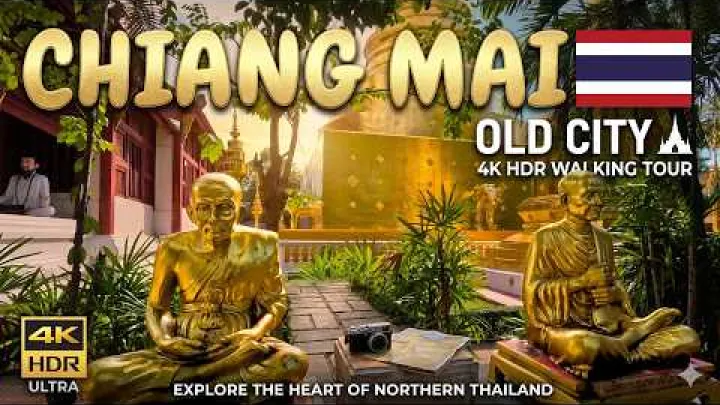
Local anchors make the area easy to understand. Tha Phae Gate is useful for meeting points and access to the east side of the city. Chiang Mai Gate is practical for food and market activity. Ratchadamnoen Road is central for the Sunday Walking Street, while Chiang Mai Gate Night Market is useful for an easy evening meal.
The Old City is also flexible. Backpackers can find social hostels and simple guesthouses, couples can choose boutique hotels, and families can look for larger rooms or small hotels with pools. The main weakness is not location; it is choosing the wrong street for your sleep style.
What to Check Before Booking in the Old City
First, check whether the property is actually inside the moat, just outside the moat, or using the term Old Town loosely. Booking platforms show many Old Town and Old City options, and Booking.com lists a wide variety of Chiang Mai Old Town accommodation, from guesthouses to heritage-style hotels.
Second, check the map against your priorities. If you want Sunday Walking Street, being near Ratchadamnoen Road is convenient, but a room directly on a busy market route may be louder. If you want food at night, the Chiang Mai Gate area can be useful, but again you should read recent noise reviews.
Third, confirm practical details. Not every small property has an elevator, parking, large family rooms, a pool, or a full breakfast. If you travel with children, heavy luggage, mobility needs, or a car, these details may matter more than being one block closer to a temple.
Who the Old City Suits Best
The Old City suits first-time visitors, culture-focused travelers, solo travelers, backpackers, families, and short-stay tourists who want to walk often. It is the best area to stay in Chiang Mai when you want a simple base for temples, food, markets, and a wide range of accommodation.
Budget travelers benefit from the concentration of hostels and guesthouses. Couples and families can look for boutique hotels or mid-range properties on quieter lanes. Solo travelers often like the Old City because it is easy to navigate and has many public places to eat, join tours, or meet other travelers.
The Old City may be less ideal if your main priority is coworking, modern cafes, large malls, gyms, or an apartment-style routine. In that case, Nimmanhaemin or nearby value neighborhoods may fit better.
Nimmanhaemin: Best for Digital Nomads, Cafes, and Modern Convenience
Nimmanhaemin is the strongest alternative to the Old City. It is not the best choice for every tourist, but it is often the best base for travelers who want a modern neighborhood with cafes, restaurants, apartments, and daily-life convenience.
Why Stay in Nimmanhaemin
Nimmanhaemin Road and its surrounding side streets form one of Chiang Mai’s best-known lifestyle areas. The neighborhood is popular with remote workers, repeat visitors, students, cafe-focused travelers, and people who want a more urban stay.
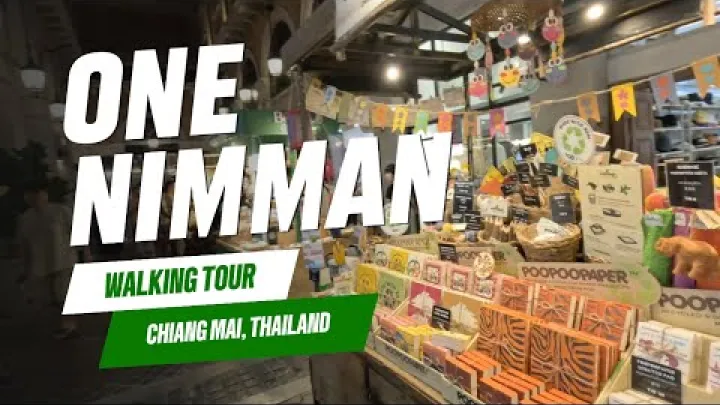
Accommodation listings on Booking.com show Nimmanhaemin as a defined hotel district with map-based options, which is useful when comparing exact locations. For a short visit, you can choose a hotel. For a longer visit, you may prefer a serviced apartment or condo near cafes and daily services.
Nimman is west of the Old City, so it is not as immediate for temple walks. However, it is practical if you are happy to take short rides for sightseeing and then return to a neighborhood with modern restaurants, coffee shops, and a social atmosphere.
Noise, Traffic, and Flight-Path Considerations
Nimmanhaemin can be busier and more urban than quiet lanes in the Old City or calmer riverside properties. Traffic noise is possible near main roads, and some parts of the wider area may be affected by aircraft noise because Chiang Mai International Airport is close to the city.
This does not mean you should avoid Nimman. It means light sleepers should book carefully. Look for recent reviews that mention soundproofing, aircraft, traffic, bars, or construction. A room on a side street or set back from the main road may feel very different from a room facing Nimmanhaemin Road.
If quiet sleep is more important than cafes, consider a quieter Old City lane, Riverside, Wat Ket, or a property slightly outside the busiest Nimman blocks. Always judge by the exact property, not only by the neighborhood name.
Who Nimmanhaemin Suits Best
Nimmanhaemin suits digital nomads, remote workers, cafe-focused travelers, repeat visitors, longer-stay guests, and people who want a modern urban routine. It is a good choice if you expect to work during the day and go out casually in the evening.
Sightseeing-first travelers may still prefer the Old City. If your main plan is temples, historic streets, markets, and walking, Old City is simpler. If your plan is work, cafes, restaurants, and a more contemporary side of Chiang Mai, Nimman is often better.
Budget-conscious longer-stay travelers can also look at Santitham and Chang Phueak. These nearby areas may offer better value while keeping you within a short ride of Nimman and the Old City.
Night Bazaar, Chang Klan, Riverside, and Wat Ket
The east side of Chiang Mai includes two different types of bases. Night Bazaar and Chang Klan are convenient for markets and larger hotels, while Riverside and Wat Ket are calmer choices for boutique and comfort-focused stays near the Ping River.
Night Bazaar and Chang Klan for Markets and Larger Hotels
The Night Bazaar and Chang Klan Road area is a classic tourist corridor. It is useful if you want evening market activity, shops, restaurants, tour services, and larger hotels with familiar amenities.
This area can be very convenient at night because you can step out for shopping or food without planning much. It is also practical for short rides to Tha Phae Gate, the Old City, and the river. Many tour operators and drivers understand the area well.
The trade-off is atmosphere. During the day, parts of the area can feel less charming than the Old City and less lifestyle-focused than Nimman. Choose it if markets, hotel facilities, and easy tourist infrastructure matter more than historic surroundings.
Riverside and Wat Ket for Quieter Boutique Stays
The Ping River, Riverside, and Wat Ket areas suit travelers who want a calmer base with dining, boutique hotels, and a more relaxed atmosphere. This can work well for couples, older travelers, and anyone who prefers quiet comfort over maximum walkability.
Wat Ket accommodation pages such as Expedia show the area as a distinct Chiang Mai hotel zone, with accommodation ranging by property type and comfort level. Do not assume every riverside stay is luxury, but many properties in this part of the city lean toward a calmer or more design-focused experience.
The main trade-off is transport. If your priority is temple-hopping inside the moat, you will likely use ride-hailing, tuk-tuks, or songthaews more often. If your priority is a quieter hotel, river dining, and comfort after day trips, the trade-off can be worthwhile.
Who These East-Side Areas Suit Best
Choose Night Bazaar and Chang Klan if you want larger hotels, evening shopping, tour pickup convenience, and a familiar tourist base. This is a practical choice for travelers who like having markets and services close to the hotel.
Choose Riverside and Wat Ket if you want calmer surroundings, boutique or resort-style lodging, and a softer pace. These areas suit couples, comfort-focused travelers, and people who do not need to walk to temples every morning.
The simple choice is market bustle versus river calm. If you want activity at your doorstep, choose Night Bazaar or Chang Klan. If you want a quieter return after sightseeing, choose Riverside or Wat Ket.
Local-Value Neighborhoods and Longer-Stay Bases
Not every good Chiang Mai base is in the tourist core. Local-value neighborhoods can be excellent for travelers staying longer, but they require more attention to transport, sidewalks, and nearby daily services.
Santitham, Chang Phueak, and Jed Yod for Better Value
Santitham, Chang Phueak, and Jed Yod sit outside the most tourist-heavy zones but remain close enough to the Old City and Nimmanhaemin for many longer stays. They can offer local food, practical apartments, and a less polished but more everyday version of Chiang Mai.
These areas are better for travelers who are comfortable using ride-hailing, red songthaews, taxis, or motorbikes. They are not always as easy for first-time visitors who want to walk from the hotel to every major sight.
The value can be strong, but value should include transport time. A cheaper room is not always a better deal if you spend more money and energy getting to the Old City, Nimman, markets, or tour pickup points.
Hang Dong, Mae Hia, and Mae Rim for Villa-Style Stays
Hang Dong, Mae Hia, and Mae Rim are niche choices for villa-style stays, retreats, families who want more space, and travelers planning a slower or more vehicle-based trip. They can be appealing if you want a house, garden, pool, retreat setting, or access to countryside experiences.
They are usually not the best base for a short sightseeing trip unless you have a car, driver, or clear transport plan. Staying farther out changes the trip. Instead of walking from a central hotel to food and markets, you will plan around travel time.
These outer areas can work very well for the right visitor, but they are poor choices for travelers who want to step outside and immediately be in the center of Chiang Mai’s temples, cafes, or night markets.
When Outer Areas Are Inconvenient
Outer areas become inconvenient when you plan frequent Old City visits, late-night returns, early tour pickups, or spontaneous evenings out. They can also be challenging if the property is beautiful but isolated from restaurants, shops, and reliable transport.
Before booking an outer property, check the exact address, walking conditions nearby, food options, travel time to the Old City, travel time to Chiang Mai International Airport, and whether tour operators will pick up from that location. Do not rely only on a wide map label such as Chiang Mai.
If the room price is much lower, calculate the real cost. Extra rides, waiting time, and fewer easy meal options may reduce the savings.
Accommodation Types and Booking Strategy
After choosing the area, choose the lodging type that fits your travel style. Chiang Mai has hostels, guesthouses, boutique hotels, larger hotels, resorts, serviced apartments, and monthly rentals. The best option depends on your budget, trip length, and comfort needs.
Hostels, Guesthouses, and Budget Hotels
Hostels and guesthouses are common in the Old City and are especially useful for backpackers, solo travelers, and budget-focused short stays. They can also be good for travelers who want to meet other people or join local tours easily.
Check lockers, quiet hours, bathroom setup, air conditioning, social atmosphere, and recent reviews. A cheap bed in a noisy dorm may not be good value if you need sleep before day trips.
Budget hotels also exist outside the Old City. They may offer easier road access or lower rates, but they can trade away atmosphere and walkability. For a short trip, location often matters as much as the room itself.
Boutique Hotels, Mid-Range Hotels, and Resorts
Old City boutique hotels are best when you want a heritage setting, small-scale atmosphere, and walking access to temples and markets. Nimmanhaemin hotels are better when you want modern design, cafes, restaurants, and urban convenience.
Night Bazaar and Chang Klan often suit travelers who want larger hotels, easy evening shopping, and familiar services. Riverside and Wat Ket are better for quiet comfort, couples, and travelers who prefer a softer setting near the Ping River.
For mid-range and higher budgets, compare pools, breakfast, room size, family-room layouts, elevators, parking, cancellation terms, and noise reviews. The best hotel category depends on whether you value heritage, convenience, market access, or relaxation.
Serviced Apartments and Monthly Rentals
Serviced apartments and condos can be better than hotels for stays of several weeks or months. They are especially useful for remote workers, students, repeat visitors, and long-stay travelers who need daily comfort rather than hotel services.
Look carefully at Wi-Fi quality, desk or work area, kitchen or kitchenette, laundry, deposit, utilities, cleaning, contract length, and what is included in the monthly price. Rental examples and area discussions from Nomad Rental show why neighborhoods such as Santitham can be relevant for longer stays.
Nimmanhaemin, Santitham, Chang Phueak, and nearby areas are practical long-stay zones when your daily transport plan is clear. Monthly rentals require more due diligence than a hotel because deposits, utilities, maintenance, and contract terms can affect the real cost.
Booking Tips for Festivals and Peak Periods
Book earlier for high-demand periods such as Loy Krathong, the lantern festival period, Songkran, and the cool-season travel months. Event dates, locations, and access arrangements can change, so confirm the current details before committing to a non-refundable booking.
Use map view rather than only the neighborhood name. If you want Sunday Walking Street, check distance to Ratchadamnoen Road. If you want the Night Bazaar, check distance to Chang Klan Road. If you want cafes, check the exact position within Nimmanhaemin rather than assuming all Nimman addresses feel the same.
Recent reviews are especially important during festivals and busy periods. Look for comments about noise, road closures, parking, elevator wait times, breakfast crowding, and staff communication. A slightly more expensive room in the right location can be better than a cheap room far from the event you came to see.
Frequently Asked Questions
What is the best area to stay in Chiang Mai for first-time visitors?
The Old City is the best default area for most first-time visitors. It is central, walkable, close to temples and markets, and has many hostels, guesthouses, boutique hotels, and mid-range options.
Is it better to stay in Old City or Nimmanhaemin?
Stay in the Old City for sightseeing, temples, markets, and a classic Chiang Mai visit. Stay in Nimmanhaemin for cafes, remote work, gyms, apartments, and a more modern daily routine.
Where should solo travelers and backpackers stay in Chiang Mai?
Solo travelers and backpackers usually do best in the Old City because it has many budget stays, social hostels, food options, and easy walking routes. Nimmanhaemin can also work for solo travelers who prefer cafes and modern nightlife.
Is Chiang Mai safe to walk around at night?
Many visitors walk in central areas at night, especially around busy streets, markets, and restaurant zones. Use normal precautions: choose well-lit routes, avoid isolated streets, watch your belongings, and use a ride late at night or in bad weather.
Where should I stay in Chiang Mai for Loy Krathong or the lantern festival?
For festival visits, choose a central base such as the Old City, Tha Phae Gate area, Night Bazaar, Chang Klan, or Riverside depending on the current event locations. Book early and confirm dates, access, and noise expectations before choosing a non-refundable room.
Final Recommendation: The Best Chiang Mai Area for Your Trip
For a first visit to Chiang Mai, stay in the Old City unless you have a clear reason not to. It gives the best mix of walkability, temples, markets, food, budget choices, boutique hotels, and short rides to other neighborhoods.
Choose Nimmanhaemin if you want cafes, remote work, apartments, and modern convenience. Choose Night Bazaar or Chang Klan for larger hotels and evening market access. Choose Riverside or Wat Ket for a calmer boutique or comfort-focused stay. Choose Santitham, Chang Phueak, or Jed Yod for longer-stay value if you are comfortable using transport.
Be cautious with outer areas such as Hang Dong, Mae Hia, and Mae Rim unless you want a villa-style or vehicle-based trip. The best Chiang Mai base is the one that matches your real daily plan: where you will eat, how you will move, how much quiet you need, and what you want within walking distance.
Select area
Create a post
Posting is free and no registration is required.