Surin Budget Guide: Daily Costs in Isaan, Thailand
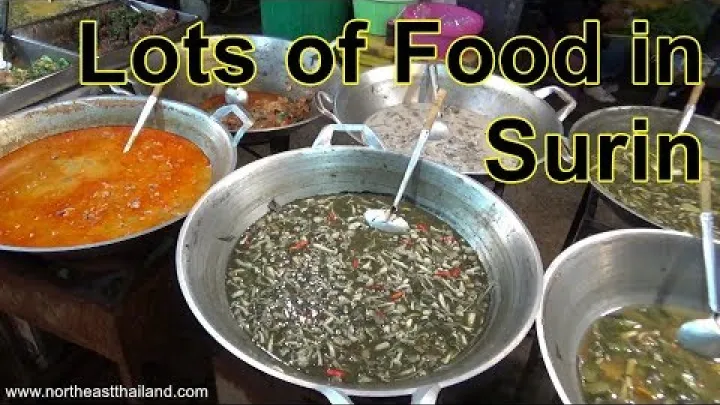
A practical Surin budget is usually lower than the cost of a Thailand beach resort trip, but the final number depends on your comfort level, transport choices, and travel dates. This guide focuses on Surin city and Surin Province in Isaan, not Surin Beach in Phuket. You will find daily travel budget ranges, typical costs for accommodation, food, transport, and activities, plus advice for festival periods and rural day trips. Prices are best treated as planning ranges in Thai baht, because hotels, fuel, fares, and food prices can change.
Quick Answer: How Much to Budget Per Day in Surin
For most visitors, Surin is a good-value provincial destination. The quickest way to estimate your trip is to separate daily local spending from the cost of reaching Surin from Bangkok or another city.
Daily Budget Ranges for Different Travel Styles
A careful traveler can often plan Surin daily costs from about 600 to 900 THB per person, excluding long-distance transport. A mid-range traveler who wants an air-conditioned room, more flexible rides, and a few sit-down meals should plan around 1,200 to 1,800 THB per person per day. A comfort-focused traveler using better hotels, private rides, cafes, drinks, and paid excursions should expect 2,500 THB or more per person per day.
These are local daily costs inside Surin. They do not include international flights, travel insurance, visa costs, or shopping. Short trips can feel more expensive per day because the Bangkok to Surin bus or train cost is spread over fewer days.
| Travel style | Approximate daily budget | Typical pattern |
|---|---|---|
| Budget | 600–900 THB | Simple room, markets, walking, shared or low-cost rides |
| Mid-range | 1,200–1,800 THB | Clean hotel, mixed meals, local rides, some paid activities |
| Comfortable | 2,500 THB or more | Better hotel, private transport, cafes, restaurants, excursions |
What the Daily Numbers Include and Exclude
The daily ranges include the main local categories: accommodation, food, local transport, activities, water, snacks, laundry, and small extras. They are designed for travelers staying in or near Surin city and making ordinary local trips.
They do not fully include major event price changes, alcohol-heavy nightlife, private drivers for long rural routes, or long-distance travel to Surin. Hotel rates and availability can change quickly around weekends and the Surin Elephant Festival period, so check prices close to your travel dates.
| Category | Budget traveler | Mid-range traveler | Comfort traveler |
|---|---|---|---|
| Accommodation | Basic room | Standard air-conditioned hotel | Higher-comfort local property |
| Food | Markets and street stalls | Markets plus restaurants | Restaurants, cafes, drinks |
| Local transport | Walk, shared rides | Local rides, occasional rental | Private rides or driver use |
| Activities | Free or low-cost sights | Paid sights or one excursion | Flexible excursions and events |
Why Surin Is an Affordable Place to Travel in Thailand
Surin’s value comes from its provincial Isaan setting. It is not priced like Bangkok’s most central districts, Phuket’s beach zones, or resort islands, although comfort upgrades can still raise costs.
Surin City Price Context in Isaan
Surin city is a provincial center in northeastern Thailand. Everyday spending is shaped mainly by local demand, students, workers, families, and Thai domestic travel rather than large-scale international tourism. For visitors, this usually means lower costs for simple meals, practical rooms, and routine local transport than in many famous tourist areas.
The best comparison is not “the cheapest city in Thailand,” because that would be too absolute. A safer way to think about it is this: Surin is usually cheaper than Bangkok for routine daily spending and much cheaper than many beach resort areas when you choose local-style accommodation and food. Rural parts of Surin Province can be inexpensive for meals and small purchases, but reaching them may require extra transport spending.
Surin Province, Not Surin Beach
This guide covers Surin city and Surin Province in Isaan. It does not cover Surin Beach in Phuket. This distinction matters because search results for “Surin hotels” or “Surin budget” can mix two very different places.
Surin Beach is a beach-resort area with a different hotel market, different dining costs, and different visitor expectations. Do not use Phuket beach prices to estimate a trip to Surin city, Ban Ta Klang, Prasat Sikhoraphum, Wat Burapharam, Surin National Museum, or other Isaan locations.
Accommodation Costs in Surin
Accommodation is usually the largest daily budget lever in Surin. A simple but central room can keep transport costs low, while a better hotel can make the trip more comfortable without reaching resort-style pricing.
Nightly Rooms and Hotel Comfort Tiers
Surin has a practical range of hotels and guesthouse-style rooms rather than a large luxury resort market. Booking platforms show that Surin and wider Isan hotel listings include simple to comfortable local properties, with some Surin listings appearing around modest nightly rates compared with major tourist centers. For example, Hotels.com lists Surin properties within its Isan hotel results, which is a more relevant reference point than Surin Beach results.

For planning, think in tiers rather than fixed prices. A very basic room may be enough for a traveler who only needs a bed, fan or air-conditioning, and a private or simple bathroom. A standard budget hotel may add stronger air-conditioning, Wi-Fi, parking, a better location, and a cleaner finish. A mid-range local hotel may include breakfast, a larger room, better bedding, elevator access, and easier transport connections.
| Room tier | Planning range | Budget effect |
|---|---|---|
| Very basic room | Lowest local prices | Keeps daily costs low but comfort varies |
| Standard budget hotel | Moderate nightly cost | Good balance for most short stays |
| Mid-range hotel | Higher local rate | Better comfort, often easier logistics |
| Higher-comfort local property | Premium for Surin | Raises the budget mainly through lodging |
Location matters. A slightly higher room rate near Surin train station, the city center, or useful food areas may reduce tuk-tuk or ride costs. A cheaper room far from food and transport can become less economical if you need rides every day.
Long-Stay Rooms and Monthly Rentals
Long-stay travelers, teachers, remote workers, and slow travelers can sometimes reduce the nightly equivalent by renting monthly rooms or apartments. A Surin resident cost example published by Ajarn mentions a 3,000 THB monthly studio apartment in a low-end local building, which shows how different local rental pricing can be from hotel pricing.
That example should not be treated as a guaranteed visitor rate. Monthly rooms may require local searching, a deposit, Thai-language communication, or a minimum stay. Utilities can also change the real cost. Heavy air-conditioning use, electricity rates, water, internet, laundry, and cleaning may be separate. Hotel-style amenities such as daily housekeeping, reception support, breakfast, and easy cancellation are often not included in low-cost rentals.
If you are staying for only a few nights, compare hotels. If you are staying for a month or more, ask about monthly rates, electricity charges, deposit rules, and what happens if you leave early.
Festival Dates, Weekends, and Room Availability
The Surin Elephant Festival period in November is the main accommodation pressure point. During major event dates, the cheapest rooms may sell out first, and the remaining options may be less convenient or more expensive. Weekends and Thai public holidays can also reduce availability.
Budget travelers should book early for festival travel and keep their plans flexible if possible. If your main goal is a low Surin travel budget, consider visiting outside the festival period. If the festival is the reason for your trip, increase the accommodation part of your budget and reserve a room before arranging smaller details.
Food, Drinks, and Market Prices
Food is one of the easiest areas to control in Surin. You can eat well on a small budget by choosing markets and simple local restaurants, or you can spend more on cafes, Western-style meals, and alcohol.
Street Food and Night-Market Meals
Surin is a strong destination for low-cost local eating. Market-style meals, street stalls, and simple Thai or Isaan dishes are usually the best value. Around the Surin night food court and similar local eating areas, travelers can build a low-cost meal from rice dishes, grilled meats, som tam, noodle soups, snacks, fruit, and drinks.
Exact prices vary by stall, portion size, location, and current ingredient costs. A practical planning range for a simple local meal is often around 40 to 80 THB, while snacks and drinks can add a small amount. If you eat mostly at markets, a basic daily food budget of around 150 to 250 THB can be realistic for a light eater, with more needed for bigger portions, coffee, desserts, or multiple drinks.
Local cost reports from Surin support the idea that everyday food can be inexpensive compared with tourist centers, but travelers should not expect every dish at every stall to be the same price. Ask or check the menu before ordering if you are watching your budget closely.
Restaurants, Cafes, Beer, and Western-Style Choices
Sit-down restaurants, air-conditioned cafes, imported drinks, and Western-style meals can raise a Surin budget quickly. One cafe stop plus one beer can sometimes cost as much as a simple market meal or more. This does not mean you should avoid them; it means they should be included in the daily plan.
A traveler who eats street food for breakfast and lunch but chooses a comfortable restaurant for dinner may still keep costs moderate. A traveler who adds coffee, dessert, beer, and a Western meal every day will move closer to a mid-range or comfortable budget. By international standards this may still feel reasonable, but it is high compared with a strict Surin backpacker budget.
Daily Food Budget Examples
The easiest way to plan food is to choose a daily pattern. Then add a buffer for water, fruit, snacks, and coffee.
| Food style | Approximate daily total | What it includes |
|---|---|---|
| Street-food-focused | 150–250 THB | Simple meals, snacks, water |
| Mixed local eating | 250–500 THB | Markets plus simple restaurants or coffee |
| Comfort-focused dining | 600 THB or more | Restaurants, cafes, drinks, larger meals |
Vegetarian travelers may spend less or more depending on where they eat. Couples can share some dishes, but drinks and cafe purchases are usually per person. If you eat fewer meals, reduce the total, but keep a small buffer for heat, hydration, and snacks.
Transport Costs for Reaching and Moving Around Surin
Transport matters most when your trip is short or when you plan rural day trips. Inside Surin city, a central hotel and simple daily plan can keep local transport spending low.
Bangkok to Surin Bus and Train Costs
The Bangkok to Surin bus route is usually a budget-friendly way to reach the province. BusOnlineTicket lists Bangkok to Surin bus tickets in the range of 384 to 565 THB, depending on operator and comfort level, according to its booking information from BusOnlineTicket. For a round trip, this means the long-distance bus portion can be a meaningful cost on a two-day visit but much less important on a one-week stay.
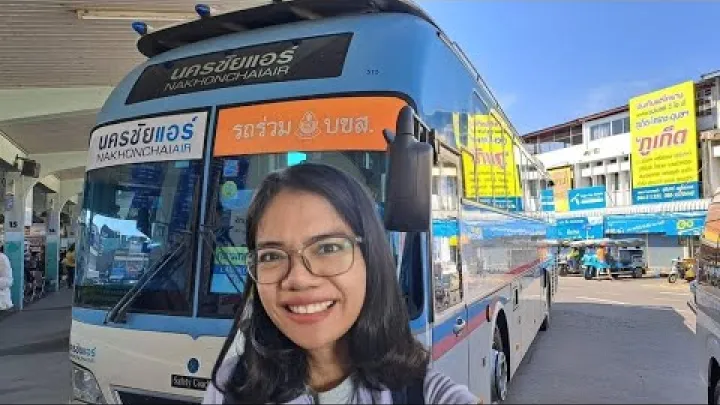
Train travel through Surin train station can also be budget-friendly, but fares depend on class, seat or sleeper type, booking method, and availability. Buses and trains are normally much cheaper than private transfers. When comparing options, divide your round-trip transport cost by the number of days in Surin to understand the real daily effect.
Walking, Songthaews, Tuk-Tuks, and Local Rides
Central Surin can be partly walkable if your hotel is near food, markets, Surin train station, or the city center. Heat, rain, road crossings, luggage, and late-night travel can make short rides worthwhile.
Local ride evidence is limited, so treat fare examples cautiously. Local social media discussion has mentioned red songthaews in the main city area at around 30 THB, but fares can vary, and this should not be read as an official tariff. Before boarding a songthaew, tuk-tuk, or local ride, ask your hotel what a normal price should be and agree on the fare first, especially at night, during events, or when traveling from Surin bus terminal.
The best saving tactic is simple: stay central enough to walk to meals and basic services. This reduces the number of small rides that can slowly increase your daily spending.
Motorbike Rental and Independent Day Trips
Motorbike rental can be a flexible option for travelers who are legally licensed, insured, and comfortable with Thai road conditions. It can be useful for independent day trips around Surin Province, especially when public transport is limited.
A local rental page for Surin Motorcycle Rental has advertised examples such as 300 THB per day, 250 THB per day for four days or more, and 3,000 THB per month. Treat these as examples to confirm directly, because availability, bike model, deposit, delivery, and rental terms can change.
Before renting, check helmet quality, fuel policy, deposit, damage policy, insurance, and whether your license is valid for motorbike riding in Thailand. A cheap rental is not a saving if an accident, fine, or damage charge creates a much larger cost.
Activities and Attraction Costs in Surin
Attraction fees are usually not the largest part of a Surin budget. Transport to sites, event timing, and whether you use private rides often matter more than the entrance fee itself.
Free or Low-Cost Cultural Sites
Surin city has cultural stops that can fit a low-cost itinerary, including temples such as Wat Burapharam. Temples are often free or donation-based, but visitors should still budget for small donations, appropriate clothing, water, and local transport.
Surin National Museum and nearby heritage sites such as Prasat Sikhoraphum can also be part of a budget-conscious trip, but check current opening days, access rules, and admission details before going. If you are already hiring transport for the day, the transport cost may be larger than the entrance cost. Grouping nearby sights into one route can reduce the cost per stop.
Elephant Village and Elephant Festival Costs
Ban Ta Klang and the Surin Elephant Festival are major Surin-specific anchors. For festival planning, tickets may be only one part of the total cost. The Elephant Conservation Center notes Surin Elephant Round-Up information including a 250 THB show ticket to secure a seat, with free seating also mentioned for the date, according to Elephant Conservation Center. Before traveling, confirm current dates, ticket rules, seating, and schedules.
The bigger budget issue is often not the ticket. It is accommodation availability, transport between your hotel and event areas such as Si Narong Stadium, food during busy periods, and any additional tours or rural visits. If elephant-related activities are part of your trip, consider your own ethical preferences, ask what the activity includes, and choose operators or events that match your comfort level.
Budgeting for Rural Day Trips
Rural attractions in Surin Province may have low entrance fees or no formal fee, but they can cost more to reach. A site that looks inexpensive on paper can become expensive if you need a private vehicle both ways.
Before leaving Surin city, ask locally about return transport. This is especially important for places where public transport is infrequent or stops running early. If you are sharing a private vehicle with another traveler or a group, the per-person cost can fall sharply. If you travel alone, grouping rural stops into one day can be more efficient than making separate trips.
Sample Surin Travel Budgets
The following scenarios show how the earlier numbers can work in practice. They are not strict promises; they are planning examples you can adjust for your comfort level, travel dates, and group size.
Backpacker Budget Scenario
A practical backpacker day in Surin might include a simple room, three local meals, walking where possible, one or two low-cost rides, and free or low-cost cultural sights. This traveler avoids private drivers, drinks mostly water, limits alcohol and cafes, and does not travel during the main festival period.
| Category | Approximate cost |
|---|---|
| Simple room | 350–500 THB |
| Food and water | 150–250 THB |
| Local transport | 50–100 THB |
| Activities and buffer | 50–100 THB |
| Daily total | 600–950 THB |
This budget works best for flexible travelers with simple comfort needs. It should not require unsafe choices, but it does require choosing location carefully and avoiding frequent private transport.
Mid-Range Traveler Scenario
A mid-range Surin budget gives more comfort without becoming expensive by Thai tourist-city standards. This traveler chooses a clean air-conditioned hotel, mixes markets with restaurants, uses local rides when needed, and keeps a daily allowance for an attraction, museum, temple donation, or short excursion.
| Category | Approximate cost |
|---|---|
| Standard hotel | 600–900 THB |
| Food and drinks | 250–500 THB |
| Local transport | 150–300 THB |
| Activities and buffer | 200–300 THB |
| Daily total | 1,200–2,000 THB |
Couples can often reduce the per-person room cost by sharing one room. The main trade-off is between hotel comfort and transport or activity spending. If you choose a more central hotel, you may spend less on local rides.
Comfortable Traveler Scenario
A comfortable traveler may choose a better hotel, restaurant meals, cafes, drinks, private rides, and paid attractions or excursions. In Surin, comfortable does not necessarily mean luxury resort pricing. The city has a provincial cost structure, but upgraded choices still change the daily total quickly.
| Category | Approximate cost |
|---|---|
| Better hotel | 1,000 THB or more |
| Restaurants, cafes, drinks | 600 THB or more |
| Private rides or driver use | 500 THB or more |
| Activities and buffer | 400 THB or more |
| Daily total | 2,500 THB or more |
Festival dates can push this higher because better rooms may be limited and transport demand can rise. If convenience is important, reserve accommodation early and plan private transport before arrival.
What Drives Costs Up and How to Save Money
Most Surin budget surprises come from timing, transport, and comfort upgrades. Once you understand these drivers, it is easier to decide where to save and where to spend.
Main Cost Drivers to Watch
The biggest cost driver is festival timing, especially around the Surin Elephant Festival. Even if event tickets are affordable, room availability and local transport can affect the total trip cost. The second driver is trip length. A two-night visit from Bangkok has a higher daily average than a one-week stay because long-distance transport is spread over fewer days.
Private drivers and rural excursions are another common budget escalator. They may be worthwhile, but they should be planned as a separate cost rather than hidden inside a normal daily budget. Upgraded hotels, frequent cafes, beer, Western meals, and last-minute booking can also move a traveler from budget to mid-range or from mid-range to comfortable.
Inflation can change food, fuel, and transport prices. Use the ranges in this guide for planning, then check current menus, fares, and hotel rates near your travel dates.
Practical Saving Tactics That Still Keep the Trip Comfortable
The most effective tactic is to stay central. A hotel near food, markets, Surin train station, or useful transport points may cost slightly more but reduce repeated ride costs. For meals, eat at markets and simple local restaurants most of the time, then choose one or two comfort meals when they matter.
For long-distance travel, compare buses and trains instead of private transfers. For festival travel, book rooms early. For rural trips, group several stops together and share transport if possible. If staying longer, ask hotels or apartment owners about weekly or monthly discounts, but always confirm electricity, deposit, and cleaning rules.
A useful approach is to save on routine spending and spend intentionally on the experiences that brought you to Surin. For example, eat cheaply for two days, then use the savings for a comfortable excursion to Ban Ta Klang or a better hotel during a busy event night.
Cash, Cards, and Budget Buffers
Carry Thai baht for markets, small restaurants, tuk-tuks, songthaews, temple donations, rural areas, and small shops. Larger hotels and some businesses may accept cards, but small vendors often prefer cash or may not accept foreign cards.
Build a daily buffer into your Surin travel budget. A realistic buffer covers ATM fees, bottled water, laundry, snacks, small tips, donations, price changes, and unexpected transport. Even 100 to 300 THB per day can make the trip feel easier and prevent small surprises from becoming stressful.
Conclusion: Planning a Realistic Surin Budget
A realistic Surin budget can be very manageable if you separate local daily costs from long-distance transport and event-related expenses. Budget travelers can aim for about 600 to 900 THB per day with simple rooms, market food, and limited rides, with a small buffer sometimes pushing the total slightly higher. Mid-range travelers should plan around 1,200 to 1,800 THB per day, while comfort-focused travelers should expect 2,500 THB or more.
The best ways to control costs are to stay central, eat locally, book early for festival dates, confirm ride prices before starting, and keep rural excursions organized. Surin is a practical place in Thailand for travelers who want a lower-cost Isaan experience, as long as the budget matches the season, transport plan, and comfort level.
Select area
Create a post
Posting is free and no registration is required.