Surin Travel Guide: Elephant Heritage in Isaan, Thailand
This Surin travel guide is for travelers who want to understand a quieter, more local side of Thailand. Surin sits in lower Isaan, far from the beaches and major resort corridors, and is best known for elephant heritage, silk, jasmine rice, Khmer-influenced history, and provincial Thai daily life. A rewarding trip here needs a little planning because many sights are outside the city and current transport details should be checked before travel. This guide explains where Surin is, how to get there, where to base yourself, what to see, and how to travel responsibly.
Surin at a Glance
Surin is both a province and a provincial capital in northeastern Thailand. For most first-time visitors, Surin city is the practical base, while the wider province provides the cultural depth: elephant communities, rural landscapes, markets, Khmer ruins, and craft traditions.
Why Visit Surin in Isaan
Surin is a good choice if you want a Thailand experience that goes beyond beaches, nightlife, and heavily packaged sightseeing. The province is in the Mun River Basin of northeastern Isaan and is associated with silk production and jasmine rice, as described by the Tourism Authority of Thailand. It is also widely linked with elephant traditions and lower Isaan's Khmer cultural landscape.
The appeal of Surin is slower and more grounded than many famous Thai destinations. You may spend time in Surin city, visit a museum, arrange a rural day trip, walk through markets, or use the province as part of a wider lower Isaan route. It rewards travelers who are comfortable with fewer international services, longer overland journeys, and attractions that are spread across the province rather than grouped in one compact tourist zone.
Surin Province, Surin City, Surin Islands, and Surin Beach
One important planning point is the name. This guide is about Surin province and Surin city in Isaan, Thailand. It is not about the Surin Islands in the Andaman Sea, and it is not about Surin Beach in Phuket.
| Name | Where it is | What to expect |
|---|---|---|
| Surin province | Lower Isaan, northeastern Thailand | Elephant heritage, Khmer ruins, silk, rice, provincial cities, rural travel |
| Surin city | Capital of Surin province | Main base for hotels, transport, food, and services |
| Surin Islands | Andaman Sea | Marine national park travel with boat and island logistics |
| Surin Beach | Phuket | Beach destination with very different transport and accommodation planning |
The Surin Islands are a separate sea destination; travel information from Discovery Thailand describes island accommodation and boat access rather than Isaan travel. Do not pack or plan for Surin province as if it were a beach trip. Surin province is landlocked, hotter inland, and better planned around overland transport and rural sightseeing.
Thailand and Isaan Context for a Surin Trip
Surin is easiest to understand as part of an Isaan journey. Most international visitors reach it from Bangkok or connect it with nearby northeastern provinces rather than treating it as a quick side trip from the coast.
How Surin Fits Into a First-Time Thailand Itinerary
For a first Thailand trip, Surin works best after you have allowed for the long distance from Bangkok. It can be a meaningful alternative to adding another beach stop or another large city, especially if you are interested in culture, local food, rural landscapes, and Khmer heritage.
A common approach is to travel from Bangkok to Surin by train or bus, spend two or three nights, then continue through lower Isaan. Surin can also be paired with Buriram, Sisaket, Nakhon Ratchasima, or Ubon Ratchathani. This makes more sense than returning to Bangkok between every stop, provided the current transport connections fit your schedule.
What Travel in Isaan Feels Like
Isaan is less internationally touristed than Bangkok, Chiang Mai, Phuket, and many southern islands. In Surin, you should expect fewer English-language signs, fewer tour desks, and less predictable last-mile transport. That does not make travel difficult for every visitor, but it does mean you should allow more time and avoid planning tight same-day connections.
Translation apps, basic Thai phrases, patient communication, and help from hotel staff can make a large difference. The reward is a quieter travel experience with markets, temples, provincial food, and cultural sites that often feel more connected to daily life than to mass tourism.
How Many Days to Spend in Surin
An overnight stop can work if you are already moving through lower Isaan and only want a brief look at Surin city. With one night, keep your plan simple: arrive, settle near the center, visit one city sight or market, and continue the next day.
Most first-time visitors should consider two to three days. This gives time for Surin National Museum or city temples, an elephant-heritage excursion, local markets, and at least one Khmer ruin or rural day trip. More time is useful if you are visiting during the Elephant Round-up, exploring craft villages, or building a slower route across Buriram, Surin, Sisaket, and Ubon Ratchathani.
How to Get to Surin
Surin is an overland destination for most travelers. Because timetables, terminals, vehicle classes, and holiday demand can change, treat all route planning as something to confirm close to your travel date.
Trains from Bangkok to Surin
Train travel is a common way to reach Surin from Bangkok. Surin Railway Station serves the city, which makes rail convenient if your accommodation is central or if you are comfortable arranging a short local transfer on arrival.
Think of the train as a long overland leg, not a quick transfer. It can be scenic and practical, especially for travelers who prefer stations to bus terminals, but it may not be the fastest choice. Before booking, check the current Bangkok departure station, timetable, seat or sleeper class, luggage rules, and availability around Thai holidays.
Buses from Bangkok and Nearby Isaan Cities
Intercity buses are another main access option. Bangkok's Mo Chit Bus Terminal is a common anchor for northeastern routes, and Surin Bus Terminal is the main arrival point for many road services into the city. Booking and route platforms such as Baolau provide route context for Bangkok to Surin bus travel, but schedules and operators should still be checked live.
Buses can also help connect Surin with nearby Isaan cities such as Buriram, Nakhon Ratchasima, Sisaket, and Ubon Ratchathani. If you are building a regional loop, confirm departure points and arrival terminals before committing to a tight onward train, bus, or flight connection.
Flights, Transfers, and Schedule Checks
Surin itself is best planned as an overland destination unless you have confirmed a current flight-and-transfer route that suits your dates. Nearby regional airports or larger hubs may sometimes help, but route availability, airline schedules, and ground transfers can change.
For practical planning, compare total journey time rather than only flight time. A route that looks faster on a map may require an airport transfer, waiting time, and a long road connection. Check airline, bus, rail, and local transfer options directly before choosing the route.
Where to Stay and How to Get Around
For most visitors, the easiest decision is to sleep in Surin city and arrange excursions from there. Staying too far outside the city can be rewarding for a specific rural purpose, but it increases dependence on private transport.
Surin City as the Best Base
Surin city is the default base because it concentrates transport, hotels, food, shops, and practical services. Accommodation platforms such as Booking.com show that hotel options exist in the city, but live prices, room availability, and policies change by date.
For lower-friction travel, look around the railway station, bus terminal, or central commercial areas such as Jitrbumrung Road and nearby streets. This can make short taxi, tuk-tuk, or walking transfers easier. Book earlier if you plan to visit during the Elephant Round-up or Thai holiday periods, when demand can rise sharply.
Local Transport: Songthaews, Tuk-Tuks, Motorcycle Taxis, and Walking
Within Surin city, local movement may involve short walks, tuk-tuks, motorcycle taxis, and shared vehicles such as songthaews. Routes and fares may not be clearly displayed in English, so it is better to ask your accommodation for current guidance.
Confirm the fare before starting a private ride, especially for short trips from stations or markets. Walking is useful for compact central areas, but avoid long midday walks in hot weather. Carry water, protect yourself from sun, and plan indoor breaks when temperatures are high.
Private Drivers, Rental Vehicles, and Rural Day Trips
Many of Surin's most interesting places are outside the city. Elephant heritage sites, Khmer ruins, reservoirs, villages, and rural craft stops are easier with a private driver, rental vehicle, or local arrangement through your hotel.
Do not treat out-of-town attractions as simple city stops. Rural travel may include longer distances, limited shade, hot open-air sites, and fewer spontaneous return options. If you self-drive, be comfortable with Thai road rules, rural navigation, and parking at temples or heritage sites. Group nearby places into half-day or full-day routes rather than crossing the province repeatedly.
Elephant Heritage in Surin
Surin's elephant identity is one of the main reasons travelers know the province. It is also a topic that deserves care because elephant culture, livelihoods, tourism, ceremony, and animal welfare concerns all overlap.
The Suay or Kuay Elephant Traditions
Surin's elephant heritage is closely connected with Suay or Kuay communities and long-standing elephant-handling traditions. For local communities, elephants are not only a visitor attraction; they are part of history, identity, livelihood, ceremony, and family memory.
At the same time, elephant tourism in Thailand is changing. Travelers increasingly ask how elephants are treated, whether activities are educational or performative, and whether close contact is necessary. A respectful visitor should avoid romanticizing the past while also recognizing that elephant traditions are part of living local culture.
Elephant Study Center: What to Expect and How to Visit Responsibly
The Elephant Study Center in Tha Tum District is one of the major Surin-related places for learning about elephant culture. It is outside Surin city, so plan transport in advance and confirm current opening details, programming, and visitor rules before going.
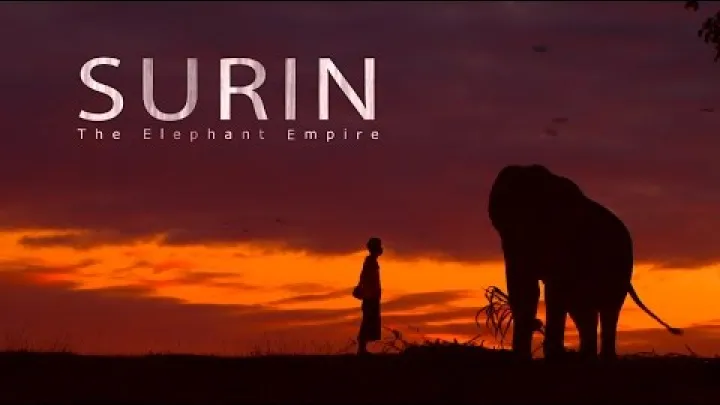
Responsible travel choices matter. Prefer observation-focused, educational, and low-impact experiences. Be cautious about rides, forced close contact, or performances that do not match your animal-welfare values. If you are unsure, ask specific questions about the activities offered, how elephants are cared for, and whether visitors can participate without physical interaction.
Surin Elephant Round-up: Timing, Crowds, and Ethics
The Surin Elephant Round-up is the province's best-known annual event and a major reason some travelers plan a trip. Festival periods can bring higher demand for hotels and transport, so early planning is important.
Before attending, learn what the current year's event includes. Large animal events can affect travelers differently. Some visitors are interested in the cultural and historical context; others may be uncomfortable with performances or crowds. Decide based on current event details and your own standards for responsible elephant tourism.
Khmer Heritage, Museums, Temples, and Local Life
Surin is not only an elephant destination. Its lower Isaan location places it within a wider Khmer-influenced cultural landscape, while city temples, museums, reservoirs, markets, silk, and rice production give the province a broader identity.
Prasat Sikhoraphum and Other Khmer Ruins
Prasat Sikhoraphum is one of Surin's important Khmer heritage sites and is often included in cultural day trips. Lower Isaan has many historical links with Angkorian influence, and Surin's ruins help visitors understand how this region connects to a wider mainland Southeast Asian past.
Keep the history simple unless you are traveling with a specialist guide. For comfort, visit open-air ruins early or late in the day when possible. Bring water, sun protection, and modest clothing suitable for heritage and religious spaces. Before going, check current access, fees, and local arrangements.
Border Temples: Prasat Ta Muen Thom and Access Cautions
Some Khmer sites in Surin province sit on or near the Thai-Cambodian border. Prasat Ta Muen Thom is a notable example, but border-area access can be more sensitive than visiting central city temples or more established inland ruins.
Plan carefully before visiting remote border temples. Check current local conditions, transport options, and official advisories. Avoid relying only on old blog posts or outdated maps. This is not a reason to avoid all border-area heritage, but it is a reason to verify access before committing a full day to the trip.
Surin National Museum as Your Cultural Starting Point
Surin National Museum is a useful early stop because it can give context before you visit ruins, craft areas, elephant-related sites, and rural communities. Museums help connect objects and displays with living culture, agriculture, textiles, and local history.
Consider visiting the museum near the start of your stay, then using that context during later trips to temples, markets, and villages. Confirm current opening days, hours, entrance details, and transport to the museum before going, especially if your time in Surin is short.
City Shrines, Wat Burapharam, Huai Saneng, Markets, Silk, and Rice
Surin city and its nearby surroundings offer smaller experiences that round out a trip. The city pillar shrine and Wat Burapharam can introduce local religious practice and city identity. As with all temples and shrines, dress modestly and behave quietly.
Huai Saneng and other local water landscapes show a different side of the province, connected to recreation, agriculture, and water management. Markets give travelers a practical way to experience daily life through food, produce, and local goods.
Surin's silk and jasmine rice are more than souvenirs. They are part of the province's economy and cultural identity. If you buy textiles or local products, ask respectfully about origin and production, and support community businesses where possible.
Best Time to Visit, Costs, and Safety
Surin is an inland northeastern destination, so heat, rain, festival timing, and transport demand shape the trip. Plan around comfort as well as availability.
Seasons, Heat, Rain, and Festival Timing
For inland Isaan, the cooler dry months from roughly November to February are generally more comfortable for walking, ruins, markets, and rural sightseeing. This is also when some event travel may be busier, so accommodation can require more advance planning.
The hot months can make open-air sightseeing tiring, especially at ruins and rural attractions with limited shade. The rainy or green months can bring more lush landscapes, but roads, outdoor plans, and transfers may be affected by weather. Check a current forecast before travel and plan outdoor activities for morning or late afternoon when possible.
Typical Travel Costs and Booking Notes
Local food and simple hotels can be good value, while private drivers and festival-period rooms can raise the total cost. If you want comfort, reliable air conditioning, and convenient location, book earlier rather than assuming you can find the best option on arrival.
Surin is generally more budget-friendly than Thailand's major beach resorts and international tourism hubs, but exact costs change by season, room type, vehicle choice, and festival demand. The main expenses are accommodation, local meals, intercity transport, local rides, attraction entry, private drivers, and any special events.
Safety, Health, and Border-Area Verification
Surin should be approached as a normal Thai provincial destination that still requires standard travel precautions. Check current Thailand travel and health information from official advisory sources such as the U.S. Embassy & Consulate in Thailand, especially if your trip includes changing health rules, major holidays, or remote border-area visits.
Practical precautions are simple but important: drink enough water, use sun protection, be careful when crossing roads, wear a helmet if using a motorcycle taxi or rental motorbike, and avoid overly tight transport connections. For Prasat Ta Muen Thom or other border-area sites, confirm access through current local information before traveling.
Temple Etiquette and Responsible Local Travel
At Buddhist temples, shrines, and Khmer heritage sites, dress modestly, keep your voice low, and follow signs or local instructions. Remove shoes where required and avoid climbing on structures unless clearly allowed.
Ask before photographing people closely, especially in villages, markets, ceremonies, or religious spaces. Support local markets, craft producers, and small businesses when appropriate. For elephant-related travel, choose activities that match responsible animal-welfare standards and do not pressure animals or communities for photographs.
Suggested Surin Itineraries
These itineraries are frameworks rather than fixed schedules. Adjust them for weather, current transport, festival dates, and your comfort with rural travel.
One-Day or Overnight Surin Stop
A short Surin stop works best for travelers already moving through lower Isaan. Base yourself in Surin city, keep luggage logistics simple, and avoid trying to cover remote attractions unless you have pre-arranged transport.
On arrival, check in near the center, visit Surin National Museum or a city temple such as Wat Burapharam if timing allows, then spend the evening around local food streets or markets. The next morning, add one manageable nearby experience before continuing by train or bus. A single day is not enough for the Elephant Study Center, multiple Khmer ruins, and border temples unless you accept a rushed and tiring schedule.
Three-Day Surin Travel Plan
With three days, Surin becomes much easier to enjoy. On day one, arrive, settle in Surin city, visit the museum if open, and walk or ride to central temples, the city pillar shrine, and evening food areas.
On day two, focus on elephant heritage. Arrange transport to the Elephant Study Center or another current, responsible elephant-related program, and allow time for the return journey. Keep the evening relaxed because rural travel in heat can be tiring.
On day three, visit Khmer heritage such as Prasat Sikhoraphum or another accessible ruin, then add a market, silk-related stop, or Huai Saneng if it fits your route. If you are in Surin during the Elephant Round-up, replace one day with festival activities and book accommodation and transport earlier.
Surin in a Lower Isaan Loop
Surin fits well into a lower Isaan loop with Buriram, Nakhon Ratchasima, Sisaket, and Ubon Ratchathani. The logic is to move east or west across the region rather than return repeatedly to Bangkok.
Choose Surin if you want elephant heritage, silk and rice culture, provincial markets, and Khmer sites in a quieter setting. Split nights across nearby provinces if your main interests are spread out, such as major ruins in Buriram, border heritage in Surin, and eastern Isaan city life in Ubon Ratchathani. A regional loop is best for travelers with more time and a strong interest in rural culture, history, and provincial Thailand.
Conclusion: Is Surin Worth Visiting?
Surin is worth visiting if you want a slower, more local Thailand experience in Isaan. It is not a beach destination, and it is not the easiest province for travelers who want dense tourist infrastructure, but it offers strong cultural identity, elephant heritage, Khmer ruins, markets, silk, rice, and practical links to a wider lower Isaan route.
Base yourself in Surin city, allow two or three days if possible, confirm current transport and opening details, and make responsible choices around elephant experiences and border-area travel. With realistic expectations, Surin can become one of the most memorable cultural stops in northeastern Thailand.
Select area
Create a post
Posting is free and no registration is required.