Nakhon Ratchasima Travel Guide: Korat & Isaan Day Trips

This Nakhon Ratchasima travel guide is for travelers who want a practical first look at Korat, the western gateway to Isaan in northeastern Thailand. The city is less polished for international tourism than Bangkok, Chiang Mai, or the islands, but that is part of its value: it gives you markets, temples, regional history, and useful transport links in an everyday Thai city setting. Use Korat as a base for Phimai Historical Park, a stop before going deeper into Isaan, or a staging point for Pak Chong and Khao Yai National Park. This guide explains when to go, how to arrive, where to stay, what to do, and what to check before you travel.
Why Visit Nakhon Ratchasima
Nakhon Ratchasima rewards travelers who like practical cities with strong local identity. It is not a beach destination or a heavily packaged resort area. It works best when you treat it as a regional base: part city break, part heritage trip, and part gateway to wider Isaan.
Korat in Thailand and Isaan
Nakhon Ratchasima is widely known as Korat or Khorat. The Tourism Authority of Thailand describes it as a major province on Thailand's northeastern plateau, which helps explain why it often appears in travel plans between Bangkok and Isaan.
For first-time visitors, Korat is useful because it sits between two travel styles. From Bangkok, it is close enough for an overland trip without a domestic flight. From Korat, you can continue toward northeastern towns, visit Khmer-era heritage at Phimai, or connect toward Pak Chong and Khao Yai. The city itself has shrines, museums, markets, malls, bus terminals, and enough accommodation for a comfortable stay.
Do not expect a compact old town like some heritage cities. Korat is broad, busy, and road-oriented in many areas, especially around Mittraphap Road. The better approach is to plan a few focused stops each day instead of trying to walk everywhere.
Who This Destination Suits
Korat suits repeat Thailand travelers, first-time Isaan visitors, history-focused travelers, market explorers, and people building an overland route from Bangkok. It is also a good choice if you want to see a large provincial city that has local life beyond international tourism zones.
You may especially enjoy Korat if Phimai Historical Park is high on your list, if you want an evening at Saveone Night Market, or if you prefer a practical base with transport links before moving to smaller towns. It also works for travelers who want to understand Isaan gradually before visiting places where English signage and tourist services may be more limited.
You may prefer to skip or shorten Korat if you want beaches, mountain scenery directly outside your hotel, nightlife built mainly for foreign visitors, or a highly walkable tourist center. If Khao Yai wildlife and early-morning park access are your main goals, Pak Chong or a Khao Yai-area stay is often more efficient than sleeping in Korat city.
Best Time to Visit Nakhon Ratchasima
The best time to visit depends on how much outdoor sightseeing you plan. Korat can be visited year-round, but heat, rain, and holiday traffic can change how comfortable your itinerary feels.
Cool and Drier Season Planning
The late-year to early-year period is generally the most comfortable season for walking, temple visits, ruins, and national park planning. Lower heat and less frequent rain make exposed sites such as Prasat Phimai easier to enjoy, especially if you visit in the morning or late afternoon.
This is also a sensible period for evening markets. Saveone Night Market and other food-focused stops are easier when you are not recovering from a very hot afternoon. Even in the cooler months, bring water, wear comfortable shoes, and protect yourself from sun at open-air sites.
Weekends and Thai holiday periods can affect accommodation and road traffic, especially around popular nature areas such as Khao Yai. If you plan to combine Korat with Pak Chong or a Khao Yai-area resort, book earlier and leave more time for transfers. Always check a current weather forecast before finalizing outdoor-heavy plans.
Hot and Rainy Season Trade-Offs
The hot season can make midday sightseeing difficult. Open stone sites, large roads, and unshaded walking routes can feel tiring, so plan museums, malls, cafes, or hotel breaks during the hottest hours. Start early for Phimai or city temples, then move indoor before returning outside in the evening.
The rainy season can bring greener scenery and more atmosphere in rural areas, but it also requires flexibility. Storms, muddy paths, changed road conditions, or reduced comfort on long day trips can affect your plans. For Khao Yai, avoid building an itinerary that depends on one exact hike or viewpoint unless you have checked current park information.
Useful packing is simple: breathable clothing, rain protection, a small towel, sun protection, water, and shoes that can handle wet ground. Conditions vary by year, so use seasonal advice as a planning guide rather than a guarantee.
How to Get There and Around
Korat is one of the more practical overland destinations in northeastern Thailand. The main planning task is not whether you can get there, but which type of transport fits your timing, comfort, and onward route.
Getting from Bangkok to Korat
Bus and train are the two common public transport options from Bangkok to Nakhon Ratchasima. Bus travel is often straightforward because services are frequent, but travel time and comfort depend on traffic, operator, terminal, and service class. BusOnlineTicket lists Bangkok to Nakhon Ratchasima bus booking information and is useful for checking current operators and departure options.
Many Bangkok bus services for the northeast use Mochit Bus Terminal 2, but you should confirm the exact departure terminal and arrival point before travel. Some travelers book online, while others buy at the terminal. Online booking can reduce uncertainty during busy periods, but in-person booking remains common for many routes.
Train travel can be slower but may suit travelers who prefer rail, want more space, or are continuing along railway-linked routes. Check current timetables before choosing the train, especially if you need to arrive in daylight or connect to a hotel, bus terminal, or local driver.
| Option | Best for | Check before booking |
|---|---|---|
| Bus | Frequent trips, simple Bangkok connection | Terminal, operator, arrival point, traffic risk |
| Train | Rail comfort, slower overland travel | Timetable, seat class, station access |
| Private car or taxi | Flexible stops and luggage | Price, driver terms, rest stops, return plan |
Using Korat as an Isaan Transport Hub
Korat works well as a first stop in Isaan because it gives you time to adjust before moving to smaller cities or rural districts. Buses and some rail services connect the city with other northeastern destinations, but schedules and terminals can change, so check locally or through current booking channels.
If you are connecting onward the same day, leave buffer time. Traffic on Mittraphap Road, delayed arrivals from Bangkok, or confusion between terminals can create stress. For a smoother trip, stay one night in Korat before continuing deeper into Isaan.
Moving Around the City
Walking is useful for short central hops, especially around older streets, shrines, small eateries, and nearby landmarks. It is not the best method for crossing the whole city. Korat is spread out, and heat can make distances feel longer than they look on a map.
For longer distances, use taxis, motorcycle taxis, songthaews, or hotel-arranged transport. Availability and ease can vary by area and time of day. Carry your hotel name, destination name in Thai if possible, and a saved map pin. This is especially helpful for places such as Saveone Night Market, bus terminals, Mittraphap Road hotels, the Nakhon Ratchasima City Pillar Shrine, and Wat Phra Narai Maharat.
Pedestrian conditions vary. Use crossings carefully, watch for motorcycles, and avoid assuming that a short map distance means an easy walk. At night, choose transport that feels reliable and direct, especially if you are returning from markets or outlying malls.
Planning Rural Day-Trip Transport
Rural day trips need more planning than city sightseeing. Public buses may work for simpler town-to-town trips, especially if you are comfortable with local transport and flexible timing. Private drivers, hotel-arranged taxis, organized tours, or rental cars are often more efficient for outlying temples, multi-stop countryside routes, or early starts.
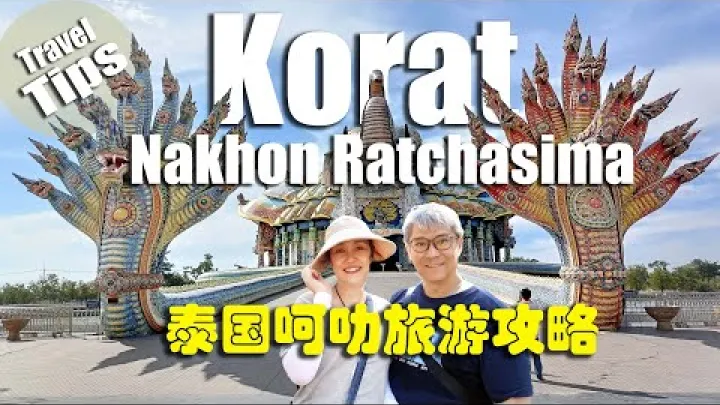
Phimai, Khao Yai, and provincial temples are different transport problems. Phimai is a heritage town day trip where return transport timing matters. Khao Yai is a national park area where early access, park entrances, and inside-park movement matter. Wat Ban Rai and Wat Simalai Songtham are better treated as countryside stops that need a driver, tour, or carefully planned route.
Before leaving Korat for a rural sight, confirm how you will return. Do not assume that a driver, bus, or songthaew will be easy to find late in the day in every location.
Where to Stay in and Around Korat
There is no single best base for every traveler. Choose your location based on whether you care most about city walking, transport convenience, evening markets, or access to Khao Yai.
City Center and Old-Town Stays
The city center and older areas suit travelers who want a stronger Korat city feel. This base can place you closer to shrines, local eateries, museums, older streets, and civic landmarks such as the City Pillar area. It works well for one or two nights when you want to explore without constantly crossing the city.
The main advantage is atmosphere and orientation. The main limitation is heat and uneven walkability. Check the exact hotel location on a map, because being in the general center does not always mean every attraction is an easy walk.
Mittraphap Road and Transport-Friendly Stays
Areas near Mittraphap Road, large malls, markets, and transport corridors can be convenient if you are using Korat as a base rather than as a walking city. This style of stay suits travelers with onward buses, drivers, shopping plans, or evenings at places such as Saveone Night Market.
The trade-off is that these areas can feel more commercial and traffic-oriented. They may offer practical access, but not the same sense of older Korat streets. Check map distance to your exact hotel, nearby food options, and whether you will need transport after dark.
Pak Chong and Khao Yai Stays
If Khao Yai National Park is your main reason for coming, consider staying in Pak Chong or near the park rather than in Korat city. This is especially true for early wildlife-focused starts, resort stays, or plans that depend on park access rather than city sightseeing.
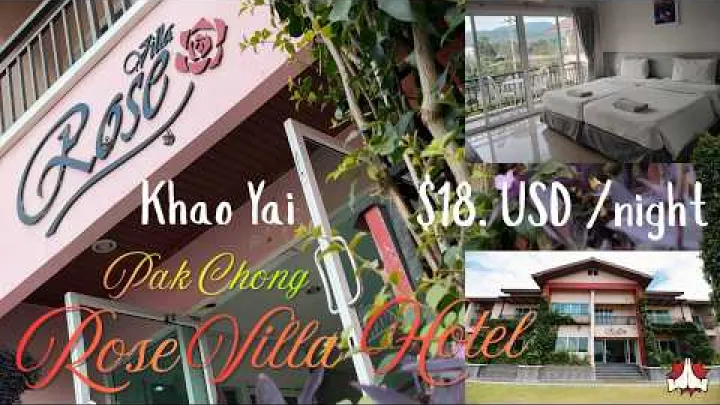
Korat city can still work for some Khao Yai plans if you have private transport and modest expectations. However, it is not always the most efficient base for early entrances, guided wildlife watching, or relaxed nature-focused days. For many travelers, the better sequence is Korat for city and Phimai, then Pak Chong or a Khao Yai-area stay for the park.
| Base | Choose it for | Main caution |
|---|---|---|
| Korat city center | Shrines, museums, local food, short stays | Heat and limited walkability |
| Mittraphap Road area | Transport, malls, markets, road access | Traffic-oriented atmosphere |
| Pak Chong or Khao Yai | National park access and nature stays | Less convenient for Korat city sights |
Best Things to Do in Korat City
Korat city is best explored through a mix of central landmarks, indoor culture stops, and evening markets. Do not overload the day. A few well-chosen stops are more enjoyable than constant movement across town.
Shrines, Temples, and Civic Landmarks
The Nakhon Ratchasima City Pillar Shrine is a useful central landmark and a good place to begin understanding the city's civic and spiritual landscape. It can also help you orient yourself before exploring nearby streets, eateries, or other central stops.
Wat Phra Narai Maharat can be included as part of a central temple-focused route if it fits your hotel location and current access conditions. As with all religious sites in Thailand, dress modestly, speak quietly, and remove shoes where required. If people are praying or making offerings, give them space and avoid intrusive photography.
Keep this part of the day flexible. Temples and shrines are not only tourist sights; they are active local places. A respectful short visit is better than rushing through many sites without understanding the setting.
Museums and Indoor Culture Stops
Museums are useful in Korat because they give context before or after heritage day trips. The Khorat Fossil Museum can interest travelers curious about natural history, while the Maha Weerawong National Museum can help frame regional art, religious objects, and local heritage. Check current opening days, ticket rules, and access before you go.
Indoor stops are especially helpful during hot or rainy hours. A museum visit in the middle of the day can make the rest of your itinerary more comfortable. If you are visiting Phimai, spending time with regional history in Korat can make the architecture and cultural setting easier to understand.
Markets, Street Food, and Evenings
Markets are good places to try Isaan food in a low-pressure way. Saveone Night Market is a useful evening anchor for many visitors because it combines food, casual shopping, and a local night-out atmosphere.

Expect grilled meats, spicy salads, rice dishes, snacks, sweets, and drinks, though exact stalls and availability vary. Bring cash, small notes, and a translation app. If you have dietary restrictions, prepare simple Thai phrases or use translated text on your phone.
Use normal food hygiene judgment. Choose busy stalls, look for freshly cooked items, and avoid pushing your spice tolerance too far on your first night. For the return journey, arrange transport before you are tired or before the market becomes less busy.
Best Day Trips from Nakhon Ratchasima
The strongest day trips from Korat are not all in the same direction or suited to the same traveler. Phimai is the key heritage trip. Khao Yai is the major nature option. Outlying temples and countryside stops are best for travelers with extra time and arranged transport.
Phimai Historical Park
Phimai Historical Park, centered on Prasat Phimai, is one of the most important reasons to include Korat in a Thailand itinerary. It offers Khmer-era architecture in a town setting that is easier to manage than a large multi-day archaeological route. Use official tourism information for current attraction framing and confirm opening details before you go.
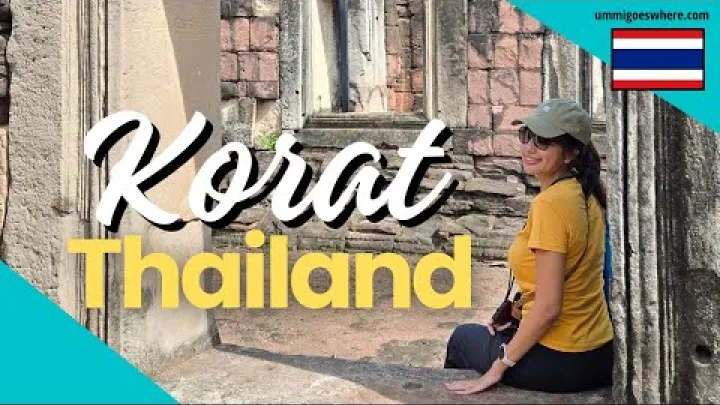
Timing matters because the site is open-air. Visit in the morning or late afternoon when possible, bring water, wear comfortable footwear, and prepare for sun. Avoid making direct comparisons with Angkor unless you understand the different scale and setting; Phimai is best appreciated on its own terms.
Transport can be by local bus, private driver, or tour, depending on current schedules and your comfort level. Public transport may be cheaper but requires more patience and attention to return times. A driver or tour costs more but can reduce uncertainty and may allow extra stops.
Khao Yai National Park and Pak Chong
Khao Yai National Park is one of Thailand's major nature destinations, and Pak Chong is a common access point in Nakhon Ratchasima province. The park's own access information is useful for checking routes, including approaches via Pak Chong and the northern side near the Chao Por Khao Yai Shrine entrance on Thanarat Road; confirm the latest details with Khao Yai National Park before you travel.
The main decision is whether to visit from Korat city or sleep nearer the park. A city-based day trip can work for travelers with a car or driver who only want a simple nature day. If you want early starts, guided wildlife watching, or a more relaxed park experience, staying in Pak Chong or near the park is usually more practical.
Before committing, check current park notices, access conditions, weather, and ticket procedures. The park information on e-ticketing notes that visitors may be able to purchase national park tickets through the QueQ application, but procedures can change, so confirm with Khao Yai National Park before travel. Do not expect wildlife sightings to be guaranteed.
Provincial Temples and Countryside Stops
Wat Ban Rai and Wat Simalai Songtham can be considered if you have extra time and arranged transport. These are better treated as countryside additions rather than essential first-day Korat activities. They make most sense for travelers who enjoy temples, rural roads, and flexible pacing.
Because outlying sights can involve long drives and changing local access details, avoid planning too many in one day. Confirm locations, opening access, and return transport before leaving. A private driver, rental car, or organized tour is usually easier than trying to connect several rural stops by public transport.
Suggested Itineraries
These itineraries are modular. Adjust the order based on your arrival time, hotel location, weather, and current opening hours.
One Day in Korat
Use one day for Korat city rather than forcing a long day trip. In the morning, visit a central landmark such as the City Pillar area and add a nearby temple if access is convenient. Keep the route compact so you do not spend the day crossing town.
During the hottest or wettest part of the day, choose a museum, cafe, mall, or hotel break. Later, head out for local food and an evening market such as Saveone Night Market. If you arrive from Bangkok late in the day, stay overnight and treat the next morning as your real city visit.
Two to Three Days with Phimai
Two days is the most balanced Korat plan for many travelers. Spend the first day on city orientation, shrines, a museum, and an evening market. Use the second day for Phimai Historical Park, leaving early enough to avoid the worst heat and to keep return transport simple.
With a third day, slow down rather than adding too much. You could visit another museum, return to a market, explore more local food, or arrange a countryside temple stop. If the weather is very hot or rainy, keep the third day flexible and favor indoor or short-distance plans.
Four Days with Khao Yai
A four-day route can combine Korat city, Phimai, and Khao Yai if you are willing to change bases. Spend day one in Korat city, day two at Phimai, then transfer toward Pak Chong or a Khao Yai-area stay for the nature segment.
Use the Khao Yai portion for a guided park visit, viewpoints, short walks, or a resort-style break, depending on current conditions and your interests. Keep the final day flexible for travel back to Bangkok or onward movement deeper into Isaan. If weather or logistics look poor, remove Khao Yai from this route and spend the extra time in Korat or another Isaan destination.
Costs, Safety, and Practical Tips
Korat is generally practical for budget and mid-range travelers, but prices depend on season, location, booking timing, transport style, and whether you use private drivers or tours. Avoid relying on old price lists; check current rates before you book.
Typical Costs and Booking Expectations
Your main cost categories will be accommodation, intercity transport, local transport, food, attraction entry, and day-trip transport. City meals and markets can be affordable compared with major resort areas, but private transport to rural sights can raise the total cost quickly.
Book ahead for weekends, Thai holidays, and Khao Yai-area stays. Nature resorts and popular routes can fill faster than ordinary city hotels. For Korat city, exact location matters as much as room quality, because a cheaper hotel far from your plans may cost more in transport time.
For attractions, buses, and park visits, check current fees and rules close to your travel date. Prices can change by nationality, season, ticket type, and operator.
Safety, Health, and Current Advisories
Korat is a practical city to visit, but normal travel awareness still matters. Watch traffic carefully, manage heat, drink enough water, keep valuables secure, and choose reliable transport at night. For rural trips, confirm return transport before leaving and avoid being stranded far from the city after dark.
Before traveling to Thailand, check official advice for entry, safety, health, and legal considerations from a source such as GOV.UK or your own government's travel advisory service. Rules and risk levels can change, and official advice is more reliable than old forum posts.
For parks and countryside travel, check weather, road access, trail conditions, and local notices before departure. Carry enough water, keep your phone charged, and let your hotel or driver know your plan if you are traveling outside the city.
Language, Signage, and Respectful Travel
English may be less common in Korat than in Thailand's biggest international tourist centers, especially at small markets, local transport points, and rural stops. This is manageable if you prepare. Save map pins, keep your hotel card, use translation apps, and learn or store destination names in Thai where possible.
At temples and shrines, dress modestly, remove shoes where indicated, and avoid loud behavior. Ask before taking close photos of people or ceremonies. Patient communication is important; a simple smile, a map pin, and clear destination text often solve problems faster than repeating English loudly.
Frequently Asked Questions
Is Nakhon Ratchasima worth visiting for first-time travelers to Thailand?
Yes, if you want history, markets, and a practical introduction to Isaan. It is less ideal if your first Thailand trip focuses only on beaches, nightlife, or highly developed tourist routes.
How many days do you need in Korat?
One day is enough for a quick city look. Two to three days is better if you want Korat city plus Phimai Historical Park without rushing.
Is Korat a good base for Khao Yai National Park?
Korat can work for some Khao Yai plans with private transport, but Pak Chong or a Khao Yai-area stay is usually better for early starts and nature-focused visits.
What is the easiest way to travel from Bangkok to Nakhon Ratchasima?
For many travelers, the bus is the easiest public option because services are frequent and direct. Confirm the Bangkok terminal, Korat arrival point, operator, and current travel time before booking.
Is Nakhon Ratchasima suitable for travelers without a car?
Yes, for city sights and some simple trips, but a car, driver, or tour makes rural day trips much easier. Without a car, plan fewer stops and confirm return transport in advance.
Nakhon Ratchasima is most rewarding when you plan it as a real regional base, not just a name on the way to somewhere else. Stay in the area that fits your route, visit Korat city at a comfortable pace, give Phimai enough time, and move closer to Pak Chong if Khao Yai is a priority. With flexible transport planning, weather awareness, and realistic expectations, Korat can be one of the most useful and memorable gateways into Isaan.
Select area
Create a post
Posting is free and no registration is required.