Nakhon Ratchasima Best Time to Visit: Weather by Month
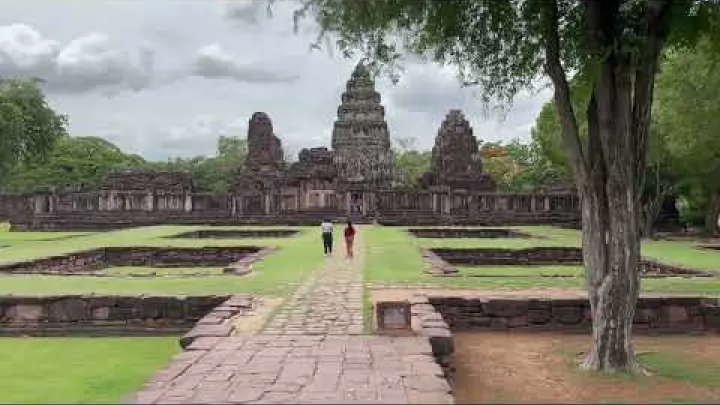
The Nakhon Ratchasima best time to visit is generally November to February, when Korat and much of the Isaan plateau are cooler, drier, and easier for sightseeing. This period is especially good for city stays, Phimai Historical Park, temple visits, markets, and many day trips into the province. The hot season from March to May and the rainy green season from May or June to October can still work, but they require different expectations. This guide explains the best months, the seasonal trade-offs, and how to plan for Nakhon Ratchasima city, Khao Yai National Park, and nearby outdoor attractions.
Quick Answer: Best Time to Visit Nakhon Ratchasima
Nakhon Ratchasima, often called Korat, is an inland province in northeastern Thailand. It does not have beach weather concerns, so the main planning questions are heat, rain, outdoor comfort, and access to nature and cultural sites.
Best overall window: November to February
The best overall time to visit Nakhon Ratchasima is generally November to February. These months fall in Thailand's cooler dry period, when rainfall is usually lower and daytime sightseeing feels more comfortable than in the hot season. The Tourism Authority of Thailand describes Thailand's broad weather pattern as a rainy season, a cooler winter period, and a hot season, which fits the practical travel pattern for Korat.
December and January are usually the strongest choices if you want the lowest rain risk and the most comfortable conditions. November is often pleasant, but it can still feel like a transition month in some years. February remains a good month, although it becomes warmer as the hot season approaches.
Best months by travel purpose
Your ideal travel month depends on what you plan to do. A first-time visitor who wants easy walking weather should choose the cool dry season. A flexible photographer may enjoy the green season. A traveler combining Korat with beaches should check separate coastal weather guidance, because Nakhon Ratchasima is inland and beach timing is not a local planning factor.
| Travel purpose | Best months | Main trade-off |
|---|---|---|
| City sightseeing | November to February | Best comfort, but more demand around holidays |
| Historical parks and temples | November to February | Outdoor sites are easier in cooler weather |
| Khao Yai and nature trips | November to February for easier logistics | Highland areas can be cooler than Korat city |
| Photography and green scenery | June to October, with flexibility | Lush landscapes, but rain can interrupt plans |
| Budget or low-crowd travel | Selected rainy-season months | Possible value, but less predictable weather |
Months to approach with caution
March to May are the months to approach with caution if you dislike strong heat. April is usually the most difficult month for heat-sensitive visitors, especially for walking around temples, markets, or open historical sites during the middle of the day.
August and September also need flexible planning because they are commonly among the wettest and least predictable months. Local climate averages for Nakhon Ratchasima shown by Climate Data indicate very low rainfall around December and the highest precipitation around September, although any single year can vary.
Late dry-season haze or smoke can sometimes affect parts of inland Thailand. If you are sensitive to air quality, check current conditions before travel rather than relying only on seasonal averages.
Weather Seasons in Korat and Isaan
Korat sits on the Isaan plateau, so it is warm for most of the year and can feel very hot before the rains arrive. The three practical travel seasons are cool dry, hot, and rainy green season.
Cool dry season from November to February
The cool dry season is the most comfortable period for most travelers in Nakhon Ratchasima. Rain is usually less frequent, humidity is lower, and outdoor walking is easier. Even so, "cool" in Korat means cooler by Thai standards, not cold by temperate-climate standards.
This is the best season for walking in Nakhon Ratchasima city, visiting open-air cultural sites, taking day trips to Phimai Historical Park, and spending time around Khao Yai. Evenings can feel cooler outside the city and in highland areas, so a thin layer is useful.
Hot season from March to May
The hot season from March to May is the most demanding period for daytime sightseeing. Pavements, open ruins, and city streets can feel intense, particularly in April. Plan outdoor activities early in the morning or late in the afternoon, then use midday for meals, museums, shopping centers, or rest in air-conditioned spaces.

Songkran makes April attractive for some cultural travelers, but it also comes with heat and stronger domestic travel demand. Families with children, older travelers, and anyone who is sensitive to heat should keep itineraries simple and avoid long exposed walks at midday.
Rainy green season from May or June to October
The rainy season usually begins building in May, becomes more established from June, and often stays active into October. Rain may come as afternoon showers or storms, but longer wet spells can also happen. The Thai Meteorological Department is the best starting point for checking current forecasts and weather warnings close to your travel dates.
The green season has real advantages. The countryside becomes greener, forest areas look richer, and waterfalls may be more impressive after rain. The trade-off is humidity, slippery surfaces, muddy trails, possible local flooding, and slower road travel during heavy rain. It is a good season for flexible travelers, not for people who need every day to be dry and predictable.
Month-by-Month Climate Feel
Month-by-month climate summaries are useful for choosing a travel window, but they cannot predict the exact weather on your trip. Use the table below as a practical feel for Nakhon Ratchasima, then check live forecasts before final plans.
November to February: dry, cooler, and most comfortable
November is often a pleasant transition month, with improving weather and cultural travel appeal. December is typically very dry and comfortable. January is one of the best all-round months for Korat, while February is still generally good but warmer toward the end of the month.
| Month | Climate feel | Planning note |
|---|---|---|
| January | Cooler, dry, comfortable | Excellent for first-time visitors |
| February | Dry, warmer later | Good, but heat starts building |
| March | Hotter and drier | Use early starts and midday breaks |
| April | Very hot for sightseeing | Plan around heat and Songkran demand |
| May | Hot, humid, more storms | Transition toward rainy season |
| June | Green and showery | Good with flexible plans |
| July | Humid, regular rain | Allow buffer time for travel |
| August | Wet and less predictable | Outdoor plans need backups |
| September | Often peak rain | Avoid tight itineraries |
| October | Rains may retreat | Improves in some years, but check forecasts |
| November | Cooler, drying out | Strong choice, with possible residual showers |
| December | Dry and pleasant | One of the safest weather choices |
March to May: hotter days and increasing storm chances
March marks the start of stronger heat. April is usually the peak heat period, while May begins the shift toward more regular rain. These months are possible for travel, but the daily schedule matters more.
For city sightseeing, start early, choose shaded routes, and avoid packing too many outdoor stops into one day. May can bring greener scenery, but humidity rises and storms may interrupt afternoon plans.
June to October: green season with peak rain in late monsoon
June and July bring increasing greenery and frequent showers. August and September are usually the months when weather becomes least predictable for travelers. October can improve as the rainy season retreats, but the timing changes by year.
In the city, rain may affect walking routes, markets, taxi availability, and transfers. In rural areas and parks, heavy rain can make trails slippery and roads slower. For photography, the green season can be beautiful, but keep outdoor days flexible.
Climate averages are not live forecasts
Climate averages describe long-term patterns. They do not tell you whether a specific afternoon will be sunny, stormy, hazy, or affected by a local warning. This distinction is important in Nakhon Ratchasima because hot-season storms and rainy-season downpours can change plans quickly.
Check current forecasts before packing, before long drives, and before visiting outdoor sites such as Khao Yai. Air quality, heavy-rain warnings, and park access are current-condition issues, not things a month-by-month table can fully predict.
Practical City-Stay Advice for Nakhon Ratchasima
Nakhon Ratchasima city is practical and well connected, but the weather still affects how comfortable your stay feels. The best approach is to plan the rhythm of each day around heat, rain, and transport timing.
Managing heat and sun in the city
Korat is warm or hot year-round. Even in the cool season, international visitors from cooler climates may find midday sun strong. During March to May, heat can make long walks tiring, especially around open markets, temples, and streets without much shade.
Plan outdoor activities for morning or late afternoon. Carry water, use sun protection, wear breathable clothing, and include air-conditioned rest stops. These simple choices make a city stay much easier, especially if you are traveling with children or older companions.
Handling rain logistics during monsoon months
Rainy-season downpours can affect everyday logistics. A short taxi ride may take longer, walking routes may become inconvenient, and open-air markets or temple visits may need to be delayed. Intercity buses, trains, or private transfers can also feel slower during heavy rain.
Pack a compact umbrella or light rain jacket, use a waterproof pouch for phones and documents, and leave extra time before transport departures. Paved city areas are usually easier than rural tracks, but intense rain can still create temporary inconvenience.
What to wear and pack by season
For the cool dry season, pack light daytime clothing plus a thin layer for evenings or trips to highland areas. For the hot season, choose breathable fabrics, a sun hat, sunglasses, and strong sun protection.
For the rainy season, bring quick-dry clothing, shoes or sandals with grip, and simple rain gear. If you plan nature trips, add insect protection and avoid footwear that becomes slippery on wet paths. For temples, carry clothing that covers shoulders and knees respectfully.
Khao Yai and Provincial Excursions
Nakhon Ratchasima province has more than city attractions. The Tourism Authority of Thailand presents the province as a destination with a wide range of attractions, so weather planning should include both city conditions and excursions.
Khao Yai has different conditions from Korat city
Khao Yai National Park and nearby highland accommodation areas can feel cooler and wetter than Nakhon Ratchasima city. A city forecast may not reflect conditions on forest roads, trails, or elevated viewpoints.

If Khao Yai is part of your trip, check a location-specific forecast for the park or your accommodation area. In the cool season, early mornings and evenings can require a light layer. In the rainy season, plan for wet paths and sudden changes in visibility.
Waterfalls, trails, and rain-season flexibility
The green season can make forests and waterfalls more impressive, but it also brings more mud, slippery surfaces, leeches or insects in some natural areas, and possible temporary changes to trail conditions. Travelers who want easier hiking logistics and lower rain risk should favor November to February.

If you visit during the rainy season, build flexibility into your itinerary and check current park guidance during heavy-rain periods. Wear footwear with grip and avoid assuming that every trail or viewpoint will be suitable on every day.
Phimai and outdoor cultural sites
Phimai Historical Park is one of the major cultural anchors in Nakhon Ratchasima province. Because it is an outdoor site, weather has a direct effect on comfort. The cool dry season is the easiest time for walking, photography, and longer visits.
Peak heat makes open stone areas and exposed walking routes more demanding, while heavy rain can interrupt sightseeing. The Phimai Festival is commonly associated with the November travel season, but travelers should confirm current dates, transport demand, and accommodation availability before planning around it.
Crowds, Prices, Festivals, and Travel Value
Weather is the main reason November to February is popular, but travel value depends on more than climate. Holidays, domestic travel periods, events, and booking timing can all change the experience.
High season and low season trade-offs
November to February often brings the best weather and stronger travel demand, especially around holidays and event periods. A local travel perspective from It's Better in Thailand also describes November to February as the high-season period for Nakhon Ratchasima.
Rainy-season months may offer better value or fewer crowds for flexible travelers, but lower prices are not guaranteed. Accommodation and transport costs vary by year, booking channel, holiday timing, and local events. If comfort matters most, choose the cool dry season. If value matters more, consider green-season travel with backup plans.
Festival and holiday timing notes
November can be attractive for cultural travel because the weather improves and regional festival activity often increases. April can also be lively because of Songkran, but it is hot and can be busy with domestic movement.
Before finalizing plans around any festival, confirm current event dates, hotel availability, and transport demand. This is especially important if you need a specific train, bus, private transfer, or hotel near an event area.
How to Choose Your Best Travel Window
The best month depends on your tolerance for heat and rain. Use the following decision points if you want a simple recommendation.
For first-time or comfort-focused travelers
Choose December or January if you want the simplest, most comfortable trip. These months usually offer dry weather, cooler evenings, and easier conditions for city sightseeing, Phimai Historical Park, temples, markets, and many day trips.
November and February are also strong alternatives. November may still have some transition showers in certain years, while February is warmer as the hot season approaches. For most travelers, these trade-offs are manageable.
For nature, photography, or budget travelers
For hiking, Khao Yai trips, and lower rain risk, the cool dry season remains the easiest choice. Trails, roads, and outdoor schedules are usually simpler when rain is less frequent.
For lush landscapes and photography, selected green-season months can be rewarding if you accept interruptions. Avoid very tight itineraries in August and September, when heavy rain can affect outdoor plans. If budget is the main priority, compare actual hotel and transport prices rather than assuming the rainy season will always be cheaper.
Final Takeaway
The best time to visit Nakhon Ratchasima is generally November to February, with December and January the safest choices for dry, comfortable weather. Choose November or February if you want good conditions with small seasonal trade-offs.
Avoid March to May if you dislike strong heat, and approach August and September with flexibility because of heavier rain. For Khao Yai, Phimai, and other provincial excursions, check location-specific forecasts close to travel dates. With the right season and a practical daily schedule, Korat is a rewarding inland Thailand destination for culture, nature, and relaxed city travel.
Select area
Create a post
Posting is free and no registration is required.