Chanthaburi Travel Guide: Where to Stay & What to Do
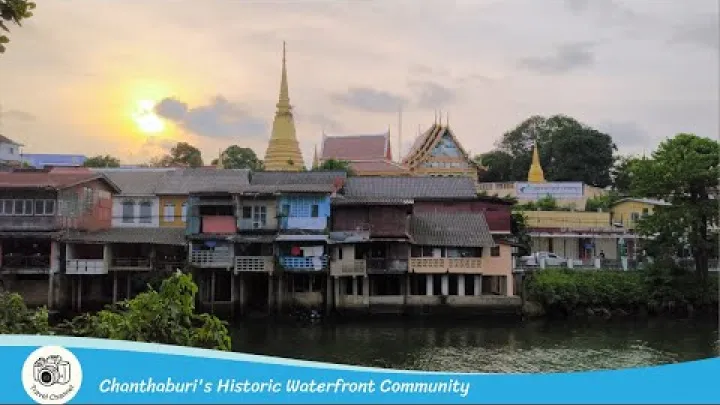
This Chanthaburi travel guide is for travelers who want a practical, balanced introduction to one of Eastern Thailand’s most rewarding mainland provinces. Chanthaburi combines riverside heritage, gem trading, fruit culture, waterfalls, national parks, and a quiet coastline without the scale of Thailand’s major resort areas. It works well as a short trip from Bangkok, a stop on the way to Trat and Koh Chang, or a slower base for food, nature, and local life. This guide explains where to stay, what to do, when to go, how to get around, and what to check before you travel.
Chanthaburi at a Glance
Chanthaburi is both a city and a province, so planning is easier when you understand the difference. Most first-time visitors focus on Mueang Chanthaburi, the provincial capital around the Chanthaburi River, then add day trips to the coast, waterfalls, or forested inland areas.
Why Chanthaburi Is Worth Adding to an Eastern Thailand Trip
Chanthaburi suits travelers who want a quieter, more local-feeling stop in Eastern Thailand. It is not a substitute for Bangkok’s big-city energy or Koh Chang’s island atmosphere. Its appeal is different: old riverside streets, Catholic heritage, Thai-Chinese shop-houses, gem-market culture, fruit orchards, waterfalls, seafood, and relaxed coastal roads.
The Tourism Authority of Thailand presents Chanthaburi as a destination with natural, cultural, and local-product attractions, which matches how most visitors experience the province. It is especially useful for travelers who enjoy walking, markets, photography, food, and day trips more than large nightlife districts or international resort infrastructure.
For a short itinerary, Chanthaburi can be a standalone weekend or two-night trip from Bangkok. For a longer route, it fits naturally between Bangkok, Trat, and Koh Chang. The main trade-off is convenience: transport, English signage, tours, and late-night options can be lighter than in better-known Thai beach destinations. A little planning makes the trip much easier.
How the Province Is Laid Out
Mueang Chanthaburi is the main urban base. The Chanthaburi River runs through the city area, and the Chantaboon Waterfront Community, Cathedral of the Immaculate Conception, Sri Chan Road, markets, guesthouses, and many practical services are nearby or reachable by short local rides.

The coast is a separate travel zone. Laem Sing, Chao Lao Beach, Khung Wiman Beach, and Kung Krabaen Bay Royal Development Study Center are the anchors most useful to first-time visitors. This area is better for seafood, beach time, viewpoints, mangroves, and slower evenings, but it is easier with a car, scooter, or arranged driver.
Inland and upland areas lead toward waterfalls, forested parks, orchards, and religious sites. Namtok Phlio National Park is commonly planned as a nature day trip, while Khao Khitchakut National Park has strong religious and seasonal significance. Normal first-time visitor routes do not require going near the Cambodia border, and most travelers can plan city, coast, and nature days without including border areas at all.
Best Time to Visit Chanthaburi
The best time to visit Chanthaburi depends on what you want most: comfortable walking weather, coastal days, waterfalls, or fruit experiences. Weather can change by year and district, so use seasonal patterns as planning guidance rather than a guarantee.
Dry Season for Walking, Beaches, and Waterfalls
November to February is commonly recommended as the most comfortable period for visiting Chanthaburi. Travel-weather summaries such as Holidify describe this as a favorable window, and it generally suits travelers who want to walk around the old town, visit markets, plan coastal drives, and spend more time outdoors.
This period is a good default for first-time visitors because it reduces some of the planning friction around heat and rain. It is also practical for photography along the Chantaboon Waterfront Community, visiting the Cathedral of the Immaculate Conception, and combining a city stay with a coast or waterfall day.
Even in the dry season, check a current forecast before waterfall hikes, beach days, boat-related activities, or long rural drives. Water levels, trail surfaces, sea conditions, and local road comfort can vary. If your trip is short, keep one flexible half-day in the plan so you can move outdoor activities to the better weather window.
Fruit Season and Rainy Season Trade-Offs
Chanthaburi is strongly associated with fruit, especially durian, mangosteen, and seasonal orchard products. Late spring and parts of the rainy season can be attractive for travelers who care more about food, markets, orchards, and desserts than perfect walking or beach conditions.
The trade-off is flexibility. Rain can affect outdoor plans, make rural roads less comfortable, and reduce the appeal of long walking routes. It does not mean travel is impossible, but it changes the style of the trip. Food-focused travelers may enjoy this period, while visitors who mainly want dry beach time or easy national-park days may prefer the cooler dry months.
If fruit is a major reason for your visit, ask your accommodation or local tourism contacts about current orchard options, market days, and any seasonal events close to your travel dates. Do not build the whole trip around a festival or farm visit until you have confirmed dates, access, and transport.
Seasonal Access and Local Events to Verify
Some Chanthaburi attractions are affected by season, weather, ceremonies, park rules, or local management decisions. Khao Khitchakut is the clearest example because many travelers associate it with pilgrimage access and mountain routes that may not operate in the same way throughout the year.
Before planning around a park, waterfall, trail, or religious site, check current access, fees, hours, dress expectations, and transport options. National-park rules and trail conditions can change after heavy rain or during busy periods. Local events may also shift by year.
This does not need to make planning difficult. Treat seasonal places as flexible day trips rather than fixed obligations. Confirm details close to travel, keep a backup plan in Mueang Chanthaburi or the coast, and avoid tight schedules when your day depends on weather or special access.
Where to Stay in Chanthaburi
Your base has a large effect on the trip. Mueang Chanthaburi is best for heritage, markets, and logistics. The coast is better for seafood, beach time, and quiet evenings. Many visitors are happiest choosing one base and doing day trips rather than moving hotels often.
Mueang Chanthaburi for Heritage, Markets, and Easy Logistics
Mueang Chanthaburi is the best default base for first-time visitors, especially if you do not have a car. It gives the easiest access to the Chantaboon Waterfront Community, Cathedral of the Immaculate Conception, Sri Chan Road, local markets, cafes, and bus or van arrival points.
The riverside and old-town area works well for walking, short photography sessions, simple cafe stops, and evening food plans. Accommodation is often in central hotels, small guesthouses, or riverside stays. Before booking, check the exact location on a map, because “central” can still mean different levels of walkability.
If you are driving, confirm parking. If you are not driving, check whether your stay is close enough to restaurants and the waterfront for comfortable walking, especially at night or in rain. A central base reduces the number of local transfers you need and makes a short Chanthaburi visitor guide itinerary much easier to follow.
Chao Lao, Laem Sing, and Khung Wiman for a Coastal Base
Chao Lao, Laem Sing, and Khung Wiman are better for travelers who want seafood, quiet evenings, beach access, and a slower mainland alternative to island resorts. These areas can suit families, couples, and road-trip travelers who do not need to be in the city every evening.
The coast is less convenient without your own transport. You can still visit Mueang Chanthaburi from the coast, but the trip requires more planning than stepping out from a city hotel. Restaurants, transport options, and opening hours may also be more limited outside weekends, holidays, or busy periods.
A coastal base is a good choice if your main goal is to relax near the water, eat seafood, and explore places such as Kung Krabaen Bay. It is less ideal if your priority is the waterfront community, gem market, city cafes, and public-transport convenience.
How Many Nights to Spend
One night in Chanthaburi is possible but rushed. Two nights are better for a simple city stay and one day trip. Three to four nights give you time to include the coast, a waterfall or park visit, food markets, and slower exploration.
| Trip length | Best for | Planning note |
|---|---|---|
| 1 night | Quick stopover | Focus on the waterfront, cathedral, and food |
| 2 nights | First-time city trip | Add one coast, waterfall, or market day |
| 3 to 4 nights | City, coast, and nature | Best if you want a slower pace |
| Longer stay | Eastern Thailand route | Combine with Trat, Koh Chang, or other nearby stops |
Transport matters as much as time. Travelers without a vehicle may need extra time for local rides or arranged day trips. Drivers can combine more places, but should avoid overloading each day, especially during rain or after dark.
Best Things to Do in Chanthaburi
The best things to do in Chanthaburi are spread across city, coast, and nature areas. A balanced first trip usually includes one heritage walk, one food or market experience, and one outdoor day.
Walk the Chantaboon Waterfront and Visit the Cathedral
The Chantaboon Waterfront Community is the core heritage experience in the city. It is a riverside neighborhood of historic shop-houses, small cafes, local homes, and views across the Chanthaburi River. Walk slowly, look for architectural details, and remember that this is a living community, not only a visitor attraction.
A simple route is to start around the waterfront lanes, stop for coffee or a snack, continue to viewpoints along the river, and include the Cathedral of the Immaculate Conception as the major nearby landmark. Morning and late afternoon are often more comfortable for walking than the middle of the day.
The cathedral is one of Chanthaburi’s most recognizable sights and reflects the province’s layered cultural history. Dress respectfully, keep your voice low around worship areas, and check whether services or private events affect access before entering.
Explore Sri Chan Road and the Gem Market Carefully
Chanthaburi has a long reputation as a gem-trading center, and Sri Chan Road is the best-known area for visitors who want to observe that side of the city. The gem market can be quiet at some times and more active around key trading periods. The market atmosphere, narrow streets, dealer shops, and negotiations are interesting even if you do not plan to buy anything.

The GIA describes Chanthaburi’s gem market culture on Si Chan Road and gives useful context for how specialized the trade can be. For travelers, the most important lesson is caution: buying gems requires expertise, proper documentation, and a clear understanding of treatment, quality, pricing, and resale value.
Do not assume that a visitor can easily find bargains. If you are not trained, treat the market mainly as a cultural and commercial experience. If you do buy, keep the purchase modest, ask detailed questions, request documentation where appropriate, and avoid pressure-based decisions.
Visit Namtok Phlio and Khao Khitchakut National Parks
Namtok Phlio National Park is commonly associated with waterfalls, forest scenery, and a nature-focused day trip from the city. It can be a good choice if you want a break from markets and streets, but conditions can change with weather, water levels, and park management.

Khao Khitchakut National Park is different. It has strong religious and seasonal importance, and many travelers connect it with pilgrimage routes rather than a simple casual hike. Access, transport, and visitor rules can be more complex than at a straightforward waterfall stop.
For both parks, check current fees, opening conditions, trail rules, and transport before you go. Wear footwear with grip, carry water, protect yourself from sun and rain, and use modest clothing in religious areas. Be careful around wet rocks, steep paths, and fast-changing weather.
Plan a Beach and Mangrove Day on the Coast
A practical coastal day can focus on Laem Sing, Chao Lao Beach, Khung Wiman Beach, and Kung Krabaen Bay Royal Development Study Center, with time for seafood, viewpoints, relaxed beach stops, and mangrove learning walks.
The coast is easiest with a car, scooter, or arranged driver. If you rely on local transport, ask your accommodation for current options and agree on return arrangements before leaving the city. Distances, waiting times, and weather can make a casual plan more complicated than it looks on a map.
Check local conditions before swimming, boating, or taking long coastal drives. Sea clarity, currents, rain, and beach comfort vary. A good coastal day in Chanthaburi is usually slow, flexible, and food-focused rather than activity-heavy.
Food, Fruit, and Local Markets
Food is one of the strongest reasons to visit Chanthaburi.
Taste Chanthaburi's Fruit Culture
Fruit is central to Chanthaburi’s identity. Durian, mangosteen, seasonal orchard produce, fruit desserts, and local markets are part of the province’s appeal. If you enjoy food travel, build time into your itinerary for markets rather than treating meals as an afterthought.
Availability depends on season, so avoid assuming that every fruit experience is possible year-round. During fruit-focused periods, ask locally about orchard visits, market stalls, desserts, and any current events. Hotel staff, guesthouse owners, market vendors, and local drivers are often useful sources of up-to-date suggestions.
If you buy strong-smelling fruit such as durian, ask about hotel, vehicle, or transport rules before carrying it indoors. Policies can vary, and asking first avoids problems.
Eat Seafood and Local Snacks Without Overplanning
Seafood is a natural focus along Laem Sing, Chao Lao, and Khung Wiman. In the city, morning markets, evening markets, snack stalls, noodle shops, simple cafes, and small restaurants can shape the trip as much as formal attractions.
Do not overplan every meal. Opening times and local favorites can change, and some of the best choices are easier to find by asking where people nearby are eating that day. A translation app helps with menus, ingredients, and dietary needs. If you have allergies or strict dietary requirements, prepare a clear written translation in Thai.
Carry cash for markets and small businesses. Larger hotels and some restaurants may accept cards or digital payments, but small stalls may not. If you are staying on the coast, plan dinner earlier than you would in Bangkok because options can be more limited in quiet periods.
How to Get to Chanthaburi and Get Around
Chanthaburi is reachable from Bangkok by public transport or private transfer, and it can also fit into a wider Eastern Thailand route. Local movement is the bigger planning issue because city sights, beaches, and parks are spread out.
Getting from Bangkok to Chanthaburi
The main ways to get from Bangkok to Chanthaburi are bus, van, and private transfer. Public transport is usually the budget choice, while a private transfer is more convenient for families, travelers with heavy luggage, late arrivals, or anyone going directly to a coastal hotel.
Routes and departure points can change, so check current options before travel. Services may use Bangkok Ekkamai Bus Terminal, Bangkok Mo Chit 2 Bus Terminal, or other pickup points depending on operator and booking channel. BusOnlineTicket lists Bangkok to Chanthaburi bus tickets and schedules, which can be useful for checking example fares and current availability.
Before arriving, know your accommodation address and how you will get from the Chanthaburi arrival point to your hotel. This is especially important if you arrive in rain, after dark, or with luggage. Save your hotel name in Thai or in a map app, and keep a phone number available.
Continuing to Trat, Koh Chang, and Eastern Islands
Chanthaburi works well as a stop between Bangkok and Trat or Koh Chang. A typical onward route may involve a bus or van toward Trat, a local transfer to a pier, and a ferry if you are continuing to an island. Exact pier choices and ferry schedules should be checked with current operators close to your travel date.
Do not plan tight same-day connections unless you have confirmed every segment. Public transport delays, ferry timing, weather, and luggage can create stress. If your onward destination is Koh Chang or another island, build in a buffer or consider staying one night in Trat if your timing is uncertain.
A private transfer is simpler but more expensive. It can be worthwhile for groups, families, or travelers who want to connect city, coast, and island logistics without negotiating several separate transport steps.
Getting Around the City and Province
The old town, riverside area, cathedral, cafes, and some markets are walkable for many visitors staying centrally in Mueang Chanthaburi. For short city trips, ride-hailing or local taxis may be convenient where available, but do not assume app coverage or quick pickup at all times.
Songthaews and local shared transport may exist on some routes, but they can be harder for first-time international visitors to understand without Thai language skills or local guidance. If you are a solo budget traveler, ask your accommodation for the easiest current route before relying on shared transport.
For beaches, waterfalls, and parks, a scooter, rental car, or arranged driver is usually easier. Families and non-drivers often benefit from booking a driver for a half-day or full-day route. If you drive yourself, wear a helmet on scooters, avoid riding in heavy rain if you are inexperienced, be careful on rural roads, and avoid night driving when visibility and road familiarity are limited.
Suggested Itineraries and Budget Planning
A good Chanthaburi itinerary should match your transport, season, and travel style. It is better to choose a few strong experiences than to create a crowded checklist across the city, coast, and mountains.
Two-Day First-Time Visitor Route
On day one, arrive from Bangkok and stay in Mueang Chanthaburi if possible. Spend your main time around the Chantaboon Waterfront Community, the Cathedral of the Immaculate Conception, Sri Chan Road, and local food spots. This works even if you arrive later than planned, because the city area is the easiest place to adjust your schedule.
On day two, choose one main day trip. If the weather is good and you have transport, plan either Namtok Phlio for a waterfall and forest experience or the coast for Laem Sing, Chao Lao, Khung Wiman, and seafood. If rain is heavy, stay closer to the city with markets, cafes, short temple or heritage stops, and food-focused exploring.
This route assumes you have at least one arranged local transfer or a driver for the second day. Without that, keep the plan simpler and ask your accommodation which day trip is easiest to arrange at the time of your visit.
Three to Four Days for City, Coast, and Nature
With three to four days, Chanthaburi becomes much more relaxed. Spend one day on the waterfront, cathedral, gem-market area, cafes, and city food. Use another day for a waterfall or national-park visit. Add a separate coastal day for seafood, beaches, viewpoints, and mangroves.
This length is better for families, photographers, food travelers, and anyone who does not want to rush between districts. It also gives you more flexibility if rain affects one of your outdoor days. You can stay in Mueang Chanthaburi for convenience or split between city and coast only if your transport is easy.
Do not feel that you must see everything. A satisfying three-day Chanthaburi travel tips plan might include only the waterfront, cathedral, markets, one park, one coastal route, and several good meals.
One Week in Eastern Thailand with Chanthaburi
In a one-week Eastern Thailand route, Chanthaburi adds mainland heritage, food, and nature between bigger travel anchors. One simple structure is Bangkok, Chanthaburi, Trat, and Koh Chang. Another is Bangkok, Rayong or the coast, Chanthaburi, and Trat.
The value of Chanthaburi is contrast. It gives you riverside streets, fruit culture, gem-market history, waterfalls, and quieter mainland coast before or after island time. This makes the whole route feel more varied than a simple Bangkok-to-island transfer.
Keep the regional plan realistic. Moving every day can turn a one-week trip into a transport exercise. Give Chanthaburi at least two nights if you want it to be more than a quick stop.
What to Budget and Where to Spend
Chanthaburi is generally a good-value destination compared with many heavily touristed Thai beach areas, but costs vary by season, room type, transport style, and how many day trips you arrange. The biggest categories are accommodation, transport from Bangkok, local rides or vehicle rental, park fees, food, and optional private transfers.
| Budget area | Save on | Spend when it helps |
|---|---|---|
| Accommodation | Simple central hotels or guesthouses | Riverside location, parking, or beach access |
| Transport | Bus or van from Bangkok | Private transfer for late arrival or luggage |
| Local travel | Walking in the old town | Driver for coast, parks, or family trips |
| Food | Markets, stalls, local cafes | Seafood meals on the coast |
| Shopping | Small souvenirs and fruit | Gems only with knowledge and caution |
The best place to spend is often transport. A safe, well-planned driver or rental can turn a difficult day into a smooth one, especially if you want to combine beaches, mangroves, or waterfalls. Treat gem purchases as optional and potentially risky unless you have real expertise.
Safety, Border Awareness, and Practical Tips
Chanthaburi is a normal travel destination for city, food, coast, and nature trips, but visitors should still use standard Thailand precautions. The province’s position near Cambodia also means travelers should pay attention to current border-related advisories, especially if considering remote or checkpoint-adjacent areas.
Thailand-Cambodia Border Areas and Current Advisories
Chanthaburi borders Cambodia, but mainstream visitor areas such as Mueang Chanthaburi, the waterfront, coastal beaches, and common park trips are separate from border checkpoints. Most first-time travelers have no reason to include the Ban Laem border area or Ban Phat Kad border area in a casual itinerary.
Travel conditions near border areas can change. TAT News has reported that travel across Thailand can continue while security measures and transport adjustments may apply near the Thailand-Cambodia border. Before travel, check current official advisories and avoid restricted, closed, or unclear zones.
Keep the distinction clear: normal tourism areas and frontier zones are not the same. A calm, practical approach is to enjoy the city, coast, and parks, while leaving border travel out of the plan unless you have a specific, current, and permitted reason to go.
Health, Emergency Contacts, and Road Safety
Use standard travel precautions in Chanthaburi. Watch valuables in markets, moderate alcohol use, stay hydrated, protect yourself from heat and sun, and be careful on wet paths and roads. Travel insurance is strongly recommended for medical care, transport disruption, and scooter or vehicle-related incidents.
Road safety deserves special attention. Scooters are convenient but risky for inexperienced riders, especially in rain or on unfamiliar rural roads. Wear a helmet, do not ride after drinking, and avoid carrying more luggage than you can safely manage. If you are not confident, use a driver instead.
Before long day trips, know your hotel address, the nearest clinic or hospital area, and your insurance contact process. Save important details offline in case mobile data is weak or your phone battery runs low.
Booking, Connectivity, and Language Tips
Book accommodation ahead for weekends, Thai holidays, and preferred beach areas. This is especially useful if you need parking, a family room, a central riverside location, or a specific coastal base. In quieter periods, you may have more flexibility, but booking ahead still reduces arrival stress.
Carry your accommodation name and address in Thai or saved in a map app. Mobile data, offline maps, and translation apps make Chanthaburi easier for international visitors, especially when arranging rides, reading menus, or asking about market and park options.
Cash remains useful for markets, small food stalls, local rides, and rural stops. Ask your hotel or guesthouse for current advice on transport, food, day trips, and weather-sensitive plans. Local conditions can vary by district and time of day, so recent local guidance is often more useful than a fixed plan made far in advance.
Final Thoughts on Visiting Chanthaburi
Chanthaburi is best for travelers who want Eastern Thailand beyond the most obvious beach and island routes. Stay in Mueang Chanthaburi for easy heritage walks and logistics, choose the coast for seafood and quiet evenings, and add waterfalls, parks, fruit markets, or mangroves according to season and transport.
The province rewards flexible planning. Check current weather, park access, transport, and any border-related advisories before travel, then keep your itinerary simple enough to enjoy local discoveries. With two to four nights, Chanthaburi can become one of the most memorable mainland stops on a Thailand trip.
Select area
Create a post
Posting is free and no registration is required.