Best Time to Visit Seoul: Weather by Season and Month
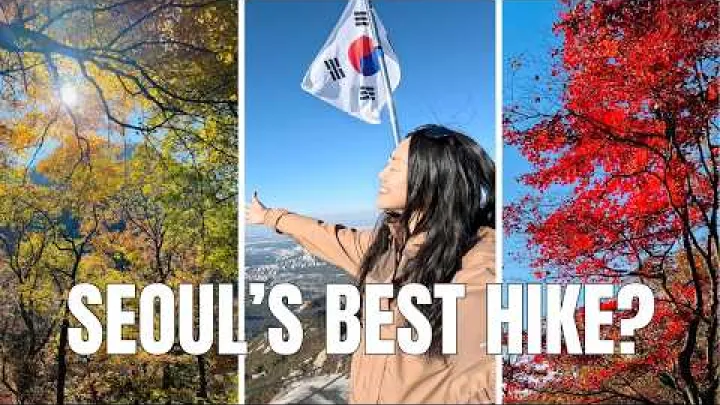
The best time to visit Seoul is usually spring or autumn, especially April to May and late September to October. These periods are generally the most comfortable for walking between palaces, markets, neighborhoods, parks, and viewpoints. However, the right month depends on whether you want cherry blossoms, autumn foliage, hiking weather, lower prices, or fewer crowds. This guide compares Seoul's seasons and months, explains rainy-season and extreme-weather considerations, and shows how to plan clothing and daily activities around typical conditions.
Best Time to Visit Seoul at a Glance
Seoul has a clear seasonal cycle, so a small change in travel dates can significantly affect walking comfort. Spring and autumn offer the broadest balance of pleasant temperatures and outdoor sightseeing. Summer can be hot, humid, and wet, while winter is cold but may suit travelers who prefer quieter attractions and indoor cultural experiences.
The Best Overall Windows for a Seoul Trip
For most first-time visitors, choose April to May or late September to October. April is attractive for mild spring weather and blossoms, although the most popular blossom weeks can be busy. May is warmer and often comfortable for long days outdoors after the shortest blossom window has passed. Late September is still warm, while October usually provides one of the strongest combinations of cooler air, lower humidity, and outdoor comfort.
Late March and November can also work well if you accept cooler mornings or evenings. They may offer a useful compromise for visitors who want a seasonal atmosphere without choosing the most concentrated blossom or foliage dates. Seasonal guidance describes typical conditions, not a guarantee for a particular year, so the ideal choice should also reflect your tolerance for heat, cold, rain, and crowds.
Choose Dates by Weather, Scenery, Crowds, and Budget
Use the following comparison to match a travel window to your priorities:
- Best for comfortable walking: April, May, October, and much of early autumn are strong choices. Late March and November can be comfortable for some travelers but require warmer layers.
- Best for cherry blossoms: Plan broadly for late March to mid-April. The visual peak is short and can attract more visitors, so demand may be higher during the most likely weeks.
- Best for autumn color: Late October to early November is a useful broad window, especially for parks, palace grounds, Namsan, and mountain areas. Timing varies by year.
- Best for lower demand: Winter and selected shoulder periods may be quieter, but the trade-off is colder weather or less predictable transition-season conditions.
- Best to avoid for cool, dry outdoor sightseeing: July and August are the least suitable choices for travelers who dislike heat, humidity, heavy rain, or weather-related changes to outdoor plans. Travel is still possible with a flexible schedule.
Prices and crowd levels do not follow one permanent calendar. Blossom weeks, autumn foliage dates, weekends, public holidays, festivals, and live hotel demand can all change the normal pattern. Treat seasonal price advice as a tendency rather than a fixed rule.
Understanding Seoul's Climate Before You Book
Seoul's weather affects more than what you pack. It changes how long you can walk, how easily you can move between outdoor sights, whether a viewpoint is comfortable, and how much time you may want to spend in museums, cafes, markets, or other indoor places.
Four Distinct Seasons and Their City-Stay Impact
Seoul has four distinct seasons: cool-to-cold winter, a warming spring, hot and humid summer, and a cooler autumn. This pattern is useful for planning a city stay because many popular activities involve walking outdoors, including visiting Gyeongbokgung, exploring traditional neighborhoods, crossing market areas, spending time beside the Han River, or reaching viewpoints such as N Seoul Tower.
Spring changes quickly. March can feel like a cool transition from winter, while May is considerably warmer. The Official Travel Guide to Seoul describes spring as lasting from March through May and gives representative daily mean temperatures from 5.7 degrees Celsius in March to 17.8 degrees Celsius in May. These figures are useful as seasonal context, but they do not describe every day or every neighborhood.
Summer brings higher heat and humidity, which can make a short distance feel demanding when you are carrying a day bag or waiting outdoors. Autumn generally improves walking comfort, while winter favors shorter outdoor visits combined with indoor attractions and warm meal stops. Conditions can also differ outside central Seoul, so a city forecast may not perfectly represent a mountain hike or a day trip into nearby Gyeonggi landscapes.
Rainy Season, Heavy Rain, and Typhoon Considerations
Central Korea commonly has its main rainy-season pattern from late June into late July, although the start, end, and intensity vary from year to year. This period is often called jangma. Rain does not necessarily continue all day every day, but downpours, high humidity, thunderstorms, and wet streets can disrupt a schedule that depends on long outdoor walks.
Summer weather can also include heat, sudden heavy showers, and weather associated with tropical systems in the wider region. Seoul does not need to be directly affected by a typhoon for regional rain, wind, transport delays, or changed day-trip conditions to matter. The Korea Meteorological Administration provides current typhoon information, including forecast positions and tropical-depression information.
For typical seasonal background, Intetour places the usual rainy-season pattern around late June to late July and notes that timing can move gradually across the country. If your trip overlaps with active storms or heavy-rain warnings, review Korea Meteorological Administration information before departure and during your stay. Allow extra time, protect electronics, and keep a flexible indoor alternative for any long outdoor excursion.
Climate Averages Versus a Live Weather Forecast
A climate average helps answer a long-range question: which season or month usually fits your preferred conditions? It is a baseline built from many years of observations, not a prediction for your travel dates. For example, the National Centers for Environmental Information explains that climate normals are long-term reference periods; its current U.S. normals cover 1991 to 2020. The same principle applies when reading any climate summary for Seoul: it describes a tendency rather than a promise.
Use a short-range forecast for decisions that affect your luggage and daily schedule. Close to departure, check expected temperatures, rain, wind, and any heat or cold advisories for your exact dates. During the trip, update that information before assigning a full day to palaces, riverside walks, hiking, or another weather-sensitive activity. A seasonal table can help you choose a month, but only a current forecast can guide what to wear on a particular day.
Seoul by Season
Each season offers a different balance of scenery, walking comfort, crowd levels, and planning risk. The dates below are useful boundaries, but Seoul does not change from one season to another on a single fixed day.
Spring in Seoul: March to May
March is a cool transition month. Early March can still feel close to winter, while late March may begin to show more spring character. Pack layers and expect a meaningful difference between daytime and evening comfort. March can suit travelers who want a quieter spring experience and do not need every tree to be in bloom.
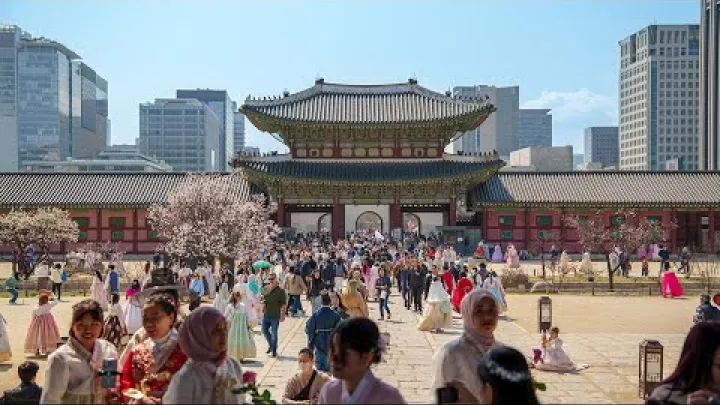
April is mild and strongly associated with blossoms, making it one of the most requested times to visit Seoul. The main visual window is short, and popular areas may feel crowded or have higher accommodation demand. May is warmer and often comfortable for extended sightseeing, walking through palace areas, visiting markets, and spending time outdoors after the most concentrated blossom period.
Spring is generally less wet than the main summer rainy period, but showers and cool mornings remain possible. Some travelers may also notice air-quality changes, so a flexible plan is useful. Treat early March, blossom-focused April, and late May as different experiences rather than one uniform season.
Summer in Seoul: June to August
June is a warm transition month. Early June may be easier for outdoor sightseeing than the middle of summer, while late June can bring increasing humidity and the possibility of the main rainy-season pattern. July and August combine heat, humidity, heavy rain, and a greater chance that outdoor plans will need to change.

These conditions affect walking tours, queues, hiking, and transfers between public transport stops. A route that is comfortable in October can feel tiring in humid summer weather, especially when shade is limited. Rain can also make a carefully timed outdoor day less predictable, even when the forecast does not show continuous rain.
Summer travel is not impossible. Choose breathable clothing, comfortable shoes, hydration, sun protection, and reliable rain protection. Schedule long outdoor walks for the cooler parts of the day when possible, and carry both rain and sun protection. Balance outdoor sights with museums, cafes, markets, meals, or other indoor stops. Travelers who value cool, dry walking weather will usually prefer spring or autumn instead.
Autumn in Seoul: September to November
September is warm and transitional. Early September may still feel summery, while later September often becomes more comfortable for walking. October is usually the strongest autumn balance for visitors who want cooler temperatures, lower humidity, and a generally favorable setting for outdoor sightseeing and photography.
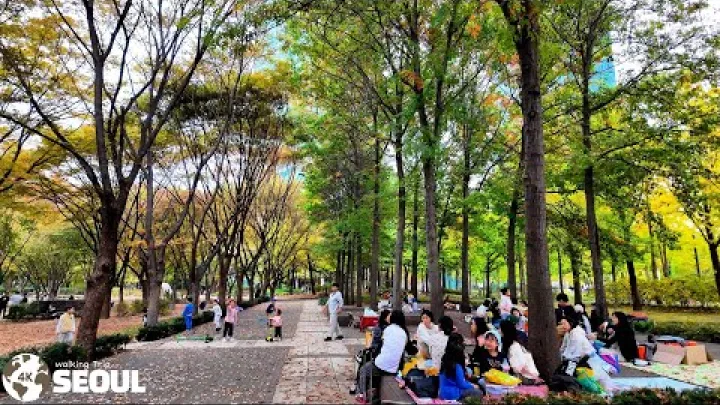
November continues the move toward winter. Early November can still provide autumn color, while late November is cooler and may require a heavier jacket. Autumn foliage timing is approximate, and popular parks, palace grounds, Namsan, and mountain areas can become busy when the colors are at their most attractive.
Autumn is especially appealing for travelers who want long walking days without the strongest summer humidity. It is also a good period for combining city neighborhoods with viewpoints and outdoor photography. If a specific foliage display is essential, build some flexibility into the dates because the peak can shift with the year's weather.
Winter in Seoul: December to February
Winter is generally cold and relatively dry. January is typically the coldest part of the season, while February can begin to feel slightly less severe even though it remains a winter month. Snow or icy conditions are possible, and cold weather can reduce the practical length of outdoor visits.
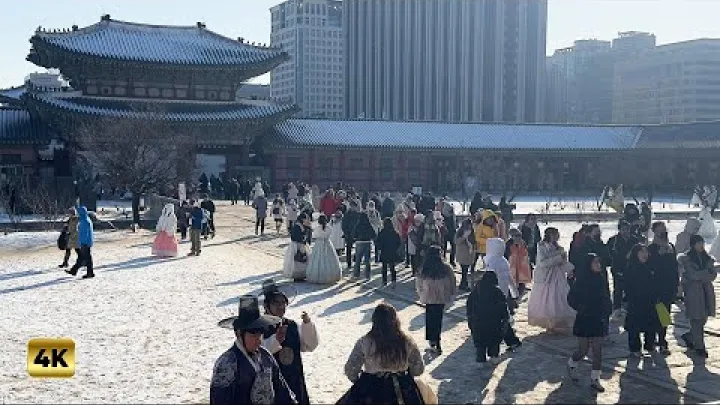
The advantages are quieter attractions in some periods and the possibility of lower demand outside holiday dates. Winter is not uniformly inexpensive: Lunar New Year and other holiday periods can affect crowds, availability, and prices. It is also important to distinguish Seoul's urban winter from conditions in nearby mountains or ski destinations, where exposure and ground conditions may be different.
Plan winter days around indoor attractions, food experiences, shopping, cafes, and shorter outdoor sections. Pack insulated, wind-protective layers, warm accessories, and weather-resistant footwear. Before planning long winter walks or mountain visits, check for cold-wave conditions and adjust the route or timing if necessary.
Seoul Month-by-Month: A Quick Planning Guide
The month-by-month guide below summarizes typical tendencies for a city stay. It is designed to help you compare months quickly, not to replace a forecast or a current advisory.
How Each Month Feels in Seoul
| Month | Typical feel | Rain pattern | Clothing needs | Crowds and budget |
|---|---|---|---|---|
| January | Coldest winter month | Generally dry; snow possible | Insulated coat and warm accessories | Often quieter; holiday variation |
| February | Still cold, slowly milder | Generally dry | Winter layers and warm shoes | Often quieter outside holidays |
| March | Cool spring transition | Variable showers | Layers and a light coat | Interest begins to rise |
| April | Mild and blossom-focused | Spring showers possible | Light jacket and layers | High demand in blossom weeks |
| May | Warm and comfortable | Some showers possible | Light layers and comfortable shoes | Popular; demand varies |
| June | Warm and increasingly humid | Rain increases; late-month uncertainty | Breathable clothing and rain gear | Moderate; dates matter |
| July | Hot and humid | Main rainy-season pattern | Light clothing and strong rain protection | Outdoor comfort is lower |
| August | Hot, humid, and storm-prone | Storms and possible typhoon influence | Sun and rain protection | Summer demand varies |
| September | Warm but improving | Rain risk usually eases | Breathable clothes and a light layer | Moderate to high demand |
| October | Cool and relatively dry | Lower rainfall tendency | Light layers and a jacket | Foliage demand can rise |
| November | Cooler and close to winter | Often drier | Jacket and warmer layers | Often somewhat quieter |
| December | Cold and dry | Snow or ice possible | Winter coat and warm accessories | Lower demand except holidays |
These are climate tendencies and broad planning labels. A warm or cold spell can make a month feel different from its usual pattern, and a rainy day can occur in a normally drier period. Use this table to select a travel window, then use the current forecast for packing and daily decisions.
Best Time to Visit Seoul by Travel Purpose
The best month depends on what you plan to do. A traveler focused on palace architecture may accept cooler weather, while someone planning long hikes or riverside walks may value lower humidity more than a particular seasonal scene.
City Sightseeing, Culture, and Viewpoints
Spring and autumn are the most broadly comfortable seasons for a walking-focused city itinerary. They work well for combining Gyeongbokgung, traditional neighborhoods, markets, the Han River, and outdoor viewpoints such as N Seoul Tower. Mild conditions can make it easier to spend several hours outside without building the entire day around shade, cooling, or shelter.
Late March, May, late September, and November can provide useful compromises. Late March is cooler but may avoid the strongest blossom demand. May is warmer after the main blossom focus. Late September can be more comfortable than midsummer, while November may offer cooler walking conditions and a quieter atmosphere. Visibility, heat, rain, and clothing comfort can matter as much as whether an attraction is open, so choose a season that supports the way you want to move through the city.
Cherry Blossoms and Spring Events
For Seoul cherry blossoms, use late March to mid-April as a broad planning window rather than a fixed prediction. Peak timing changes by year, and the most attractive period can be brief. Yeouido is one local example of an area associated with blossom viewing, but popular blossom locations can be crowded when the trees are near peak bloom.
Travelers with a fixed blossom goal should follow the annual bloom forecast as the trip approaches instead of relying on a historical date. Wind, rain, and temperature patterns can affect how long peak conditions last. If full bloom is not essential, late April and May offer spring greenery and comfortable sightseeing without requiring the exact visual peak. Keep blossom timing separate from event schedules, which can change from year to year.
Autumn Foliage, Hiking, and Photography
Late October to early November is a useful broad window for autumn foliage in and around Seoul, although color timing shifts with yearly weather. Namsan, Bukhansan, palace grounds, and nearby Gyeonggi landscapes offer different settings for photography and outdoor time. Central-city trees may change at a different pace from higher or more exposed mountain areas.
Cooler temperatures, lower humidity, and generally drier autumn conditions support longer walks and hikes. Mountain conditions should not be inferred from the conditions in central Seoul: wind, temperature, visibility, wet ground, and trail access can differ. If hiking is important, allow flexibility for the actual mountain forecast and local access information rather than treating a foliage date as a guarantee of suitable trail conditions.
Budget Travel and Fewer Crowds
Winter and selected shoulder periods may suit travelers who are willing to trade warmth or seasonal certainty for a quieter experience. January and February can be appealing for indoor culture, food, shopping, and shorter outdoor visits. Late March, late November, and other dates outside major seasonal peaks may also offer more choice, but demand is always affected by specific weekends, holidays, events, and booking patterns.
April blossom weeks and late-October or early-November foliage dates can concentrate demand. Instead of assuming that one month is always the cheapest, compare live flight and accommodation prices across several nearby dates. A useful budget decision is to choose the lowest-demand period whose weather trade-off you can comfortably accept. Saving money is less helpful if extreme cold, heavy rain, or heat prevents you from enjoying the activities that motivated the trip.
Practical Planning for Seoul Weather
Good weather planning is not only about selecting a season. It also means packing for temperature changes, booking around concentrated demand, and designing each day so that one rainy or unusually hot period does not ruin the entire visit.
What to Wear in Each Season
March, April, October, and November: Use layers because daytime and evening temperatures can feel different. A light or medium jacket, comfortable walking shoes, and a layer that can be removed during the afternoon are practical choices. November usually calls for warmer clothing than April, especially for evening walks.
June through August: Choose breathable clothing, comfortable shoes, sun protection, and rain protection. A compact umbrella or light rain layer can be useful, but footwear should also be suitable for wet pavement. Keep water available during long walking days and avoid packing only heavy, non-breathable fabrics.
December through February: Plan for an insulated outer layer, warm accessories, and weather-resistant footwear. Gloves, a hat, and a scarf can improve comfort when you are outside for viewpoints, queues, or evening walks. Make final packing decisions from the forecast for your exact travel dates rather than from a monthly average alone.
Booking Around Peak Seasonal Demand
If you want April blossoms or late-October to early-November foliage, begin comparing accommodation and transport options early. Demand can become concentrated around a short visual window, especially on weekends. Public holidays, seasonal festivals, and domestic vacation periods can also affect availability independently of the weather.
Check live accommodation availability and reserve early when your dates are tied to blossom or foliage timing. If your schedule is flexible, compare several dates within the same season and review cancellation terms before booking. This approach gives you a better chance of balancing location, price, and weather preference without treating a general seasonal pattern as a guaranteed market rule.
Build a Flexible Outdoor and Indoor Itinerary
Use a simple two-part plan for each day. First, place one weather-sensitive outdoor activity, such as a palace visit, riverside walk, viewpoint, or hike, on the clearest suitable day. Second, prepare an indoor alternative nearby, such as a museum, market, cafe, meal, or shopping area. This keeps the day useful if rain, heat, or cold makes the original plan uncomfortable.
During the summer rainy period, break long walks into shorter outdoor blocks around indoor stops. In hot weather, place the most demanding walking earlier or later in the day and keep sun and rain protection with you. In winter, combine shorter outside sections with warm indoor destinations. Before committing to a long outdoor excursion, check the current forecast and official advisories, especially when storms, heavy rain, extreme heat, or cold may affect conditions.
Final Recommendation for Choosing Your Seoul Travel Dates
For the simplest answer, choose April to May or late September to October. Choose late March to mid-April if cherry blossoms are the priority, and late October to early November if autumn foliage is more important. For a quieter or potentially lower-demand trip, consider winter or a shoulder period, but accept colder conditions or less predictable weather.
Travelers who strongly dislike heat, humidity, and heavy rain may want to avoid July and August, and possibly the late-June-to-late-July rainy-season window. That is a comfort-based recommendation, not a statement that Seoul cannot be visited in summer. Whichever dates you choose, compare live prices, pack from the exact-date forecast, and leave room to move outdoor activities when conditions change.
Select area
Create a post
Posting is free and no registration is required.