Seoul Where to Stay: Best Areas for Every Trip
Where to stay in Seoul depends on how you plan to spend each day. The city’s main visitor areas stretch across both sides of the Han River, so a convenient base for palace visits may not be the best choice for Gangnam meetings or a Lotte World trip. For most uncertain first-time visitors, Myeongdong is a practical default because it combines central access, food, shopping, and a wide range of accommodation. This guide compares Seoul’s main districts, lodging types, transport connections, walkability, noise, and the checks that can prevent an inconvenient booking.
How to Choose Where to Stay in Seoul
Start with the shape of your itinerary rather than a map label. Seoul has an extensive public transport network, but the time and effort of each journey still depend on the exact station, transfer pattern, walking distance, traffic, and time of day. The Seoul Metropolitan Government transport information is a useful starting point when comparing subway and bus access.
Start With Your Daily Itinerary
Choose the area that reduces the journeys that matter most to you. A traveler planning days around Gyeongbokgung, Changdeokgung, Bukchon Hanok Village, Insadong, and Gwanghwamun will usually find a northern central base more natural than Gangnam. Someone who wants cafés, nightlife, and an easier airport-rail arrival may prefer Hongik University Station and the streets around Hongdae. A business traveler visiting Gangnam Station or COEX may save time by staying south of the river instead of crossing the city each morning.
Also consider whether your trip has one dominant purpose. Myeongdong and nearby central areas work well for a short first visit with mixed sightseeing. Jamsil is more logical when Lotte World and Lotte World Mall are major parts of the plan. Seoul Station suits an early train or intercity journey, while Yeouido can be useful for work, river walks, or a longer stay with more residential space. No district is equally convenient for every combination of palaces, shopping, nightlife, and day trips.
Compare Access, Walkability, Noise, and Cost
Evaluate every property using the same questions. Identify the nearest station and practical exit, look for a direct line where possible, and consider airport or intercity connections separately from sightseeing access. Then assess the final walk with luggage, the surrounding street, the likely evening noise, and the room features. A district can be convenient for trains but uncomfortable for sleep, or attractive for nightlife but inefficient for palace visits.
Accommodation rates are not fixed by district. Dates, seasons, room demand, holidays, and major events can change both the available room types and the total price. Use the following as a planning guide, not as a promise of a particular rate.
| Base | Strongest fit | Main trade-off | Cost pattern |
|---|---|---|---|
| Myeongdong | First visits, shopping, mixed sightseeing | Busy retail streets and possible evening noise | Wide range; date-sensitive |
| Jongno and Insadong | Palaces, culture, traditional atmosphere | Some narrow or sloping streets and smaller properties | Varied by subarea and property |
| Hongdae and Yeonnam-dong | Cafés, nightlife, airport-rail access | Weekend crowds and late-night noise | Broad range; weekends can differ |
| Gangnam and COEX | Business, modern shopping, dining | More travel to the historic core | Often higher near major business nodes |
| Jamsil | Lotte World and family-focused trips | Less efficient for a palace-centered itinerary | Depends on family and full-service inventory |
| Seoul Station and Yeouido | Rail travel, early departures, business, space | Less immediate visitor atmosphere | Varied; compare current room features |
The Best Default for Most First-Time Visitors
If you are visiting Seoul for the first time, staying only a few nights, and have not built a highly specialized itinerary, choose Myeongdong first. It offers a dense concentration of food, shopping, hotels, and central transport options, making it easier to combine several parts of Seoul without committing to one travel style. It is especially practical for visitors who want simple evenings near their accommodation after a full sightseeing day.
Choose Jongno or Insadong instead if royal palaces, traditional architecture, galleries, tea houses, and historic streets are your main priorities. Choose Hongdae or adjacent Yeonnam-dong if cafés, youth culture, airport-rail convenience, and nightlife matter more. Gangnam or Yeouido makes more sense for a business schedule, and Jamsil is the clearest choice for a trip built around Lotte World. Even within the recommended district, the exact property can matter more than the name on the booking page.
Best Central Areas to Stay in Seoul
Central Seoul offers the most balanced choice for a first visit, but the historic core, shopping zones, and nightlife areas have different character. The official Visit Seoul guide is useful for connecting neighborhoods with attractions as you build a daily plan.
Myeongdong: Shopping, Food, and Convenience
Myeongdong is the easiest recommendation for travelers who want a central, practical base. The area has a strong concentration of shopping, casual food, cafés, and accommodation, with choices ranging from smaller budget rooms to full-service hotels. Its central position makes it a useful starting point for visits to major attractions in and around the historic core, as well as for evenings when you do not want to travel far for dinner.

The trade-off is atmosphere. The busiest retail streets can feel commercial, crowded, and active into the evening. Some rooms may also be compact, particularly at properties designed around location rather than spacious layouts. If sleep is important, look beyond the busiest frontage and compare side streets, room-facing direction, and property soundproofing. Choose Myeongdong when convenience and shopping are more important than a quiet or traditional neighborhood feel; skip it when your priority is residential calm or a distinctive historic setting.
Jongno, Insadong, and Bukchon: History and Traditional Seoul
Jongno, Insadong, and Bukchon form Seoul’s most natural base for travelers interested in the historic center. Gyeongbokgung and Changdeokgung, Jogyesa Temple, traditional shops, galleries, tea houses, and cultural streets are all associated with this part of the city. Jongno provides a central urban base with useful transport connections, Insadong emphasizes traditional retail and cultural experiences, and Bukchon offers a more residential setting shaped by hanok architecture.
![Preview image for the video "SEOUL KOREA/ A walking tour from Insa-dong to Bukchon on a Rainy afternoon on weekdays [4K HDR]".](/sites/default/files/styles/media_720x405/public/oembed_thumbnails/2026-09/yqcRw34JPKlZYkbxDNlZJ9tU9ZJh_fEtXZHeoEJ1Pns.jpg.webp?itok=gLBMXMcj "Preview image for the video \"SEOUL KOREA/ A walking tour from Insa-dong to Bukchon on a Rainy afternoon on weekdays [4K HDR]\".")
These subareas should not be treated as interchangeable. A property near Jongno 3-ga may feel more connected to busy transport and evening dining, while a stay in Bukchon may provide more atmosphere but a quieter, narrower route. Parts of Bukchon include slopes, stairs, and narrow streets, and small traditional properties may offer fewer room categories or standardized services. Families should compare the actual route with a stroller or tired children in mind. Visitors with mobility needs should inspect the property entrance and street approach instead of assuming that the entire historic area has the same level of access.
Hongdae and Yeonnam-dong: Cafés, Youth Culture, and Airport Access
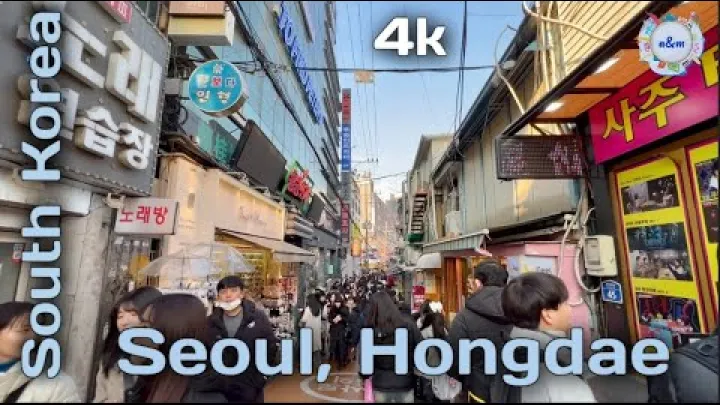
Hongdae suits travelers who want cafés, independent shops, street performances, restaurants, and nightlife close to their accommodation. Hongik University Station is a valuable anchor because it connects the area with airport rail and Line 2, which can simplify both arrival planning and movement to other parts of Seoul. The exact benefit still depends on how far the accommodation is from the station and which streets you must use at the end of the day.
The main entertainment streets can be lively, particularly on weekends, and late noise is an important room-selection factor. Yeonnam-dong, next to the busier Hongdae core, can offer a calmer café-oriented setting while keeping the same general base. Hongdae is a good choice for solo travelers, café-focused visitors, and people who enjoy an active evening atmosphere, not only for younger travelers. It is less suitable if most days center on the royal palaces, because those sights are not within an ordinary walking route from Hongdae.
Gangnam and COEX: Modern Seoul and Business Convenience
Gangnam is a broad south-of-the-river choice rather than one compact neighborhood. The area around Gangnam Station is convenient for business meetings, dining, shopping, and an energetic urban setting. The Samseong Station and COEX zone is a more specific choice for conferences, offices, indoor attractions, large-scale shopping, and meetings near COEX. Searching by the exact station or landmark is more useful than searching for Gangnam as a whole.
These areas can suit business travelers, repeat visitors, and anyone whose itinerary focuses on contemporary Seoul. Serviced residences and full-service properties may also be relevant when a desk, larger layout, or on-site facilities matter. The trade-off is the time spent traveling north to Gyeongbokgung, Bukchon, Insadong, and other historic neighborhoods. Premium positioning around major business and luxury nodes can also affect current accommodation costs, so compare the total price against the number of days you will actually spend south of the river.
Special-Purpose Areas for Families, Trains, and Business
Some Seoul bases are excellent for a particular schedule but less efficient as an all-purpose choice. Select them when the nearby attraction, station, or work destination will shape most of your days.
Jamsil: The Practical Base for Lotte World Trips
Jamsil is the most practical base when Lotte World, Lotte World Mall, Lotte World Tower, or nearby family attractions are central to the itinerary. Staying near Jamsil Station can make the return to the room simpler after a long theme-park day, when children may be tired and carrying bags or souvenirs is inconvenient. The station is also associated with Line 2 and Line 8, giving the area broader connections beyond the immediate attractions.
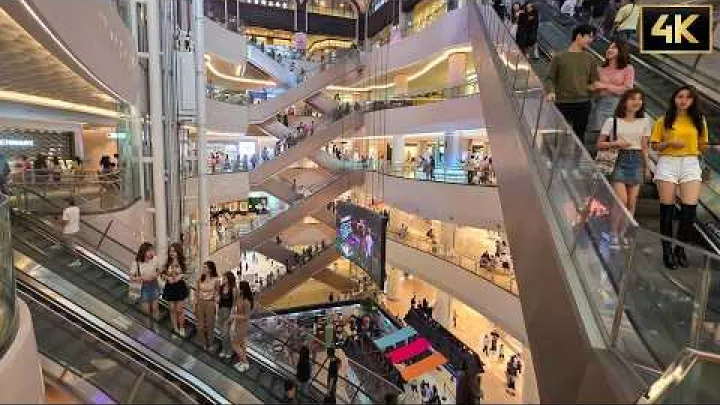
There is a difference between a trip built around several Jamsil days and a general Seoul visit with one theme-park day. For the first, the local convenience can outweigh the distance from the historic core. For the second, a central base may reduce total sightseeing travel. Families should search for the actual room configuration, lift access, laundry availability, and the practical walk between the property and the station rather than assuming that every large nearby property provides the same facilities.
Seoul Station: Rail Connections and Short Stays
Seoul Station is a logical base for travelers arriving or departing by airport railway, taking KTX or another intercity train, joining a tour near a transport hub, or facing an early departure. Business hotels and other current listings around the station can be useful for a short stay when the main goal is reducing the risk and effort of a rail transfer. It can also work well for travelers with a schedule that moves beyond Seoul.
The atmosphere is more infrastructure- and office-oriented than the shopping streets of Myeongdong or the historic streets of Jongno. Depending on the exact property, the route may also include a less direct walk or a hill, even though the listing says Seoul Station. Treat the station entrance, hotel entrance, and luggage route as separate points. If most of your time is devoted to palaces, Bukchon, and traditional neighborhoods, compare the transport convenience with the loss of immediate local character.
Yeouido: Business District, River Parks, and Larger-Room Options
Yeouido is a specialized base for work trips, media or business schedules, and travelers who value open space near the river. Yeouido Hangang Park provides a different setting from Seoul’s dense shopping and historic streets, and business hotels or serviced residences may appeal to families and longer-stay travelers who want more room or household-style facilities.
Do not assume that an apartment-style or business property automatically has a larger usable room, a kitchen, or family services. Compare the actual layout and facilities for your dates. Yeouido is less attraction-dense for a first-time sightseeing itinerary, so reaching palaces, Insadong, Bukchon, or nightlife areas will generally require a planned transit journey. Choose it when work, river recreation, or residential space has real value in your schedule, not simply because it looks central on a map.
Itaewon: International Dining and Nightlife
Itaewon is best for a specific interest: multicultural dining, bars, late-night venues, and an international atmosphere. Itaewon Station and Line 6 provide useful local anchors, but the neighborhood itself includes hills, narrower streets, and concentrated nightlife areas. The character can change quickly from one street to the next, so the property’s exact position matters more than the broad district name.
Travelers who want to experience Itaewon but value sleep or broader sightseeing may prefer to visit from Myeongdong, Jongno, or another central base. If you stay in Itaewon, treat the street outside the property, the direction of the room, and soundproofing as important filters. A hotel near restaurants and bars may be convenient for evening plans but less comfortable for an early morning tour or a family schedule. Itaewon is a specialist choice, not a universal recommendation for every visitor.
Areas That Suit a Specific Interest but Not Everyone
Dongdaemun, Seongsu-dong, and Apgujeong can be rewarding when your interests match their shopping, design, or contemporary culture. They are usually best selected through a precise itinerary and property search rather than through a general claim that one district is best for all visitors.
Dongdaemun: Late-Night Shopping and Value
Dongdaemun appeals to travelers focused on fashion, market shopping, late-night retail, and Dongdaemun Design Plaza. Some accommodation in the area can provide useful value compared with selected properties in the most established central shopping zones. It can also be a practical base for visitors whose days and evenings revolve around fashion markets rather than palace visits.
The market and DDP area should be distinguished from the wider district. Station access, hotel quality, street atmosphere, and overnight activity can differ by exact location. Compared with Myeongdong, Dongdaemun may suit a clearer late-shopping priority; compared with Jongno, it may offer less immediate access to the traditional historic core. Check the walk from the station and whether market or delivery activity could affect sleep. Choose Dongdaemun for a defined shopping plan, not automatically as the default base for a mixed first visit.
Seongsu-dong and Apgujeong: Design, Cafés, and Fashion
Seongsu-dong is associated with cafés, boutiques, creative spaces, and industrial buildings adapted for new uses. Apgujeong is a more fashion- and design-oriented choice, with luxury shopping, clinics, and contemporary dining. These areas can be excellent for a trip built around cafés, shopping, design, and current local culture.
The accommodation supply is less uniform than in established central bases, and the appeal of a neighborhood can change as businesses and venues change. Treat both as destinations to visit from a central hotel unless the current lodging options, transport connections, and daily schedule strongly support staying nearby. If you do stay in one, search around the exact station or street where you will spend time. A popular name on a travel map is not a substitute for a practical room, route, and price comparison.
Choose the Right Type of Accommodation
After choosing an area, match the property type to your purpose, budget, group, and length of stay. The official Visit Seoul accommodation guide provides general tourism context, but the selected property’s current room description is what determines whether it fits your needs.
Hotels, Business Hotels, and Resort-Style Stays
Standard hotels suit travelers who want a private bathroom, reception support, predictable services, and a choice of room categories. They are often the simplest option for a first Seoul visit, especially when the group includes different needs or the schedule includes late arrivals and early departures. Compare the station distance, room layout, bed arrangement, breakfast, cancellation policy, and total price instead of relying only on a star rating.
Business hotels can work well for work trips, remote work, and short stays when a desk, stable reception, and a quieter routine matter. Their room sizes and amenities vary, so confirm the details rather than assuming that the business label means a large workspace. A resort-style property is most suitable when you plan to spend meaningful time using on-site facilities such as dining, recreation, or wellness services. If each day is devoted to sightseeing, a property with extensive facilities may be less useful than a simpler hotel near the right station.
Hanok Guesthouses and Traditional Stays
A hanok stay can add cultural atmosphere through a courtyard, traditional architecture, heated floors, paper-lined rooms, or traditional-style bedding where offered. It suits travelers who value immersion and a distinctive setting more than standardized hotel services. Hanok properties are particularly associated with Bukchon and other traditional neighborhoods, but the experience and facilities differ from one guesthouse to another.
Before choosing one, confirm whether the room uses floor bedding, whether the bathroom is private, how heating and cooling work, and whether the room has the accessibility features your group needs. Some small properties have limited inventory, compact rooms, stairs, thinner walls, or uneven and sloping streets nearby. A hanok can be an excellent main base for a culture-focused trip or a short part of a longer itinerary, but it should not be treated as interchangeable with a full-service hotel. Read the selected property’s facilities and room description carefully.
Hostels, Urban Guesthouses, and Budget Rooms
Hostels, urban guesthouses, dormitories, private hostel rooms, and small budget hotels can lower accommodation costs for solo travelers, students, and visitors who spend most of the day outside. The most important comparison is not price alone. Check whether the bathroom and kitchen are shared, whether there is a lounge, how luggage storage works, when reception is open, and whether the social atmosphere matches your routine.
Hongdae, Myeongdong, Itaewon, and Dongdaemun are common areas to consider when searching for budget accommodation, but the individual property still determines convenience. Confirm whether a private room has a private bathroom, whether beds are suitable for your group, how check-in works outside reception hours, and what cancellation terms apply. A low price does not by itself prove poor quality or a safety problem, but a clearly described property and transparent booking conditions make it easier to choose responsibly.
Serviced Apartments and Officetels for Longer Stays
Serviced apartments and suitable officetel-style accommodation can fit longer stays, work trips, families, and travelers who want a kitchen, laundry, workspace, or more residential routine. Gangnam and Yeouido may have relevant business-oriented inventory, although similar options can appear in other parts of Seoul. The right choice depends on how often you will cook, work, wash clothes, and use the property during the day.
Compare the actual services rather than assuming that every apartment-style listing includes hotel reception or daily cleaning. Check short-stay booking rules, the full address, building access, cleaning frequency, cookware, laundry equipment, guest support, and emergency contact arrangements. Distinguish a professionally managed serviced residence from an informal short-term listing by examining who manages the booking, how the property communicates, and what support is described. Apartment-style accommodation is not automatically better value if you will not use its extra facilities.
Booking Checklist for a Convenient Seoul Stay
A good district can still produce a poor stay if the property is far from the useful station exit, difficult with luggage, or unsuitable for your room needs. Use this checklist after narrowing your search to a neighborhood and before paying.
Verify the Exact Location Before Paying
District names cover large areas. Open the exact property pin, identify the nearest station and useful exit, and inspect the final walking route instead of relying on the neighborhood label. Compare the route from the station entrance to the actual accommodation entrance, because a property may be close to one part of a station but inconvenient from the exit used by travelers with luggage.
Look for stairs, slopes, elevators, narrow sidewalks, and places where a suitcase or stroller may be difficult to move. Check the entrance arrangement, luggage handling, street lighting, and nearby late-night businesses. This is especially important for families with strollers, travelers with mobility limits, heavy luggage, traditional properties in narrow streets, and late arrivals. For example, two properties can both be marketed as Myeongdong while one is next to a convenient station entrance and the other requires a longer walk through a less direct side street. The map and walking-route check should be a required booking step.
Match Airport, Subway, and Rail Connections to Your Schedule
Your arrival and departure plans can change the best base. Hongik University Station may suit travelers who prioritize airport-rail access and Line 2. Seoul Station may be more logical for airport railway connections, KTX or other intercity trains, or an early departure. A central Myeongdong or Jongno base may be better when most daily journeys are to the historic core, while a Gangnam, COEX, or Jamsil base can reduce repeated cross-city travel for a south-of-the-river itinerary.
Before paying, confirm the current airport-rail route, possible transfers, first and last services, airport bus options, taxi alternatives, and intercity train access from the exact property. Check the route for the day and time you will actually travel, including the walk from the accommodation to the station. Do not rely on a fixed journey-time promise: service changes, traffic, transfers, platform walking, and luggage can alter the result. A direct or simple route can be more valuable than an address that appears central but requires several changes.
Check Current Room Details and Availability
Rates, inventory, bed types, room sizes, occupancy limits, and cancellation policies are date-sensitive. Compare current listings for your exact dates and number of guests. A booking page near Seoul Station, such as the current search on Expedia, can illustrate available properties, but listing visibility is not a citywide quality ranking.
Check whether the bathroom is private, how heating and cooling are provided, whether the room is likely to be soundproof, and whether there is an elevator, luggage storage, reception service, breakfast, or laundry. Separate verified property facts from review-based impressions, and do not treat a large number of reviews as proof that the property fits your group. Confirm the current listing, room conditions, cancellation terms, and property legitimacy through a reputable booking page or the accommodation’s official page. Save the property address in the local script or map format supplied by the accommodation so it can be shown during arrival.
Make a Nighttime and Crowd-Aware Choice
Seoul’s shopping streets, nightlife hubs, narrow historic alleys, and major visitor areas can feel very different in the evening. Noise, crowd density, late-night businesses, and the ease of returning to the property may change within the same district. A busy Myeongdong frontage, a Hongdae entertainment street, a quiet Yeonnam-dong side road, and a small Bukchon lane should not be treated as the same lodging environment.
Do not label an entire district as safe or unsafe. Instead, compare the exact street, accommodation entrance, room-facing direction, crowd tolerance, and late-night route. Check current official travel advice and plan a well-lit return route before booking, especially if you are traveling alone, with children, or expect late nights. Travelers who want nightlife but also need sleep can choose an adjacent or quieter base and visit the busiest entertainment zone rather than sleeping beside it.
Final Recommendation: Choose the Seoul Base That Fits Your Days
For most first-time visitors who want a balanced and convenient stay, start with Myeongdong. Choose Jongno or Insadong for history and traditional Seoul, Hongdae or Yeonnam-dong for cafés and nightlife with useful airport-rail access, Gangnam or COEX for business and modern city plans, Jamsil for Lotte World, Seoul Station for rail logistics, and Yeouido for work, river space, or a longer stay.
The best accommodation in Seoul is therefore not simply the highest-rated or most central-looking property. It is the place that matches your daily destinations, transport schedule, preferred noise level, room requirements, and length of stay. Once you choose the right area, inspect the exact route and current room details so the neighborhood recommendation becomes a convenient real-world base.
Select area
Create a post
Posting is free and no registration is required.