Seoul Budget: Daily Costs, Prices & Saving Tips

Planning a Seoul budget is easier when you separate fixed costs from daily choices. A dorm bed, casual Korean meals, and public transport can keep spending controlled, while a private room, frequent cafés, taxis, shopping, and premium attractions can raise the total quickly. This guide explains Seoul travel costs by budget level, compares central Seoul with Gyeonggi bases, and shows how to estimate a three-, five-, or seven-day trip. Prices are planning ranges, with KRW used for local examples wherever possible.
Seoul Budget at a Glance
A useful Seoul travel budget includes accommodation, food and drinks, local transport, and planned activities. The bands below are derived planning estimates rather than fixed citywide averages. They are intended to help you choose a travel style before you search for exact rooms, menus, or tickets.
Daily Budget Bands for Seoul
| Travel style | Daily planning band | Accommodation | Food and drinks | Local transport | Activities |
|---|---|---|---|---|---|
| Highly frugal | USD 55–95 | USD 20–40 | USD 15–30 | USD 3–7 | USD 0–15 |
| Solo mid-range | USD 135–240 | USD 80–130 | USD 30–60 | USD 10–20 | USD 15–30 |
| Comfortable | USD 320 or more | USD 200–300 | USD 60–100 or more | USD 30–50 | USD 30–50 or more |
The total bands are rounded daily envelopes, not promises that every category will reach its upper limit on the same day. A frugal traveler may spend less on activities but more on a weekend room, while a mid-range traveler may balance one expensive dinner with a low-cost cultural day. Keep the working budget in KRW and use a current exchange rate only when converting it for personal reporting or payment planning.
These estimates exclude international flights, shopping, nightlife, beauty services, travel insurance, visa costs, and major day trips. They also assume that a solo traveler pays the full solo accommodation amount unless a dorm bed or shared room is chosen. A private room price is usually a room total, not automatically a per-person price.
What a Seoul Travel Budget Includes
Start with a core daily budget that answers one simple question: what does it cost to sleep, eat, move around, and follow the planned sightseeing schedule? Use these four categories as the base of your worksheet:
- Lodging: a dorm bed, capsule, guesthouse, hotel room, or apartment share.
- Meals and drinks: restaurant meals, convenience-store food, coffee, snacks, water, and alcohol if included in the plan.
- Local transport: subway, buses, ordinary taxi use, and short journeys within Seoul.
- Activities: palace admissions, observatories, museums, shows, guided experiences, and other planned tickets.
Keep one-time and discretionary items on separate lines. Airport transfers, intercity transport, shopping, skincare, K-pop goods, nightlife, beauty appointments, insurance, visa fees, and large excursions can distort a daily average if they are hidden inside it.
Searches for cheap flights to Seoul are common, but airfare cannot be estimated responsibly as one universal amount. The origin city, travel dates, baggage, airline, stopovers, and flexibility can change the price more than most local daily costs. Add flights after you know those details, rather than using an invented average for your Seoul trip budget.
Accommodation Costs in Seoul and Gyeonggi
Accommodation is often the largest controllable part of a Seoul budget. The best choice depends not only on the nightly rate but also on privacy, transit access, cleaning and service fees, cancellation terms, and the number of nights.
Hostels, Capsules, and Budget Hotels
For planning purposes, many dorm beds, capsules, guesthouses, and simple private rooms can fall somewhere around USD 15–40 per night, especially when dates and location are favorable. This is an illustrative lower-cost range, not a guaranteed rate. A property near a major sightseeing area or a busy weekend can cost considerably more.
The Agoda Seoul hostel page reports an average of about USD 72 per night. That platform-wide figure should not be read as a typical dorm-bed price because it can include private rooms, higher-rated properties, and better-located accommodation. Compare like with like: a dorm bed with a shared bathroom is not equivalent to a private double room.
A dorm usually offers the lowest individual price but gives up privacy and may limit storage. A capsule can provide more personal space without becoming a full private room. A guesthouse may offer a local atmosphere, while a basic hotel double room can be more convenient for two people. Look at the bathroom arrangement, luggage storage, distance to direct transit, check-in conditions, and cancellation policy as part of the price decision.
Before booking, compare the final accommodation total for the exact dates. Include taxes, service fees, cleaning fees, deposit rules, breakfast charges, and cancellation terms instead of relying on the headline nightly rate. An unusually cheap listing may apply only to restricted dates, a non-refundable booking, a less central location, or a bed rather than an entire room.
Mid-Range Rooms and Apartment Stays
A broad planning range of about USD 70–130 per night can be useful for many central three- or four-star stays, but individual properties may be above or below it. Room size, breakfast, location, weekend demand, and booking conditions can change the effective price substantially. Treat city averages and search-page estimates as starting points for a date-specific comparison.
Hotels are often easier for short stays because the quoted price may include housekeeping and a predictable check-in process. An entire apartment or studio can offer more space, a living area, and a kitchenette, which may be valuable for couples, families, remote workers, or stays lasting a week or longer. The benefit is smaller if you will spend most of the day sightseeing and do not use the extra space.
Apartment platforms can display changing monthly averages rather than one permanent Seoul price. The Airbnb Seoul listing page is therefore best used to compare exact dates and property types. Add fixed cleaning and service fees to the booking total. For a two- or three-night stay, those fees can make an apartment appear cheaper per night than it really is only when the total is divided correctly.
Choosing Between Central Seoul and Gyeonggi Bases
Central areas such as Myeongdong, Jongno, and Gangnam can reduce the time and number of transfers needed for a short sightseeing trip. Other Seoul neighborhoods, including Sinchon and Mapo, may offer a different balance of room types, restaurants, nightlife, and transit connections. No district is universally the cheapest because exact dates and the nearest direct connection matter more than a simple neighborhood ranking.

A Gyeonggi base can provide more space or a different room rate, but Gyeonggi Province is part of the same large metropolitan housing and transport market. It should not automatically be treated as a dramatically cheaper alternative. A lower nightly price can be offset by longer daily journeys, additional distance-based fares, taxi use after late returns, and the value of time lost in transit.
Use a total-cost test: accommodation saving minus added transport minus the value of commuting time. Central Seoul is usually the easier choice for a short first visit focused on palaces, markets, neighborhoods, or several different districts. A well-connected Gyeonggi base can make more sense for a longer stay when the room saving is meaningful, the connection is simple, and you accept the daily travel time.
Food and Drink Prices in Seoul
Food costs in Seoul are flexible because inexpensive local meals, convenience stores, cafés, international restaurants, barbecue, and upscale dining can all fit into the same itinerary. Build a food budget from your actual meal pattern rather than from one restaurant average.
Everyday Meals and Restaurant Prices
A practical reference for a casual local meal is approximately KRW 7,000–10,000. Many mid-range meals fall around KRW 12,000–25,000 per person. The Firebird Tours South Korea price guidance provides similar broad ranges, but menus in Seoul vary by neighborhood, restaurant type, portion, and current operating costs.
Korean barbecue needs special attention because the starting menu price may look close to a casual meal, while the final bill rises with the meat selection, portion size, side dishes, rice, drinks, and group ordering. Check whether the displayed amount is per person, per serving, or for a shared portion. Tourist-oriented, international, hotel, and trend-focused restaurants can also cost more than ordinary neighborhood dining.
- Low-spend day: a simple convenience-store breakfast, one casual lunch in the KRW 7,000–10,000 range, and an inexpensive dinner can often be planned around roughly KRW 20,000–35,000 before cafés and extra snacks.
- Mixed day: a simple breakfast, casual lunch, a more substantial dinner, and one drink or snack can move the total toward roughly KRW 35,000–60,000 per person.
- Restaurant-led day: two mid-range meals, coffee, dessert, or drinks can exceed KRW 60,000, especially when barbecue or specialty dining is included.
These are meal-pattern examples, not fixed Seoul menu prices. If food is important to the trip, reserve a separate allowance for priority restaurants instead of expecting a low daily average to cover every meal.
Street Food and Convenience Store Meals
Convenience stores are useful for breakfast, a late snack, or an inexpensive meal component. Typical examples include triangle rice balls at about KRW 1,100–1,800 and cup noodles at about KRW 1,200–2,500. A ready-made lunchbox may be roughly KRW 3,500–6,700. The Creatrip price examples show why these stores can support a low Seoul travel budget.
A realistic low-cost assembly might be one rice ball, one cup noodle or ready-made meal, and a separate drink. That can cover a simple meal or several meal components, but it is not a reason to assume that every product or price is identical across all stores. Water, coffee, desserts, extra snacks, and delivery charges should be counted separately.
Street food can be convenient around tourist areas such as Myeongdong, but do not assume that every stall is cheaper than a neighborhood restaurant. Without a current menu comparison, it is safer to compare the displayed price and portion directly with options in areas such as Sinchon. Recent reporting by Chosun Biz also describes convenience-store discounts and value meals as temporary responses to price pressure. Treat promotions as opportunities, not permanent assumptions.
Cafes, Alcohol, and Self-Catering Choices
Regular coffee often costs several thousand won, while specialty drinks, themed cafés, and desserts can cost as much as a full casual meal. One café visit may fit easily into a frugal day; one or two visits daily can move the food budget toward the mid-range band. Set a daily café allowance if coffee shops are an important part of your Seoul itinerary.
Convenience-store or supermarket drinks are generally easier to fit into a low-cost plan than restaurant drinks. Cocktail bars, clubs, hotel venues, and other nightlife settings should be treated as separate discretionary spending because prices vary too widely for one reliable citywide estimate. Decide in advance whether alcohol is part of the daily food budget or its own evening envelope.
Cooking is not automatically the cheapest option in Seoul. Casual meals and ready-made food can be inexpensive, while an apartment may add cleaning and service fees. Self-catering becomes more attractive when you have a usable kitchen, stay several nights, and will actually prepare breakfast or other meals. For upscale venues, check how any service charge or tipping treatment appears on the specific bill rather than assuming one rule for every restaurant.
Transport Costs in Seoul and Gyeonggi
Seoul's public transport can keep routine movement relatively affordable, but longer Gyeonggi journeys, taxis, airport transfers, and late-night travel need separate lines in the budget. Transport is both a cash cost and a time cost.
Subway and Bus Costs
As a planning reference, Seoul subway fares use a base fare of about KRW 1,550 for the initial distance, with distance-based additions on longer journeys. A June 2026 fare explanation from Chosun Biz describes the base-and-distance structure. The exact amount for a journey depends on distance and the applicable fare rules.
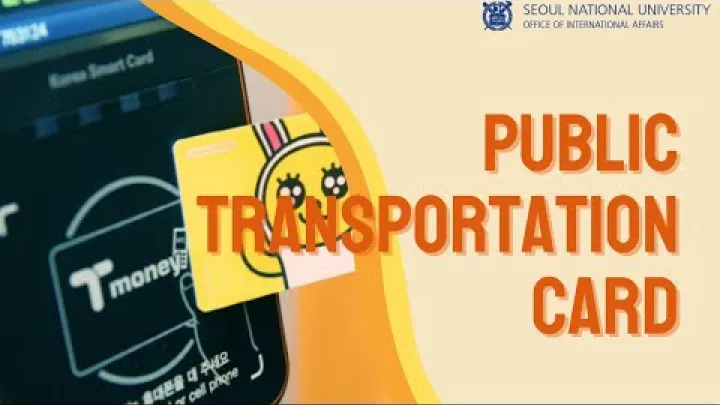
For a visitor making several subway or bus trips, roughly KRW 4,500–10,000 per day is a useful illustrative public-transport range. A rechargeable transit card and integrated transfers can simplify payment and tracking. Ordinary city travel usually fits near the lower part of the range, while repeated cross-city movement or longer journeys into Gyeonggi can move it higher.
Public transport makes a slightly less central base possible, but the financial saving should be weighed against extra travel time. Keep ordinary Seoul movement separate from regional trips so a day at a distant attraction does not make every Seoul day look unnecessarily expensive.
Taxi Fares and Late-Night Surcharges
A dated planning example for a standard taxi uses a base fare of around KRW 4,800 for the first 1.6 kilometers, followed by distance charges. Taxi prices are approximate rather than guaranteed quotes. Traffic, route length, tolls, vehicle type, and pickup conditions can change the final amount.

Late-night surcharges can add approximately 20%–40%, depending on the time and taxi conditions. The Goodmate Travel guide describes a surcharge beginning after 10 p.m., with different levels during the night. A single shared ride may be reasonable in a mid-range budget, while repeated solo taxi trips can exceed several days of subway fares.
A simple decision rule is to use the subway or buses for routine daytime movement and reserve taxis for shared trips, late-night access, heavy luggage, or a time-sensitive journey. For longer or airport-related rides, leave room for tolls and traffic-related variation rather than treating the base fare as the final price.
Airport Transfers and Longer Gyeonggi Journeys
Keep the airport transfer as a separate one-time line item instead of hiding it inside the daily Seoul local-transport estimate. Rail, airport bus, taxi, and private-transfer costs depend on the airport, destination, time, luggage, group size, and operator.
For airport or intercity travel, check the current airport or intercity operator fare and service timetable before adding the transfer to your daily Seoul budget. Do this close to booking because an old blog estimate may omit a fare change, a revised timetable, a luggage condition, or a difference between standard and premium services.
Travel from Seoul to a Gyeonggi attraction should be treated as an optional excursion envelope. Include outbound and return transport, admission, meals, and any local travel at the destination. Also consider the sightseeing time lost in transit. A regional day trip may be good value during a longer stay but poor value during a short visit if it replaces several Seoul activities.
Attraction and Activity Costs
Seoul has many ways to combine low-cost cultural sightseeing with one or two paid highlights. Admission is only one part of an activity budget; transport, food, rentals, tours, and shopping around an attraction can be equally important.
Low-Cost Cultural Days and Palace Visits
Gyeongbokgung Palace provides a clear low-cost reference. The listed adult admission for ages 19–64 is KRW 3,000, and the child rate for ages 7–18 is KRW 1,500. The same visitor information lists free admission for adults over 64 and children under 7, along with a combination ticket of KRW 10,000 for adults and KRW 5,000 for children for eligible sites. See the KoreaToDo palace information for the planning reference.
A cultural day can keep admission spending modest when it combines a palace visit with neighborhood walks, markets, parks, and free or low-cost venues whose current rules you have checked. Separate the palace ticket from food, transport, traditional clothing rental, guided activities, photography, and shopping. A low admission fee does not make the entire day free.
A combination ticket is useful only when you intend to visit enough included sites within its validity period. Before visiting, confirm the current official opening hours, admission rules, closure days, age categories, and any conditions connected to combination tickets.
Premium Views and Paid Experiences
The current official N Seoul Tower listing gives an observatory reference of approximately KRW 29,000 for adults and KRW 23,000 for children or seniors. It identifies adults as ages 13 and above and children as ages 3–12. The N Seoul Tower admission page should take priority over older third-party price lists.
One observatory, themed venue, show, guided experience, or other premium ticket can change an otherwise inexpensive day. A practical strategy is to choose one or two paid highlights and fill the rest of the itinerary with palace visits, markets, parks, neighborhoods, and other activities with free or low current admission.
Near the visit date, open the official attraction ticket page and confirm the current fee, package contents, and age category. Check whether the quoted amount covers admission only or also includes a meal, transport, timed entry, or another add-on. Do not transfer an old package price to a new itinerary without checking what is included.
Gyeonggi Day Trips and Optional Experience Costs
Nami Island is a useful named example of the type of regional excursion travelers may add to a Seoul itinerary. Its admission structure varies by visitor category and can combine island entry with ferry travel. The Nami Island admission information lists different categories, including a special category, so do not infer a universal adult price from a remembered number.
Budget a Nami Island or other regional trip as a separate envelope containing outbound and return transport, admission or ferry fees, meals, and optional activities. Confirm whether the current ticket includes admission, ferry travel, and any optional transport before purchase. This prevents a low-looking admission price from hiding a second required payment.
Keep optional shopping, photography packages, boat upgrades, equipment rental, and other add-ons outside the core admission estimate. Compare the complete cost and total travel time with another Seoul sightseeing day. During a longer stay, the excursion may add variety; during a short trip, the same money and time may produce more value in Seoul.
Build a Daily and Multi-Day Seoul Budget
Once the categories are clear, a Seoul travel budget becomes a replaceable worksheet rather than one fixed number. Start with your travel style, then adjust the categories that matter most to you.
Component Breakdown by Travel Style
The following component ranges use USD only as broad planning labels. The lodging figures assume a budget dorm or shared arrangement in the first row and a solo traveler paying for a private room in the other rows. Food, transport, and activity figures are per person.
| Travel style | Stay | Food | Transport | Activities | Daily guide |
|---|---|---|---|---|---|
| Budget | USD 20–40 | USD 15–30 | USD 3–7 | USD 0–15 | USD 55–95 |
| Mid-range | USD 80–130 | USD 30–60 | USD 10–20 | USD 15–30 | USD 135–240 |
| Comfortable | USD 200–300 | USD 60–100 or more | USD 30–50 | USD 30–50 or more | USD 320 or more |
The daily guide is a rounded envelope, so the component figures are not a promise that every category must be spent at its maximum. Use KRW for the actual worksheet and add a modest contingency for water, snacks, small purchases, and price variation. Keep shopping outside these rows so a cosmetics purchase or souvenir does not silently become part of the cost of a normal sightseeing day.
Solo, Couple, and Shared-Room Budget Math
Accommodation is the category most affected by group size. A dorm bed is normally priced per person, while a private room is normally priced for the room. Sharing a room can reduce the per-person lodging cost, but it does not halve each person's food, admission, shopping, or most public-transport costs.
- Solo traveler: divide the total room price by one, then add that person's food, transport, and activity costs.
- Couple: divide the total room price by two, then add each person's individual food, transport, and activity costs.
- Example: if a private room costs KRW 120,000 for one night, the lodging share is KRW 120,000 for a solo traveler or KRW 60,000 per person for two occupants, before adding each person's other costs.
This is why a couple may obtain a private room at a similar per-person lodging cost to a solo traveler choosing a more basic property. Do not apply the same arithmetic to family pricing, child rates, group discounts, or rooms whose maximum occupancy changes the total.
Estimate a 3-, 5-, or 7-Day Seoul Trip
For a simple daily comparison, multiply the relevant daily band by the number of travel days. For a trip total, calculate lodging by the actual number of nights and calculate food, local transport, and activities by the number of days they will be used; then add arrival and departure transfers, planned day trips, and a separate discretionary allowance. If a five-day trip means four nights, use four nights for lodging rather than five.
- Three days: a simple frugal calculation is USD 165–285 for the daily core; mid-range is about USD 405–720; comfortable travel begins around USD 960 before excluded costs.
- Five days: the daily core is about USD 275–475 for a highly frugal plan, USD 675–1,200 for a mid-range solo plan, or USD 1,600 or more for comfortable travel.
- Seven days: the same method gives about USD 385–665 for the frugal core, USD 945–1,680 for mid-range, or USD 2,240 or more for comfortable travel.
These examples show daily-core envelopes rather than complete door-to-door trip totals. They exclude international flights, shopping, nightlife, beauty services, insurance, visa costs, airport transfers, and major excursions. Longer stays may offer weekly rates or make an apartment more valuable, but include cleaning fees, service fees, cancellation terms, and the actual number of nights before treating a weekly rate as a saving.
What Raises Seoul Costs and How to Save
Seoul prices are shaped by both your choices and the dates of the trip. Focus first on the decisions that can change the total by the largest amount.
Season, Weekday, and Event Effects
Accommodation demand can vary by month, weekday, weekend, holiday, and major event. A dated accommodation snapshot showed a lower September average and a higher February average, but that comparison is an illustration rather than a rule for every property. A booking page such as Airbnb can display changing monthly averages, so compare the exact dates and room type you need.
Lunar New Year, Chuseok, festivals, concerts, conferences, cherry-blossom periods, and strong autumn demand can affect availability and rates. These periods do not raise every property by the same amount, and an event calendar does not make one month universally expensive. Flexible travelers should compare weekday stays, shoulder periods, nearby neighborhoods, and refundable options before changing the entire itinerary.
For a short trip, a modestly higher central room can be better value than a cheaper room with a long daily commute. For a longer trip, shifting some nights to quieter weekdays or choosing a well-connected base may create a larger saving. Compare the final total, not a seasonal label alone.
Spend Less Without Losing the Seoul Experience
Rank saving tactics by their likely effect on the full trip:
- Control accommodation first. Compare dates, neighborhoods, room sharing, and the final payable total. This usually has more impact than saving a small amount on one meal.
- Choose location with time in mind. Use the subway and buses for routine travel, walk between nearby neighborhoods, and group attractions geographically. A cheaper base is not a saving if it causes repeated taxis or long backtracking.
- Mix meal types. Combine casual restaurants, street food, convenience-store meals, and selected specialty dining. You can include Korean barbecue or a priority restaurant without making every meal expensive.
- Limit café and taxi frequency. Set a café allowance and reserve taxis for shared, late-night, luggage-related, or time-sensitive trips.
- Select paid highlights. Choose one or two premium attractions, then balance them with palace visits, markets, parks, neighborhoods, and other free or low-cost activities.
- Cap discretionary shopping. Set a separate envelope for cosmetics, fashion, K-pop goods, souvenirs, and nightlife so these purchases do not expand the daily travel budget unnoticed.
Booking, Currency, and Payment Checklist
Use a four-part worksheet: committed costs, daily costs, optional costs, and contingency. This makes it clear which expenses must be paid before departure and which choices can be changed during the trip.
- Price in KRW first: record accommodation, tickets, transport, and meal estimates in KRW, then convert them with a dated exchange rate for your own planning.
- Check the complete total: look for taxes, service fees, cleaning fees, deposits, cancellation restrictions, package conditions, and breakfast or transfer charges.
- Review payment costs: check your card issuer's foreign-transaction fees, exchange-rate method, ATM charges, withdrawal limits, and backup payment options before departure.
- Refresh the important figures: recheck accommodation, transport, attraction tickets, airport transfers, and regional excursions shortly before the trip because prices, promotions, and operating rules can change.
Set the spending envelope in KRW before leaving and keep shopping, nightlife, and major day trips outside the core daily amount. Do not assume that every venue accepts the same payment method or that your bank will apply the same exchange outcome as a travel calculator.
Conclusion: Choose Your Seoul Budget by Trade-Off
A realistic Seoul budget is less about finding one average price and more about choosing the trade-offs that fit your trip. Public transport, casual meals, low-cost cultural days, and a carefully selected room can support a frugal visit, while central privacy, cafés, taxis, premium views, and regional excursions require a larger envelope. Start in KRW, calculate the exact number of nights, separate one-time costs from daily spending, and adjust the categories that matter most to you.
Select area
Create a post
Posting is free and no registration is required.