Myeik Getting There: Flights, Buses and Ferry Routes
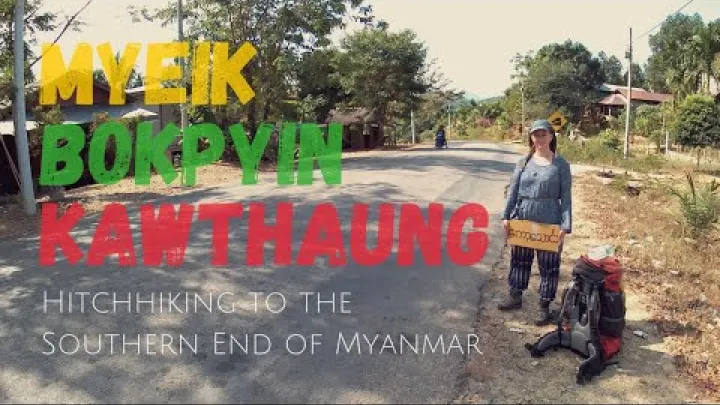
Getting to Myeik requires more planning than reaching Myanmar’s larger central cities. For many travelers, Yangon is the clearest gateway, with a possible domestic flight to Myeik Airport or a long-distance bus to the city. Other options, including southern connections, ferries, rail, and travel from Thailand, are more dependent on current schedules and access conditions. This guide compares the main Myeik transport routes by time, cost, comfort, booking difficulty, and the amount of verification they require.
Check Myeik Access Before You Book
Myeik is at the southern end of Myanmar’s main transport network, so a route that appears in an online search may not be operating on the date you need. Start with the route that is easiest to confirm, then choose the transport mode that fits your time and tolerance for changes.
Use Yangon as the Main Planning Gateway
Yangon is the clearest documented transfer point for many journeys to Myeik. Travelers arriving from outside Myanmar will generally need to plan their international arrival at Yangon International Airport (RGN) separately from the domestic journey south. From Yangon, the principal choices described for reaching Myeik are a domestic flight to Myeik Airport (MGZ) or a long-distance bus from Aung Mingalar Highway Bus Terminal.
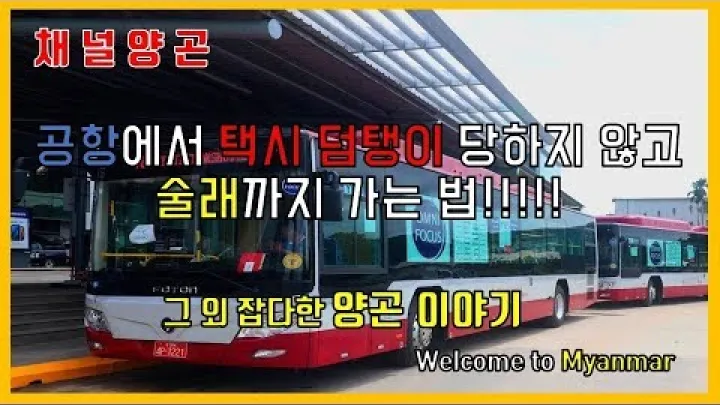
Planning the journey in two parts is important. An international arrival may involve baggage collection, immigration procedures, a terminal change, and an overnight stay before the domestic connection. A flight may be much faster once airborne, while a bus may be less expensive but occupies most of a day and night. Neither option should be selected only because a search page displays a route.
Myeik’s position at the southern end of the national transport network also means that schedule flexibility can be lower than in Yangon or other major cities. A route may be listed by an airline, booking platform, or route planner without being available for every travel date. The most useful comparison factors are:
- Speed: how long the transport itself takes and how much transfer time is needed.
- Price: whether the route is usually positioned as a lower-cost bus journey or a faster, higher-cost flight.
- Comfort: whether you are prepared for a long overnight road journey or prefer a shorter time in transit.
- Booking difficulty: how easily you can obtain a current ticket and a confirmed departure.
- Schedule confidence: whether the service is directly confirmed or only shown in older or general route information.
- Delay tolerance: how much flexibility you have before a hotel booking or boat departure is affected.
Verify Current Routes, Schedules, and Border Conditions
Use clear labels when assessing information about Myeik transport. A confirmed service is one that an operator or terminal can currently sell or confirm for your date. A reported service may have been described in a recent notice but still needs direct booking confirmation. A historical service appears in an old schedule, travel report, or booking page. A planned route concerns future infrastructure or a proposed service, while an estimated route is usually a theoretical duration from a route planner rather than proof of passenger access.
Older travel reports and booking aggregators can be useful for identifying route names, but they should not be treated as a current timetable. Before paying for a fixed itinerary, check the airline’s current booking channel, the bus operator or terminal, the ferry office, and any relevant government or border notice. Ask for the operating date, departure point, arrival point, and whether the service is available to passengers rather than only used for freight or local travel.
A practical pre-departure check should cover:
- The current operating status and date of each flight, bus, ferry, or road segment.
- The exact terminal, airport, port, or jetty used for departure.
- The ticket, seat, baggage, and payment conditions.
- The expected arrival point in Myeik and the transfer to your hotel or onward boat.
- Any border or immigration condition if the proposed route enters Myanmar from Thailand.
Do not treat direct travel from Thailand to Myeik as a normal alternative without current confirmation that the proposed passenger crossing is open and permitted. A route can be geographically possible while being unavailable to tourists because of border controls, local restrictions, or changes to passenger access.
Fly to Myeik
Air travel is the most time-efficient way to cover the Yangon–Myeik corridor when a suitable flight is operating. The main difficulty is not the airborne duration but the need to confirm operating days, seats, fares, and the connection from your international arrival.
Travel from Yangon to Myeik by Domestic Flight
Myeik Airport is identified by the code MGZ. The Yangon–Myeik flight is the main air route described in the available transport information, but a listing alone does not guarantee that the flight will operate on your date. A route-specific Expedia listing gives an indicative direct flight duration of about one hour and thirty minutes between Myeik and Yangon.
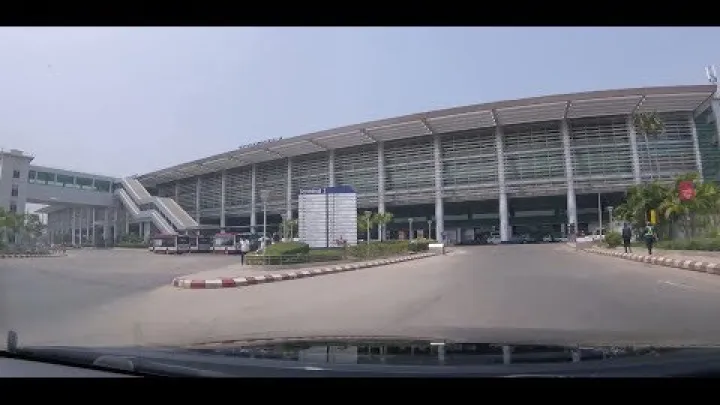
That figure is airborne time rather than a door-to-door journey. You still need to reach the departure airport, complete the airline’s check-in process, and travel from MGZ to your accommodation or onward departure point in Myeik. The return direction, departure days, flight number, aircraft, fare, and available seats must be checked separately because route listings can remain visible when service patterns change.
At the time of booking, confirm the operating date, booking channel, fare conditions, baggage allowance, and whether the ticket is issued directly by the airline or through an agent. If the airline cannot confirm the flight clearly, do not build a tightly timed itinerary around it. A flight is attractive because it saves substantial travel time, but it may offer less flexibility than a bus if there are only limited departures.
Travelers arriving internationally should avoid relying on a tight same-day connection from Yangon to Myeik. An overnight stay in Yangon, or a generous connection period, gives you more protection against an international delay, a terminal change, or a change to the domestic schedule. This is especially important if your next fixed commitment is an early departure from a Myeik jetty for the Mergui Archipelago.
Use Dawei or Kawthaung Only When a Current Connection Is Confirmed
Dawei and Kawthaung appear in southern Myanmar transport networks and can make sense as stops on a longer regional itinerary. However, current direct connections to Myeik are less consistently documented than the Yangon route. A journey from Dawei to Myeik may involve an air leg followed by road travel, rather than a simple current direct flight.
A direct Kawthaung–Myeik flight should not be assumed from historical airline listings. If you are already visiting Kawthaung, ask a current local operator about both the flight and the road alternative. The same applies in Dawei: confirm the transport into Dawei and the onward connection separately.
Using another southern city can be useful when you want a multi-city itinerary, but it adds another independently changeable leg. It may also require a separate ticket, an overnight stay, and a road transfer after the flight. For a straightforward trip from outside Myanmar, Yangon is usually easier to plan when a current Myeik connection is available.
Reach Myeik by Bus and Road
Road travel is the main alternative to flying. It can suit travelers who prioritize price, need more departure flexibility, or are already moving through southern Myanmar. The trade-off is a long journey and a greater risk that arrival fatigue will affect the rest of the itinerary.
Travel from Yangon to Myeik by Long-Distance Bus
The main Yangon endpoint named in the available booking information is Aung Mingalar Highway Bus Terminal, while the Myeik endpoint is Myeik Bus Station. A booking corridor on Easybook shows the Myeik–Aung Mingalar route pairing and terminal naming. This is useful for identifying the corridor, but a booking platform should not be treated as a current operator-confirmed timetable unless it shows an active ticket that can actually be issued for your date.
The reported road distance is about 553 kilometers, and the journey is often described as approximately eighteen hours and thirty minutes. Treat both figures as indicative rather than fixed. The distance does not account for the exact bus route, and the travel time can vary according to the operator, road conditions, rest stops, and departure circumstances.
Buses may be more affordable than flights and may offer more practical departure choices, but current fares, departure times, vehicle types, and frequency need to be confirmed. Ask whether your ticket is for a direct bus to Myeik, where the bus departs, and where it arrives. Confirm the seat, luggage conditions, and expected arrival window before you leave Yangon.
The overnight nature of the trip affects more than comfort. A late arrival can make hotel check-in difficult, leave you tired after a night on the road, and make it unrealistic to connect immediately to an early boat departure. If you are continuing to the Mergui Archipelago, avoid treating a long bus journey as a dependable way to reach a morning jetty departure on the same schedule.
Shortly before departure, confirm the terminal, departure time, seat, baggage rules, and expected arrival point with the operator or terminal. This check is particularly important when the ticket was obtained through an aggregator, when the booking page gives limited operator information, or when the service was found in an older travel account.
Travel South from Dawei or Mawlamyine
Mawlamyine and Dawei are logical break points for travelers moving south along the coastal corridor. A split overland itinerary can allow you to visit an intermediate city, rest between road segments, or adapt your route when a direct Yangon–Myeik bus is not suitable.
The difficulty is that current Dawei–Myeik and Mawlamyine–Myeik schedules are not sufficiently documented here for a fixed timetable. Do not assign a precise journey time, fare, or daily frequency to either segment without a current local confirmation. Each part may require a separate ticket, and the second departure may not wait if the first vehicle is late.
This route is most useful for travelers with a flexible schedule. If you have a fixed hotel check-in or an early Mergui Archipelago departure, a direct Yangon–Myeik bus or a confirmed flight is usually simpler than constructing several unconnected road legs. If you do split the journey, allow an additional overnight buffer rather than planning a close connection.
Travel between Myeik and Kawthaung by Road
The Myeik–Kawthaung road segment is relevant to travelers already in southern Tanintharyi. Older local accounts have described a journey of roughly ten to twelve hours, with buses and minivans among the vehicle types used. These figures are illustrative historical planning information, not a current schedule, fare, or guarantee of road access.
A domestic road journey between Myeik and Kawthaung should also be kept separate from the legal and operational question of crossing between Myanmar and Thailand. The existence of a road south from Myeik does not prove that a traveler can enter Myanmar from Thailand and continue by land.
If you plan this domestic segment, ask at the current Myeik or Kawthaung terminal about the departure point, vehicle type, fare, luggage policy, road status, and expected duration. Confirm whether the service is a bus or minivan and whether you need to reserve a seat. Treat any old price or departure time as a starting point for questions rather than as information to book around.
Compare the Main Ways to Reach Myeik
The table below compares the main practical choices using the figures and route descriptions available for planning. The time and confidence labels are intentionally qualitative because service status, fares, and schedules can change.
Choose Air, Bus, Ferry, or a Combined Route
| Option | Indicative travel time | Relative cost | Comfort | Booking difficulty | Schedule confidence | Best use |
|---|---|---|---|---|---|---|
| Domestic flight | About 1 hour 30 minutes airborne | Usually higher than a bus | Fastest transit | Moderate | Confirm the date and seats | Time priority |
| Yangon–Myeik bus | About 18 hours 30 minutes | Usually lower than air | Long overnight journey | Moderate | Confirm with terminal or operator | Budget travel |
| Myeik–Yangon ferry | Reported example of about 11 hours | Current fare not established | Slower daytime option | High | Reported or conditional | Only with a confirmed sailing |
| Combined southern route | Variable and dependent on each leg | Varies by tickets and stays | More transfers | High | Each leg must be confirmed | Flexible multi-city trips |
Air generally prioritizes time, while the bus generally prioritizes lower cost. A combined route can be useful when you want to visit Dawei, Mawlamyine, or Kawthaung, but each extra leg creates another possible delay, cancellation, or missed connection. The ferry can be attractive for travelers who prefer a slower route, but its limited and conditionally reported operation makes it unsuitable as a default plan.
There is not enough current operator evidence to rank these options by absolute reliability. Instead, compare the verification burden. A ticket that can be directly confirmed for your date is more useful than a theoretically shorter route that cannot be booked or whose passenger access is unclear.
Match Your Arrival Time to Hotels and Boat Departures
Arrival time matters especially when Myeik is only a staging point for a trip to the Mergui Archipelago. Myeik’s departure jetties for archipelago trips are separate from the airport and bus station, and a boat may leave early. A traveler who arrives after a long bus journey or an uncertain connection may have too little time to find the hotel, collect luggage, and reach the correct meeting point.
A flight can make an arrival-before-boat plan more practical, but it still should not be connected to a fixed boat without allowing for changes. A bus is better matched with a hotel night before the boat day. A split southern route needs more flexibility because a delay on the first road segment affects every later booking.
Useful planning patterns include arriving in Myeik before the boat day, booking a hotel close to the city transport plan, and confirming the jetty meeting point directly with the boat company. Do not assign a minimum number of hours unless the current flight, road, hotel, and boat schedules are all known. When the preceding transport is not firmly confirmed, an extra night is safer than a same-day archipelago departure.
Understand Rail and Ferry Options
Rail and water transport may appear in descriptions of Myeik’s wider regional network, but they do not have the same planning status as a currently confirmed flight or bus. Treat them as conditional options unless an operator can confirm the complete passenger journey.
Rail to Myeik Is Not a Reliable Current Plan
The Tanintharyi rail corridor is described as reaching the Dawei area, with connections toward Yangon. An extension farther south toward Myeik has been described as planned or under construction. This evidence does not establish a dependable current passenger train service into Myeik.
Even if a southern rail segment is operating for passengers, it would not by itself complete a journey to Myeik if the train does not reach the city. You would still need a road connection from the rail endpoint, and that connection would have its own schedule and access conditions.
For a current Myeik itinerary, rail should therefore be treated as a future possibility to monitor rather than a bookable alternative. Do not use a planned extension, a construction reference, or a general railway map as proof that Myeik Station currently receives regular passenger trains. No completion date should be assumed.
Check Whether the Myeik–Yangon Ferry Is Operating
The ferry is a supplementary possibility rather than a permanently reliable connection. A report by GNLM described the Myeik–Yangon service as slated to resume and gave an example of a departure around 6:00 in the morning and arrival around 17:00, with the service operating only once a week.
That report describes the Myeik-to-Yangon direction. It does not by itself confirm a Yangon-to-Myeik sailing on your date, nor does it establish year-round operation. The reported example is about eleven hours, making the ferry much slower than the indicative flight and potentially less frequent than the bus.
Before relying on the ferry, confirm the sailing date directly with the operator or ferry office. Ask which port or jetty is used, how tickets are issued, whether the fare and cancellation conditions are clear, and what happens if the sailing is postponed. Build a land or air fallback into the itinerary instead of treating the ferry as the only way to reach or leave Myeik.
Treat Coastal Boats as Local or Charter Options
Some coastal ferry activity has reportedly declined or been suspended as road connections improved. For that reason, boats should not be assumed to be the default long-distance route between Yangon and Myeik.
Locally arranged boats may still serve particular coastal journeys, island trips, or charter itineraries. These services often have limited publicly documented schedules and should be treated as optional local transport rather than the foundation of a fixed intercity plan. A tourist boat into the Mergui Archipelago is also a different service from a scheduled Yangon–Myeik ferry.
If you consider a charter or local coastal boat, confirm the operator, vessel, departure point, return plan, and the conditions that could affect the sailing. Do not commit to an onward hotel, flight, or international departure solely because a local boat is mentioned in an old travel account.
Complete the Last Leg into Myeik
Reaching Myeik city and reaching the departure point for an island trip are separate tasks. Confirm the final destination before leaving the airport or bus station, especially if you are arriving with luggage or late in the day.
Know the Main Arrival Points in Myeik
The main local anchors are Myeik Airport (MGZ), Myeik Bus Station, and the city’s boat departure jetties for Mergui Archipelago trips. An air or bus ticket brings you into the city’s arrival network; it does not automatically bring you to the jetty used by your boat company.
Ask your hotel, bus operator, ferry office, or boat company for the exact pickup or meeting point. Use the name of the hotel or jetty as written by the provider, and keep a local contact available if the arrival time changes. Avoid relying on a generic instruction such as city center when you have a fixed boat meeting point.
A simple arrival checklist is:
- Write down the confirmed arrival point: MGZ or Myeik Bus Station.
- Save the hotel or boat company’s pickup contact.
- Confirm the destination address before leaving the arrival point.
- Check whether the onward departure is from a Myeik jetty or another meeting location.
Exact transfer distances, fares, and journey times are not stable enough to state as permanent figures here. Ask locally or through your accommodation when you have a confirmed arrival date.
Arrange Local Transfers and Avoid Arrival-Day Mistakes
A known pickup or a transport arrangement made through your hotel or boat operator is especially useful when you arrive late, after an overnight bus, or with equipment and luggage for an island trip. This reduces the risk of confusion when several destinations in Myeik sound similar or when you are trying to reach a jetty on a tight schedule.
Use caution with unsolicited ticket sellers or transport offers at an arrival point. This does not mean every local offer is unsafe, but accepting a ride or ticket without confirming the destination and price can increase the risk of confusion or overcharging. Before leaving, confirm three things: the destination, the fare, and the identity of the person or operator collecting you.
Do not assume that the airport, bus station, hotel, and boat jetty are interchangeable locations. If your pickup is not clearly arranged, contact the accommodation or known boat operator from the details saved before arrival. Keep the written booking information available so that the driver or local contact can match the correct destination.
Build a Flexible Myeik Itinerary
The best route depends on what is fixed in your trip. A traveler with limited time should plan differently from someone who is already traveling through southern Myanmar or wants to use a slower ferry.
Sample Routes from Yangon
Use the following as adaptable decision templates rather than fixed timetables:
- Time-priority route: Start with a currently confirmed Yangon–Myeik flight. If you are connecting from an international arrival, allow enough time in Yangon or stay overnight. If the flight is unavailable or changes, switch to a confirmed land option or move the travel date rather than forcing a tight connection to a boat.
- Budget-priority route: Use a confirmed long-distance bus from Aung Mingalar Highway Bus Terminal to Myeik Bus Station. Plan for fatigue and an uncertain arrival window, and book the hotel before adding any onward activity. If the bus cannot be confirmed, compare a current flight or postpone the fixed activity rather than relying on an old bus listing.
- Ferry route: Use the Myeik–Yangon ferry only when the sailing date and direction are directly confirmed. Its slower and limited schedule suits travelers with flexible timing. Keep a land or air alternative available if the sailing is canceled or does not match the direction you need.
- Arrival-before-boat route: Reach Myeik before the day of your Mergui Archipelago departure. This is particularly suitable after a long bus journey, a split southern route, or any transport service whose schedule is not firmly established. If the first leg is delayed, contact the hotel and boat operator and move the boat plan rather than rushing between arrival points.
These templates avoid assigning unsupported departure times or same-day connections. The important choice is whether your first transport leg is confirmed strongly enough to support the next fixed booking.
Plan from Thailand or Other Myanmar Cities
For an international traveler, routing through Yangon is more clearly documented than attempting a direct Thailand–Myeik overland journey. A route planner may show a Bangkok–Myeik driving estimate, but that only describes a theoretical road distance or travel time. It does not prove that the border is open, that passenger travel is permitted, or that the route is practical for a tourist.
A report by DVB described a closure affecting the Myeik–Mawtaung trade route. Treat this as a reason to verify the current situation, not as a permanent statement about every crossing. Conditions can differ between freight movement, local residents, and foreign passengers.
Ask the relevant Thai and Myanmar border or immigration authorities whether the proposed passenger crossing is open and permitted before booking it. Confirm entry requirements separately from the domestic transport plan. Even if entry into Myanmar is possible through a particular gateway, you still need a current onward flight, bus, or road connection to Myeik.
Travelers starting in Mandalay or another Myanmar city should also distinguish between a route that is geographically possible and one that is currently bookable. When no direct Myeik service is confirmed, a connection through Yangon may be the most straightforward documented pattern. It adds a transfer, but it can be easier to organize than several southern legs with separate schedules.
Use a Final Booking and Verification Checklist
Use this checklist while booking and again shortly before departure:
- Operating status: confirm that the service runs on your exact travel date.
- Operator: record the airline, bus company, ferry office, or road operator name.
- Departure point: confirm Yangon International Airport, Aung Mingalar Highway Bus Terminal, Myeik Bus Station, or the relevant port or jetty.
- Ticket status: make sure the ticket is issued, the seat is recorded where applicable, and the payment terms are understood.
- Baggage: check the baggage conditions, especially when changing from road or air travel to a boat.
- Arrival point: confirm whether you arrive at MGZ, Myeik Bus Station, a ferry landing, or another local point.
- Onward transfer: compare your arrival window with hotel check-in and any early departure from a Myeik jetty.
Keep a flexible backup for a ferry, a multi-leg southern route, or any itinerary based on an old schedule. A backup may mean an alternative transport mode, an extra night, or a delayed boat trip; it should not assume that a replacement flight or bus will always be available.
Save current operator and accommodation contacts before leaving Yangon or your previous city. Recheck the itinerary shortly before departure and carry the exact arrival and onward meeting details with you.
Conclusion: Choose the Route You Can Verify
For most current Myeik travel planning, Yangon is the clearest gateway. Choose a confirmed domestic flight when speed matters, or a confirmed long-distance bus when lower cost and a long overnight journey are acceptable. Dawei, Mawlamyine, and Kawthaung can support flexible southern itineraries, but their onward connections need separate confirmation. Treat the ferry as conditional, rail as a future possibility, and a Thailand–Myeik land route as unavailable for planning until the relevant authorities confirm passenger access. The most dependable itinerary is not always the one with the shortest map distance; it is the route whose operator, terminal, timing, and onward connection you can verify.
Select area
Create a post
Posting is free and no registration is required.