Myeik Budget: Daily Travel Costs, Prices, and Saving Tips
Myeik budget planning is less about finding one fixed daily price and more about separating an affordable city stay from the much higher cost of reaching and exploring the Mergui Archipelago. A basic Myeik city day can be manageable, while a single island tour or multi-day boat package can cost more than several days of ordinary local travel. This guide gives approximate, date-sensitive USD planning ranges for budget, mid-range, and comfortable travel. It also explains accommodation, food, access, local transport, tours, payment conditions, and the decisions that have the greatest effect on your total.
Myeik Travel Budget at a Glance
The figures below are planning ranges for one person staying mainly in Myeik city. They assume that the traveler pays for ordinary daily expenses separately from the cost of reaching Myeik and from any Mergui Archipelago excursion. Prices can change with room inventory, travel dates, operator availability, exchange rates, and payment conditions.
| Travel style | Approximate city budget | Typical assumptions | Usually excluded |
|---|---|---|---|
| Budget | 30–50 USD per person per day | Basic room, local meals, walking, and few paid activities | Travel to Myeik and island packages |
| Mid-range | 55–100 USD per person per day | Comfortable city room, mixed local and sit-down meals, and some activities | Flights, overland access, and major boat trips |
| Comfortable | 100–180 USD per person per day | Better city room, restaurant meals, flexible local transport, and paid sightseeing | Premium cruises and most overnight island packages |
The daily totals are not guaranteed prices. They are useful starting points for comparing itineraries. A solo traveler may spend more because a room rate is often quoted per room, while two people sharing the same room can reduce the accommodation cost per person. Conversely, a traveler who walks, eats locally, and avoids paid tours can come in below the middle of a range.
Daily Budget Ranges by Travel Style
A 30–50 USD budget works best for a city-based trip with a basic guesthouse or lower-cost room, simple meals, short local rides, and mostly free sightseeing. It is less reliable for a solo traveler who must pay the full room rate, for a stay during a busy period, or for a day that includes a private vehicle or boat.
A 55–100 USD mid-range budget allows more choice. It can cover a private air-conditioned room or a better en-suite room, a combination of teashop meals and restaurants, regular in-town transport, and a modest allowance for a city activity. It does not automatically cover an island day trip. A tour day should be calculated separately and then added to the city baseline.
A 100–180 USD comfortable budget is appropriate for travelers who want a more comfortable city hotel, frequent sit-down meals, flexible transport, and paid sightseeing. It still should not be interpreted as a standard archipelago budget. A resort stay, private boat, or premium cruise may use package pricing that is not comparable with a Myeik city hotel.
For example, a shared mid-range room may give one traveler a city allocation of about 15–30 USD for accommodation, while an island day advertised at 80 USD per person could immediately raise that day to roughly 95–110 USD before excluded meals, transfers, or local transport. This is why an itinerary with several inexpensive city days can still have a high overall average.
Breakdown of a Typical Daily Spend
The following working allocations show how the headline ranges can be built. Accommodation is shown as a per-person allocation when sharing, with the likely room-price band in parentheses. The transport and activity figures are budgeting allowances, not a current Myeik fare table.
| Cost category | Budget style | Mid-range style | Comfortable style |
|---|---|---|---|
| Accommodation | 15–25 USD per person allocation | 15–30 USD per person when sharing, based on a 25–60 USD room | 30–50 USD per person when sharing, based on a 60–100 USD room |
| Food and drinks | 10–15 USD per person | 15–25 USD per person | 20–30 USD per person |
| Local transport | About 3–8 USD planning allowance | About 5–10 USD planning allowance | About 10–20 USD planning allowance |
| Activities | 0–10 USD for occasional low-cost sights | 20–35 USD for selected city activities | 40–80 USD for paid sightseeing and flexibility |
| Rounded daily total | 30–50 USD | 55–100 USD | 100–180 USD |
Use the table as a worksheet rather than as proof of exact local prices. A paid tour can replace the activity allowance, but it should not be quietly added to a daily total that was intended to exclude tours. Similarly, the cost of a flight, bus, meals during a long journey, airport transfer, or extra night caused by a delay belongs in a separate access budget.
Accommodation Prices in Myeik
Myeik city is generally the simplest base for controlling recurring costs because you can choose room-only accommodation and buy meals separately. Island resorts and boat trips should be priced as packages, not blended into the average price of a city hotel.
Budget Guesthouses and Lower-Cost City Rooms
Basic city lodging is the most realistic foundation for a budget Myeik itinerary. An Agoda snapshot lists Myeik rooms from about 10 USD per night and shows an average of about 27 USD, with a separate average of about 31 USD for four-star listings. These figures are indicative online listing evidence, not a guaranteed rate for your dates. The snapshot does not remove the need to check whether the room is actually available, whether the displayed amount includes taxes, or whether the property accepts your passport and payment method.
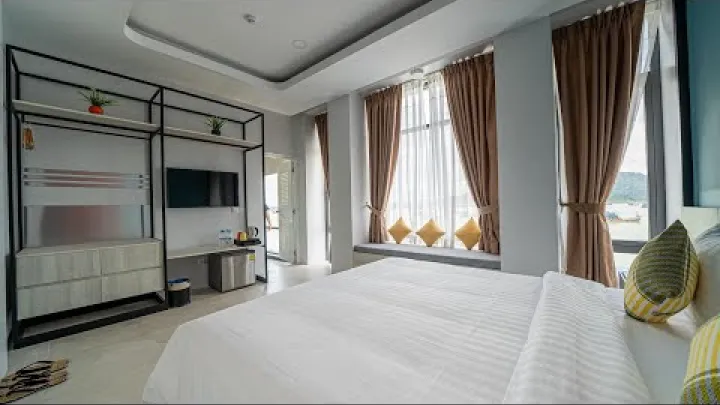
For planning, use roughly 15–25 USD per night for a basic guesthouse or lower-cost city room only when a current quote supports that band. A platform-listed room and a walk-in guesthouse are not the same product. A platform may show a private room with a bathroom, while a walk-in property may have different facilities, availability, or payment conditions. Hostel beds and specific low-cost properties should not be assumed to be available in Myeik.
Compare the complete room offer, not only the first price shown. Check whether the room has air conditioning or only a fan, whether the bathroom is private, whether breakfast is included, and whether taxes or service charges appear later. Also check cancellation rules, the payment method, the final checkout amount, and any restrictions on foreign guests. A cheap room that requires a non-refundable payment may be less useful than a slightly more expensive room with flexible conditions.
Mid-Range and Comfortable City Hotels
For a mid-range room, a cautious planning band is about 25–60 USD per room per night. This may provide a private en-suite room, air conditioning, breakfast, or access to an on-site restaurant, but the exact combination depends on the property. For a more comfortable city stay, plan about 60–100 USD per room per night as a working range rather than a fixed market average.
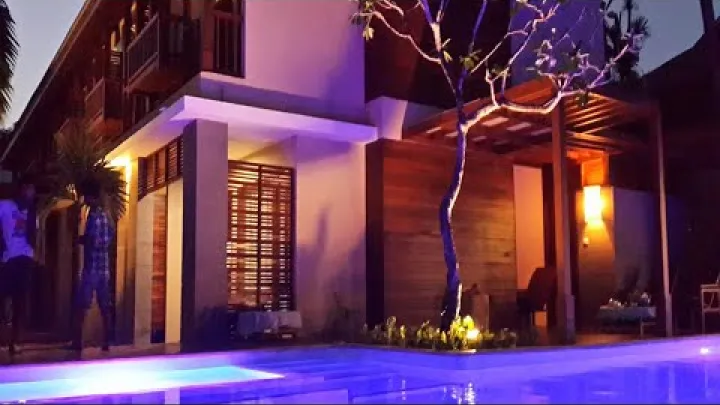
Hotel categories are not always a reliable price guide in a small or limited-inventory market. A platform snapshot can show a low average because only a few rooms are available, because the result mixes room categories, or because the price applies to particular dates. Taxes, breakfast, cancellation terms, foreign-currency display settings, and the difference between a standard room and a larger room can all change the final amount.
Before booking, write down the price for the exact dates and room type. Confirm the total after taxes, breakfast conditions, cancellation deadline, check-in requirements, and payment method. If you are comparing a room for two people, divide the room total by two only after confirming that the quoted rate permits two guests. Do not compare a city room with an island resort room until you have separated transport, meals, and activities from the accommodation price.
Archipelago Resorts and Overnight Packages
An overnight stay in the Mergui, or Myeik, Archipelago usually changes the way the budget works. The quoted price may combine boat transfers, meals, staff, accommodation, and activities. That means a package can appear expensive beside a city room while still covering costs that a city traveler would pay separately.
An available slow-boat operator reference uses 100 USD per person per day as a multi-day Northern Mergui Archipelago price point. This is useful as a lower-cost package reference, but it should not be turned into a universal resort rate. The boat type, itinerary, number of nights, group size, food, equipment, and transfer arrangements can all change the price.
The main decision is whether you want a Myeik city base with optional excursions or an island package with bundled logistics. A city base gives you more control over the cost of each meal and night. An island package can offer convenience and immersion, but it may dominate the entire trip budget. Compare the package price with its inclusions before adding a separate city hotel or food allowance.
Food and Drink Costs in Myeik
Food costs depend strongly on whether you choose teashops and markets, ordinary local restaurants, hotel dining, imported products, or alcohol. A local-focused food budget can remain moderate, but frequent seafood orders and restaurant drinks can move the daily total upward quickly.
Teashops, Street Food, and Local Markets
Teashops, market food, and simple local meals are the most practical choices for keeping a Myeik travel budget under control. Seafood is part of the coastal food environment, but the final price depends on the dish, portion, venue, and current market conditions. Do not treat a single meal or market purchase as a standard citywide menu price.
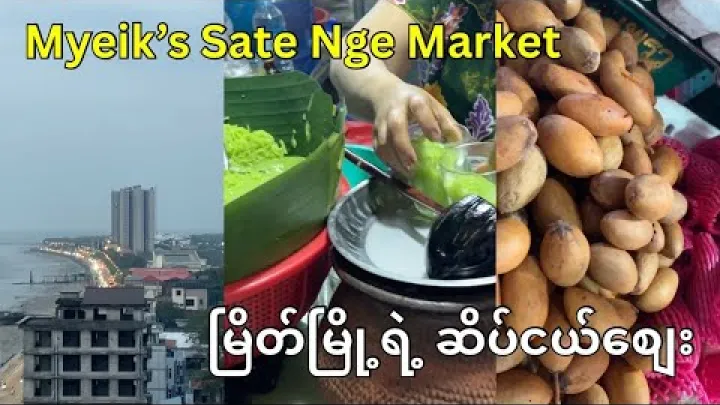
A reported Myeik street-food and fish-market example records a total of 18,000 MMK and displays an equivalent of about 8.50 USD in the original material. The example is useful for showing the scale of one local food experience, but it is time-sensitive and is not a representative daily average. The Best Ever Food Review material should therefore be read as an illustration, not as a current price list.
For a local-focused food day, plan roughly 10–15 USD per person for simple meals, tea or coffee, water, and occasional snacks. One flexible template is a simple breakfast and tea, a local lunch, a rice or seafood-based dinner, and a small allowance for drinks or snacks. Personal preferences matter: a traveler who chooses market food and water may spend less, while someone ordering several seafood dishes or imported drinks may spend much more.
When using MMK examples, keep the original local amount beside the date or source context. An old USD conversion can become misleading when the exchange rate changes. The amount actually payable in Myeik matters more than a historical online equivalent.
Seafood Restaurants, Drinks, and a Comfortable Food Budget
A comfortable food allowance of about 20–30 USD per person per day can cover sit-down meals, drinks, coffee, and an occasional higher-priced venue. It is an allowance for choice, not a claim that every restaurant bill will fall in this range. A simple restaurant meal may cost less, while a meal with premium seafood, alcohol, imported products, or several shared dishes can exceed it.
Online food and menu snapshots can help identify the difference between a low-cost local dish and a more expensive restaurant order, but they are not safe substitutes for a current menu. A dish shown in low thousands of kyat in an older snapshot may no longer have the same price or portion. Ask for the current price when the menu is not displayed clearly, especially for seafood sold by size or weight.
Hotel restaurants and imported products usually deserve their own allowance. They may be convenient, but they can move a day from the local-focused range toward the comfortable range without any change in accommodation. Alcohol can have the same effect. If food is included in an island or boat package, do not add a full city food budget to those package days; instead, reserve money for excluded drinks, snacks, or meals.
Transport and Access Costs
Access to Myeik is a separate one-off cost rather than a normal daily expense. The comparison is usually between a flight to Myeik Airport and slower overland travel. A lower ticket price does not necessarily produce a lower total if the journey requires connections, meals, transfers, luggage charges, or an overnight stay.
Getting to Myeik: Flights Versus Overland Travel
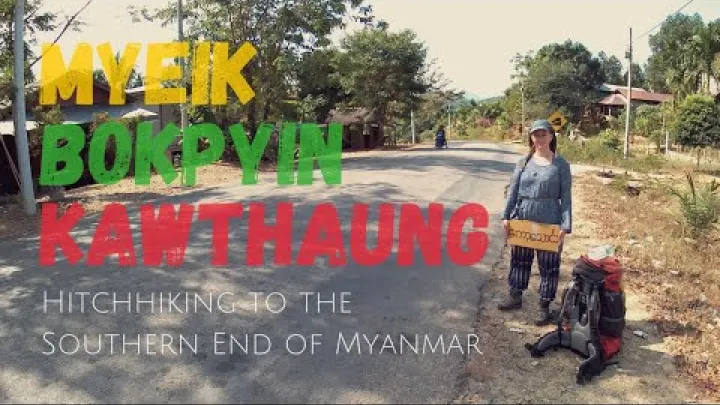
Flights save time, but fares can be high or change sharply when a route has limited frequency or limited inventory. Overland travel may have a lower basic fare, but it can take much longer and may require a connection or additional accommodation. Because the available transport evidence does not establish a dependable current fare table, use a live airline or operator quote for the travel dates rather than inserting a fixed fare into the Myeik daily budget.
| Access option | What to price | Budget treatment | Main trade-off |
|---|---|---|---|
| Flight to Myeik Airport | Fare, luggage, airport transfer, and change conditions | Separate one-off arrival or departure cost | Usually faster, but the live fare may be costly or variable |
| Overland travel | Ticket, connections, luggage, meals, transfers, and possible overnight stay | Add the complete journey cost separately | May be cheaper in cash but slower and more complicated |
Record the quote date, journey time, luggage allowance, and refund or change conditions. Include a transfer to or from the airport or bus point if it is not included. Also decide whether an overnight journey removes the need for a hotel night or creates an extra night in another location. Keep arrival and departure costs outside the daily city range so that you can compare itineraries on equal terms.
Before adding the access cost to your total, recheck the live flight or overland operator fare, schedule, luggage rules, and change conditions for your travel dates. This is especially important if you are connecting with a fixed island departure from Myeik.
Local Transport and Optional City Tours
For ordinary movement within Myeik, use a small but flexible allowance for short rides. Exact taxi, minivan, motorbike, or trishaw fares should be established locally because a reliable current Myeik fare table is not supplied. Walking between nearby places and combining several stops can reduce this part of the budget, while a traveler using a vehicle for every movement should allow more.
Do not confuse a point-to-point ride with a guided sightseeing product. A listed traditional tuk-tuk tour in Myeik lasts about 3.5 hours and starts at 29 USD, with taxes and fees calculated at checkout. The AAA Trip Canvas listing is a useful one-off activity anchor, not a current local tuk-tuk fare.
For a low-cost day, walk where practical, use shared local transport where available, and group nearby sights. For a more comfortable day, the tuk-tuk listing can replace the ordinary activity allowance. Check what the tour includes, whether entry fees are separate, whether taxes are added, and where pickup begins before comparing it with an independent ride.
Mergui Archipelago Tours and Activity Costs
The Mergui Archipelago is the part of a Myeik trip most likely to change the total budget. Island travel involves boats, fuel, staff, meals, equipment, permits or access arrangements where applicable, and limited departure capacity. Treat each tour as a separate package or add-on instead of spreading its price invisibly across every city day.
Shared Island Day Trips from Myeik
A local Myeik island-tour listing advertises a 13-hour trip at 80 USD per person. The same listing also displays a separate 249 USD per-person figure with a minimum of two people, which suggests that more than one arrangement or price condition may be represented. This is exactly why a social-media listing should be treated as a scale example rather than a guaranteed continuously available rate.
For a tour day, calculate the total as the shared city accommodation allocation plus the tour price and any costs not included. If a shared room gives you a 15–30 USD accommodation allocation and the tour price is 80 USD, the day already reaches about 95–110 USD before excluded meals, transfers, drinks, equipment, or local rides. If the boat leaves early or returns late, also consider whether the departure point requires an additional transfer.
The Myeik Tours example should be compared with other current quotes using the same questions:
- Is the price per person, per boat, or based on a minimum group?
- Are taxes, hotel transfers, meals, drinking water, and snorkeling equipment included?
- What is the exact departure point and departure time from Myeik?
- Which islands are included, and can the itinerary change?
- What happens if the minimum number of participants is not reached?
- What are the payment, cancellation, and weather-related conditions?
Obtain a current written island-tour quote that names the inclusions, group minimum, departure point, and cancellation terms before paying. This prevents a low headline price from becoming a much higher tour-day cost.
Slow-Boat Multi-Day Island Hopping
A Northern Mergui Archipelago slow-boat trip departing from Myeik is a different budget category from a city sightseeing day. The available LifeSeeingTours reference describes trips of about two to five days at 100 USD per person per day. It also gives an adult example of 300 USD for three days and a child example of 150 USD. These figures are date-sensitive package references, not a universal rate for every boat or itinerary.
Meals, boat accommodation, and activities may be bundled into the package. Read the inclusions before adding anything else. If meals and sleeping arrangements are included, do not add a normal city hotel and full city food budget to those same days. You may still need money for drinks, excluded equipment, transfers, personal purchases, or a night before or after the boat.
For a simple illustration, suppose two adults share a 60 USD Myeik city room for four nights and then join a three-day package priced at 300 USD per adult. The city accommodation allocation is 30 USD per person per night, or 120 USD per person for four nights. Adding the package gives 420 USD per person before access and other extras. Spread across seven itinerary days, those two components alone average 60 USD per day; food, transport, and flights would still need to be added.
Solo, couple, and group calculations depend on the operator's sharing rules. Confirm whether a solo traveler pays a supplement, whether children use a different rate, and whether the advertised daily price applies to the exact itinerary. For a slow boat, confirm the Myeik departure point, boat, itinerary, availability, and cancellation terms for your dates.
Luxury Cruises and Resort-Based Stays
Premium cruises and resort-based stays should be treated as expedition-style packages rather than as comfortable Myeik hotel nights. They may include faster boats, staff, meals, private accommodation, organized activities, and more complex logistics. The convenience can justify the price for some travelers, but it gives you less control over individual spending.
No precise luxury rate should be assumed from the available evidence. Request a current package quote and identify whether flights, transfers, permits, equipment, drinks, and gratuities are excluded. A premium package may be suitable as one major experience in a city-based itinerary, or it may require budgeting the entire trip as a high-cost expedition.
To make the decision clearly, compare one premium island day with the cost of several Myeik city days and one simpler shared excursion. If the premium package covers several meals, nights, and activities, compare total inclusions rather than comparing its headline price with a room-only city rate.
Currency, Payment, and a Sensible Contingency
Use USD in this guide only as a comparison currency. In Myeik, the amount payable locally may be quoted in MMK, while a tour, hotel, or boat operator may use USD or another agreed currency. The two prices are not interchangeable unless you know the conversion date, payment method, and rate used by the provider.
Planning in Kyat and a Foreign Budget Currency
Build your budget from the local amount you expect to pay, then use USD as a planning display. When you record a price in MMK, write down where it came from and the date of the quote. When you convert it yourself, record the conversion date beside the result. Do not rely on one old online conversion or an optimistic rate when deciding whether you have enough cash.
The 18,000 MMK food example described earlier is useful because it preserves the local amount, but its displayed 8.50 USD equivalent should not be treated as a current exchange rate. A better worksheet has separate columns for the MMK price, the provider's quoted foreign-currency price if any, the conversion date, and the payment method accepted.
Keep a buffer for exchange-rate movement, changed prices, small fees, or a difference between the online display and the amount requested locally. Also separate services quoted directly in USD from ordinary local spending. A boat operator may require a foreign-currency payment while a teashop expects MMK, so the practical cash plan can matter as much as the nominal total.
Cash, Cards, and Backup Funds
Payment access can affect the real Myeik budget even when the listed price is low. Before committing to a room or tour, ask the accommodation or operator whether payment is accepted by cash, card, bank transfer, or another method. Confirm whether a deposit is required, whether the balance is due in MMK or USD, and whether a card payment carries an additional charge.
Ask about nearby ATM access and whether the property has a reliable card option, but do not assume that a foreign card or ATM will work when you need it. Carry a separate emergency reserve that is not included in your daily spending plan. It is intended for a failed payment, an unexpected price change, an extra night, or a necessary transfer rather than for ordinary meals and shopping.
A practical pre-departure payment checklist is:
- Confirm the payment currency and amount for each room or tour.
- Ask when a deposit and final balance are due.
- Check card, ATM, and cash conditions with the provider.
- Keep an emergency reserve separate from the daily wallet.
- Save the accommodation and operator contact details in case payment arrangements change.
How to Save Money on a Myeik Trip
The strongest savings usually come from choosing the right base and avoiding package costs on days when you do not need them. Savings should not mean removing the contingency that protects you from a failed payment, an extra night, or a changed transport connection.
Choose a City Base or an Island Package
| Base | Cost pattern | Flexibility | Best suited to |
|---|---|---|---|
| Myeik city | Lower recurring room and meal costs; tours added separately | High control over food, nights, and activities | Budget travelers, short stays, and mixed itineraries |
| Island package | Higher bundled cost for boat logistics, accommodation, meals, and activities | Less control over individual spending | Travelers prioritizing islands, convenience, and immersion |
| Hybrid itinerary | Several lower-cost city days plus one major island experience | Balances control with a planned splurge | Travelers who want both Myeik and the archipelago |
A city base is usually the better choice when your priority is a lower daily cost, local meals, flexible dates, or independent sightseeing. An island package may be better when the main purpose of the trip is swimming, kayaking, snorkeling, or remote-island access and you value having logistics bundled. The hybrid option often gives the clearest budget: keep recurring costs low in Myeik and reserve a defined amount for one shared day trip or boat journey.
Do not assume that every island package includes the same transfers, meals, equipment, or activities. Compare the complete itinerary and exclusions before deciding that a package is cheaper or more expensive than independent travel.
Control Timing, Booking, and Group-Size Costs
Room and tour prices can rise when demand is higher, inventory is limited, weekends or public holidays affect availability, or a local event changes the number of visitors. A listing that identifies lower-cost months can be a useful lead, but it is not a universal seasonal rule for every Myeik hotel or boat. Compare the same room and the same tour on a weekday, weekend, and holiday date when your schedule allows.
Flexible dates can help, but compare the final price rather than choosing a date only because a headline rate looks lower. A refundable room may cost more but protect you if an access connection changes. For island tours, limited boats can matter more than a general seasonal pattern, so ask for the actual departure availability for your dates.
Sharing can reduce the per-person cost only when the operator's rules are clear. Divide a room price between two people when the quote allows two guests. For a boat, compare the total private-boat price with the shared per-person price, including the required minimum. A private boat is not automatically cheaper for a larger group, and a low per-person price may depend on reaching a minimum number.
Prioritize savings in this order:
- Choose a Myeik city room that shows the complete total and suits your sharing arrangement.
- Use teashops, market food, and ordinary local meals for most days, then budget separately for seafood restaurants or drinks.
- Walk or combine nearby city activities where practical instead of hiring a vehicle for every short ride.
- Use a shared, clearly quoted island tour or a hybrid itinerary instead of assuming a private boat is better value.
- Compare weekday and weekend or holiday prices before fixing the dates.
- Keep a separate contingency reserve after the main trip total is calculated.
Myeik Budget Checklist Before You Book
Use this checklist to turn the ranges into a date-specific Myeik travel budget:
- Decide whether your base is Myeik city, an island package, or a hybrid itinerary.
- Set a daily city allowance for accommodation, food, local transport, and activities.
- Write accommodation prices as both the total room cost and the per-person share.
- Price access to Myeik Airport or the overland journey separately from daily spending.
- Check the final hotel total, room facilities, breakfast, taxes, cancellation terms, and payment method.
- For an island tour, record the departure point, duration, group minimum, inclusions, exclusions, and cancellation conditions.
- Keep MMK amounts, foreign-currency quotes, and conversion dates in the same worksheet.
- Confirm cash, card, and ATM arrangements and keep a separate reserve for an extra night or failed payment.
The most reliable Myeik budget is a simple one: calculate ordinary city days first, add access costs, then add only the island experiences whose current inclusions and payment conditions are clear.
Select area
Create a post
Posting is free and no registration is required.