Myeik Best Time to Visit: Weather by Month

The best time to visit Myeik is generally December to February, when rainfall is usually lower and conditions are more comfortable for city sightseeing, beaches, and trips into the Myeik Archipelago. Myeik stays warm throughout the year, so the main differences are rain, humidity, cloud cover, heat, wind, and sea conditions rather than cold weather. This guide explains the climate by month, compares the best travel periods for diving, hiking, island-hopping, culture, and budget travel, and outlines what to pack. It also explains why climate averages should be separated from the live forecast for your exact dates.
The Best Time to Visit Myeik at a Glance
Myeik has a long wet season and a warm coastal climate. For most travelers, the most useful recommendation is to choose the period with the best balance of lower rainfall, manageable heat, and more dependable conditions for travel on land and at sea.
Best Overall: December to February
December to February is usually the best overall time to visit Myeik. Rainfall is generally lower, skies are more useful for outdoor plans, and heat and humidity are easier to manage than during the hotter months of March and April. These conditions suit travelers who want to combine Myeik city with beaches, walking, photography, boat trips, or a visit to the islands.
Myeik is warm throughout the year, so this is not a recommendation based on cold weather. It is mainly a recommendation about comfort and reliability. November and March can also work for flexible visitors, but December, January, and February usually offer the strongest balance for a first trip.
Best for Diving and Marine Activities: January to April
January to April is the main planning window for diving, snorkeling, beaches, and other marine activities. January and February often provide the best comfort balance, while March and April can offer relatively dry conditions at the cost of stronger heat and sun. The right choice depends on whether you value cooler days or are comfortable with more demanding conditions on land.
Air temperature alone does not determine whether a marine trip will be enjoyable. Wind, waves, rainfall, boat comfort, and underwater visibility can all change the experience. Manta rays, whale sharks, and excellent visibility may be possible during a favorable season, but they are not guaranteed on every trip. Treat January to April as a useful seasonal guide rather than a promise of wildlife sightings or perfect water.
Least Reliable Period: June to September
June to September is usually the least reliable period for a leisure trip centered on the Myeik Archipelago. Frequent monsoon rain, cloudy conditions, high humidity, rougher seas, and interruptions to outdoor plans can make island travel more difficult. The issue is not that every day is severe, but that the number of dependable days for sea-based activities is lower.

May and October are transition months rather than certain alternatives. May may begin with conditions that still resemble the drier season before becoming wetter and windier. October may improve gradually, but early or middle October can remain unsettled. A city visit is still possible during the wet season, but travelers should not assume that island excursions, resorts, or boat plans will operate normally throughout this period.
How Myeik's Coastal Climate Changes Through the Year
Myeik's position on the coast helps explain why rainfall and marine conditions are more important to travel planning than they are in many inland parts of Myanmar. Climate research identifies Tanintharyi Region as one of the country's wetter areas, with high precipitation linked partly to its proximity to very warm water. The PLOS Climate study provides useful regional context, although regional climate patterns should not be treated as a precise forecast for one travel date.
Myeik's Coastal Setting in Tanintharyi
Myeik city is in Tanintharyi Region on Myanmar's Andaman Sea coast. It is also a mainland gateway for travel toward the Myeik Archipelago, where many plans depend on conditions over open water. This creates an important distinction: a day that is manageable in the city may still be unsuitable for a long boat journey or an exposed island excursion.

The coast is strongly maritime, and the islands are more exposed to wind, waves, cloud, and rain arriving across the Andaman Sea. Inland and hilly parts of Tanintharyi may not experience exactly the same conditions as Myeik city. For that reason, broad advice about Myanmar's dry or rainy season is useful only as a starting point. City weather and marine conditions should be considered separately when an island trip is central to the itinerary.
The Three Seasonal Patterns That Shape Travel
Myeik's year can be understood through three broad patterns. November to February is the drier and relatively cooler season. March and April are the hotter, pre-monsoon months, when conditions can remain relatively dry but outdoor exertion becomes more demanding. May to October is the southwest monsoon period, when rain, cloud, humidity, wind, and unsettled seas become more influential.
These boundaries are approximate and can shift from year to year. The monsoon does not begin or end on one fixed date, and a single month can contain a mixture of conditions. Heavy rain, thunderstorms, rough seas, or tropical disturbances can occur during the wet period, but that does not mean every monsoon day is dangerous or unusable. A travel-oriented overview from Shore Excursions Asia also places the broad wet season from May to October and describes the Tanintharyi coast as particularly wet; use this as general context rather than as a substitute for current local information.
Myeik Month-by-Month Travel Guide
The month guide below describes typical climate patterns, not the weather guaranteed for a particular year. It is most useful for choosing a travel window and setting expectations about heat, rain, and sea conditions.
November to February: The Core Dry-Season Window
November to February is the core dry-season window, but the four months are not identical. November is a transition month, December and January are generally the most consistently comfortable, and February is still favorable while heat begins to build.
| Month | Typical feel | Outdoor and sea planning | Overall suitability |
|---|---|---|---|
| November | Improving after the monsoon; showers may remain | Increasingly useful, but sea conditions can vary | Good for flexible travelers |
| December | Usually drier and more comfortable | Strong balance for city and island plans | One of the best choices |
| January | Warm, relatively dry, and comfortable | Often favorable for outdoor and marine activities | One of the best choices |
| February | Still generally dry; heat starts increasing | Good for marine plans, with more sun exposure | Very good, especially for active trips |
November can appeal to travelers who want improving conditions and may accept some residual rain or variable water conditions. December and January are usually the safest choices for a balanced itinerary that includes walking, photography, beaches, and boat travel. February normally remains marine-friendly, but the stronger sun and increasing heat make shade, water, and sensible timing more important.
Historical monthly information can help show these broad differences. For Myeik-specific climate context, an AccuWeather monthly page can be a secondary reference, but historical averages are not a live forecast.
March and April: Hot but Relatively Dry
March and April can still support city visits, island trips, beaches, and marine activities, especially for travelers who prefer relatively dry conditions and tolerate heat well. The trade-off is that strong sun, warmth, and humidity can make a full day of walking, hiking, or sitting on an open boat tiring.
Plan demanding outdoor activities for the early morning or later afternoon where possible. Midday breaks, shade, and shorter activity blocks can make a major difference for city walks and beach time. April may also bring more pre-monsoon variability, including thunderstorms, particularly as the monsoon approaches. These months are therefore useful but not as comfortable as December to February for travelers who are sensitive to heat or who want the easiest conditions.
May to September: Monsoon Onset and Peak Wet Season
May should be treated as an uncertain transition. Early May may still feel relatively dry, while later conditions can become wetter, cloudier, and windier as the southwest monsoon establishes. The timing varies, so a May trip can be much more dependent on the particular year than a trip in the core dry-season months.
June through September are the core monsoon months. Expect frequent rain, high humidity, more overcast weather, and a greater chance that heavy showers will interrupt sightseeing or outdoor activities. Water can also become rougher, and rain or wind can affect the comfort and dependability of trips toward the archipelago.
A city-based visit remains possible if you plan around rain and accept changes to outdoor schedules. However, travelers whose main purpose is diving, snorkeling, island resorts, or multi-day boat travel should expect fewer dependable options. Wet-season greenery and quieter streets may be appealing, but they do not remove the practical effects of rain and sea conditions.
October: The Wet-to-Dry Transition
October often marks the gradual retreat of the monsoon, but the month is not uniform. Early and middle October can still be wet, cloudy, and unsettled, while later October may show more frequent improvement. Rain can remain a meaningful part of the itinerary even when the overall pattern is turning drier.
The potential advantages are greener scenery, fewer visitors, and a possible shoulder-season balance between availability and improving weather. The disadvantages are variable sea conditions and less certainty about island excursions or seasonal services. If dependable dry-season conditions are important, November is normally a better choice than early October.
Choose the Best Month for Your Travel Style
The best month depends on what you want to do. A traveler staying mainly in Myeik city can accept more weather variation than someone whose trip depends on several days of sea travel, and a heat-tolerant diver may choose a different month from a visitor focused on walking and photography.
Beaches, Hiking, and Island-Hopping
For the best general balance of dry weather, manageable heat, and more dependable island transfers, choose December to February. These months are the strongest option for travelers who want beaches and outdoor exploration without making heat or rain the central planning issue.
March and April can suit heat-tolerant travelers who prefer relatively dry conditions, but schedule hikes, walks, and exposed boat time outside the most demanding part of the day. November and October can work as shoulder-season choices when you have flexibility. Short hikes and outdoor walks may become less comfortable in intense heat, while heavy rain can change ground conditions, visibility, and the feasibility of a planned route.
Diving, Snorkeling, and Marine Wildlife
January to April is the main seasonal window for diving and snorkeling. February to April may be especially interesting to travelers focused on marine wildlife, but the phrase especially interesting should not be read as a guarantee of a particular animal or underwater experience. Conditions can differ between sites and between individual days.
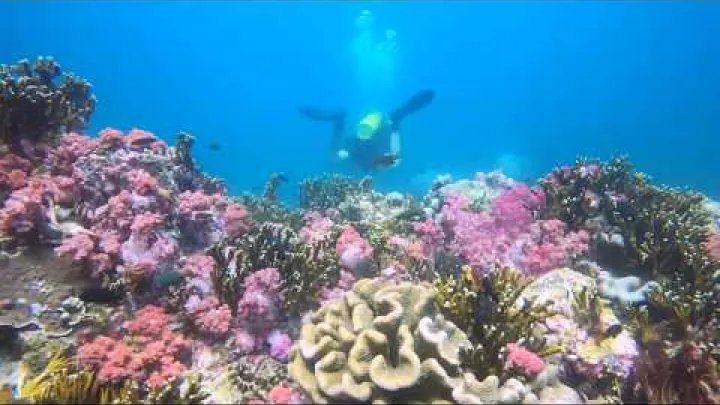
It is useful to separate three factors. Surface conditions describe wind, waves, rain, and boat comfort. Underwater visibility describes how clear the water is below the surface. Wildlife sightings depend on ecology, location, timing, and chance. Monsoon weather can affect all three through rougher water, reduced comfort, and sediment or rain in the marine environment. November, December, and early May are transitional options whose quality can vary more strongly from year to year.
City Sightseeing and Cultural Travel
November to February is usually the most comfortable period for walking around Myeik city, spending time near the waterfront, taking photographs, and combining city activities with an outdoor excursion. Lower rainfall makes it easier to keep a simple daily schedule, although warm-weather clothing remains appropriate.
March and April remain feasible for city travel if you avoid the hottest part of the day and include shaded or indoor breaks. From June to September, sudden or prolonged rain can interrupt walking and photography, so footwear that handles wet surfaces and a backup indoor plan become more useful. Wet-season city travel is not impossible; it simply requires more tolerance for delays and changing plans.
Lower Crowds, Price, and Value
The most comfortable dry-season months may also attract stronger demand, while shoulder months can offer a possible balance between availability and weather. Late November, March, and possibly early April are useful comparison points for travelers willing to trade some comfort or predictability for the possibility of quieter conditions.
There is no reliable basis here for promising a particular discount or crowd level across Myeik. Wet-season rates may look attractive, but the value can be limited if a resort, boat service, or excursion operates irregularly or is unavailable. Compare the current accommodation price with what is actually included, the excursion schedule, and the cancellation terms rather than assuming that low season is automatically the best deal.
Practical Planning for Myeik Weather
Good weather planning for Myeik is mainly about managing heat, rain, and the difference between city conditions and sea conditions. Pack for a warm climate in every season, then adjust your rain protection and flexibility according to the month.
What to Wear and Pack in Each Season
In the drier months from November to February, choose lightweight, breathable clothing, sun protection, comfortable walking footwear, and a light layer for changing conditions. March and April call for the same basics, with extra attention to a hat, sunglasses, shade, and quick-drying clothing because outdoor heat can feel more demanding.
For May to October, add a lightweight rain layer, quick-drying clothes, water-resistant or easily cleaned footwear, and waterproof storage for phones, cameras, documents, and other electronics. Heavy cold-weather clothing is generally unnecessary. A small day bag that protects essential items from sudden rain is more practical than bulky luggage.
For strenuous outdoor activity, use the cooler parts of the day, carry enough water, and bring sun protection and suitable rain gear. Hydration, shade, and insect protection are practical concerns in a warm, wet coastal environment. Your clothing and equipment should support both heat management and sudden changes in rain, especially if you will spend time outside the city.
Boat Trips, Access, and Flexible Itineraries
Access to the Myeik Archipelago is more sensitive to wind, waves, storms, and operator decisions than a city-only itinerary. A favorable month on a climate chart does not mean that every boat departure, resort, or diving service runs every day of the year. Operating patterns may also differ between providers and destinations.

Before making a nonrefundable booking, confirm with the chosen resort, boat company, or diving operator whether it operates in your intended month, where and when you must depart, how cancellations or weather interruptions are handled, and what happens if a transfer is delayed. Ask whether a buffer day is recommended when a sea transfer is essential. Avoid connecting a boat trip to another fixed booking on the same day when a delay would cause a major loss.
If your main priority is the archipelago, build an itinerary that can still work as a Myeik city stay if sea plans change. Do not assume a year-round schedule, a particular route, a fixed journey time, or a standard departure point without confirmation from the provider you plan to use.
Climate Averages Versus Live Forecasts
Climate averages and modeled monthly profiles answer the question of what is typical during a season. They help you choose between December and February, the hotter March and April period, or the wetter months. They cannot tell you whether a particular day will have safe sea conditions, heavy rain, an unusual heat spell, or a storm.
For actual travel dates, check the latest information from Myanmar's Department of Meteorology and Hydrology close to departure. For an island trip, also consider relevant marine warnings and the chosen operator's latest update. If conditions deteriorate, revise sea-based plans rather than relying on the normal seasonal pattern. An unusual weather event can temporarily override what the monthly climate guide suggests.
Final Recommendation for the Best Time to Visit Myeik
For most travelers, the best time to visit Myeik is December to February. Choose January to April if diving or snorkeling is the main purpose and you accept increasing heat, or consider November and late October if you want a shoulder-season option and can tolerate more variation. June to September is the least dependable period for an archipelago-focused holiday, although Myeik city can still be visited with rain planning. The clearest decision is to match your preferred activity with the seasonal trade-off, then use the current city and marine forecast for the dates you will actually travel.
Select area
Create a post
Posting is free and no registration is required.