Myeik Travel Guide: Planning a Visit to Southern Myanmar
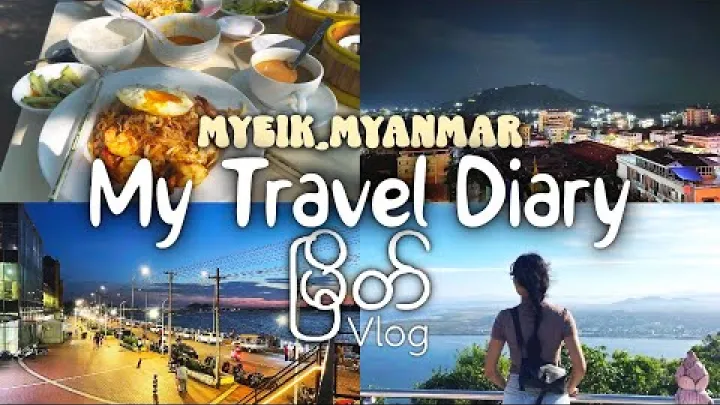
This Myeik travel guide explains how to plan a first visit to southern Myanmar with realistic expectations. Myeik combines a working port, local seafood culture, religious landmarks, and access to selected trips in the Myeik Archipelago. You will find guidance on safety, permissions, transport, where to stay, costs, weather, and route choices involving Dawei and Kawthaung. Because conditions and services can change, use this as a planning framework rather than as a guarantee that every route or excursion is operating.
Before You Plan a Trip to Myeik
Myeik requires more preparation than a conventional resort destination. Start with the conditions that determine whether a visit is feasible, then plan transport and activities around the permissions and services available for your dates.
Current Safety Context and Go-or-No-Go Decision
Safety should be the first decision in any Myeik itinerary. Myanmar's security situation, local restrictions, armed conflict, transport disruptions, and enforcement practices can change quickly. Official advice may distinguish between regions, but a destination that appears calm in a travel report is not automatically suitable for an independent visit.
Read the section covering Myeik and Tanintharyi in the latest GOV.UK travel advice, as well as the advisory issued by your own government. Check the advice at the go-or-no-go stage, immediately before paying for the trip, and again shortly before departure. Pay attention to advice about movement, roads, airports, communications, insurance, and consular support, not only to the headline travel rating.
Use four questions to make the decision:
- Does the current official advice permit travel to the specific places on your route?
- Will your travel insurance remain valid for Myanmar and for the activities you plan to undertake?
- Can you obtain reliable assistance if a flight, road, boat, or accommodation plan fails?
- Are you comfortable with residual risk even after using an established operator and conservative itinerary?
A favorable dry-season forecast does not make an otherwise unsuitable trip safe. If official guidance advises against travel, treat that as the decisive factor rather than trying to compensate with a better hotel or a shorter stay.
Entry Rules, Permissions, and Local Confirmation
There are three separate administrative questions: whether you can enter Myanmar, whether you can travel to Myeik, and whether you can enter particular islands or marine areas. Visa procedures, approved entry ports, regional movement rules, and archipelago permits can be different parts of the same journey. None should be assumed from an old blog post or from a package advertised for a previous season.
Check current visa and entry information with the relevant Myanmar embassy or immigration authority. Then ask an authorized Myeik or archipelago operator whether your proposed boat trip needs local permission, a marine-park or island permit, a named passenger list, or a specific departure point. Ask for the answer in writing before buying a non-refundable flight, hotel, cruise, or resort package.
The Ministry of Hotels and Tourism lists a Myeik tourism contact, which can be one route for confirming which local office or service currently handles tourism questions. A tourism contact is a verification route, not a guarantee that a particular traveler, route, or island visit is authorized. Treat all administrative details as date-sensitive and recheck them close to departure.
Understand Myeik and the Southern Myanmar Route
Myeik makes most sense when viewed as part of southern Myanmar rather than as an isolated beach resort. The choice between Myeik, Dawei, and Kawthaung depends on whether your priority is city life, overland travel, diving, a day boat, or a managed island stay.
Myeik's Maritime Identity and City Layout
Myeik, also known as Mergui, is a regional port city in Tanintharyi Region. Fishing, seafood trade, maritime transport, and coastal commerce shape the city's daily rhythm. The waterfront and Strand Road are useful orientation points, but they are also working areas rather than a purpose-built tourist promenade.
First-time visitors usually understand the city best through a slow walk. A route around the waterfront can lead toward markets, religious sites, older buildings, and ordinary residential streets. Thein Daw Gyi Pagoda and Round World Pagoda are practical cultural and viewpoint anchors to investigate, although opening conditions, access, and photography rules should be confirmed locally. The Myeik travel guide is useful for basic city orientation, but older accommodation and transport details should not be treated as current instructions.
Myeik is a functioning regional city, not a fully developed resort center. Signage may be limited, visitor services may be uneven, and English may not be available everywhere. Keep a low profile around jetties, fishing activity, government buildings, and industrial areas. Ask before photographing people, boats, cargo, or workplaces, and do not obstruct business while trying to take a picture.
Choosing Between Myeik, Dawei, and Kawthaung
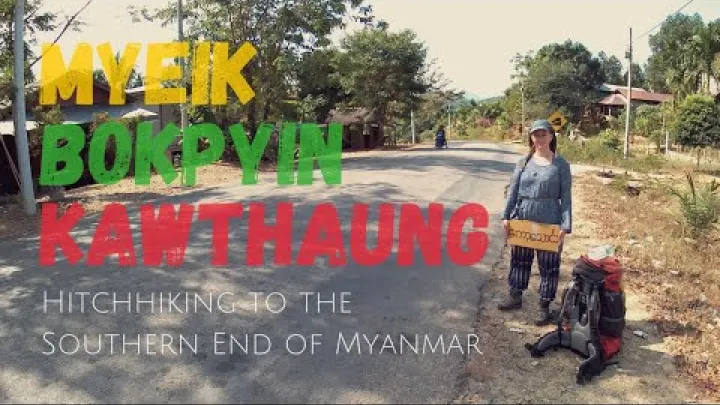
These three bases serve different travel purposes. Myeik is the most natural choice for a city-focused visit and for selected archipelago excursions departing from the Myeik area. Dawei may suit travelers building an overland coastal route, while Kawthaung is more relevant to some southern island resorts and liveaboards. The comparison below is a starting point, not a promise that every connection is currently available.
| Base | Atmosphere | Main use | Transport role |
|---|---|---|---|
| Myeik | Working maritime city | City walks and selected boat trips | Air access through MGZ and regional road links |
| Dawei | Slower regional town | Overland travel and coastal variety | Possible road approach to Myeik |
| Kawthaung | Southern border and port gateway | Some island resorts and liveaboards | Thailand-related and southern maritime itineraries |
Choose Myeik when the city itself matters or when an operator confirms a suitable day trip. Choose Dawei when the journey through southern Myanmar is part of the experience. Choose Kawthaung when the confirmed package, resort, or liveaboard begins there. Before selecting a base, compare the complete route, not just the distance between towns, because permissions and current transport availability may change the practical answer.
How Long to Stay
Three to five nights is a flexible template for a city-focused Myeik visit. It can allow time for arrival and orientation, a daylight city walk, one possible boat excursion, and a spare period for delays or a change of plan. It is more practical than trying to fit the city and an archipelago trip into a single overnight stop.
One or two nights may work for a transit visit when a boat trip is not important. A longer stay makes more sense for a multi-day cruise, an island resort, or an itinerary with uncertain road and flight connections. Avoid tightly sequencing Myeik after a long overland journey and immediately before an international departure. Extra time is especially valuable when a trip includes a remote boat transfer.
What to See and Do in Myeik
The main things to do in Myeik are connected to the city and the sea. Plan the urban experience independently where possible, and treat archipelago excursions as optional components that depend on current operators, permissions, and conditions.
Waterfront, Markets, Pagodas, and City Walks
A daylight half-day walk is a good introduction to Myeik. Begin near the waterfront or Strand Road, observe fishing and transport activity from a respectful distance, and continue toward a market or seafood area if access is open. From there, include a pagoda or other religious site, then explore a few quieter streets before returning to the central area. The route is more about understanding how the port works than about checking off a long list of attractions.
- Start at the waterfront and identify the jetty, local transport points, and active work areas.
- Walk along an accessible section of Strand Road and look for seafood, dried fish, dried prawns, and other maritime products.
- Visit Thein Daw Gyi Pagoda or Round World Pagoda if local access and opening conditions allow.
- End with a meal or drink in a place that welcomes visitors without disrupting ordinary business.
Wear clothing that covers shoulders and knees when visiting religious sites, remove shoes where requested, and avoid loud behavior. Markets and jetties can be wet, crowded, and operationally sensitive. Ask permission before taking close photographs of vendors or workers, and never block a loading area for a better view. Local seafood and dried products are useful cultural context, but the exact market selection and opening hours should be confirmed after arrival.
Archipelago Day Trips, Cruises, and Island Resorts
There are three broad ways to experience the Myeik Archipelago: a day trip from Myeik, a multi-day island-hopping or liveaboard cruise, or a resort stay managed from a designated gateway. These are different trip models rather than simple price levels. A day trip has less commitment but usually depends on a fixed return window. A cruise can reach more distant sites but requires more planning and tolerance for sea conditions. A resort offers a managed setting but reduces independent alternatives if plans change.
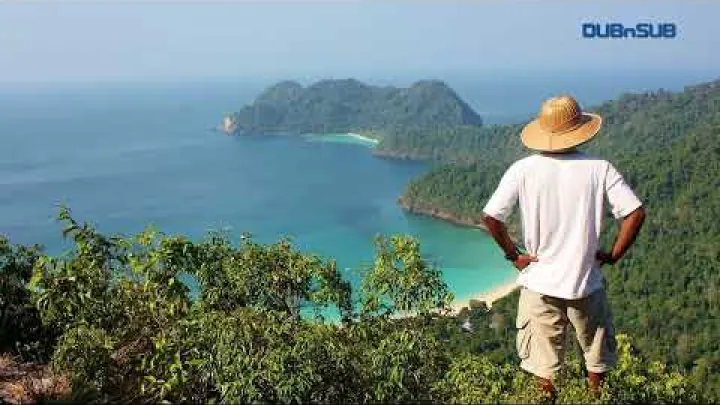
Harris Island can be used as an example of a possible Myeik-based day-trip destination, but its distance, travel time, price, route, and current availability need direct confirmation from a local operator. Snorkeling, diving, swimming, beach time, and wildlife viewing also have different equipment and guide requirements. Do not assume that a boat advertised for sightseeing is equipped or staffed for diving.
Some liveaboard listings describe diving cruises in the Mergui Archipelago, including yacht-based travel between reefs and islands. The Mergui Archipelago liveaboard listings can explain the format, but an online listing does not prove that a departure is operating for your dates. Myeik-based trips and Kawthaung-based resort or liveaboard itineraries should be compared separately.
Before paying an operator, obtain written confirmation of the route, permits, meals, transfers, park or island fees, equipment, guide services, safety equipment, emergency communication arrangements, and cancellation terms. Ask what happens if the boat cannot depart or return. A clear answer is more valuable than a highly promotional description of the islands.
Conservation, Local Communities, and Responsible Visits
The archipelago includes reefs, mangroves, beaches, forests, and marine habitats that can be damaged by careless tourism. Remote areas may have fewer waste systems, medical facilities, and enforcement resources than a city. Responsible travel therefore affects both the environment and the quality of the visit.
Follow the operator's and local authority's rules about permits, anchoring, waste, snorkeling, wildlife, fishing, and photography. Do not touch coral, collect shells, feed wildlife, or leave packaging behind. Use reef-safe behavior as a minimum standard, but follow local instructions if they are stricter.
Ask operators how they employ local staff, manage visitor numbers, dispose of waste, and contribute to maritime communities. Be cautious with claims that an island is untouched or that tourism is automatically beneficial. Respect local rights, working areas, and cultural practices, and consider whether your itinerary adds pressure to a fragile environment during an unstable national context.
How to Get to Myeik and Get Around
Access to Myeik is a planning exercise in its own right. Air travel can reduce journey time, while overland travel may connect the city to a wider southern Myanmar route. Sea and Thailand-related options require especially careful separation of transport, border, and permission questions.
Flying via Myeik Airport
Myeik Airport, identified by the code MGZ, is the city's main air access point. For many international itineraries, Myeik is reached after an onward domestic segment rather than as the first international arrival point. A flight is the time-saving option when a current route is operating, but airlines, frequencies, aircraft, baggage rules, fares, and departure times may change.

Use a current carrier or reliable local booking channel to confirm the complete itinerary. The Myeik transport overview can help with initial route research, but historical route information is not a substitute for direct confirmation.
Before booking, check:
- Whether the flight is actually scheduled on your date and whether the ticket is confirmed.
- Checked and cabin baggage limits, especially if you are carrying diving or boat equipment.
- How you will transfer between the airport, hotel, and jetty.
- What happens if the domestic flight is delayed or canceled.
Keep an uncommitted buffer day around Myeik air travel instead of building a same-day connection around a Myeik flight. This is particularly important before an international departure, a border movement, or a non-refundable cruise. A flexible booking may cost more initially but can reduce the consequences of a disruption.
Buses, Private Cars, and Overland Routes
The road from Dawei is a possible overland approach to Myeik. Travel time, road quality, departure schedules, fares, and service availability require current confirmation. A bus may be the lower-cost choice, but it normally offers less control over departure time, stops, luggage handling, and changes along the route.
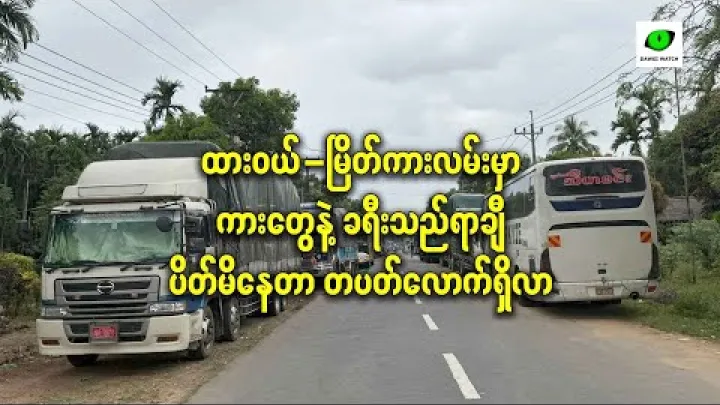
A private car or taxi can provide more flexibility for a multi-stop southern Myanmar itinerary, but it costs more and remains exposed to road conditions, fuel availability, local restrictions, checkpoints, and weather disruption. Long journeys toward Mawlamyine or Yangon can consume a large part of an itinerary, so they should not be treated as simple local transfers. Scenic value is separate from practical reliability.
| Option | Useful when | Main uncertainty | Booking need |
|---|---|---|---|
| Bus | Cost matters | Schedule and road disruption | Confirm departure close to travel |
| Private car or taxi | Flexibility matters | Price, route controls, and road conditions | Agree route and total fare clearly |
| Long overland route | Southern Myanmar is the main trip | Time and multiple disruptions | Build generous slack between stops |
| Rail | Part of a wider journey | No simple direct rail arrival to Myeik | Plan a road connection if feasible |
A night bus or historical fare should not be assumed to operate simply because it appears in an older itinerary. Ask where the vehicle departs, whether the road route is currently open, how luggage is handled, and whether the service is suitable for your arrival time.
Sea Connections and Travel from Thailand
Ferry or passenger-boat connections involving Myeik and Yangon should be treated as provisional until a current operator confirms the departure, route, passenger requirements, and cancellation policy. An advertised resumption or a past timetable is not evidence of a dependable public service.
Thailand-based liveaboard travel is a separate model. An organized cruise from Ranong or another Thai gateway may manage its own transfers and maritime arrangements, while a land-based itinerary through Kawthaung and Ranong involves immigration, border, maritime, and security procedures. Do not combine the two in your planning as though they were interchangeable.
An operator's managed entry arrangement does not automatically give an independent traveler permission to move through Myanmar, cross a land border, stay in Kawthaung, or continue overland to Myeik. Confirm the current border status, departure point, visa and entry rules, permits, passenger documents, and cancellation arrangements before committing money. If any part of the route is unclear, choose a simpler itinerary rather than trying to resolve it after arrival.
Getting Around the City and Booking Excursions
Local taxis, motorbike taxis, hotel transfers, and operator-arranged pickups may be more practical than expecting a dense public-transport network. Arrange airport, jetty, and early-morning tour transfers through your accommodation or a trusted operator. Carry the accommodation address in written form, preferably with a local-language version, and keep passports and other travel documents accessible for legitimate checks.
Motorbike rental is an individual decision, not a default solution. Consider road surface, traffic, weather, current local restrictions, your riding experience, and whether your travel insurance covers the vehicle and any passenger. Confirm the rental conditions and insurance rather than assuming a foreign driving document will settle every requirement. Transport and English availability may be limited at very early or late hours.
On arrival, confirm five details with the hotel or local contact:
- Who is collecting you and where the meeting point is.
- How much local cash you need for the first day.
- The exact jetty and departure time for any booked excursion.
- A contact number to use if the driver or boat operator is delayed.
- A backup plan for an extra night or a changed departure.
Where to Stay, What to Budget, and How to Pay
Myeik offers a different accommodation and budget experience from a managed island resort. Compare the two as separate trip models, because the cheapest city room and the lowest total island package solve different logistical problems.
City Hotels and Guesthouses
Accommodation in Myeik is more limited than in Myanmar's major tourist hubs, so current confirmation is important. Kan Phyar Road and Middle Strand Road can be considered when comparing access to central services and possible tour pickups, but they should not be treated as formal hotel districts. A central location may help with walking and meals, while a property chosen for jetty access may be more useful for an early boat departure.
Names such as Eain Taw Phyu Hotel, White Pearl Guest House, Regent Hotel, and Kyal Pyan Hotel may appear in travel references or local searches. Treat them as properties to verify, not as current endorsements. Confirm that the property is operating, accepting foreign guests where relevant, and able to provide the room, payment method, transfer, and cancellation terms you need.
Ask about water and power reliability, air conditioning, Wi-Fi, mobile signal, luggage storage, airport transfer, and the time required to reach the jetty. Read recent reviews carefully, but give more weight to direct confirmation when information is sparse or old. Organize choices by function: central city access, convenient tour pickup, or a quieter location.
Island Resorts and Operator-Managed Stays
An island resort or liveaboard often bundles boat transfers, meals, staff support, activities, and some permits or park fees. Inclusions vary widely, so compare the package line by line. Drinks, taxes, equipment, transfers to the gateway, marine fees, and extra nights may be excluded.
Remote accommodation is logistically different from staying in Myeik. There may be no independent restaurant, replacement boat, alternate hotel, or easy medical option if weather or transport changes your plan. Kawthaung may be the practical gateway for some southern resort itineraries, while Myeik may suit a city stay or selected day trips. The correct base depends on the confirmed departure point, not only on the island's advertised location.
Calculate the full cost before paying and keep a return buffer before any flight, border crossing, or long road journey. A remote island stay should not be connected tightly to onward travel. Read the cancellation and postponement terms for weather, permit problems, illness, and transport disruption.
Daily Costs, Cash, and Connectivity
City travel usually requires separate payments for accommodation, meals, taxis, bus tickets, drinks, and small purchases. A managed resort or liveaboard may reduce the number of daily transactions but have a much higher package price. Historical cost figures are only broad planning references in this setting; inflation, fuel prices, exchange rates, supply conditions, and operator availability can change the total quickly.
Before arrival, ask each hotel, restaurant, transport provider, and tour operator whether it accepts Myanmar kyat, foreign currency, cards, or only cash. Do not assume that a card accepted at a city hotel will work at a jetty or island property. Carry a separate cash reserve for transport disruption, an additional night, meals, and other essential expenses if an ATM or card payment is unavailable.
Also confirm practical connectivity. Ask about mobile coverage on the route, Wi-Fi at the accommodation, charging arrangements on boats, and a way to contact the hotel or operator during a disruption. Download or write down essential booking details before leaving reliable internet access. Keep emergency contacts and travel insurance information in more than one place.
Best Time to Visit Myeik
The best time to visit Myeik depends mainly on your activity and on current sea and transport conditions. The broad seasonal pattern is useful for initial planning, but it cannot predict the conditions on a particular boat departure.
Dry and Wet Seasons
Myeik and the archipelago are influenced by the monsoon pattern on Myanmar's Andaman coast. In broad terms, the drier part of the year is often more practical for boat-based activities, while wetter months can bring more variable sea conditions, lower visibility, rain, flooding, and road disruption. That does not make a wet-season city visit impossible, but it makes outdoor plans less dependable.
Use seasonal information as a probability guide rather than a guarantee. Check a current local forecast, ask about the condition of the actual sea route, and review the operator's departure notice. Temperature alone is a poor way to select dates for Myeik: sea state, visibility, rainfall, and transport reliability matter more for an archipelago itinerary.
When choosing dates, also consider whether your priority is a city walk, snorkeling, diving, a beach resort, or a liveaboard. The most favorable season for one activity may not provide the same value for another.
Matching Weather to Island Activities
Use the following comparison as a cautious guide. “More favorable” describes a general planning tendency, not a prediction for a specific day.
| Activity | Usually more favorable | Main condition to confirm |
|---|---|---|
| City walk | Drier or briefly wet periods | Heat, rain, and local access |
| Snorkeling | Calmer sea and clearer water | Visibility, currents, and equipment |
| Diving | Stable sea conditions | Site suitability, guide, and equipment |
| Beach or resort stay | Drier, calmer periods | Boat transfer and cancellation rules |
| Wildlife viewing | Season-dependent and variable | Current operator or specialist evidence |
Before leaving for any boat trip, obtain a local sea-condition check from the operator, not only a general weather-app forecast. Ask whether the trip is proceeding, what conditions are expected on the route, and what alternative is available if the boat is canceled. Late dry-season wildlife opportunities may be discussed by specialists or operators, but no sighting should be promised. Favorable weather also does not override security advice, permit limits, or a route cancellation.
Build a Flexible Myeik Itinerary
A good Myeik itinerary has a clear priority and enough open space to absorb changes. Decide whether the trip is mainly about the port city, one possible island excursion, a wider southern Myanmar route, or a managed resort experience.
Three-to-Five-night City and Day-Trip Plan
Use this three-to-five-night structure as a flexible template:
- Arrival and orientation: Transfer to the hotel, confirm the next day's transport, and take a short walk near the waterfront if conditions and timing allow.
- City day: Explore Strand Road, accessible market areas, religious sites such as Thein Daw Gyi Pagoda or Round World Pagoda, and local food options during daylight.
- Optional boat day: Take a current, operator-confirmed excursion, such as a possible Harris Island trip, only if the route, permits, and sea conditions are suitable.
- Spare period: Keep time for a delayed arrival, a canceled boat, extra city exploration, or a slower day.
- Departure: Leave enough time for the airport or onward road journey rather than assuming a boat will return in time for a same-day flight.
Keep the boat trip optional until local conditions and availability are clear. If it is canceled, use the waterfront, Strand Road, pagodas, markets, and additional neighborhood walks as the fallback rather than forcing a risky replacement. This approach gives Myeik value even when the archipelago component does not proceed.
Longer Southern Myanmar or Resort-Focused Plan
A longer trip can be designed in three ways:
- Dawei to Myeik to Kawthaung: A broad overland and coastal route with more regional variety, but also more road, permission, and timing uncertainty.
- Focused Myeik stay: A simpler city base with a daylight urban program and one or more locally confirmed excursions.
- Resort or liveaboard itinerary: A package-centered trip organized around a confirmed island gateway, with less need for independent planning once the transfer begins.
Dawei contributes an overland town and coastal perspective, Myeik contributes the port city and selected archipelago access, and Kawthaung contributes certain southern island gateways. If the main goal is an organized island stay, avoid unnecessary backtracking between bases. Compare the gateway used by the resort or vessel with the airport and border points you actually need.
Allow substantial time between overland legs, border movements, boats, domestic flights, and international departures. Recheck route feasibility, permissions, and current security conditions before finalizing a multi-stop plan. A shorter route with a clear gateway is often more useful than a longer itinerary that depends on several unconfirmed connections.
Final Planning Takeaways
Myeik is best approached as a working maritime city with optional access to a remote island region, not as a predictable beach holiday. Begin with the latest official travel advice and administrative confirmation, then choose between Myeik, Dawei, and Kawthaung according to your main goal. Build the trip around confirmed transport and permissions, keep city and island costs separate, and allow enough flexibility for weather and operational changes.
For many first-time visitors, a three-to-five-night Myeik stay with a daylight city walk and one carefully confirmed boat option offers the clearest balance. If the archipelago is the main purpose, select the gateway and operator first, then fit flights and overland travel around that decision.
Select area
Create a post
Posting is free and no registration is required.