Luang Prabang Budget: Daily Costs, Prices and Saving Tips

Luang Prabang can work for a careful backpacker, a couple seeking a boutique room, or a traveler who wants guided experiences and comfortable dining. The main cost difference is usually accommodation, followed by private transport and paid day trips, rather than simple local meals. This Luang Prabang budget guide separates everyday city spending from arrival and intercity costs so that a low daily total does not hide important extras. Use the ranges as planning tools, then adjust them for your dates, room-sharing arrangement, and priorities.
Luang Prabang Budget at a Glance
Daily spending is most useful when it is broken into a bed or room, meals and drinks, local movement, and activities. The following estimates assume you have already arrived in Luang Prabang and are traveling independently.
Daily Budget Ranges by Travel Style
A realistic budget traveler can often plan for about US$25–35 per person per day by using a dorm or very simple room, eating mainly at markets and local eateries, walking in the center, and choosing low-cost sights. A recent Laos cost breakdown places Luang Prabang at roughly US$25 a day for a low-cost trip, with accommodation, food, transport, and entrance fees all included as basic categories; see Neverendingfootsteps for its illustrative breakdown.
| Travel style | Daily range per person | Typical pattern | Usually excluded |
|---|---|---|---|
| Budget | US$25–35 | Dorm or basic shared stay, market meals, walking | Arrival tickets and major tours |
| Mid-range | US$45–75 | Private room, mixed dining, selected rides and sights | Intercity travel and shopping |
| Comfortable | US$100+ | Quality hotel, restaurants, private transport or experiences | Premium suites and large purchases |
These are planning ranges, not fixed current prices. International flights, visas, insurance, shopping, and major journeys such as a train, bus, or slow boat should normally sit outside the daily city budget. A solo traveler paying US$25 for a private room can spend far more than a dorm traveler who pays US$8, even if both choose the same meals. Conversely, two people sharing that US$25 room reduce the accommodation cost per person much more than they could by changing one meal.
What a Luang Prabang Travel Budget Should Include
Start with a simple formula: nights of accommodation + days of food and drinks + local transport + activities + contingency = city budget. Add a separate line for airport or station transfer, intercity tickets, and any major excursion. This makes it easier to compare a two-night stop with a longer stay and prevents an arrival day from appearing unusually cheap simply because its transfer was omitted.
Rooms are generally priced per room, while dorm beds, temple tickets, meals, and most shared transport are priced per person. Divide shared costs by the number of travelers before comparing options. For a short visit, spread a one-off airport transfer across the whole stay; for example, include one-third of it in each day of a three-night budget rather than placing it all on day one.
Keep a modest contingency for laundry, drinking water, a coffee, a negotiated tuk-tuk, and small purchases. Separate essential spending from comfort choices such as cocktails, spa treatments, premium coffee, river-view dining, or a private car. Luang Prabang prices can differ from broad Laos averages, particularly around the Old Town peninsula and popular riverside areas.
Accommodation Costs in Luang Prabang
Lodging is normally the largest daily variable. Compare the final payable rate rather than the first headline rate, and decide whether central location, breakfast, and room facilities are worth the extra amount for your itinerary.
Dorms, Guesthouses, and Private Budget Rooms
Dorm beds and the cheapest hostel choices can fall roughly in the US$6–12 range, although dates and availability matter. A Kayak hostel listing has shown prices from US$6 per night, but a booking-platform result is a changing snapshot rather than a promise for every date. Simple private guesthouses and budget hotel rooms often fit a broader US$15–30 per-room planning range.

Always distinguish a dorm-bed price from a private-room price. The least expensive private room may have a fan rather than air conditioning, a shared bathroom, limited reception, or a location beyond the main streets. Before booking, compare bathroom type, air conditioning, breakfast, Wi-Fi, bicycle availability, and the walking distance to your planned sights. A cheap room near neither the Mekong River nor the Nam Khan River may still be good value, but regular rides can erase the saving.
Guesthouses around the central heritage area, including the Old Town peninsula, are convenient reference points rather than uniform price zones. A property name or a low advertised rate should be treated as an example, not an endorsement. Compare taxes, breakfast, and cancellation conditions in the final booking screen.
Mid-Range and Luxury Accommodation
For a comfortable private stay, US$35–75 per room is a useful broad mid-range allowance. At this level, travelers may find more polished boutique properties, better bedding, air conditioning, breakfast, or a small pool. Heritage buildings, central Old Town addresses, river views, spa facilities, and included airport services can raise the rate.
Luxury is not one reliable citywide average. Premium rooms and suites vary greatly by property, room type, included services, and demand. A high nightly price may still offer value when it includes breakfast, easy walking access to the Royal Palace Museum and evening market streets, or facilities you would otherwise pay for elsewhere. Compare the full package instead of relying on a star category alone.
Premium rates can rise sharply on holidays and other high-demand dates. If comfort is important but luxury is not, target a well-reviewed private room with the facilities you will actually use, then reserve the difference for a Kuang Si Falls visit, a special dinner, or an extra night.
How Location, Season, and Stay Length Change the Price
The UNESCO heritage core is often the easiest base for a short first stay because many sights, restaurants, and the Luang Prabang Night Market are walkable. Stays along the Mekong River or Nam Khan River may trade a higher rate for views and atmosphere. Properties farther out can offer more space or lower prices, but the real comparison should include time and local transport.
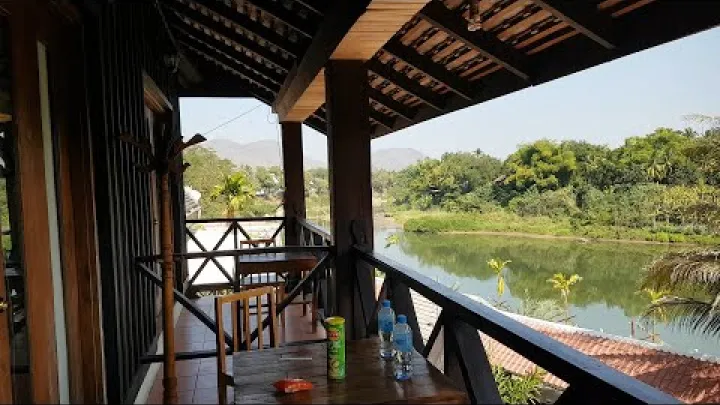
Booking data can show cheaper low-season or shoulder-period offers, but these are snapshots. For example, Momondo has displayed very low room offers in its recent search results, which does not mean that every traveler will find the same rate or conditions. For a three-night trip, paying more for walkability can be worthwhile. For a week or longer, compare the savings from a quieter guesthouse, a longer-stay discount, or a monthly rental against the additional transport required.
Availability and cancellation terms matter as much as a low headline rate. Check the actual room type and conditions for your dates before treating a seasonal deal as part of the budget.
Food and Drink Costs in Luang Prabang
Food can be very affordable when local meals are the foundation of the day. The largest changes come from dining style, imported items, alcohol, and how frequently you choose cafes or Western-focused restaurants.
Market Meals and Local Eateries
The Luang Prabang Morning Market and Luang Prabang Night Market are useful anchors for low-cost eating. Many simple snacks or market meals can fit roughly within US$1–3, depending on portion size, protein, and the exact stall. Indicative prices sometimes seen in traveler research include snacks around 5,000 kip and fuller market meals around 20,000–30,000 kip, but these are not permanent tariffs and should not be converted at a fixed exchange rate.
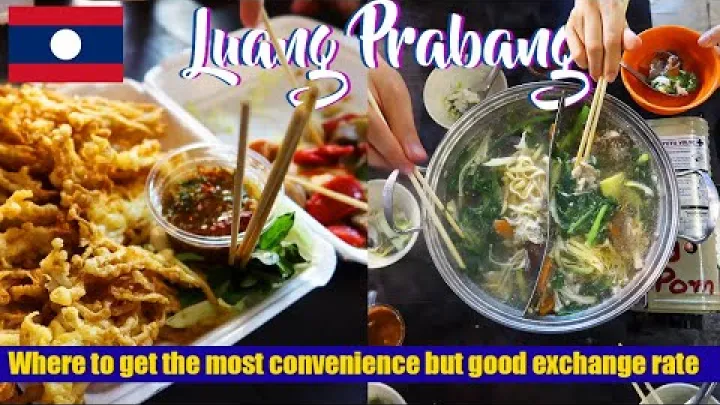
A low-cost day might include a simple breakfast snack, a noodle or rice lunch, and a market dinner, with bottled water and one basic drink. This pattern can keep food close to the lower end of a budget range. It is better to budget a little more if you want larger portions, meat at every meal, dessert, or meals in the most visitor-focused streets.
Market food is not identical from stall to stall. Travelers with allergies, strict vegetarian or vegan needs, or food sensitivities should ask directly about ingredients and preparation rather than assuming a dish is suitable because it appears meat-free.
Cafes, Restaurants, Coffee, and Nightlife
Local eateries and casual restaurants commonly form a middle tier above market food. A practical allowance for many meals is about US$3–10, with the final amount influenced by cuisine, setting, and drinks. Western-style dishes, imported ingredients, and multi-course meals generally cost more than straightforward rice, noodle, or curry dishes.
Keep beverages as their own budget line. Coffee, smoothies, Beer Lao, cocktails, and imported drinks can change a daily total faster than a basic meal. A traveler who drinks water with lunch and has one beer at dinner will spend differently from someone who has specialty coffee, smoothies, and several evening drinks. A useful mid-range compromise is street food or a local lunch, followed by one sit-down dinner.
For nightlife-heavy days, set a separate evening allowance instead of assuming it fits inside the food budget. This gives a clearer comparison between a low-drink day, a day with one or two beverages, and a night focused on bars or cocktails.
Self-Catering and Dietary Choices
Self-catering does not always save money on a short Luang Prabang visit. Many guesthouses do not have guest kitchens, while prepared local food can be inexpensive. For longer stays with kitchen access, groceries may become more useful for breakfast, fruit, and simple meals.
Vegetarian and vegan travelers can often build meals around rice, noodles, vegetables, and fruit, but should ask about fish sauce, stock, and cooking oil. Selected cafes or specialist restaurants may offer more certainty, usually at a higher cost than a market stall. Imported groceries, dietary substitutions, specialty coffee, and familiar packaged foods are sensible reasons to increase the food allowance.
Transport Costs to and Around Luang Prabang
Transport has two separate roles in a Luang Prabang travel budget: the cost of arriving and the small, recurring cost of moving around town. Treat day-trip transport as a third category so a waterfall visit does not distort an ordinary city day.
Getting to Luang Prabang
Arrival by air, railway, bus or minivan, and slow boat is a one-off itinerary cost, not normal daily spending. Luang Prabang Airport transfers should be added to the trip total, while Luang Prabang railway station transfers may be needed in addition to a train ticket. Long-distance fares can be quoted per person, per vehicle, by seat class, or by route, so they cannot be safely reduced to one universal number.

Slow-boat itineraries from the Huay Xai direction can also involve a Pakbeng overnight stop, meals, and transfers. The boat ticket alone is therefore not the complete cost. When comparing arrival methods, add luggage conditions, booking fees, station or airport transfers, required overnight stops, and the value of time.
Before committing to any transport price, confirm the current fare, departure point, luggage conditions, and whether the quote is per person or per vehicle. This is particularly important for station transfers, shared minivans, and routes where schedules or vehicle arrangements can change.
Walking, Tuk-Tuks, Ride-Hailing, and Motorbikes
The compact peninsula and much of the Old Town are easy to explore on foot, making walking the lowest-cost option for temples, markets, riverside streets, and central museums. Occasional short tuk-tuk rides can be planned at roughly US$1–4, but distance, negotiation, time of day, and passenger count all affect the price.
Agree on the fare and destination before departure. A short point-to-point transfer is different from keeping a vehicle for several hours, and a full-day hire should be priced separately. Ride-hailing availability and value can vary, so do not assume an app will always be available or cheaper than a locally arranged ride.
Bicycles and scooter rental can be useful beyond the most walkable streets. Sharing a tuk-tuk, private car, or room can lower the per-person cost; scooter users should include fuel, deposits, parking, and the practical requirements of driving safely and legally. For many short stays, walking plus a few paid rides is simpler than renting a vehicle.
Kuang Si Falls and Other Day-Trip Transport
Kuang Si Falls is often the transport expense that most changes a low-cost Luang Prabang plan. Shared transport and group minivans are generally the lower-cost choices, with some arrangements reported around US$2–7 per person as a planning range. Scooter rental is flexible but adds fuel and driving responsibility. A private vehicle costs more for a solo traveler but can make sense when several people share it.
Calculate the outing in separate parts: transport, entrance ticket, food and drinks, waiting time, and any guide. Do not assume that a quoted day-trip price includes all of them. The same principle applies to trips toward Pak Ou Caves, villages, or other sites outside the center.
Confirm whether a day-trip quote includes return transport, waiting time, attraction entry, and the exact vehicle arrangement. Ask whether the price is per person or per vehicle, and make sure the return timing is clear before booking.
Attraction Fees and Activity Costs
A strong Luang Prabang itinerary does not require a paid tour every day. Mix free walks and market visits with a small number of paid cultural or nature experiences, then reserve larger activity spending for the experiences you value most.
Low-Cost City Sights
Temple visits, walks by the Mekong River and Nam Khan River, market browsing, and time in the heritage streets can fill much of a low-cost day. The UXO Museum and other small cultural stops may also fit a modest activity allowance, depending on current entry arrangements. Ticket prices for major landmarks can change, but traveler reports have placed Phousi Hill and the Royal Palace Museum at around 30,000 kip each at different times.
A practical low-cost sightseeing day could include an early Morning Market walk, a temple visit with respectful dress, time by the river, one paid landmark such as Phousi Hill or the Royal Palace Museum, and a night-market meal. Allow for donations where appropriate, but do not treat every temple as free or assume there is an expected contribution.
Almsgiving is a religious practice, not a performance. Observe quietly and follow local guidance; participation should be respectful and should not be planned merely as a low-cost attraction. Check current ticket prices directly at each counter.
Waterfalls, Museums, Cruises, and Guided Experiences
Waterfalls, cruises, workshops, private guides, and multi-day treks can become the largest non-accommodation costs. Available traveler guidance has listed entrance prices around 25,000 kip for Kuang Si Falls and 15,000 kip for Tad Sae, while the Royal Palace Museum has been listed at 30,000 kip; these figures from Roowanders are useful indicators, not guaranteed current prices.
| Activity level | Examples | Budget approach |
|---|---|---|
| Free or donation-based | River walks, markets, selected cultural spaces | Use as the base of the itinerary |
| Low-cost | Temple tickets, Phousi Hill, museums | Choose one or two in a day |
| Moderate | Waterfall entry and shared transport | Price entry and transport separately |
| Splurge | Cruise, workshop, guide, private vehicle | Compare group and private options |
Choose one major paid experience per day if keeping spending controlled. Before reserving a cruise, workshop, guide, or packaged excursion, establish what is included: transfers, food, entry, equipment, group size, and cancellation terms.
What Makes Luang Prabang More or Less Expensive
The city has options across several price levels, but demand and trip style matter. The most useful comparisons focus on the accommodation category, access to transport, and the type of activities you plan to buy.
Season, Weekends, and High-Demand Dates
Accommodation usually responds more strongly to holidays, weekends, events, and general visitor demand than everyday market food or standard temple tickets. A room that fits a budget on one date may be much more expensive on another date, particularly in the central heritage area. Rather than relying on a fixed month-by-month rule, compare several date combinations for the same room type.
Flexible arrival dates, refundable reservations, and a midweek stay can reduce exposure to changing rates. Separate price considerations from weather expectations: a cheaper date is not automatically ideal for outdoor plans, and a more expensive date is not automatically better.
Check current seasonal conditions and cancellation terms before booking non-refundable accommodation or outdoor activities. This keeps a lower rate from becoming expensive if weather or access affects a waterfall trip, cruise, or travel day.
Luang Prabang Compared with Other Northern Laos Bases
Luang Prabang is a developed, walkable northern Laos base with a wider range of hostels, guesthouses, restaurants, cultural sights, and bookable activities than many smaller places. This choice can make basic spending predictable, even if popular central rooms cost more than simple rural accommodation.
Nong Khiaw and Muang Ngoy may suit travelers seeking a slower stay and simple rooms, while Luang Namtha is often considered by travelers planning nature or trekking activities. Huay Xai is frequently an arrival or departure point for river itineraries. Smaller bases can have cheaper basic lodging, but fewer choices, less transparent online pricing, and relatively high costs for specialized excursions or onward transport.
Choose Luang Prabang for a short, activity-rich stay with easy walking and broad dining choice. Choose a longer northern Laos route if slower travel and rural scenery matter more than having many accommodation and restaurant options in one place. In smaller bases, confirm lodging, local transport, and trekking prices directly because availability can be limited.
How to Save Money Without Missing Luang Prabang's Highlights
The most effective savings often come from a few high-value decisions: where you stay, whether you share transport, and which paid experiences you choose. Small food savings help, but they rarely match the impact of avoiding unnecessary private vehicles or high-demand hotel dates.
Build a Low-Cost Day in the Old Town
Use a cost pattern rather than a rigid schedule. Begin with a Morning Market breakfast or snack, walk through the Old Town peninsula, visit a respectful cultural site, pause by the Mekong or Nam Khan, select one inexpensive paid landmark, and finish with a Night Market meal. Add a realistic optional line for a coffee, cold drink, or sunset snack.
For a short stay with sightseeing concentrated in the center, accommodation within walking distance can be worth a slightly higher nightly rate. It saves both time and repeated transport costs. The day remains varied without a private driver or paid tour, and it leaves space for rest rather than attempting to visit every temple.
Share Transport and Choose Paid Experiences Carefully
Share a private room, tuk-tuk, or vehicle whenever the arrangement genuinely suits the group. For a solo traveler, a shared minivan to Kuang Si Falls may be much cheaper than a private car. For three or four people, a private vehicle can become competitive per person while offering more control over timing.
Choose one or two priority splurges: perhaps a waterfall outing, Mekong cruise, workshop, guided experience, or special dinner. Compare direct local arrangements with online packages, but do not assume either is always cheaper. Look at transfers, entry fees, group size, meals, and cancellation rules before comparing totals.
An extra night can sometimes reduce the pressure to combine several distant sights into one expensive private-transport day. Slowing the itinerary may allow walking-based city sightseeing on one day and one focused paid outing on another.
Currency, Cash, and Local Price Verification
Many everyday prices are quoted in Lao kip, and home-currency conversions become outdated as exchange rates and nominal prices move. Use a current rate from your bank, card provider, or trusted currency tool when planning, but leave room for the difference between an estimated conversion and the amount ultimately charged.
Carry a practical cash buffer for markets, small vendors, tuk-tuks, and entrance counters. Hotels, tours, and restaurants may accept cards, but acceptance can differ by business and circumstances. A displayed room price, a negotiated vehicle fare, and a final card or ATM charge are three different amounts.
Before committing to a price, check the current kip-to-home-currency rate, payment method, and any ATM or card fee. Also ask whether a quoted amount includes service charges, transfers, waiting time, food, or entry fees; this is the simplest way to avoid comparing incomplete prices.
Sample Luang Prabang Budgets and Final Planning Decisions
These examples are rounded planning models, not offers. They show how spending choices create different totals and why arrival or departure transport should be kept outside the normal daily allowance.
Three-Day Backpacker Budget
Assume one solo traveler in a dorm bed or very basic guesthouse arrangement, market-based meals, mostly walking, one occasional local ride, and inexpensive city sights. A reasonable three-day estimate might be US$24–36 for accommodation, US$30–45 for food and basic drinks, US$4–12 for local transport, US$15–30 for activities, and US$10–15 for contingency. That is roughly US$83–138 for three days, or about US$28–46 a day depending on the room and activities chosen.
This model can stay near the lower planning range when the traveler selects mostly free walks and low-cost sights. Coffee, alcohol, laundry, a private room upgrade, or Kuang Si Falls transport will increase it. Arrival and departure tickets are excluded; add the actual airport, railway-station, bus, or boat costs separately to find the full trip total.
Three-Day Mid-Range and Comfortable Budgets
A mid-range solo traveler using a private room might allow US$105–180 for three nights, US$60–105 for a mix of market and restaurant meals, US$15–35 for regular tuk-tuks or shared day-trip transport, US$40–90 for paid sights and an outing, plus a US$20–30 buffer. This produces a broad three-day total around US$240–440 before arrival and departure costs.
A comfortable plan might use US$240 or more for a higher-quality room over three nights, US$120 or more for sit-down dining and drinks, US$50 or more for private or premium transport, and US$100 or more for guided activities, cruises, or workshops. The total can quickly exceed US$500, especially if accommodation moves into the luxury tier. Luxury room costs should be budgeted separately because they can dominate all other daily spending.
Included breakfast, a shared private room, and group transport can lower either model. The purpose is not to predict a single price, but to show the consequences of choosing comfort, convenience, and paid experiences.
Choose the Budget That Matches Your Priorities
Decide first what matters most: a central room, a quieter room with more comfort, local food, restaurant dining, easy private transport, or a longer stay. The strongest cost drivers are accommodation category, private versus shared transport, imported food and drinks, paid excursions, and high-demand dates.
Set a daily baseline for room, meals, local movement, and ordinary sights. Then create a separate one-off fund for arrival, intercity travel, and major activities. Before booking, compare the final room cost, identify your one or two priority experiences, and reserve a cash and conversion buffer.
With current ranges and local price checks, a Luang Prabang budget can suit both careful travelers and those who want more comfort. Spend intentionally on the parts of the visit that matter to you, rather than letting unplanned transport, drinks, or room upgrades decide the total.
Select area
Create a post
Posting is free and no registration is required.