Luang Prabang Best Time to Visit: Weather by Month
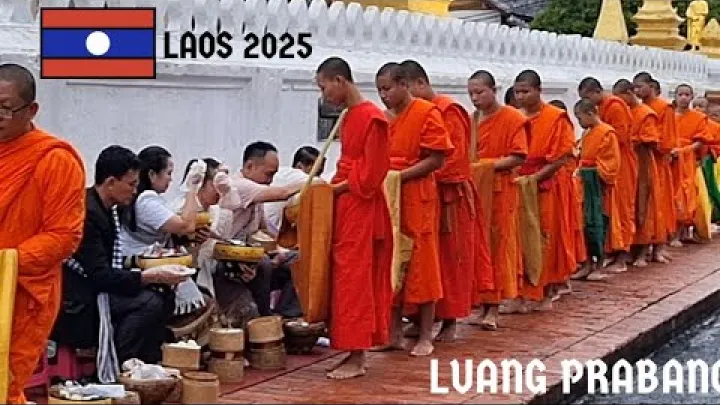
The best time to visit Luang Prabang depends on whether you value reliably dry weather, green landscapes, quiet streets, or cultural events. For most travelers, the cooler dry months offer the easiest conditions for temple visits, walks, river excursions, and day trips. However, the rainy season can be rewarding for travelers who prefer lush scenery and can adjust outdoor plans. This guide compares Luang Prabang weather by month and helps you choose dates that fit your travel style.
The Best Time to Visit Luang Prabang at a Glance
Luang Prabang has a tropical monsoon climate, but its seasons feel very different in daily travel. The dry season is generally better for predictable sightseeing, while the wet season brings greener landscapes and more weather-dependent logistics. Broad Laos climate records are useful for understanding these seasonal patterns, although they cannot predict the weather on a particular day in the city.
For a short city break, November through February gives you the highest likelihood of completing a walking-heavy itinerary without repeatedly changing plans. June and July are a practical compromise when you want greener scenery and potentially lighter demand. October can offer a similar balance as the monsoon retreats. March to May is more suitable when Lao New Year, dry-season timing, or quieter streets matters more than cool conditions, while August and September require the most flexibility for day trips.
Best Overall: November Through February
November through February is the best overall time to visit Luang Prabang. These months usually combine lower rainfall, more comfortable daytime conditions, and cooler mornings and evenings. November to January is the strongest core period for travelers who want to walk around Luang Prabang old town, visit temples, cycle, climb Mount Phousi, and take day trips with fewer weather interruptions. A Laos travel guide from Adventure Life also identifies November to January as an especially favorable period within the dry season.
The trade-off is demand. Late December, New Year, and other regional holiday periods can make accommodation harder to find and may raise prices. Reserve accommodation early if you travel at these times. Pack a light layer as well as warm-weather clothing: December and January mornings and nights can feel surprisingly cool after a warm day.
When to Choose a Different Season
Choose October if you want greener surroundings, fuller water features, and potentially fewer visitors, while accepting that rain can still occur. June and July can also work for travelers who enjoy tropical landscapes and do not need every outdoor plan to run on a fixed schedule.
March to May suits visitors focused on dry conditions, Lao New Year celebrations, or quieter streets outside the main cool-season peak, but heat can be intense. August and September are best viewed as the wettest and greenest months rather than months to automatically avoid. They can suit photographers, budget travelers, and visitors who are happy to prioritize atmosphere over dependable outdoor logistics.
Luang Prabang Seasons and Climate
Season labels vary slightly between climate services and travel guides because rainfall does not begin or end on an exact date each year. The practical pattern is clear: a cooler dry period, a hotter late-dry period, and a wet green period shaped by the southwest monsoon. Historical national climate context is available through the World Bank Climate Knowledge Portal, but city-level conditions can differ from broad national averages.
Cool Dry Season: Late October to Mid-February
The cool dry season is the most comfortable period for a city stay. Days are generally suitable for long walks through Luang Prabang old town, temple visits, café stops, cycling, and excursions beyond the center. Lower humidity and less frequent rain make it easier to plan a full day outdoors.
There is still an important daily contrast. Daytime weather can be warm, while dawn and evening may feel cool, especially in December and January. Mornings beside the Mekong River and Nam Khan River can be atmospheric, but a light long-sleeve layer is useful before the sun is high. This is also the busiest season, particularly around late December and holiday periods.
If your itinerary includes several early starts, this season is especially convenient because cooler mornings make it easier to reach viewpoints or begin a cycling and waterfall day before the afternoon heat. The comfortable conditions do not remove the need for sun protection, and riverfront areas can feel cooler than sheltered streets after sunset.
Hot Dry Season and Burning-Season Haze: March to May
March to May brings stronger sun, rising heat, and more tiring conditions for walking, cycling, and hiking. April is often experienced as the most intense month for daytime heat, while some climate profiles identify May as hottest by average temperature because warm nights also affect the monthly average. The practical message is the same: plan strenuous activity early, take shade breaks, and do not expect cool relief in the middle of the day.
Smoke and haze can affect northern Laos during the late dry season. The timing and severity vary greatly by year, so reduced visibility from Mount Phousi is possible but not guaranteed. If you travel from March to May, check current heat and smoke conditions before scheduling strenuous outdoor activities. Use current air-quality information when deciding whether to travel during the late dry season, especially if you have respiratory sensitivity. Local travel guidance from Loren's Wanderlust similarly notes the appeal of the cool season before burning-season pollution becomes a greater concern.
Water features can also reflect the end of the dry season. Kuang Si Falls may have less flow than after the rains, although conditions differ from year to year. April remains attractive to travelers who want to experience Lao New Year, but the festival is a cultural reason to choose the month, not a guarantee of comfortable weather.
Wet Green Season: May to October
The wet green season develops gradually. Rain becomes more regular from May, while August and September are usually the period of greatest rainfall, cloud cover, and humidity. A city climate overview from Hotels.com identifies August as generally the wettest month and describes March to May as the hottest time of year.
Rain does not mean continuous rain every day, but showers can be heavy and timing is not guaranteed. The benefits are vivid countryside, greener hills, and often fuller waterfalls around Luang Prabang. The trade-off is that river trips, unpaved rural routes, trails, and low-lying areas can become more variable. This season can be appealing when lower demand and a quieter city matter more than a fully fixed outdoor itinerary.
For a city stay, wet-season inconvenience often comes from changing the order of activities rather than abandoning the whole day. A shower can make a riverside walk, market visit, or drive to a nearby site less comfortable, while the old town may remain easy to explore between showers. Waterproof protection for phones and cameras, quick-drying clothing, and spare time between excursions are more useful than trying to predict the exact hour of every downpour.
The Two Transition Months: October and April
October is a retreating-monsoon month. It often has greener scenery and less persistent rain than August or September, yet it should not be treated as fully dry, especially early in the month. It is a useful compromise for travelers who prefer greenery and lower crowds over the more dependable dry conditions of November.
April moves in the opposite direction. It sits at the hot end of the dry season, with possible haze, intense heat, and Lao New Year activity. Some sources draw season boundaries differently because rainfall onset varies and climate classifications use different measurements. Choose October for improving weather and green landscapes; choose April only if the festival or dry-season timing matters more than daytime comfort.
Luang Prabang Weather Month by Month
Month-by-month guidance is best used as a planning framework, not a promise. A single year can bring earlier rain, longer dry spells, unusual heat, or different air quality. The following descriptions focus on how typical seasonal conditions affect a Luang Prabang city stay and nearby excursions.
November to January: The Most Comfortable Period
November begins the most comfortable travel period, with post-rain greenery still visible and conditions generally improving for outdoor activities. December and January are usually cooler, drier, and busier. This is an excellent time for temples, markets, walking through the old town, cycling, Kuang Si Falls, Pak Ou Caves, and time along the Mekong.

Travelers who dislike heat will usually prefer December or January. Travelers who dislike cool early mornings may prefer November, when the landscape is still lush and daytime warmth is more noticeable. Christmas, New Year, and regional holidays require earlier accommodation planning.
November is often the better choice for visitors who want a little more residual greenery, while December and January generally appeal to those who place the greatest value on cooler, drier sightseeing. Even in this favorable window, pack for both sides of the day rather than assuming every hour will feel tropical.
February and March: Warming Days and Changing Air Quality
February is generally still dry and favorable, although afternoons become warmer. It can be a good choice for visitors who want dry-season sightseeing without the coolest nights of December and January. Early starts remain useful for Mount Phousi, cycling, and longer outings.

March is more conditional. Heat rises, and haze may become more noticeable as the late dry season develops. The start and intensity of smoke are not fixed from year to year, so February should not be treated as automatically haze-free or March as automatically unsuitable. Travelers with respiratory sensitivity should make their decision using current air-quality information rather than seasonal assumptions alone. Reduced visibility can affect viewpoints and the comfort of active excursions.
April and May: Heat, Festivals, and the First Rains
April and May are challenging for heat-sensitive travelers. April commonly brings the driest-feeling, hottest part of the year and the energy of Lao New Year. The celebrations can make the city memorable, but travelers should expect hot conditions and possible haze rather than treating the festival period as a universally easy time to visit.
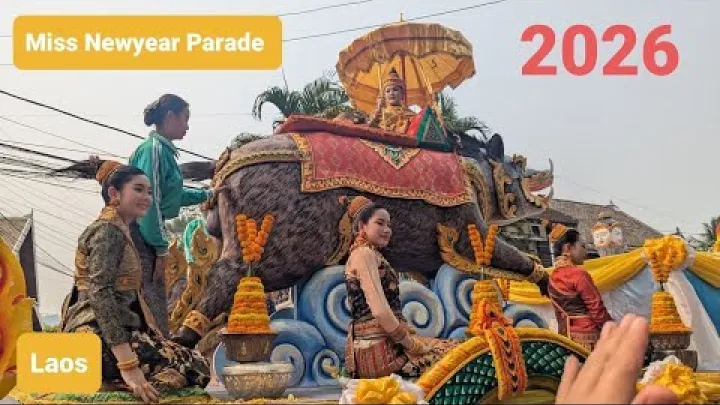
May is mixed. Rain becomes more regular, humidity remains high, and the first wet-season changes may gradually refresh the landscape. Rain may improve visibility in some periods, but it does not reliably remove heat or haze in every year. Kuang Si Falls can begin to gain flow as rainfall returns, after the lower-flow tendency of the late dry season.
June and July: Green Scenery with Manageable Showers
June and July offer a useful wet-season compromise. Conditions are warm and humid, and showers are common, but there can also be usable dry intervals. Plan city sightseeing with a flexible rhythm: choose a morning walk, temple visit, or cycling route when conditions are comfortable, then leave room for a café, museum, or rest period if rain arrives.
The visual reward is substantial. Hills around the city look greener, and Kuang Si Falls may be more dramatic than in the late dry season. Crowds can be lighter than in the peak cool season. However, trails, rural roads, and river activities remain more weather-dependent, so green scenery should be balanced against less predictable logistics.
August and September: Wettest Months and Strongest Greenery
August and September are the months most likely to bring the heaviest rain, high humidity, and extensive cloud cover. They also produce some of the strongest green landscapes of the year. For photography, quieter streets, and a tropical atmosphere, this can be an attractive combination.
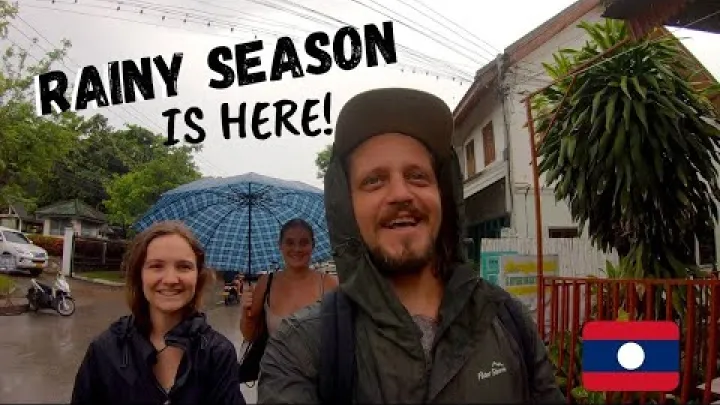
For travelers whose priority is a predictable sequence of river excursions, countryside drives, and outdoor hikes, these months require more caution. Heavy rain can affect trails, riverbank areas, rural access, and the practicality of day trips. During August and September, monitor current rain and flood advisories and keep indoor alternatives available. Consider these months if lush scenery and lower demand are your priorities; reconsider them if missed outdoor activities would seriously affect your trip.
October: Greener Landscapes and Improving Conditions
October is often one of the most appealing shoulder months. Rainfall usually declines from the peak monsoon period, while landscapes remain green and waterfalls may still have strong flow. Visitor numbers can be lower than in November, and accommodation may be easier to find.
Conditions remain variable, particularly earlier in the month. Humidity and showers can still interrupt plans, so October is not a dry-season substitute. Compared with November, choose October for greener scenery and potentially fewer visitors; choose November for more reliable dry-weather sightseeing. Check conditions close to your travel dates.
The Best Time to Visit by Travel Style
The right dates depend on what you want to do each day. Comfort, scenery, crowd levels, and operational reliability do not always align in the same month.
Culture, Temples, and Walking
November to February is best for travelers focused on culture, temples, markets, and walking. Cooler conditions make it easier to explore Luang Prabang old town, visit temples respectfully, spend time at cafés, walk riverfront areas, and climb Mount Phousi without the strongest heat or regular rain.
Wear clothing that covers shoulders and knees when visiting temples, and bring a light layer for cool-season mornings. Holiday crowds can change the pace of the town and affect accommodation availability, even though they do not make cultural sightseeing impossible.
June, July, and October can still suit culture-focused travelers because many old-town activities are easy to rearrange around showers. If walking comfort is your main concern, however, the cooler dry season remains the simpler choice; if quiet streets matter more, accept that a wet-weather backup may be needed.
Mekong Cruises and River Activities
November to January is the clearest seasonal fit for Mekong River travel, combining comfortable weather and generally better visibility for time on the water. It can work well for visits toward Pak Ou Caves or for enjoying the Mekong and Nam Khan riverfronts.
Seasonal suitability is not a guarantee of navigability or a particular departure. Lower water can affect the character of the river in the hot dry season, while heavy monsoon rain can bring higher water and stronger currents. Confirm river and rural excursion conditions with the operator or local provider on the day before departure.
Build some flexibility around a river outing rather than placing it immediately before an important onward connection. If conditions change, a spare half-day in the old town is easier to use than trying to replace a missed boat trip at short notice.
Hiking, Cycling, Waterfalls, and Photography
For the best balance of comfort and reliability for hiking, cycling, and hill excursions, choose November to February. These months are usually easier for active days and for moving between the city and nearby sites. March to May is less comfortable for sustained activity because of heat and possible haze.
For scenery, June to July and October are attractive alternatives. They can bring greener hills and fuller waterfalls, including at Kuang Si Falls, but rainfall makes access and trail conditions less certain. August and September may provide the most dramatic green landscapes, but they offer the lowest reliability for outdoor logistics. For photography, treat clear views, waterfall flow, cloud, and haze as changing conditions rather than guarantees.
Budget Travel and Fewer Crowds
The wet season and shoulder months may offer lower demand and a quieter atmosphere than the cool-season peak. June and July can be a balanced choice for travelers who want greenery without choosing the likely rainfall peak. August and September may offer the quietest feel, but also the highest chance that rain changes an outdoor itinerary. October can be a middle option as conditions improve.
March to May may also feel less crowded than December and January, but lower demand comes with heat and possible air-quality disadvantages. Prices vary by property, holiday period, and booking time, so lower crowds should not be treated as a guarantee of low rates. Choose a lower-demand season only when your plans can tolerate weather changes.
Practical Weather Planning for a Luang Prabang City Stay
Good preparation makes every season easier. Pack for the climate you expect, but leave room for daily variation between riverside mornings, warm afternoons, temple visits, and day trips outside the center.
What to Pack and How to Plan Each Day
Bring light, breathable clothing for warm and humid weather, comfortable walking shoes, sun protection, and modest clothing for temples. A light layer is useful from November through February for early mornings and evenings. In the green season, add compact rain protection and footwear that can handle wet streets and muddy ground.
Plan longer outdoor activities for the most comfortable part of the day rather than assuming one weather pattern will apply throughout the rainy season. Keep one indoor or low-effort alternative available, such as a café break, museum visit, or unhurried time in the old town, if heat or rain makes an excursion less appealing.
For temple visits, choose clothing that is cool enough for warm afternoons but provides respectful coverage of shoulders and knees. A small bag for a rain layer, water, sunscreen, and a phone or camera cover is useful when moving between the old town, Mount Phousi, and the rivers. Comfortable footwear matters more than specialized hiking equipment for most city sightseeing, but day trips may involve uneven or wet ground.
Climate Averages Versus Live Forecasts
Climate averages explain what a month is usually like over many years. A live forecast helps with your actual travel dates. Use averages to choose the season, then check a short-range forecast shortly before departure and again during your stay.
This distinction matters most during heavy-rain periods, heat waves, smoke episodes, and river-related travel. Check a current short-range forecast for exact travel dates instead of treating climate averages as a prediction. Forecasts are useful for near-term decisions, but they cannot remove all uncertainty from tropical weather.
Planning for Rain, River Conditions, and Excursion Changes
Heavy rain can change the practicality of a waterfall visit, rural drive, trail, or river excursion even when Luang Prabang itself remains pleasant enough for city sightseeing. Leave buffer time around day trips, especially in the wettest months, and avoid building a tightly connected schedule that depends on several outdoor activities running at exact times.
Before leaving for the Mekong, Pak Ou Caves, Kuang Si Falls, or rural routes, ask local operators or accommodation staff about current conditions. They can provide the most relevant information on rain, muddy access, river conditions, and whether a planned excursion is operating normally. Temporary disruption is possible in severe weather, so keep the day adaptable.
A useful approach is to place the most weather-sensitive excursion earlier in a multi-day stay, leaving another day for a second attempt if conditions are poor. This does not guarantee access, but it reduces the chance that one storm changes the entire itinerary. Follow local advice if an operator recommends postponing a river, trail, or rural trip.
Final Recommendation for Choosing Your Dates
For most visitors, choose November through February, with November to January offering the strongest blend of dry weather, comfortable sightseeing, and outdoor access. Choose October or June to July if lush scenery and fewer visitors matter more than predictability. Choose March to May mainly for Lao New Year or dry-season timing if you are comfortable with heat and possible haze, and choose August to September only when green landscapes, quiet, and flexibility are central to your trip.
Once you have selected a month, use a current forecast to shape your daily plans. That simple combination of seasonal expectations and live local conditions is the best way to enjoy Luang Prabang at its best.
Select area
Create a post
Posting is free and no registration is required.