Vang Vieng Where to Stay: Best Areas and Bases
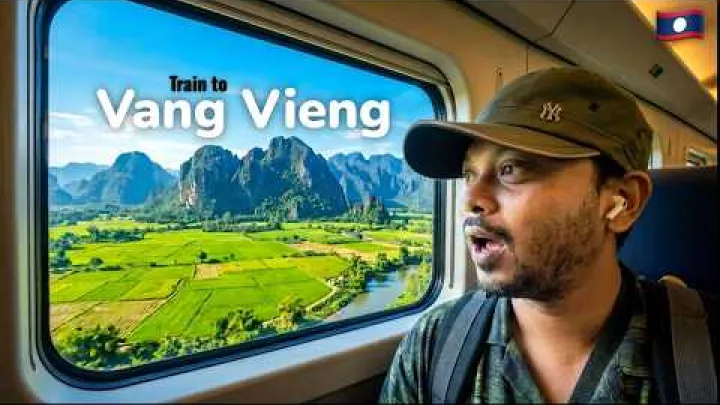
Choosing where to stay in Vang Vieng can shape the whole trip. The town is compact, but the experience changes between the lively central streets, the greener area around 13 North Road and the old airfield, the Nam Song River, and quieter properties on the fringes. This guide compares those bases by walkability, noise, scenery, accommodation type, and daily convenience. It also explains how to screen a property when arriving by road or rail, traveling alone, or planning river activities.
Vang Vieng Where to Stay: The Short Answer
For most first-time visitors, the best balance is a central-but-quiet property near 13 North Road and the old airfield. This position can keep restaurants, tour services, and the night market within practical reach while avoiding the busiest concentration of hostel bars. Choose the town center if you want the shortest walk to food and social life, the riverside if scenery and a resort feel matter most, and a garden or countryside stay if quiet is more important than walking everywhere.
The Best Default Base for Most First-Time Visitors
A near-central base around 13 North Road and the old airfield is a practical default for many visitors. It can offer a useful middle ground: closer to restaurants, shops, tour agencies, and evening activity than a remote resort, but generally less exposed to the noise and foot traffic of the most social central streets. It also gives you a convenient starting point for arranging caves, viewpoints, lagoons, and river activities.
This is a base-selection recommendation, not a claim that one hotel is best for every traveler. The exact map pin matters more than the broad area name. Look for a property with an easy walk to meals and the night market, a route you are comfortable using after dinner, and a pickup point that tour providers can reach without confusion. If you are staying only one or two nights, this location can reduce the need to arrange transport for every small errand.
| Your priority | Best base | Main tradeoff |
|---|---|---|
| Food, tours, and social life | Town center | More noise |
| Convenience with quieter nights | 13 North Road and old airfield | Walking distance varies |
| Views and resort atmosphere | Riverside or Ban Viengkeo | Less central for some properties |
| Privacy and outdoor space | Garden or countryside fringes | Greater transport dependence |
When a Different Area Is Better
Choose the town center when your priority is low-friction travel. It is the easiest place to find a meal, compare activity options, meet other travelers, and return to your room without planning transport. It is particularly practical for a short visit, a road arrival, or a trip built around hostels and shared activities.
Choose the riverside when waking up to the Nam Song River and limestone scenery matters more than having every restaurant outside the door. Riverside properties can suit travelers seeking terraces, pools, gardens, or a slower pace. Garden and countryside properties are better for people who want space, privacy, and a rural setting, provided they accept that dining and evening movement may require a bicycle, motorbike, tuk-tuk, or property-arranged transport.
The Vang Vieng railway station is best treated as an arrival point rather than an accommodation district by default. A property near the station is not automatically more useful than one near town services. Unless current transport arrangements and nearby lodging make a station-side stay clearly practical, most visitors will find that staying closer to the town experience is easier.
Compare the Main Areas of Vang Vieng
Vang Vieng sits beside the Nam Song River and is framed by striking limestone mountains, a setting that helps explain its appeal for outdoor travel and scenic stays. As described by Adventures of Jellie, the destination combines a river setting with an adventure-oriented visitor scene. The important choice is whether you want to be in the middle of that activity, close to it, or deliberately outside it.
Town Center and Night Market
The town center is the most convenient area for restaurants, small shops, tour agencies, budget rooms, and the night market. It is a strong choice for visitors who want to walk to breakfast, book an activity at short notice, and have several dinner options after returning from a day trip. Backpackers and solo travelers often prefer this part of town because it makes meeting people and joining communal activities easier.

The tradeoff is more evening movement, music, and social accommodation. A room on a quiet side lane may feel very different from one facing a busy venue, even if both are described as central. Do not assume that every central property is a party hotel, but read recent comments about music, street noise, thin walls, and room orientation. A private room at the edge of the central area can be a better sleep choice than a dorm beside nightlife.
For a brief stay, the center can be especially efficient because it puts daily needs close together. Use the exact map pin rather than a broad “city center” label. Check the route from the property to the night market, the nearest food area, and the likely meeting point for tours. This helps distinguish a genuinely walkable location from one that is central only in marketing language.
13 North Road and the Old Airfield Corridor
The 13 North Road and old airfield corridor is a useful compromise for travelers who want central access without choosing the busiest hostel streets. It can feel greener and more residential than the core while remaining close enough for meals, small errands, and evening browsing. It works well for first-time visitors, couples, and anyone who values a quieter room after a day outdoors.

Sansan Resort is one location example rather than a universal recommendation. Its current listing describes a quiet garden setting and places it across the old airfield from the main street and night market; see Booking.com. That description illustrates the corridor’s central tradeoff: close access with a less dense setting. It does not mean every nearby property has the same route, noise level, or facilities.
Before booking, test the location on a current map. Measure the route to food, the night market, the river, and the place where a driver could collect you for a tour. Ask the property which entrance guests use after dark, especially if the route crosses open ground near the old airfield. Lighting, surface conditions, and the feel of smaller lanes can vary by property.
The Riverside and Ban Viengkeo
Staying by the Nam Song River or around Ban Viengkeo suits travelers who put landscape at the center of the trip. River-facing terraces, limestone mountain views, pools, and larger grounds can create a more restorative atmosphere than a room in the central grid. This category often appeals to couples, families, and travelers adding a relaxation-focused stop to a Laos itinerary.

Riverside Boutique Resort is an example of the higher-comfort end of this setting. The Michelin Guide describes it as a 34-room retreat with dramatic views of nearby limestone mountains. Use that as an illustration of the riverside experience rather than a ranking. A room advertised as having river or mountain views is not necessarily on the riverbank, and a riverfront property may still be a substantial walk from central dining.
Expect scenic properties to vary in price, room layout, road access, and ease of walking into town. Confirm whether the route is one you would enjoy after dinner and whether the property’s restaurant is open during your dates. If a stay includes or promotes river activities, ask what is actually arranged and what equipment is provided; direct access to natural water is not proof of supervised conditions.
Garden Resorts and Countryside Fringes
Garden resorts and countryside stays suit visitors who prioritize quiet, pools, private balconies, rural views, and space between rooms. Some are only a short ride from town, while others feel much more removed, so “outside the center” is not a precise measure of inconvenience.
The practical tradeoff is reliance on transport. You may need to arrange a ride for dinner, tour pickup, cash needs, or a late return. This can be worthwhile if the property has food service and you want a slower rhythm, but it is less suitable if you plan to walk out frequently or change plans at the last minute. A quiet garden stay is best for relaxation and less convenient for late-night dining.
Compare properties individually by checking the approach road, mobile connection, reception hours, and available transport. Ask whether bicycles, motorbikes, or rides can be arranged and whether the route is usable with luggage. Remote lodging also deserves more advance planning for practical support than a central hotel.
Choose Accommodation by Type, Budget, and Length of Stay
In Vang Vieng, accommodation type can matter as much as area. A simple private guesthouse room may offer better sleep and privacy than a busy dorm, while a resort can provide a more complete stay but reduce spontaneous access to town. Compare what is included, not only the headline rate.
Hostels and Budget Guesthouses
Hostels and budget guesthouses are practical choices for low-cost trips, solo travelers, and people who want easy social contact. Dormitories offer the lowest entry cost and a built-in social environment. Private rooms in hostels preserve access to common spaces while giving you a door to close at night. Small guesthouses can suit travelers who want a basic private room without a party-focused setting.
Live listings are more useful than old price guides because room rates, dorm availability, and facilities change. Hostelworld provides current hostel listings and guest reviews for comparing room types, facilities, and recent guest experience. Do not select a property solely because it has the lowest displayed price; the cheapest option may be a bed in a busy room, without air conditioning, or far from your preferred area.
Check whether lockers are large enough for your bag, whether you need your own lock, and whether rooms have working door and window locks. Read comments on cleanliness, bathroom queues, air conditioning, and quiet hours. Also check whether the property promotes late-night events. Social atmosphere and sleep quality are separate decisions: a calm hostel with a communal area may suit you better than the loudest option in town.
Mid-Range Hotels and Boutique Properties
Mid-range hotels and boutique properties are often the balanced choice for visitors who want a private room, more predictable facilities, and a calmer base. Useful comparison points include air conditioning, breakfast, Wi-Fi, a pool or garden, reception coverage, laundry, and the actual distance to meals and activities.
At similar live rates, a near-central hotel may provide better everyday access, while a riverside boutique property may provide better views and a stronger sense of retreat. Neither is automatically better. A short sightseeing trip often benefits from location, whereas a longer stay may make a pool, outdoor seating, or on-site restaurant more valuable. Review the current listing for availability and facilities for your exact dates.
When comparing options, write down the total cost and details that affect the trip: breakfast, taxes, transfers, pool access, and cancellation flexibility. Then compare recent comments on service, road access, water pressure, Wi-Fi, and noise. This is more dependable than broad labels such as “comfortable” or “convenient.”
Resorts, Riverside Bungalows, and Nature Stays
A full-service resort, a simple riverside bungalow, and a countryside garden stay can all look scenic online, but they provide different experiences. Resorts usually aim to provide more facilities, such as a restaurant, pool, reception support, and larger grounds. Riverside bungalows may offer a more direct sense of place and privacy but simpler amenities. Garden retreats emphasize greenery and space, with convenience depending on location and transport.
| Stay type | Best for | Check closely |
|---|---|---|
| Resort | Facilities and relaxation | Town access and included services |
| Riverside bungalow | Views and atmosphere | Room standards and dining options |
| Garden retreat | Quiet and privacy | Transport and road access |
Choose this category if landscape and downtime are worth accepting less central convenience. Do not assume that a riverbank is suitable for swimming or that an activity arrangement is supervised. Ask any operator whether properly fitted flotation equipment is supplied before departure, and avoid natural-water activities after drinking alcohol or without appropriate equipment.
Private Rooms, Guesthouses, and Longer Stays
For a longer visit, a private room in a guesthouse can be better value than changing accommodation repeatedly. However, it should not be confused with a serviced apartment. A private room may have a bed, bathroom, and perhaps a balcony, while an apartment-style stay usually implies more independent living space, kitchen facilities, and clearer arrangements for cleaning and utilities.
Before committing to a longer stay, ask about kitchen access, laundry, Wi-Fi reliability, workspace, cleaning frequency, and a suitable place to take calls. If a monthly or extended rate is offered, confirm whether it includes electricity, water, breakfast, transport, and any deposit. Also ask how payment is handled and what flexibility exists if plans change.
Smaller properties may have limited online information or change arrangements seasonally. A brief direct conversation can reveal whether the room suits working, resting, or staying for a longer period. For many travelers, a near-central guesthouse is the easiest long-stay compromise because it keeps basic services and dining close.
Choose the Best Base for Your Travel Style
The right Vang Vieng accommodation depends less on labels such as backpacker, couple, or family and more on how you expect to spend each day. Decide whether you value spontaneous movement, social contact, quiet sleep, outdoor space, or scenic surroundings most. Then choose the area and property type that supports that priority.
First-Time Visitors and General Sightseeing
First-time visitors should normally choose the central or near-central corridor, particularly around 13 North Road and the old airfield. This base makes it easier to orient yourself, find meals, compare tour options, and return between activities without treating every movement as a transport decision. It also leaves room for flexibility if weather, energy levels, or activity plans change.
For one or two nights, prioritize the town center or a nearby quiet property because convenience has greater value on a short schedule. With three or more nights, a riverside or garden stay becomes more appealing if you want a slower day built around scenery. Select the town center for maximum access, or the riverside for a more restorative setting with stronger views.
Backpackers and Nightlife-Oriented Travelers
Central hostels suit backpackers who want dorm prices, common rooms, bars, and easy contact with other travelers. Staying in the center makes joining a group dinner, meeting people for an activity, or returning without arranging a ride easier.
Accept the tradeoffs: shared facilities, possible late noise, and an alcohol-centered atmosphere at some properties. Review recent comments for noise, lockers, staff response, and the property’s approach to parties. Travelers who want company but also want sleep should consider a calmer central hostel, a private hostel room, or a guesthouse within walking distance of the social streets rather than directly on them.
Keep nightlife and river activities separate. Being near bars does not make a water activity appropriate after drinking. Plan river time for when you are rested and able to make sound decisions about equipment and conditions.
Couples, Families, and Comfort-Seeking Travelers
Couples, families, and travelers seeking more comfort often benefit from boutique hotels, garden resorts, and selected riverside properties. Private space, breakfast, pools, gardens, and quieter evenings can make a difference after hiking, cycling, or traveling onward. The central corridor emphasizes access; the riverside emphasizes scenery and a more self-contained retreat.
Families should examine practical details rather than assuming that a pool or large garden means a property is suitable. Confirm room configuration, extra-bed policy, stairs, pool conditions, restaurant hours, and transport arrangements. Couples should distinguish a genuinely quiet setting from a river-adjacent property that remains close to late-night venues.
If dining choice and simple logistics are the priority, choose a near-central boutique hotel. If the stay itself is a major part of the holiday, a riverside or garden resort may justify the additional distance. Choose the option whose facilities match your daily routine, not the one with the most dramatic photographs.
Solo Travelers and Safety-Conscious Visitors
Solo travelers who value straightforward logistics should favor central or near-central properties with staffed reception, recent guest feedback, secure storage, and an uncomplicated route to food and transport. A social hostel can make joining group activities easier, while a private room in a guesthouse or boutique hotel can offer better sleep and privacy.
Use a property-screening approach rather than assumptions about a neighborhood. Look for recent reviews mentioning staff availability, access after dark, room locks, and how problems are handled. Be more cautious about remote properties with little current information, especially if you expect to return late or rely on the property for transport. Accommodation features can reduce inconvenience but do not guarantee personal safety; consult current official travel advice and local conditions separately.
Check Access, Walkability, and Safety Before Booking
A good Vang Vieng base is not only about views or room quality. It should work with your arrival time, luggage, evening plans, and confidence using the route around the property. Check the exact location early, then ask focused questions that the property can answer clearly.
Arriving by Road or Railway
Road and railway arrivals create different last-mile needs. Travelers arriving by bus or minivan may value a property that is easy to reach from the usual town drop-off area. Rail passengers may need a transfer from Vang Vieng railway station before reaching the main town. Late arrivals, heavy luggage, and a first visit make a confirmed transfer more valuable.
Contact the property to confirm pickup or drop-off, the likely transfer cost, the payment method, and the latest arrival hour it can handle. Ask where the driver will meet you and whether luggage can be carried directly to the room. Do not rely on fixed online times or fares, as these can change with transport availability and arrival conditions.
For a bus or minivan arrival, choose a central or near-central property if you want to settle in and walk to dinner. For a railway arrival, establish the current transfer plan first, then choose accommodation based on the town experience you want rather than presumed station convenience. For a late arrival, prioritize a staffed property that confirms pickup and check-in in writing.
Night Walking, River Access, and Daily Movement
Active central streets usually offer more people, businesses, and clear landmarks in the evening, while riverside lanes, open areas, and rural roads can be quieter and less direct. Examine your return route on a current map, read recent comments about lighting and access, and ask whether the property can arrange transport after dark if needed.
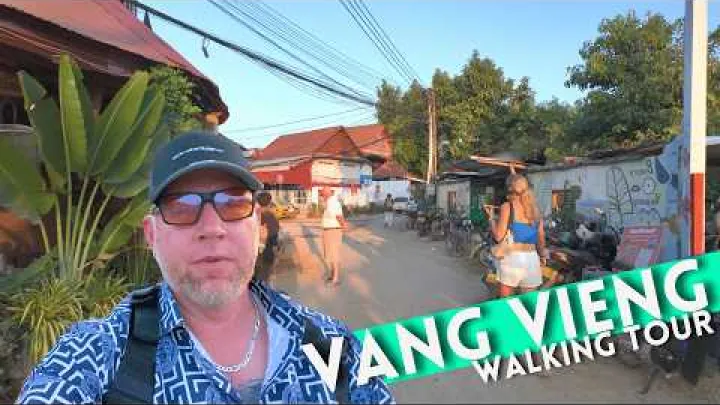
Riverside scenery is a real advantage, but weigh it against the route back to the property and the nature of unsupervised water environments. If you plan kayaking, tubing, or another river activity, use an operator you have assessed carefully, confirm that properly fitted flotation equipment is available, and do not enter natural water while impaired. Keep this decision separate from where you sleep.
For ordinary daily movement, identify a nearby food option, cash point or essential shop, tour meeting location, and transport contact. This planning is especially useful if you stay beyond the most active streets or return tired after a full day outdoors.
Room Security, Medical Access, and Remote Lodging
Before paying for a room, check working door and window locks, a secure place for valuables, reception coverage, and instructions for late arrivals. Recent reviews can help reveal whether advertised features are functioning in practice.
Remote countryside accommodation requires more planning than a central base if you need a pharmacy, clinic, transport, or urgent assistance. Ask the property how it handles urgent transport, what access is like after dark, and which currently operating medical facility is nearest. For a remote stay, save the address or map pin offline and confirm how to reach staff outside normal reception hours.
Use a Practical Booking Checklist
Once you have narrowed the area and accommodation type, use recent evidence and direct questions to make the final choice. This is more reliable than relying on a single rating, polished photographs, or a broad neighborhood label.
Compare Recent Reviews with the Exact Map Location
Read the newest reviews first and look for repeated patterns involving noise, cleanliness, water pressure, Wi-Fi, staff availability, access roads, and differences between photographs and current conditions. One unusually positive or negative review is not enough to define a property, but a repeated issue deserves attention.
Use a three-step method: check the review date, identify themes repeated by several guests, then ask the property about issues that would affect your trip most. A clear, specific reply is more useful than a vague reassurance. Always compare reviews with the exact map pin because “riverside,” “city center,” or “near the station” can describe a broad zone rather than the door you will use each day.
Verify Price, Amenities, and Cancellation Terms Before Paying
Accommodation prices and availability change by date, season, room type, and booking channel. Use live rates for your dates rather than static estimates. Compare the final total and check whether taxes, breakfast, air conditioning, pool access, Wi-Fi, laundry, transfers, and extra guests are included.
Confirm the accepted payment method, deposit, cancellation terms, reception hours, and whether a card is accepted or cash is required. Save the booking confirmation, the property’s direct contact details, and any transfer agreement.
- Check the exact map pin and likely walking route.
- Read recent reviews for repeated concerns.
- Confirm room type, locks, air conditioning, and included amenities.
- Confirm pickup or arrival arrangements when needed.
- Check the final total, payment method, and cancellation rules before paying.
Make Your Final Vang Vieng Base Choice
For a first visit, choose a central-but-quiet stay near 13 North Road and the old airfield if you want the most balanced Vang Vieng base. Choose the town center for maximum convenience and social energy, the Nam Song River or Ban Viengkeo for scenery and resort comfort, and the countryside fringes for quiet space with more transport planning. Then select the individual property by its exact location, recent guest experience, room security, arrival arrangements, and total booking terms.
The best place to stay is the one that supports how you will actually spend your days. A well-located simple guesthouse can be better than a distant resort on a short active trip, while a scenic riverside stay can be better when rest and landscape are the purpose of the visit.
Select area
Create a post
Posting is free and no registration is required.