Vang Vieng Travel Guide: A Practical First-Trip Plan

Vang Vieng is a compact Central Laos destination where the Nam Song River, limestone mountains, caves, and rural roads shape almost every day of a visit. It can be an active break between Vientiane and Luang Prabang, but it also rewards travelers who slow down for river views, cafés, and countryside scenery. This Vang Vieng travel guide explains when to go, how to arrive, where to stay, how to organize activities, and how to make careful decisions around weather and outdoor adventure. Plan the essential logistics first, then leave room for the conditions you find on the day.
Understand Vang Vieng Before You Go
Vang Vieng is small enough to feel manageable, yet its best-known natural places are spread beyond the center. Understanding the layout helps you decide how long to stay and whether the destination suits your preferred pace.
Where Vang Vieng Fits in a Laos Itinerary
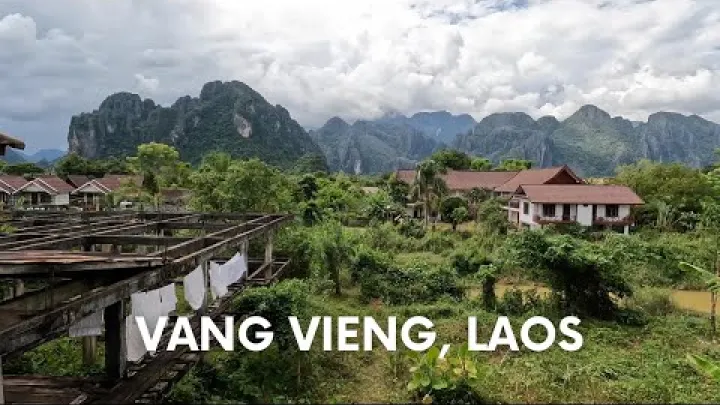
Vang Vieng is a town in Vientiane Province, in central Laos, positioned on the route between Vientiane and Luang Prabang. The Nam Song River runs alongside the town, while the surrounding karst landscape provides the steep limestone views that define the area. Its long-standing appeal to travelers interested in outdoor activities is reflected in broad destination background from Vang Vieng.
For many first-time visitors, two nights is the practical minimum: one arrival and orientation day, plus one countryside day. Stay three or four nights if you want time for a cave, lagoon, viewpoint, river activity, climbing, or a weather buffer without rushing. If your route is limited and you are not interested in scenery or outdoor time, a brief stop may be enough. Otherwise, treat Vang Vieng as a destination rather than only a break in the journey north or south.
What Kind of Trip Vang Vieng Suits
Vang Vieng combines several travel styles. You can have a social, low-cost stay around the town center; a quiet riverside break; a family-oriented day of easy sightseeing; or an activity-focused visit built around caves, kayaking, climbing, and viewpoints. The central streets have restaurants, cafés, tour desks, small shops, and evening activity. A short distance away, the setting becomes more rural, with fields, unpaved lanes, bridges, and mountain views.
Solo travelers and backpackers often value the ease of arranging shared transport and meeting people in town. Couples and travelers seeking calm may prefer a riverside or outer-area base. Families can focus on gentler sightseeing and accommodation with space or a pool, rather than treating every lagoon or climb as essential. The older party-town image is incomplete: nightlife remains part of the center, but it is possible to build a quieter trip around scenery, food, and daytime exploration.
Choose the Best Time to Visit Vang Vieng
Season affects more than comfort. It changes the reliability of rural roads, the character of the river, the difficulty of climbs, and how much flexibility you need in an itinerary.
Dry-Season Planning
November through April is commonly treated as the broad dry season. November to February is often the more comfortable part of that period for walking, viewpoints, and full sightseeing days. Drier conditions can make rural outings easier to organize, and clearer skies may improve distant views from elevated places.
The trade-off is demand. Popular rooms, transport departures, and activity slots can be more difficult to arrange at short notice, especially around holidays. Reserve accommodation that matters to you and make key transport plans earlier, while keeping in mind that a dry-season label does not guarantee a cloud-free day or ideal river conditions.
Wet-Season Conditions and Flexible Planning
May through October is generally wetter. Rain can change river flow, make unpaved tracks muddy, leave rock and steps slippery, and affect access to some caves or viewpoints. The landscape can look especially green, and waterfalls may be stronger, but a planned outdoor day may need to become a town day.
Check the day’s forecast and ask locally about river, road, and site conditions before leaving town. Keep wet-season plans flexible: choose an outing with an easy alternative, start earlier when conditions allow, and do not assume tubing, swimming, steep climbs, or rural motorbike routes will be appropriate after heavy rain. Broad seasonal guidance from Asia Eyes Travel is useful for initial planning, but current local conditions should decide the day’s activity.
Match the Season to Your Travel Style
| Priority | Usually easier period | Planning focus |
|---|---|---|
| Hiking and viewpoints | Cooler, drier months | Start early and carry water |
| Scenery and quiet time | Any season | Allow a weather buffer |
| Swimming and slow days | Hotter months | Manage heat and assess water safely |
| Green landscapes | Wetter months | Expect changing access |
There is no single best month for every traveler. Choose cooler, drier conditions if your priority is physical activity and dependable movement around the valley. Choose a hotter period if you are comfortable slowing down around midday. Wet-season visitors should build an itinerary with cafés, town walks, and movable outdoor plans rather than booking every day around one weather-sensitive experience.
Plan Transport to and Around Vang Vieng
Getting to Vang Vieng is usually straightforward in concept, but the details matter: departure point, ticket rules, arrival transfer, luggage, and onward connections can all change the practical choice.
Taking the Laos–China Railway
The Laos–China Railway is often the most time-efficient way to connect Vang Vieng with Vientiane or Luang Prabang. It is particularly useful for travelers who prefer a predictable rail journey over a longer road trip. Vang Vieng railway station is outside the main town, so include a tuk-tuk, shared vehicle, or pre-arranged transfer in your arrival plan rather than assuming you can walk to your accommodation.
Before committing to rail, confirm the current timetable, ticket-release process, identity and passport requirements, baggage rules, payment method, and transfer options from the station. A destination-specific Vang Vieng transport guide can help with orientation, but schedules and ticket procedures should always be checked directly close to travel.
Compare Buses, Vans, and Route 13
Buses and vans can offer more departure choices and may suit travelers whose accommodation or onward route is easier to reach by road. Route 13 is the main road anchor for journeys through this part of Laos. Road transport can be useful when rail tickets are unavailable, but advertised journey times depend on vehicle type, stops, traffic, weather, and operational changes.
Rail generally favors speed and a more fixed journey; road transport may favor flexibility and direct pickup arrangements. Neither is automatically best for every day. If you have a flight, a tour, or an international connection after Vang Vieng, leave a generous buffer instead of relying on the shortest advertised travel time.
Walking, Bicycles, Tuk-Tuks, and Motorbikes
The central town area is walkable for meals, shops, the night market area, and the main bridge. Bicycles can work for short, level rides in fair weather. Tuk-tuks, shared songthaews, private drivers, and organized tours are more practical for distant lagoons, caves, viewpoints, and village roads. A tour can be a sensible choice when you want transport, local route knowledge, and a fixed return arrangement in one booking.
Motorbikes provide independence but are not a safe default for an inexperienced rider. Distances outside town, loose surfaces, rain, traffic, and unfamiliar routes add risk. Do not rent or ride a motorbike unless you hold the required licence and your insurance covers it. Ask your insurer what it requires, check current local requirements, inspect the vehicle, and choose another transport method if any part of the plan is uncertain.
Confirm Tickets, Transfers, and Local Conditions
Use this checklist before leaving Vientiane, Luang Prabang, or another Laos destination:
- Confirm the exact railway station, bus point, or pickup location.
- Check that the name on the ticket matches your travel document.
- Know the luggage rules and payment method before departure.
- Save your accommodation address and contact details offline.
- Arrange or price the station-to-town transfer before arrival.
- Keep time for rain, holidays, weekends, or delayed departures.
- Confirm your next transport leg locally instead of relying only on an old online listing.
Transport plans are strongest when the arrival transfer is settled and the next major connection is not booked too tightly.
Choose the Best Area to Stay in Vang Vieng
Where you sleep affects your evenings, transport costs, and the ease of organizing activities. Check the property’s map location rather than relying only on labels such as “riverside” or “near town.”
Town Center Near the Night Market
The town center near the night market is the most convenient base for restaurants, cafés, travel agencies, shops, and easy walks toward the main bridge and riverside. It suits short stays, solo travelers, backpackers, and anyone who wants to organize tours or transport with minimal effort. It also makes it easier to find dinner after returning from a countryside outing.
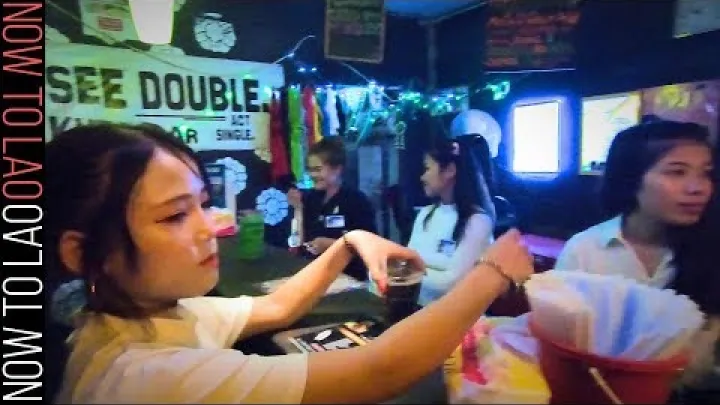
Convenience can mean more sound from bars, traffic, construction, and other guests. Noise varies sharply between properties and even between rooms, so read recent reviews, ask for a quiet room where possible, and check whether the room faces a street, bar, or internal garden.
Riverside Stays on the Town Side
Riverside accommodation on the town side can offer balconies, sunset views, and a less enclosed feeling while remaining relatively close to dining and services. It is a good middle option for travelers who want visual calm but do not want to depend on rides for every meal. Compare the actual walking route to the center, the nearest bridge, and the pickup point for planned tours.
A river view is not the same as direct or safe river access. Choose the property for its location and atmosphere, not as a promise of a place to enter the water. Room price, breakfast, air conditioning, and the distance to town can vary more than the word “riverside” suggests.
Across the River and in the Outskirts
Across-river and outer-area stays may offer gardens, bungalows, open mountain views, and quieter evenings. They can suit couples, families, light sleepers, and travelers staying long enough to enjoy a slower rhythm. The compromise is practical: meal choices may be farther away, late-night returns may need a ride, and a missed transfer can be more inconvenient than in the center.
Before booking, confirm the exact map pin, bridge access, arrival transfer, breakfast availability, and whether the property can help arrange transport. Do not assume an outer location is completely silent; local activity, roads, and occasional aircraft or adventure-related noise can differ by site and day.
Match Your Base to Your Travel Priorities
| Base | Best for | Main compromise |
|---|---|---|
| Town center | Short stays and social travel | Potential noise |
| Town-side riverside | Views with convenience | May cost more |
| Across river or outskirts | Space and slower stays | More transport planning |
For any base, check recent comments on noise, air conditioning, Wi-Fi, breakfast, pool access, transfer support, and cancellation terms. A central location is usually the simplest choice for one or two nights. An outer base is more rewarding when you have time to use it rather than simply sleeping there between activities.
Build Your Vang Vieng Activities and Itinerary
The most efficient Vang Vieng itinerary follows geography. Group nearby places, account for travel time, and avoid treating every outdoor attraction as a quick stop.
Use the Nam Song and Karst Valley as Your Planning Map
Use the Nam Song River and surrounding limestone peaks as your basic orientation. The town provides cafés, food, evening walks, and booking services. Roads leading into the valley connect visitors with lagoons, caves, viewpoints, villages, and activity meeting points. A river-focused day, a countryside sightseeing day, and a quiet town day have different transport and energy needs.
Do not cross the valley repeatedly just to collect attractions. Pick one direction or cluster for a half-day or full-day outing, add a meal or rest stop, and return before dark. This approach reduces rushed decisions and leaves more time for the scenery that makes Vang Vieng distinctive.
Group Lagoons, Caves, and Viewpoints by Area
The Blue Lagoons, Nam Xay Viewpoint, Tham Chang Cave, and Tham Phu Kham Cave are useful reference points when planning, but they should not be treated as identical experiences. Some visits are centered on water and relaxing, some involve cave exploration, and others require a steep climb. Many travelers combine a lagoon, cave, viewpoint, and a village or meal stop during one countryside outing.
Ask locally about current opening conditions, entry charges, route surfaces, equipment, and the physical demands of the exact places you want to visit. Wear footwear with grip for uneven or wet ground. A viewpoint can be demanding even when it appears close on a map, while caves and water areas may have limited services. Choose fewer stops if the route is wet, hot, or unfamiliar.
Use a Flexible Two- to Four-Day Framework
On day one, arrive, settle in, walk around the night market and river area, obtain cash if needed, and arrange transport or tours. Use this day to judge the weather and avoid committing immediately to a demanding activity after a long journey.

On day two, use the best available weather window for a countryside outing: a lagoon, cave, and viewpoint combination is a practical structure, provided the conditions and your fitness suit it. With a third or fourth day, choose one main extra activity such as kayaking, tubing, climbing, ballooning, or a slower riverside day. Keep a backup block rather than stacking multiple strenuous or water-based activities into one day.
For a wider Vientiane–Vang Vieng–Luang Prabang route, two nights can work if transport aligns. For a relaxed stay, add time rather than trying to turn Vang Vieng into a checklist.
Plan Your Budget, Cash, and Connectivity
Costs are highly variable in Vang Vieng because accommodation standard, season, transport choice, and adventure activities can change a daily total quickly. Build a range rather than a single promised price.
Estimate Accommodation, Food, Transport, and Activity Costs
A dorm-and-local-food traveler can focus spending on a bed, simple meals, water, and shared local transport. A mid-range traveler may choose a private room, a wider choice of restaurants, and a tuk-tuk or tour for countryside access. A comfort or activity-heavy trip can add riverside lodging, private transfers, guided activities, equipment, and premium transport choices.
Separate the categories in your daily plan: accommodation, meals, local rides, attraction entries, tours, equipment, and long-distance transport. Rooms and tours are the most likely to shift with demand, booking channel, exchange rates, and weather. Obtain current prices from accommodation, operators, or ticket offices before setting a final budget, especially in high season.
Use Kip and Prepare for Cash-Heavy Travel
The Lao kip is the practical currency for small meals, tuk-tuks, rural entries, snacks, and many everyday purchases. Cards may work at some larger businesses, but do not depend on them for a day outside town. Foreign currency may be accepted in limited situations, yet it is not a substitute for having enough kip for local spending.
Carry enough kip for rural attraction entries and local rides while keeping cash and your passport secured. Withdraw or exchange money before a countryside excursion, divide larger amounts between secure places, and avoid displaying a large amount of cash when paying. Keep a backup payment card separately from your main wallet.
Arrange Mobile Data and Offline Navigation
A local SIM or dependable mobile-data plan is useful for maps, forecast checks, messaging accommodation, arranging transfers, and confirming tours. Download offline maps before leaving town, save the accommodation address in a shareable format, and pin Vang Vieng railway station as well as key activity meeting points.
Do not assume every hotel or café connection is suitable for remote work, video calls, or large downloads. If connectivity is essential, ask your accommodation about its current service before booking and keep offline copies of tickets, maps, contacts, and important documents.
Stay Safe During Outdoor Activities and Daily Travel
Vang Vieng’s outdoor setting is a reason to visit, but river and adventure activities require active judgment. Treat safety briefings, weather decisions, and personal limits as part of the experience.
Treat River Activities as Weather-Dependent
Tubing, swimming, jumping, diving, rope swings, and similar activities involve hazards including currents, rocks, debris, changing water levels, limited visibility, and unexpected depth. Conditions can change quickly after rain. The essential rule is simple: never combine river activities with alcohol or drugs, and do not let a group’s enthusiasm override your own assessment.
Use a suitable lifejacket when provided or appropriate, participate in daylight, and stop if water conditions or your confidence changes. Skip tubing, swimming, jumping, or river entry when conditions are unsafe. The Laos Travel Advisory provides broader safety context, but conditions at the river and activity sites still need to be assessed locally on the day.
Check Adventure Operators and Equipment
Zip-lines, climbing, kayaking, ballooning, paragliding, and organized countryside tours all involve some level of inherent risk. Before booking, ask who leads the activity, what instruction is included, how equipment is inspected, what happens if weather changes, and how an emergency would be handled. Also check whether the operator’s insurance arrangements match what your own travel insurance requires.
On the day, look at helmets, harnesses, boats, lifejackets, and other protective equipment before using them. A safety briefing should explain the route, signals, restrictions, and what to do if separated from the group. Reviews can help identify patterns, but they do not replace your own judgment. If equipment appears damaged, instructions are unclear, or the operator is pressuring you to continue in unsafe weather, choose not to participate. Conservative official travel advice on outdoor activities is available in the official travel safety advice.
Manage Personal Security and Rural Exploration
Keep passports, phones, wallets, and drinks secure in busy streets and nightlife areas. Use a room safe or another secure arrangement when available, carry only what you need, and avoid accepting open drinks from strangers. These are simple precautions rather than reasons to avoid the town center.
Outside town, avoid isolated trails after dark and stay on marked or established routes. Do not enter restricted areas or wander into remote terrain simply to find a better view. Broader Laos advisories include crime, unrest, and unexploded ordnance concerns in some areas, so ask a trusted local source about routes and follow posted warnings. Keep your accommodation informed when taking a long rural outing, and carry enough water, cash, battery power, and daylight time to return safely.
Complete Your Vang Vieng Pre-Trip Checklist
The final preparation is less about packing every possible item than about removing avoidable friction. Confirm the high-stakes details, then leave enough flexibility for weather and transport changes.
Check Entry, Insurance, and Administrative Requirements
Visa eligibility, permitted stay, passport validity, entry points, and eVisa or visa-on-arrival procedures depend on nationality and can change. Review Laos immigration procedures as a starting point, then confirm the current rules through official Laos immigration or consular channels before booking non-refundable travel. Do not rely on a travel forum or an old itinerary for entry requirements.
Check your insurance policy for exclusions before paying for activities. Some policies exclude motorbike riding without the required licence, river sports, climbing, zip-lines, ballooning, or evacuation from remote areas. Confirm whether medical treatment, emergency transport, equipment-based activities, and trip interruption are covered, and keep the insurer’s emergency contact details offline.
Book the High-Friction Parts First
Prioritize the parts that are hardest to replace at short notice:
- Confirm entry permission and any required documents.
- Secure accommodation if you need a particular area, room type, or cancellation policy.
- Arrange railway or road transport and check the departure point.
- Plan airport connections or onward travel with a generous time buffer.
- Reserve weather-sensitive activities only when the cancellation terms and operator standards are clear.
Direct booking, a reputable local agency, or accommodation-arranged transport can each be practical. Compare what is included, the pickup location, payment conditions, and cancellation terms rather than assuming one channel is always best. Keep at least one flexible block in Vang Vieng for rain, delays, tiredness, or an activity that needs to move.
Pack for Heat, Rain, Water, and Uneven Surfaces
Pack breathable clothing, sun protection, a refillable water bottle or other suitable water capacity, footwear with grip, rain protection, a dry bag, and a small first-aid kit. These items are useful for the heat, sudden rain, wet cave approaches, boat or river days, and uneven rural surfaces around Vang Vieng. Bring a phone power bank if you will spend long hours outside the center.
Keep copies of your passport, insurance details, tickets, emergency contacts, and accommodation address both offline and in a secure backup. Carry enough kip for transport and rural entries, but avoid carrying all your money together. Pack modest clothing for temples or villages and choose activity-specific gear only after checking what the operator provides.
The simplest decision summary is: choose the season for the activities you value most, select a base that matches your need for convenience or quiet, confirm the railway or road connection and station transfer, keep one weather buffer, and make conservative choices around rivers, roads, equipment, and rural routes.
Select area
Create a post
Posting is free and no registration is required.