Vang Vieng Budget: Daily Travel Costs and Price Guide
A Vang Vieng budget can be very low for a traveler who uses dorms, local food, and self-guided outings, but it rises quickly with private rooms, riverfront stays, regular drinks, and premium activities. This guide gives practical planning ranges for budget, mid-range, and comfortable travel in Vang Vieng, Central Laos. It separates per-person costs from shared costs, so solo travelers and couples can estimate their totals more accurately. Prices are planning estimates rather than guarantees: accommodation dates, exchange rates, inclusions, and availability can change the final bill.
Daily Vang Vieng Budget Ranges
Your daily cost depends less on the town itself than on three choices: where you sleep, how you eat, and how many paid activities you add. The ranges below exclude international flights, visa expenses, and long-distance travel before or after Vang Vieng. Keep arrival and departure transport as a separate line in your trip budget, especially for a short stay.
Budget Travel: Dorms, Local Meals, and Low-Cost Activities
A realistic budget travel allowance is about US$15 to US$30 per person per day. This works best for a traveler in a dorm bed or very basic room, eating mostly simple Lao meals and market food, walking around town, and choosing one low-cost attraction rather than an expensive tour. It is a planning range, not a fixed daily price.
| Cost category | Budget planning amount | What it can cover |
|---|---|---|
| Stay | US$3–10 per person | Dorm bed or a shared basic room |
| Food | US$5–10 per person | Local meals, market snacks, basic drinks |
| Local movement | US$0–5 per person | Walking, cycling, or shared short rides |
| Activities | US$2–10 per person | One low-fee site or a simple outing |
| Estimated total | US$15–30 per person | Excludes arrival and departure travel |
Accommodation is the main semi-fixed cost. A dorm is normally charged per bed, while a private room is charged per room. A solo traveler paying for a private room may reach the top of this range even with inexpensive food. Two people sharing a simple private room can reduce their accommodation cost per person. By contrast, frequent tuk-tuk rides, alcohol, café meals, or several paid activities can move a backpacker beyond this tier.
Use this level when you value time outdoors more than hotel facilities. A room with a fan rather than air conditioning, a shared bathroom, or a location slightly outside the busiest streets may be acceptable savings, but it can also mean less privacy, more noise, or less convenient access to the town center.
Mid-Range Travel: Comfortable Rooms and Mixed Dining
For a more comfortable visit, plan roughly US$35 to US$65 per person per day. This usually means a private room with air conditioning, a private bathroom, some café or Western-oriented meals, occasional local transport, and a paid activity day. A recent Laos travel budget example used a Vang Vieng Camellia Hotel rate of about US$26 per night, illustrating the scale of a modest comfortable hotel rather than a universal local average; see Neverending Footsteps.
For a solo traveler, a US$20–40 room is a substantial part of the daily total. For a couple sharing that same room, the room cost becomes about US$10–20 per person before food and activities. Check what the price actually includes: a private bathroom, air conditioning, breakfast, taxes, cancellation terms, and the number of guests permitted in the room can all change the comparison.
An activity-free day can sit near the lower end of this tier: a US$25 room shared by two, US$15–20 of meals per person, and a few small local costs. A day with a motorbike rental, tubing, paid transport to a lagoon, or several restaurant meals can reach the upper end. Hotel listings should not be read as a promise that breakfast, transfers, or attraction tickets are included.
Comfortable Travel: Riverfront Resorts, Restaurants, and Premium Experiences
A comfortable Vang Vieng trip commonly needs about US$80 to US$150 per person per day, with a much higher total possible on a premium activity day. This range suits travelers choosing a riverfront resort or polished boutique stay, restaurant dining, private transfers, and higher-cost experiences. It is a spending style distinct from a backpacker visit, even though both travelers are in the same town.
Riverfront properties near the Nam Song River can raise the accommodation line sharply. One recent listing for Riverside Boutique Resort started at US$124 for one night for two adults, including taxes, for specific August dates. That is approximately US$62 per person if two travelers share the listed room, before meals or excursions. The price and availability should be checked for your own dates through Expedia.
At this level, pools, river views, on-site dining, concierge help, private transport, and premium excursions are often the reason for the higher total. Room rates may still exclude optional extras such as additional beds, selected meals, or event charges. Comfortable travelers should keep international flights, visas, and long-distance rail or bus tickets outside this daily range so the Vang Vieng portion remains clear.
Accommodation Costs in Vang Vieng
Accommodation is usually the largest daily expense and the most variable one. The most useful comparison is not simply hostel versus hotel: compare the price per bed, price per room, location, cooling, and how much paid transport the location may create.
Hostels and Basic Guesthouses
Recent hostel search data shows unusually low advertised entry prices in Vang Vieng. Hostelz reports hostel listings from about US$4, an average around US$3 for a dorm bed, and around US$17 for a private hostel room. These are useful reference points, but a particular bed may cost more on popular dates or have limited availability.
A dorm price is per person. A US$17 private room is normally a per-room figure, so two travelers sharing it could each pay about US$8.50 before any extra guest charge. Basic guesthouses may also offer simple fan rooms priced in Lao kip for two people. Their value depends on condition, bathroom setup, mattress quality, power reliability, and whether air conditioning is needed in the season you visit.
Low-cost lodging often involves practical trade-offs. A central dorm can be noisy but make restaurants and the night market walkable. A cheaper room farther from the center may be quieter, yet require rides after dinner or before an early departure. Online rates and walk-in rates can differ, and the lowest search result may not match the room type shown in its headline.
Mid-Range Hotels Near the Town Center
Comfortable town-center hotels and boutique properties often fall in an approximate US$20–40 per room per night planning range, with lower promotional listings possible. Vang Vieng Camellia Hotel, Inthira Hotel, and Vang Vieng Boutique Hotel are examples travelers may see in searches; they are illustrations of the type of property available, not a ranking or a guarantee of current quality.
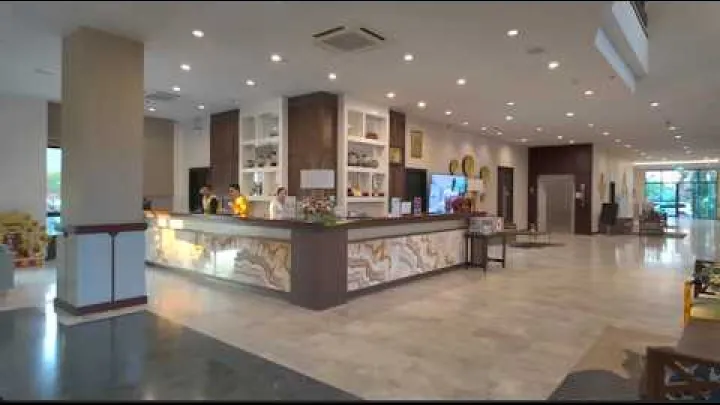
Staying close to Vang Vieng town center and the night market can be good value because everyday meals, cafés, agencies, and evening walks are nearby. This can reduce the number of short tuk-tuk rides and make it easier to return to the room between activities. A less central scenic base may still be worthwhile if the view, quiet setting, or resort facilities matter more to you.
Before comparing two rooms, look beyond the headline rate. Confirm whether taxes are included, whether the room has air conditioning and a private bathroom, whether breakfast is included, whether the price is for one or two adults, and whether the booking can be changed. A cheaper central room can be a better overall choice than a distant room if it removes several daily transport costs.
Riverfront Resorts and High-Comfort Stays
Riverfront resorts can exceed US$100 per room per night. The Riverside Boutique Resort example of US$124 for two adults shows why a high-comfort Vang Vieng budget cannot be based on dorm or basic hotel prices. A room rate is not automatically a per-person cost: divide it by the number of guests who can share it, then add meals, transport, and activities separately.
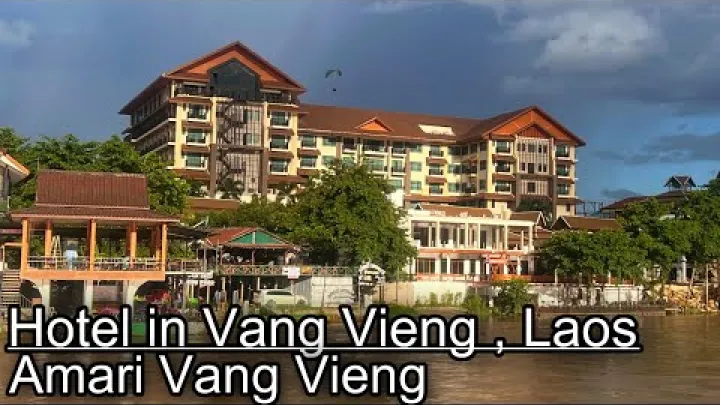
The extra spend may buy a pool, landscaped grounds, a Nam Song River setting, higher service levels, and on-site dining. It may also make it easier to spend more without noticing, because meals, drinks, and transport can be arranged through the property. Travelers who mainly want to explore Blue Lagoons, caves, and town restaurants may prefer a central hotel and use the difference for activities.
For exact dates, inspect the final booking screen rather than relying on the first rate shown. Special dinners, gala requirements, taxes, extra beds, and occupancy rules can affect the final amount. This is particularly important on weekends, peak travel periods, and dates with local or property-specific events.
Food and Drink Prices
Food can be one of the easiest categories to control in Vang Vieng. A traveler can combine market snacks and everyday Lao meals for a low spend, or raise the daily total substantially through cafés, imported food, cocktails, and resort dining.
Night Market Food and Everyday Local Meals
The town center and night market are practical places to compare inexpensive food. Common snack-style items such as sandwiches, banana pancakes, and rotis have been reported around 10,000–15,000 kip. Treat that as a local price anchor rather than a complete meal budget: a snack is not always enough for lunch or dinner, and prices and portions differ by stall.

A traveler relying mainly on street food, simple Lao meals, and basic drinks can plan roughly US$5–10 per day for food. The lower end requires modest choices and limited snacks; the upper end allows more complete meals, coffee, fruit shakes, or an extra evening snack. Tourist-facing areas can feel less inexpensive than equivalent local eating in some parts of Thailand or Vietnam, so it is wise to compare several menus rather than assume every dish is equally cheap.
For a low-cost pattern, have a simple breakfast, one substantial local meal, and a market snack or straightforward dinner. Carrying water and a small snack on an attraction day can also prevent a cheap entry ticket from becoming an expensive series of convenience purchases.
Cafés, Western Restaurants, and Drinks
Cafés and Western-oriented restaurants create a clear step up in daily food spending. A mixed dining pattern of breakfast at a café, one restaurant meal, and one local meal can put food near US$15–30 per person per day. Resort dining, curated tasting menus, imported ingredients, or repeated bar visits can take it higher.
Kiwi Kitchen Laos is an example of a café-style breakfast stop that travelers may encounter, while Restaurant du Crabe d'Or represents the more curated end of dining. These examples show the difference between eating for fuel and eating as part of the experience. They should not be treated as a current price list; check the venue menu and inclusions when you arrive.
Drinks are easy to overlook. Coffee, smoothies, beer, cocktails, and a few rounds at a bar are discretionary costs that can exceed the price of a local meal. A balanced approach is to choose one café meal or a special dinner each day, then use local food for the remaining meals. This protects the food budget without removing the chance to enjoy a preferred restaurant.
Transport and Access Costs
Transport costs in Vang Vieng have two parts: getting to town and moving around once there. Keep them separate. A train or bus ticket may be a fixed trip cost, while a motorbike, tuk-tuk, or bicycle decision determines how much an activity day costs.
Rail Arrival, Station Transfers, and Booking Fees
For travelers arriving on the Laos-China Railway, budget three separate items: the base rail ticket, any agency or booking fee, and the transfer from Vang Vieng railway station into town. A ticket service currently states that its total includes the ticket rate plus a US$10 service fee per ticket; see Laos Train Tickets. On a short trip, that fee can be a meaningful share of the total.

The service fee is an example, not a universal railway charge. Direct purchase arrangements and other intermediaries can differ. The available price evidence does not establish one standard current fare for the station-to-town ride, nor one payment method accepted by every driver. Before committing to an itinerary, confirm the current rail fare, booking charge, station transfer arrangement, and payment method with the ticket provider and your accommodation.
Keeping arrival costs outside the daily spending figure gives a more honest comparison. For example, a US$20 one-way arrival cost looks large on a one-night trip but becomes much smaller per day when spread across three or four nights.
Walking, Cycling, Tuk-Tuks, and Motorbike Rentals
Vang Vieng town center is manageable on foot for many visitors, particularly for accommodation, meals, and evening walks. The countryside attractions require a transport choice. Walking is cheapest for town days; cycling can suit nearby outings; a shared tuk-tuk can work well for a group; and a motorbike can be cost-effective for a full independent sightseeing day.
Motorbike rentals have been reported around 100,000–150,000 kip per day, but treat this as a planning reference only. Fuel, deposits, possible bridge or parking charges, the rental duration, and negotiation can change the true cost. A couple sharing one suitable rental may find it cheaper per person than two separate tuk-tuk journeys, while a solo traveler may prefer sharing a ride with other visitors.
Price should not be the only factor in a motorbike decision. Assess your riding ability, the vehicle condition, licensing requirements, and insurance before renting. For travelers who do not ride confidently, a shared tuk-tuk or organized transfer is often the more sensible choice even if its headline price is higher.
Activity and Attraction Costs
Vang Vieng offers low-fee natural attractions as well as activities that can dominate a daily budget. The entrance price is often small compared with the cost of getting there, eating nearby, renting equipment, or choosing a guided package.
Blue Lagoons, Caves, and Viewpoints
Blue Lagoon 1 is a useful example of a low-cost attraction. A reported entry fee is 20,000 kip per person, as described by Fahey James Travel. Different lagoons, site arrangements, and dates can vary, so treat this as a reference rather than a fixed rule.
Pha Ngern Viewpoint is another outing where the entry fee may be modest but the full day costs more. Transport, possible bridge tolls, drinks, food, and the decision to combine several stops all matter. A low-cost self-guided day might use a shared ride or rental vehicle, bring water and snacks, and visit one or two nearby places. A more comfortable version may use private transport, eat at each stop, and avoid the effort of coordinating routes.
Confirm entrance charges at the site before setting off, particularly if you are calculating cash closely. The important budgeting lesson is that a 20,000-kip ticket does not mean a 20,000-kip day. Put the admission fee, outbound transport, return transport, food, and any small access charges in the same activity line.
River Tubing and Higher-Cost Experiences
River tubing has been reported at about 100,000 kip for a package that includes transport, making it a relatively accessible paid activity when compared with premium excursions. However, the package price is only the starting point. Drinks, food, equipment options, private transfers, and upgraded packages can make the same day much more expensive.
Hot-air ballooning and larger packaged tours are major budget swing factors, but reliable evidence here does not support one precise current price. If either is a priority, reserve room for it in a separate activity fund rather than assuming it fits within a backpacker allowance. This prevents a single premium experience from distorting the rest of the trip budget.
Ask the operator exactly what the quoted activity price includes before paying, especially transport, equipment, guides, insurance, and drinks. Compare the full package rather than choosing only the lowest advertised number. A slightly higher quote can be better value if it includes the transfer or equipment you would otherwise need to arrange separately.
What Raises Costs and How to Save
The most effective savings in Vang Vieng usually come from changing one large category, such as room type or transport, rather than trying to remove every small snack. Location also matters: a low room rate can lose its advantage if it creates repeated paid rides.
Season, Weekends, Events, and Location
Accommodation is normally the most volatile budget category. Weekend demand, busy travel periods, and special events can make a room that looks affordable on one date much more expensive on another. Resort properties may also have event-related charges outside the basic rate, such as a mandatory gala dinner or a special meal arrangement.
Compare the same room across your intended dates, a weekday, and a weekend before deciding whether the rate is good value. This simple check shows whether the price is unusually high without relying on an assumed seasonal percentage. Read the final price details and cancellation terms, because surcharges and conditions matter as much as the first nightly figure.
A town-center base usually reduces daily rides and provides easy access to the night market. A Nam Song River riverfront property may offer better views and a resort atmosphere but can add to accommodation and on-site dining costs. A countryside-oriented stay may suit travelers seeking quiet, but it can make casual meals and evening plans less convenient. Choose the base that matches how you expect to spend each day, not only the cheapest room rate.
Concrete Ways to Keep a Vang Vieng Trip Affordable
- Accommodation: Choose a central hostel or guesthouse, or share a private room. Splitting a US$30 room between two people can save more than cutting a few dollars from meals.
- Food: Combine night-market and local meals with occasional cafés. Make café breakfast or a special dinner the exception rather than every meal.
- Attractions: Carry water and snacks, group places that lie in the same direction, and select one major paid activity instead of stacking several expensive tours.
- Local transport: Walk on town days, cycle where practical, share tuk-tuks when the group size makes sense, and compare a full-day rental with multiple separate rides.
- Booking: Compare direct local booking and third-party platforms, but judge the final cost after cancellation terms, taxes, inclusions, and service fees.
For example, changing from a US$124 riverfront resort room to a US$30 central hotel room can reduce a couple's accommodation spending by about US$47 per person for that night before any food savings. That single decision usually has more impact than choosing one fewer smoothie. Do not choose an unsafe vehicle, an unsuitable location, or an unverified operator simply because it is the cheapest option.
How to Build Your Personal Vang Vieng Budget
A useful budget is a simple sequence, not a vague daily allowance. First identify expenses that are hard to change, then set a realistic daily amount for the choices you control.
Set the Fixed Costs Before the Daily Allowance
Use this calculation: total trip budget = accommodation + arrival and departure transport + food + local transport + activities + contingency. Add accommodation by night, not by day. Then add rail or bus tickets, booking charges, station transfers, deposits, and any planned private transport. These costs can make a short trip appear expensive if they are hidden inside a daily estimate.
Divide shared expenses by the number of travelers. A shared hotel room and a private tuk-tuk are usually split costs. Attraction tickets, meals, a dorm bed, and most activity packages remain per-person costs. If a room price is for two adults, do not place the full rate in each traveler's individual budget.
Track small cash spending in Lao kip and retain a reference total in US dollars or your home currency. Keep enough kip for small stalls, short local transport, and attraction entry. Card acceptance may be available at some accommodation and larger venues, but it should not be assumed for every small purchase.
Sample Budgets for Short and Longer Stays
These examples are illustrative editorial estimates built from the planning ranges above. They do not include international flights, visas, or long-distance arrival and departure tickets. Use the same categories for your own estimate so you can see exactly which choice changes the total.
| Traveler type | Stay | Food | Transport and activities | Estimated daily total |
|---|---|---|---|---|
| Solo budget traveler | US$5–10 | US$6–10 | US$5–10 | US$16–30 per person |
| Couple, mid-range | US$10–20 each | US$15–25 each | US$10–20 each | US$35–65 per person |
| Comfort-focused traveler | US$60+ each | US$20–40 | US$20–50+ | US$80–150+ per person |
For a two- or three-night stay, spread one-time arrival and departure costs across every night. A US$30 combined transport cost adds US$30 per day on a one-night visit, US$15 per day over two nights, and US$10 per day over three nights. This is why longer stays can feel better value even when the daily lifestyle is unchanged.
Before booking, make three decisions first: choose your room type, set your dining pattern, and decide whether one major paid activity is essential. Those choices will determine most of your Vang Vieng travel cost. Everything else can be adjusted around them.
Final Vang Vieng Budget Takeaways
Vang Vieng can work on about US$15–30 per person per day for travelers using dorms, local food, and low-cost outings. A more comfortable private-room trip commonly sits around US$35–65 per person, while riverfront resorts, restaurant dining, private transport, and premium experiences can push spending to US$80–150 or more. Build the budget from room cost, food style, transport, and activities, then keep arrival costs separate. With a central base, shared costs where appropriate, and a deliberate activity plan, Vang Vieng can be flexible for both backpackers and comfort-focused travelers.
Select area
Create a post
Posting is free and no registration is required.