Vang Vieng Best Time to Visit: Weather, Seasons & Months

The best time to visit Vang Vieng is usually November to February, when cooler temperatures, lower rainfall, and more dependable conditions make it easier to enjoy the limestone karst valley. This is the strongest period for river time, viewpoint trails, cycling, caves, and blue lagoons, although it is also a busier travel season. Vang Vieng remains worth considering at other times if green scenery, quieter stays, or lower costs matter more than predictable weather. This guide explains the seasonal pattern, the feel of each month, and how to choose dates for your plans.
The Best Time to Visit Vang Vieng at a Glance
Vang Vieng is an outdoor-focused destination, so the season can affect far more than what to wear. Rain changes trail surfaces, rural roads, cave approaches, and the Nam Song River, while heat can alter the best hours for hiking and cycling.
Best Overall: November to February
November to February is the best overall time to visit Vang Vieng. These months generally offer the most comfortable balance of relatively dry weather, cooler mornings, clearer karst views, and reliable days for outdoor sightseeing. The broad dry season is often described as running from November into April, but November through February is the cooler and more consistently comfortable core for most visitors. Destination guidance from Backpack Adventures also identifies the dry season as the main period for outdoor activities in Vang Vieng.
This timing suits a float, tubing session, or kayaking trip on the Nam Song River, as well as cycling through the countryside, visiting local caves, and walking viewpoint trails above the limestone karsts. Days are generally easier to plan than in the wet season, and trails are more likely to be firm rather than muddy. December and January can feel cool at the start and end of the day, especially after being active outdoors.
The trade-off is demand. Popular blue lagoons, viewpoints, accommodation, and transport can feel busier, particularly around holiday periods. Book stays early if you want a particular room type or location, and start major attractions early if a quieter experience matters.
Best Shoulder-Season Choices: October and May to June
October is the better shoulder-season choice for many travelers. It often brings a landscape that is still lush after the rains, fuller waterways, and fewer visitors than the high dry season. Rain can still occur, and the exact timing of the seasonal shift changes from year to year, but October can provide an appealing balance between scenery and improving access.
May and June are a different kind of compromise. They are usually hotter, more humid, and increasingly wet, but the valley becomes greener and accommodation may be less pressured than in peak season. These months can work well for travelers who do not need every outdoor plan fixed in advance and who value a quieter atmosphere over guaranteed clear views.
Do not treat all shoulder months as equally reliable. October is generally moving toward drier conditions, while May and June are moving toward wetter conditions. In either case, build your itinerary around flexible activities rather than assuming a full day outdoors will always remain dry.
Periods to Reconsider: March to April and July to September
March and April can still be dry enough for travel, but they are usually the hottest part of the year. Exposed cycling routes and steep viewpoints become more demanding, and regional burning-season haze may reduce scenic visibility in some years. This does not mean that a visit is impossible, but travelers who prioritize long hikes, crisp panoramas, or cooler sightseeing days may prefer earlier in the dry season.

July to September is the core wet period and is less suitable for visitors who need predictable outdoor conditions. Heavy rain can leave paths muddy, make rural routes slower, and interrupt weather-sensitive activities. The scenery can be exceptionally green, but the benefits come with a higher chance of changing plans.
For a fixed short trip with a long list of river, cave, and trail activities, these periods require more tolerance for disruption. For a slower stay focused on the town, cafés, and occasional outdoor windows, they can still be rewarding.
Vang Vieng Weather by Month and Season
Vang Vieng has an inland seasonal pattern rather than a coastal one. Its setting around the Nam Song River and limestone karsts means that rain has direct practical effects on water levels, surfaces, access routes, and visibility.
How the Inland Valley Climate Works
The year can be understood in three broad phases: a cooler, drier period from roughly November to February; a hotter late-dry period around March and April; and a wetter monsoon period that develops from around May and is strongest in the middle of the year. The boundaries are useful planning guides, not fixed dates. Individual years can bring an earlier shower season, a later dry spell, or short intense rain events.
In the karst valley, rain affects the travel experience quickly. A dry day is favorable for limestone viewpoints, cycling lanes, and cave approaches. Sustained rain can make unpaved surfaces slick, increase water in and around caves, and change the appearance and conditions of the river. Cloud and mist can soften distant karst views, while the wet season brings the vivid vegetation that many photographers enjoy.
Regional storms may produce intense local rain and temporary access issues. It is more useful to plan around rain, water, and surface conditions than to assume a seasonal label will describe every day of a trip.
November to February: The Cool, Dry Core
November is a transition month. The valley is often still green from the rainy season, while outdoor conditions become increasingly dependable. It is a strong choice for travelers who want greener scenery without the higher rain uncertainty of the preceding months.
December and January are usually among the most comfortable months for active sightseeing. Mornings and evenings can call for a light layer, but daytime conditions are generally well suited to cycling, caves, river activities, and longer walks. These months are especially attractive if heat is a concern.
February is often one of the driest and most dependable options for clear views, hiking, and general sightseeing. It is a particularly strong month for travelers who want to make the most of a short itinerary. Long-term climate summaries for Vang Vieng show a pronounced wetter part of the year and a drier early-year period; consult Climate-Data.org for a month-by-month view of these average patterns.
March to June: Heat, Haze, and the Start of the Rains
March and April are typically hot, with strong sun making exposed activities more tiring. Usable outdoor days are still possible, but early starts become much more valuable for viewpoints, climbing, and cycling. Late in the dry season, regional smoke haze can sometimes affect air clarity and distant views; its timing and severity vary, so it should not be assumed for every visit.
May brings a hotter, more humid transition. Greenery begins to return as rainfall becomes more frequent, and an afternoon shower can change the plan for a trail or river outing. June usually continues this trend, with a more visibly lush landscape but greater uncertainty for full-day excursions.
These months suit travelers who can pace their days around the heat, enjoy a slower itinerary, and accept that a scenic activity may need to move to another part of the day. They are less ideal for visitors who want cool all-day conditions or a tightly scheduled outdoor program.
July to October: Green Season and the Wet-to-Dry Transition
July through September are the green season at its wettest. Heavy rain can affect the Nam Song River, trails, caves, country roads, and transport to rural attractions. August is commonly identified as the wettest month in Vang Vieng climate datasets, although totals and exact rankings can differ between datasets and years.
Rain does not necessarily mean continuous rain every day. There can be dry intervals and bright breaks, but wet ground, cloud cover, and changing water conditions make day-to-day outcomes less predictable. The valley can look its most lush, and waterfalls or water features may appear fuller, but muddy footwear and a flexible schedule are part of the experience.
October marks the transition toward the drier season. Access and visibility often begin to improve while the landscape remains richly green. For visitors who want a quieter trip and are comfortable with some remaining rain risk, it is often the most balanced option after the core wet season.
Climate Averages Versus the Live Forecast
Climate averages describe what is typical over many years; they do not predict the weather on a specific travel date. A normally dry month can still have a storm, and a wet month can include several useful dry periods. Climate normals are designed as long-term reference conditions, as explained by WMO Climate Normals.
Use the seasonal pattern and monthly averages to choose your travel window. Then, close to departure and before weather-sensitive activities, use a live forecast for clothing, travel timing, and activity decisions. A forecast improves planning but cannot guarantee that water, trail, cave, or flight conditions will be suitable.
Best Time for Vang Vieng Activities
The best season depends on how much your trip relies on outdoor access. The following choices separate a generally favorable travel period from the conditions required on the actual day.
Tubing and Kayaking on the Nam Song River
November to February is usually the most reliable period for tubing and kayaking on the Nam Song River. The cooler dry-season conditions make time on the water more comfortable, and activities are easier to fit into a predictable day. March and April can also work, but the heat makes an early or late session more pleasant.
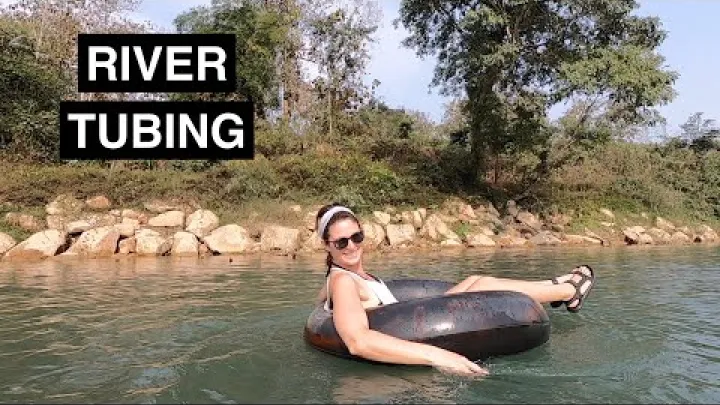
From May to October, rain and changing water levels require more caution. Heavy rain can strengthen currents, reduce visibility, and lead operators to alter or suspend departures. Before entering the river, ask a local river operator about current Nam Song conditions and do not go tubing or kayaking during heavy rain or when water levels are considered unsafe.
Hiking, Rock Climbing, Cycling, and Viewpoints
November to February is the best period for viewpoint trails, cycling through the karst valley, and longer outdoor days. Cooler temperatures reduce the effort of exposed climbs and make it easier to spend time stopping for views. October can also be a useful compromise for travelers who prefer greener surroundings.

March and April change the rhythm rather than eliminating these activities. Start early, choose shade where possible, carry sufficient water, and protect against strong sun. In the wet season, limestone paths, climbing surfaces, and countryside tracks may become slippery or difficult after rain.
Check local trail conditions before hiking or climbing. Postpone exposed routes when surfaces are wet or slippery, or when storms affect the area. The calendar helps choose a season, but it does not make a steep viewpoint trail safe after rainfall.
Caves, Blue Lagoons, Balloon Flights, and Photography
Dry-season conditions generally make visits to local caves and blue lagoons simpler to plan, with firmer approaches and a better chance of clear karst views. It is also the more favorable broad period for scenic activities such as balloon flights, although no flight can be assumed to operate on a particular day.
The green season has a different visual appeal. Vegetation is richer, water features can look fuller, and mist can create atmospheric images. The compromise is more cloud, less predictable light, and more variable access. Caves and their paths can become slippery or temporarily inaccessible after intense rain.
Do not enter caves immediately after intense rain unless local guides or operators confirm that access and water conditions are safe. Treat the visual appeal of high water separately from the decision to enter a cave or take a flight.
Choose the Best Time Based on Your Travel Priorities
There is no single ideal month for every visitor. Choose the season that gives the right balance between comfort, scenery, availability, and flexibility for your itinerary.
For Comfortable Weather and Clear Views
Choose November to February, with February an especially strong option for dry conditions. This is the best fit for travelers seeking comfortable temperatures, clearer limestone scenery, drier trails, and the strongest chance of completing an outdoor-focused plan. Early mornings can still be cool, so a light layer is useful even during this favorable period.
Because this is a popular travel window, confirm accommodation and transport availability before finalizing dates. Comfortable weather does not always mean quiet attractions.
For Green Landscapes and Fewer Visitors
Choose October for the best balance of lush scenery and manageable uncertainty. The valley often remains green, visitor numbers may be lower than in peak season, and conditions are generally moving in a drier direction. It is a good option for photographers and travelers who want a less crowded stay without committing to the wettest months.
July to September can provide the greenest landscape and fuller water features, but it also has the greatest rain-related uncertainty. This is best approached with a flexible schedule that can move outdoor activities around rain rather than assigning every activity to one fixed day.
For Lower Prices and Smaller Crowds
Peak dry-season dates tend to bring higher demand, while wetter and hotter periods can be quieter and may offer better value. Prices vary by property, booking date, holidays, and local demand, so it is safer to compare current options than to expect a fixed low-season discount.
May to June and October are possible compromise periods. They may offer fewer visitors while retaining opportunities for outdoor activities, especially for travelers with several days in Vang Vieng. Lower costs are only a real advantage if you accept possible cancellations, slower travel, or reduced access to weather-sensitive attractions.
Practical Weather Planning for a Vang Vieng Stay
Simple packing and a realistic daily rhythm can improve a stay in every season. Focus on clothing and equipment that work for heat, water, uneven ground, and quick weather changes.
What to Wear and Pack by Season
- For hot and humid months, pack breathable clothing, a hat, sun protection, and quick-drying items for river days and sudden showers.
- From roughly November to February, bring a light jacket or warm layer for early mornings, evenings, and cooler rides on open transport.
- Wear secure footwear with good traction for viewpoint trails, caves, and uneven countryside routes. This is especially important when paths are damp.
- In the wet season, add a compact rain layer and a waterproof cover or dry bag for electronics during river trips or travel by motorbike.
- For blue lagoons and the Nam Song River, choose clothing that can get wet and dries quickly rather than relying on heavy cotton garments.
Managing Heat, Rain, and Seasonal Air Quality
During March to June, schedule strenuous hiking, cycling, and other exposed activities for cooler morning or late-afternoon hours. Carry water, use sun protection, take shade breaks, and reduce the intensity of plans when heat builds. A slower midday activity can make an otherwise demanding day more comfortable.
Rain protection is useful in the wet season, but it should not encourage continuing with an activity in unsafe conditions. Sensitive travelers should check current air-quality information during the late dry season. If conditions are poor, reconsider strenuous outdoor activity and prioritize gentler, less exposed plans.
How to Make Same-Day Weather Decisions
Use a simple sequence on days involving a river, cave, viewpoint, or rural attraction: check the current forecast for rain, thunderstorms, wind, and temperature; confirm recent access conditions with local guides, river operators, or attraction staff; then proceed or switch plans. A short-term forecast from Meteoblue can help identify approaching rain and thunderstorms, but local staff may know more about recent water levels, mud, or access changes.
After major rain or storm events, reconfirm tour departures, trail access, and conditions at rural attractions locally. During the wet season, keep time in the itinerary for a backup activity in town or another plan that is less dependent on weather and road conditions.
Final Recommendation for the Best Time to Visit Vang Vieng
For most travelers, plan a Vang Vieng visit between November and February. This period gives the best overall chance of comfortable weather, clear views across the limestone karst valley, and dependable access to the Nam Song River, viewpoint trails, caves, and blue lagoons.
Choose October if lush scenery and fewer visitors are more important, or consider May to June if you are comfortable with heat and a more flexible schedule. Travel in July to September mainly if you welcome the green season and can accept rain-related changes. Whatever month you choose, use climate patterns to set expectations and make final daily decisions from current weather and local conditions.
Select area
Create a post
Posting is free and no registration is required.