Sendai Travel Guide: Sights, Stays & Tohoku Day Trips

This Sendai travel guide explains how to plan a first visit to one of Tohoku’s most convenient regional bases. Sendai combines a manageable city center with access to coastal scenery, mountain landscapes, hot springs, history, and regional food. This guide covers what Sendai is known for, how long to stay, where to base yourself, how to travel from Tokyo or Sendai Airport, local transportation, attractions, day trips, seasons, costs, and safety.
Sendai is large enough to offer varied experiences but more relaxed and compact than Tokyo or Kyoto. It works well as a city break, a base for Miyagi, or the first stop on a wider Tohoku itinerary.
Why Visit Sendai and How Long to Stay
Sendai offers a useful balance between urban convenience and access to regional attractions. You can spend a day exploring Date Masamune’s legacy, museums, shopping arcades, and local restaurants, then use the city as a base for Matsushima, Yamadera, Zao, or Akiu.
What Sendai Is Known For
Sendai is known as the City of Trees, reflecting its broad, green streets and comfortable urban atmosphere. The city is also closely associated with Date Masamune, the feudal lord who established Sendai as a major center. Aoba Castle, Zuihoden, and the Sendai City Museum help explain that history.
Food is another important reason to visit. Gyutan, or grilled beef tongue, is Sendai’s signature dish, but the local dining scene also includes seafood, izakaya dishes, ramen, sweets, and wider Miyagi specialties. The covered shopping arcades around Sendai Station are convenient for combining restaurants, shopping, and an evening walk.
Inside the city, a typical itinerary combines history, museums, greenery, food, and shopping. Outside the city, Sendai is a practical base for Matsushima Bay, Yamadera’s mountain temple, Zao’s volcanic scenery, and Akiu’s hot springs. Keeping city activities and regional excursions separate will help you avoid an overpacked schedule. The Discover Sendai visitor guide provides an overview of local nature, food, history, and cultural attractions.
Sendai is not a smaller version of Tokyo or Kyoto. Its appeal is a strong local identity, easier access to nature, and a slower regional-city experience. Travelers interested in food, history, and a mixture of city and countryside will usually find enough for several days.
Choose One, Two, or Three Days in Sendai
One day works for a focused introduction, two days create a better balance, and three or more days allow time for a regional excursion without making every day depend on tight connections.
| Stay length | Best use | Planning note |
|---|---|---|
| One day | Central Sendai and key historical sights | Choose one cultural route and one food or shopping area |
| Two days | City sightseeing plus one excursion | Choose Matsushima, Yamadera, Zao, or Akiu by interest |
| Three or more days | A slower city visit and wider Tohoku experiences | Allow room for weather, transfers, or an overnight regional stay |
For one day, begin around Sendai Station, explore the central arcades, and choose either the Aoba historical area or a museum. If you arrive late or depart early, treat the visit as a partial day rather than adding a distant excursion.
With two days, use one day for Sendai and one for Matsushima or Yamadera. Matsushima suits coastal scenery, cruises, temples, and seafood. Yamadera is better for temple history, forest views, and a physical mountain walk. Zao suits travelers prioritizing mountain landscapes or snow, while Akiu is a closer hot-spring option.
With three or more days, slow down the city itinerary and add a second regional experience. Avoid combining several distant destinations in a short stay, especially when your arrival or departure reduces the usable hours.
Understand Sendai’s Layout and Choose Where to Stay
Choosing accommodation in Sendai is mainly a decision between transport convenience and atmosphere. For most first-time visitors, Sendai Station is the easiest base. The Aoba and Akiu areas suit more specific priorities.
Sendai Station and the Central Shopping Arcades
Sendai Station is the most useful all-purpose base for a short visit. It connects the Tohoku Shinkansen, local rail, subway, airport services, day-trip departures, hotels, restaurants, and shopping. Staying nearby can save time if you plan both city sightseeing and excursions.
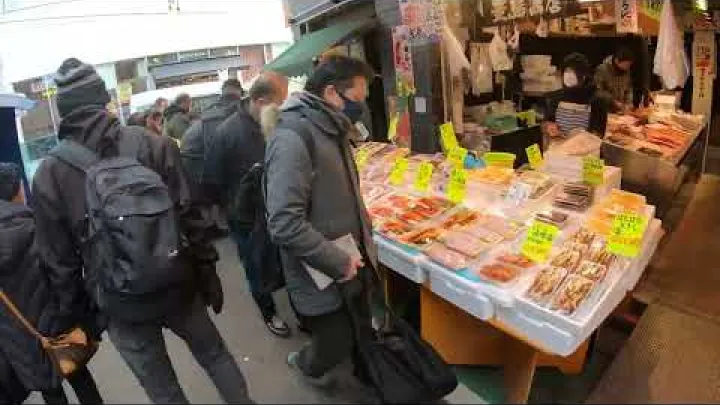
The station area remains useful after dark. Covered shopping arcades and nearby dining streets provide places to walk and eat in poor weather or after returning from a day trip. This convenience is especially valuable for first-time visitors, families, and travelers with luggage.
The tradeoff is atmosphere. Areas near the station can be busy, and rooms facing major roads or commercial streets may have more urban noise. Compare hotels by their actual walking distance to Sendai Station and the routes you expect to use rather than relying only on a broad district name.
Aoba and Western Sendai for History and Greenery
The Aoba and western Sendai area provides access to Aoba Castle, the Sendai City Museum, Zuihoden, wooded slopes, and other historical or scenic places. It suits travelers who want to focus on Date heritage, museums, and green spaces.
The tradeoff is transport. Staying closer to these attractions can feel quieter or more scenic, but you will usually have less direct access to the Shinkansen, airport train, and regional departures. Buses, sightseeing services, a subway connection, or longer walks may be necessary.
Do not treat all of Aoba-ku as one uniform hotel district. Compare a specific accommodation’s distance from the station, the Aoba attractions, and the nearest practical transport stop. Central Sendai is normally easier for a short first visit, while Aoba is more attractive when heritage and quiet surroundings are the main purpose.
Akiu and Other Outlying Bases
Akiu suits travelers who want hot springs, nature, and a resort-like stay. An overnight visit can make sense when the inn, bathing experience, and slower pace matter more than seeing many central attractions.
A day visit from central Sendai lets you enjoy Akiu without moving your luggage, but it adds transport planning and can limit flexibility. Service patterns may be less convenient for spontaneous late returns than city rail. Choose an outlying base when the destination itself is a major reason for your trip, not simply because it looks close on a map.
Getting to Sendai and Around the City
Sendai is straightforward to reach from Tokyo by high-speed rail and from the airport by a dedicated rail connection. Within the city, walking is useful in the center, the subway helps with longer cross-city journeys, and buses serve attractions outside the rail network.
Tokyo to Sendai by Tohoku Shinkansen
The simplest route is a northbound Tohoku Shinkansen from Tokyo Station to JR Sendai Station. Depending on the service and number of stops, the journey is often around two hours. This makes Sendai one of the more practical major Tohoku destinations for a short trip from Tokyo.
At Tokyo Station, follow signs for the Tohoku Shinkansen and check the destination on the departure board. At Sendai Station, transfer to local rail, the subway, buses, or the airport connection. The direct station-to-station route is particularly convenient with luggage.
Compare journey time, ticket cost, seat reservation, and pass eligibility. Reserved seats are sensible during weekends, Japanese holiday periods, festival dates, or group travel. Fares and services depend on the ticket type and current railway conditions, so use current operator information when booking.
Sendai’s position on the northbound rail corridor also makes it useful for longer Tohoku trips. You can use it as a first base before continuing toward Yamagata, Morioka, or other destinations, but assess each onward journey separately for time and ticket coverage.
Sendai Airport to the City Center
Sendai International Airport is connected with JR Sendai Station by the Sendai Airport Access Line. For travelers staying near the station, this is the straightforward default. The Sendai Airport Transit information confirms the rail connection between the airport and Sendai Station.
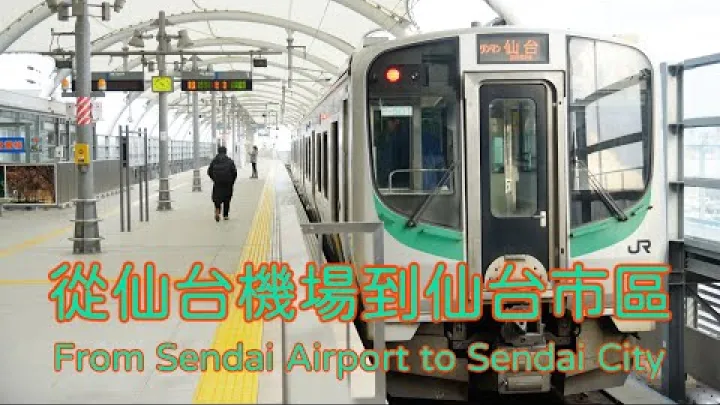
A simple arrival sequence is:
- Follow airport signs to the railway station after collecting your luggage.
- Check the destination, platform, ticket, and transfer information.
- Ride toward Sendai, leave at Sendai Station, and follow signs for your hotel or onward connection.
Journey time and service patterns depend on the train and timetable. A late flight or early departure can make the final or first connection especially important. Check the current Sendai Airport Access Line timetable and the last connection for your date. If your flight is close to the final service, allow time for immigration, baggage collection, and finding the platform, and keep a backup plan.
The airport train is convenient when your hotel is near Sendai Station. If you are staying in Akiu or another outlying area, compare the complete door-to-door journey rather than only the airport-to-station leg.
Subway, Buses, Loople, and IC Cards
Sendai’s subway has two lines, the Namboku Line and the Tōzai Line, which meet at Sendai Station. The subway is practical when your destination is near a station or walking would take too long.
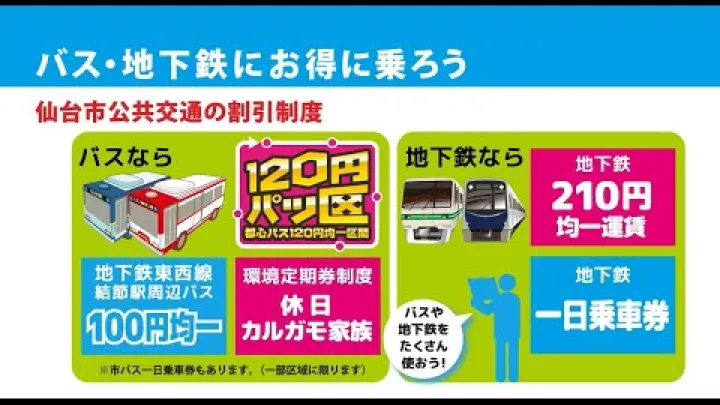
Many attractions around Mount Aoba are not directly beside a railway platform. Loople Sendai, the sightseeing bus, connects visitors with major sightseeing areas, while regular city buses serve more neighborhoods and destinations. Buses can be useful for Aoba attractions, the zoo, and places beyond the subway network.
- Walk for central shopping, restaurants, and short journeys near Sendai Station.
- Use the subway for longer journeys between areas served by the two lines.
- Consider Loople when several historic attractions form one sightseeing route.
- Use a regular city bus when it offers the most direct route beyond the subway network.
JR trains, the subway, city buses, Loople, and airport services may have different fares, ticket systems, and pass coverage. IC cards are convenient where accepted, but they are not universal coverage for every service. Confirm current JR, subway, bus, Loople, and ticket coverage before choosing how to travel.
Decide Whether a Regional Travel Pass Saves Money
Products such as the Sendai Marugoto Pass and Sendai Area Pass may be useful when they combine several transport types or sightseeing services within a set validity period. A pass is not automatically good value simply because you are visiting more than one place.
Compare it with the individual fares for your actual routes. A traveler walking around central Sendai and taking one short excursion may spend less by paying separately. A traveler combining airport travel, regional JR trains, subway journeys, buses, or sightseeing services may benefit from broader coverage.
Before buying, check included services, eligibility, purchase locations, validity rules, reservations, supplements, exclusions, and the current price. Compare the current pass terms with the full list of planned journeys.
Best Things to Do in Sendai
A first visit usually benefits from one clear historical route plus one food, shopping, or nature experience. Choosing by travel style is more rewarding than trying to visit every attraction.
Aoba Castle, Zuihoden, and Sendai City Museum
The Aoba historical area gives Sendai its clearest sense of place. Aoba Castle, also called Sendai Castle, is experienced through its hilltop setting, surviving stonework, city views, historical associations, and interpretation rather than a fully intact castle building. It connects naturally with the story of Date Masamune and Sendai’s development.
Zuihoden adds a memorial setting linked to the Date family. The Sendai City Museum provides context for regional history, culture, and material heritage. Together, these sites create a narrative from feudal Sendai to the modern city.
Group them into a half-day plan for the main highlights or allow most of a day for museums, views, and slower walking. Choose transport according to the attraction order and expect some slopes or walking between stops.
Opening days, admission, exhibitions, interpretation, and language support can differ between sites. Treat them as related but independent visits and check each attraction’s current details when setting your schedule.
Gyutan, Seafood, and the City of Trees Atmosphere
Gyutan is the classic first food to try in Sendai. It is commonly served as a set meal and offers a distinctive local experience, but it should be a starting point rather than the whole definition of Sendai cuisine.
Look also for seafood, izakaya menus, regional vegetables, ramen, sweets, and other Miyagi specialties. The station area and central shopping arcades are practical because many restaurants are within a compact evening walk. Match the restaurant style to your budget and schedule.
A simple first evening is to leave Sendai Station, walk through one or two covered arcades, choose a local meal, and finish with dessert or a quiet drink. Travelers with dietary restrictions should ask about ingredients and preparation. Have a second restaurant choice when queues could affect your schedule.
Broad streets, greenery, covered arcades, and a less concentrated rhythm make Sendai comfortable to explore in sections. Plan one food stop and one unhurried walk instead of treating every hour as a transfer.
Choose City Activities by Travel Style
- History-focused travelers: combine Aoba Castle, Zuihoden, and the Sendai City Museum.
- Families: consider Sendai Yagiyama Zoo with a shorter historical or shopping visit.
- Food travelers: build time around gyutan, seafood, local restaurants, arcades, and an evening dining walk.
- Shoppers: use the central arcades and station-area stores as a flexible block.
- Green-space visitors: focus on tree-lined streets, viewpoints, parks, and one or two museums.
Indoor alternatives are useful when rain, heat, or cold disrupts a walking plan. Museums, galleries, shopping arcades, restaurants, and food-focused activities can fill part of a day. Check current admission and closure information for any attraction that is central to your schedule.
Best Day Trips from Sendai
Sendai’s location makes day trips a major advantage, but the destinations differ in scenery, physical effort, season, and transport complexity.
Matsushima Bay: Scenic Coast, Cruises, and Temples
Matsushima Bay is the classic Sendai excursion. Its pine-covered islands and changing coastal views are central to its appeal, and the bay’s roughly 260 islands are collectively considered one of Japan’s notable scenic destinations. The Travel Japan: Matsushima guide provides background on the bay and cruises.
A balanced visit can combine a bay cruise or coastal viewpoint with sites such as Zuigan-ji and Entsu-in. Add time for a waterfront walk and seafood meal if you want a relaxed excursion. A half-day works for one cruise or cultural cluster; a full day allows several temples, viewpoints, food, and slower exploration.
Pay attention to the difference between rail stations and the waterfront. Matsushima-Kaigan is generally the practical station for the main sightseeing area, while another station may require additional walking or local transport. Check the station shown for each attraction rather than assuming all Matsushima stations are interchangeable. Cruises, temples, and routes may not operate on identical schedules.
Yamadera: A Mountain Temple Day Trip
Yamadera, formally Risshaku-ji, offers a different experience from Matsushima. The temple complex combines religious history, stone paths, forested mountain scenery, and elevated views. Choose it for temple atmosphere and mountain walking rather than coastal scenery.
It is feasible as a rail day trip, but the usable schedule depends on the current timetable and the time spent at the site. The visit includes a substantial stair ascent, so it requires more physical effort than central Sendai sightseeing and is not universally easy or fully accessible.
Wear footwear with good grip and allow time for breaks, photographs, and the return journey. Consider fitness, daylight, and the day’s conditions, especially if stairs may be wet, icy, or hot. Do not add another distant excursion afterward.
Zao and Akiu for Mountains, Snow, and Hot Springs
Zao is the mountain-focused choice. The Okama crater is a distinctive volcanic landscape, and the surrounding region is associated with hot springs and winter snow experiences. Appearance and accessibility are strongly seasonal. Visit Miyagi provides regional planning context for Zao and other Miyagi destinations.
Akiu is a closer option for hot springs, relaxation, or a short nature break. An overnight stay gives you more time to enjoy an inn or resort, while a day visit lets you keep Sendai as your luggage base.
Compared with Matsushima and Yamadera, Zao and Akiu can involve more complicated connections and different seasonal operating patterns. They often suit a longer stay or overnight plan better than a tightly timed first day. Choose one regional priority instead of combining several mountain destinations.
When to Visit Sendai
There is no single best season for every itinerary. City sightseeing, Tanabata, mountain travel, hot springs, and coastal excursions each have different advantages.
Spring and Autumn for City and Outdoor Touring
Spring and autumn are often attractive for combining city sights with outdoor excursions. Spring may bring blossoms and fresh greenery, while autumn can add foliage to temple, forest, and mountain landscapes. These highlights vary each year and do not appear simultaneously at every elevation.
The city, coast, and inland mountains can feel different on the same trip. Match the season to your priority and pack layers, comfortable shoes, and rain protection. Use flexible clothing and keep at least one indoor alternative available.
Summer, Sendai Tanabata, and Peak-Period Planning
The Sendai Tanabata Matsuri takes place from August 6 to 8. It is known for large decorative streamers, entertainment, and a lively central-city atmosphere. The Travel Japan: Sendai Tanabata Festival overview explains the festival’s cultural importance and August timing.
Festival-focused travelers should reserve central accommodation early and use the current program to select decorations, performances, and related events. Accommodation and central transport can be busier, so allow extra time around the arcades. Travelers seeking quiet streets or easier last-minute lodging may prefer another period.
Summer can also bring heat and humidity. Schedule outdoor walking with breaks and use museums, shopping arcades, and restaurants during the most uncomfortable part of the day. Weather may affect individual outdoor events.
Winter Weather and Mountain Travel
Winter brings colder conditions to Sendai, while higher and more inland areas can have substantially more snow, ice, wind, and difficult access. Zao suits snow experiences and hot springs, but mountain travel requires different preparation from central city walking. Shorter daylight can reduce excursion time.
Yamadera stairs, exposed coastal viewpoints, and mountain roads require additional care. Wear warm layers and footwear with traction, and plan to return before dark. Before an outdoor trip, check the Japan Meteorological Agency forecast and local mountain conditions for the actual date. Replace a weather-affected excursion with museums, shopping, or food if necessary.
Costs, Safety, and Practical Planning
A useful Sendai budget separates fixed decisions from daily choices. Tokyo rail travel and accommodation can create the biggest changes, while local transit, meals, admissions, and day trips vary by travel style.
Build a Realistic Sendai Budget
List intercity transport, accommodation, local transit, meals, admissions, and excursions rather than relying on one universal daily total. Hotel location, travel dates, the number of regional trips, and dining choices can produce very different costs.
| Travel style | Accommodation approach | Food approach | Main planning focus |
|---|---|---|---|
| Budget | Simple room or economical hotel | Casual meals and selected local dishes | Walk centrally and limit paid excursions |
| Mid-range | Convenient central hotel | Local restaurants mixed with quick meals | Balance station access with one regional trip |
| Comfort or experience | Larger room or hot-spring stay | More restaurant meals and regional specialties | Allow for cruises, admissions, transfers, or an overnight excursion |
Estimate your trip by adding the Tokyo-to-Sendai fare, nightly accommodation, local and regional transport, meals, admissions, and a contingency margin. Matsushima may add a cruise and admissions; Yamadera adds regional rail and a longer day; Zao or Akiu may involve more complex transport or accommodation. Compare the complete itinerary rather than one ticket.
Safety, Emergencies, and Respectful Travel
Sendai generally requires the same calm, practical awareness as other Japanese cities. Watch bags in busy stations, follow pedestrian signals, and take care on stairs, wet paths, snowy routes, and mountain viewpoints. Transport notices and local instructions should take priority when conditions change.
At shrines, temples, museums, and residential areas, follow rules about photography, restricted areas, footwear, noise, and queues. Carry your passport or required identification securely and keep accommodation and transport information accessible. Bring necessary medication for the full trip, especially when traveling outside the city.
For nationality-specific preparation, review a current government advisory such as the Japan Travel Advisory, along with official Japanese and local instructions. In Japan, call 110 for police or 119 for fire and ambulance services. Follow station staff, hotel staff, emergency services, and local authorities during an earthquake, severe weather event, or transport disruption.
Make Sendai the Starting Point for Your Tohoku Trip
Sendai is a strong starting point for Tohoku because it combines a well-connected urban base with access to coast, mountains, temples, hot springs, and regional food. Stay near Sendai Station for flexibility, choose Aoba when history and greenery matter most, and choose Akiu or another outlying base when the accommodation experience is itself a priority.
For a first visit, begin with Sendai’s Date heritage, gyutan and other local food, and central arcades. Then add one well-chosen excursion: Matsushima for coastal scenery, Yamadera for a mountain temple, or Zao and Akiu for mountains and hot springs. With a realistic schedule and current transport information, Sendai can be both an easy city break and a rewarding gateway to Tohoku.
Select area
Create a post
Posting is free and no registration is required.