Sendai Best Time to Visit: Weather & Monthly Guide
The best time to visit Sendai depends on whether you value mild walking weather, seasonal festivals, autumn scenery, or lower demand. For most travelers, May and October offer the strongest balance of comfortable temperatures, manageable rainfall, and good sightseeing conditions. This guide explains Sendai weather by month, compares spring, summer, autumn, and winter, and shows how to match your dates to festivals, nature, day trips, and budget priorities.
The Best Time to Visit Sendai at a Glance
Sendai has four distinct seasons, but no single month is perfect for every type of trip. Spring and autumn are usually the easiest seasons for long days in the city and excursions around Miyagi, while summer brings important cultural events and winter brings quieter streets and a different atmosphere.
Best Overall Months: May and October
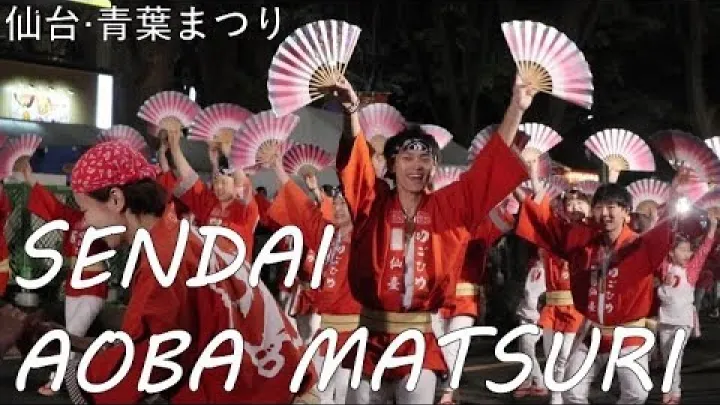
The best time to visit Sendai for most travelers is May or October. May is mild enough for comfortable walks through Sendai city center, parks, museums, shopping arcades, and food neighborhoods. It also brings fresh greenery and the Sendai Aoba Matsuri period in mid-May. October is similarly practical, with crisp temperatures, generally less rain than September, and good conditions for urban sightseeing and moderate day trips.
Late April can be a better choice if cherry blossoms are your main priority, while early November may suit travelers focused on autumn foliage. These are climate-based recommendations rather than promises of dry weather. Individual years can bring rain, unusual warmth, cold spells, or different blossom and foliage timing.
Choose a Different Month for a Specific Experience
- Cherry blossoms: Choose early to mid-April, while allowing flexibility because bloom dates vary each year.
- Spring culture: Consider mid-May for milder weather and the Sendai Aoba Matsuri period.
- Sendai Tanabata Festival: Visit from August 5 to 8, with the fireworks event on August 5 and the main festival from August 6 to 8.
- Autumn foliage: Choose late October to early November, adjusting dates for elevation and location.
- Quiet streets and possible value: Mid-January through February, or much of December outside holiday periods, can be calmer for travelers who accept winter conditions.
The right month is therefore a trade-off between temperature, rain, daylight, event atmosphere, visitor demand, and accommodation cost. A festival-focused traveler may prefer hot August, while a first-time visitor who plans to walk extensively will usually be more comfortable in May or October.
Sendai Climate and What It Means for Travelers
Sendai is a Pacific-side city in Tohoku, so its climate differs from both southern Japan and the snowier Sea of Japan side of northern Japan. The city is suitable for year-round travel, but the practical experience changes considerably between cold winter mornings, humid summer days, and the more comfortable shoulder seasons.
Temperature and Rainfall Through the Year
The Japan Meteorological Agency's 1991–2020 normals show an annual mean temperature in Sendai of about 12.8°C. Average daily highs range from roughly 5.6°C in January to 28.2°C in August, showing the wide seasonal change between winter and summer. January averages close to 2.0°C overall, with average lows around -1.3°C, while August averages about 21.6°C at night.
Winter is relatively dry when measured by total monthly precipitation. Rainfall increases from June into summer, and June through September is generally the wetter part of the year, with September showing the highest monthly precipitation in the cited normals. The JMA climatological normals are useful for comparing months, but they describe long-term patterns rather than the weather on a particular travel day.
Rainy Season, Summer Humidity, and Typhoon Exposure
Sendai's rainy season generally arrives later than it does in southern and central parts of Japan. In northern Tohoku, it commonly affects Sendai from around mid-June into late July, although the start, end, and strength vary from year to year. The season does not necessarily mean continuous rain every day. More often, travelers may encounter cloudy skies, recurring showers, damp streets, and plans that change between wet and brighter periods.
Pacific-side conditions can also feel cooler and more changeable than the temperature alone suggests. Moist air and easterly winds may make early summer feel damp rather than simply warm. August remains hot and humid, while September combines warmth with the autumn rain front and a greater possibility of tropical-system effects. These patterns matter most for fixed outdoor plans, coastal visits, mountain excursions, and tightly timed day trips.
From June through September, check the Japan Meteorological Agency forecast and warnings before committing to outdoor plans. Historical averages can help you choose a month, but official short-range information should guide decisions about hiking, coastal sightseeing, festival activities, and other weather-sensitive plans.
Winter Cold, Snow, and Pacific-Side Conditions
Sendai is colder and snowier than a mild-weather destination, but it generally has less persistent snow than many locations on the Sea of Japan side of Tohoku. In the city, travelers should be prepared for cold mornings, occasional snow or sleet, icy surfaces, and short daylight hours. Snow may not cover the streets continuously, yet even a limited snowfall can affect walking comfort.
Conditions become more difficult in nearby mountain areas. Hot spring towns, ski areas, Mount Zao, and other higher-elevation destinations can be colder and snowier than Sendai city center. Winter day trips are possible, but they require more attention to clothing, footwear, visibility, and regional conditions than a museum or shopping day in the city.
Sendai Weather Month by Month
Use this monthly guide to understand the general feel of a Sendai trip. The temperatures are long-term averages, so pack for variation and use the live forecast for your exact dates.
January: Cold, Quiet, and Often Good for Winter Value
January is a deliberate winter choice, with an average temperature near 2.0°C, daily highs around 5.6°C, and lows around -1.3°C. Precipitation is relatively low by normal monthly totals, but cold mornings, occasional snow, and icy surfaces remain possible. Outside the New Year period, January can suit travelers who want quieter museums, shopping arcades, local food, or hot spring visits. Wear warm layers, gloves, and stable footwear with good grip. Exceptional snow or cold can make travel beyond the city more demanding.
February: Dry by Normal Rainfall and Still Off-Peak
February is another cold, generally off-peak month. Average daytime highs are around 6°C, nights can fall below freezing, and normal precipitation is among the lowest of the year. Lower visitor pressure may help travelers seeking quiet city sightseeing, winter food, hot springs, or nearby snow activities. Clear days can still feel sharply cold, especially in the morning and after sunset, and late-winter snow or ice remains possible. February is not usually the best month for mild, all-day walking, but it can offer a calm and focused city break.
March: A Changeable Transition into Spring
March marks a gradual move out of winter, with average highs near 10°C and lows near 1°C. Sunny days can feel like spring, while rain, cold wind, or occasional snow can still make the city feel wintry. Daylight increases and visitor demand is often more moderate than during the blossom period. Bring flexible layers, including a warmer outer layer and rain protection. March is more comfortable than deep winter for many travelers, but it is less reliable for light clothing and long outdoor days than April or May.
April: Cherry Blossoms and Mild Sightseeing Weather
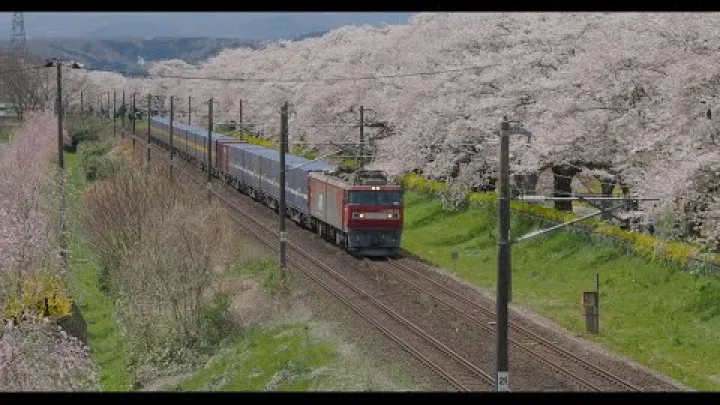
April has average highs around 15.5°C and lows near 6.3°C, with improving daylight and moderate rainfall. Early to mid-April is the usual period to consider for Sendai cherry blossoms, although the exact timing changes each year. Blossom season can increase demand around popular parks and central accommodation areas. The approach of Golden Week in late April and early May can also raise visitor numbers and prices. If blossoms are important, keep the dates flexible where possible and separate the likely blossom window from the busier holiday period.
May: The Strongest All-Round Month
May is the strongest all-round month for many first-time visitors. Average highs are near 20.2°C and lows around 11.7°C, creating comfortable conditions for walking, restaurant stops, parks, and moderate outdoor activities. Green landscapes and nearby nature add to the appeal, and the Sendai Aoba Matsuri period gives the city a strong cultural focus in mid-May. Early May can still be busy because of Golden Week, so mid-to-late May is often the better balance of weather and demand. Rain remains possible, but May is usually more comfortable than the humid summer months.
June: Mild Temperatures with Increasing Rain
June has average highs around 23.1°C and lows near 16.1°C. The temperatures can be comfortable for sightseeing, but rainy-season conditions may bring humidity, cloud cover, and recurring showers. Rain does not necessarily continue all day, yet it can interrupt long outdoor itineraries. June works well for travelers who accept some weather uncertainty and want a shoulder-season trip. Use covered city attractions, museums, shopping arcades, and flexible outdoor timing as part of the plan, and carry dependable rainwear rather than relying only on a small umbrella.
July: Warm, Humid, and Frequently Wet
July becomes warmer and more humid, with average highs around 26.6°C and lows near 20.2°C. Rainfall is substantial and sunshine can be reduced, so showers may interfere with long walks or full-day outdoor excursions. Breathable clothing, water, sun protection, and a schedule with indoor alternatives make July easier to manage. The month can suit travelers who want a summer atmosphere or regional coastal outings, but it is generally less comfortable than May or October for walking-focused sightseeing.
August: Tanabata, Heat, and Peak Summer Trade-Offs
August is Sendai's warmest month by normal average, with highs around 28.2°C and lows near 21.6°C. Humidity, significant rainfall, and the possibility of storm-related changes are the main climatic trade-offs. The important exception for event-focused travelers is the Sendai Tanabata Festival: the fireworks event is held on August 5, followed by the main festival from August 6 to 8. The JNTO Sendai Tanabata Festival information confirms the August 6–8 festival window. Expect greater demand, book early, plan breaks from the heat, and allow some flexibility for rain or changing summer conditions.

September: Warm, Wet, and More Storm-Sensitive
September remains warm, with average highs around 25°C and lows near 18°C, but it is typically the wettest month in Sendai's cited Pacific-side climate pattern. The autumn rain front and tropical systems can both contribute to unsettled weather, making fixed hiking, coastal, or photography plans less reliable. September is not unsuitable for every traveler: a flexible visitor with indoor alternatives can still enjoy the city. If your dates can move and comfort is the priority, late September or October is usually a more appealing choice.
October: Crisp Weather and Early Autumn Foliage
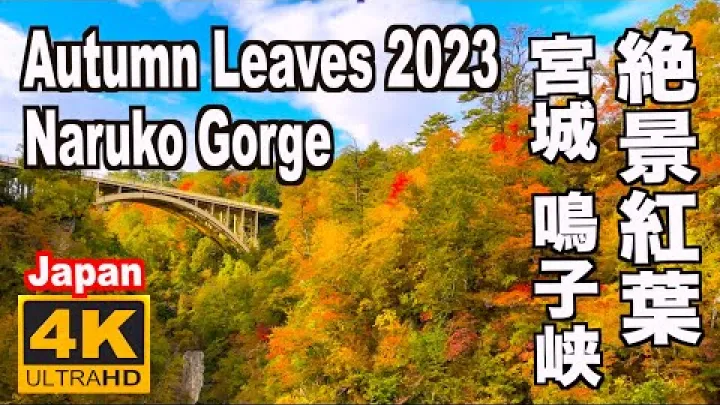
October is the main autumn recommendation, with average highs near 19.8°C and lows around 11.9°C. Rainfall generally declines from September, and the air often feels brighter and more refreshing for city walks and moderate excursions. Higher elevations can begin showing autumn color earlier than the city. Late October is often associated with foliage at Naruko Gorge, although the exact peak varies by year and elevation. October is a strong choice for travelers who want nature, photography, and comfortable walking without midsummer heat.
November: Cool, Drier, and Strong for Foliage Trips
November has average highs around 14.1°C and lows near 5.6°C, with much lower normal precipitation than September and October. Early to mid-November can work well for lower-elevation foliage, city walks, and day trips to Matsushima Bay or nearby hot spring areas. Foliage timing is not the same everywhere: higher locations may peak earlier, while lower areas can remain colorful later. Bring a warm layer for mornings and evenings, and expect late November to feel increasingly wintry.
December: Early Winter, Illuminations, and Lower Demand
December brings average highs around 8°C and lows near 1°C, shorter days, and a growing chance of snow, sleet, or icy surfaces. Travelers who value winter atmosphere can enjoy evening illuminations, including the Sendai Pageant of Starlight, even though the weather is colder. Much of December outside the Christmas and New Year period may be quieter than spring or the Tanabata season. Insulated layers and water-resistant footwear are useful, especially for evening walks and wet or frozen pavements.
Best Time to Visit Sendai by Travel Purpose
The best month changes when the purpose of the trip changes. Use the following recommendations to balance Sendai weather with the experience you most want to have.
General Sightseeing and City Walking
For general sightseeing, choose May or October first. Both usually reduce the need for extreme winter clothing or midsummer heat management during visits to Sendai city center. Late April is a good alternative for travelers who want spring scenery, and early November can work for foliage-focused city walks. On rainy or unusually hot days, keep museums, cultural sites, covered shopping arcades, restaurants, and food-focused stops available. This makes the itinerary more resilient without requiring you to avoid the wetter seasons completely.
Festivals and Cultural Events
Choose mid-May if you want a combination of comfortable weather and the Sendai Aoba Matsuri period, subject to the annual event calendar. Choose August 5–8 if the Sendai Tanabata Festival is the central purpose of the trip; the cultural experience may justify visiting during Sendai's hottest and most humid period. December offers a different cultural mood through winter illuminations and evening events. An event-specific best time is not always the same as the climate-based best time, so decide whether the event or comfortable weather is your main priority.
Hiking, Foliage, Hot Springs, and Scenic Day Trips
May is a good choice for greener landscapes and moderate temperatures, while October to early November is stronger for autumn color and outdoor photography. Local anchors such as Naruko Gorge, Mount Zao, and Matsushima Bay can all fit into a Sendai-based trip, but city, coastal, and mountain conditions may differ on the same day. Elevation affects foliage timing and temperature, while rain, snow, visibility, and local access conditions can affect a day trip. The official local guide Discover SENDAI is useful for identifying seasonal experiences, but check current local details before setting a fixed outdoor schedule.
Budget Travel and Quieter Streets
Mid-January through February and much of December outside major holidays are the most plausible lower-demand periods for travelers seeking a quieter visit. They may offer better accommodation value than blossom, festival, or foliage weekends, although live prices vary. March and some early-summer dates can be compromise windows when you want milder weather without the highest seasonal demand. The trade-off is clear: lower demand may come with cold, snow risk, rain, shorter days, or less predictable outdoor conditions. May and October are usually better choices when comfort matters more than maximizing potential savings.
Crowds, Prices, and Events to Consider
Sendai is not equally busy throughout the year. National holidays, major festivals, blossom timing, and popular foliage weekends can change the practical cost and availability of a trip even when the surrounding month is normally moderate.
Dates That Usually Need Earlier Booking
Plan earlier for Golden Week in late April and early May, the main cherry blossom window, August 5–8, and popular autumn foliage weekends. Demand can affect hotel availability, train reservations, and the cost of a short city stay. The effect is often strongest when a fixed-date event overlaps with a weekend or holiday. For Golden Week and August 5–8, reserve accommodation with flexible cancellation terms early when possible, and read the cancellation policy before paying. Current prices and availability still require a live booking search.
Lower-Demand Periods and Their Weather Trade-Offs
Winter often provides quieter sightseeing and may offer more accommodation choice, particularly from mid-January through February. The cost of that lower demand can be cold mornings, short days, snow or ice, and more difficult regional excursions. Avoiding major holidays and fixed-date festivals can improve availability, but shoulder-season demand still changes by weekend and local event. Choose winter when value and calm streets matter most; choose May or October when comfortable walking and outdoor access are more important.
Seasonal Events That Can Change the Recommendation
Events can make a less comfortable month the best choice for a particular traveler. The Sendai Aoba Matsuri gives mid-May a strong spring culture focus, while the Sendai Tanabata Festival makes August 5–8 especially attractive despite heat and humidity. Autumn music or foliage events can increase interest in September, October, or November, and the Pageant of Starlight adds a winter reason to visit in December. Verify annual dates, venue details, and schedule changes through current official event information before finalizing fixed travel dates.
Practical Planning for a Sendai Stay
A good seasonal choice becomes more useful when your clothing, daily schedule, and day-trip plans match the conditions. Think of climate averages as a starting point, then adjust the details to the forecast and current local information.
What to Wear and Pack by Season
For March through May and October through November, pack layers that can handle cool mornings and warmer afternoons. A light jacket or warmer layer is useful even when daytime temperatures feel mild. From June through September, choose breathable clothing, rain protection, and items that help with sun and humidity, especially in July and August. From December through February, use insulated outerwear, warm base layers, gloves, and stable water-resistant footwear. Cold, snow, sleet, and ice are possible, and mountain day trips may require more protection than time spent in the city.
Climate Averages Versus the Live Forecast
Climate normals help you compare January with August or May with October, but they cannot predict the weather during a particular week, festival, or hiking day. Shortly before departure and during the stay, use the current JMA weather forecast and warnings to guide clothing, outdoor timing, and regional plans. A forecast can show whether a normally suitable month is producing an unusually wet, hot, cold, or windy period, allowing you to move outdoor activities or choose a city-based alternative.
Build a Flexible City and Day-Trip Itinerary
When the forecast is changeable, place outdoor visits to Matsushima Bay, Naruko Gorge, Mount Zao, or other regional destinations on the clearest available days. Keep Sendai city-center alternatives such as museums, covered shopping arcades, restaurants, and cultural sites available for rain or heat. Before leaving Sendai during heavy rain, a typhoon, or snow, check the current status of rail services, roads, attractions, and regional day-trip operators. Do not rely on a normal seasonal schedule when severe weather may affect access.
Bottom Line: Choose May or October for Most Trips
For most visitors, May and October are the best time to visit Sendai because they combine comfortable temperatures with strong conditions for city walking, food, culture, nature, and day trips. Choose early to mid-April for cherry blossoms, mid-May for spring events, August 5–8 for Tanabata, late October to early November for foliage, and winter for quieter streets and seasonal illuminations. Once you choose your priority, compare the climate pattern with the current forecast, event calendar, accommodation availability, and regional access conditions before booking.
Select area
Create a post
Posting is free and no registration is required.