Sendai Budget: Daily Travel Costs and Ways to Save

A Sendai budget is often easier to control than a budget for Japan’s largest tourist centers, especially when you combine central walking with local public transport. This guide gives practical yen-based ranges for accommodation, food, local transport, and sightseeing in Sendai. It also explains which costs belong outside the local daily budget, including Tokyo access, airport transfers, shopping, and regional day trips. Use the figures as planning ranges rather than permanent averages because hotel listings, menus, fares, and exchange rates change.
Sendai Travel Budget at a Glance
For most visitors, the largest parts of a Sendai travel budget are accommodation and food. Local transport can remain modest when you stay near Sendai Station or the central city and plan your sightseeing efficiently. Paid attractions and regional excursions can then be added according to your interests.
Daily Budget Ranges by Travel Style
The following ranges are a practical Sendai planning synthesis based on national Japan travel benchmarks and local examples. The national framework from Japan Guide is useful for context, but the figures below are not an official citywide average.
| Travel style | Lodging | Food | Local transport | Activities | Local daily plan |
|---|---|---|---|---|---|
| Budget | ¥3,000–¥7,000 | ¥1,500–¥2,000 | ¥0–¥700 | ¥0–¥1,000 | About ¥5,000–¥13,000 |
| Mid-range | ¥8,000–¥15,000 | ¥2,500–¥4,000 | ¥700–¥1,500 | ¥1,000–¥3,000 | About ¥13,000–¥28,000 |
| Comfortable | Private hotel or ryokan | Premium meals and drinks | Taxis may be included | Several paid experiences | ¥28,000 or more |
A budget traveler might use a hostel bed, convenience-store breakfast, inexpensive noodles or rice dishes, and mostly free sightseeing. A mid-range traveler could choose a business hotel or a private room shared with another person, eat local specialties, and use the subway, buses, or Loople Sendai regularly. Comfortable spending has no fixed upper limit because a private hotel or ryokan, premium gyutan meals, taxis, guided tours, and several paid attractions can change the total substantially.
These figures are in Japanese yen. The equivalent amount in dollars, euros, or another currency depends on the exchange rate when you book or travel. For a realistic estimate, keep the yen figures as your base and convert them only after checking the rate used by your card provider or payment service.
What These Daily Budgets Include and Exclude
The daily ranges cover ordinary on-the-ground costs in Sendai: one night of accommodation, meals, movement within the city, and a reasonable share of sightseeing. They do not include travel to Sendai from another Japanese city, international or domestic flights, long-distance buses, shopping, souvenirs, travel insurance, major nightlife spending, or personal purchases.
Accommodation is normally priced by room or bed and by night, while food, local transport, and activities are easier to estimate by travel day. A two-night, three-day visit therefore uses two lodging charges but three daily food and activity allowances. This difference is important when turning a daily Sendai budget into a complete trip total.
A useful worksheet is:
- Local trip total = accommodation per night × number of nights + food per day × number of travel days + local transport per day × number of travel days + attraction and activity costs.
- Complete trip total = local trip total + Tokyo–Sendai or other intercity access + airport access + regional excursions + shopping and personal spending.
Also check whether a quoted private-room price is for the entire room or for each person. Two travelers sharing one room can divide the room cost, while a solo traveler normally carries the full room charge. Conversely, a hostel dorm price is usually per bed, so it should not be compared directly with a private room without adjusting for privacy, facilities, and the number of occupants.
Accommodation Costs in Sendai
Sendai has accommodation choices for solo travelers, couples, families, students, and business visitors. Staying close to Sendai Station and the central city can reduce time spent reaching restaurants and attractions, but the cheapest room is not automatically the cheapest overall choice if it requires additional fares or long transfers.
Hostels, Capsules, Guest Houses, and Hotels
Use accommodation categories to set a first estimate, then search exact dates. Indicative listing snapshots give the following comparison:
| Accommodation type | Indicative listing snapshot | Typical pricing unit | Useful for |
|---|---|---|---|
| Hostel dorm | From about US$23 | Per bed, per night | Solo travelers seeking the lowest lodging cost |
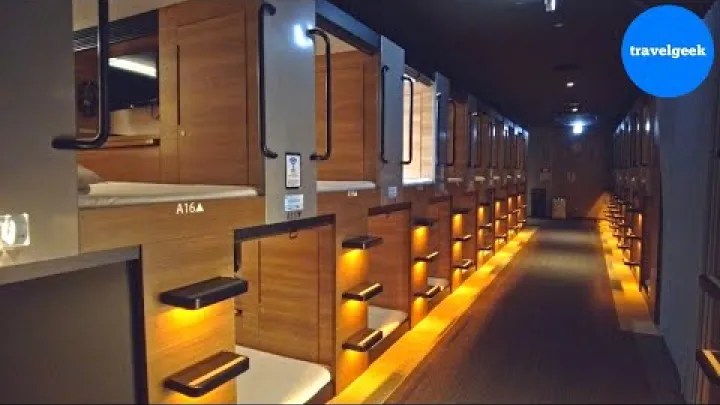
| Capsule hotel | About US$37 in one example | Per capsule, per night | A private sleeping space with shared facilities |
| Guest house | About US$90 in one example | Per room, per night | A more personal stay or a small private room |
| Three-star hotel | About US$91 | Usually per room, per night | Private accommodation and basic hotel services |
| Four-star hotel | About US$117 | Usually per room, per night | More space, services, and comfort |
The three-star and four-star snapshots come from a date-sensitive hotel comparison on Booking.com. The dollar figures are not fixed Sendai averages, and they should be converted into yen using the current exchange rate if you use them for planning. A listing that begins at a low price may represent only selected dates, a non-refundable rate, or a particular room type.
Hostel dorms usually offer the lowest solo cost but may involve shared bathrooms, lockers, or common areas. Capsule hotels provide more separation than a dorm while still using shared facilities. Guest houses can offer a quieter or more personal atmosphere, but the quoted price may be for a room rather than one traveler. Business hotels near central Sendai can be practical for short stays, while a higher-category hotel or ryokan may make sense when comfort, breakfast, space, or service matters more than the lowest nightly rate.
Before comparing listings, check whether the price is per bed, capsule, room, or person. Confirm whether taxes, breakfast, cleaning or service fees, and cancellation conditions are included. Also compare check-in rules and bathroom arrangements, since a lower price may reflect fewer services rather than better value.
How Dates, Weekdays, and Room Sharing Change the Cost
Accommodation prices can change by month, weekday, demand, booking lead time, room type, and local events. A room that fits a budget range on a quiet weekday can move into a mid-range price on a busy Friday or during a popular festival period.

One hostel listing snapshot identifies November as a low-price month. Other available booking snapshots differ on whether April or May appears to be the highest-price month. That disagreement is a reason not to rely on one universal cheapest or most expensive month. The broader lesson is more useful: Sendai lodging has seasonal variation, and the exact property and travel dates matter more than a general calendar rule.
The same pattern can occur within one week. A snapshot reported lower prices on Sunday and higher prices on Friday, but the difference changes by property and date. To compare fairly, search the same room across Sunday through Thursday, Friday and Saturday, and at least one flexible date range. Record the price, cancellation terms, and included services when you compare rather than looking only at the headline rate.
Room sharing can change the result significantly. For example, a private room costing ¥12,000 per night costs ¥6,000 per person when shared by two travelers, before any included extras. That can make a business hotel more competitive than two separate dorm beds, particularly for couples or friends who value privacy. Solo travelers should compare the full room price with a dorm bed or capsule price on a per-person basis.
Food Costs in Sendai
Food is one of the easiest parts of a Sendai travel budget to adjust without reducing the quality of the trip. The city offers convenience stores, bento counters, noodle shops, curry restaurants, station dining, market food, casual local restaurants, izakaya, and more specialized gyutan restaurants.
Everyday Meals on a Low or Mid-Range Budget
As a national reference point, a low-cost Japanese breakfast may be around ¥500, lunch around ¥500–¥800, and dinner around ¥500–¥1,000. Sit-down meals, local specialties, drinks, and larger portions can raise those figures, so treat them as a base rather than a promise for every restaurant.
A practical low-cost Sendai food target is about ¥1,500–¥2,000 per person per day. One possible pattern is a convenience-store breakfast, a bento or inexpensive noodle lunch, and a casual dinner. This approach does not require skipping meals; it uses different price levels across the day.
A mid-range food target is about ¥2,500–¥4,000 per person per day. This can allow a café or market breakfast, a restaurant lunch, a local specialty, and a casual dinner. A traveler can spend near the lower end on an ordinary day and move higher on a day with gyutan, dessert, alcohol, or a longer restaurant meal.
- Use convenience stores or bento counters when you need a quick breakfast or packed meal.
- Look at noodle, curry, rice-bowl, and set-meal restaurants for filling meals at moderate prices.
- Use Sendai Station dining when convenience is more important than finding the lowest possible price.
- Keep café drinks, desserts, bottled drinks, and small convenience purchases in a separate daily note because repeated small purchases can change the total.
- Plan one specialty-meal day instead of assuming that every meal will cost the same.
A food budget works best when it reflects your priorities. Someone who wants to focus on gyutan and izakaya meals should use a higher food allowance, while a traveler who mainly wants to visit museums and neighborhoods may prefer a simple breakfast and lunch with one carefully chosen dinner.
Gyutan, Asaichi Market Food, Drinks, and Splurges
Sendai is strongly associated with gyutan, or grilled beef tongue, but trying the local specialty does not always require a luxury food budget. Menu examples collected for Sendai include a gyutan meal around ¥1,430 and sets priced below ¥1,500, while the same dining guide notes that many gyutan meals start around ¥2,000. The difference reflects the restaurant, portion, set contents, and menu choice.
Sendai Asaichi Morning Market can also help create a lower-cost food day. Examples from local food coverage include a rice bowl around ¥500, inexpensive market snacks, a yakisoba dish around ¥590, and gyoza around ¥290. These are dated menu examples rather than universal prices, but they show how a market meal or casual dish can balance a more expensive dinner.
Drinks can change an izakaya bill quickly. One researched draft beer example was ¥385, but several drinks and multiple small dishes can raise the total even when each individual item looks inexpensive. A restaurant meal may also have a table charge, service charge, tax treatment, or set-meal structure that differs from a simple menu item.
One useful budget pattern is to reserve about ¥1,500–¥2,500 for one gyutan or other specialty meal, then use market food, casual restaurants, noodles, bento, or convenience stores for the remaining meals. Before ordering, confirm the current menu price and whether quoted amounts include drinks, side dishes, tax, service charges, or a complete set meal. The local examples and restaurant suggestions can be explored through Alex Kwa, but individual branches may use different menus and prices.
Local Transportation Costs
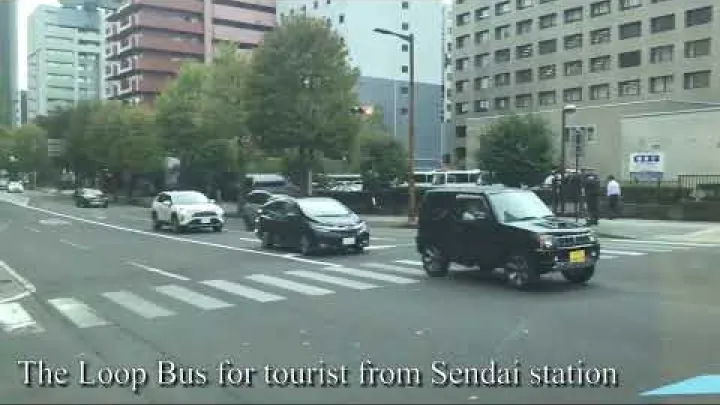
Central Sendai is practical to explore with a mixture of walking, the subway, city buses, and Loople Sendai. The most economical choice depends on how many attractions you visit in one day, not on whether a pass sounds convenient.
Walking, Buses, Subway, and Loople Sendai
Walking can keep local transport close to zero on a city-center day. For longer distances or sightseeing outside the most compact areas, use the option that matches your itinerary. The following adult fare figures are useful planning examples:
| Option | Indicative adult cost | Best use |
|---|---|---|
| Walking | ¥0 fare | Compact central areas and short transfers |
| Loople Sendai single ride | About ¥260 | One or two sightseeing rides |
| Loople one-day pass | About ¥630 | Several Loople rides in one day |
| Loople and subway pass | About ¥920 | Loople sightseeing combined with subway travel |
| Sendai City Area bus day pass | About ¥650 | Multiple city-bus trips in the specified area |
| Near Sendai City bus day pass | About ¥1,000 | Wider bus travel within the specified coverage |
Loople fares are calculated when passengers get off, and contactless payment may be available for some individual rides. A pass purchase or another transaction may require cash or a specific purchase location, so do not assume that the payment method for one ride applies to every ticket. The official Loople Sendai information is the best place to confirm current adult and child fares, pass use, and payment rules.
These transport choices make a local daily estimate of about ¥0–¥700 realistic for a walking-focused budget day, while a day with several paid rides may fit better in the ¥700–¥1,500 mid-range transport allowance. Taxis are useful for convenience or late travel, but they should be treated as an additional choice rather than silently included in a public-transport estimate.
When a Sendai Transport Pass Pays Off
A pass is good value when the planned rides, valid areas, and included attractions cost more than the pass price. It may not be good value on a day when you walk between Sendai Station, nearby restaurants, and one central attraction.
The Sendai Marugoto Pass is a useful regional planning example. The available planning snapshot lists it at approximately ¥1,420 for adult coverage involving selected JR lines, the Sendai Airport Access Line, Loople Sendai, city buses, the subway, and selected regional services. Depending on the current terms, it may be useful for a day involving several city attractions or a wider plan that includes places such as Matsushima, Yamadera, or Akiu.
Count the possible value in this order:
- List the number of train, subway, bus, Loople, or airport-access rides you actually expect to take.
- Compare the total of individual fares with the pass price.
- Check the valid zones, operating date, and services that are excluded.
- Count attraction discounts only when the attraction is currently participating and the discount applies to your ticket type.
- Confirm the payment method and where the pass can be bought or activated.
Before buying, verify the current price, valid zones, operating date, exclusions, payment method, and attraction discounts on the official pass or transport operator page. A pass should match your actual itinerary; buying it only because it includes many services can cost more than paying for a few individual rides.
Sightseeing and Attraction Costs
Sendai sightseeing can range from free viewpoints and public spaces to higher-cost museums, aquariums, tours, and special programs. Planning one or two paid experiences and filling the remaining time with free or low-admission places can keep the average activity cost under control.
Free and Low-Cost Things to Do
A low-cost Sendai itinerary can include the AER Lookout, Sendai Station areas, public viewpoints, parks, and the outdoor grounds around selected historic sites. These places are useful on arrival days, departure days, or between meals because they add interest without requiring a large admission budget.
Sendai Castle Ruins are a good example of how the setting itself can be part of the experience. Visitors can enjoy the historic location and views while checking whether any indoor facility, exhibition, or special program has a separate charge. The same distinction applies elsewhere: an outdoor garden, public street, viewpoint, or historic ground may have a different access rule from an indoor museum or guided experience.
If you mix free places with one modest admission, sightseeing can often remain within roughly ¥0–¥1,000 on a budget day. Alternating paid-attraction days with free city, park, viewpoint, or public-space days is more useful than trying to keep every single day at the same cost.
Do not describe a place as completely free without checking the current access rules. Free grounds may still have paid interiors, special exhibitions, events, tours, tastings, or transportation costs.
Paid Attractions and Admission Planning
Zuihoden is a lower-cost cultural attraction to include in a Sendai budget. The available adult admission figure is ¥570, with a lower price reported for eligible transport-pass holders. Sendai Uminomori Aquarium is a higher-cost example, with an adult admission figure of ¥2,400 in the available information. Special programs and some extras may cost more than the basic admission.
Visiting both on one day could therefore create more than ¥3,000 in admissions before meals and transport. That may be worthwhile for a traveler who values history and marine life, but it is admission-heavy compared with a day built around the AER Lookout, public areas, parks, and historic grounds.
When you compare attractions, look beyond the headline adult price. Check adult, child, senior, group, seasonal, and transport-pass conditions, as well as opening information and what the basic ticket includes. A tour, tasting, special exhibition, or activity should be treated as a separate budget line unless it is clearly included in the standard admission. Use the current official fee page for each attraction as the final authority.
Costs That Can Change Your Sendai Budget
Two travelers can follow the same itinerary in Sendai and spend very different amounts because accommodation dates, room-sharing arrangements, access choices, and paid experiences affect the total more than small differences between individual meals.
Peak Seasons, Weekends, Events, and Booking Timing
Spring demand, weekends, festivals, major events, and limited hotel availability can increase room prices and reduce the number of budget choices. This is especially important when a city-center location is a priority or when several travelers are searching for rooms at the same time.
Listing snapshots show why seasonal claims should be treated carefully. November appears as a low-price month in one hostel snapshot, while available extracts differ on whether April or May represents the highest spring price. Rather than promising a fixed cheapest month, compare the actual property across flexible dates.
For a useful comparison, search the same accommodation for Sunday through Thursday, Friday and Saturday, and several weeks or months if your schedule allows. Booking earlier may protect the choice of room type, while a flexible or refundable rate can protect you if the event calendar or transport plan changes. A cheaper non-refundable room is not always better value if it prevents you from responding to a price or schedule change.
Before finalizing transport for a busy weekend or peak travel period, check the event calendar and reserve a flexible or refundable room when possible. This protects the largest part of many Sendai budgets: accommodation. Saving ¥300 on a meal is useful, but it may not offset a large increase in the nightly room rate.
Sendai Versus Other Tohoku Bases and Access Costs
Sendai works well as an urban base because it offers a broad choice of hotels, casual restaurants, station dining, and public transport. A rural or resort base in Tohoku should be compared differently. Its room price may include meals, transfers, baths, activities, or a more specialized experience, so comparing only the nightly room rate can give the wrong answer.
For each possible base, compare the complete package:
- Room cost and whether breakfast or dinner is included.
- Transport from the airport or main rail station.
- Local transfers to attractions, trails, or resort facilities.
- Activity, entrance, or guided-tour costs.
- Time and convenience lost through longer transfers.
Keep Tokyo–Sendai shinkansen tickets, domestic flights, highway buses, and the Sendai Airport Access Line separate from the local Sendai daily budget. Train type, seat class, travel date, booking conditions, and flexibility can create a wide price spread. Airport access is part of reaching the city, but it should be visible as its own line in your worksheet.
Regional visits to Matsushima, Yamadera, or Akiu should also be treated as separate day-trip decisions. Compare independent train or bus travel with a guided tour or taxi by looking at the full cost, including admissions, waiting time, and the value of convenience. This section focuses on cost planning rather than detailed routes.
For your exact trip, price intercity, airport, and regional transport separately using the current operator or booking platform, the exact travel date, service type, seat conditions, and cancellation rules. Then add those amounts to the local Sendai estimate instead of treating access as part of a ¥5,000–¥28,000 daily city budget.
Sample Sendai Trip Totals and Ways to Save
The daily ranges become more useful when applied to a specific number of nights and travel days. The following examples are illustrative worksheets, not fixed package prices. They cover accommodation, food, local transport, and activities, but exclude intercity access, airport access, shopping, insurance, and personal spending.
Turn a Daily Budget Into a Trip Total
Use this formula:
Trip total = lodging per night × nights + food per day × days + local transport per day × days + activities and admissions + regional trips + intercity access + personal spending.
Here are two examples using consistent assumptions:
| Travel style | Three days, two nights | Five days, four nights | Main assumption |
|---|---|---|---|
| Budget | About ¥16,400 | About ¥30,000 | Shared hostel bed at ¥4,000 per night, food at ¥1,800 per day, transport at ¥500 per day, activities at ¥500 per day |
| Mid-range | About ¥30,600 | About ¥55,000 | Two travelers share a ¥12,000 private room per night, food at ¥3,200 per day, transport at ¥1,000 per day, activities at ¥2,000 per day |
| Comfortable | About ¥82,000 | About ¥150,000 | Private accommodation at ¥20,000 per traveler per night, food at ¥7,000 per day, transport at ¥2,000 per day, activities at ¥5,000 per day |
For the three-day budget example, the calculation is ¥8,000 for two hostel nights, ¥5,400 for food, ¥1,500 for local transport, and ¥1,500 for activities. The five-day version uses four nights and five daily allowances, producing ¥16,000 + ¥9,000 + ¥2,500 + ¥2,500.
The mid-range example assumes that two people share one private room. Each person pays ¥6,000 per night for lodging, so the accommodation portion is ¥12,000 for two nights or ¥24,000 for four nights. A solo traveler should replace that shared-room assumption with the full price of a suitable room.
The comfortable examples show why this category has no fixed ceiling. Private accommodation and premium meals quickly become the largest costs, while taxis, guided experiences, and several paid attractions can add more. Add a contingency allowance for price changes, extra drinks, luggage storage, taxis, or an unplanned paid activity. Choose the amount based on your itinerary rather than applying an automatic percentage that may not fit your situation.
Saving Tactics That Preserve the Sendai Experience
Focus on the largest savings levers first, then adjust smaller daily purchases. Each tactic has a trade-off, so the best choice depends on whether your priority is privacy, time, comfort, flexibility, or a particular experience.
- Compare dates before lowering quality. Search weekdays, Sunday-to-Thursday stays, and flexible dates before moving to a less convenient hotel. The trade-off is that a cheaper date may not match your preferred event or schedule.
- Choose the right lodging format. A hostel dorm or capsule can reduce the solo cost, while sharing a private room can give couples or friends better value. The trade-off may be shared facilities, less space, or reduced privacy.
- Compare location with total time and fares. A room farther from Sendai Station may have a lower nightly price, but add the extra local fares and travel time before deciding that it is cheaper.
- Walk through compact central areas. Use walking when attractions and restaurants are close, then pay for Loople, the subway, or city buses when the planned rides justify them. The trade-off is extra walking time and less convenience.
- Use food variety instead of cutting meals. Try Sendai Asaichi Morning Market, inexpensive lunch sets, casual local restaurants, noodles, bento, or a convenience-store breakfast, then reserve part of the budget for gyutan. The trade-off may be less seating, less choice, or less time in a specialty restaurant.
- Balance paid and free sightseeing. Include a paid visit such as Zuihoden or Sendai Uminomori Aquarium, then use the AER Lookout, public spaces, parks, and historic grounds on another day. The trade-off is that a free day may offer less structured interpretation or indoor comfort.
- Compare regional travel methods. For Matsushima, Yamadera, or Akiu, compare independent transport with a guided tour or taxi. Independent travel may cost less but require more planning, while a tour may cost more but combine transport and scheduling.
A pass, cheaper room, or tour is not automatically better value. Choose it when its inclusions match the itinerary you actually want, and protect the experiences that matter most rather than applying every saving tactic mechanically.
Final Takeaway: Planning a Sendai Budget
A realistic Sendai travel budget starts at about ¥5,000–¥13,000 per person per day for a budget style, about ¥13,000–¥28,000 for mid-range travel, and ¥28,000 or more for comfortable travel. Accommodation dates and room sharing usually have the greatest effect, while food and local transport give you flexible ways to adjust spending from day to day.
Build the estimate by separating nights from travel days, then add Tokyo or airport access, regional excursions, attractions, shopping, and personal spending as separate lines. Compare the exact lodging conditions, menu details, transport coverage, attraction fees, and event dates that apply to your itinerary. With that approach, you can spend less on routine costs while still making room for gyutan, local markets, cultural sites, and the Sendai experiences you value most.
Select area
Create a post
Posting is free and no registration is required.