Kochi Travel Guide: Shikoku, Japan
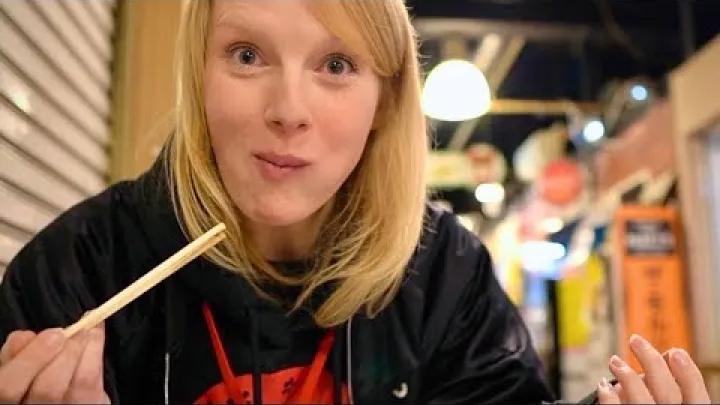
This Kochi travel guide covers Kochi City and Kochi Prefecture on Shikoku, Japan. It is not a guide to Fort Kochi in Kerala, India, which is a different destination. Kochi combines castle history, Sakamoto Ryoma, local food, clear rivers, Pacific coast scenery, mountain landscapes, and pilgrimage culture. The most important planning decision is to separate an easy city visit from the longer journeys needed to reach places such as Niyodo, Shimanto, Cape Ashizuri, and Muroto.
Kochi at a Glance: What to Expect on a First Visit
Kochi is rewarding for travelers who prefer regional food, open landscapes, and a slower pace to a dense city itinerary. Use Kochi City as your starting point, then add one rural or coastal region if you have enough time.
Where Kochi Is and What Makes It Different
Kochi is the Pacific-facing prefecture on the southern side of Shikoku, with Kochi City as its main urban center. Mountains occupy much of the interior, while the coast extends across a large area. This geography creates a clear difference between a walkable city break and a prefecture-wide journey.
The main Kochi City sights are close enough to combine on foot, by tram, or by local bus. The Niyodo River area near Ino leads into increasingly rural valleys. Nakamura is a useful gateway for the Shimanto River and the western coast, while Muroto serves the eastern Pacific route. Cape Ashizuri is a distant southwestern destination. These places should not be treated as interchangeable day-trip stops.
First-time visitors usually come for Kochi Castle, Hirome Market, katsuo no tataki, the story of Sakamoto Ryoma, and the downtown streets around Harimayabashi and Obiyamachi. Longer trips add river scenery, coastal viewpoints, temples, botanical gardens, geology, cycling, canoeing, or parts of the Shikoku pilgrimage.
How Many Days to Plan
One full day is enough for a useful introduction to Kochi City. Focus on Kochi Castle, Hirome Market, Harimayabashi, and Obiyamachi. Katsurahama or Mount Godaisan can be added only if transport connections and your pace allow.
Two to three nights work well for the city plus one nearby nature or coastal excursion. Four to five days are more appropriate when you want a distant region such as Shimanto, Cape Ashizuri, Muroto, or the upper Niyodo valleys. The right length depends on your interests, driving comfort, and whether Kochi is one stop on a wider Shikoku circuit.
Trying to visit both distant endpoints in one rushed overnight trip usually means spending more time in vehicles than at the coast. Choose one direction and give the landscape enough time to be meaningful.
Choose the Best Time for Your Kochi Trip
There is no single best season for every Kochi itinerary. Choose according to walking comfort, festival interest, river conditions, foliage, coastal views, and your tolerance for heat or rain.
Spring, Summer, Autumn, and Winter at a Glance
Spring and autumn are generally comfortable choices for walking around Kochi City and planning outdoor travel. Summer suits visitors interested in the Yosakoi Festival or seasonal marine and river activities, but heat, humidity, rain, and busy dates require more flexibility. Winter is quieter for city and coastal sightseeing, although mountain conditions and some outdoor activities may be less suitable.
| Season | Good for | Main planning issue |
|---|---|---|
| Spring | City walks, gardens, and comfortable sightseeing | Popular travel periods can increase demand |
| Summer | Yosakoi Festival interest, marine activities, and long daylight | Heat, humidity, rain, and weather-sensitive plans |
| Autumn | Walking, foliage, rivers, and coastal routes | Conditions and opening patterns vary by activity |
| Winter | Quiet city visits and clear coastal views | Shorter days and less suitable mountain or water activities |
If the Yosakoi Festival is central to your trip, use the official event information for the year you will travel. Do the same for attraction opening patterns and seasonal activity schedules rather than relying on a date remembered from an older guide.
Weather Flexibility for Coast, Rivers, and Mountains
Kochi faces the Pacific, so weather can affect exposed beaches, cliff paths, coastal roads, river activities, mountain roads, hikes, and rural buses. Rainy-season conditions, typhoons, heavy rain, high waves, flooding, and landslides can change a plan even when the city itself remains accessible.
Separate ordinary inconvenience from an official go-or-no-go instruction. A hot afternoon may require an earlier start and more water, while a road closure, river restriction, high-wave notice, flood warning, or evacuation instruction means that the plan should change. Before a remote excursion, check official weather warnings together with local road, transport, and activity notices. Keep an indoor Kochi City alternative ready if a river or coastal day becomes unsuitable.
If a tsunami warning or evacuation instruction is issued, move away from the waterfront and follow local evacuation signs toward higher ground or the designated safe route. Do not remain on a beach, harbor, or viewpoint to watch the sea.
How to Get to Kochi and Move Around
Kochi is accessible by air, rail, highway bus, and car, but the best choice depends on your starting point and whether you will continue around Shikoku. Within Kochi City, a car is usually unnecessary. Beyond the city, distances and limited rural services become more important.
Flying to Kochi Ryoma Airport
Kochi Ryoma Airport is the main air gateway for the prefecture. Flying can be the most time-efficient option from major Japanese cities, especially when a rail journey would require a connection through Okayama. Compare the complete journey, not only the time in the air: include travel to your departure airport, airport procedures, baggage conditions, the fare type, and the transfer after landing.
The airport bus is the key onward connection for visitors staying near JR Kochi Station, Harimayabashi, or central Kochi. Identify the stop closest to your accommodation before boarding, especially if you arrive with large luggage. The Kochi Ryoma Airport access information brings together bus routes, public transport timetables, and access information for major destinations.
Air travel is not automatically the cheapest option, while a low headline fare may have baggage or change restrictions. Rail may be more convenient if you are already near a shinkansen station or using a wider Shikoku route.
Arriving by Train or Highway Bus
The common rail route from Honshu runs through Okayama. Travelers use the JR Tokaido or Sanyo Shinkansen to Okayama and then transfer to the JR Nanpu limited express for Kochi. One published example lists about three and a half hours from Tokyo to Okayama and about two and a half hours from Okayama to Kochi, before adding the transfer margin. Treat those figures as route guidance rather than a promise for every departure. Japan Guide provides a practical overview of the route and local transport options.
| Arrival method | Best fit | Trade-off | Important detail |
|---|---|---|---|
| Flight | Visitors starting far from Shikoku | Airport procedures and onward bus transfer | Compare the full door-to-door journey |
| Train via Okayama | Shinkansen travelers and rail itineraries | Connection time and a long total journey | Check Nanpu departures and seat conditions |
| Highway bus | Budget-focused or overnight travel | Longer duration and less space than rail | Reservations and luggage rules vary |
| Regional rail pass | Travelers visiting several Shikoku areas | Coverage may not match every train or route | Read validity, reservation, and exclusion rules |
Highway buses can be useful from major cities and may include overnight services, but comfort, duration, stop patterns, and reservation rules differ. Regional rail passes can help on a wider Shikoku itinerary, yet a pass may have limits on eligible trains, routes, or validity dates. Before booking, compare the latest train and highway-bus schedules, transfer times, service changes, fare conditions, seat reservations, and pass restrictions. Kochi is not usually a convenient quick day trip from a major mainland city.
Exploring Kochi City by Tram, Bus, and on Foot
A first-time, no-car visit can be organized around JR Kochi Station, Harimayabashi, Kochi Castle, Hirome Market, Obiyamachi, Mount Godaisan, and Katsurahama. The central sights are suited to a combination of walking and Tosaden Kotsu trams. The My-Yu Bus and other local buses are useful for outlying sightseeing areas, including routes toward hilltop and coastal attractions.
A simple city loop is to start near the station, walk or take local transport toward Kochi Castle, continue to Hirome Market for a meal, then explore Harimayabashi and Obiyamachi. Use the afternoon for either a second central area or one outlying attraction. Fares, pass coverage, IC card acceptance, and timetables can differ by service, so understand the fare method and last practical return connection before setting out.
When to Rent a Car for Rural Kochi
Consider renting a car when your plan includes the upper Niyodo valleys, several Shimanto River sites, Cape Ashizuri, or dispersed coastal and mountain attractions. A car gives you control over viewpoints, short walks, rural meals, and overnight locations that may not align with bus schedules.
The trade-off is the combined cost of rental, fuel, tolls, parking, insurance conditions, and possible one-way fees. Rural roads may be narrow, buses may be infrequent, and a short distance on a map can take much longer than expected. Weather can also make mountain and coastal driving more demanding.
- Stay in Kochi City without a car if most of your time is in the center.
- Consider a car for two or more remote regions or for activities with early starts.
- Choose public transport or a tour if you are uncomfortable with left-side driving or narrow roads.
- Price the complete vehicle day, including fuel, tolls, parking, and any unused rental time.
Where to Stay and Which Base Fits Your Trip
Your base determines how much time is spent sightseeing and how much is spent transferring. For a first visit, choose a base that matches the geographic reach of your itinerary rather than selecting accommodation only for its surroundings.
Kochi City for a First Visit
The strongest first-visit base is the area between JR Kochi Station, Harimayabashi, Kochi Castle, Hirome Market, and Obiyamachi. It offers the widest combination of accommodation, evening dining, tram access, walking routes, and airport-bus connections.
For one to three nights, Kochi City is especially practical for travelers without a car. Station-area accommodation makes arrival and departure easier, while downtown accommodation around Harimayabashi and Obiyamachi places more restaurants and evening activity close by. An outlying property can be attractive for a specific hotel or a car-based plan, but it usually provides fewer first-visit conveniences.
Niyodo and Central Kochi for a Nature Extension
The Niyodo area works either as a day trip or as a rural overnight for travelers who prioritize river scenery, forests, gorges, waterfalls, and outdoor activities. Ino is a useful gateway from Kochi City, but it should not be confused with the more remote upper-valley locations.
Ino can suit a shorter visit using public transport, a guided activity, or a carefully planned connection. Farther upriver, a car or organized tour becomes more useful. Choose this area for quiet outdoor time rather than a dense list of attractions.
Western and Eastern Kochi for Regional Stays
Nakamura and the Shimanto area are logical western bases for slow river travel and onward access toward Cape Ashizuri. Muroto and nearby eastern coastal areas suit travelers interested in Pacific views, tectonic landscapes, and the Muroto Global Geopark. Both directions are better with an overnight stay when the goal is more than a brief viewpoint.
| Base | Best for | Suggested role | Transport difficulty |
|---|---|---|---|
| Kochi City | History, food, and no-car travel | One to three nights | Easiest |
| Ino or central Niyodo | River scenery and short outdoor trips | Day trip or one rural night | Moderate; harder upriver |
| Nakamura and western Kochi | Shimanto, cycling, and slow travel | One to two nights | Moderate to high |
| Muroto and eastern Kochi | Geology, coast, and Pacific views | One to two nights | Moderate to high |
Compare the two regional directions by travel time, car dependence, outdoor interests, and your wider Shikoku route. The Tosa Kuroshio Railway may be part of regional planning on some eastern or western segments, but it does not remove the need to plan local connections. A car makes both directions more flexible, while public transport requires a more fixed schedule.
What to Do in Kochi City
Kochi City is compact enough for a focused first day but varied enough to support two or three days. The main themes are Tosa history, local food, downtown shopping streets, hilltop temples and gardens, and Pacific coast scenery.
Kochi Castle and the City's History
Kochi Castle is the central historical landmark in the city. Its grounds, surviving historic structures, elevated position, and museum displays help explain Kochi's feudal past and the history of the wider Tosa region. It is more useful than a simple photo stop because the castle gives context to the streets, institutions, and historical figures encountered elsewhere in the city.

Pair the castle with Hirome Market and the nearby downtown streets for an efficient half-day. The connection to the Sakamoto Ryoma story is another reason to place the castle early in a first visit, before exploring the modern city and regional history. For a practical overview of the main Kochi City attractions, including the castle, food, temple, and beach areas, see Japan Guide. Confirm current opening hours, last entry, closures, and ticket arrangements before visiting.
Hirome Market and Kochi Food
Hirome Market is a casual shared-seating food destination where visitors can sample local dishes in a lively setting. The best-known order is katsuo no tataki, a preparation of bonito that is briefly seared and served in slices. It is a simple way to experience a Kochi food specialty without arranging a formal restaurant meal.
Lunch can be easier for travelers who want a straightforward meal, while evening visits may feel busier and more focused on food and drinks. Look for an open stall, select food that suits your diet, and find a seat before ordering more. Shared seating is part of the market experience, but individual stall schedules, payment methods, and crowd conditions are not necessarily identical. Travelers with allergies or strict dietary requirements should ask clearly about ingredients and preparation rather than assuming that a dish is suitable.
Harimayabashi and Obiyamachi
Harimayabashi is both a cultural landmark and a useful navigation point near the central tram junction. The small bridge is associated with a well-known local story, but its practical value for visitors is that it helps connect the station side of the city with downtown shopping and dining.

Obiyamachi Shopping Arcade is a useful corridor for daytime browsing, cafes, restaurants, and local city life after dark. It fits naturally into a walking route from Hirome Market toward Harimayabashi. Use these streets for flexible time between major visits rather than treating the bridge as a long standalone attraction.
Katsurahama, Sakamoto Ryoma, and Godaisan
Katsurahama combines Pacific scenery with the modern-history narrative around Sakamoto Ryoma. The Sakamoto Ryoma Memorial Museum adds interpretation to the coastal visit, making this southern route a good choice for travelers who want history and landscape together. Treat Katsurahama as a viewing destination and follow all site-specific beach restrictions.

Mount Godaisan offers a different half-day route. Chikurin-ji Temple connects the hilltop visit with pilgrimage culture, while the Makino Botanical Garden adds plants, gardens, and views. Tourist buses and other local transport can serve this area, but it should be planned as a distinct route rather than squeezed into the same morning as the castle and market.
For a two-day city plan, use either a southern coastal route through Katsurahama and the museum or a Godaisan route through the temple and botanical garden. The choice should follow current transport connections, opening hours, and your interest in coast, history, gardens, or religious heritage.
Nature and Coastal Excursions Beyond Kochi City
Beyond the capital, Kochi becomes a landscape-focused destination. Regional excursions reward extra time, but the best choice depends on whether you prefer clear rivers, cycling, Pacific cliffs, geology, or a slow road journey.
Niyodo Blue and the Niyodo River Valley
Niyodo Blue is the tourism identity built around the Niyodo River's unusually clear, blue-toned water and forested valley scenery. Tourism Shikoku describes the river as extending for 124 kilometers, so the name refers to a broad river corridor rather than one single attraction.
Plan the area at the level that fits your time. Ino can serve as a practical gateway for a shorter outing. Scenic viewpoints and short walks require less commitment, while upper-valley drives, gorges, waterfalls, and guided water activities need more transport and preparation. Farther upriver, infrequent public transport makes a car or organized tour more useful.
Water activities depend on river conditions, weather, equipment, and operator availability. Treat a reservation as a structured plan, not a guarantee that conditions will allow an activity on every day. Travelers who want scenery without a demanding outdoor program can focus on accessible viewpoints and brief walks.
Shimanto River and Nakamura
The Shimanto River is a major western Kochi landscape known for its rural setting, river culture, and submersible bridges. Japan's national tourism site describes it as 196 kilometers long and far removed from intense urban development. Japan Travel offers a useful introduction to the river's scale and setting.
Nakamura Station is the practical gateway for local buses, rental bicycles, taxis, and car-based exploration. A rail-accessible visit can focus on a limited section near the gateway, while a deeper river itinerary needs local connections and more time. Cycling, canoeing, river views, bridges, and freshwater food suit a slow trip rather than a checklist of stops.
Stay overnight in the western area if you want to cycle, join a water activity, or reach several river viewpoints. A short stop may show the character of the region, but it cannot provide the same experience as following the river at a relaxed pace.
Cape Ashizuri and the Southwestern Coast
Cape Ashizuri is a dramatic Pacific endpoint with cliff views and a lighthouse area. It also has a strong connection to the Shikoku pilgrimage, giving the landscape a cultural meaning beyond its ocean views. The surrounding Ashizuri-Uwakai National Park area adds further coastal scenery and marine landscapes.
Plan the cape as part of a western Kochi stay, usually by combining Nakamura with a rental car or carefully matched local bus connections. Kashiwa Island may be relevant to a wider marine route when access and time suit your plans, but it is not a casual addition to a city day. Allow room for conservative road planning and an overnight stay instead of treating Ashizuri as a quick return trip from Kochi City.
Muroto and the Eastern Coast
Muroto is an eastern coastal region centered on tectonic landforms, Pacific viewpoints, coastal walking, and facilities that interpret how the landscape formed. Muroto Global Geopark is the main anchor for travelers interested in geology, conservation, and the relationship between land and ocean.
Public transport can work for a focused route when departures and return connections match your plan. Driving provides more flexibility for viewpoints and coastal sections, but the route is better treated as a dedicated eastern Kochi excursion or overnight. Combining Muroto with distant western destinations in a short trip usually creates an inefficient crossing of the prefecture.
Build a Kochi Itinerary by Trip Length
Build the itinerary around one clear regional theme. Kochi City supplies the history and food foundation, while one carefully selected excursion supplies the nature or coast experience.
One Full Day in Kochi City
Use time blocks rather than a rigid timetable:
- Morning: Start near JR Kochi Station and visit Kochi Castle while you have energy for the historical displays and grounds.
- Midday: Walk toward Hirome Market for katsuo no tataki or another local meal.
- Afternoon: Explore Harimayabashi and Obiyamachi, using the trams or walking routes to connect the central areas.
- Late afternoon: Add Katsurahama or Godaisan only when the transport connection fits. Otherwise, keep the city route relaxed.
This plan is car-free. If time becomes tight, drop the optional outlying stop first, not the castle, market, or central streets.
Two to Three Days with One Regional Excursion
For travelers without a car, spend the first day in central Kochi City. On the second day, choose either a planned Niyodo Blue outing through Ino, an organized river activity, Katsurahama with its museum, or the Godaisan hilltop route. A third day can provide another city area or a slower version of the selected excursion. Do not assume that reaching Ino means reaching every upper-valley attraction.
For drivers, use the first day for the castle, market, and downtown. Use the second day for Niyodo or a southern coastal route, then keep the third day for the remaining city sights or a shorter nearby visit. A car expands the choices but does not eliminate the need for opening-hour, road, or activity planning.
If an outdoor excursion cannot run, use Kochi City as the alternative: Kochi Castle, Hirome Market, Obiyamachi, museums, and indoor food stops can form a complete day. This is more reliable than forcing a river or coastal plan into unsuitable conditions.
Four to Five Days for a Prefecture Circuit
With four to five days, combine Kochi City with one deeper regional direction. A western route can use Kochi City, Nakamura and the Shimanto area, then Cape Ashizuri. An eastern route can use Kochi City and Muroto, with time for coastal viewpoints and the geopark. A central route can focus on Ino, Niyodo, and a rural stay without crossing to both distant ends.
Choose the direction based on your arrival and departure points, season, driving comfort, and main interest. Choose western Kochi for river travel and a slower coastal endpoint. Choose eastern Kochi for geology and Pacific landscapes. Choose central Kochi for forests, clear water, and outdoor activities. History and food travelers can give more nights to the city.
A car can simplify regional connections, but allow generous time for narrow roads, weather changes, stops, and attraction hours. Public transport can work when the route is built around stations such as JR Kochi Station and Nakamura Station, Ino as a gateway, or a selected eastern coastal base. It works less well when many remote viewpoints are added without checking the final return connection.
Budget, Bookings, and Safety Notes
Kochi can be planned at different spending levels, but regional distance is the main reason a low-cost city visit can become an expensive prefecture circuit. Separate fixed city expenses from optional rural transport and activities.
Typical Costs and How to Estimate Your Budget
Prices change with season, booking lead time, accommodation type, and transport demand, so a single fixed yen figure can mislead. Build a live estimate using the following planning bands:
| Planning band | Accommodation pattern | Transport pattern | Food and activities |
|---|---|---|---|
| Lower cost | Guesthouse, hostel, or simple room | Walking, city transit, and selected public transport | Markets, casual meals, and mostly city sights |
| Middle range | Private hotel room or comfortable inn | City transit plus one regional excursion | Regular restaurants, admissions, and one paid activity |
| Higher cost | Peak-date hotel, resort, or traditional lodging | Rental car, fuel, tolls, parking, or several transfers | Guided activities, coastal travel, and more restaurant meals |
List accommodation, arrival transport, city transit, regional rail or bus, rental car charges, tolls, fuel, parking, meals, admissions, and guided activities separately. Mark every amount as per person, per room, per vehicle, per day, or one way. A rental car may look reasonable as a daily rate but become costly after fuel, tolls, parking, insurance, and unused time are included. On the other hand, a guided activity or regional tour may reduce the need for several separate rural connections.
Reservations, Opening Hours, and Rural Logistics
Rural Kochi requires more advance organization than central Kochi City. River activities, guided tours, limited rural buses, rental cars, and popular accommodation may need reservations. A destination appearing on a tourism map does not mean that transport, staff, or an activity is available every day.
- Confirm attraction opening days, last entry, seasonal closures, and admission rules.
- Check individual Hirome Market stall schedules instead of assuming that every vendor follows the same pattern.
- Reserve river activities and guided tours, then read their cancellation and weather policies.
- Match rural bus departures with the final return service or arrange a taxi or car in advance.
- Confirm accommodation check-in rules, meal times, and cancellation conditions in remote areas.
Keep connection buffers between trains, buses, activities, and check-in times. Before leaving for a regional day, know the final realistic return option and have a backup if a connection is missed.
Coast, River, and Outdoor Safety
Follow local barriers, signs, no-swimming notices, river restrictions, coastal warnings, and evacuation signage. Exposed beaches and cliff paths can have waves, currents, unstable edges, or sudden weather changes. Rivers can change in depth and flow, and mountain roads can become difficult even when a city forecast appears manageable.
Katsurahama is a clear example: it is a scenic beach and viewing area, but swimming there is prohibited. Never treat an attractive beach as an approved bathing beach. In summer, manage heat and humidity with water, shade, rest, and a shorter walking plan. During river activities, use the operator's instructions and do not enter restricted water.
If a tsunami warning or other coastal evacuation instruction is issued, move away from the waterfront immediately and follow local signs to higher ground or the designated evacuation route. Official instructions take priority over an itinerary, map, or travel blog.
Driving Documents and Emergency Preparation
The driving document required for a foreign license is not the same for every country. Before leaving home, confirm whether you need an International Driving Permit or an approved Japanese translation, and check the rental company's rules for your license, passport, age, payment card, insurance, and additional drivers.
Remember that Japan uses left-side driving. Rural Kochi may include narrow roads, toll roads, limited signage, steep or winding sections, and long distances between services. Use offline maps as a backup, but do not assume that every remote location has strong connectivity, card payment, fuel access, or English signage.
- Carry a charged phone, power source, booking details, and accommodation addresses.
- Keep travel insurance information and important emergency contacts accessible offline.
- Carry more than one payment option, especially when leaving the city.
- Save the rental company's roadside assistance information before starting the car.
- Tell someone your regional route when driving into remote coastal or mountain areas.
Kochi Trip Planning Summary
For a first trip, base yourself in Kochi City for one to three nights and explore the castle, Hirome Market, Harimayabashi, Obiyamachi, and one outlying route. Add Niyodo for clear rivers and forests, Shimanto and Cape Ashizuri for a western journey, or Muroto for eastern coastal geology. Four to five days allow a deeper regional plan, but choosing one direction is usually better than rushing across the prefecture.
Compare air, rail, bus, and car travel using total journey time and total cost. Build your itinerary with rural connection buffers, seasonal flexibility, current operator information, and clear outdoor safety decisions. Kochi is easiest to enjoy when the schedule leaves space for the landscape instead of treating every distant point as a checklist stop.
Select area
Create a post
Posting is free and no registration is required.