Yokohama Travel Guide: Areas, Sights & Itineraries

This Yokohama travel guide explains how to plan a first visit to one of the Kanto region's most varied port cities. You will learn how Yokohama's main districts fit together, whether to visit as a day trip or stay overnight, and which area suits your travel style. It also covers transport from Tokyo and nearby gateways, the best things to do, seasonal planning, typical costs, safety, and practical booking details.
Yokohama at a Glance
Yokohama is easiest to understand as a collection of connected visitor areas rather than as one compact sightseeing center. The waterfront, Chinatown, historic neighborhoods, gardens, shopping streets, and major rail hubs each offer a different experience.
Why Yokohama Belongs on a Kanto Itinerary
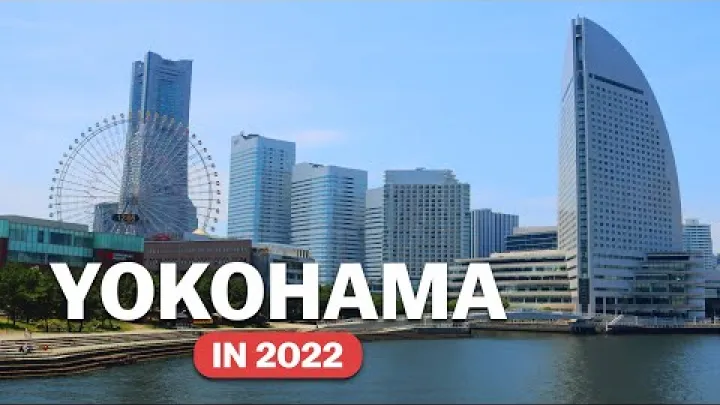
Yokohama combines modern waterfront development with the history of an international port. Around Minato Mirai 21, visitors find towers, museums, shopping, parks, restaurants, and bay views. Farther south, Yokohama Chinatown brings a dense food and cultural experience, while Yamate and Motomachi offer historic architecture, hillside streets, cafes, and shopping. Sankeien Garden provides a quieter setting with traditional landscapes and historic buildings.
This range makes Yokohama useful in several ways. It can be a self-contained destination for travelers who want more than central Tokyo, a side trip from Tokyo, or an overnight base for exploring other parts of Kanagawa. Its rail connections make the city practical to add to a wider Japan itinerary, but its atmosphere is distinct from Tokyo: the harbor, open promenades, former foreign settlement areas, and Chinese cultural influence give it a clear identity.
For a broad introduction to districts, attractions, and current visitor information, consult the Yokohama Official Visitors Guide as you develop your route.
How Many Days to Spend in Yokohama
The right length of stay depends more on pace and interests than on a fixed list of must-see sights. A focused central route works in one day, but trying to include every major district will make the visit rushed.
- One day: Combine Minato Mirai with the Red Brick Warehouse area, Yamashita Park, and Yokohama Chinatown. Add Motomachi or a short visit to Yamate only if you are comfortable with more walking.
- Two days: Separate the modern waterfront and port districts from Sankeien Garden and a slower Yamate-Motomachi visit. This gives you more time for museums, meals, photography, and unplanned stops.
- Three or more days: Consider using Yokohama as a relaxed base, especially if you want to revisit the waterfront in the evening or add nearby Kanagawa destinations to your wider plan.
A one-day trip is suitable for a first overview. An overnight stay becomes more attractive when you have luggage, want an early start, prefer a less compressed schedule, or want to experience Yokohama after some day visitors have left.
Understand Yokohama's Layout and Choose Where to Stay
Choosing a base is mainly a decision between rail convenience, waterfront atmosphere, and proximity to the older port districts. The following comparison is a starting point; the best hotel location also depends on your arrival station and daily plans.
| Area | Best for | Main trade-off |
|---|---|---|
| Yokohama Station | Rail connections, shopping, dining, and regional trips | Less waterfront atmosphere at the doorstep |
| Shin-Yokohama | Shinkansen logistics and practical transfers | Less convenient for central sightseeing |
| Minato Mirai and Sakuragicho | Bay views, modern attractions, and evening walks | Purpose-built atmosphere and potentially higher hotel costs |
| Chinatown, Yamashita, Motomachi, and Yamate | Food, port history, shopping, and heritage walks | Hills, crowds, and less uniform access between streets |
| Sankeien and outer areas | Quiet surroundings and slower local-style stays | More time required to reach the central visitor belt |
Yokohama Station and Shin-Yokohama: Convenience First
Yokohama Station is the most practical choice for travelers who expect to use trains frequently. It is a major interchange for travel around Kanto and has extensive shopping, restaurants, and everyday services. A station-centered hotel can make departures for Tokyo, other Kanagawa destinations, and different parts of Yokohama easier.
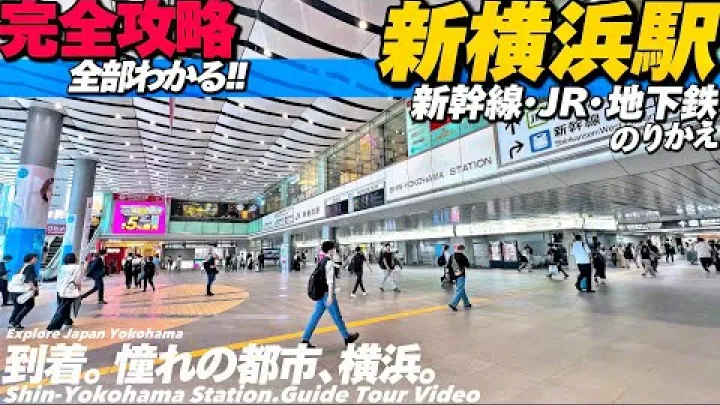
Shin-Yokohama should be treated as a separate area, not as another name for central Yokohama. It is an important shinkansen gateway, so it can be especially convenient when you arrive or leave on a long-distance train. However, many of the best-known visitor districts are closer to Yokohama Station, Sakuragicho, or the Minatomirai Line. If most of your time will be spent at the waterfront, staying near Shin-Yokohama may add a daily local transfer.
Use a simple decision rule: choose Yokohama Station when regional rail flexibility and central services matter most. Consider Shin-Yokohama when shinkansen timing, luggage, or an early departure is the main concern. Compare the full route from your hotel to the day's first attraction rather than choosing only by the name of the nearest major station.
Minato Mirai: Waterfront Hotels and Evening Views
Minato Mirai 21 is a strong base for travelers who want the bayfront close by. The district has a modern skyline, shopping, museums, restaurants, public spaces, and promenades that are particularly appealing around sunset and after dark. Landmark Tower, Rinko Park, the Red Brick Warehouse area, and other waterfront attractions can be combined without making every day a long cross-city journey.
Sakuragicho Station and Minatomirai Station are useful access points, although the most convenient station depends on the specific hotel and attraction. The area also works well for mixed-weather trips because shopping centers, museums, and other indoor venues can replace an outdoor walk.
The trade-off is atmosphere. Minato Mirai is polished and purpose-built, with large commercial and business developments. Travelers who prefer narrow historic streets, independent shops, or a more traditional neighborhood feel may enjoy visiting it but choose to stay closer to Chinatown, Motomachi, or a rail hub instead.
Chinatown, Yamashita, Motomachi, and Yamate: Food and Heritage Nearby
These districts form one of Yokohama's most useful sightseeing clusters, but they are not identical. Chinatown is dense, busy, and centered on restaurants, food shops, decorated gates, and cultural landmarks. Yamashita Park opens the area toward the harbor, providing a promenade and a slower change of pace. Motomachi is known for a more orderly shopping-street atmosphere with boutiques, cafes, and restaurants, while Yamate rises above it on hilly streets with historic houses, churches, parks, and harbor views.

The slopes matter. A route that looks short on a map can require uphill walking, especially when you combine Motomachi with Yamate. Visitors who want food, port history, architecture, and shopping in one part of the city will find this cluster rewarding, but those with limited mobility should group stops carefully and use rail or buses to reduce unnecessary climbs.
Motomachi-Chukagai Station is a natural access point for Chinatown and the southern waterfront. Ishikawacho can also be useful for Motomachi and Yamate, depending on the direction of your route. Check the current map when choosing a hotel because station exits and the exact walking route can make a noticeable difference.
Sankeien and Quieter Outer Areas
Sankeien Garden is better planned as an excursion from the central visitor belt than as the defining feature of a station-centered base. Its traditional landscape and historic buildings reward travelers who want gardens, architecture, seasonal scenery, and a slower pace, but reaching it requires additional local transport.
Quieter outer areas may appeal to visitors who value residential surroundings and less commercial intensity. The cost is daily route complexity: a central waterfront itinerary, Chinatown meal, or evening view may require more time to reach. For a short first visit, a central base usually reduces friction. For a longer stay, or for travelers who have already seen the main waterfront, a quieter location can make sense if the transport connection and walking distance suit your needs.
Getting to and Around Yokohama
Yokohama has a dense rail network, but the most convenient route changes according to your gateway and final district. Think of the trip in two stages: reach the correct Yokohama-area station, then choose the best local combination of train, bus, walking, or boat.
Arriving from Tokyo, Haneda, Narita, and Shin-Yokohama
From central Tokyo, JR routes are often the simplest starting point. The Tokaido, Yokosuka, and Keihin-Tohoku lines provide connections from Tokyo Station, Shinagawa, and parts of the eastern Yamanote area. Travelers starting around Shibuya or other western Tokyo districts may find Tokyu Toyoko services useful, with the Minatomirai Line continuing toward the central waterfront and Motomachi-Chukagai.
From Haneda Airport, compare Keikyu route options with your accommodation area. A route that is convenient for Yokohama Station may not be the best choice for Minato Mirai or Chinatown, particularly when luggage and station transfers are involved. From Narita Airport, airport rail and transfer routes can lead toward Tokyo or directly into the wider Yokohama rail network. The best option depends on the arrival time, luggage, and whether you are staying near Yokohama Station, Shin-Yokohama, or the waterfront.
Shin-Yokohama is the relevant gateway for shinkansen arrivals and departures. After leaving the long-distance train, continue by a local rail connection according to your hotel or first attraction. A shinkansen ticket and a local urban train journey are different parts of the trip, so allow time for the transfer instead of assuming that Shin-Yokohama is already in the main sightseeing area.
For a useful overview of rail connections from Tokyo and transport around the city, see Japan Guide. Rail operators can change schedules, fares, platforms, through-services, and disruption arrangements. Before departure, check current connection information for your actual travel date, including airport and shinkansen services, and keep an alternative route if a timed reservation or important connection is involved.
Choosing Between Trains, Buses, Walking, and Boats
Rail is the backbone for longer movements, especially between Yokohama Station, Shin-Yokohama, Sakuragicho, and the southern visitor districts. Walking is often the most enjoyable option within a connected cluster. For example, a central route can link waterfront public spaces, the Red Brick Warehouse area, Yamashita Park, and Chinatown on foot, although the total distance can become tiring when combined with museums and shopping.
The Minatomirai Line is useful for moving between Yokohama Station, the waterfront, and Motomachi-Chukagai. The Akaikutsu Loop Bus and Bayside Blue Bus can help connect visitor areas when you want to reduce walking. Buses are also important when planning Sankeien Garden, where the final part of the journey is not a simple station-to-station walk.
Sea Bass offers a scenic way to think about the harbor and can be a pleasant alternative to a road or rail journey when it operates for your chosen route and time. Treat it as an optional experience rather than the only link in an itinerary. If a boat or sightseeing bus is central to your plan, keep a rail, bus, or walking alternative so one service change does not disrupt the whole day.
IC Cards, Day Passes, and Practical Navigation
A stored-value IC card can simplify many ordinary rail and bus journeys by avoiding repeated fare calculations. Acceptance is not identical across every transport service or small vendor, so carry a backup payment method and confirm arrangements for any less familiar service.
Pay-as-you-go travel is usually easiest when your day contains a small number of rail journeys and plenty of walking. A local sightseeing ticket, such as a Minato-Burari option, may be useful when you plan several eligible bus rides in its covered area. Do not assume that a local pass covers every train, boat, attraction, or destination outside its validity zone.
Before buying a pass, sketch the day's route with the actual station names and expected segments. Compare the current pass price with the individual rides you are likely to take. Check the coverage area, validity period, child rules, purchase locations, and any restrictions. The goal is not to own a pass, but to avoid paying more for unused coverage.
Best Things to Do in Yokohama
Yokohama sightseeing works best when you group attractions by district and experience. A good day may combine a paid indoor venue, free public waterfront space, a meal, and one historic neighborhood instead of trying to collect every landmark.
Minato Mirai 21 and the Modern Waterfront
Minato Mirai 21 is the place to start if you want Yokohama's modern skyline and harbor atmosphere. Landmark Tower provides a recognizable city viewpoint when its observation facilities are operating, while Cosmo Clock 21 and the surrounding entertainment areas add a family-friendly element. Rinko Park and the waterfront promenades are useful for open views and a slower pace, and the Red Brick Warehouse area combines historic port buildings with shopping, dining, and events.
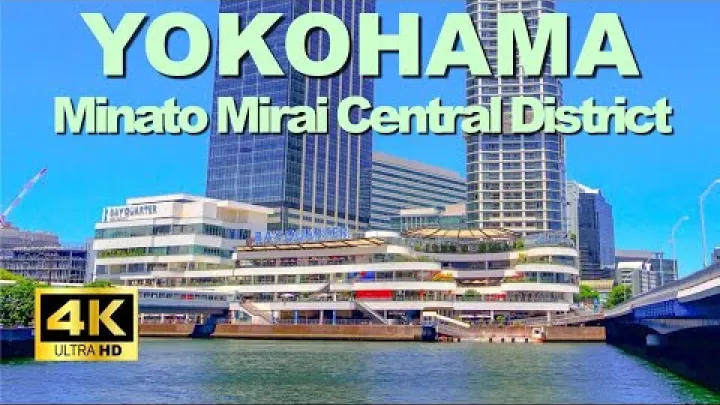
Indoor choices include museums and visitor attractions such as the CUPNOODLES MUSEUM, along with shopping and restaurant complexes. These can be useful when rain, heat, or fatigue makes a long outdoor route less appealing. Some venues use admission tickets, timed entry, or special arrangements, while parks and many promenades can be enjoyed without an attraction ticket.
A practical route is to choose one main paid attraction, then connect it with the Red Brick Warehouse area, a park, and an evening waterfront walk. Check the day's operating conditions for any viewpoint, museum, exhibition, or event before making it the fixed centerpiece of your schedule.
Yokohama Chinatown and Yamashita Park
Yokohama Chinatown is primarily a living food and commercial district, not only a photo stop. Its narrow streets contain Chinese restaurants, bakeries, sweets shops, souvenirs, decorated gates, and Kanteibyo temple. The experience is strongest when you allow time to eat, compare menus, and explore side streets rather than moving through it quickly.
Yamashita Park provides a useful contrast. After the density of Chinatown, the harbor promenade offers open air, water views, and space to rest. The two areas can be combined naturally, with a meal in Chinatown followed by a walk along the port. The route can be busy at popular meal times, and narrow streets may make luggage or large groups inconvenient. Payment methods and menu support can also vary between businesses, so do not assume that every small vendor works like a major department store.
Chinese New Year can add a strong seasonal atmosphere, but the event experience depends on the relevant year's program, crowd levels, and business arrangements. Plan it as an event period rather than assuming a normal sightseeing day.
Yamate and Motomachi
Yamate reflects Yokohama's history as a port open to international trade. The elevated district is associated with Western-style houses, churches, parks, and views toward the harbor. It suits travelers who prefer architecture, history, and quiet observation to large commercial attractions.
Motomachi lies below the Yamate hills and offers a different experience: a historic shopping street with boutiques, cafes, and restaurants. Combining the two makes a useful half-day route because it links heritage exploration with food and shopping. You can then continue toward Chinatown or Yamashita Park if energy and time allow.
Plan for slopes and uneven effort rather than judging the route only by distance. If you want the heritage experience without a long continuous walk, choose a smaller group of houses and parks, take breaks on Motomachi, and use the closest practical station for the next part of the day. Individual historic buildings may have their own opening arrangements, so treat them as optional stops within the broader district walk.
Sankeien Garden and Traditional Landscapes
Sankeien Garden is Yokohama's clearest counterpoint to the modern harbor. The large classical garden combines ponds, paths, seasonal planting, and relocated historic buildings. It is a strong choice for visitors interested in traditional architecture, photography, landscape design, and a quieter half-day away from towers and shopping centers.
Allow enough time to move slowly between viewpoints and buildings. The garden is not a quick station-side stop, so include the bus journey from central Yokohama or the Negishi area when planning the day. If you are visiting with children, older travelers, or photography equipment, a slower schedule will be more comfortable than treating it as one item between several central attractions.
The Sankeien Garden listing currently shows opening hours of 9:00 a.m. to 5:00 p.m., with last entry at 4:30 p.m., and a listed closure from December 26 through December 31. Use the official venue information for the conditions applying to your visit, including admission, temporary closures, and access details.
Choose the Best Time to Visit Yokohama
There is no single best season for every Yokohama itinerary. The choice is a balance between walking comfort, seasonal scenery, crowd levels, accommodation demand, and how much time you want to spend outdoors.
Spring and Autumn for Comfortable Sightseeing
Spring and autumn are broadly attractive for a walking-focused Yokohama trip. The waterfront, Yamashita Park, Motomachi, Yamate, and Sankeien Garden all benefit when the weather supports longer outdoor periods. Seasonal blossoms in spring and autumn color in fall can add interest to gardens and parks, but the exact timing varies from year to year.
These seasons can also bring higher demand around popular weekends, holidays, and peak scenery periods. If you want a hotel near the waterfront or a specific restaurant, book with the wider Tokyo and Kanagawa travel calendar in mind. Otherwise, choose dates based on your preferred balance of scenery, space, and accommodation cost rather than assuming a particular week will always have the same conditions.
Summer, Rainy Periods, and Winter Trade-Offs
Summer heat and humidity can make a route with Chinatown, Yamate hills, and several waterfront walks more tiring than expected. Start outdoor sightseeing earlier, take indoor breaks, and avoid treating every district as a walking-only journey. Rainy periods can interrupt promenades and garden visits, while winter brings shorter daylight and cooler evenings near the water.
Weather disruption deserves special attention in a coastal city itinerary. Heavy rain, typhoon-related conditions, and other hazards can affect outdoor attractions, boat services, roads, and rail connections. On poor-weather days, keep Minato Mirai museums, shopping areas, restaurants, and other indoor venues as alternatives, and move flexible waterfront plans to a clearer period.
Check the current forecast and official hazard advisories before each outdoor day. The JNTO Japan Safe Travel service provides weather and transport-related information for travelers, but local instructions and live transport notices should guide decisions during an active disruption.
Events, Holidays, and Opening-Hour Changes
Events can change the character of a district. Chinese New Year may make Chinatown especially lively, while major Japanese holiday periods can increase demand for hotels, restaurants, trains, and popular attractions. Golden Week, Obon, and the New Year period are examples of times when ordinary schedules and crowd expectations may not apply.
Separate the appeal of an event from its practical impact. A festival may be a highlight if you want a busy atmosphere, but it can also mean queues, limited restaurant availability, crowded transport, and changes to access. Dates for events and seasonal programs should not be treated as fixed without checking the relevant year.
Before booking a nonrefundable stay or fixing a route around an event, check the current official event page and the pages for the venues you intend to visit. Confirm dates, crowd expectations, operating changes, and any reservation arrangements.
Build a Yokohama Itinerary
The most reliable Yokohama itineraries group nearby districts and leave room for meals, station transfers, and weather changes. Use the following routes as frameworks rather than schedules with fixed attraction times.
One-Day Yokohama Route for First-Time Visitors
Begin around Sakuragicho Station or a convenient Minato Mirai access point. Spend the morning choosing one modern attraction, then walk through the waterfront toward the Red Brick Warehouse area. Continue toward Yamashita Park for harbor views and a break before heading to Yokohama Chinatown for lunch or an early dinner.
If you move quickly and still have energy, add a short section of Motomachi or Yamate. Treat this as optional because the hills and the time spent eating can make the central route longer than it appears. Finish with a waterfront view, evening meal, or Sea Bass ride if a suitable service is operating.
Do not force Sankeien Garden into this route unless it is your main priority. The additional bus travel would require removing several central stops. In rain or extreme heat, replace part of the outdoor waterfront walk with a museum, shopping complex, or other indoor attraction in Minato Mirai.
Two-Day Route with Sankeien and Slower Exploration
Use the first day for the central waterfront and port districts: Minato Mirai, the Red Brick Warehouse area, Yamashita Park, and Chinatown. This keeps the route geographically coherent and leaves time for a meal, museum, shopping, or an evening walk.
On the second day, make Sankeien Garden the main excursion and allow for its bus-dependent access. After returning toward the central area, explore Yamate and Motomachi at a slower pace. You can reverse the order if the forecast, opening hours, or your preferred meal schedule makes the heritage districts better in the morning.
A lower-walking version uses rail and buses for the longer movements, chooses fewer hillside buildings, and treats the garden as one substantial stop rather than adding several distant attractions. Two days reduce the need to choose between modern attractions, food, port history, and traditional landscapes.
Yokohama as a Day Trip or Overnight Base
A day trip from Tokyo is a good fit when your accommodation is already in Tokyo, your main goal is a central overview, and you are comfortable returning after dinner or an evening walk. It avoids changing hotels and can fit neatly into a wider itinerary.
An overnight stay is more appealing when you want to see the waterfront after dark, begin early, eat without watching the last practical connection, or travel with luggage that would make a day trip inconvenient. Staying in Yokohama can also support a wider Kanagawa plan that includes destinations such as Kamakura or Hakone, although each addition needs its own route and time assessment.
Compare door-to-door effort, not only the train journey. Include the walk to your Tokyo hotel, station transfers, luggage storage, local transport in Yokohama, and the time needed to return. A short rail ride can still produce a tiring day when repeated transfers and long walks are involved.
Costs, Safety, and Practical Travel Details
Yokohama can be adapted to different budgets because many of its most enjoyable experiences are public spaces, neighborhood walks, and meals. The main variables are your accommodation district, travel dates, attraction choices, and the number of local journeys.
Typical Costs and How to Set a Budget
Build your budget by category instead of relying on one fixed daily figure:
- Accommodation: Hotel rates vary by date, demand, room type, and district. Waterfront and major-station locations may prioritize convenience and views, while outer areas may require more transport time.
- Local transport: Allow for the trips between your base, central districts, Sankeien Garden, and any airport or regional connection. Compare individual fares with a pass only after mapping the actual day.
- Food: Chinatown, Motomachi, Minato Mirai, and station areas provide different dining styles and price levels. Plan separately for quick meals, sit-down restaurants, snacks, and drinks.
- Admissions: Waterfront parks, promenades, and neighborhood walks can be low-cost or free, while viewpoints, museums, gardens, and entertainment attractions may charge admission or offer special ticket types.
- Extras: Shopping, souvenirs, seasonal events, boat rides, and paid experiences can change the total more than ordinary local transport.
When preparing a current budget, separate admission fees from transport and meal spending. Recheck published prices for attractions, trains, buses, boats, and sightseeing passes before deciding between pay-as-you-go travel and a pass. Add a small payment contingency because major venues, small restaurants, shops, and individual transport services may not all accept the same cards or digital payment methods.
Safety and Natural-Hazard Readiness
Approach Yokohama as a large, busy urban destination with ordinary city precautions. Keep belongings secure in crowded stations, Chinatown streets, festival areas, and popular waterfront venues. Manage luggage carefully on stairs and busy platforms, and be considerate in narrow commercial streets by avoiding blocked entrances or sudden stops.
For current national travel-advisory context, entry information, and general guidance, consult the U.S. Department of State. An advisory or notice is time-sensitive, so do not treat an old rating or previous travel experience as a permanent description of conditions.
Japan is subject to earthquakes and other natural hazards, and Yokohama's waterfront makes it important to understand official instructions for earthquakes, tsunamis, severe weather, and transport disruption. During an incident, follow local evacuation and transport directions rather than continuing a sightseeing route. Keep your accommodation address, essential contacts, and a way to receive official updates available even if your planned mobile connection is unreliable.
Bookings, Opening Hours, and Payment
Advance planning matters most during busy travel periods and for experiences with limited capacity. Popular museums or special exhibitions may use timed entry. Seasonal events can affect accommodation and restaurant demand. A well-reviewed restaurant may accept reservations while another nearby business may rely on a queue, so do not assume that every meal needs to be booked or that every restaurant can take a reservation.
Attraction operations are changeable. Before visiting, verify current opening hours, last admission, temporary closures, event dates, reservation rules, and access instructions on the official page for that venue. The Yokohama Official Visitors Guide is useful for local discovery, but the individual attraction or transport operator remains the best place to confirm a detail that affects your schedule.
Use this short checklist before departure:
- Match your hotel to your arrival station and the districts you plan to visit.
- Check rail, airport, and shinkansen connections for your travel date.
- Confirm current attraction hours, closures, last entry, and booking requirements.
- Review event and holiday effects if your trip overlaps a major period.
- Compare pass coverage and current prices with your planned rides.
- Carry a backup payment method and keep important travel information accessible.
- Review current safety, weather, and transport notices before an outdoor or coastal day.
With a central route, a realistic base, and a little flexibility, Yokohama can be either a rewarding day trip from Tokyo or a comfortable overnight destination in its own right. Choose the districts that match your interests, then let transport, weather, and pace shape the final details.
Select area
Create a post
Posting is free and no registration is required.